←Past Stalinkas and Churches

Past Stalinkas and Churches

Photo of route “Past Stalinkas and Churches”
Photo of route “Past Stalinkas and Churches” — 2
15 points6 km6 hours

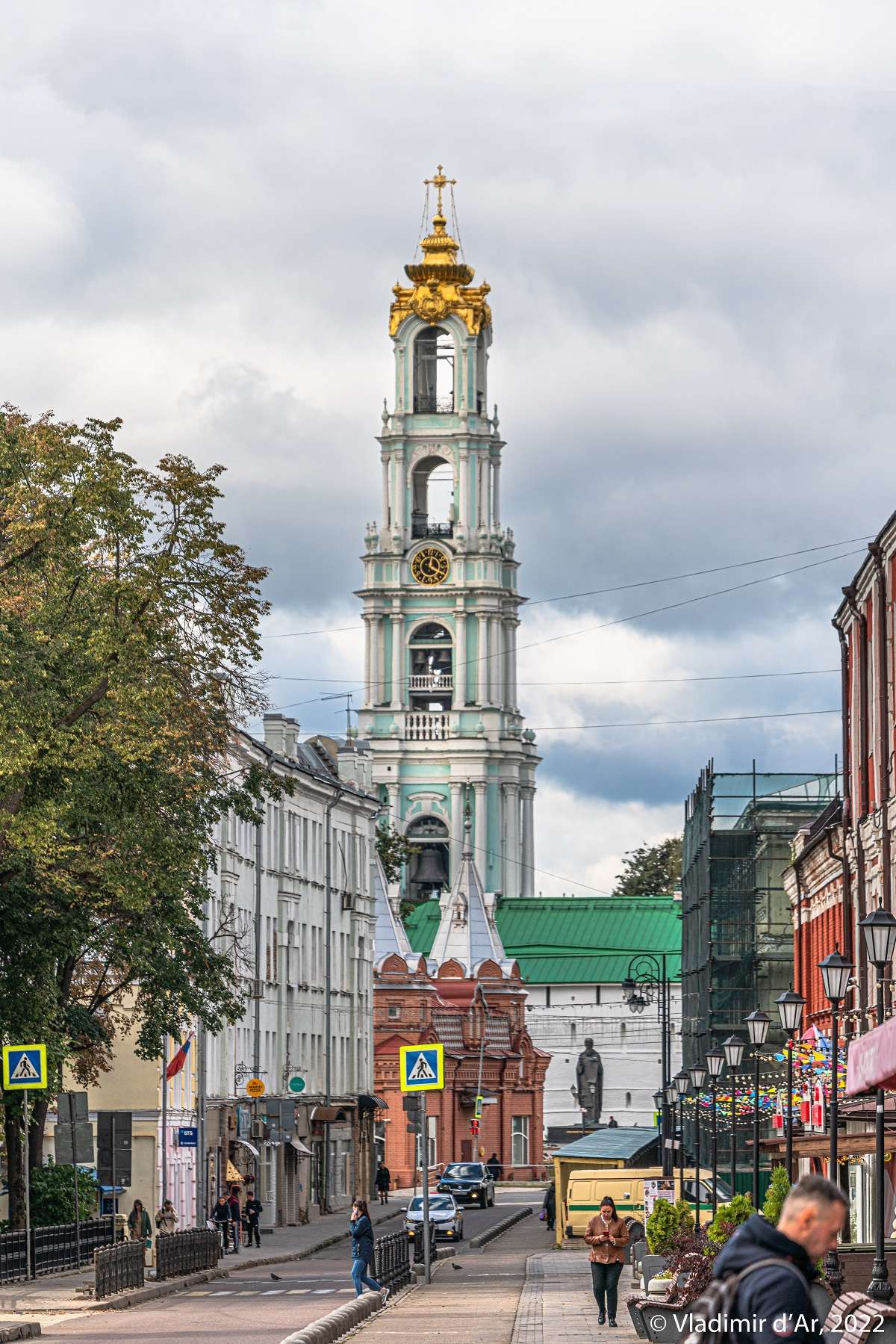
In Sergiev Posad the combination of Orthodox traditions and Soviet heritage is vividly reflected in the architecture. On this route you'll learn why Sergiev Posad stopped building “Stalinkas” (Stalin-era apartment blocks) and what happened to the churches' heritage under the USSR; you'll see the only place where exorcism rites were officially performed, and much more.

Things to do

  • 📜 Learn the city's history
  • 🏛️🕰️ Compare the eras
  • 🔍🖼️ Spot interesting details

Route points (15)

  1. Station Square — point on route “Past Stalinkas and Churches”

    Station Square

    🚂 Railway station · 🗿 Monument

  2. Station Square

    Points will be available after purchasing the route

  3. Kelarsky and Banny Ponds — point on route “Past Stalinkas and Churches”

    Kelarsky and Banny Ponds

    🌿 Public garden or park

Station Square in Sergiev Posad

Point on route “Past Stalinkas and Churches”

Station Square — point on route “Past Stalinkas and Churches”

Point 1

Station Square

🚂 Railway station • 🗿 Monument

Historical Background

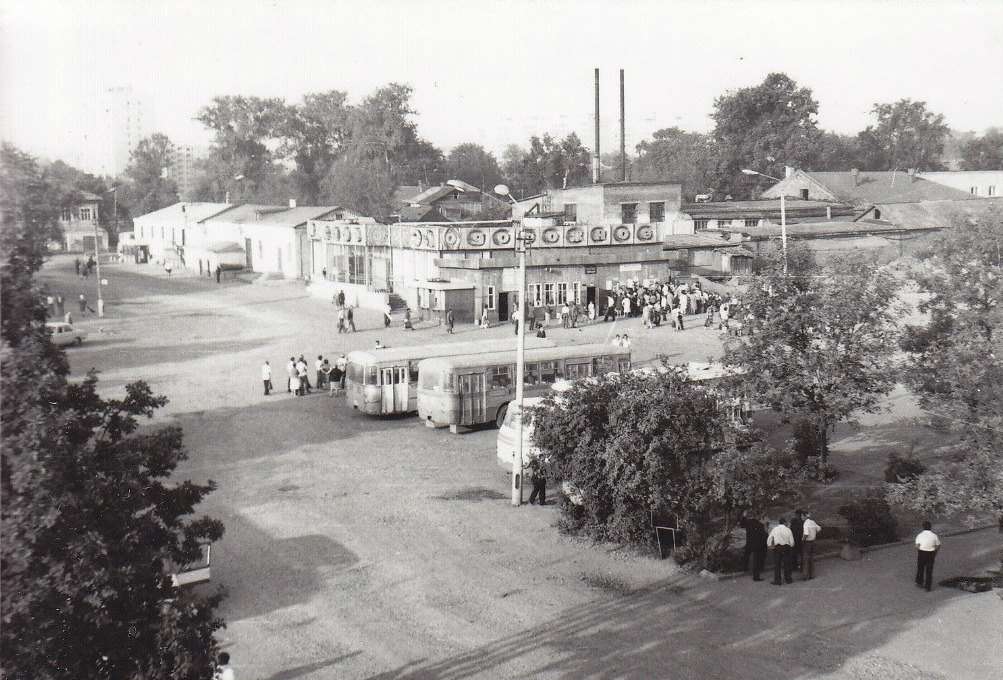
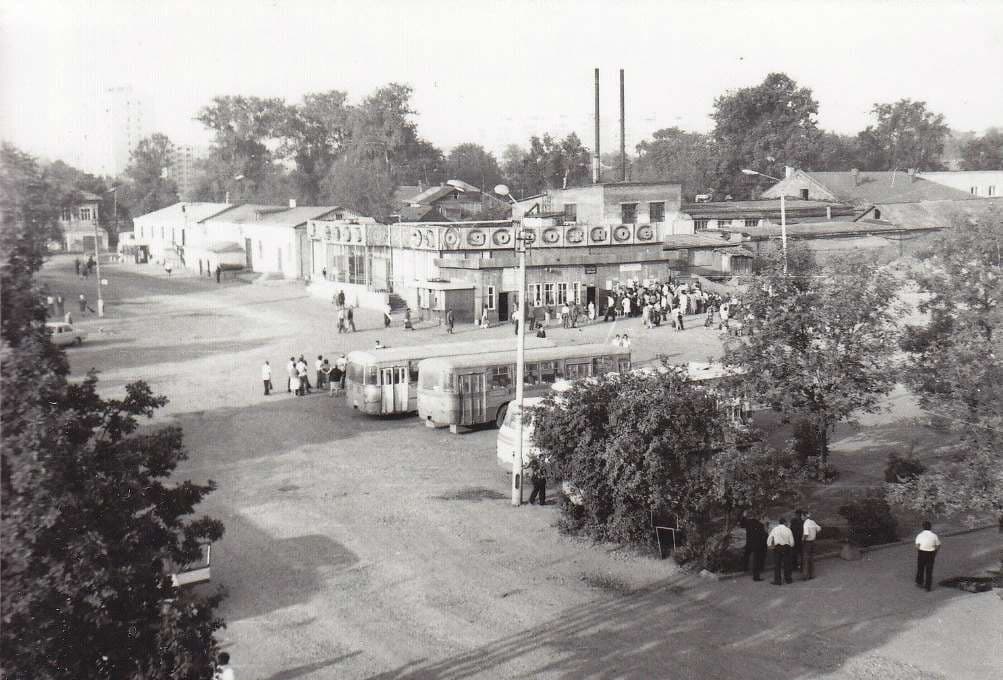
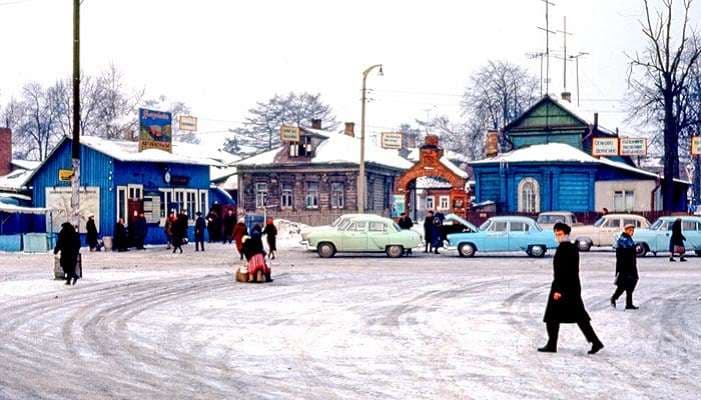
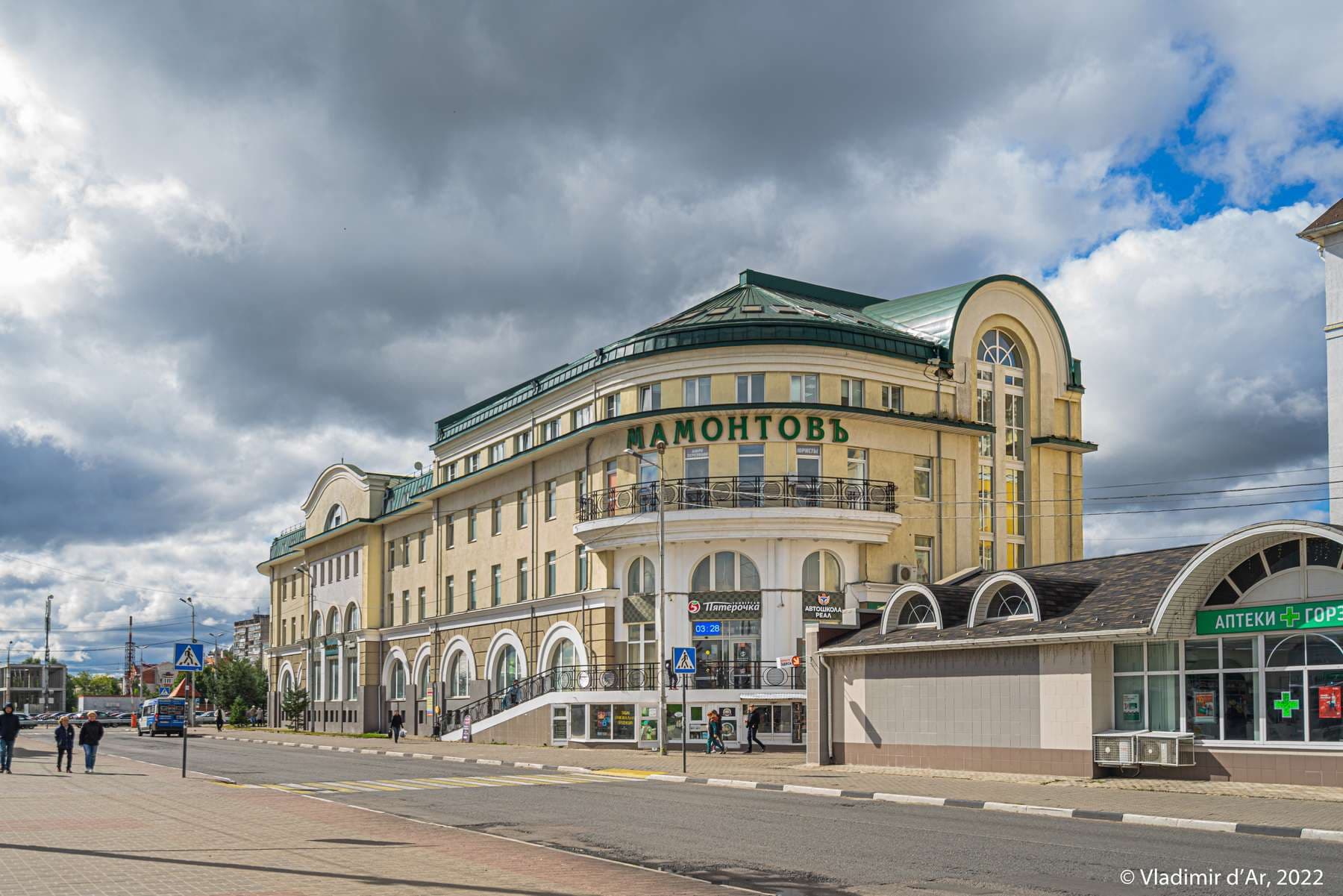
It will greet you and see you off. Coming from the railway station (or on the way to it), you'll pass through Station Square. Today it has shopping centers, shops, a market, and a monument to the industrialist Savva Mamontov, whose name is linked to the construction of one of the first private railways in Russia.

More History

The Moscow–Trinity Railway (1860–1862) was the first in the Russian Empire to be built by a joint-stock company. The construction was organized not by the state but by Moscow industrialists, headed by Ivan Fedorovich Mamontov. Ivan Fedorovich's work was carried on by his son Savva. S. I. Mamontov was an industrialist, a patron of the arts, and the founder of the Private Opera; in short, a prominent figure in Russian culture. You can see his monument on Station Square. It vaguely resembles V. I. Lenin, but that's an optical illusion.

Historical Significance

Sergiev Posad has always drawn pilgrims. Once the trains started running, their numbers grew considerably. The town's ties with other cities grew stronger: a flood of merchants, craftsmen, and others poured in.