←Walks Around Vladimir with Venichka Erofeev

Walks Around Vladimir with Venichka Erofeev

Photo of route “Walks Around Vladimir with Venichka Erofeev”
10 points6 km1.5 hours

This walk around Vladimir is anything but typical. At every stop you'll find short stories about architecture and history — and the company of Venedikt Erofeev, the Russian writer who lived and wrote here. He is the author of the scandalous prose poem “Moscow–Petushki”, a bedside book for every Soviet and post-Soviet intellectual. The editors do not recommend or promote drinking alcohol.

Things to do

  • 📜 Learn the city's history
  • 📚🎬 Recall films and books

Route points (10)

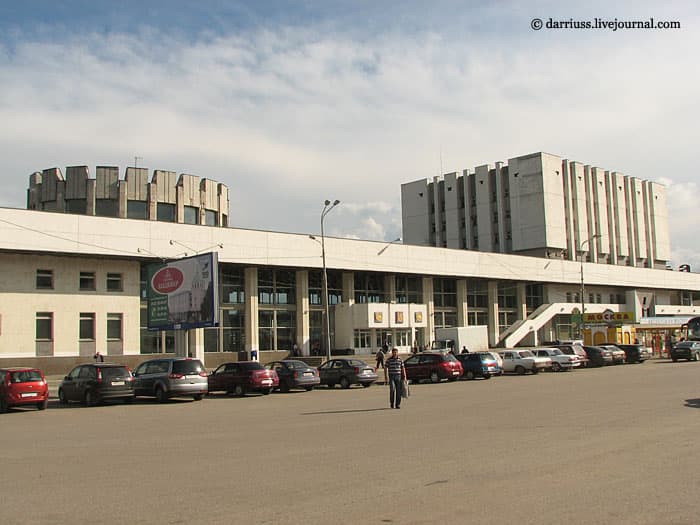
  1. Vladimir Railway Station — point on route “Walks Around Vladimir with Venichka Erofeev”

    Vladimir Railway Station

    🏟️ Architectural landmark · 🚂 Railway station

  2. Vladimir Railway Station

    Points will be available after purchasing the route

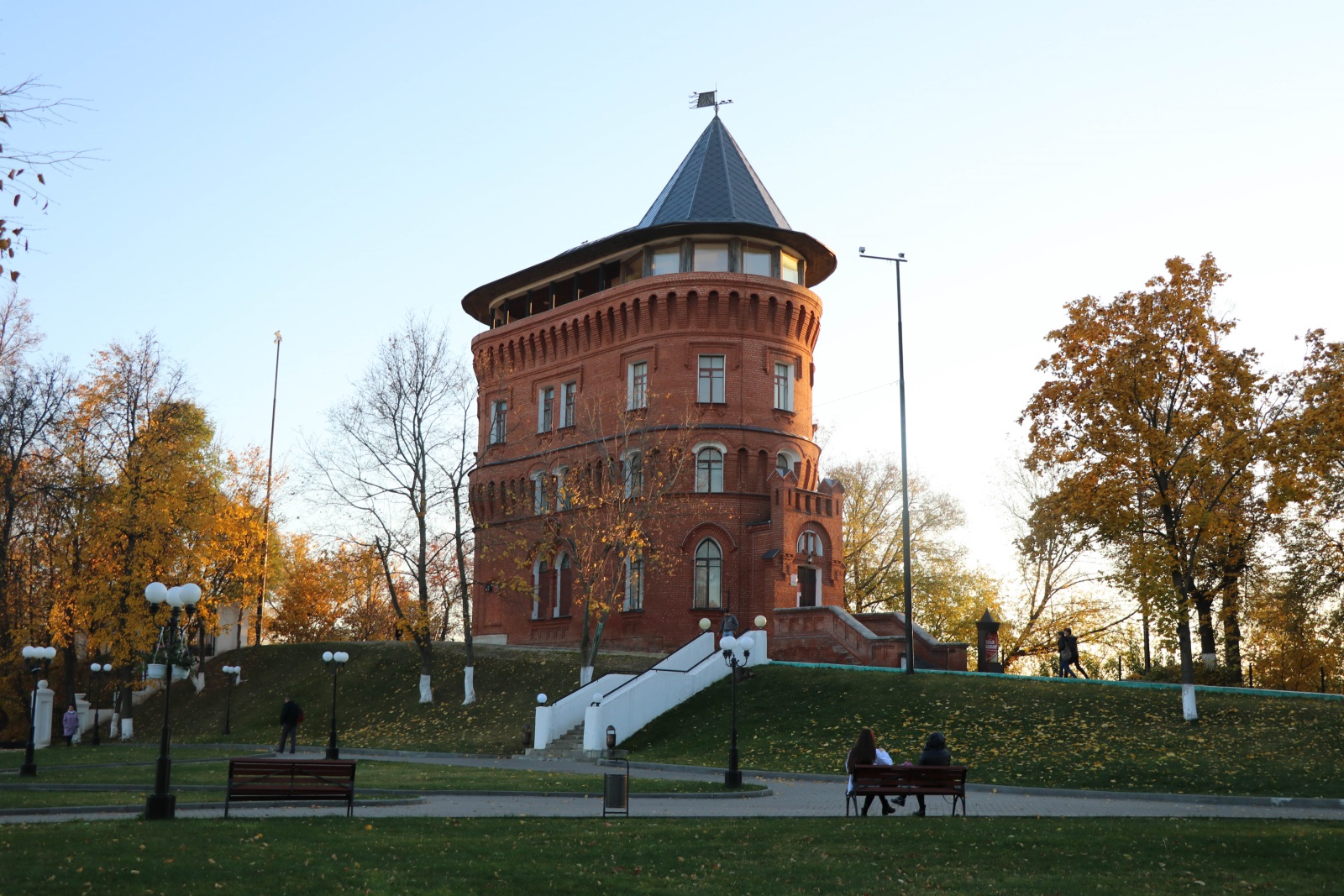
  3. Patriarch's Garden — point on route “Walks Around Vladimir with Venichka Erofeev”

    Patriarch's Garden

    🌿 Public garden or park

Vladimir Railway Station in Vladimir

Point on route “Walks Around Vladimir with Venichka Erofeev”

Vladimir Railway Station — point on route “Walks Around Vladimir with Venichka Erofeev”

Point 1

Vladimir Railway Station

🏟️ Architectural landmark • 🚂 Railway station

Where It All Began

As Erofeev wrote in his notebooks, it wasn't wine or women that ruined his youth — it was commuter trains. The station is where everything starts. And it's here, in the spring of 1961, that we find Erofeev. Welcome to the ancient city of Vladimir, Venichka! At the end of April he got a job as a laborer on a road construction project in Vladimir, and on May 25 he applied to the rector of the Vladimir Teacher Training Institute for admission to the entrance exams for the part-time program of the Faculty of Philology. And what about the station itself?

The Grandeur of Soviet Architecture

Modern construction in an old city is a challenge for any architect: you have to respect the historical context while keeping the new building functional and stylish. In the 1970s Soviet designers faced just such a demanding task: to build a new station on the site of a demolished historic one, and the new building had to match the lost monument in architectural significance. The result is the building that still greets travelers today. Its pale facade is clad in limestone, a material used in buildings on Vladimir soil for twelve centuries, and decorated with three mosaics with folk motifs that tie this Soviet architecture to the overall style of the city. The station is a striking example of Soviet modernism and, fortunately, has not yet been rebuilt or renovated.

Railway Stations and How to Use Them

And what about railway stations in general, Venichka? For the author, stations are among the most incomprehensible things in the universe — tricky crossroads of quantum entanglement. The opening of “Moscow–Petushki” is famous for exactly this: every time Venichka sets out to see the Kremlin, he inevitably ends up at Kursky railway station instead, so he has never seen the Kremlin at all. But we, of course, will try not to get lost.