
 10 points
 5 km
 2.5 hours


The Nevsky Restaurant: How the Germans Tamed the Leningrad Mafia
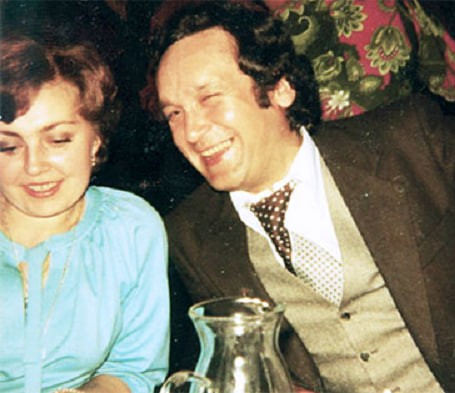
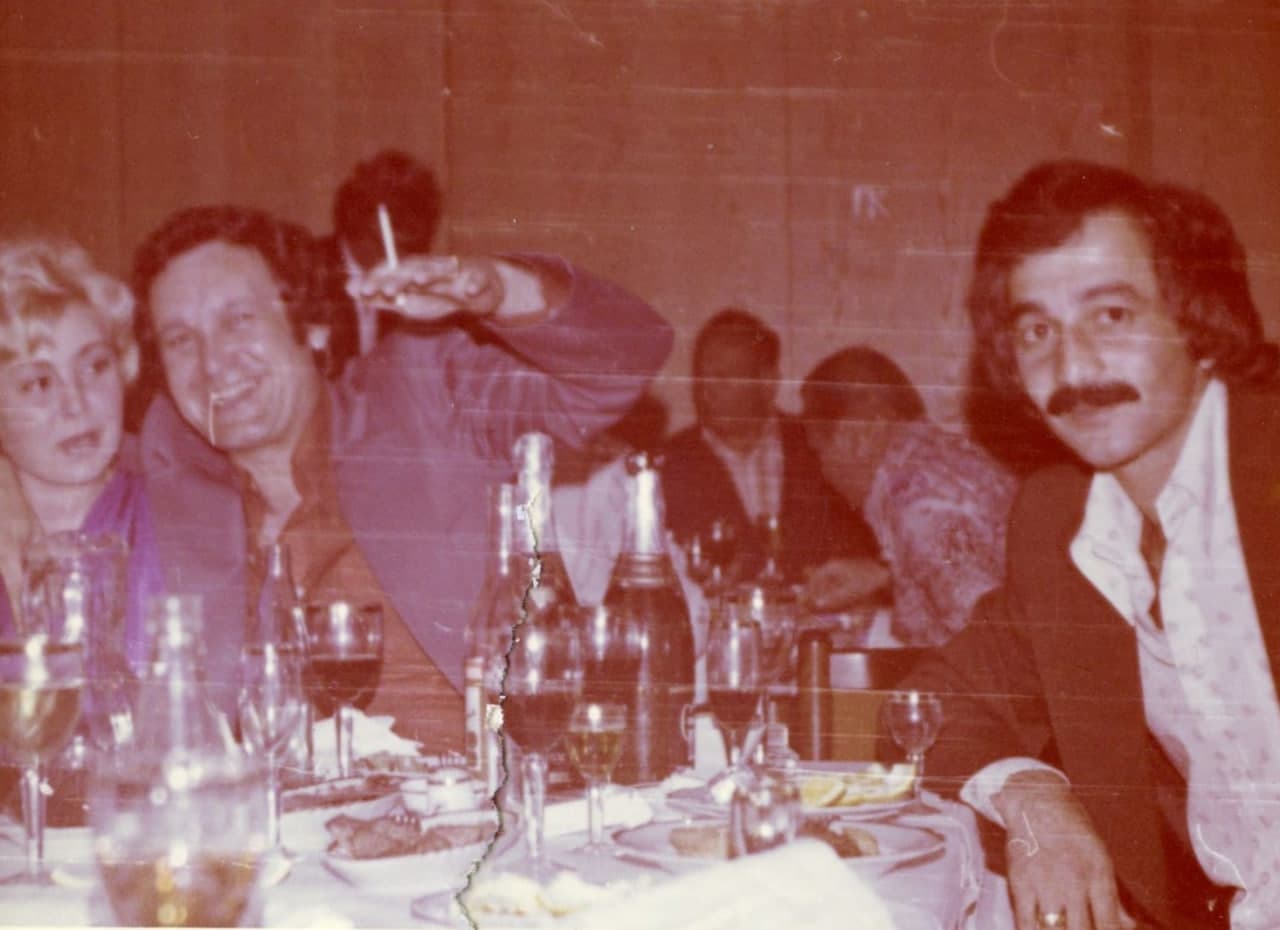
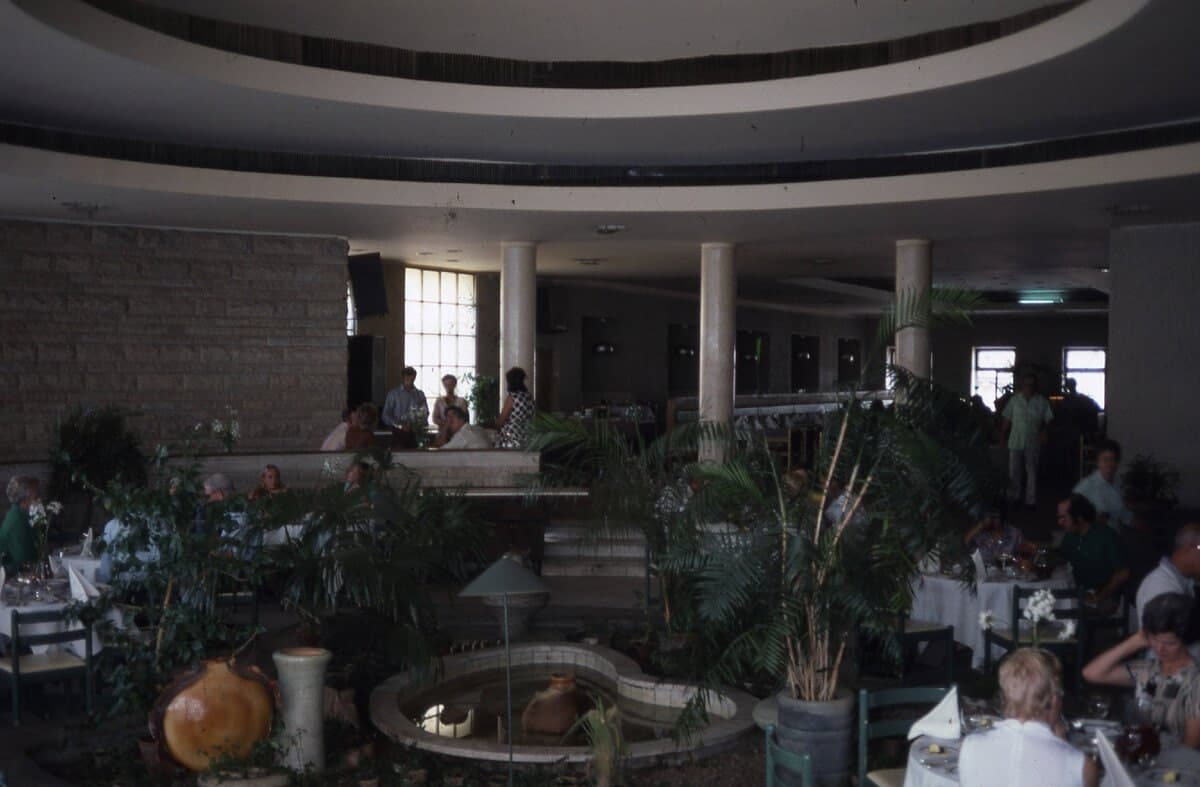
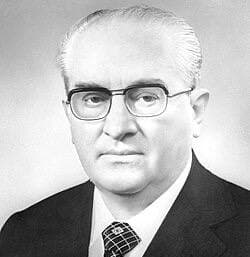
In the 1970s, on the corner of Marata Street and Nevsky Prospekt, there was the Nevsky restaurant. It occupied four floors and had many banquet halls and private rooms; what's more, in the middle of one of the rooms there was even a fountain, which drunken guests liked to wade through, and that happened quite often. In the 1970s, practically several times a week, this restaurant was the haunt of the “grandfather of Russian racketeering” and “king of Nevsky,” Vladimir Feoktistov, nicknamed “Feka.” Feoktistov was a pioneer of the racketeering system: a hooligan expelled from a construction college, he had already served two prison terms in his youth. He organized his own criminal gang, which began providing “protection” to dens, underground card games, and brothels on Nevsky Prospekt. They took money from taxi drivers, speculators, and cardsharps who cheated tourists, and skimmed a percentage from black-market currency dealers and pickpockets. The clever part was that those who were shaken down could not go to the police, since they were not clean themselves. Feka's power grew by the day; on Nevsky his name solved every problem. With power came growing insolence: Feoktistov partied wildly, drank constantly, and almost every day he and his entourage caroused in restaurants, loudly and indecently. Everyone knew what was going on but was afraid to do anything. There is one version of how Uncle Vova fell. One day in 1980, when Feka was once again raising a ruckus at the Nevsky restaurant, he was photographed by a German who was very curious who this was, why he behaved like that, and why no one told him off. It turned out the German was a journalist for Der Spiegel. Back home he wrote an article titled “Leningrad's Chief Mafioso.” The article with that photograph landed on the desk of Andropov himself, and that was the final chord of his brazenness. Soon Feoktistov was sentenced to 10 years in prison for his activities, many of his accomplices were jailed along with him, and his empire on Nevsky collapsed without its king.