←Merchant Alexandrov

Merchant Alexandrov

Photo of route “Merchant Alexandrov”
9 points3 km4 hours

Alexandrov is best known for its kremlin, which went down in history as the “capital of the Oprichnina” in the time of Ivan the Terrible. After that period the settlement kept growing. Merchant dynasties took shape here and played a key role in turning Alexandrov into a trading town. We invite you to explore this part of its history.

Things to do

  • 📜 Learn the city's history
  • 👀 Watch city life
  • 🔍🖼️ Spot interesting details

Route points (9)

  1. Railway Station — point on route “Merchant Alexandrov”

    Railway Station

    🚂 Railway station

  2. Railway Station

    Points will be available after purchasing the route

  3. Yefim Ivanov's House — point on route “Merchant Alexandrov”

    Yefim Ivanov's House

    🏟️ Architectural landmark

Railway Station in Alexandrov

Point on route “Merchant Alexandrov”

Railway Station — point on route “Merchant Alexandrov”

Point 1

Railway Station

🚂 Railway station

Historical Background

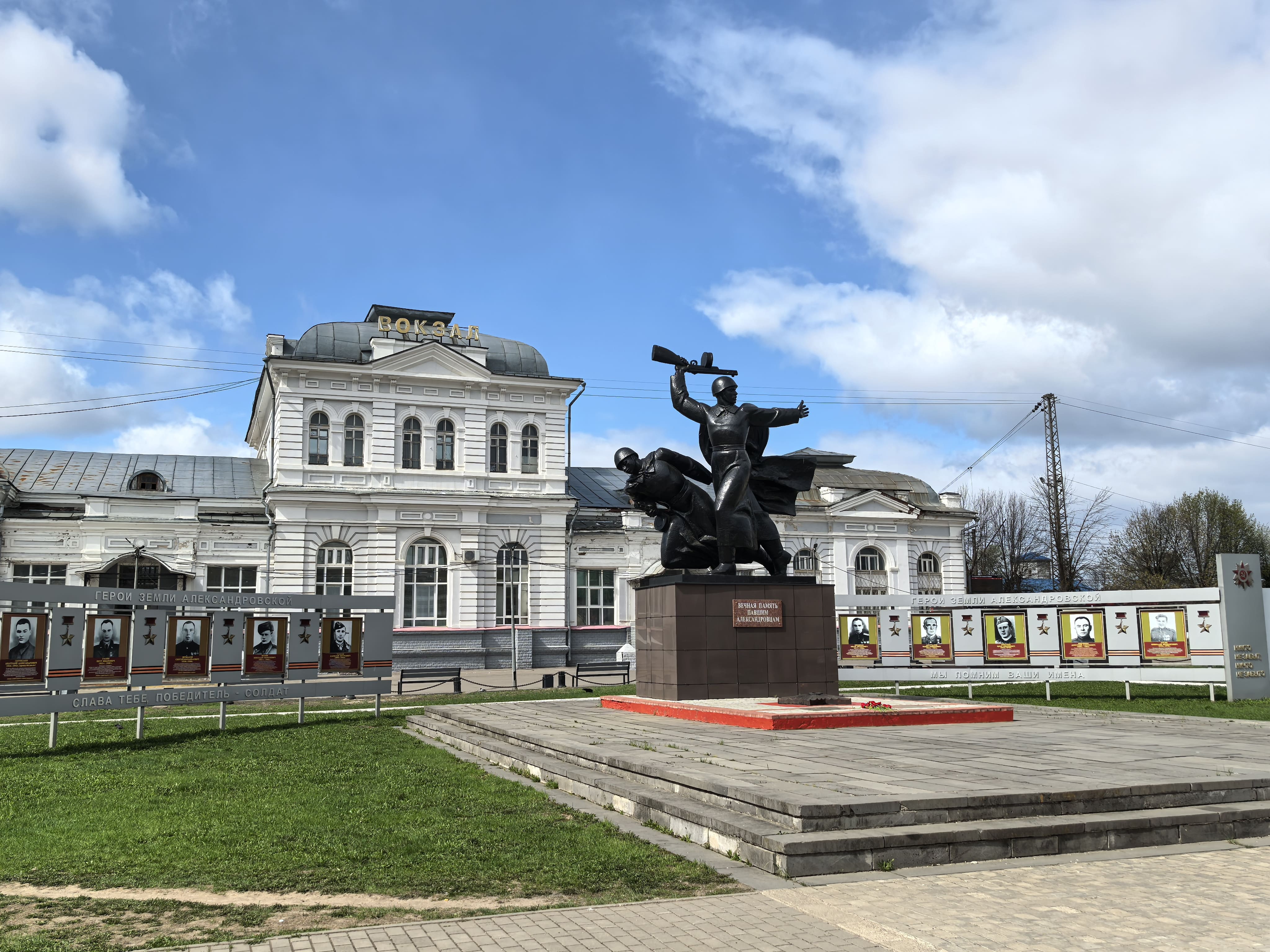
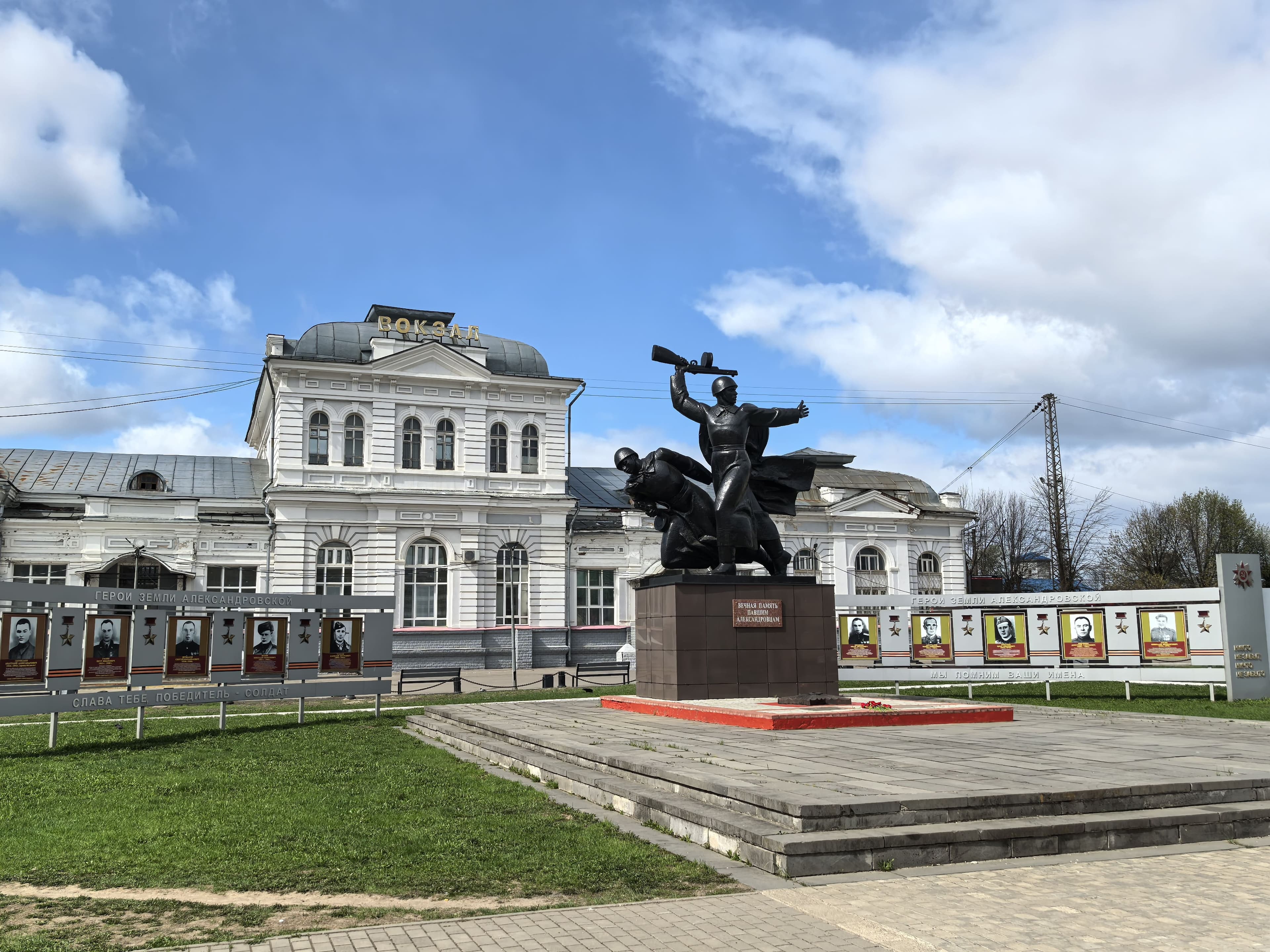
Alexandrov station appeared when the Mamontov business dynasty was building the railway from Moscow to Yaroslavl. The Moscow–Yaroslavl line was originally meant to pass through Pereslavl-Zalessky, but Alexandrov's merchants, unwilling to leave their trading houses and factories without something so useful for business, decided to step in. And so in 1873 a wooden station building went up here, leaving Pereslavl-Zalessky without a railway connection. So if you have ever wondered why commuter trains don't run through Pereslavl, take a look at this station. Now you know who's to blame.

Around the Station

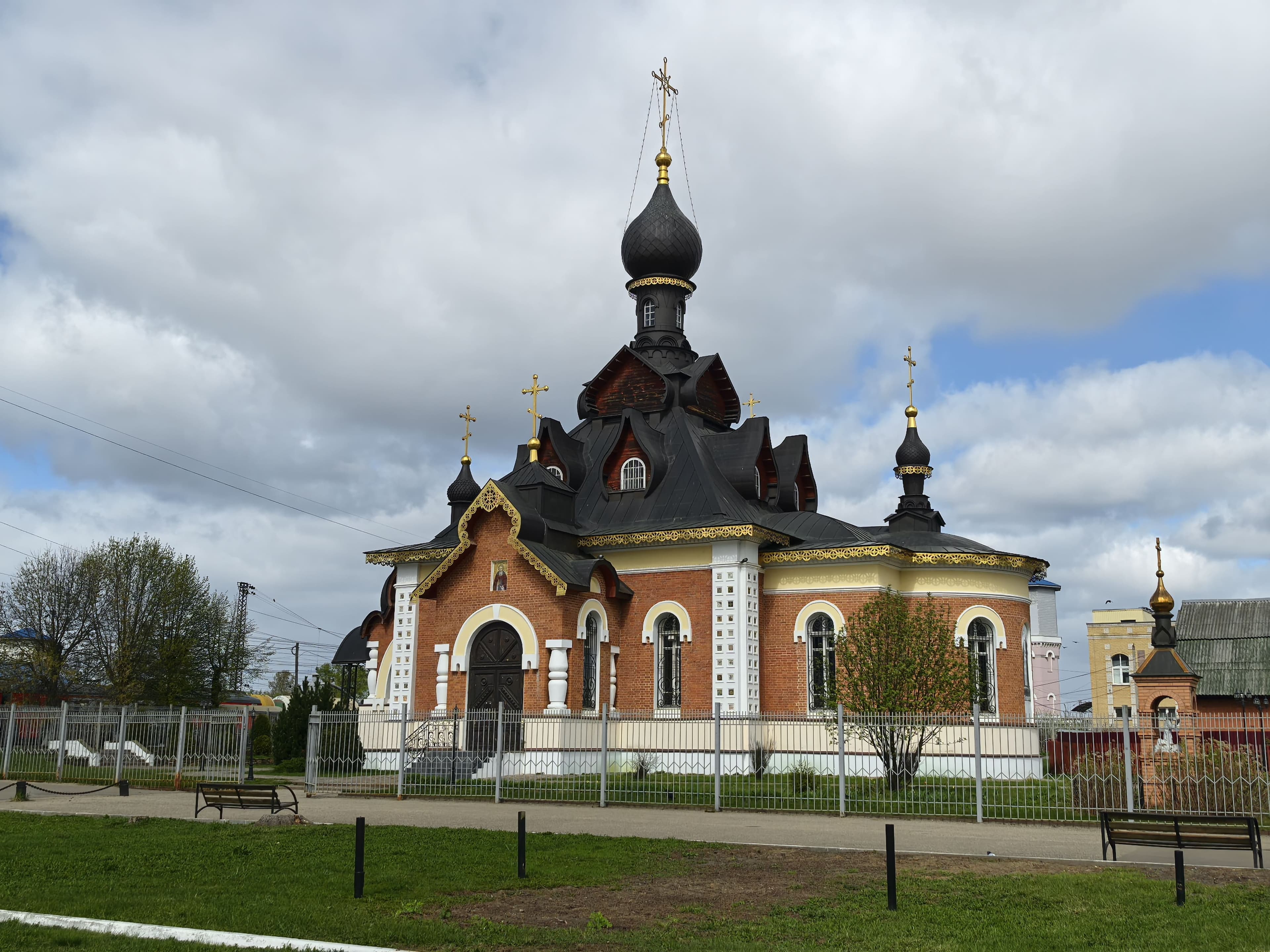
In 1903 the old wooden building was torn down and replaced with a two-story stone building in the Art Nouveau style, which you can still see today. Inside is a small museum with old maps and machinery. Over time the area around the station grew as well. A fan-shaped locomotive depot was built; it survives to this day, but at the moment you can't get close to it. A whole settlement for railway workers appeared too. Next to the station stand two Art Nouveau houses that once held an outpatient clinic and barracks, as well as the chapel of St. Seraphim of Sarov, which keeps a fragment of his relics. The chapel was built in memory of how Emperor Alexander III and his family survived the 1888 train crash at Borki station in Kharkov Governorate.