Historical Background
Kirzhach's closeness to big cities, its poor soil that never gave large harvests and its location on the Stromynka Road led many peasants to take up seasonal work away from home. Skilled men armed with all sorts of tools went off to Moscow, Vladimir and other regional centers to earn money. These migrant workers brought back from the cities all kinds of crafts they had picked up on the job, including silk and velvet weaving, which by the 19th century had become the main trade in these parts. All these skilled hands looking for a living began to attract enterprising merchants eager to put human potential to work, so to speak, for their own profit. Filippovskaya volost and Bogorodsk District led the way.
Pyotr Solovyov and Sons
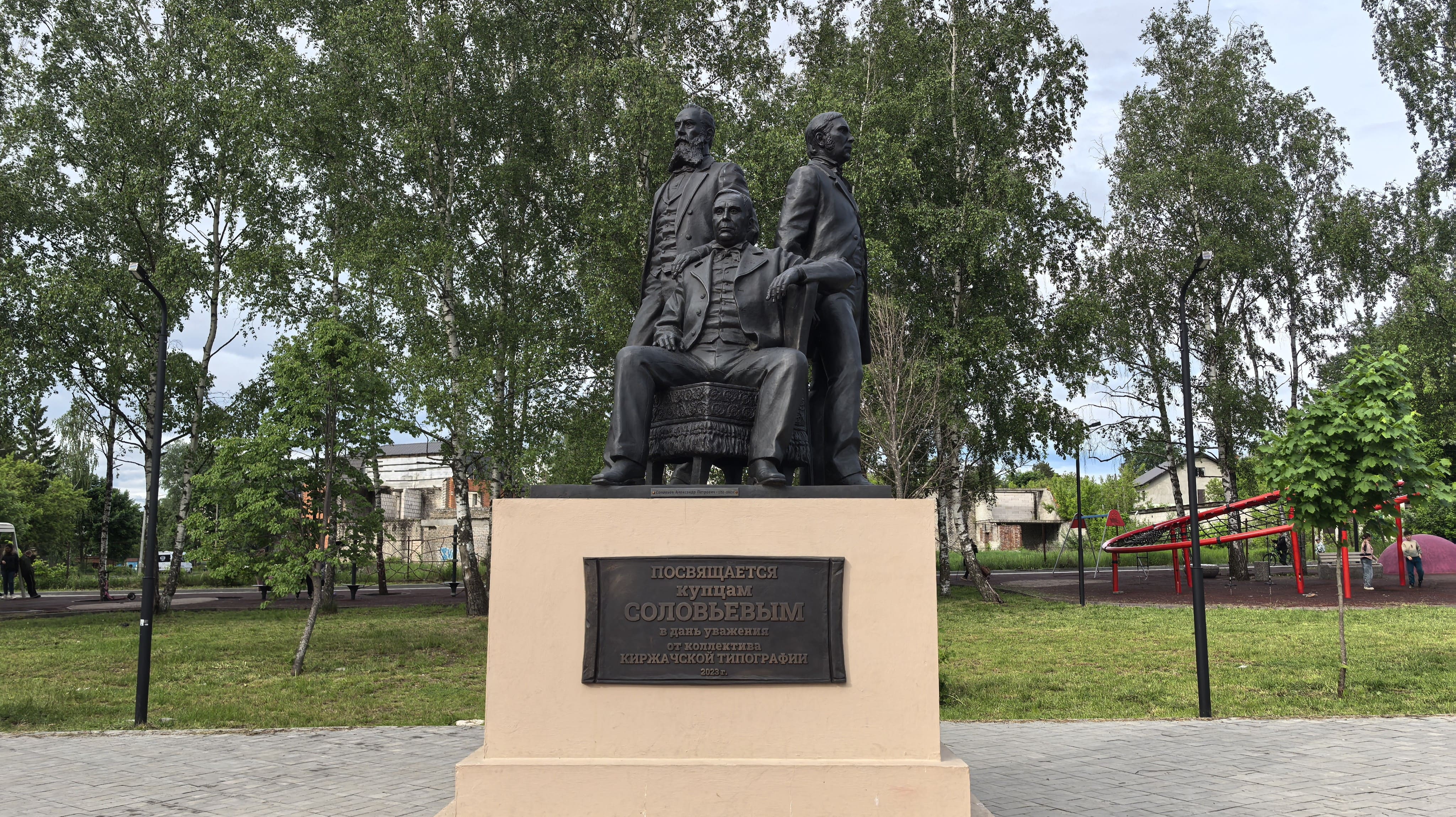
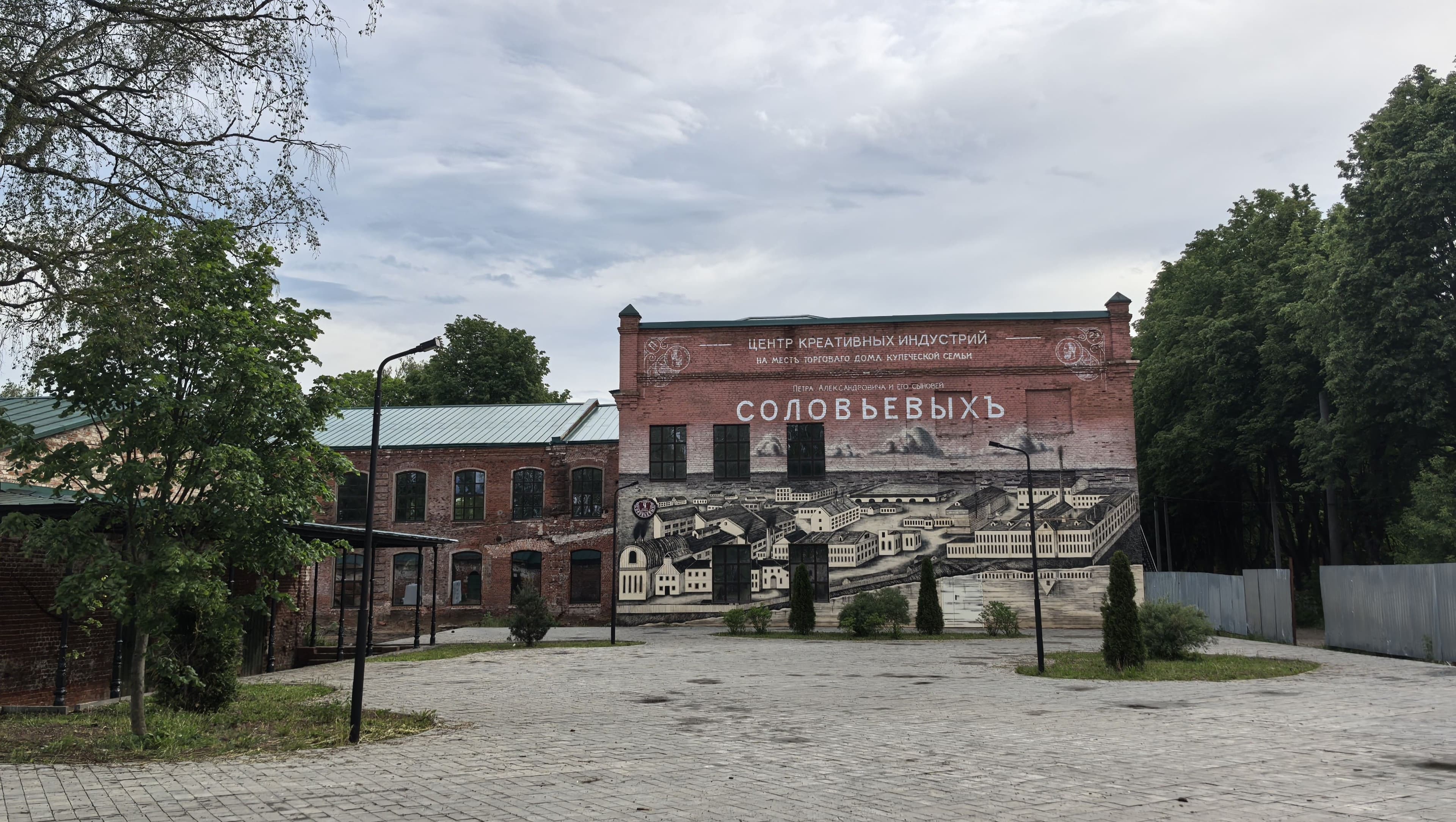
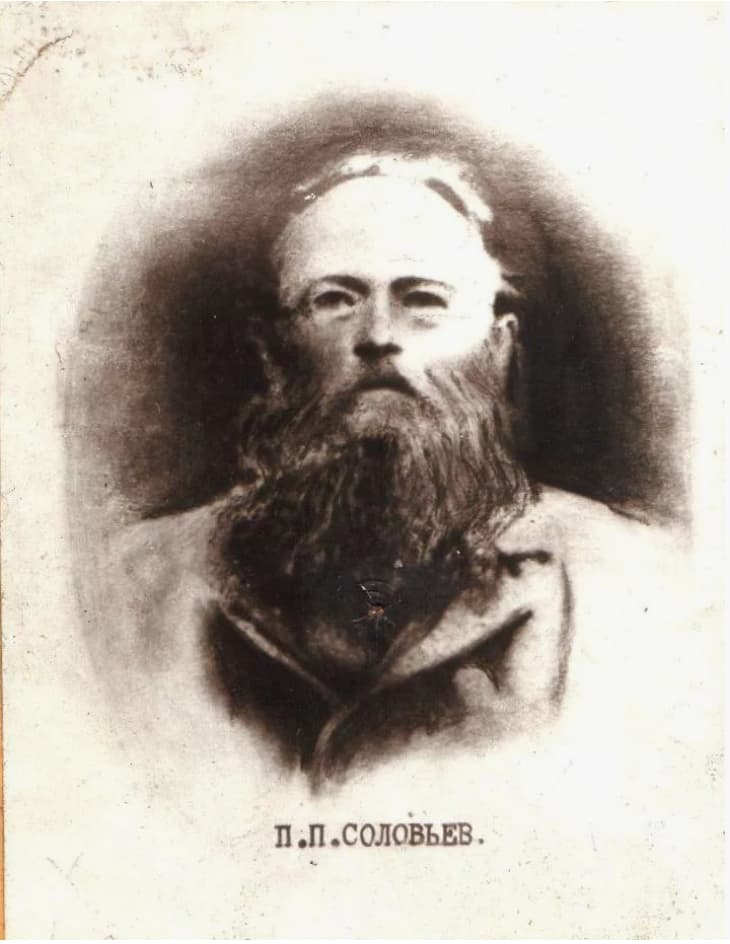
In Kirzhach itself, silk production was launched by Pyotr Solovyov, a future first-guild merchant. At first he worked with his father as a church painter. Then, at 19, he got to know weaving at a mill in Bogorodsk District. He made his way in the trade and eventually opened an office that sent raw silk out to weavers and returned it to the customer as fabric. After five years of this, with his father's support, he opened a small mill in Kirzhach in the 1840s. Thirty years later his empire had grown: by 1879 the firm “A. P. Solovyov and Sons” included yarn-dyeing, calico-dyeing, calico-weaving and calico-printing mills. Over time they were all modernized, acquiring steam engines and mechanical looms, adopting new fabric-dyeing technologies and getting electricity. The mills employed about 400 workers on average, not counting some 50 children under 18. The latter, incidentally, was frowned upon even then, since it was driven not by dire necessity but by economics: children could simply be paid ten (!) times less than adults.
Public Life
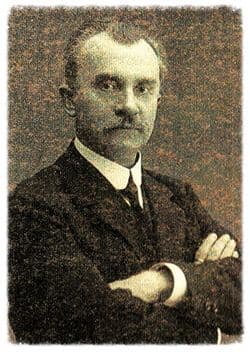
Pyotr Solovyov's sons and grandsons actively expanded the family business and improved the town along the way. His son Pyotr Petrovich opened the Kirzhach Public Library at the Annunciation Cathedral in 1875. His grandson Alexander Alexandrovich Solovyov was behind many important civic initiatives: thanks to him, the town got a Mutual Insurance Society, a two-grade girls' school with a crafts department, the teachers' seminary mentioned earlier, a zemstvo hospital and an almshouse. The family also owned a great deal of property in town. The Solovyovs played a major role in shaping Kirzhach into an important economic center for the surrounding area.
The Silk Combine
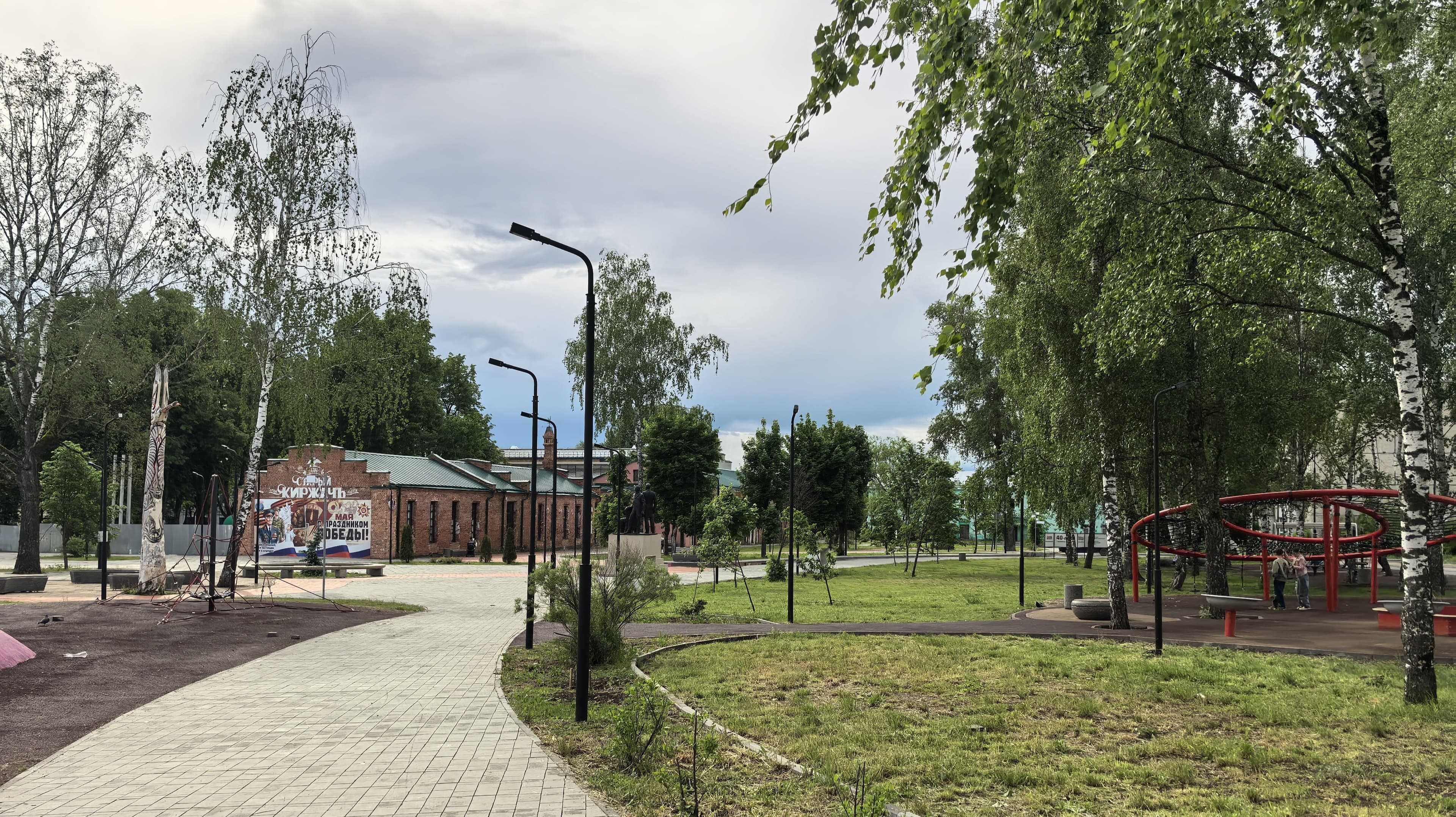
In 1932 the Solovyov mills became the basis of a silk combine, whose workers' settlement you're standing in now. By 1971 it was one of the largest enterprises in the country's silk industry, with thousands of looms producing 2.5 million meters (2.7 million yards) of fabric a year. The silk combine and its branches provided about 6,000 jobs. But the crisis of the 1990s was merciless, and in 1998 the century-and-a-half-old enterprise was dissolved. Today a local patron, Yevgeny Fyoderov, owner of the Kirzhach printing house, plans to turn the mill complex into an industrial park.

 10 points
 4 km
 4 hours