←Volga Slopes

Volga Slopes

Photo of route “Volga Slopes”
Photo of route “Volga Slopes” — 2
12 points2 km3 hours

Nizhny Novgorod is one of the largest cities on Russia's great river, the Volga. This route starts in the city center near the Nizhny Novgorod Kremlin, and most of it runs along the Upper Volga Embankment, which offers a magnificent view of the Volga. The embankment is also lined with many famous architectural landmarks. Along the way you'll see well-known sights such as the Rukavishnikov Estate and can visit several exhibitions and museums. You'll also hear a few fascinating city legends.

Things to do

  • 🌸🍃 Get some fresh air
  • 🚶 Stroll along the waterfront

Route points (12)

  1. Chkalov Monument — point on route “Volga Slopes”

    Chkalov Monument

    🗿 Monument · 📸 Take photos

  2. Chkalov Monument

    Points will be available after purchasing the route

  3. Polytechnic University — point on route “Volga Slopes”

    Polytechnic University

    👀 Watch city life · 📸 Take photos

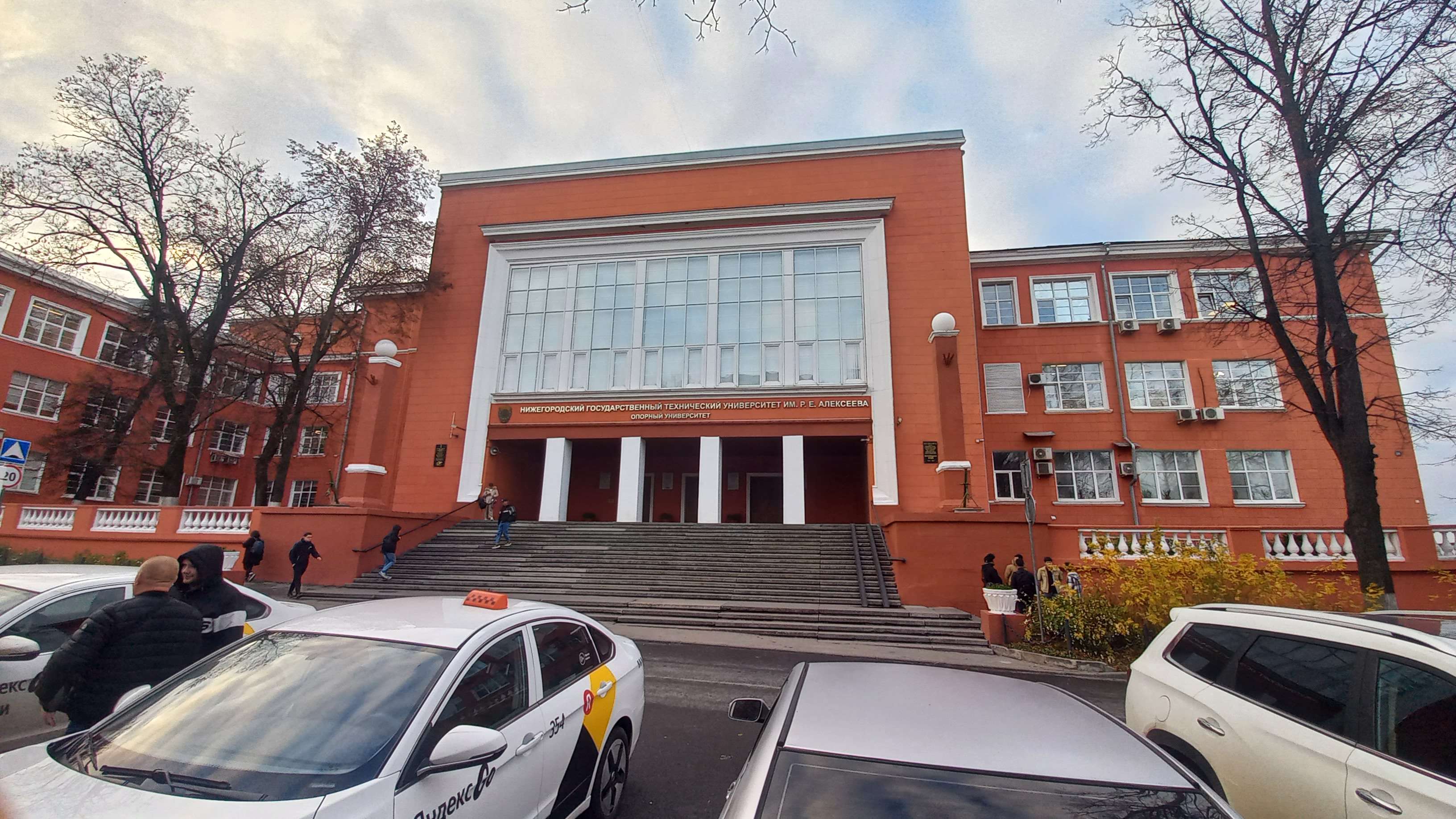
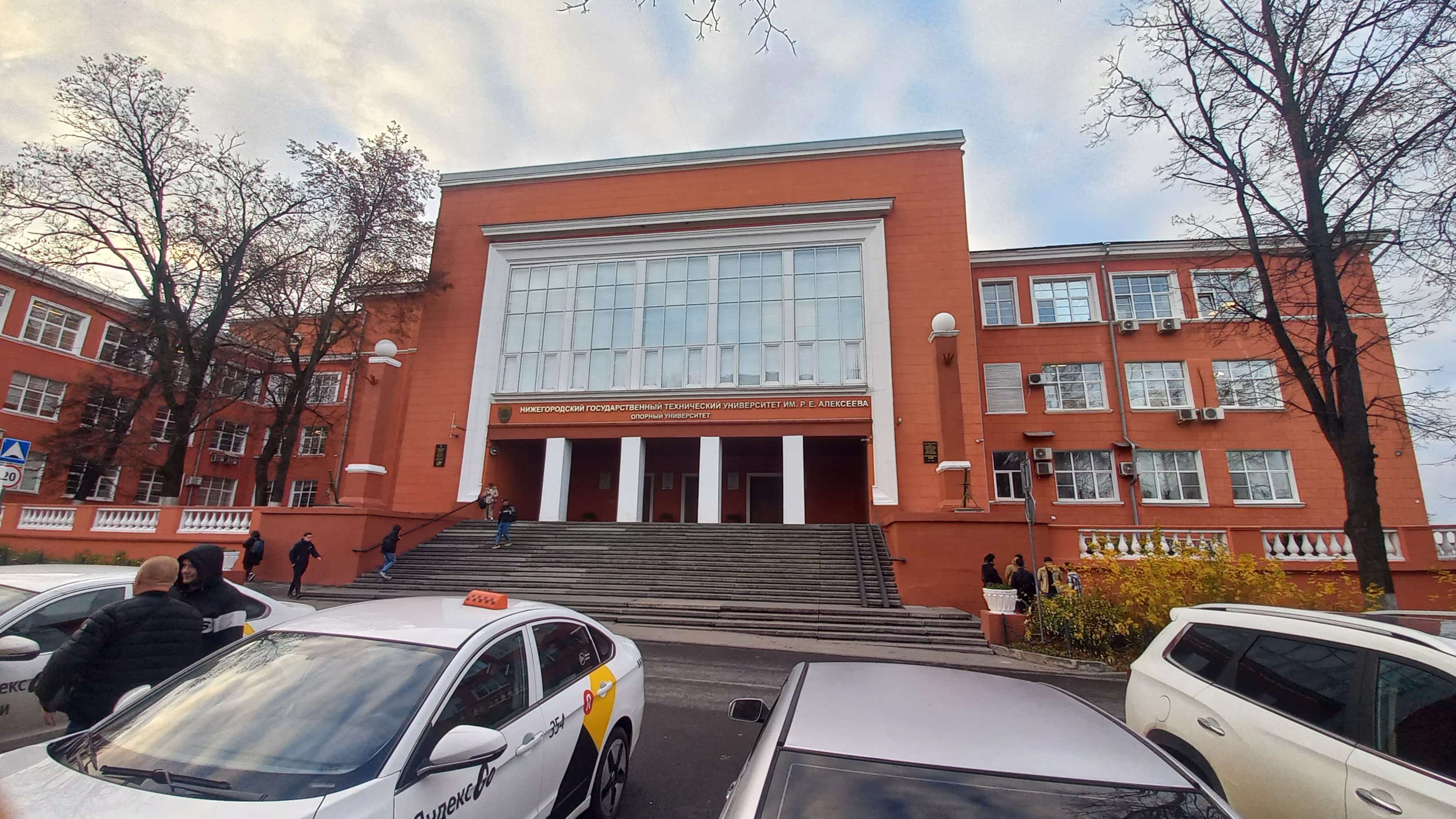
Polytechnic University in Nizhny Novgorod

Point on route “Volga Slopes”

Polytechnic University — point on route “Volga Slopes”

Point 12

Polytechnic University

👀 Watch city life • 📸 Take photos

A Technical University

The Rostislav Alekseev Nizhny Novgorod State Technical University continues the history of the Warsaw Polytechnic Institute: in 1915 the Emperor Nicholas II Polytechnic Institute was evacuated from Warsaw to Moscow, and a year later it was permanently relocated to Nizhny Novgorod. In March 1917 the Kingdom of Poland ceased to exist, and the council of the Warsaw Polytechnic Institute asked the Provisional Government to rename it the Nizhny Novgorod Polytechnic Institute.

A Great Shipbuilder

Since 2007 the university has borne the name of Rostislav Evgenievich Alekseev, the designer of hydrofoils, ekranoplans, and ekranolets (ground-effect vehicles), who was himself a graduate of the Polytechnic. From 1941 he worked at the Krasnoye Sormovo shipyard, from 1943 at its Central Design Bureau, and from 1958 as chief designer of hydrofoil vessels. Under Alekseev's leadership a series of hydrofoil boats and ships was developed and built in 1957–1965: the Raketa, Meteor, Kometa, Vikhr, and Burevestnik.

Stalin-Era Architecture

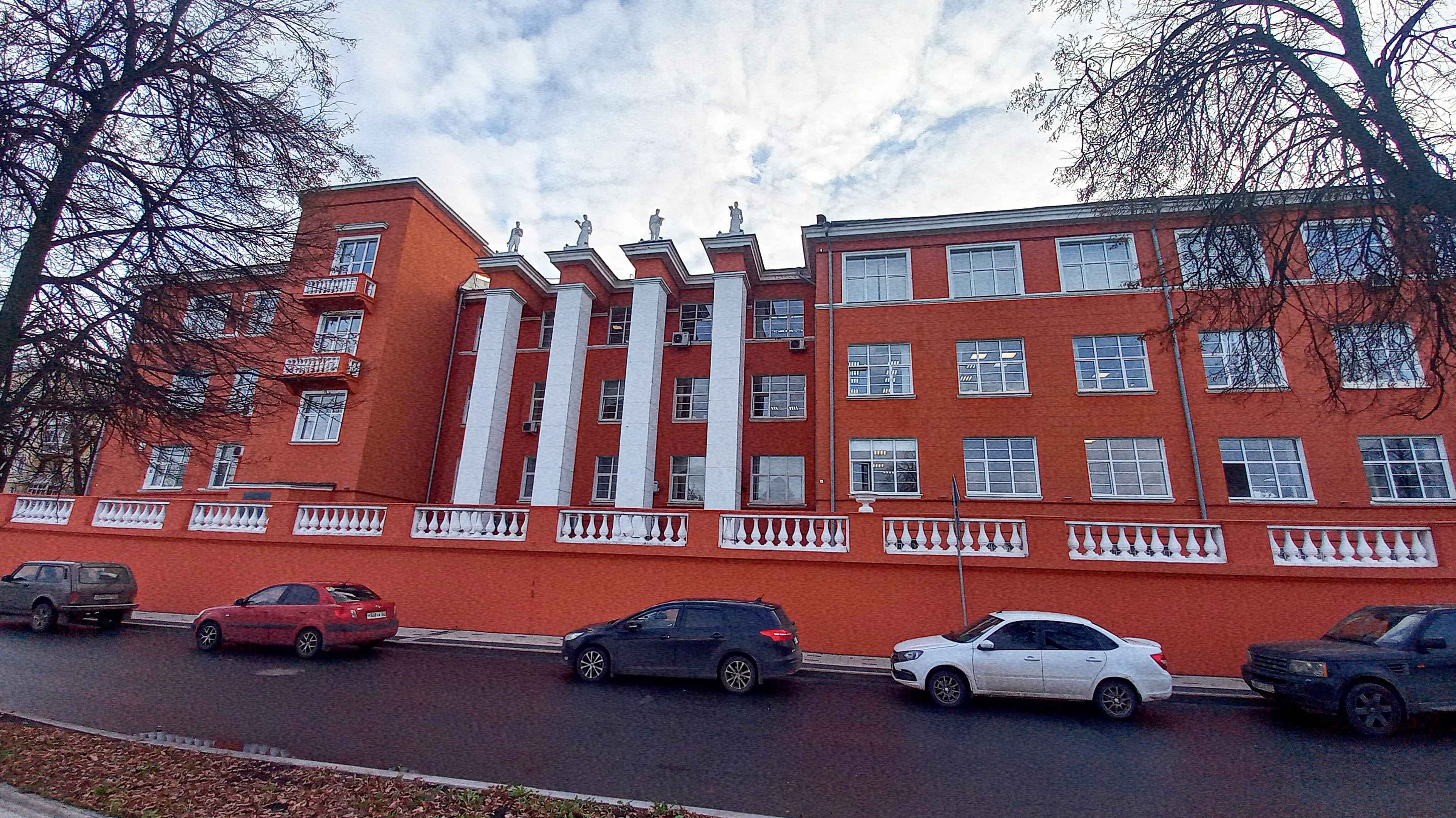
The university's first building is a fine example of Constructivist architecture: simple geometric shapes and wide horizontal windows. The main facade is decorated with pilasters and sculptures of students holding books and drawings. A large, wide staircase leads to the entrance from Minin Street, and four white columns can be seen from the embankment. Today the first building is an architectural landmark of regional significance. The university is one of the largest in Nizhny Novgorod.