←The Other Suzdal

The Other Suzdal

Photo of route “The Other Suzdal”
13 points9 km2 hours

Suzdal is often associated only with churches and monasteries, but this route offers a different view of the town: wooden architecture, merchants' houses, creative spaces, an ancient fortress monastery, film sets, and the protected Ilyinsky Meadow, from which the kremlin and the churches are seen from a new angle.

Things to do

  • 📜 Learn the city's history
  • 🌆🌿 Soak up the atmosphere
  • 🍲🎶 Local culture

Route points (13)

  1. Museum of Wooden Architecture — point on route “The Other Suzdal”

    Museum of Wooden Architecture

    📜 Historic site · 🏛️ Museum · 🏟️ Architectural landmark

  2. Museum of Wooden Architecture

    Points will be available after purchasing the route

  3. Ilyinsky Meadow Nature Reserve — point on route “The Other Suzdal”

    Ilyinsky Meadow Nature Reserve

    🔭 Viewpoint

Ilyinsky Meadow Nature Reserve in Suzdal

Point on route “The Other Suzdal”

Ilyinsky Meadow Nature Reserve — point on route “The Other Suzdal”

Point 13

Ilyinsky Meadow Nature Reserve

🔭 Viewpoint

In Brief

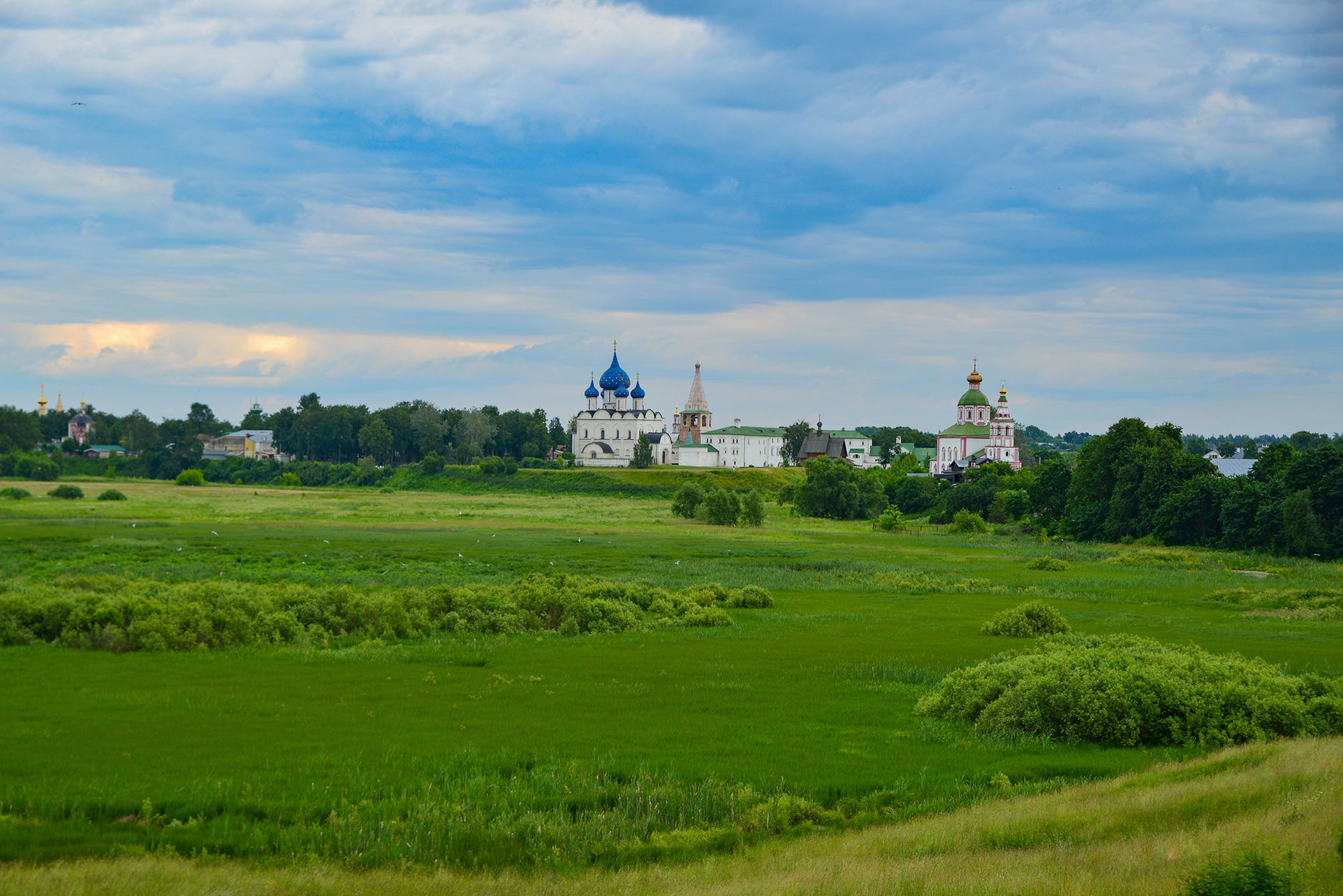
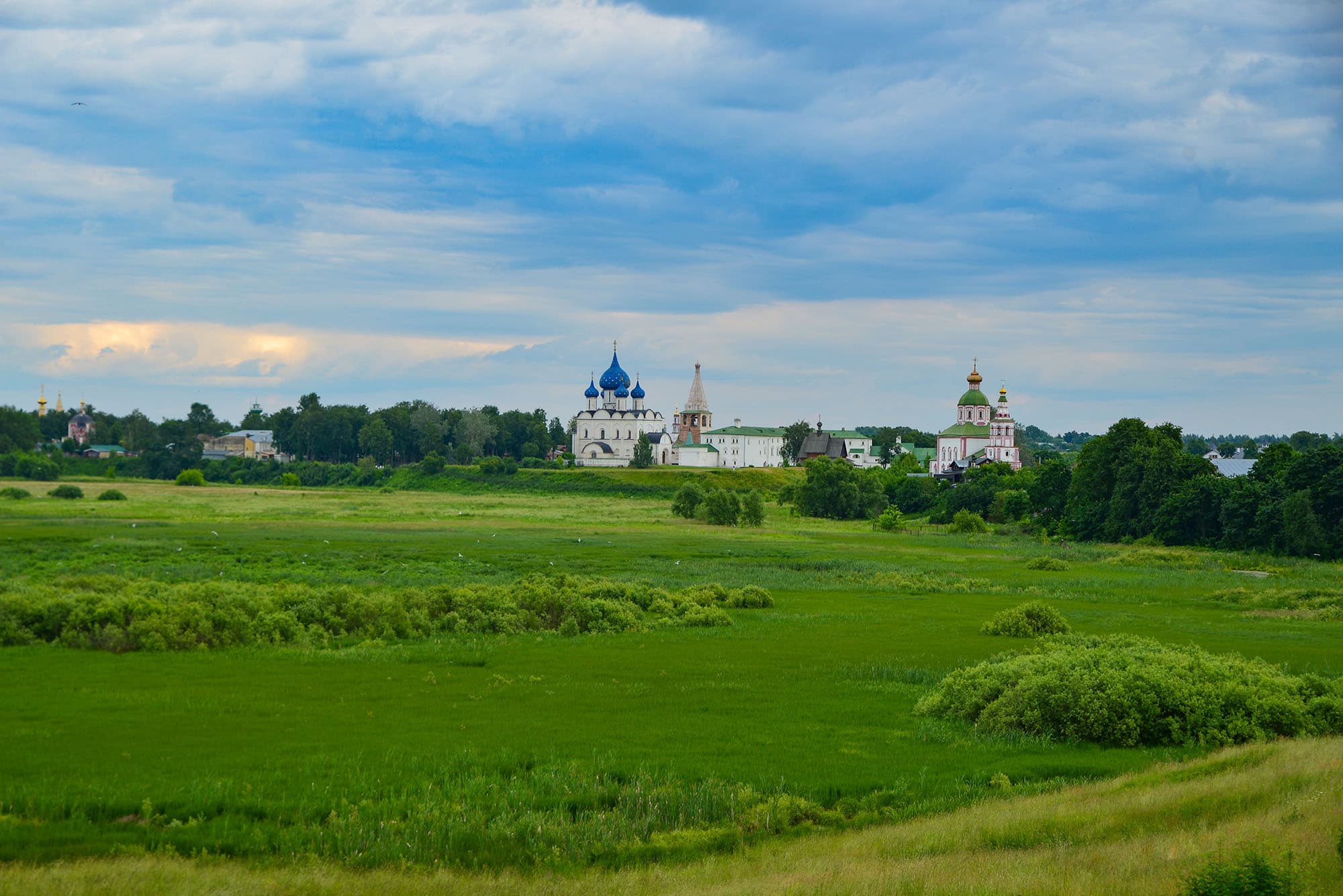
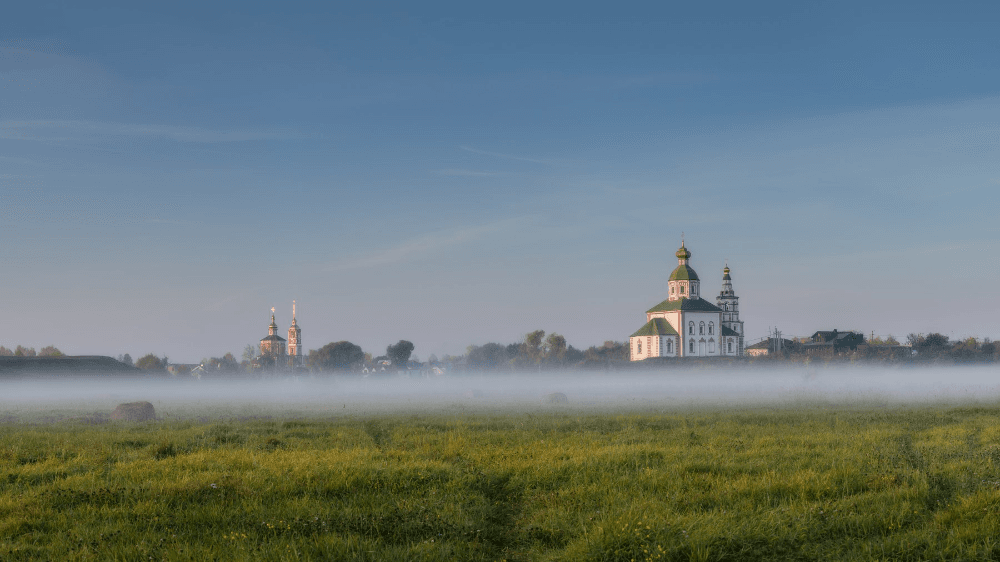
Ilyinsky Meadow is a landscape reserve of regional significance in the center of Suzdal and the largest of the town's meadows, covering about 40 hectares (100 acres). It occupies floodplain and higher ground on the right bank of the Kamenka River, opposite the Suzdal kremlin.

Nature and Landscape

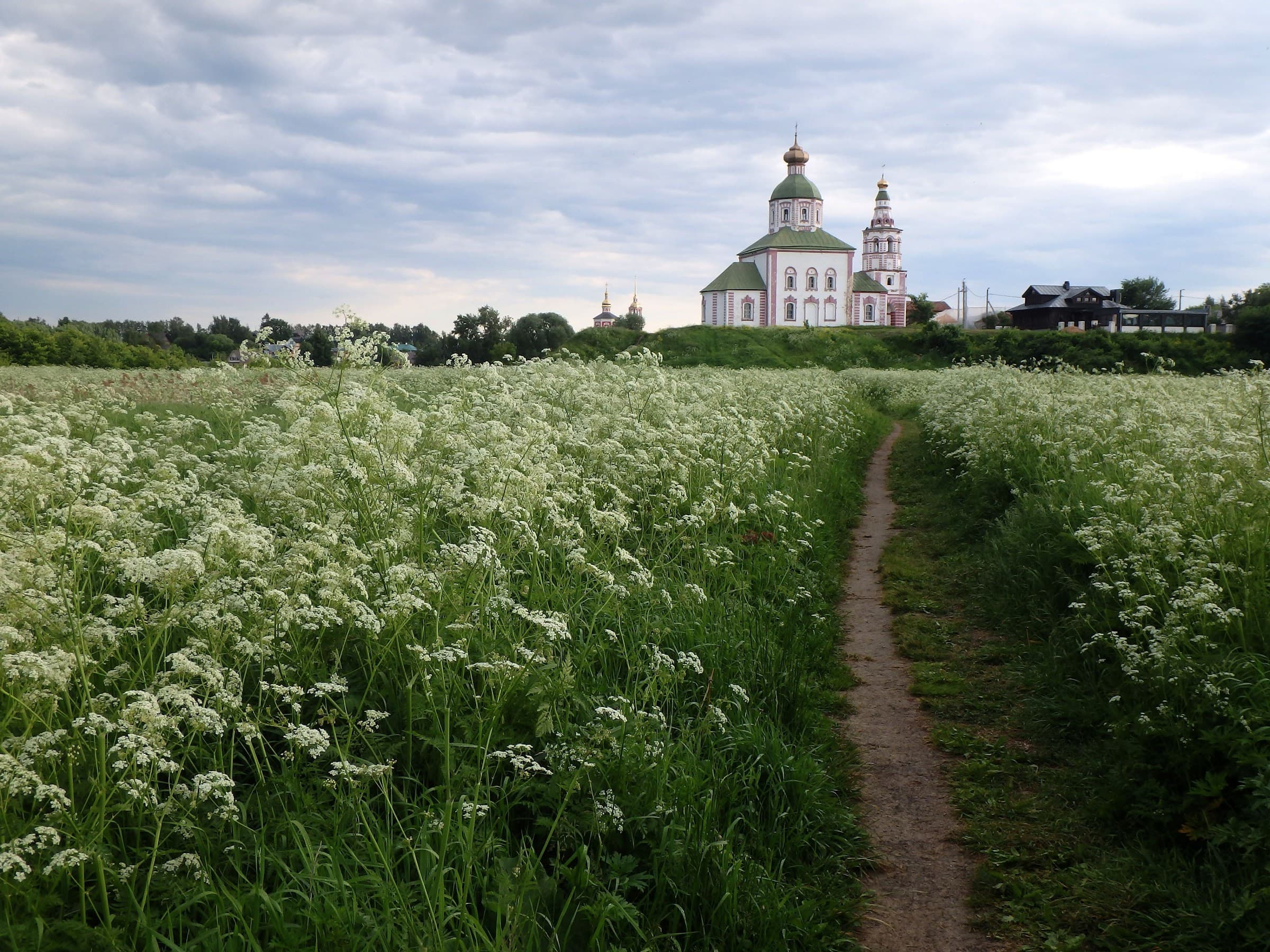
The meadow preserves a natural meadow landscape with a variety of plants and birds: more than 150 plant species and about 40 bird species have been recorded here. In the central part, dry and marshy patches alternate, and horsetail, cattail, and other waterside plants grow along the streams. The space is open, and the domes of the kremlin and the nearby churches are clearly visible from here.

Historical Use

According to old manuscripts, Ilyinsky Meadow was used for haymaking for centuries, and in Soviet times herds grazed here. During the Great Patriotic War the western part of the meadow was used for military exercises, and the terrain still bears traces of trenches and ditches. In the late 20th century the building of dams on the Kamenka caused the floodplain to grow shallow and partly marshy.

Status and Visitor Rules

The reserve was officially established in 1999 by a resolution of the Vladimir Region administration. Footpaths cross the meadow; one of them runs from the Church of Elijah to the bridge toward the Church of the Epiphany. Only walking is allowed; part of the area is used for haymaking, and campfires and picnics are prohibited throughout.