Historical Background
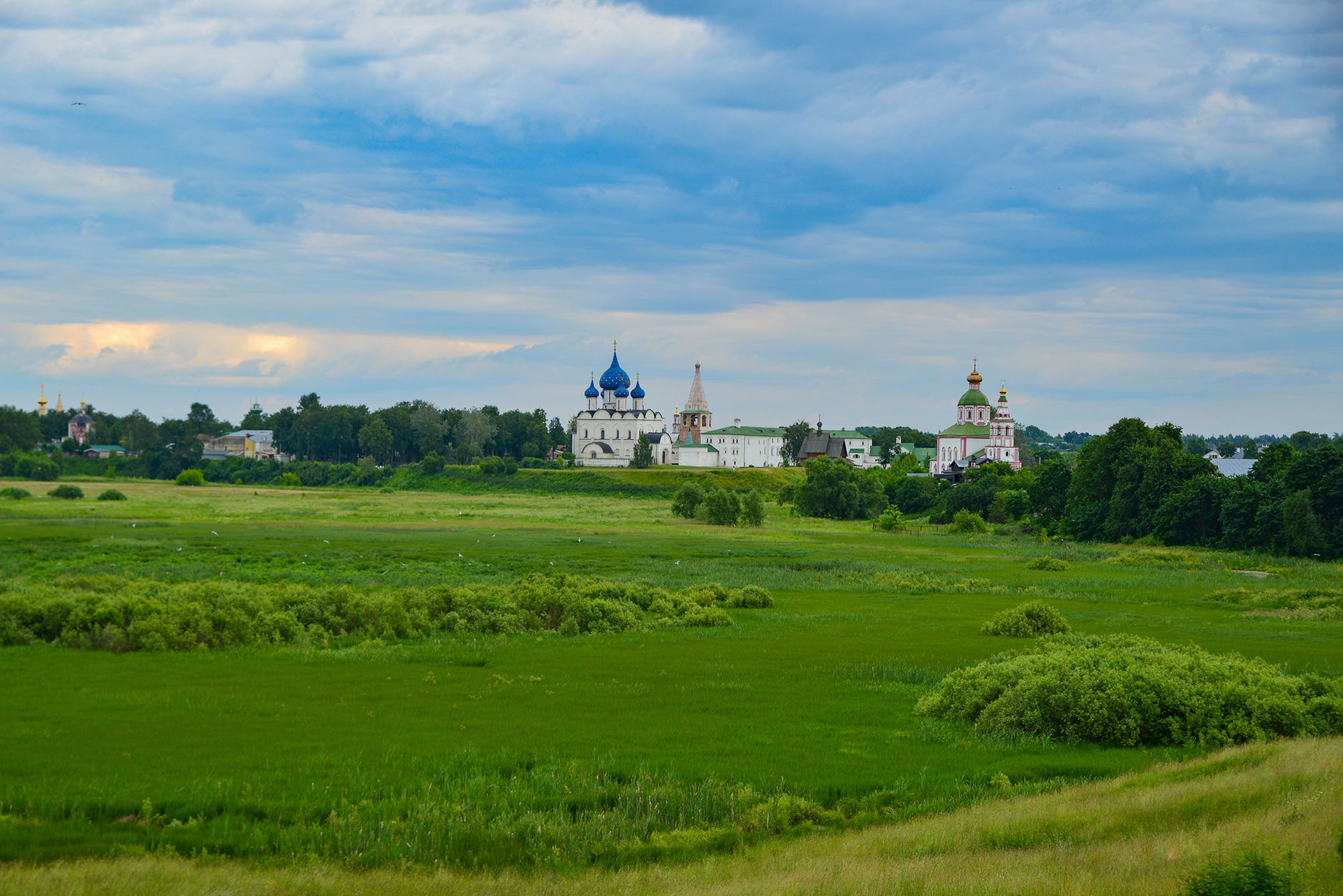
The Museum of Wooden Architecture and Peasant Life is in Suzdal, on the right bank of the Kamenka River, opposite the kremlin. It is part of the Vladimir-Suzdal Museum-Reserve and has the status of a cultural heritage site of federal significance.
In the 20th century almost no old wooden buildings were left in the town itself, so they were collected for the museum from villages across the Vladimir Region. The complex was created in the 1960s on the initiative of the restorer Valery Anisimov, on the site of the Dmitrievsky Pechersky Monastery, founded in the 11th century and destroyed in the 1930s. While preparing the site, archaeological artifacts from different eras were found, including the pre-Mongol period.
How the Museum Is Laid Out
Today 18 monuments of 18th–19th-century wooden architecture stand on about 3.5 hectares (8.6 acres). They include the dwelling huts of a farmhand, a prosperous peasant, and a merchant, as well as farm buildings, windmills, bathhouses, threshing barns, and granaries. The houses and outbuildings are placed so that they form a village street and evoke a small Russian village. Beyond the fence, on the bank of the Kamenka, stand granaries on piles that complete the panorama. In the 2010s the 18th-century house of the Agapov merchants on a neighboring plot joined the ensemble.
Churches and Architectural Features
The core of the exhibition is the 18th-century Transfiguration and Resurrection churches, moved here from rural parishes. They were assembled without nails, using only wooden joints. The Church of the Transfiguration from the village of Kozlyatyevo is especially famous: its onion domes retain their wooden “scales,” which have weathered over time and look silvery. The ensemble also includes a chapel and a 19th-century treadwheel well, in which a person raised water by walking on steps inside a large wheel.
Peasant Life and Festivals
The interiors re-create the life of 18th–19th-century peasants and merchants. The huts and the merchant's house display furniture, utensils, craft tools, and themed exhibitions. The exhibits were collected and transported over many years; some of the planned buildings did not survive and never made it to the museum. Folk festivals are held here regularly: Maslenitsa, a folk crafts day at Trinity, and in summer the Cucumber Festival.

 13 points
 9 km
 2 hours