←Rostov the Great: Around the Town Center

Rostov the Great: Around the Town Center

Photo of route “Rostov the Great: Around the Town Center”
7 points6 km6 hours

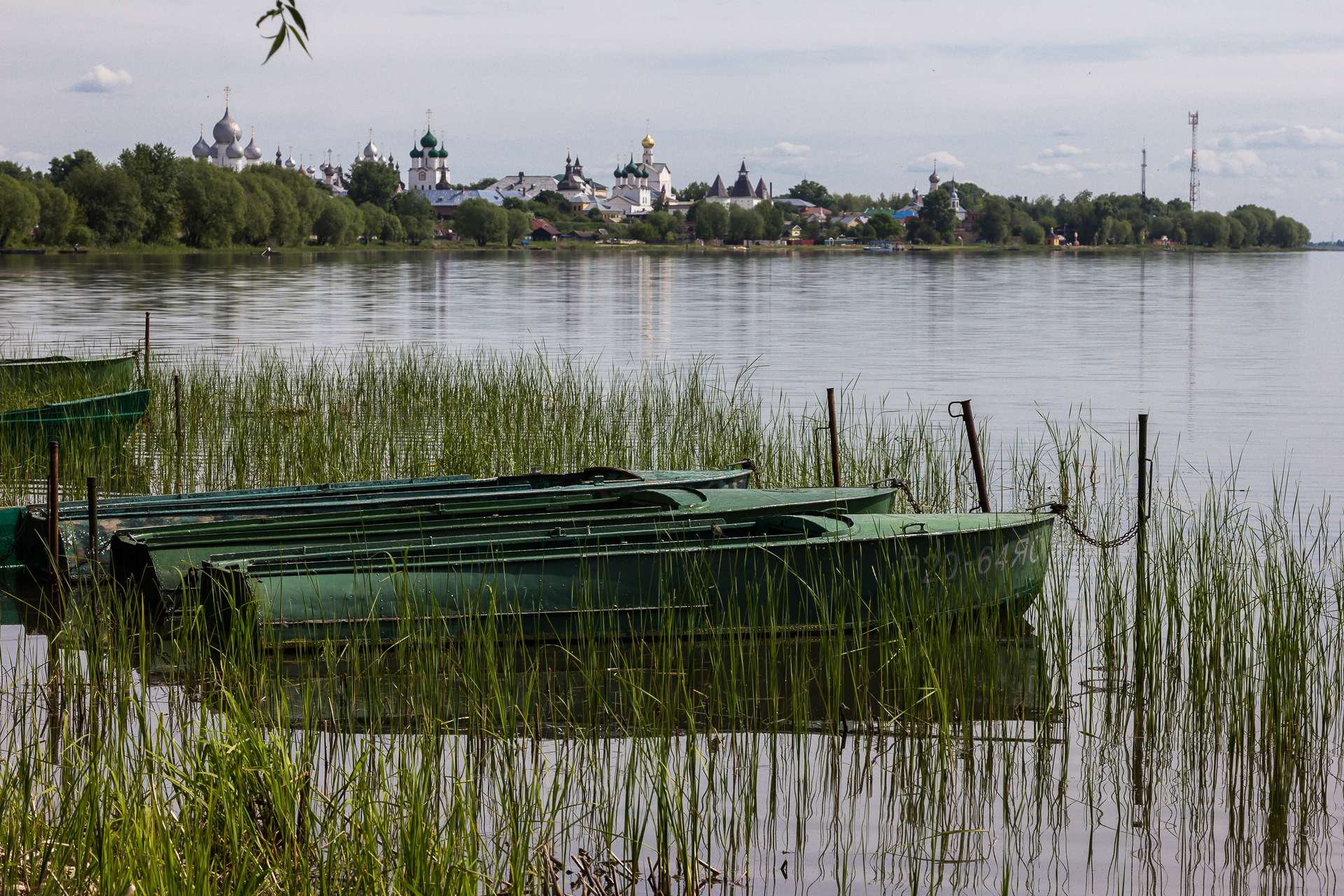
Rostov the Great is more than a thousand years old. Today it's a small town, but it was once a spiritual center of the country and a major trading post. Visit the local kremlin, which was never a fortress, and stroll down an old street lined with merchant buildings. Make the rounds of the local museums and find out how two famous heroes of Russian epic tales are connected with this place.

Things to do

  • 📜 Learn the city's history
  • 🌆🌿 Soak up the atmosphere

Route points (7)

  1. Rostov Kremlin — point on route “Rostov the Great: Around the Town Center”

    Rostov Kremlin

    📜 Historic site · 🕵️ Urban legend · 🏛️ Museum

  2. Leninskaya Street — point on route “Rostov the Great: Around the Town Center”

    Leninskaya Street

    📜 Historic site · 🏟️ Architectural landmark

  3. Kekin Estate — point on route “Rostov the Great: Around the Town Center”

    Kekin Estate

    📜 Historic site · 🏟️ Architectural landmark

  4. Rostov Finift Enamel — point on route “Rostov the Great: Around the Town Center”

    Rostov Finift Enamel

    🕵️ Urban legend

  5. Spaso-Yakovlevsky Monastery of St. Demetrius — point on route “Rostov the Great: Around the Town Center”

    Spaso-Yakovlevsky Monastery of St. Demetrius

    🕍 Place of worship · 📜 Historic site · 🏟️ Architectural landmark

  6. Lake Nero Embankment — point on route “Rostov the Great: Around the Town Center”

    Lake Nero Embankment

    🚶‍♂️ Waterfront · 🔭 Viewpoint

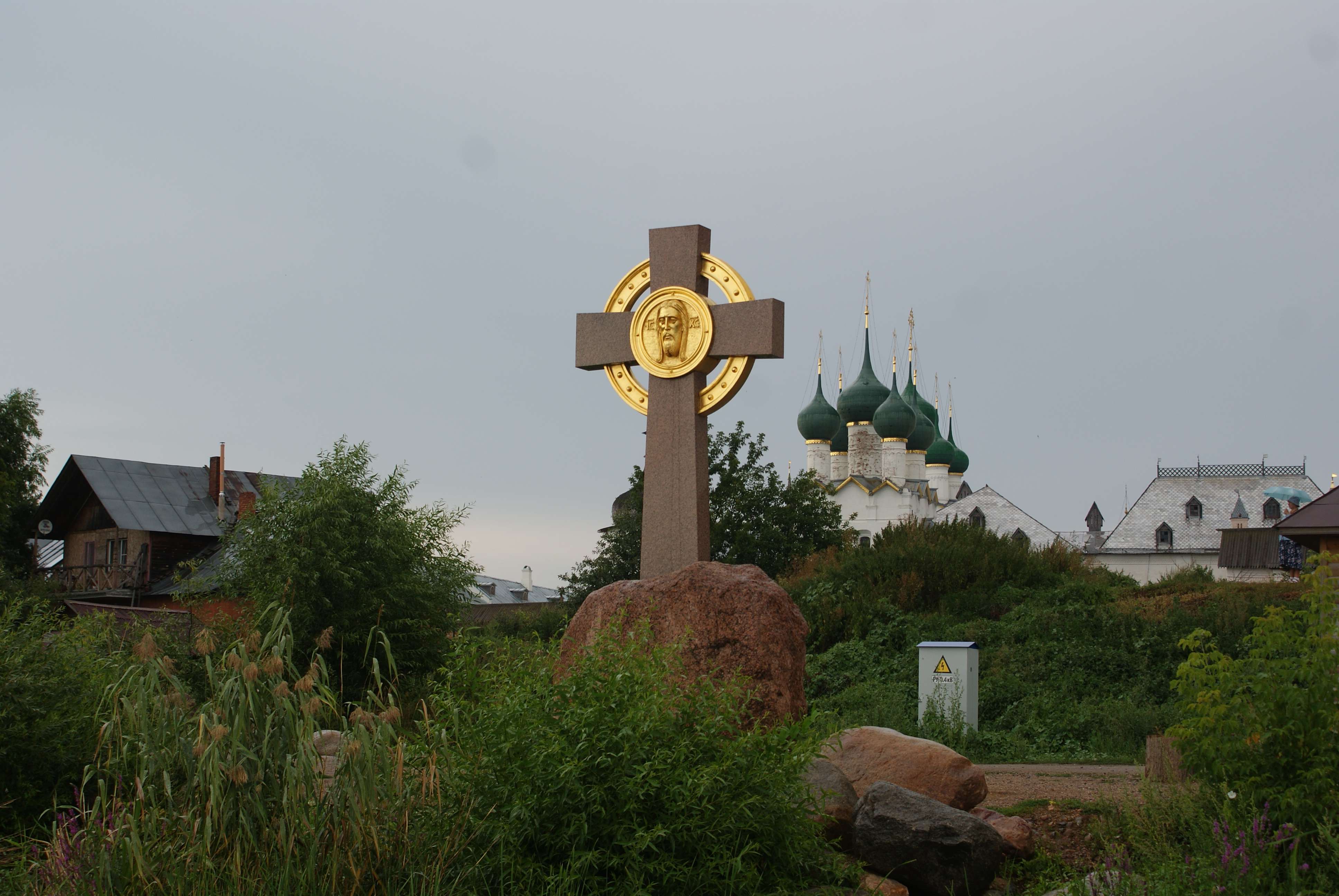
  7. Worship Cross — point on route “Rostov the Great: Around the Town Center”

    Worship Cross

    🗿 Monument

Rostov Kremlin in Rostov Veliky

Point on route “Rostov the Great: Around the Town Center”

Rostov Kremlin — point on route “Rostov the Great: Around the Town Center”

Point 1

Rostov Kremlin

📜 Historic site • 🕵️ Urban legend • 🏛️ Museum

About the Landmark

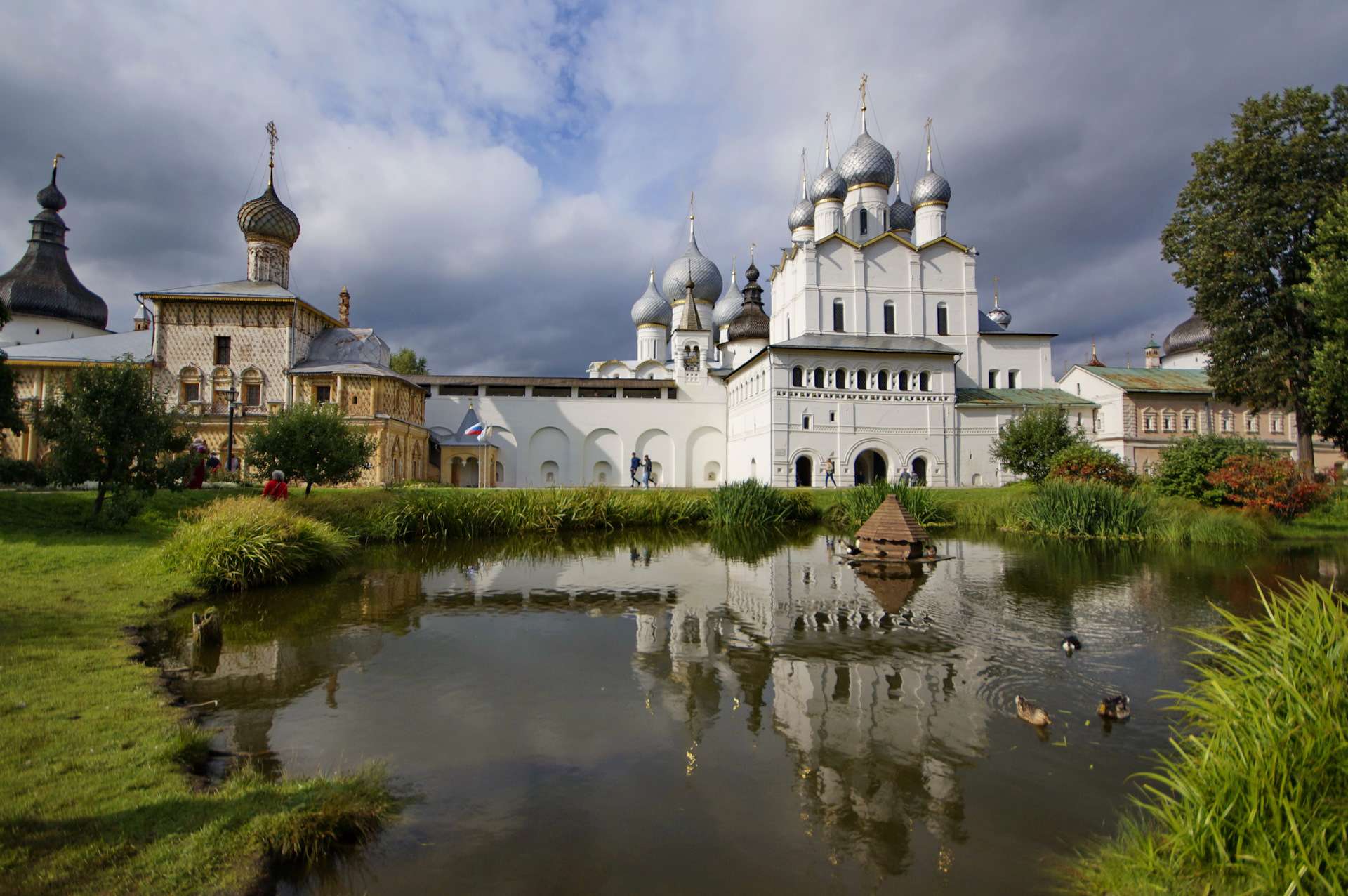
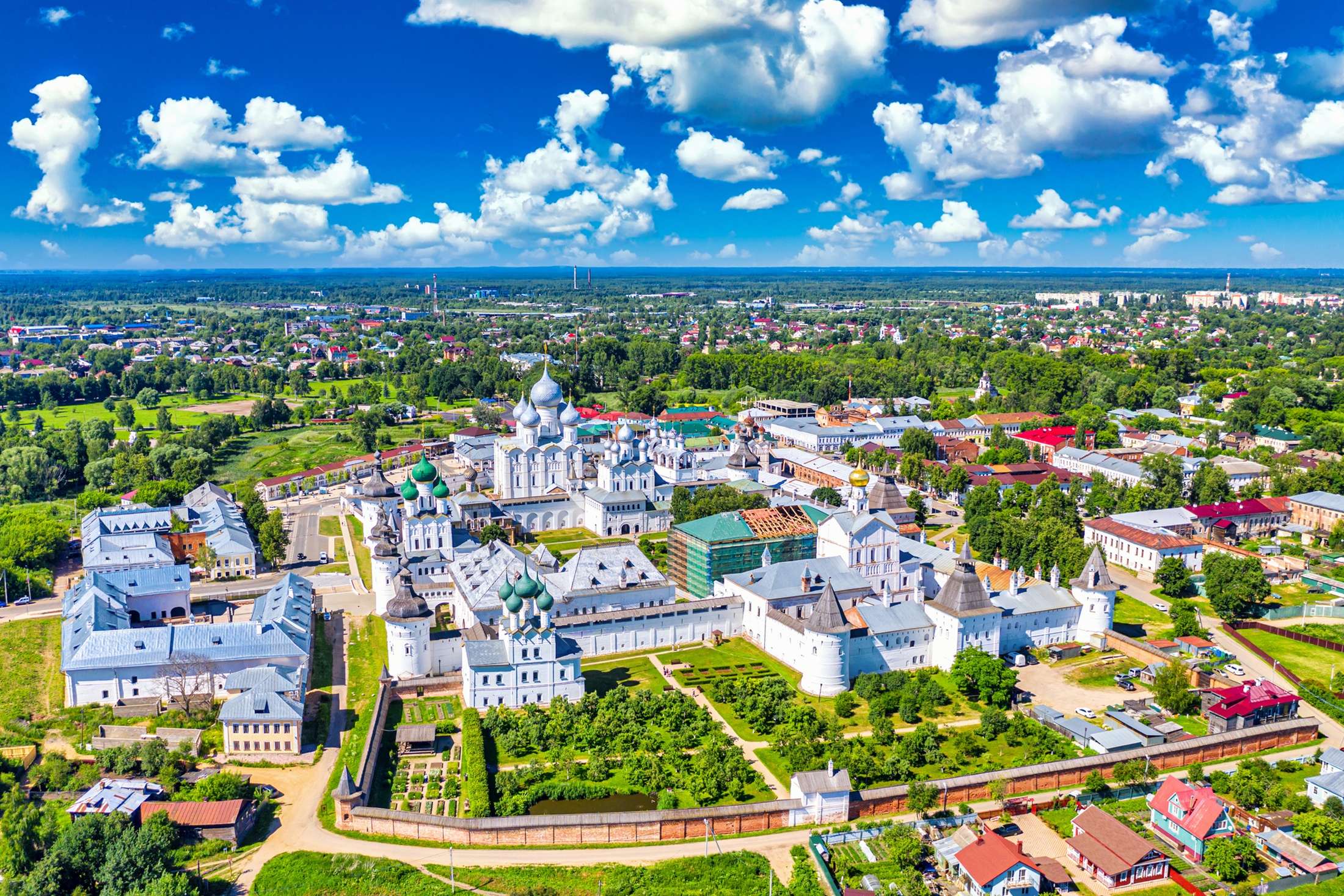
The Rostov Kremlin Museum-Reserve is the town's main institution, its “town-forming enterprise,” you might say. Within its walls are a superb collection of historical rarities displayed in the museum buildings, the beautiful Dormition Cathedral, and the cozy Metropolitan's Garden. The Kremlin staff also regularly organize conferences on the history of the Rostov land and run a publishing program.

Historical Background

Although Rostov had long been a major trading town, one of the spiritual centers of Rus, and the capital of the principality of the same name, it had no town fortifications until the 1630s. This played into the hands of the Polish invaders who sacked the town during the Time of Troubles. Many residents were killed, houses and churches were looted, and many households stood empty for a long time. Only in 1631–1633, under the direction of the Dutch engineer Jan Cornelius van Rodenburg, was a bastion-type fortress built in the shape of a nine-pointed star, unique in Russia at the time. The outlines of its ramparts can still be seen near the Kremlin grounds. But that is where the building of defenses ended. So what does the complex known as the “Rostov Kremlin” have to do with it, if it appeared only 30 years later?

A Kremlin That Isn't

At that time the Rostov Metropolis governed an enormous territory, comparable to modern France and Germany combined. The diocese had vast resources, a good part of which Metropolitan Iona Sysoevich, famous for his passion for building, devoted to the construction of the Rostov Metropolitan's Residence. It was built in 1660–1690. But the clergy did not live there long. At the end of the 18th century the see was moved to Yaroslavl, and the residence began to fall into disrepair. In the 19th century local and visiting antiquarians began, probably by mistake, to call it a kremlin. That's how taken they were with it, and its decaying look must have struck them as “noble antiquity.” The name has stuck ever since, and Rostov the Great, fortunately, has never again seen enemies at its gates since the Time of Troubles.