←Rostov the Great: Around the Town Center

Rostov the Great: Around the Town Center

Photo of route “Rostov the Great: Around the Town Center”
7 points6 km6 hours

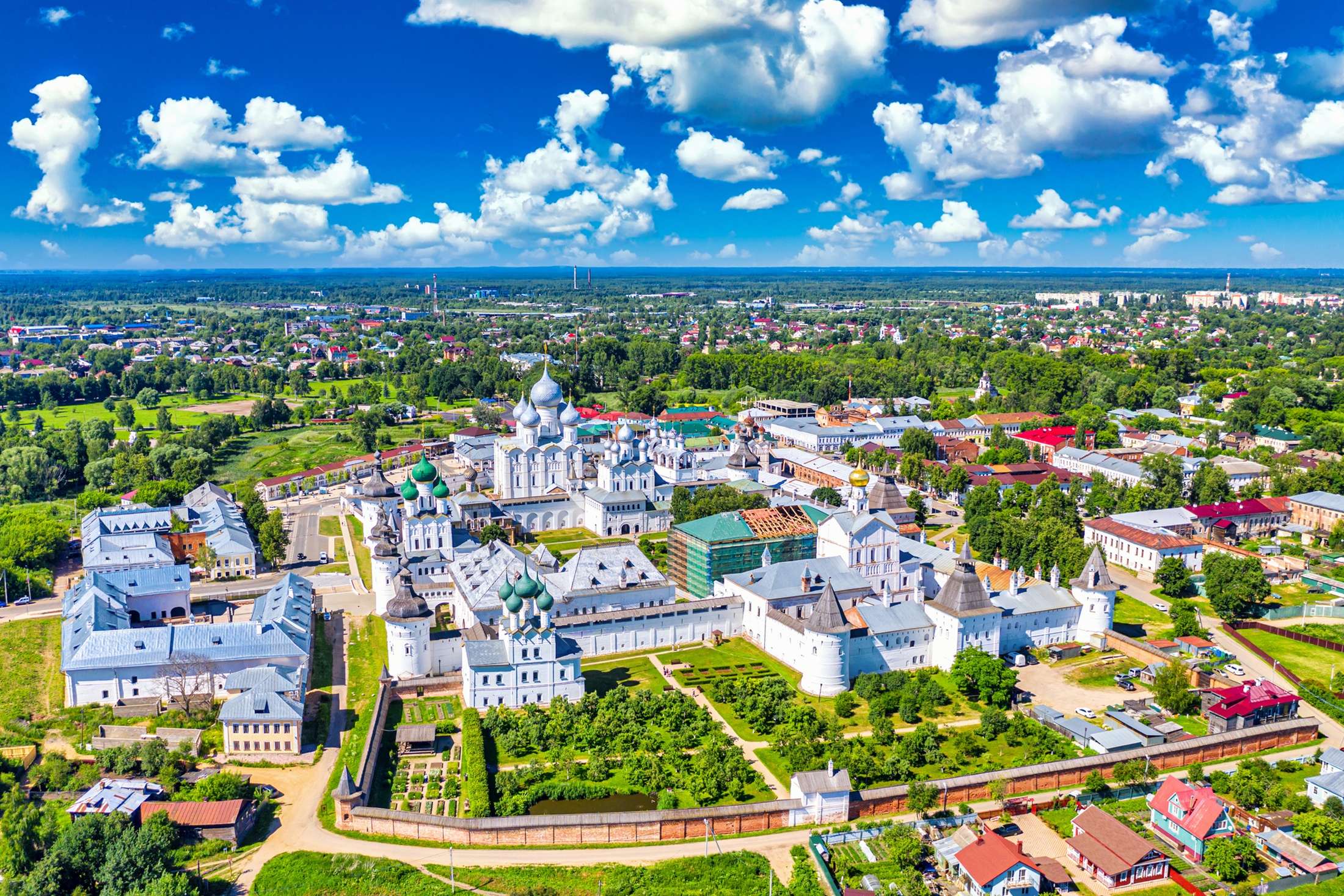
Rostov the Great is more than a thousand years old. Today it's a small town, but it was once a spiritual center of the country and a major trading post. Visit the local kremlin, which was never a fortress, and stroll down an old street lined with merchant buildings. Make the rounds of the local museums and find out how two famous heroes of Russian epic tales are connected with this place.

Things to do

  • 📜 Learn the city's history
  • 🌆🌿 Soak up the atmosphere

Route points (7)

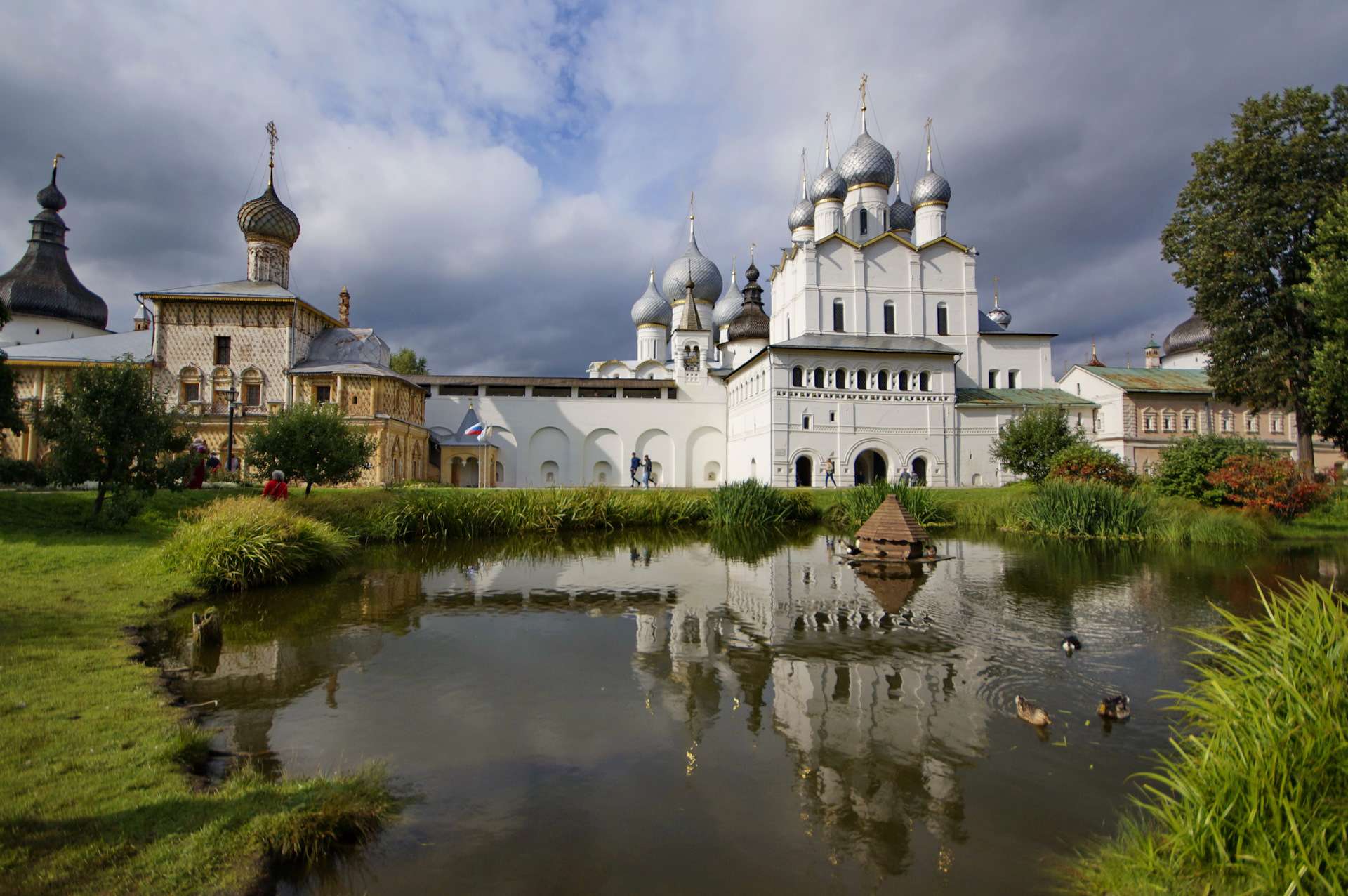
  1. Rostov Kremlin — point on route “Rostov the Great: Around the Town Center”

    Rostov Kremlin

    📜 Historic site · 🕵️ Urban legend · 🏛️ Museum

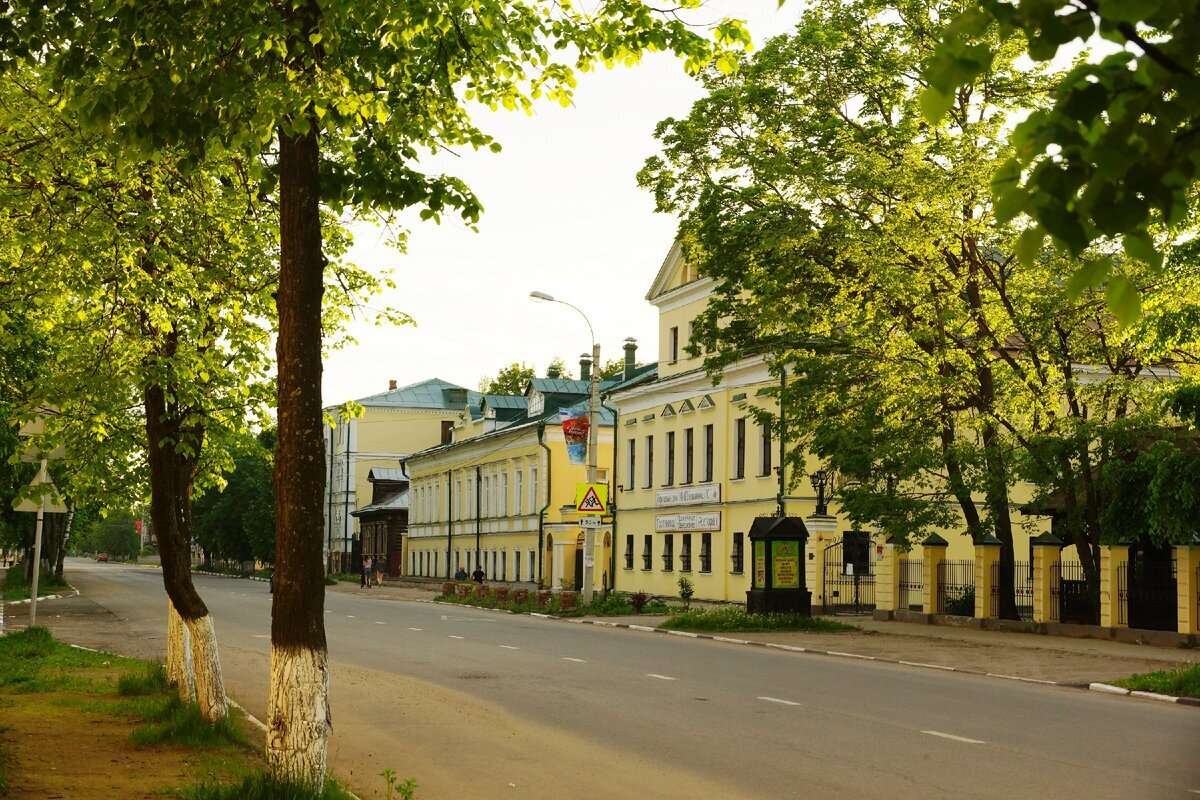
  2. Leninskaya Street — point on route “Rostov the Great: Around the Town Center”

    Leninskaya Street

    📜 Historic site · 🏟️ Architectural landmark

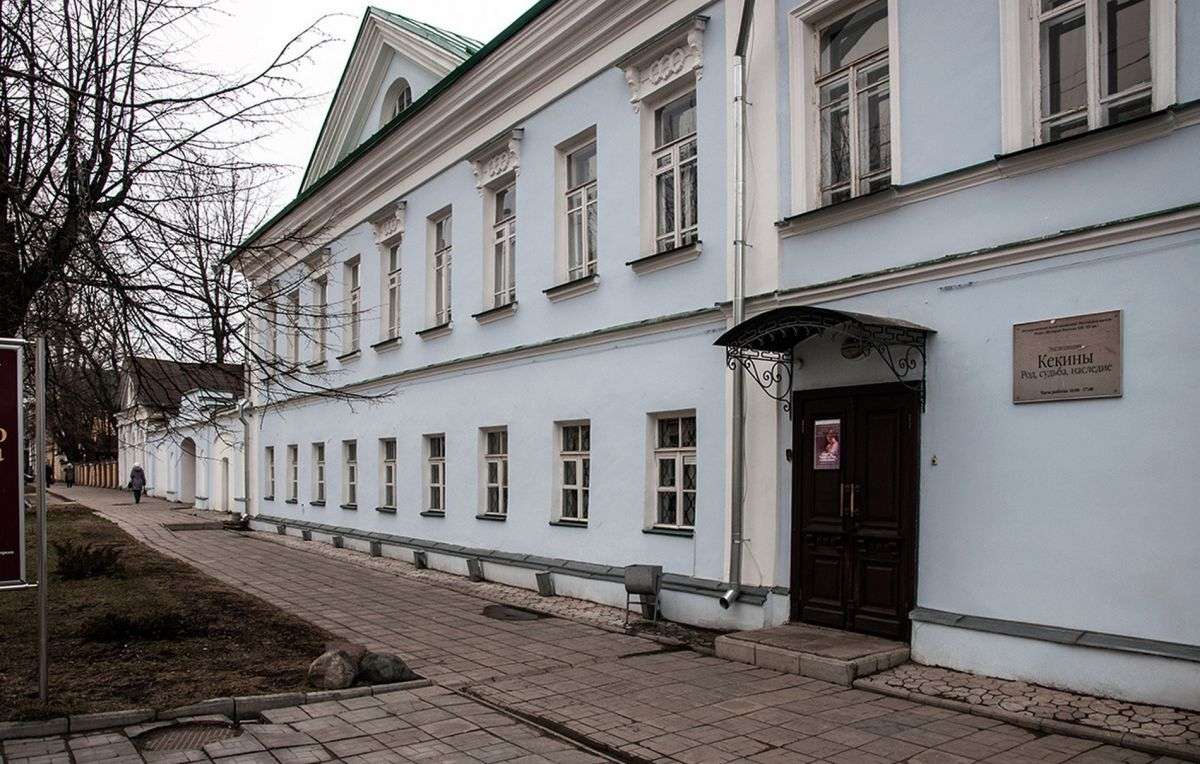
  3. Kekin Estate — point on route “Rostov the Great: Around the Town Center”

    Kekin Estate

    📜 Historic site · 🏟️ Architectural landmark

  4. Rostov Finift Enamel — point on route “Rostov the Great: Around the Town Center”

    Rostov Finift Enamel

    🕵️ Urban legend

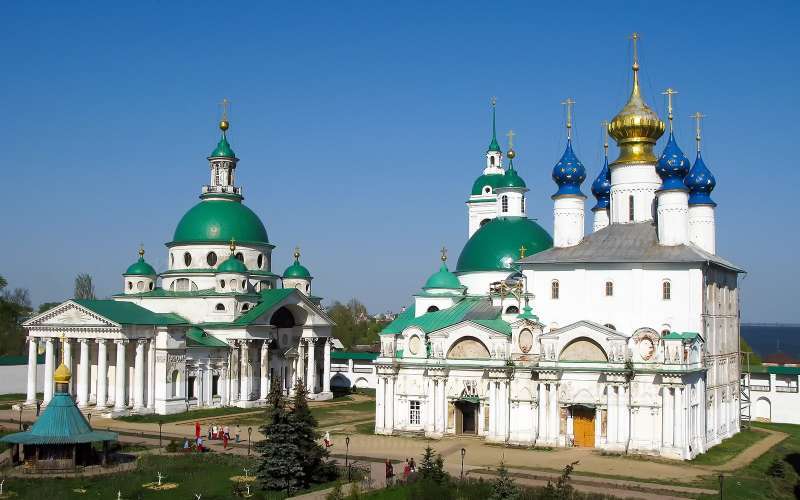
  5. Spaso-Yakovlevsky Monastery of St. Demetrius — point on route “Rostov the Great: Around the Town Center”

    Spaso-Yakovlevsky Monastery of St. Demetrius

    🕍 Place of worship · 📜 Historic site · 🏟️ Architectural landmark

  6. Lake Nero Embankment — point on route “Rostov the Great: Around the Town Center”

    Lake Nero Embankment

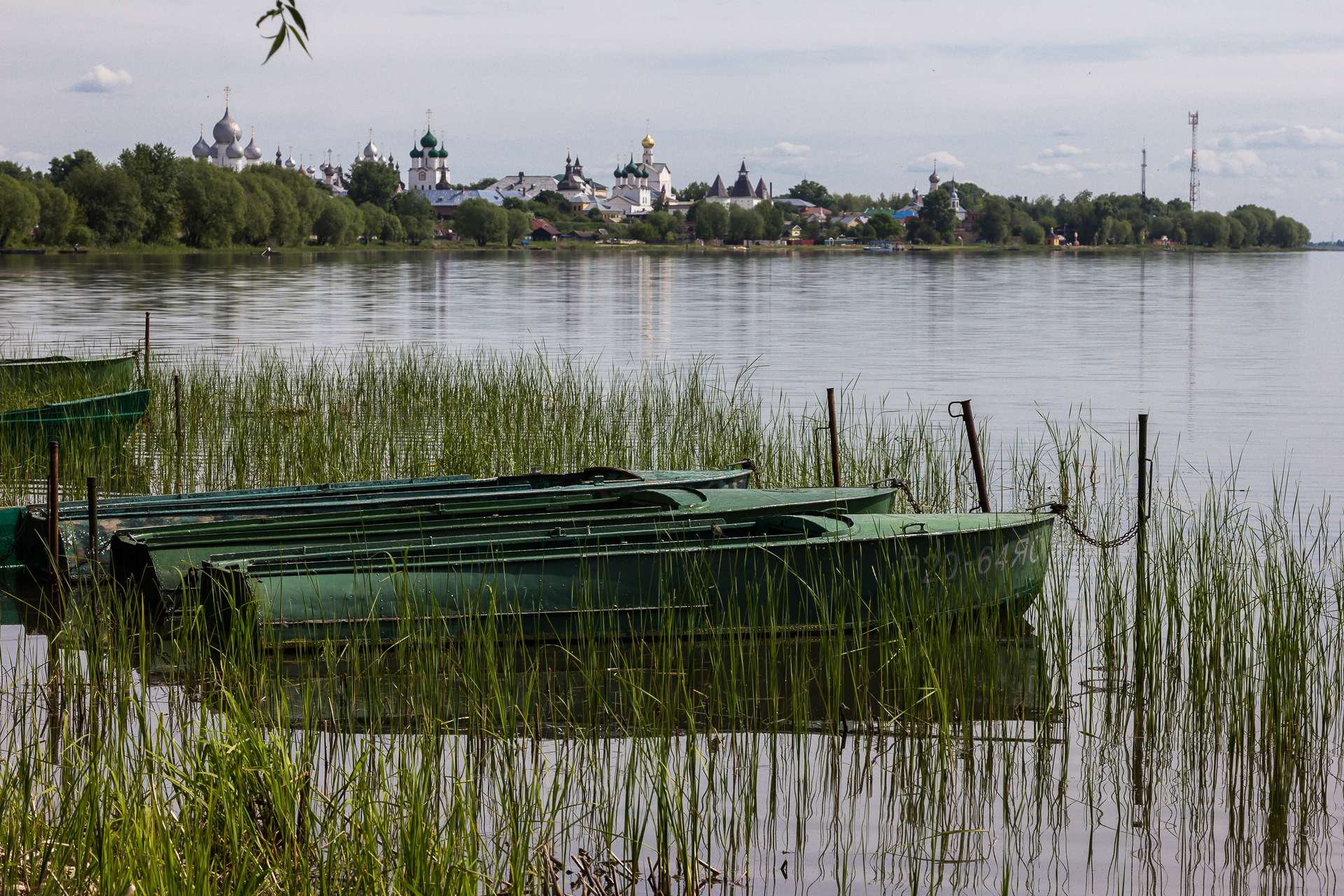
    🚶‍♂️ Waterfront · 🔭 Viewpoint

  7. Worship Cross — point on route “Rostov the Great: Around the Town Center”

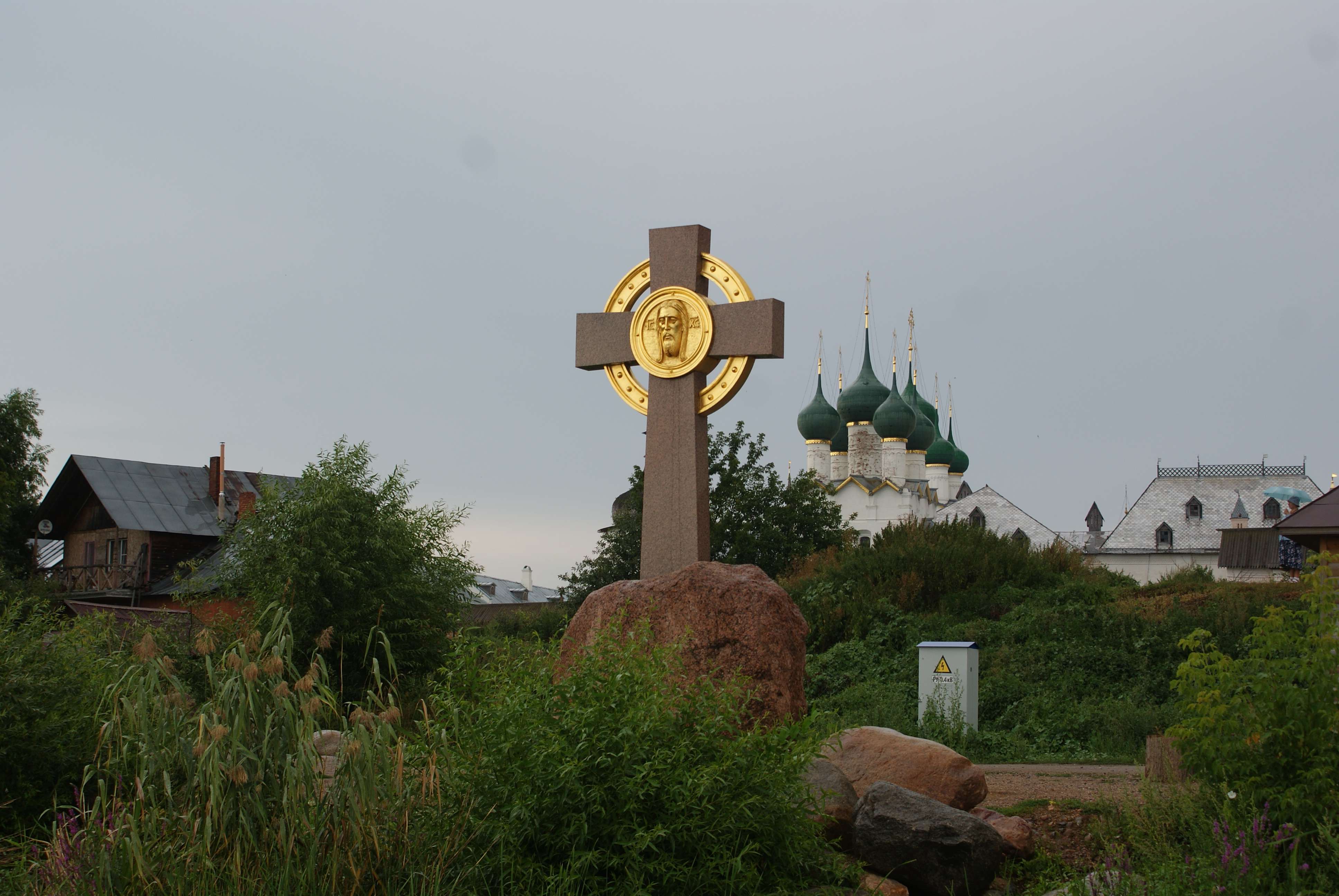
    Worship Cross

    🗿 Monument

Spaso-Yakovlevsky Monastery of St. Demetrius in Rostov Veliky

Point on route “Rostov the Great: Around the Town Center”

Spaso-Yakovlevsky Monastery of St. Demetrius — point on route “Rostov the Great: Around the Town Center”

Point 5

Spaso-Yakovlevsky Monastery of St. Demetrius

🕍 Place of worship • 📜 Historic site • 🏟️ Architectural landmark

The Founding of the Monastery

The monastery was founded in the 14th century by Bishop Jacob. According to the saint's Life, before founding the monastery the bishop was himself condemned for acquitting a woman sentenced to death. Defending her, the bishop told whoever considered himself without sin to cast the first stone at her, and sent the woman off to do penance. The prince and the Rostov boyars, displeased with the bishop's judgment, drove Jacob out of Rostov. Going out to the shore of Lake Nero, where the monastery stands today, he built a small church of the Conception of the Most Holy Mother of God by St. Anne. Thus he founded the monastery, which was then called the Conception Monastery. Next to it stood the Monastery of the Savior on the Sands, a monastery for men founded in the 13th century by Princess Maria. She was the wife of Prince Vasilko Konstantinovich, who died a martyr's death in the battle with the Tatars on the Sit River. She also began keeping the first Rostov chronicles, preserving the memory of the Russian princes killed by the Tatars. Later the two cloisters were merged; in the mid-18th century they gained the relics of St. Demetrius of Rostov and escaped abolition under the monastic reform of 1764.

Soviet Times

With the coming of Soviet power the church was separated from the state, which tried to convert religious institutions that could not support themselves into “institutions of public benefit.” So the monastery buildings came to house a prison, a concentration camp, and a juvenile colony. By then it was the richest monastery in Rostov, so rich that of all the valuables confiscated in Rostov and its district, it accounted for about 30% of the silver and 80% of the gold!

Today

Fortunately, the monastery complex survived the Soviet era well. This was helped by the fact that the churches were used as warehouses and the cell buildings as housing. In 1991 the monastery was returned to the Russian Orthodox Church and has since been revived.