←Smolensk: Around the Fortress

Smolensk: Around the Fortress

Photo of route “Smolensk: Around the Fortress”
15 points8 km12 hours

The fortress wall, built in the early 17th century, is one of the main symbols of Smolensk. It still bears visible witness to the events that have touched the city over the thousand years of its existence. Set off on a journey along the city wall to learn how Smolensk came to be, hear its local legends, and meet the people who had a hand in the development of this thousand-year-old city.

Things to do

  • 📜 Learn the city's history
  • 🏰🕵️‍♂️ Discover a legend
  • 🗺️🎒 Themed route

Route points (15)

  1. Cathedral Hill — point on route “Smolensk: Around the Fortress”

    Cathedral Hill

    🕍 Place of worship · 📜 Historic site · 🕵️ Urban legend

  2. Cathedral Hill

    Points will be available after purchasing the route

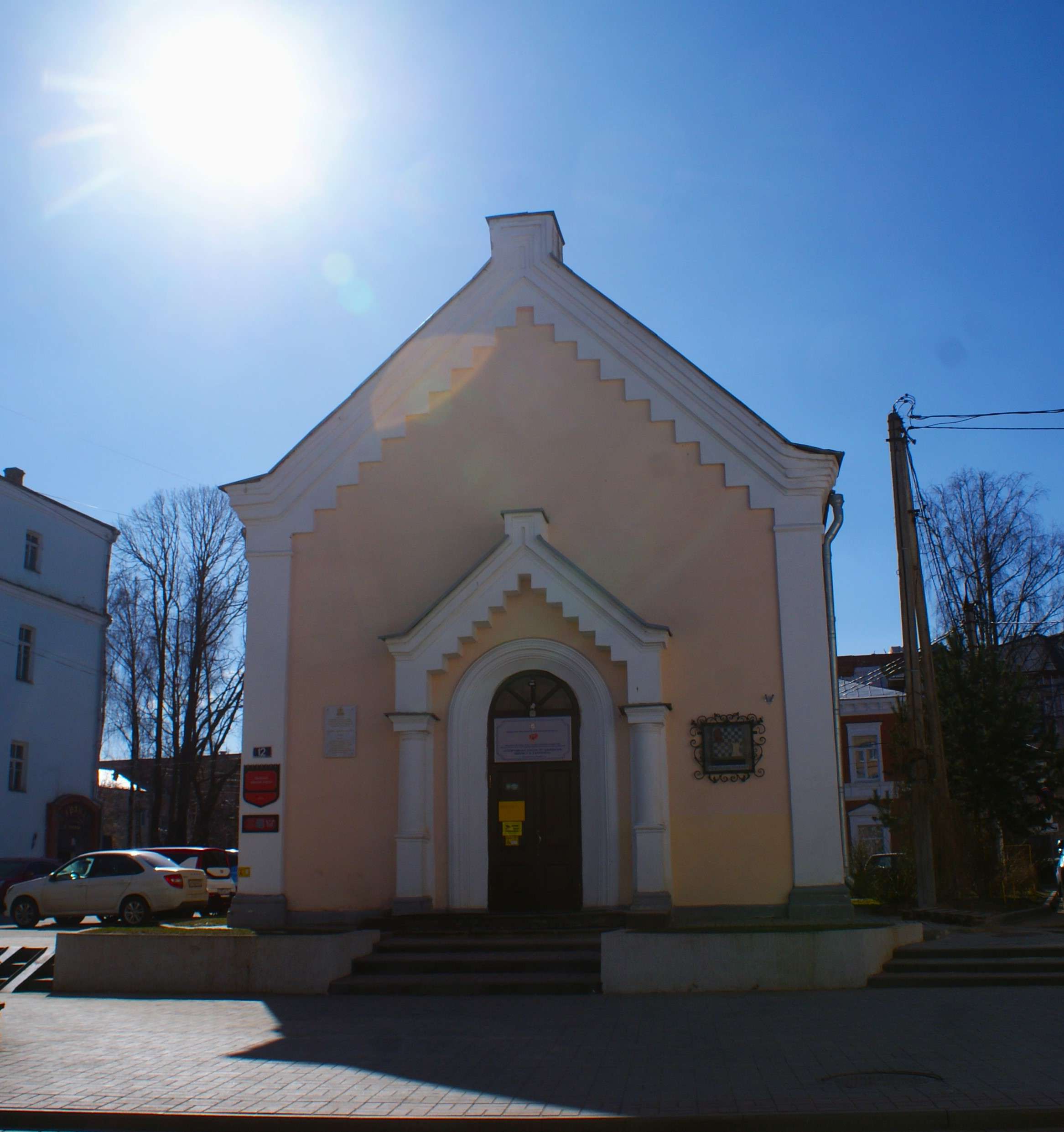
  3. Lutheran Church — point on route “Smolensk: Around the Fortress”

    Lutheran Church

    🕍 Place of worship

Cathedral Hill in Smolensk

Point on route “Smolensk: Around the Fortress”

Cathedral Hill — point on route “Smolensk: Around the Fortress”

Point 1

Cathedral Hill

🕍 Place of worship • 📜 Historic site • 🕵️ Urban legend

The Cradle of Smolensk

According to one theory, the first settlement was founded near this spot and in time grew into modern Smolensk. We don't know which theory is right, but we do know for certain that in the 11th century a detinets (citadel) was built on Cathedral Hill. The hill was not chosen by chance: on three sides it is surrounded by deep ravines, and on the north by the Dnieper River, which in those days had not yet grown shallow. On top of that, the detinets was further surrounded by ramparts and a palisade.

The Dormition Cathedral

In 1101 Vladimir Monomakh founded the Dormition Cathedral on the summit, which gave the hill its name. An icon of the Mother of God was placed in the church, and ever since it has been called the Smolensk icon. It was an ancestral shrine of the Russian princes, a symbol of the continuity and dynastic closeness of Constantinople and Rus. The icon survived all the historical events that followed: the city passing again and again into the hands of the Lithuanians, the Poles, the French. During World War II, however, the icon was lost, and it has been on an international wanted list ever since.

The Heroic Defense of Smolensk

A landmark in the entire history of Smolensk was the city's defense against the Polish-Lithuanian invaders in 1609–1611. It ended in victory for the Commonwealth, though at a heavy cost. The final chord of the battle was the explosion of the Dormition Cathedral. To this day no one knows for sure why the cathedral blew up. In his “History of the Russian State,” N. M. Karamzin popularized the patriotic version: the Russians who had taken refuge in the church set off a huge store of gunpowder and went up in the air together with the invaders. However, the first local historian, N. A. Murzakevich, wrote that the explosion was the work not of a patriot but of a traitor. Modern historians have found no evidence at all of gunpowder stores in the church, though there were some in a building nearby, so they think the cathedral was simply caught by the blast and consumed by fire.