←Smolensk: Around the Fortress

Smolensk: Around the Fortress

Photo of route “Smolensk: Around the Fortress”
15 points8 km12 hours

The fortress wall, built in the early 17th century, is one of the main symbols of Smolensk. It still bears visible witness to the events that have touched the city over the thousand years of its existence. Set off on a journey along the city wall to learn how Smolensk came to be, hear its local legends, and meet the people who had a hand in the development of this thousand-year-old city.

Things to do

  • 📜 Learn the city's history
  • 🏰🕵️‍♂️ Discover a legend
  • 🗺️🎒 Themed route

Route points (15)

  1. Cathedral Hill — point on route “Smolensk: Around the Fortress”

    Cathedral Hill

    🕍 Place of worship · 📜 Historic site · 🕵️ Urban legend

  2. Cathedral Hill

    Points will be available after purchasing the route

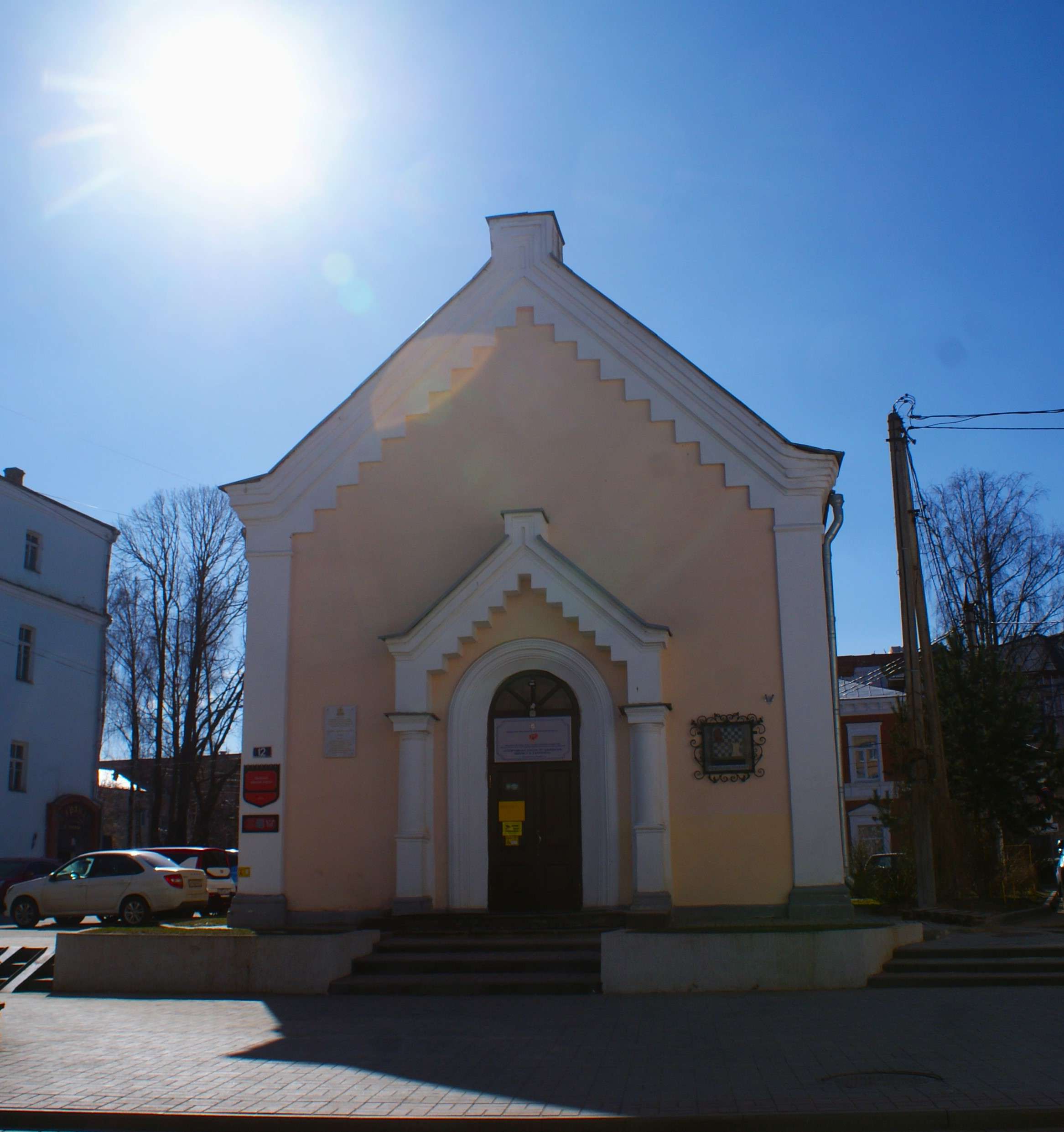
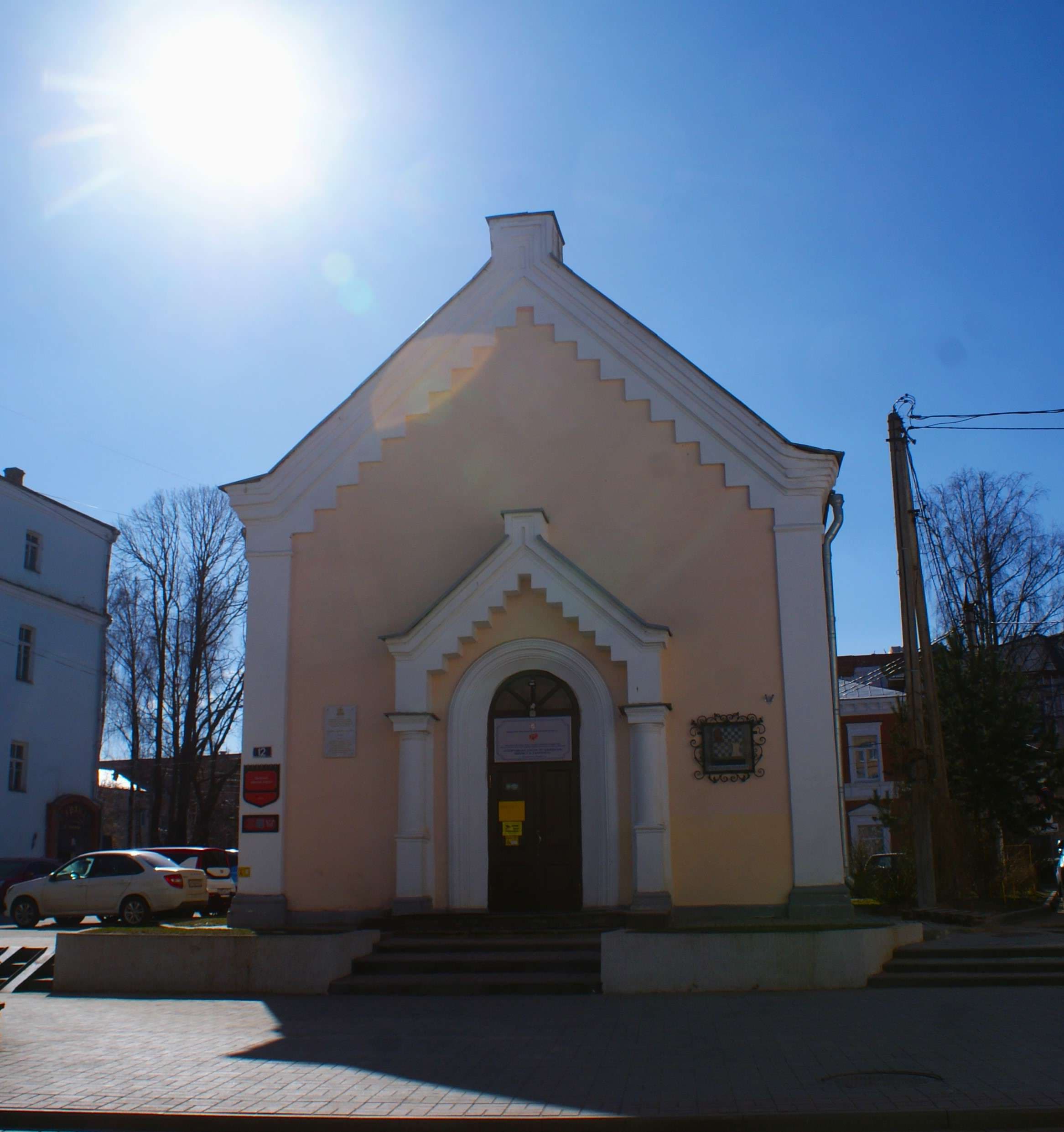
  3. Lutheran Church — point on route “Smolensk: Around the Fortress”

    Lutheran Church

    🕍 Place of worship

Lutheran Church in Smolensk

Point on route “Smolensk: Around the Fortress”

Lutheran Church — point on route “Smolensk: Around the Fortress”

Point 15

Lutheran Church

🕍 Place of worship

Historical Background

Located near the country's border, Smolensk became home to followers of various religions. The Poles built their Catholic church, the Jews a synagogue, and as for the Orthodox Russians, there's no need to say anything: the Dormition Cathedral can be seen from many points in the city. There were also Protestants in the city, who built their own church (Kirche). The Smolensk Lutheran parish was one of the oldest in the Russian Empire. By the 17th century at the latest there was already a Protestant church in the city; it burned down during the Polish siege of Smolensk. Even so, the stone church was founded only in 1857. The buildings to its left and right were also part of the ensemble. In 1919 the building was nationalized, and at various times it housed a military department, a cinema, a newspaper office, a Young Pioneers' house, a puppet theater, and a chess club. The chess club is still in the building to this day, even though in the 1990s the Protestant community was revived and began to claim ownership of the place.