←A Walk Around Serpukhov

A Walk Around Serpukhov

Photo of route “A Walk Around Serpukhov”
8 points4 km0 hours

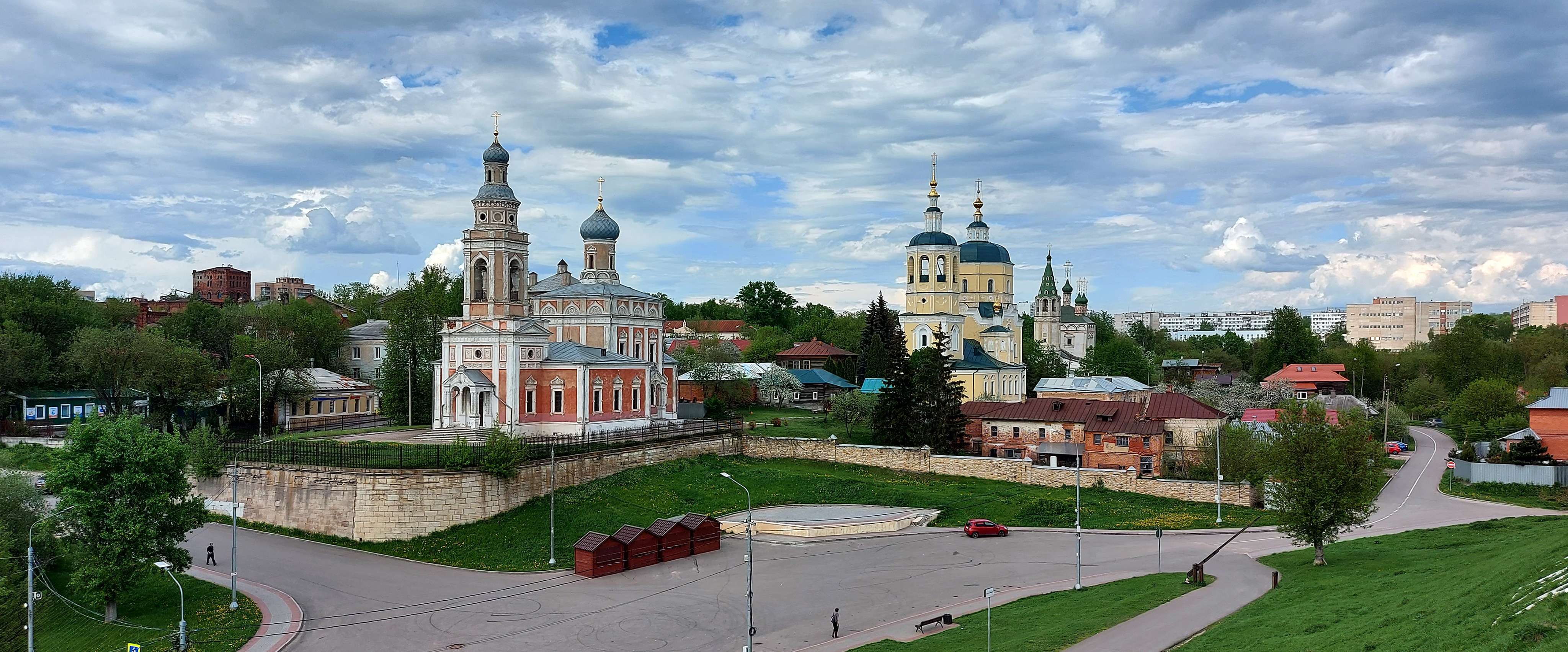
Serpukhov has kept the atmosphere of an old merchant town, with its churches, monasteries, and 19th-century mansions. Here, an hour's drive from Moscow, you can feel the measured rhythm of provincial life. Come here for a leisurely stroll through the historic center and to get to know provincial Russia without the bustle of the capital.

Things to do

  • 📜 Learn the city's history
  • 📸 Take photos

Route points (8)

  1. Serpukhov Kremlin — point on route “A Walk Around Serpukhov”

    Serpukhov Kremlin

    🏯 Fortress remains · 📜 Historic site · 🕵️ Urban legend

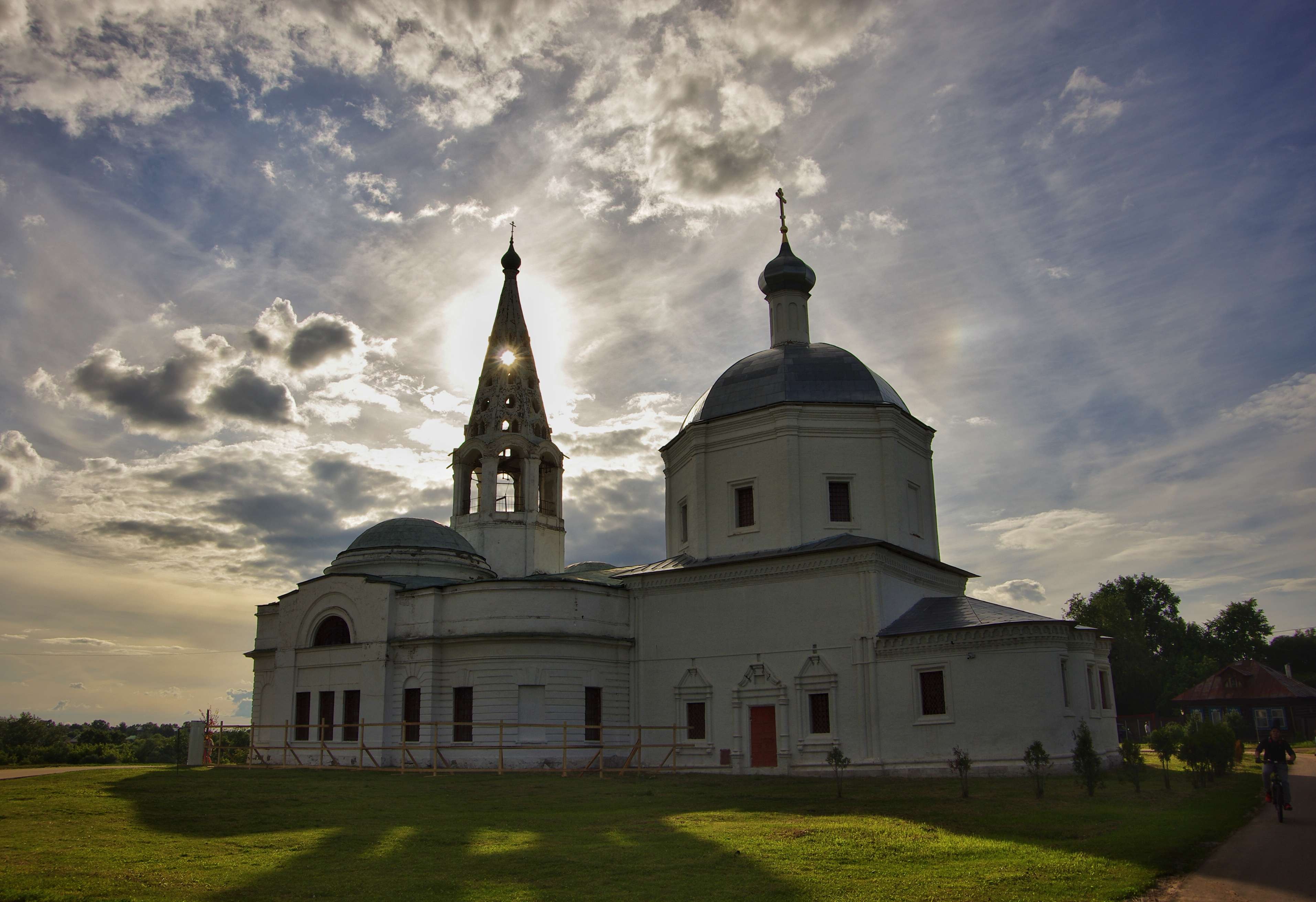
  2. Trinity Cathedral — point on route “A Walk Around Serpukhov”

    Trinity Cathedral

    🕍 Place of worship · 🕵️ Urban legend · 📜 Historic site

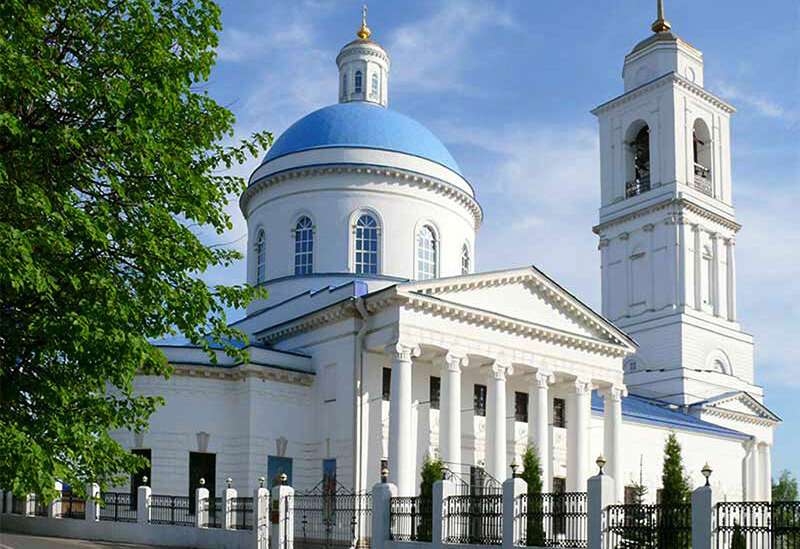
  3. St. Nicholas Cathedral — point on route “A Walk Around Serpukhov”

    St. Nicholas Cathedral

    🕍 Place of worship · 📜 Historic site

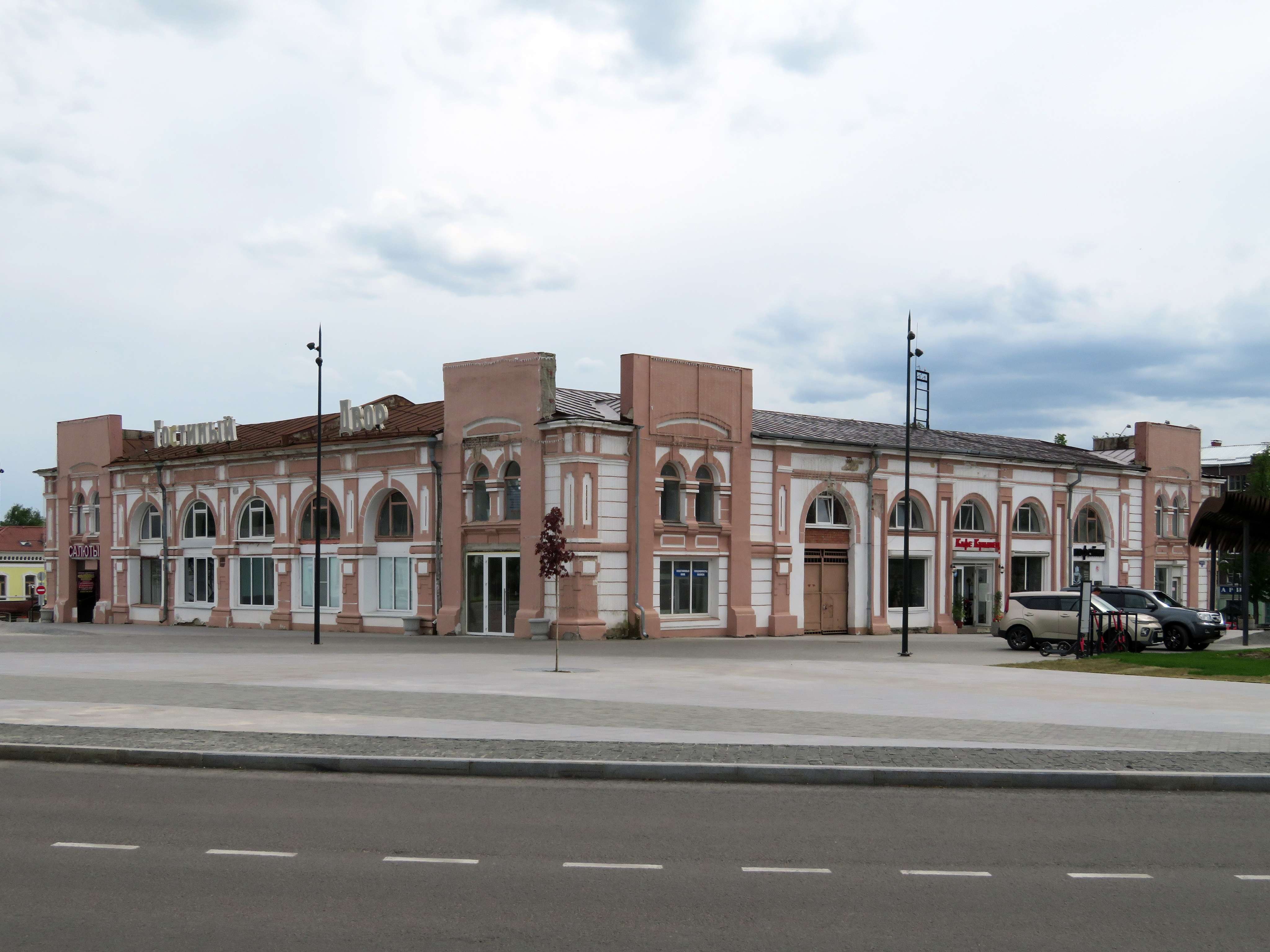
  4. Gostiny Dvor (Lenin Square) — point on route “A Walk Around Serpukhov”

    Gostiny Dvor (Lenin Square)

    🏺 Market / bazaar · 📜 Historic site

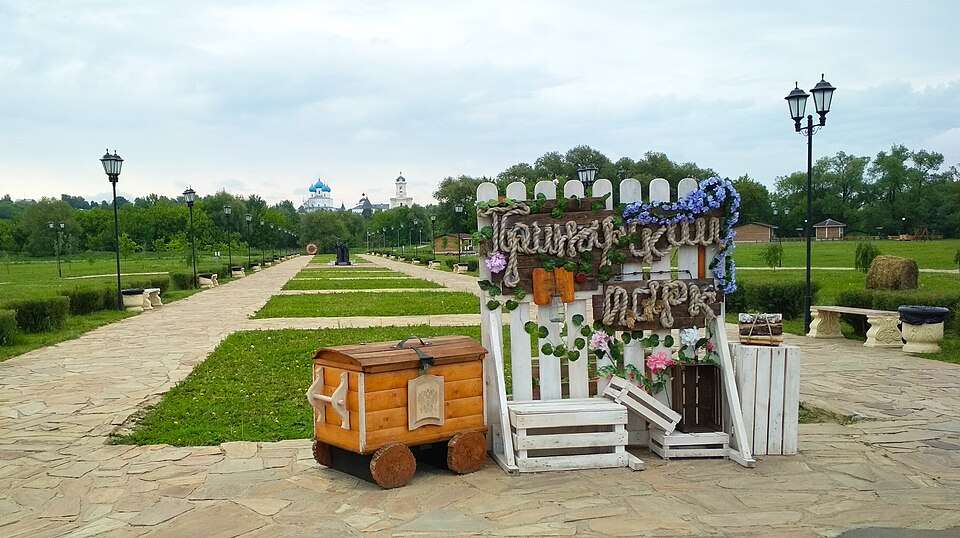
  5. Prinarsky Park — point on route “A Walk Around Serpukhov”

    Prinarsky Park

    🌿 Public garden or park

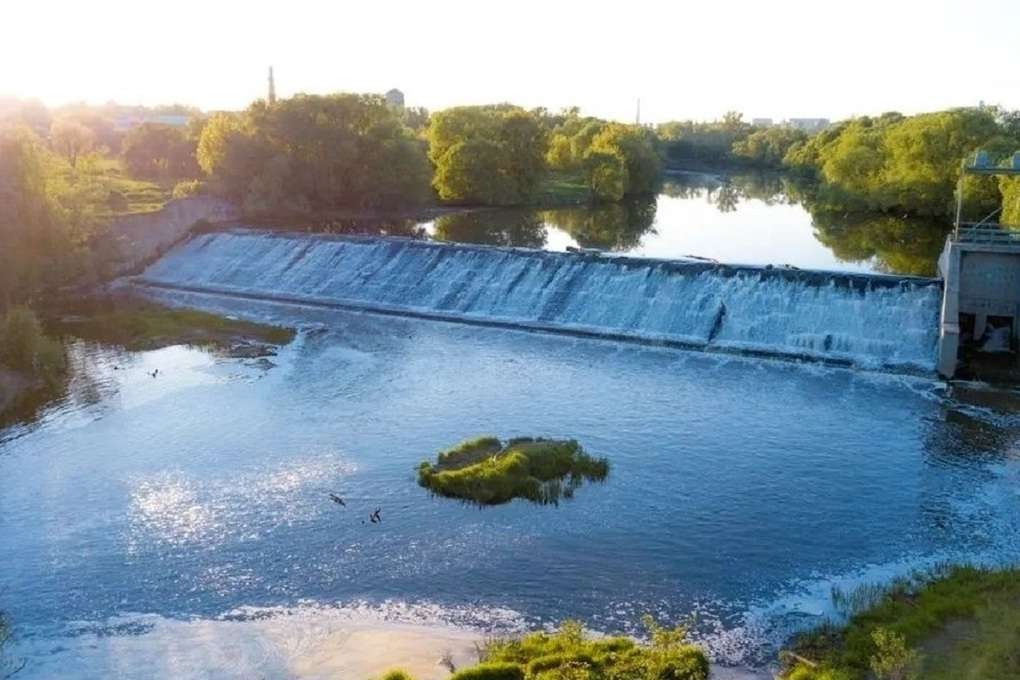
  6. Dam on the Nara — point on route “A Walk Around Serpukhov”

    Dam on the Nara

    ⚙️ Industrial site · 🔭 Viewpoint

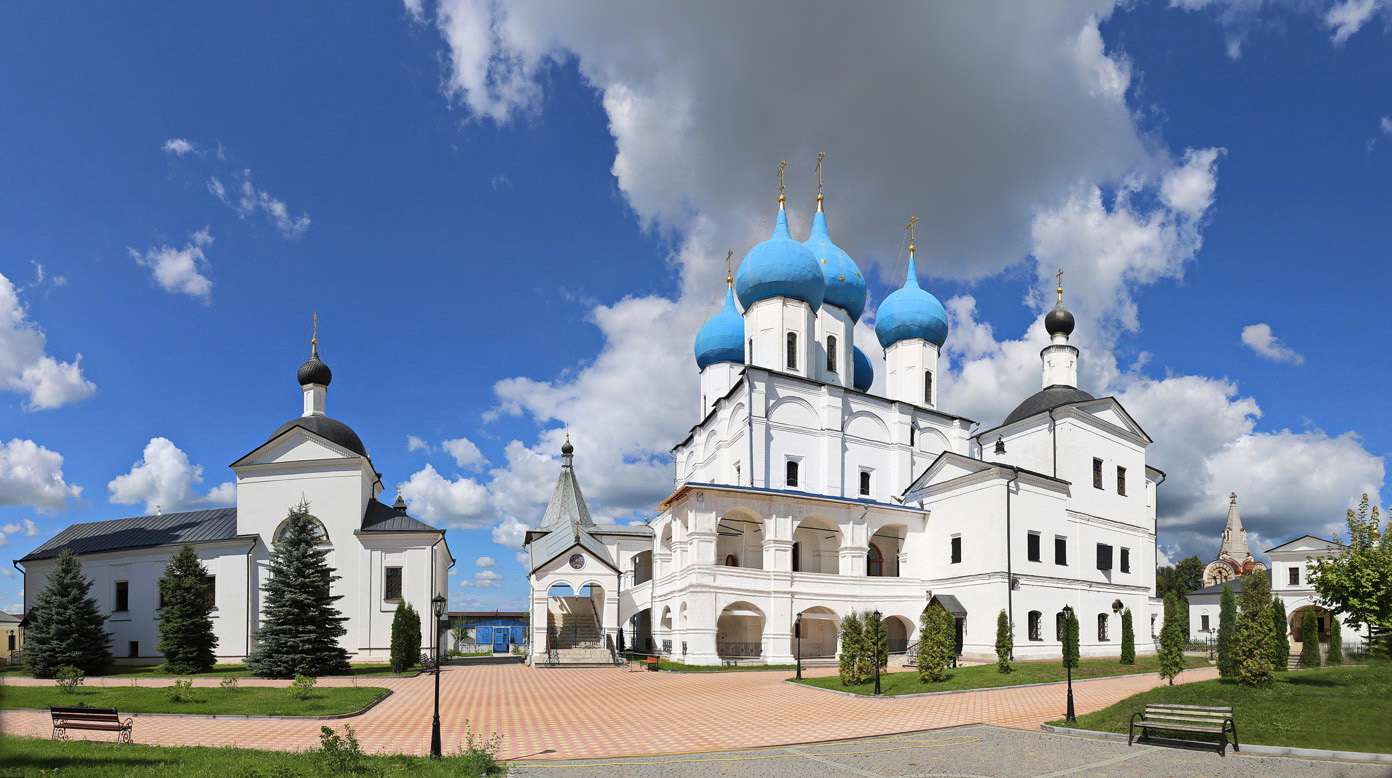
  7. Vysotsky Monastery of the Conception — point on route “A Walk Around Serpukhov”

    Vysotsky Monastery of the Conception

    🕍 Place of worship · 📜 Historic site

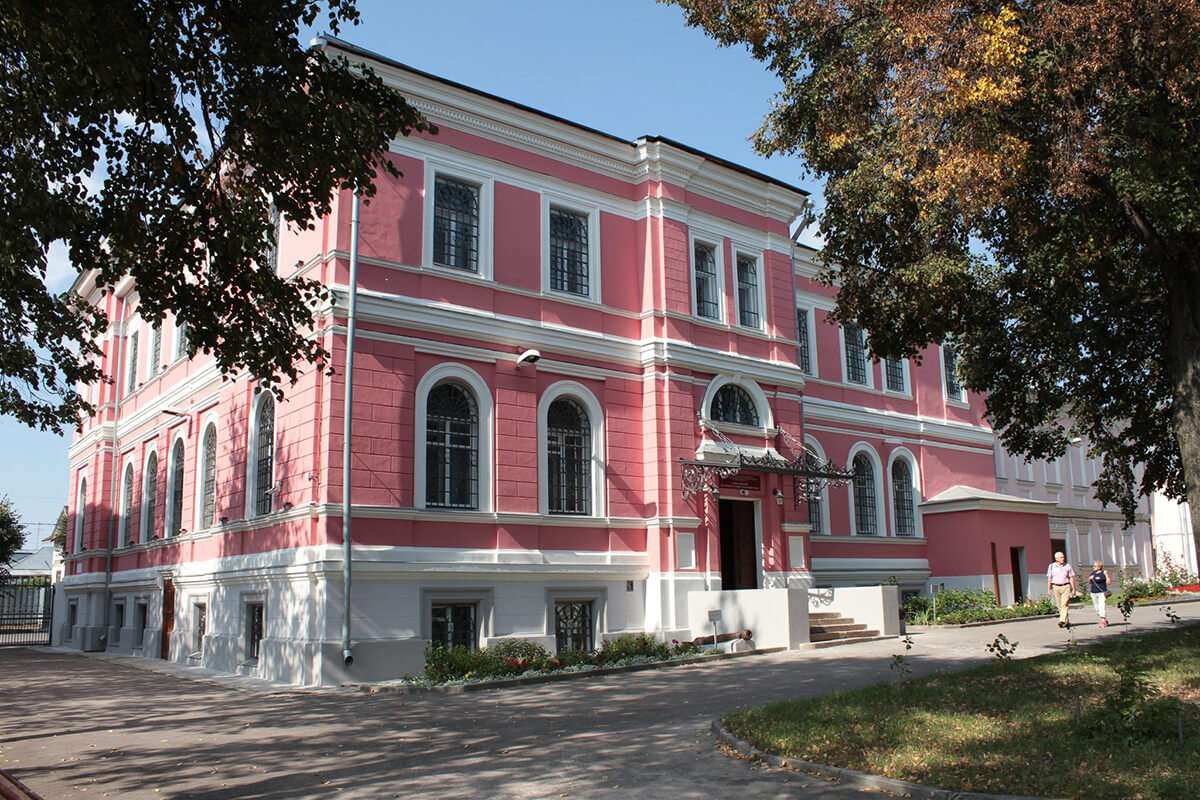
  8. Maraev Estate, Museum of History and Art (the “Little Tretyakov”) — point on route “A Walk Around Serpukhov”

    Maraev Estate, Museum of History and Art (the “Little Tretyakov”)

    🏛️ Museum · 🕵️ Urban legend

Serpukhov Kremlin in Serpukhov

Point on route “A Walk Around Serpukhov”

Serpukhov Kremlin — point on route “A Walk Around Serpukhov”

Point 1

Serpukhov Kremlin

🏯 Fortress remains • 📜 Historic site • 🕵️ Urban legend

The Fortress's History

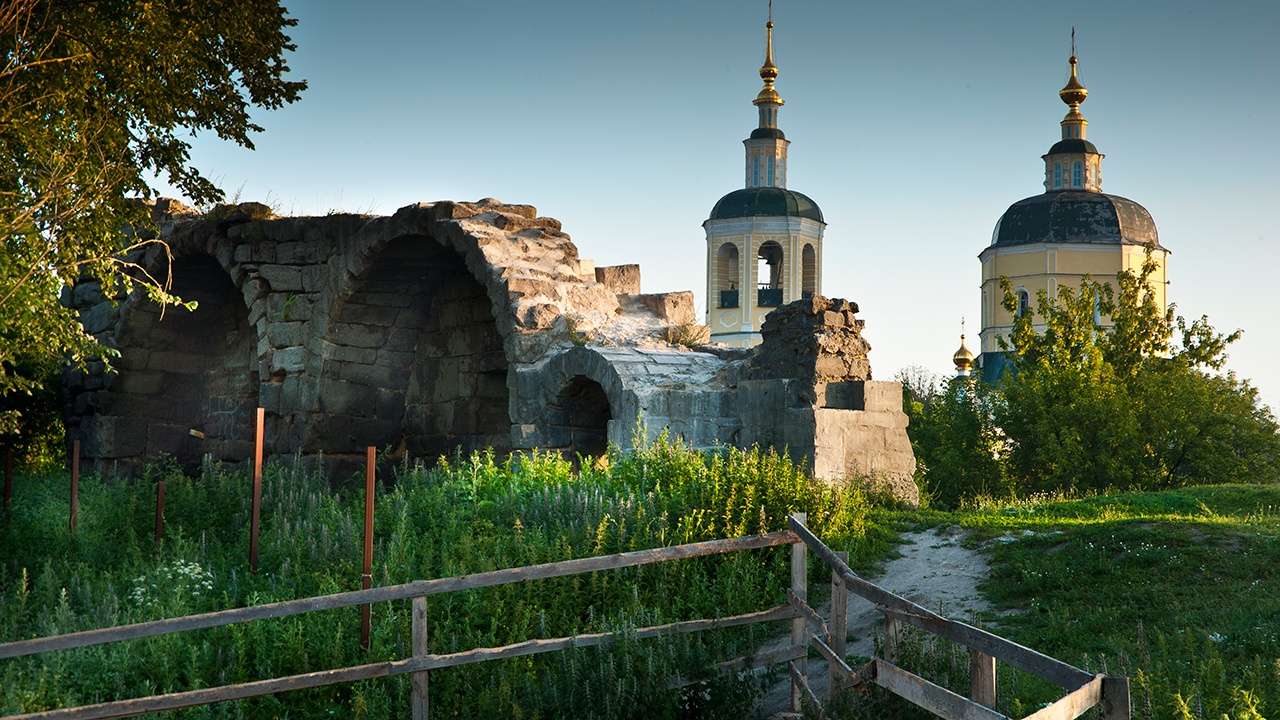
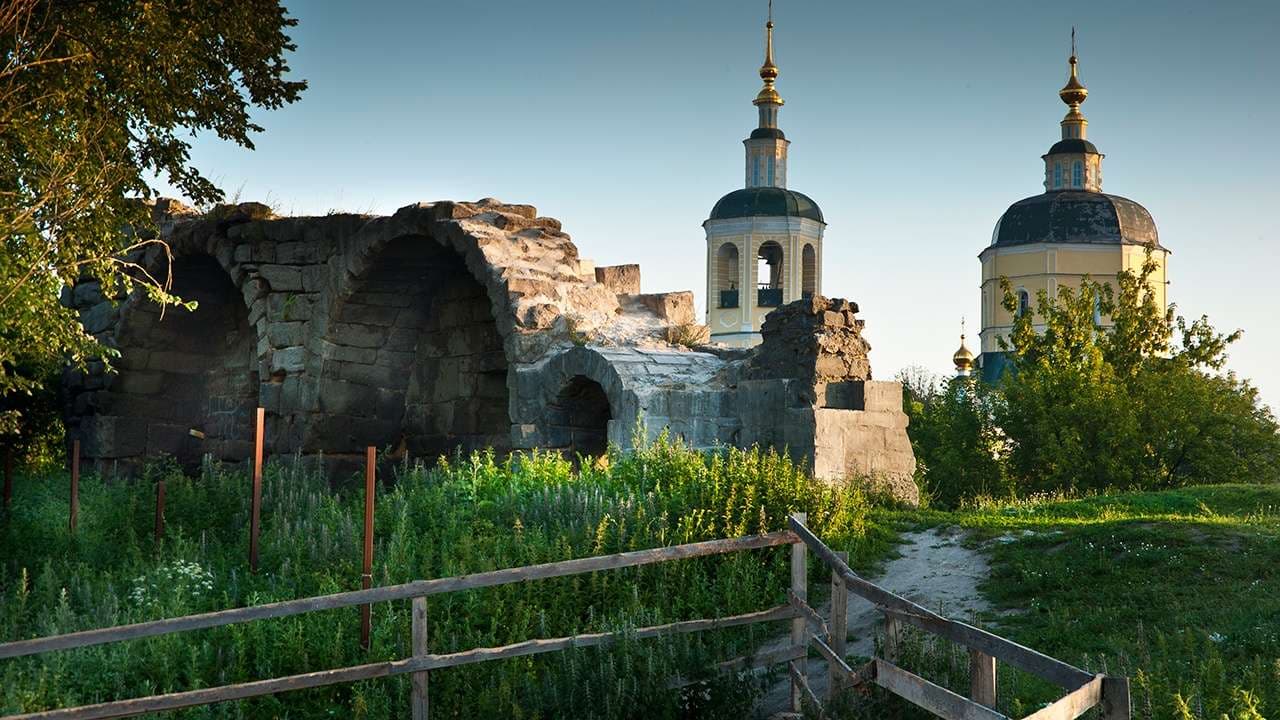
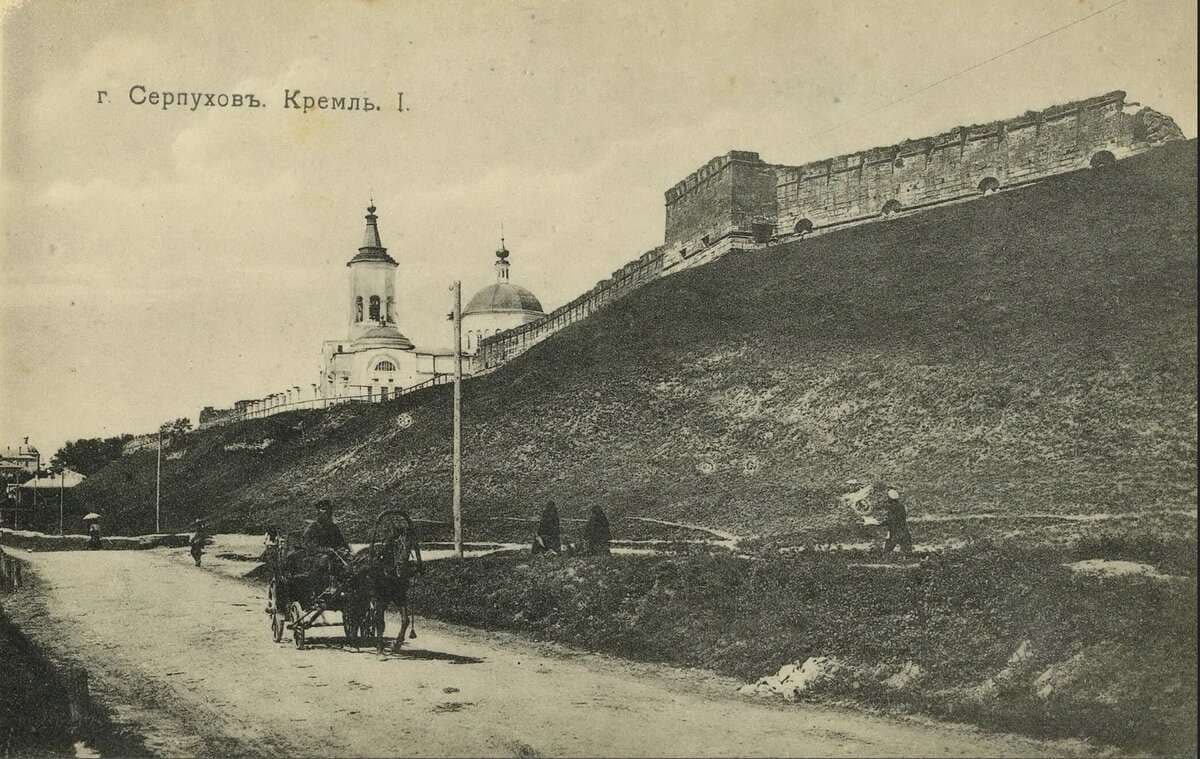
The Serpukhov kremlin stands on the left bank of the Nara, on Cathedral Hill. It is one of the oldest fortifications in the Moscow Region. Serpukhov is first mentioned in 1339, and the wooden kremlin was built in 1374 by order of Prince Vladimir Andreevich. He fortified the town, making it the center of an independent principality. The fortress stood on a high promontory at the confluence of the Nara and Serpeika Rivers and served as a stronghold of Rus's southern defensive line. After 1507, as the threat from the Crimean Tatars grew, Serpukhov became an important link in the defenses on the road from Moscow to Tula. In 1556 white-stone walls and towers were built in place of the old oak stockade. This construction coincided with the age of Ivan the Terrible and turned Serpukhov into one of the state's key fortresses. The new citadel followed the outline of the wooden kremlin but gave the townscape new colors: the brightness of the walls and the golden roofs of the towers.

Wars and Decline

During the Time of Troubles the kremlin found itself at the center of military events. The troops of False Dmitry I and Ivan Bolotnikov passed through here, and from here the voivodes of Vasily Shuisky gathered their forces. Enemy attacks repeatedly devastated the town, but neither the Poles nor the Cossacks managed to take the fortress. In the 17th century Serpukhov remained an important defensive point, though it gradually lost its military significance. After the fire of 1669 the towers began to crumble, and in the 18th century the remains of the wooden fortifications were removed. In the 19th century the ruins were recognized as an ancient monument and partly reinforced. In 1934 the kremlin was dismantled for building material for the Moscow Metro, but the stone was found unsuitable and construction went on without it. Only fragments of the walls and the foundation have survived to this day.

Architecture and Distinctive Features

The Serpukhov kremlin had no direct counterparts among 16th-century Russian fortresses. It was built entirely of white stone, a material that was already giving way to brick at the time. The walls followed the natural curves of the hill and formed an irregular triangle with a perimeter of about 930 meters (3,050 feet). They rose to eight meters (26 feet) high and were three and a half meters (11.5 feet) thick. The towers stood at the bends of the walls, so that the entire perimeter could be covered by fire. The entrance was protected by a complex system of gates and half-towers that ruled out a direct enemy breakthrough. Today, on the site of the fortress, on Krasnaya Gora Street, you can see only two surviving sections of wall. They recall the former grandeur of this defensive structure, which for several centuries protected the southern borders of the Principality of Moscow and became an important part of Serpukhov's history.