←Mozhaysk, City of Military Glory

Mozhaysk, City of Military Glory

Photo of route “Mozhaysk, City of Military Glory”
6 points19 km0 hours

Mozhaysk is a town with a rich history, surrounded by hills and forests. Its old fortress walls and churches recall its past as a defensive stronghold on the approaches to Moscow. The Battle of Borodino was fought nearby, and the area keeps the memory of the War of 1812. Mozhaysk is an easy trip from the capital and a way to explore important chapters of Russian history.

Things to do

  • 📜 Learn the city's history
  • 📚🎬 Recall films and books

Route points (6)

  1. Kremlin — point on route “Mozhaysk, City of Military Glory”

    Kremlin

    🏯 Fortress remains · 📜 Historic site · 🕵️ Urban legend

  2. New St. Nicholas Cathedral — point on route “Mozhaysk, City of Military Glory”

    New St. Nicholas Cathedral

    🕍 Place of worship · 📜 Historic site

  3. Riviera Park — point on route “Mozhaysk, City of Military Glory”

    Riviera Park

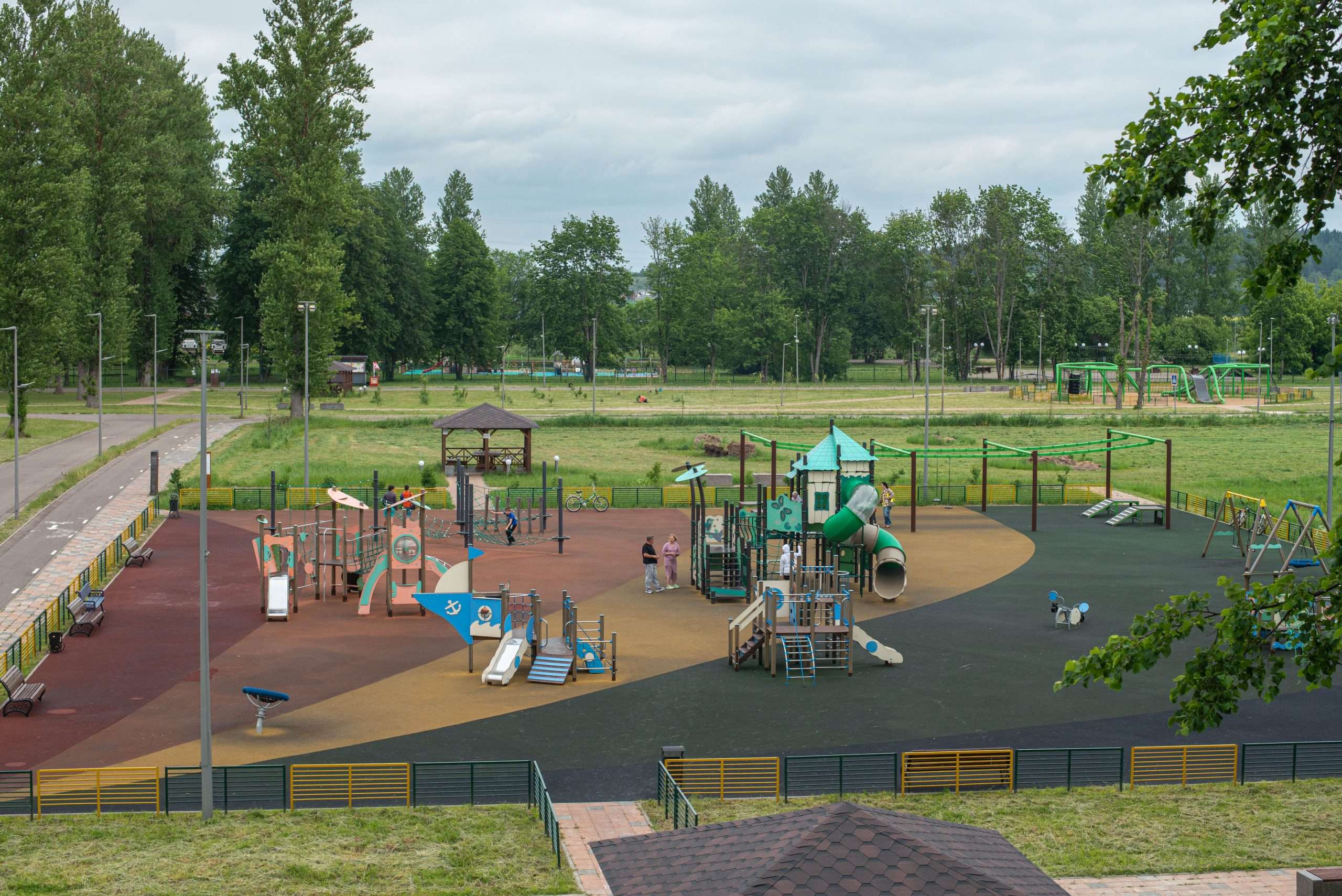
    🌿 Public garden or park

  4. St. Therapont Monastery — point on route “Mozhaysk, City of Military Glory”

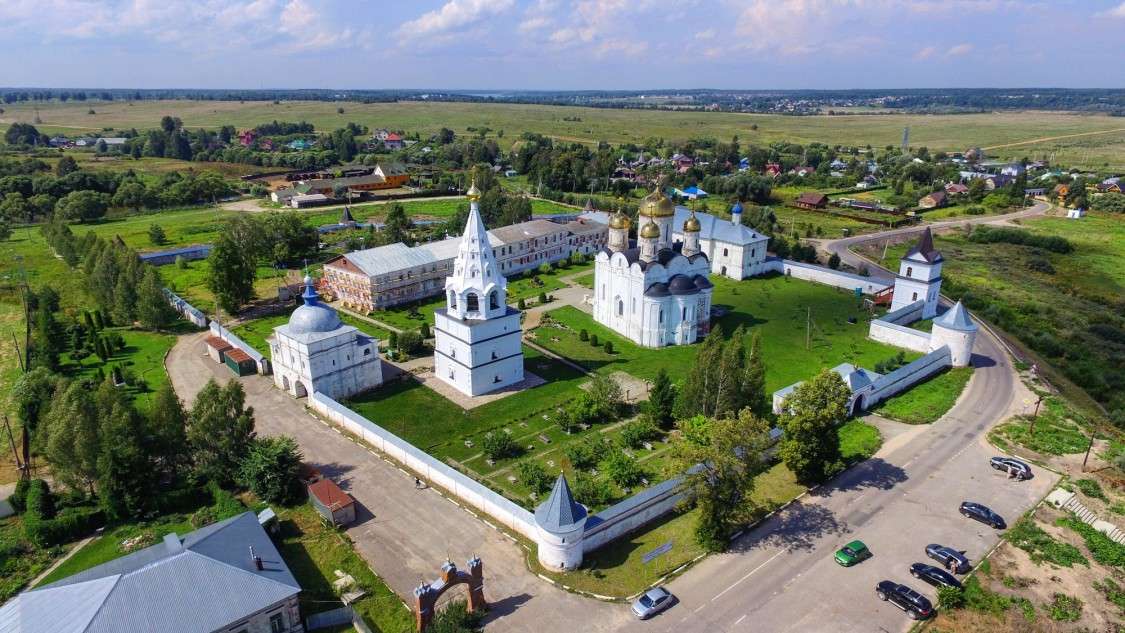
    St. Therapont Monastery

    🕍 Place of worship · 📜 Historic site

  5. Borodino Field Museum — point on route “Mozhaysk, City of Military Glory”

    Borodino Field Museum

    📜 Historic site · 🏛️ Museum

  6. Spaso-Borodinsky Convent — point on route “Mozhaysk, City of Military Glory”

    Spaso-Borodinsky Convent

    🕍 Place of worship · 📜 Historic site

Kremlin in Mozhaysk

Point on route “Mozhaysk, City of Military Glory”

Kremlin — point on route “Mozhaysk, City of Military Glory”

Point 1

Kremlin

🏯 Fortress remains • 📜 Historic site • 🕵️ Urban legend

Historical Background

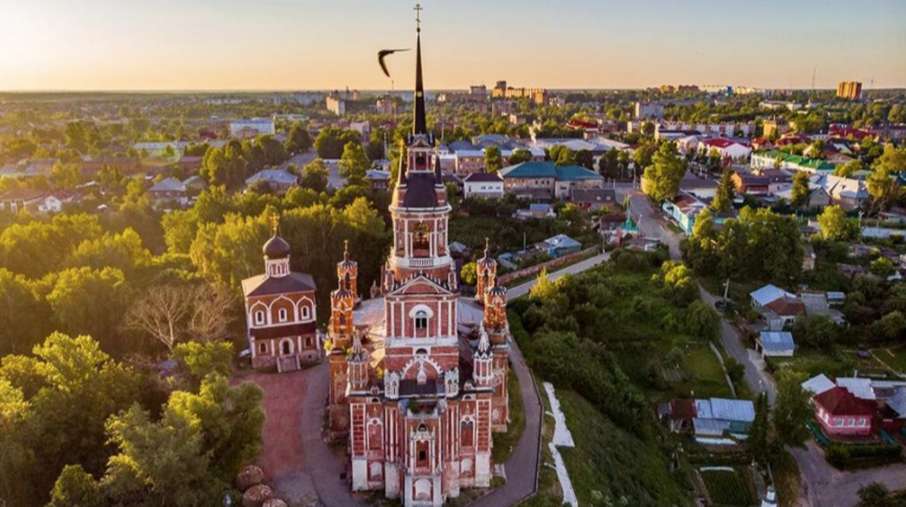
The Mozhaysk Kremlin stands on Cathedral Hill, where the town was born. The first fortifications appeared here in the 13th century, but archaeological finds show that people settled on these hills as early as the Iron Age. By the 12th century a wooden churchyard settlement already existed here, later replaced by a fortress. According to tradition, in 1541 Mozhaysk was rebuilt after a fire on the orders of Ivan the Terrible, and under Boris Godunov, in 1603, construction of a white-stone kremlin began on the site of the dilapidated citadel. In the 17th century, when the town became a border town after the loss of Smolensk, a powerful brick fortress was built on the model of Moscow's Kitay-Gorod. Its voivode was Dmitry Pozharsky. After peace was signed with Poland, Mozhaysk lost its defensive importance and the fortress quickly fell into decline. In the 19th century the kremlin was finally dismantled, and its stone went into building churches.

The Lost Fortress

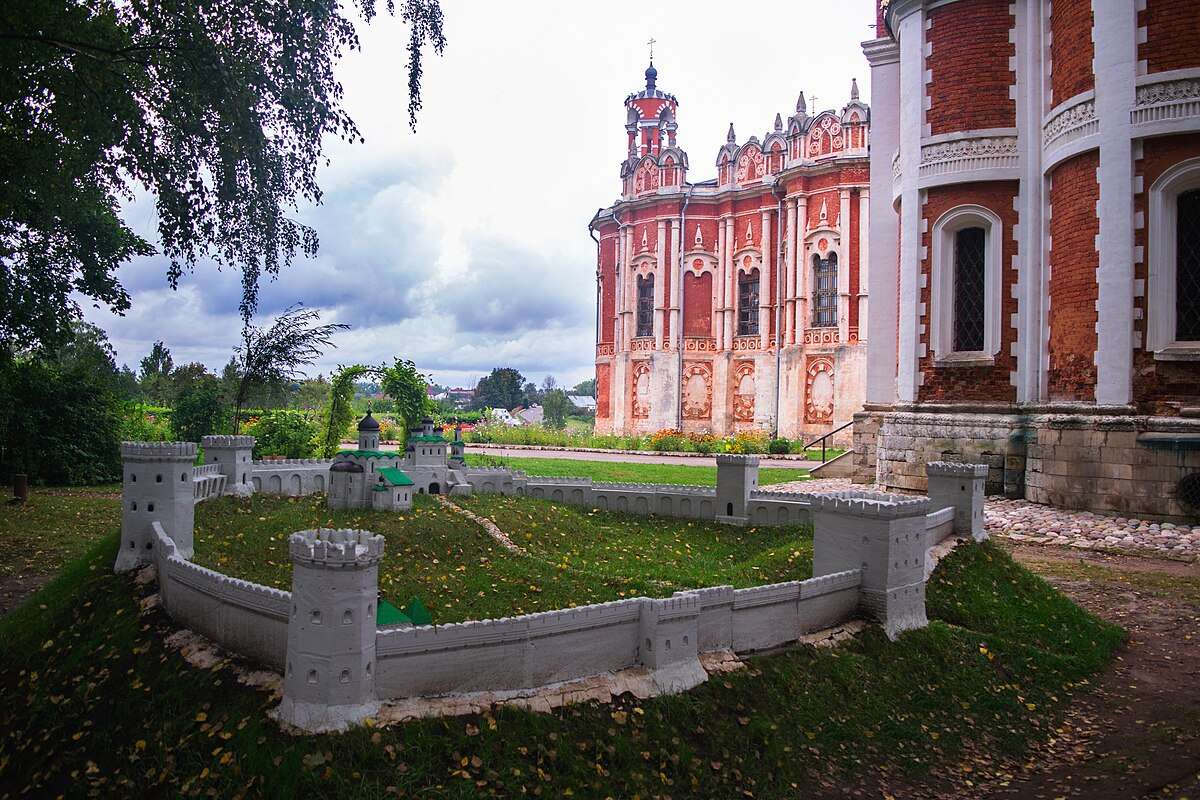
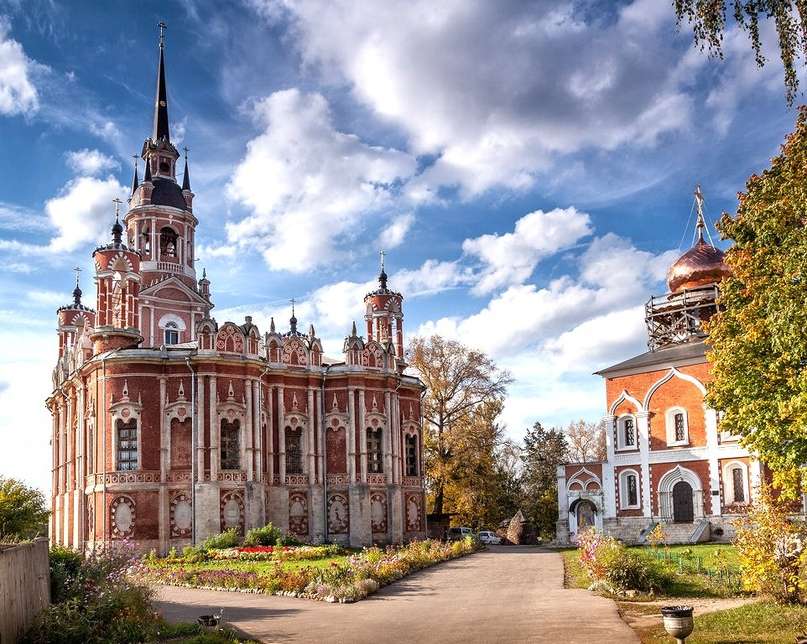
Of the white-stone kremlin that once guarded the western frontier of the Russian state, earthen ramparts, fragments of walls and towers, and a gate with a gate chapel survive. On the grounds you can see a model re-creating the Mozhaysk Kremlin. Excavations have shown that Cathedral Hill hides traces of much older cultural layers, from a Dyakovo culture hillfort to settlements of the 3rd millennium BC. Today the two main buildings on the fortress site are the New St. Nicholas Cathedral and the Cathedral of Sts. Peter and Paul.

A Walk Through the Former Kremlin

At the foot of the hill stands an old chapel, last restored in the 1990s. Among the trees you can see the remains of a stone bridge that once connected the gate with the churches. The fortress gate at the entrance survives and is still closed in the evenings, at 10 p.m. The grounds open at 6 a.m., and admission is free.