←Mozhaysk, City of Military Glory

Mozhaysk, City of Military Glory

Photo of route “Mozhaysk, City of Military Glory”
6 points19 km0 hours

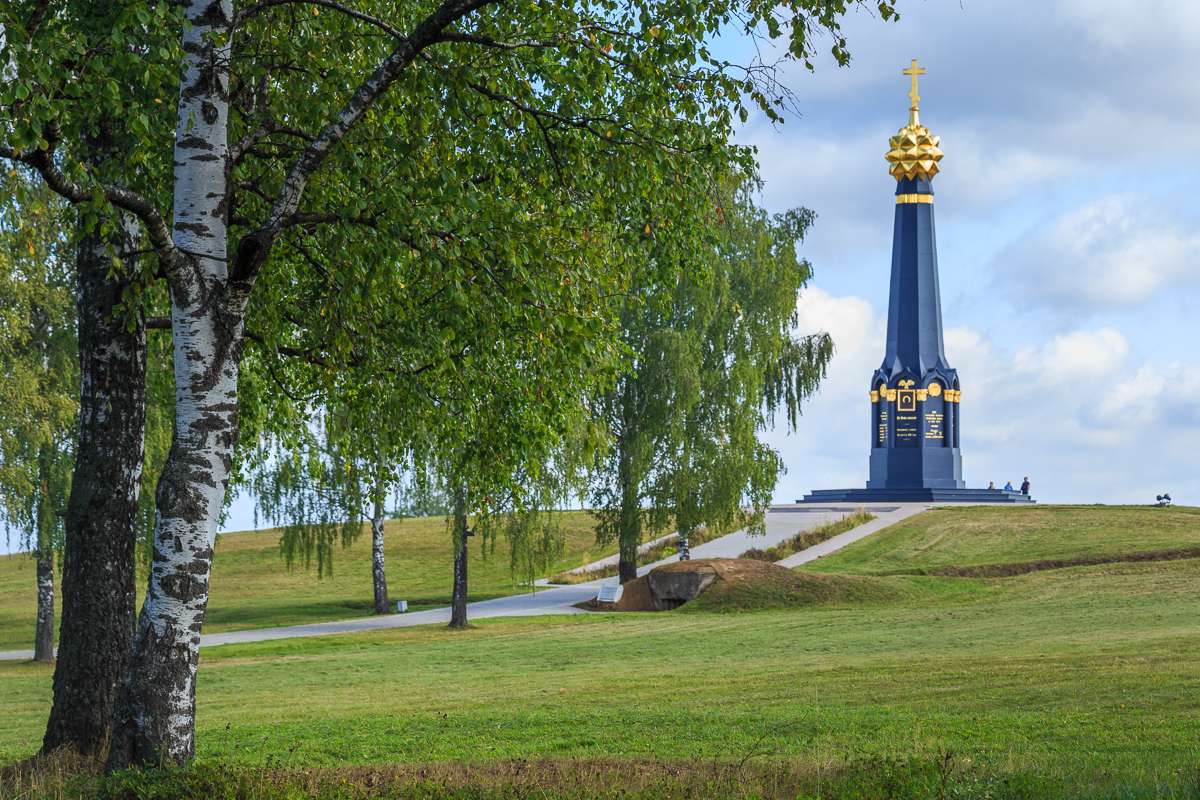
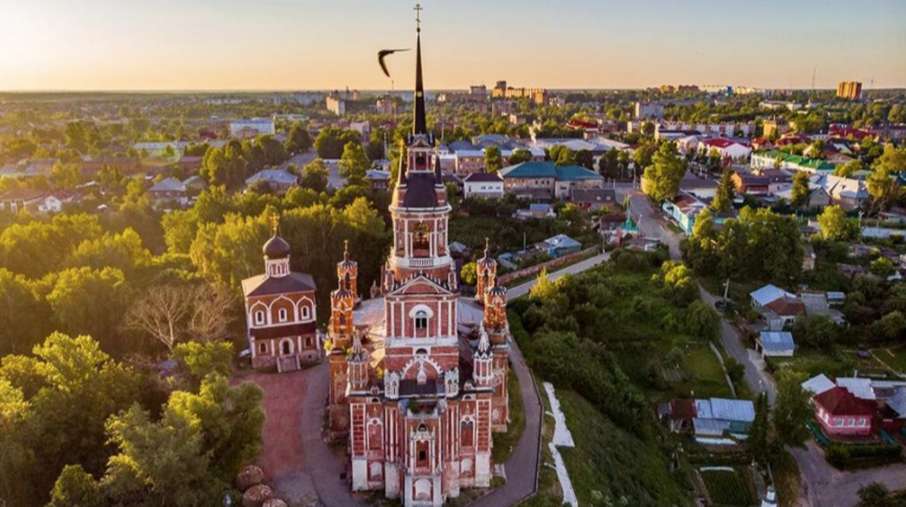
Mozhaysk is a town with a rich history, surrounded by hills and forests. Its old fortress walls and churches recall its past as a defensive stronghold on the approaches to Moscow. The Battle of Borodino was fought nearby, and the area keeps the memory of the War of 1812. Mozhaysk is an easy trip from the capital and a way to explore important chapters of Russian history.

Things to do

  • 📜 Learn the city's history
  • 📚🎬 Recall films and books

Route points (6)

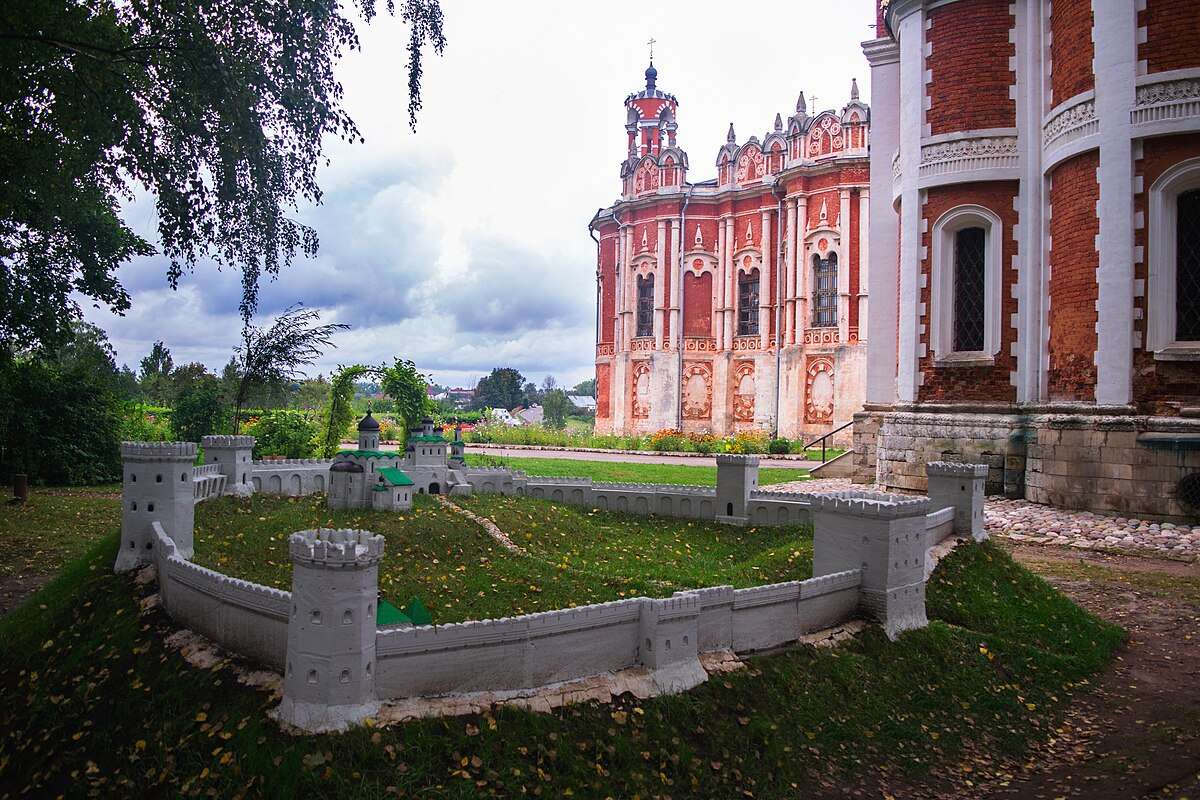
  1. Kremlin — point on route “Mozhaysk, City of Military Glory”

    Kremlin

    🏯 Fortress remains · 📜 Historic site · 🕵️ Urban legend

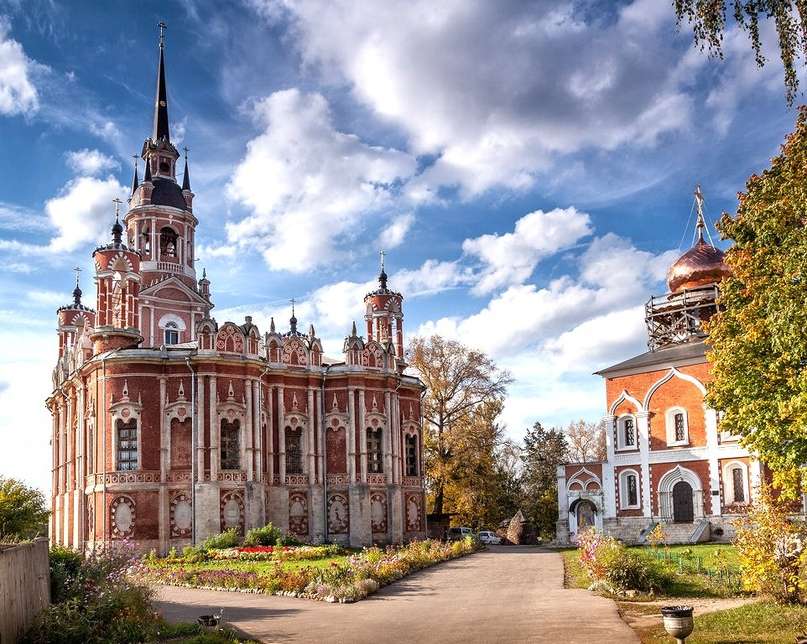
  2. New St. Nicholas Cathedral — point on route “Mozhaysk, City of Military Glory”

    New St. Nicholas Cathedral

    🕍 Place of worship · 📜 Historic site

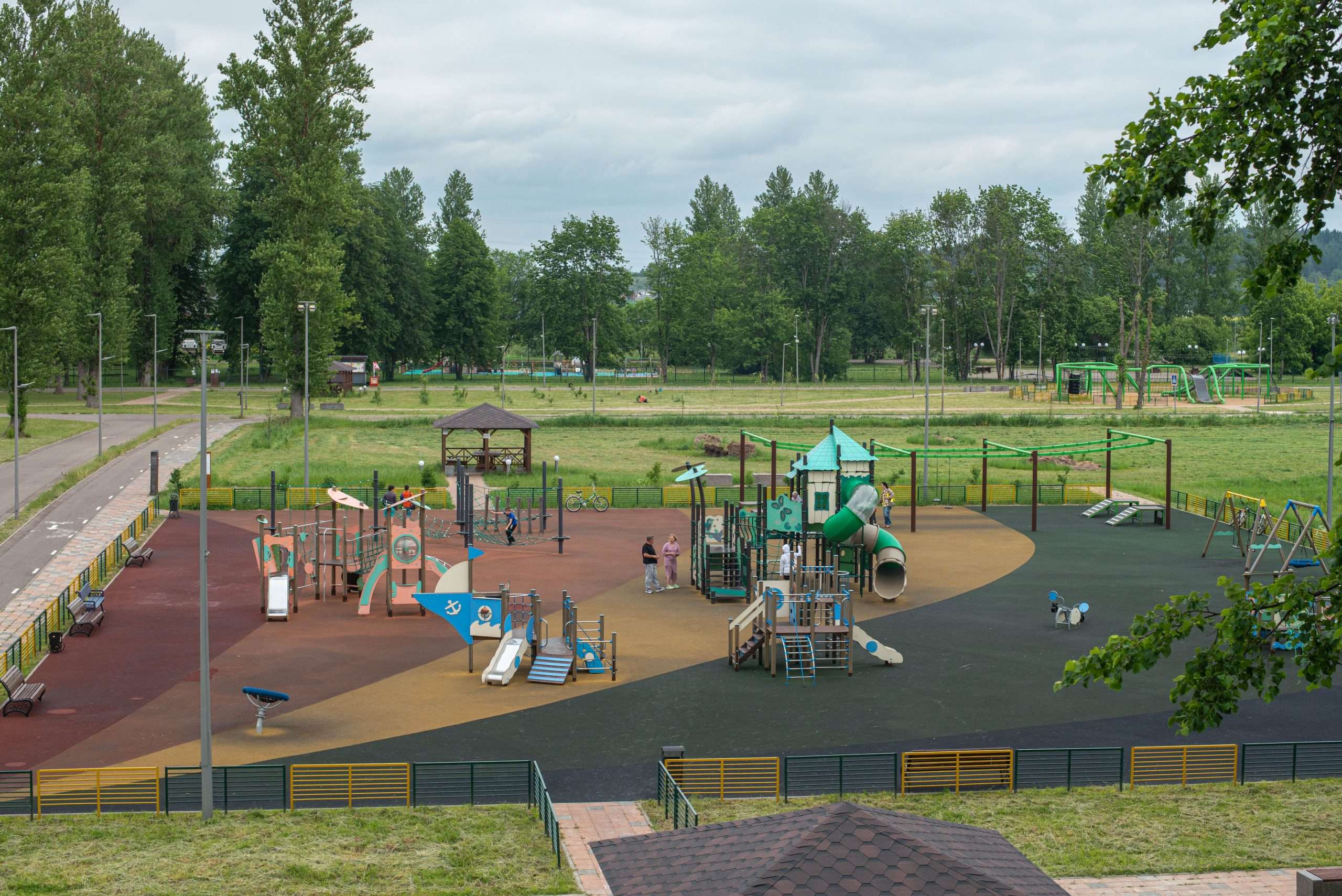
  3. Riviera Park — point on route “Mozhaysk, City of Military Glory”

    Riviera Park

    🌿 Public garden or park

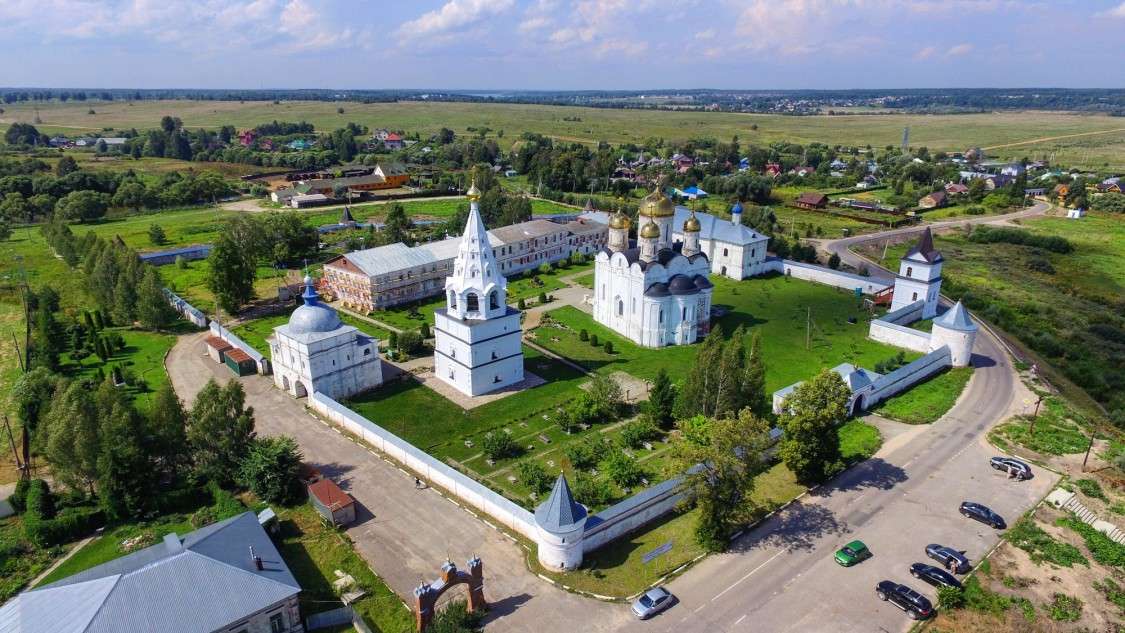
  4. St. Therapont Monastery — point on route “Mozhaysk, City of Military Glory”

    St. Therapont Monastery

    🕍 Place of worship · 📜 Historic site

  5. Borodino Field Museum — point on route “Mozhaysk, City of Military Glory”

    Borodino Field Museum

    📜 Historic site · 🏛️ Museum

  6. Spaso-Borodinsky Convent — point on route “Mozhaysk, City of Military Glory”

    Spaso-Borodinsky Convent

    🕍 Place of worship · 📜 Historic site

Spaso-Borodinsky Convent in Mozhaysk

Point on route “Mozhaysk, City of Military Glory”

Spaso-Borodinsky Convent — point on route “Mozhaysk, City of Military Glory”

Point 6

Spaso-Borodinsky Convent

🕍 Place of worship • 📜 Historic site

Historical Background

The Spaso-Borodinsky Convent stands on Borodino Field, near the village of Semyonovskoye. It was founded in 1839 by Margarita Mikhailovna Tuchkova, widow of General Alexander Tuchkov, who was killed in the Battle of Borodino. In 1820, on the spot where he was believed to have died, she built a church dedicated to the Holy Image of the Savior Not Made by Hands, which became a spiritual center not only for the widow but for everyone who came to pray for those who fell on the battlefield. Gradually a women's community formed around the church and then a convent, whose first abbess was Tuchkova herself, who took monastic vows under the name Maria.

The Architectural Ensemble

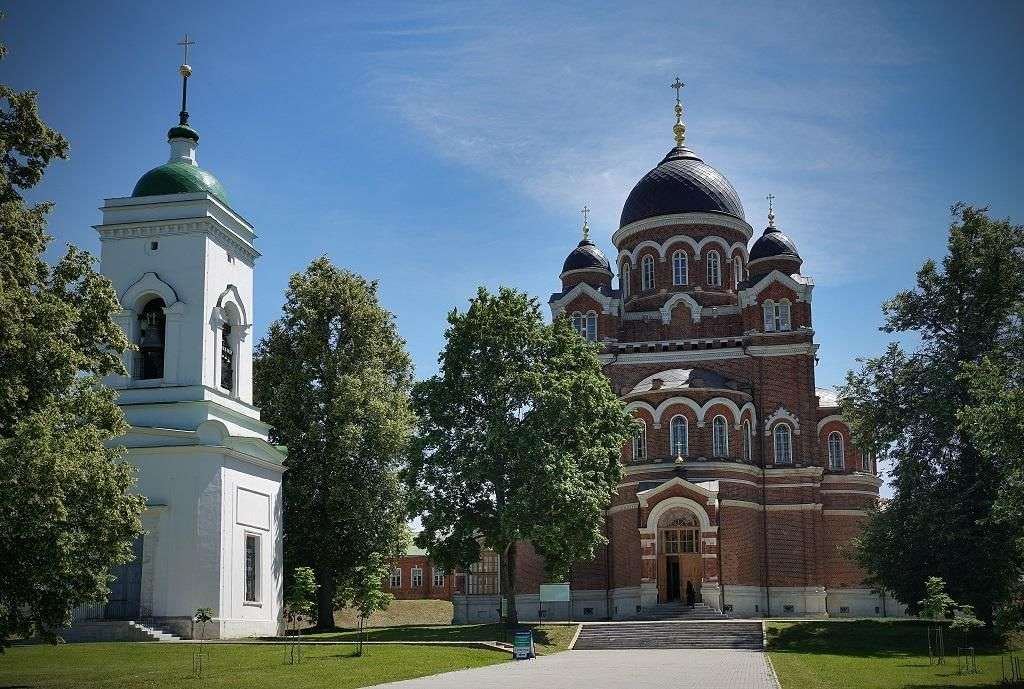
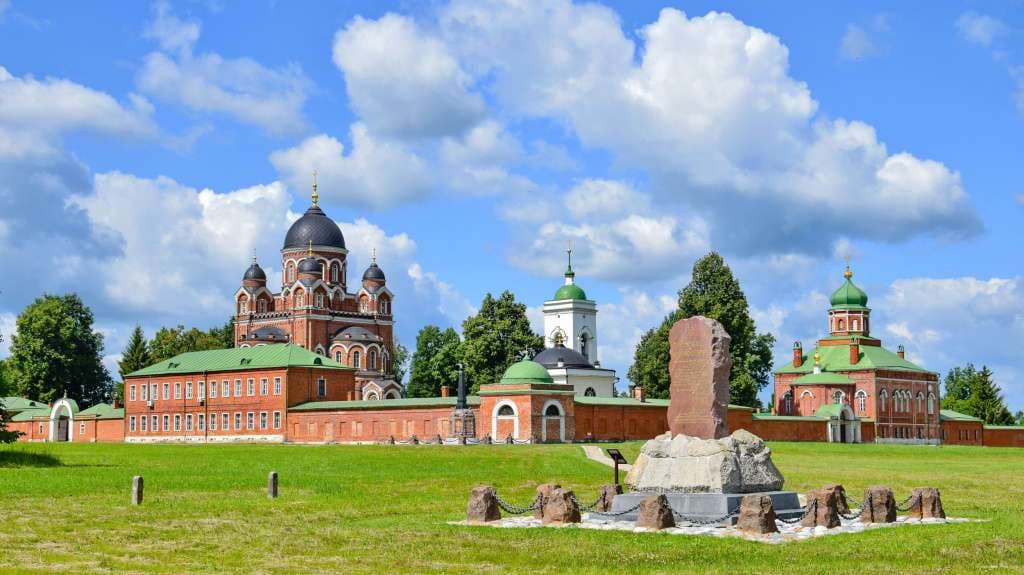
By the mid-19th century the convent had a complete ensemble: a stone wall with towers, a bell tower, a refectory with a church and cell buildings. In 1859, under Abbess Sergia (Princess Volkonskaya), the Vladimir Cathedral, designed by the architect Mikhail Bykovsky, was consecrated. Later came the Church of the Beheading of St. John the Baptist, new residential buildings and service buildings. By the early 20th century up to 200 nuns lived here, and the convent had become a spiritual center known throughout Russia.

Closure and Revival

In 1929 the convent was abolished, and its buildings were used as a school, a hospital, depots and housing. During the Great Patriotic War the complex suffered destruction and fires. Restoration began in the 1970s, and for a long time the buildings were restored by the Borodino Museum-Reserve. In 1992 some of the buildings were returned to the Russian Orthodox Church, and the convent resumed its life. Today it has working churches and four museum exhibitions.

Remembering 1812

The convent is closely tied to the history of the Battle of Borodino. It arose on the site of fierce fighting and is both a monument of military history and of monastic life. It keeps the memory of General Tuchkov and the thousands of nameless defenders who fell for their homeland. Every August, commemorations held by the convent combine church services and historical reenactments.