←Gorokhovets: Guardian of the Frontier and Bastion of Faith

Gorokhovets: Guardian of the Frontier and Bastion of Faith

Photo of route “Gorokhovets: Guardian of the Frontier and Bastion of Faith”
13 points4 km2 hours

With roots going back to the days of Andrey Bogolyubsky, Gorokhovets was for many centuries a stronghold on the frontier of the Vladimir-Suzdal principality and later of Moscow, defending the eastern borders of Rus from enemies. Over time the ancient fortress became a district town bustling with industry and trade. On this route you can live through the history of the town and see its ancient beauty in all its fullness.

Things to do

  • 📜 Learn the city's history
  • 🍲🎶 Local culture
  • 🏛️🕰️ Compare the eras

Route points (13)

  1. Sretensky Convent — point on route “Gorokhovets: Guardian of the Frontier and Bastion of Faith”

    Sretensky Convent

    🕍 Place of worship · 📜 Historic site

  2. Sretensky Convent

    Points will be available after purchasing the route

  3. Shorin House — point on route “Gorokhovets: Guardian of the Frontier and Bastion of Faith”

    Shorin House

    🏟️ Architectural landmark

Shorin House in Gorokhovets

Point on route “Gorokhovets: Guardian of the Frontier and Bastion of Faith”

Shorin House — point on route “Gorokhovets: Guardian of the Frontier and Bastion of Faith”

Point 13

Shorin House

🏟️ Architectural landmark

Historical Background

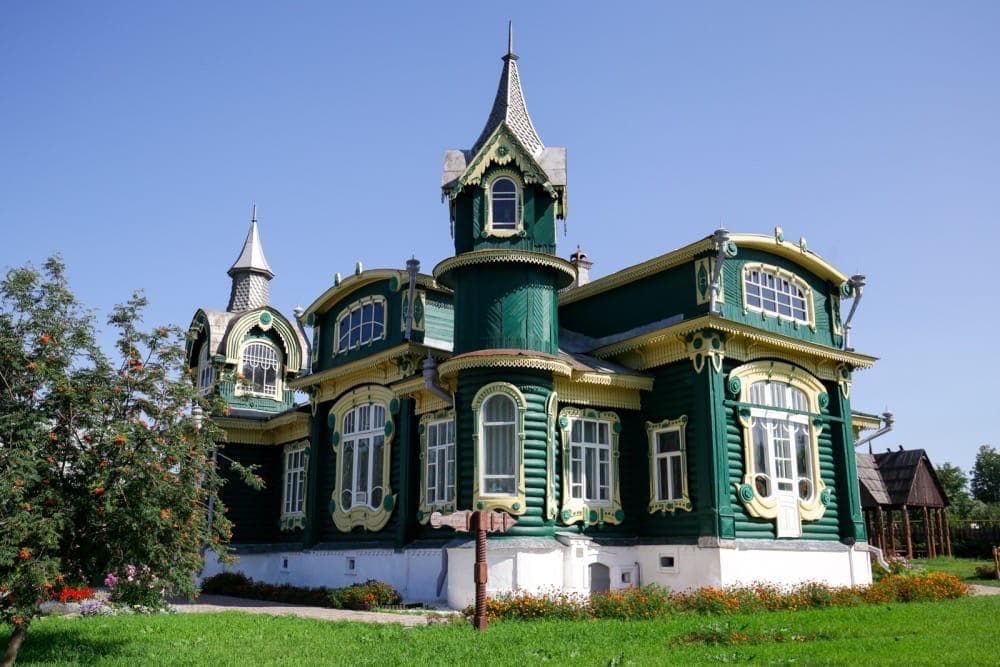
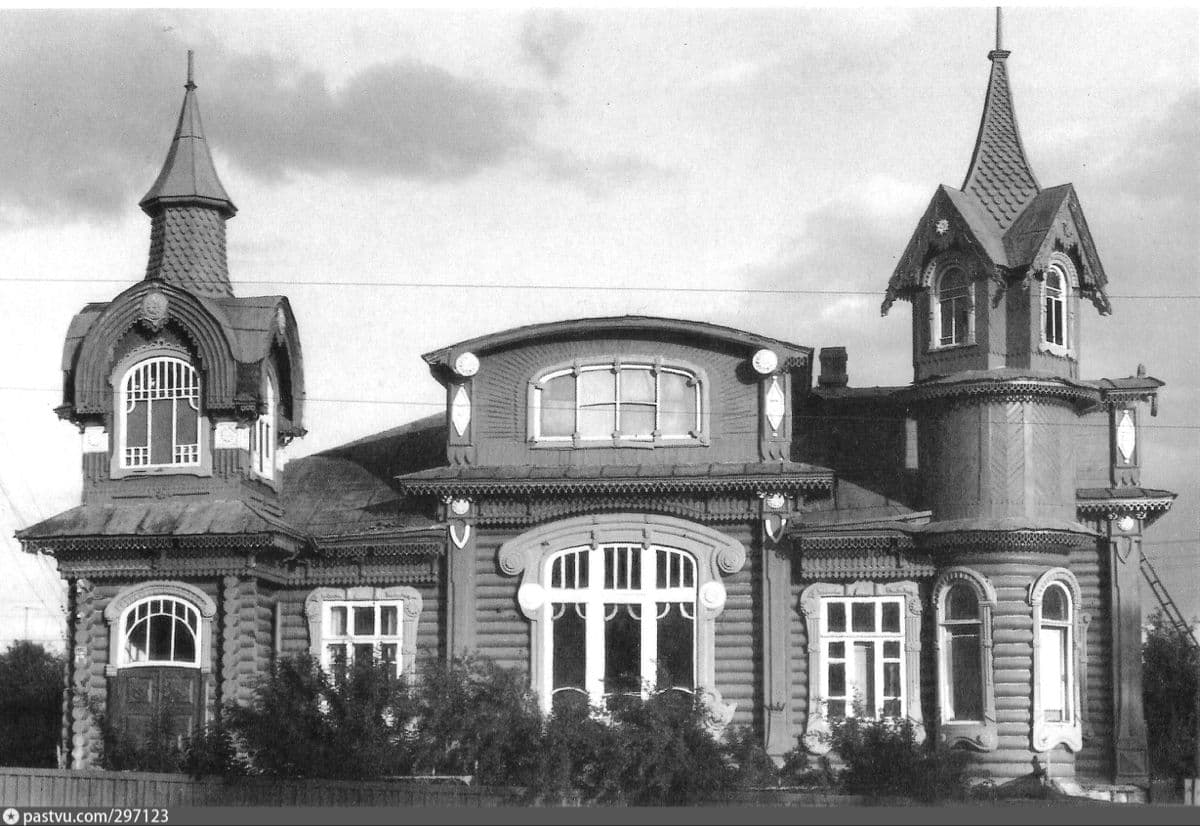
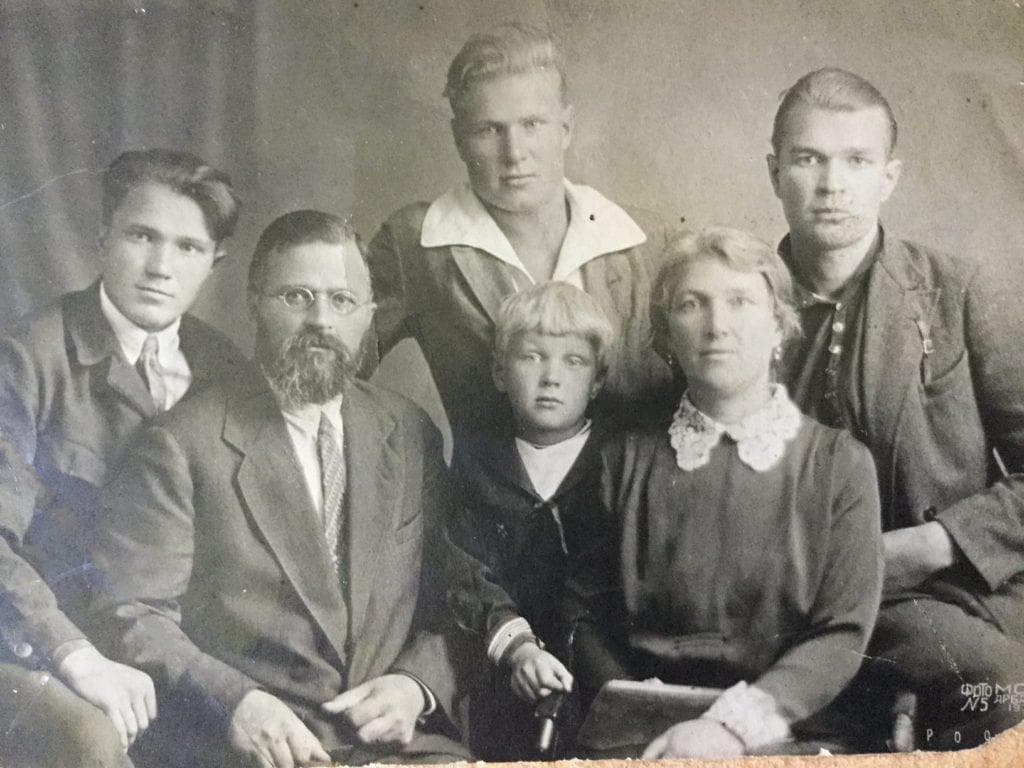
The house was built at the end of the 19th century for the family of the shipbuilder Mikhail Shorin. Its architect is thought to have been Julius Bruni, a St. Petersburg architect of Swiss origin and son of Fyodor Bruni, who painted St. Isaac's Cathedral and the Cathedral of Christ the Savior in Moscow. The design was built by a local artel of yakushi. After the October Revolution the family still owned its business, the Gorokhovets Shipyard, for a while, but it was soon nationalized. In 1928, amid suspicions of sabotage, the family moved from Gorokhovets to Moscow. In 1938 the shipbuilder was arrested and sentenced to 15 years in a labor camp, where he soon died in unexplained circumstances. He was rehabilitated in 1957. For a while his house was a school, and today it houses the Inter-Settlement House of Folk Art and Crafts, which holds ethnographic exhibitions.

Architecture

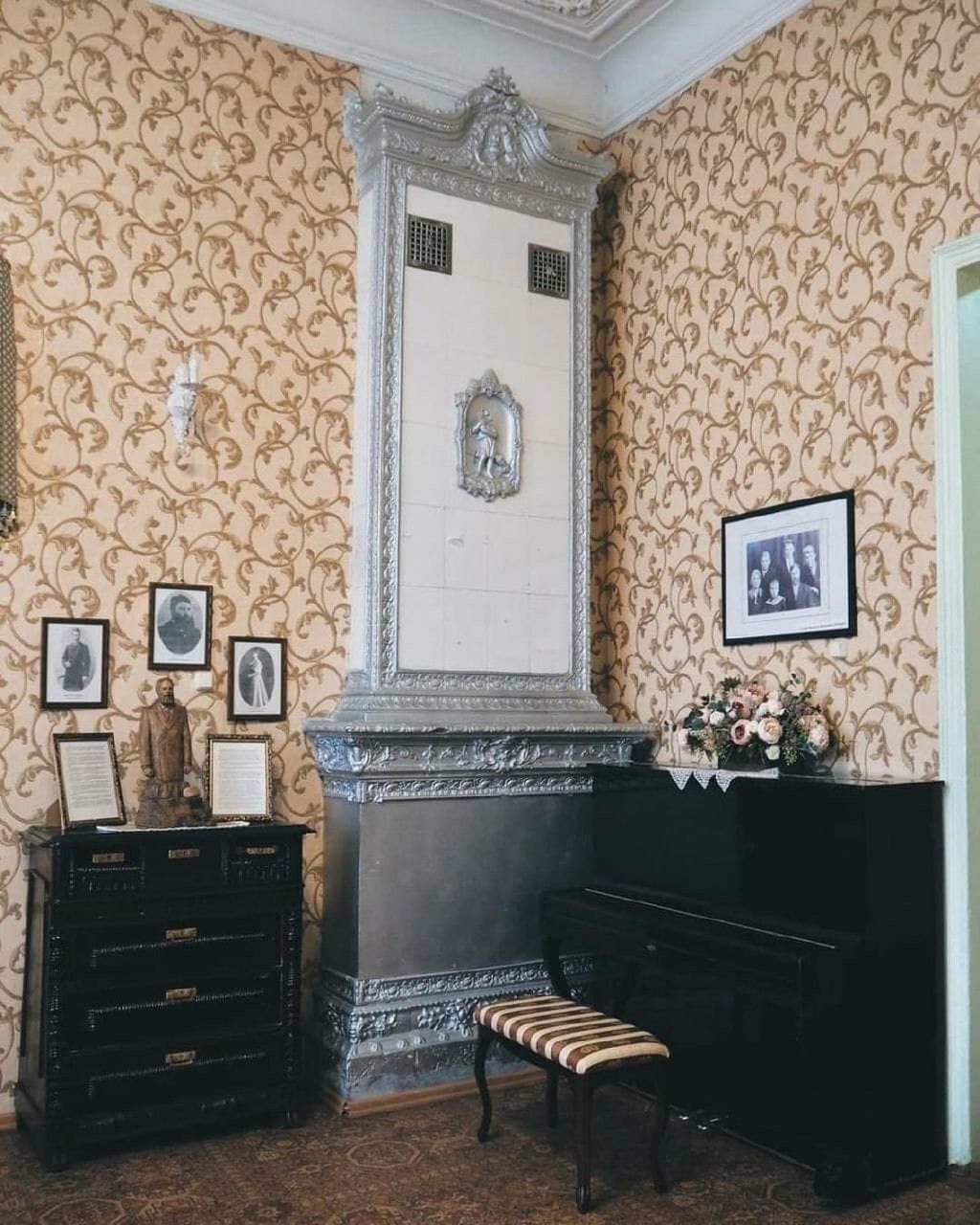
The house is in the Art Nouveau style with elements of the Russian style. It stands on a brick base that held all the service rooms. The facades and towers are richly decorated with fretwork and applied carving. The house's two towers are different from each other, which gives the building a fairy-tale feel. The entire original interior has survived inside, including the original ceiling moldings and two stoves faced with decorative and white tiles.