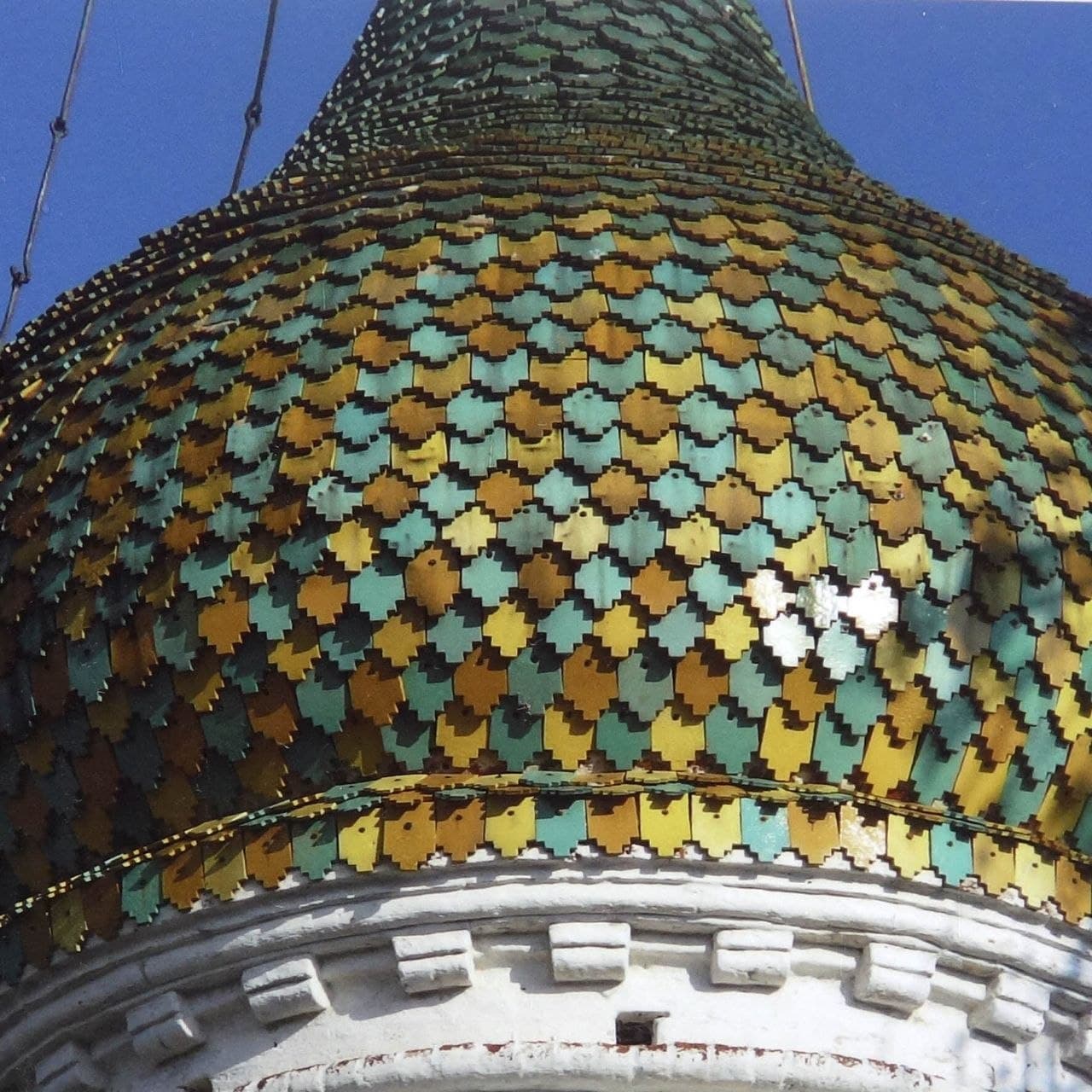
←Gorokhovets: Guardian of the Frontier and Bastion of Faith

Gorokhovets: Guardian of the Frontier and Bastion of Faith

Photo of route “Gorokhovets: Guardian of the Frontier and Bastion of Faith”
13 points4 km2 hours

With roots going back to the days of Andrey Bogolyubsky, Gorokhovets was for many centuries a stronghold on the frontier of the Vladimir-Suzdal principality and later of Moscow, defending the eastern borders of Rus from enemies. Over time the ancient fortress became a district town bustling with industry and trade. On this route you can live through the history of the town and see its ancient beauty in all its fullness.

Things to do

  • 📜 Learn the city's history
  • 🍲🎶 Local culture
  • 🏛️🕰️ Compare the eras

Route points (13)

  1. Sretensky Convent — point on route “Gorokhovets: Guardian of the Frontier and Bastion of Faith”

    Sretensky Convent

    🕍 Place of worship · 📜 Historic site

  2. Sretensky Convent

    Points will be available after purchasing the route

  3. Shorin House — point on route “Gorokhovets: Guardian of the Frontier and Bastion of Faith”

    Shorin House

    🏟️ Architectural landmark

Sretensky Convent in Gorokhovets

Point on route “Gorokhovets: Guardian of the Frontier and Bastion of Faith”

Sretensky Convent — point on route “Gorokhovets: Guardian of the Frontier and Bastion of Faith”

Point 1

Sretensky Convent

🕍 Place of worship • 📜 Historic site

Historical Background

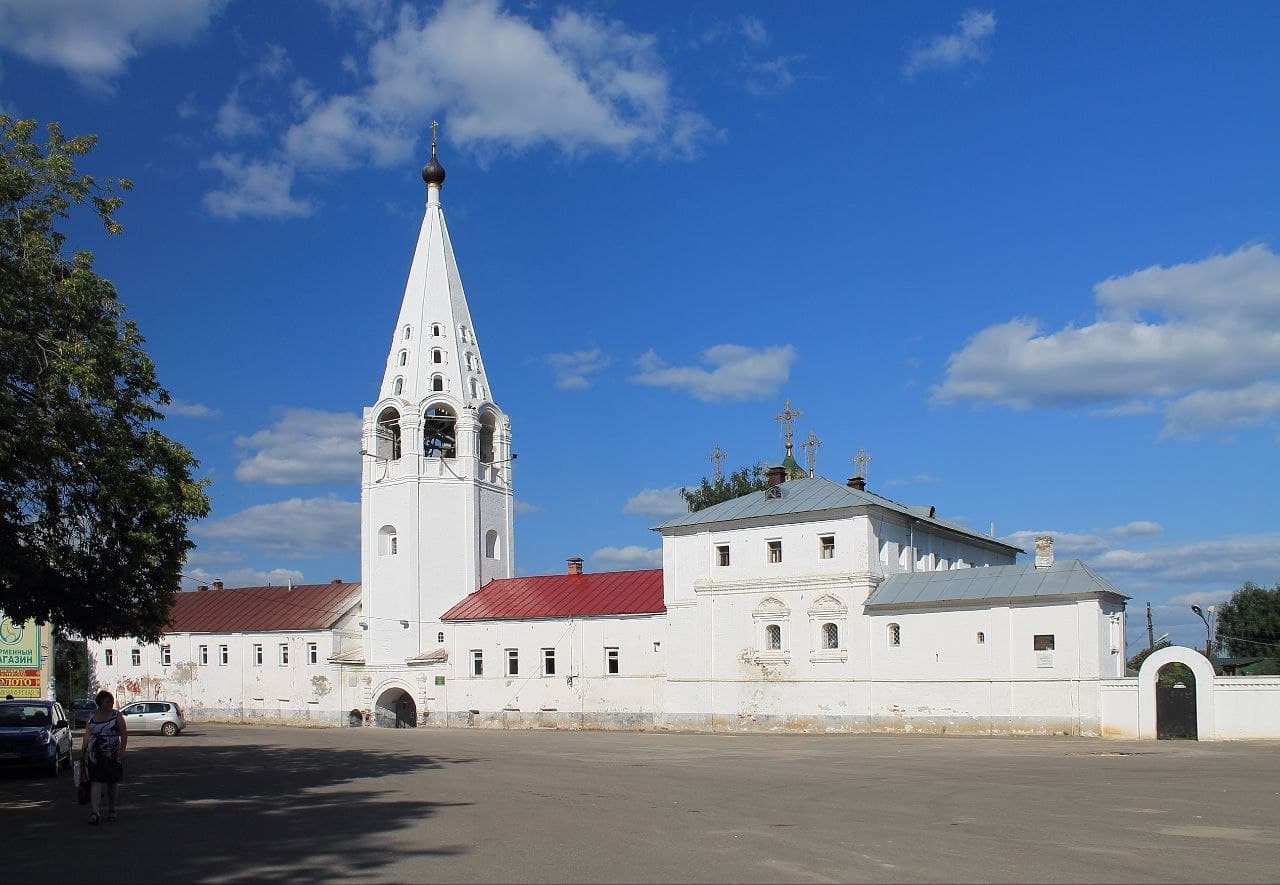
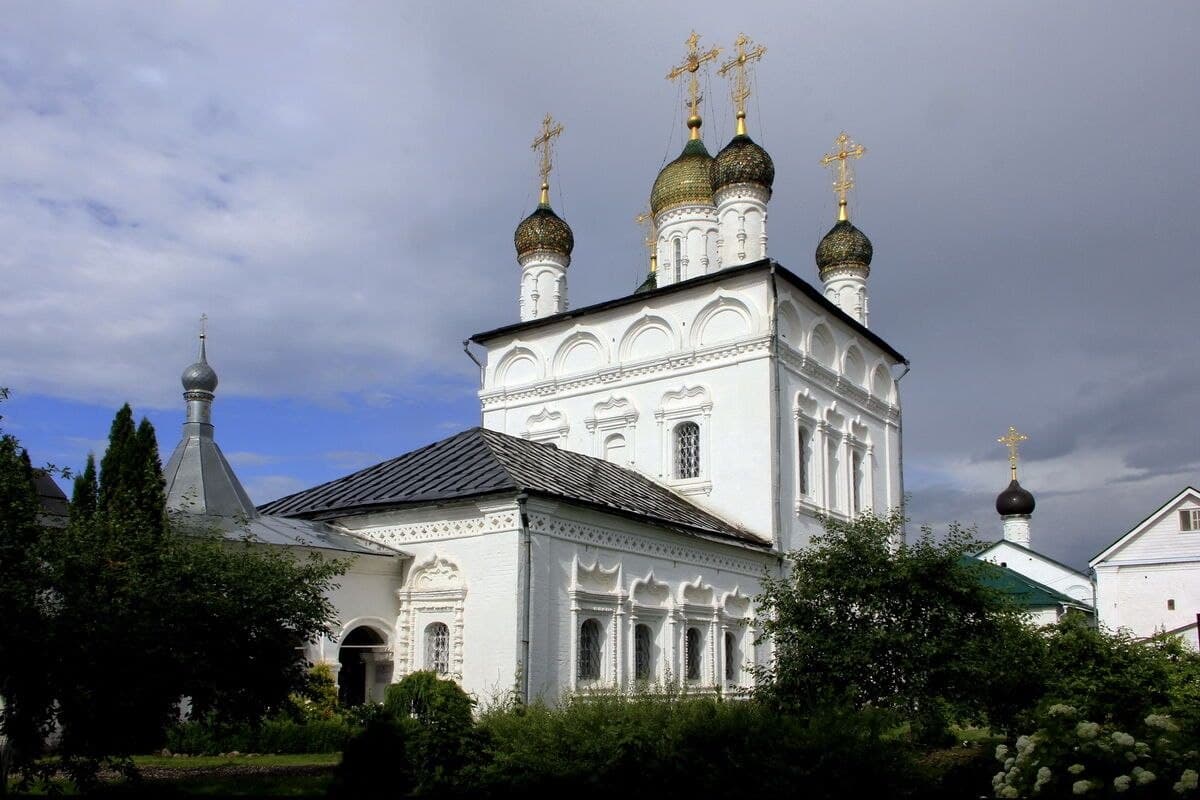
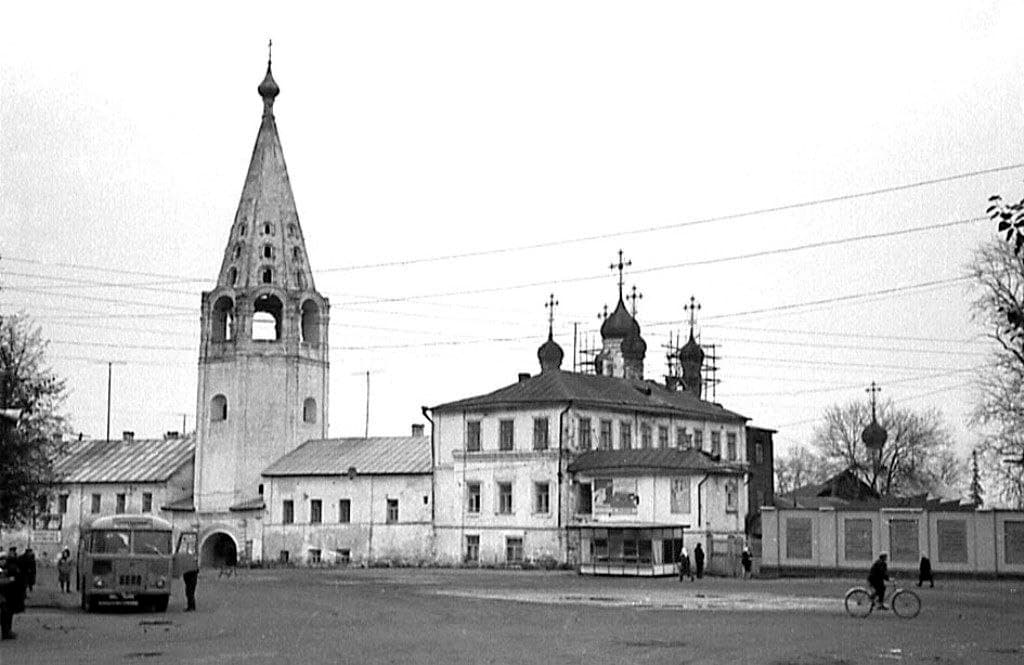
The convent, dedicated to the Meeting (Sretenie) of the Vladimir Icon of the Mother of God, was founded in 1658 by decree of Patriarch Nikon. At first it was made of wood. Just 20 years later, according to the town inventory, 44 nuns lived here. Stone construction began in 1689: with money from Semyon Ershov, the Cathedral of the Presentation and a bell tower were built. In 1700 the foundation stone was laid for a church dedicated to St. Sergius of Radonezh, funded by the merchant brothers Sergei and Grigory Shiryaev. In 1764, by decree of Empress Catherine the Great, the convent was closed and the sisters were moved to Arzamas, but the churches on its grounds stayed open to parishioners. After the October Revolution, from 1922, church property here was requisitioned, but services stopped only in 1928. From the 1930s the Sretensky ensemble was on the list of protected architectural monuments, and from the 1960s a major restoration began. On February 15, 2001, the first prayer service was held on the convent grounds, and monastic life was gradually restored.

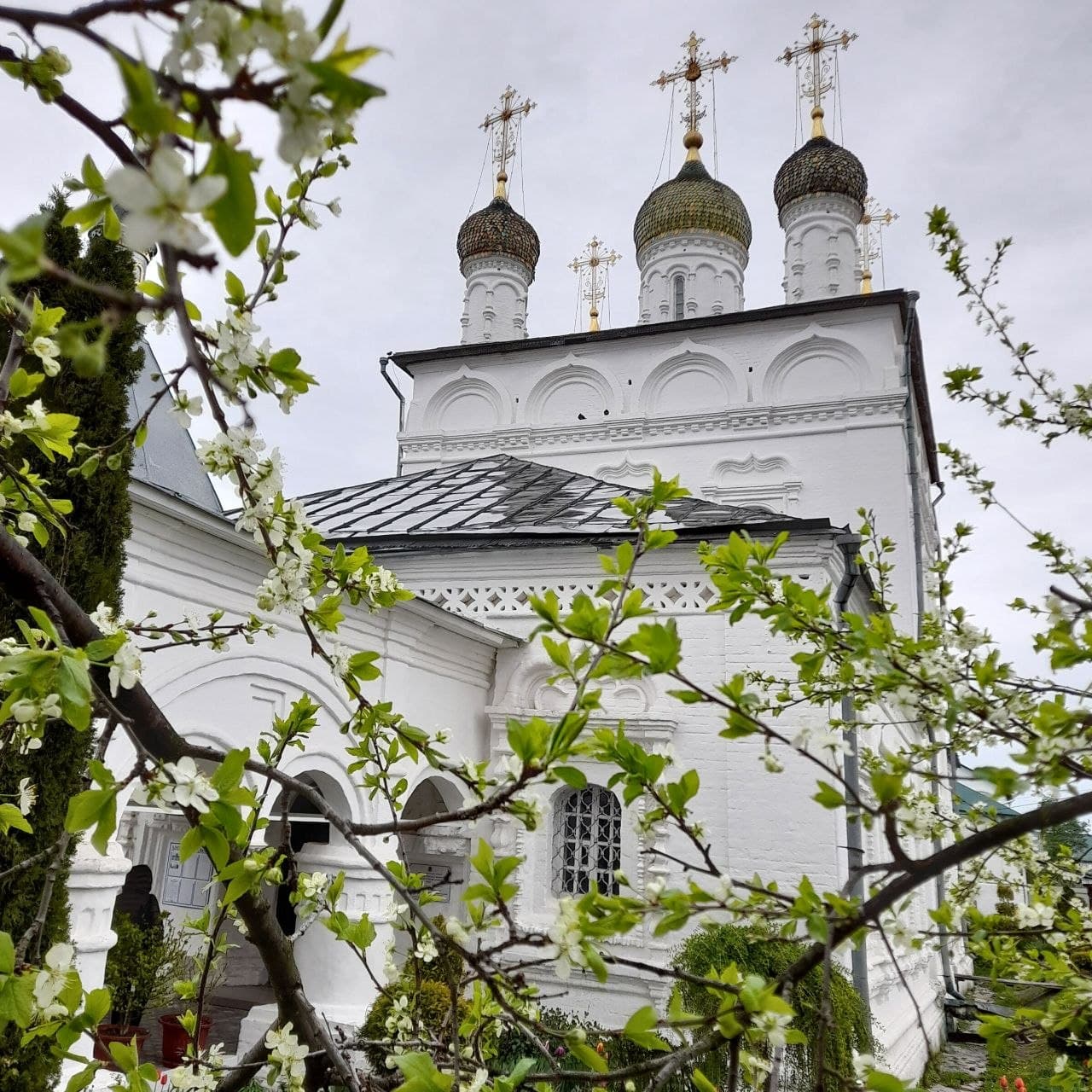
The Architectural Ensemble

The grounds of the Sretensky Convent hold the Church of St. Sergius of Radonezh, the Church of the Presentation of the Lord and a stone bell tower. Inside the Church of St. Sergius an old tiled stove survives. The rest of the complex consists of service buildings with historic status: the cell blocks, the stone wall, the gatehouse, the almshouse and the house of the Shiryaev merchants, all dating from the late 17th and early 18th centuries. The convent also runs the Holy Ascension Skete at the Voznesensky pogost, 22 km away.