←Uglich: A Journey Through the Centuries

Uglich: A Journey Through the Centuries

Photo of route “Uglich: A Journey Through the Centuries”
9 points6 km4 hours

Over its long life, Uglich has witnessed the whole of Russian history. It was the center of a small principality; the last heir of the Rurikid dynasty died here; merchants carried on a lively trade; and in Soviet times one of the country's first hydroelectric power plants was built in the town. Join us for a walk through the streets of ancient Uglich to learn its life story.

Things to do

  • 📜 Learn the city's history
  • 🏛️🕰️ Compare the eras

Route points (9)

  1. Kremlin — point on route “Uglich: A Journey Through the Centuries”

    Kremlin

    📜 Historic site · 🏟️ Architectural landmark

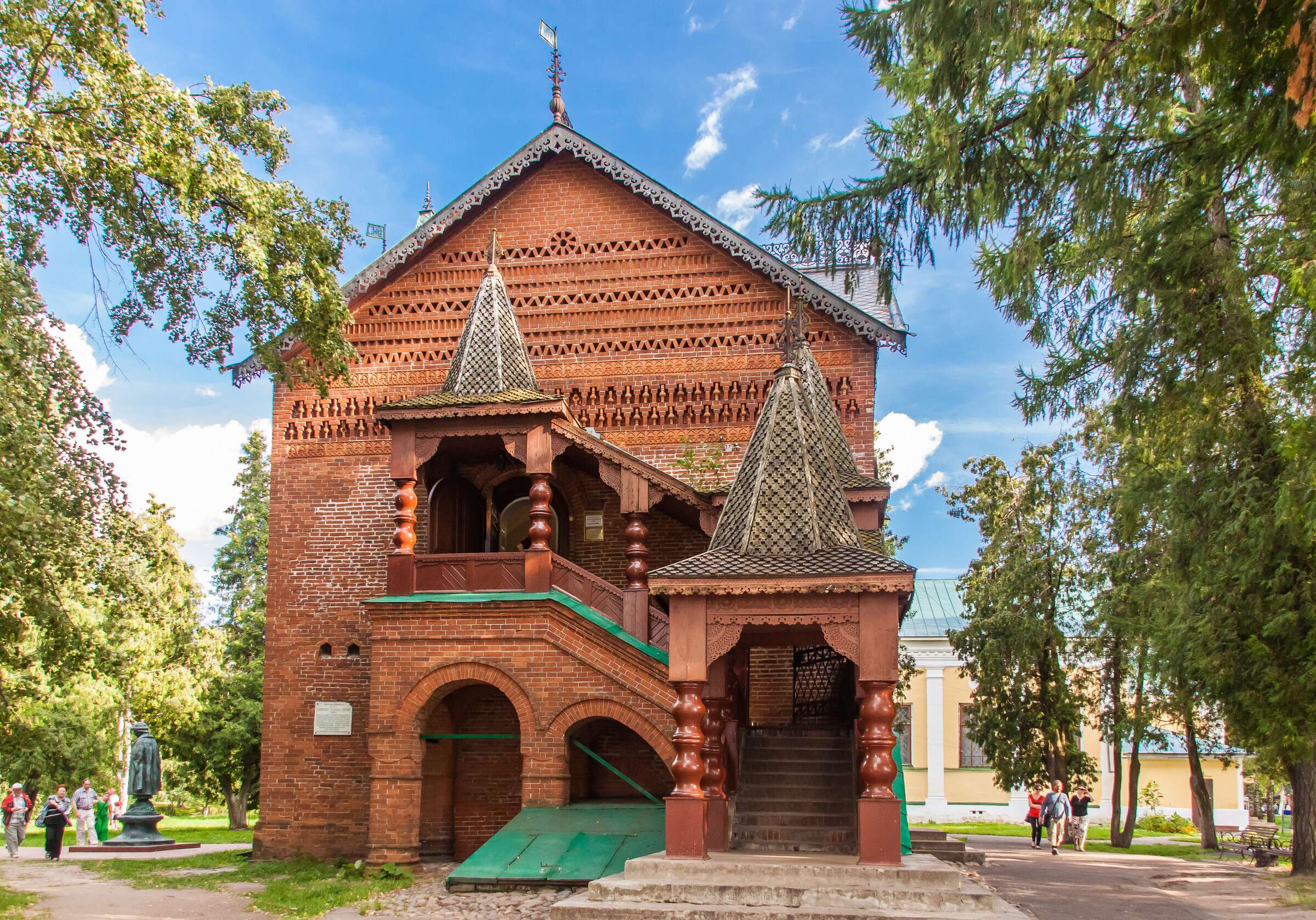
  2. Princes' Chambers — point on route “Uglich: A Journey Through the Centuries”

    Princes' Chambers

    🏰 Palace · 📜 Historic site

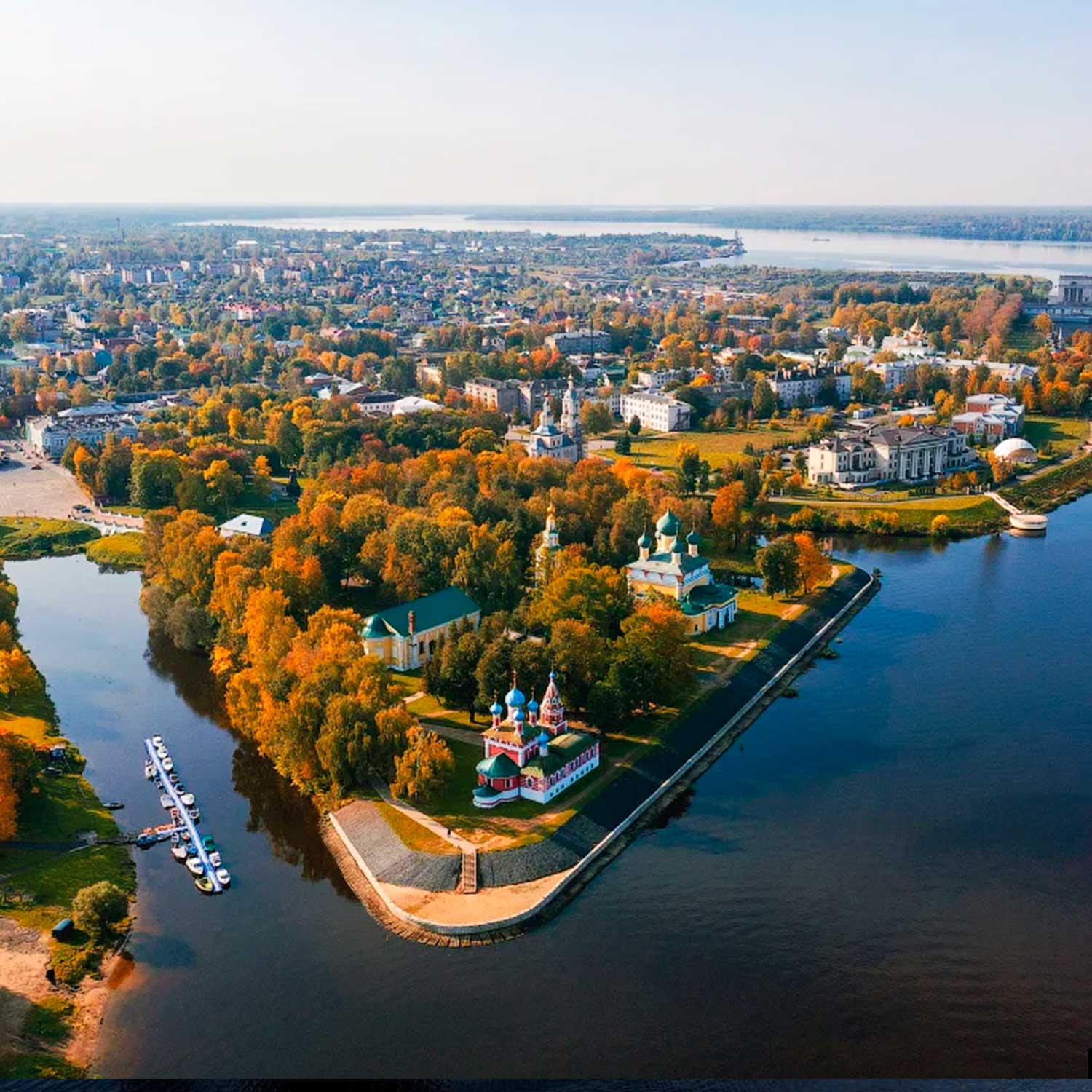
  3. Church of St. Dmitry on the Blood — point on route “Uglich: A Journey Through the Centuries”

    Church of St. Dmitry on the Blood

    🕍 Place of worship · 📜 Historic site · 🏟️ Architectural landmark

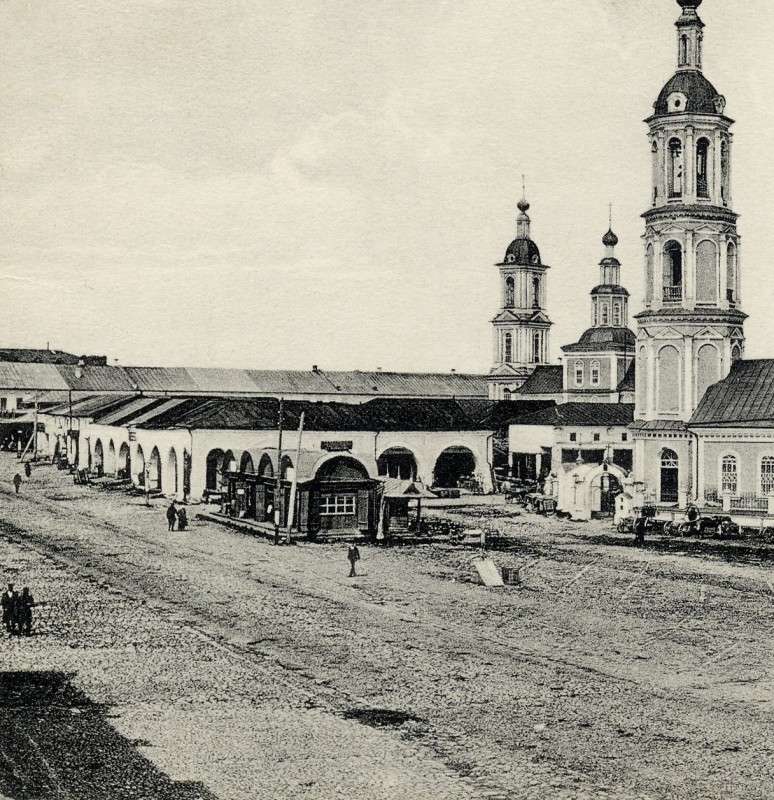
  4. Uspenskaya Square — point on route “Uglich: A Journey Through the Centuries”

    Uspenskaya Square

    ⛲ Square · 📜 Historic site

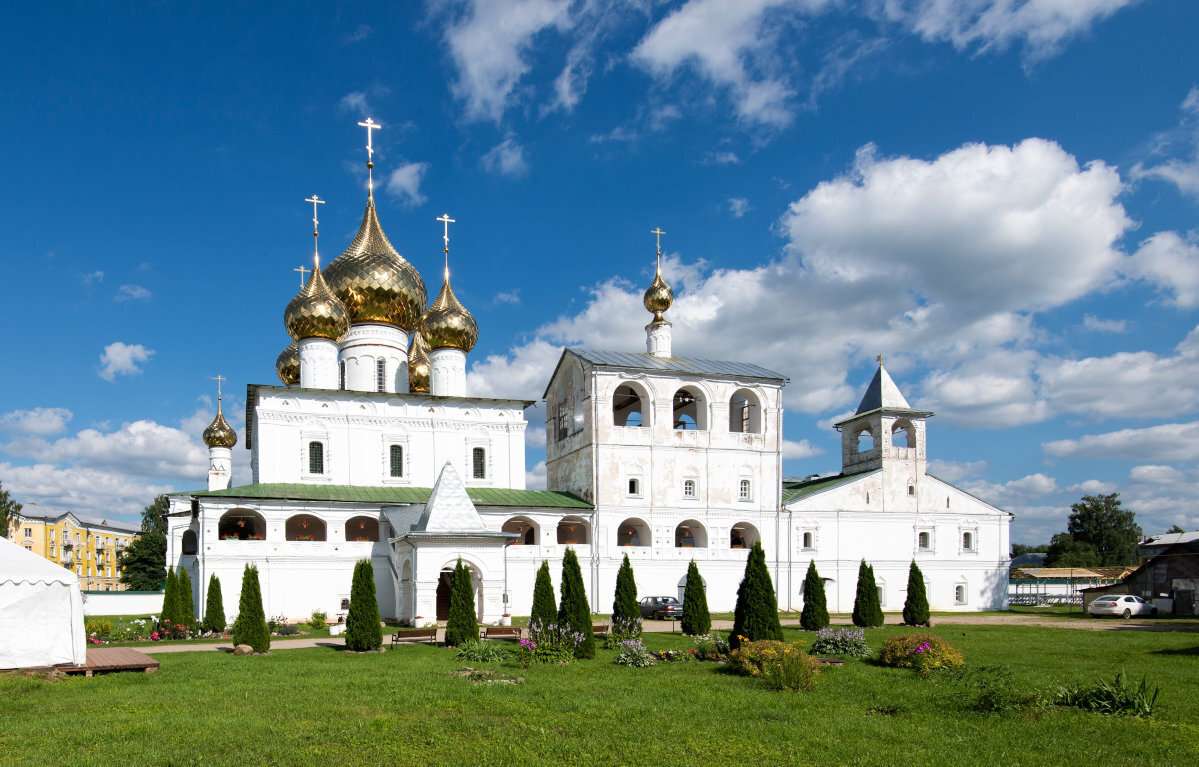
  5. Resurrection Monastery — point on route “Uglich: A Journey Through the Centuries”

    Resurrection Monastery

    🕍 Place of worship · 📜 Historic site · 🏟️ Architectural landmark

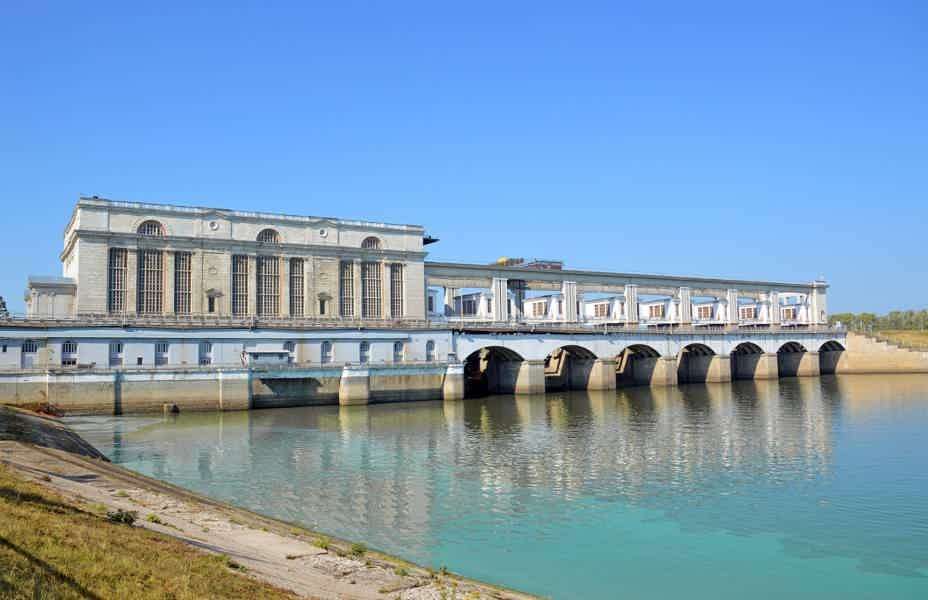
  6. Museum of Hydropower — point on route “Uglich: A Journey Through the Centuries”

    Museum of Hydropower

    🏛️ Museum

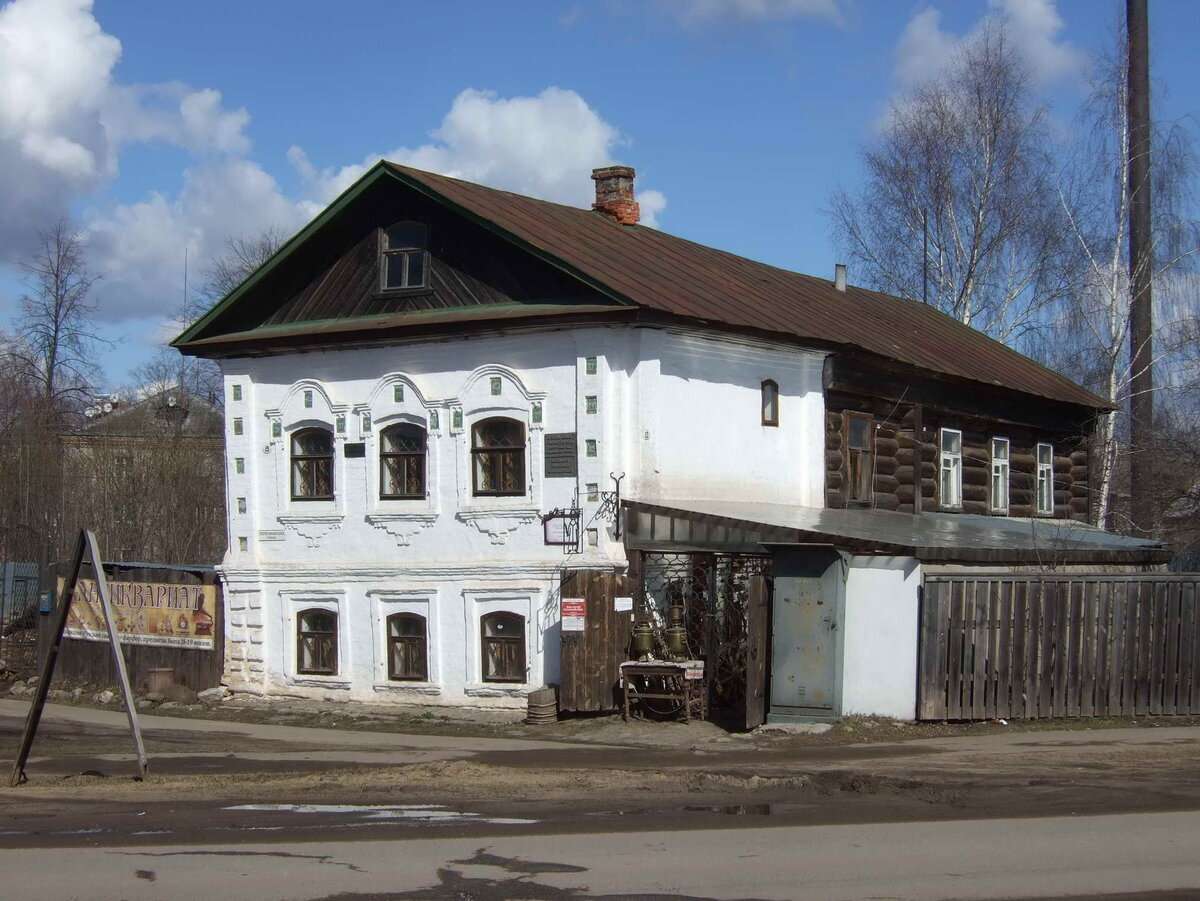
  7. Kalashnikov House Museum — point on route “Uglich: A Journey Through the Centuries”

    Kalashnikov House Museum

    🏛️ Museum · 🏟️ Architectural landmark

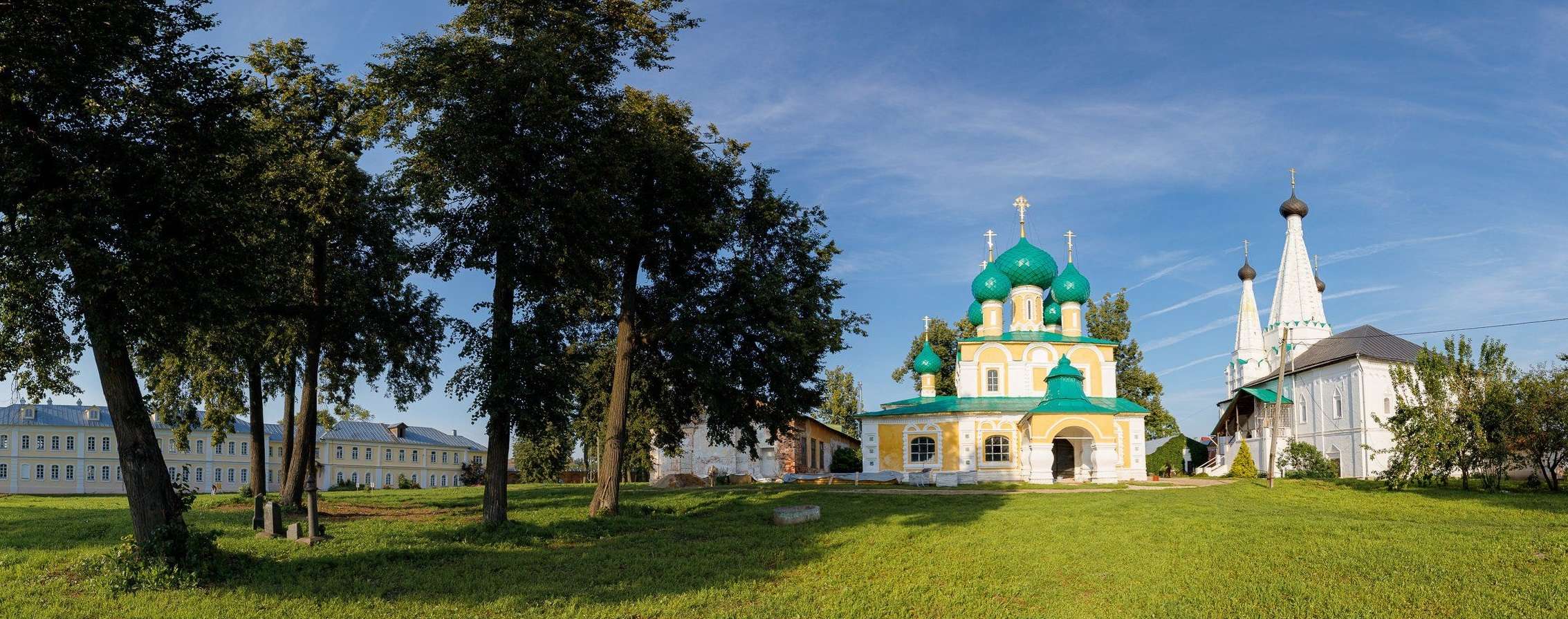
  8. Alexeevsky Monastery — point on route “Uglich: A Journey Through the Centuries”

    Alexeevsky Monastery

    🕍 Place of worship · 📜 Historic site

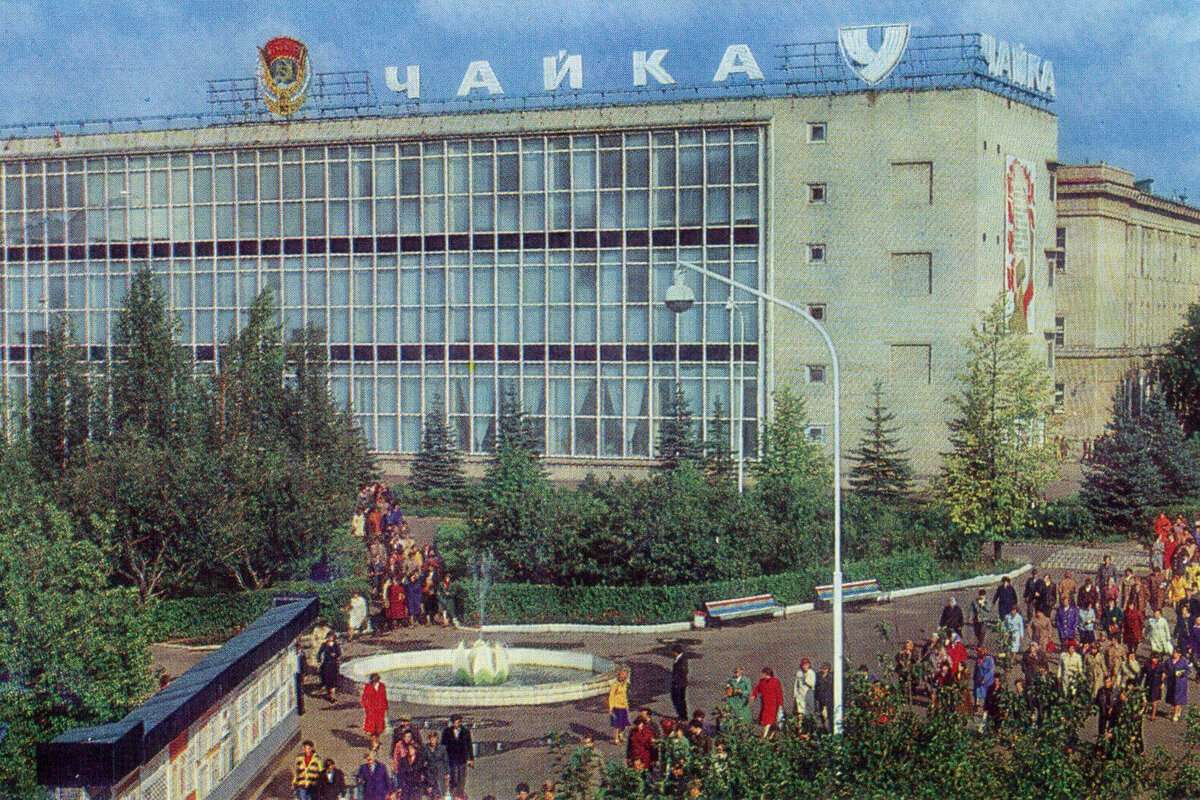
  9. Chaika Watch Factory Museum — point on route “Uglich: A Journey Through the Centuries”

    Chaika Watch Factory Museum

    🏛️ Museum

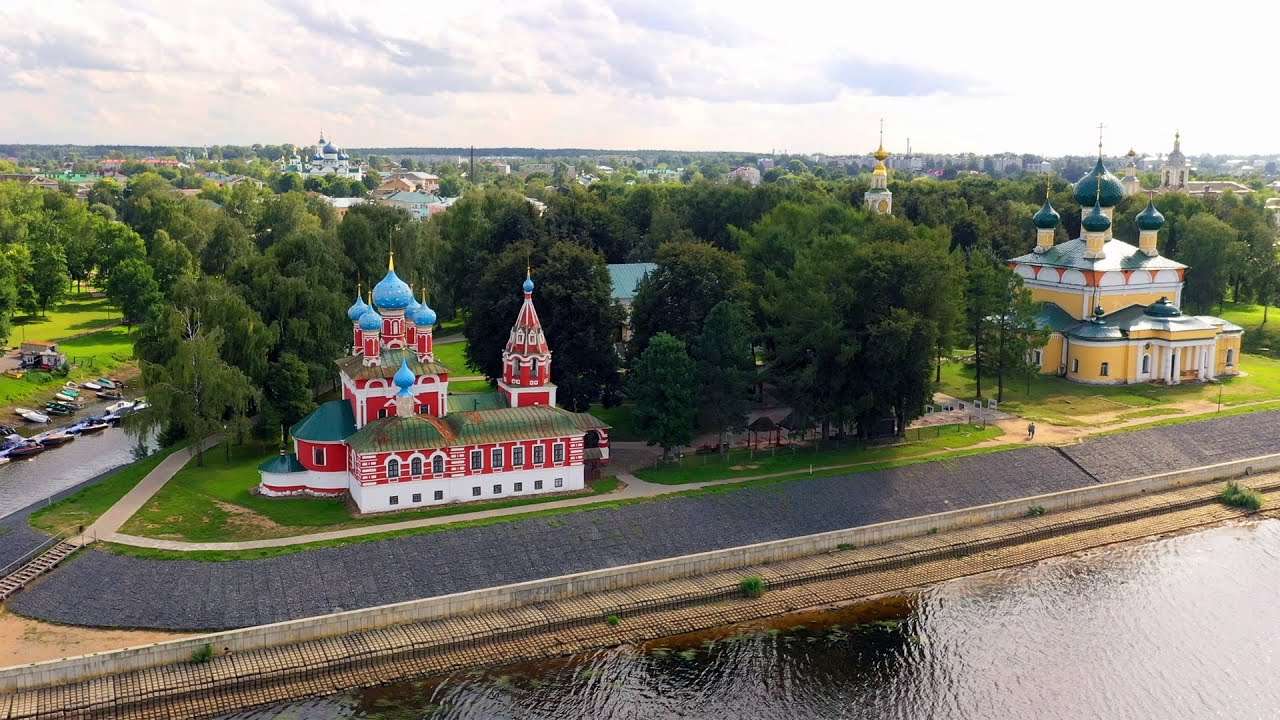
Church of St. Dmitry on the Blood in Uglich

Point on route “Uglich: A Journey Through the Centuries”

Church of St. Dmitry on the Blood — point on route “Uglich: A Journey Through the Centuries”

Point 3

Church of St. Dmitry on the Blood

🕍 Place of worship • 📜 Historic site • 🏟️ Architectural landmark

Historical Background

The best-known event in the town's history is the so-called “Uglich affair.” In 1584, after the death of Ivan the Terrible, Tsarevich Dmitry, the youngest of his sons, was sent away to Uglich with his mother. Here he was given the status of a ruling appanage prince, but because of his age (he was just over two at the time), real power lay in the hands of officials from Moscow. Over time, opponents of the reigning tsar, Fyodor Ivanovich, began to gather around him. It is said that the opposition even discussed moving the capital from Moscow to Uglich.

The Death of the Tsarevich

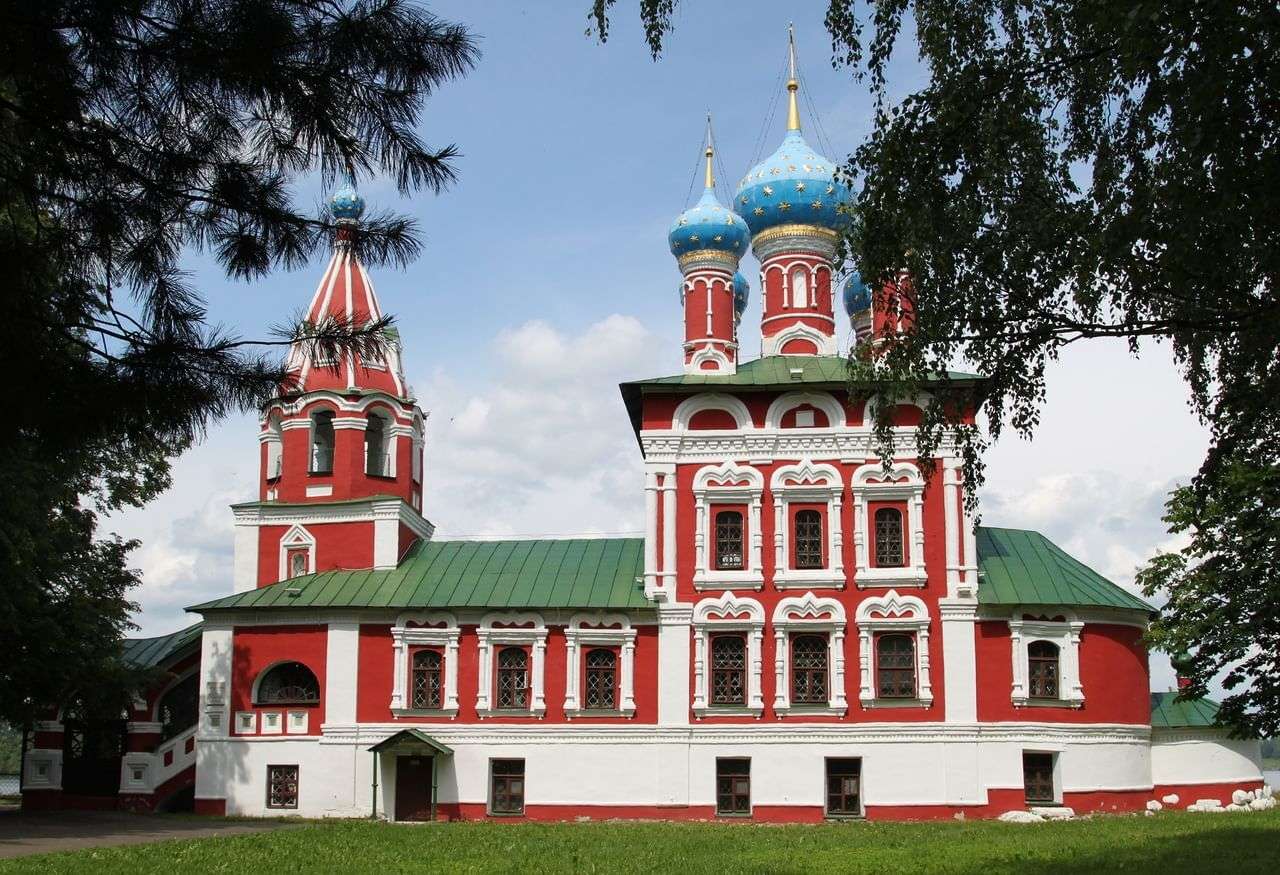
The death of Tsarevich Dmitry, one of the last heirs of the Rurikid dynasty, remains a historical mystery to this day. On May 15, 1591, Tsarevich Dmitry was found in the kremlin courtyard with his throat cut. Some witnesses claimed it happened during an epileptic fit; others believed he had been murdered on Moscow's direct orders. When the Time of Troubles ended, the government of Mikhail Fyodorovich recognized as the official version that the murder had been committed by Boris Godunov's hired assassins. The Church adopted the same version. During the Time of Troubles there were several False Dmitrys who passed themselves off as the late tsarevich, further destabilizing an already unstable political situation. In 1606 the Church officially canonized the late tsarevich, and on the site of his death first a chapel was built, then a wooden church, and in 1692 the stone Church of St. Dmitry on the Blood.

The Church of St. Dmitry on the Blood

Visitors to the church should pay special attention to its murals. Their central subject is the story of the tsarevich's murder. Step by step, the artist reproduced the tragic events, from the moment the tsarevich went out for a walk to the scenes of the murder, the popular uprising that followed, and the transfer of the tsarevich's body to Moscow.