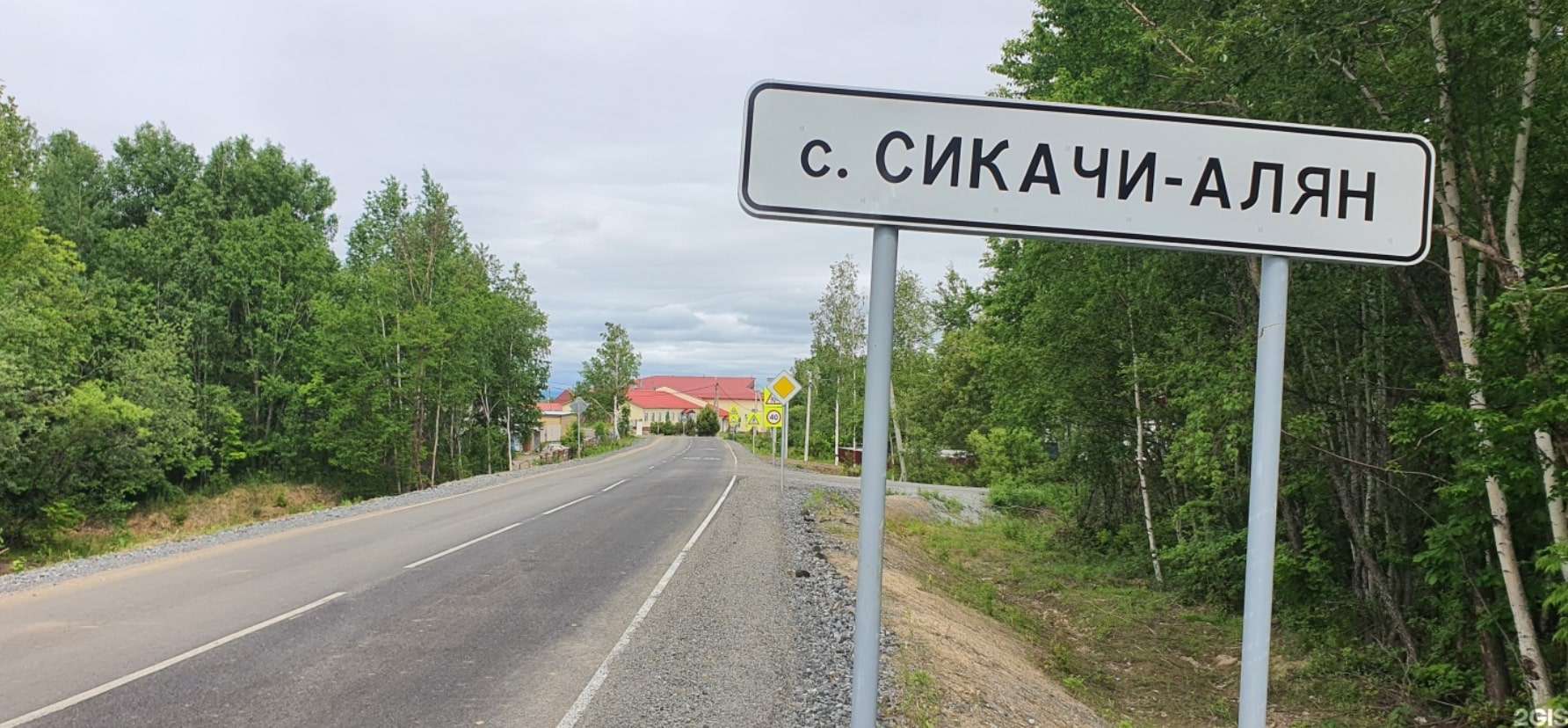
←Sikachi-Alyan

Sikachi-Alyan

Photo of route “Sikachi-Alyan”
7 points1 km0 hours

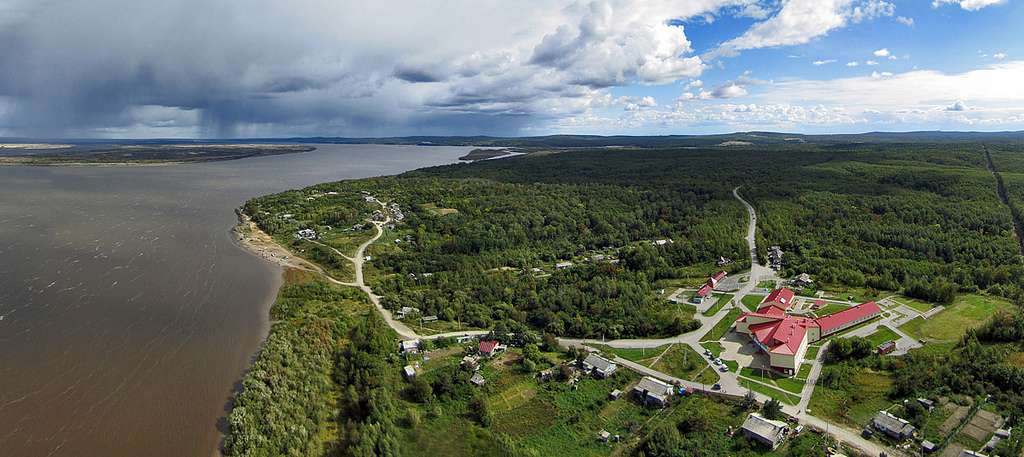
Sikachi-Alyan is a unique Nanai village on the bank of the Amur, 76 kilometers (47 miles) from Khabarovsk, where the ancient history of the Far East comes to life. The village's main attraction is its ancient petroglyphs on basalt boulders, more than 12,000 years old, with images of animals, people, and mysterious symbols that tell the stories of our distant ancestors. At the open-air ethnographic museum you can see a reconstructed traditional Nanai homestead and get to know the culture of the Indigenous peoples of the Amur region through household objects, traditional clothing, and shamanic regalia. The village is famous for its breathtaking views of the great Amur River and for sacred places about which locals tell amazing legends rooted in ancient beliefs and myths. Here you can not only touch ancient history but also taste authentic cuisine made from the gifts of the taiga and the river, and enjoy the unique nature of the Far East.

Things to do

  • 📜 Learn the city's history
  • 🏞️ Enjoy the view
  • 🔍🖼️ Spot interesting details

Route points (7)

  1. Public Transport Stop — point on route “Sikachi-Alyan”

    Public Transport Stop

    💭🌱 Pause and reflect

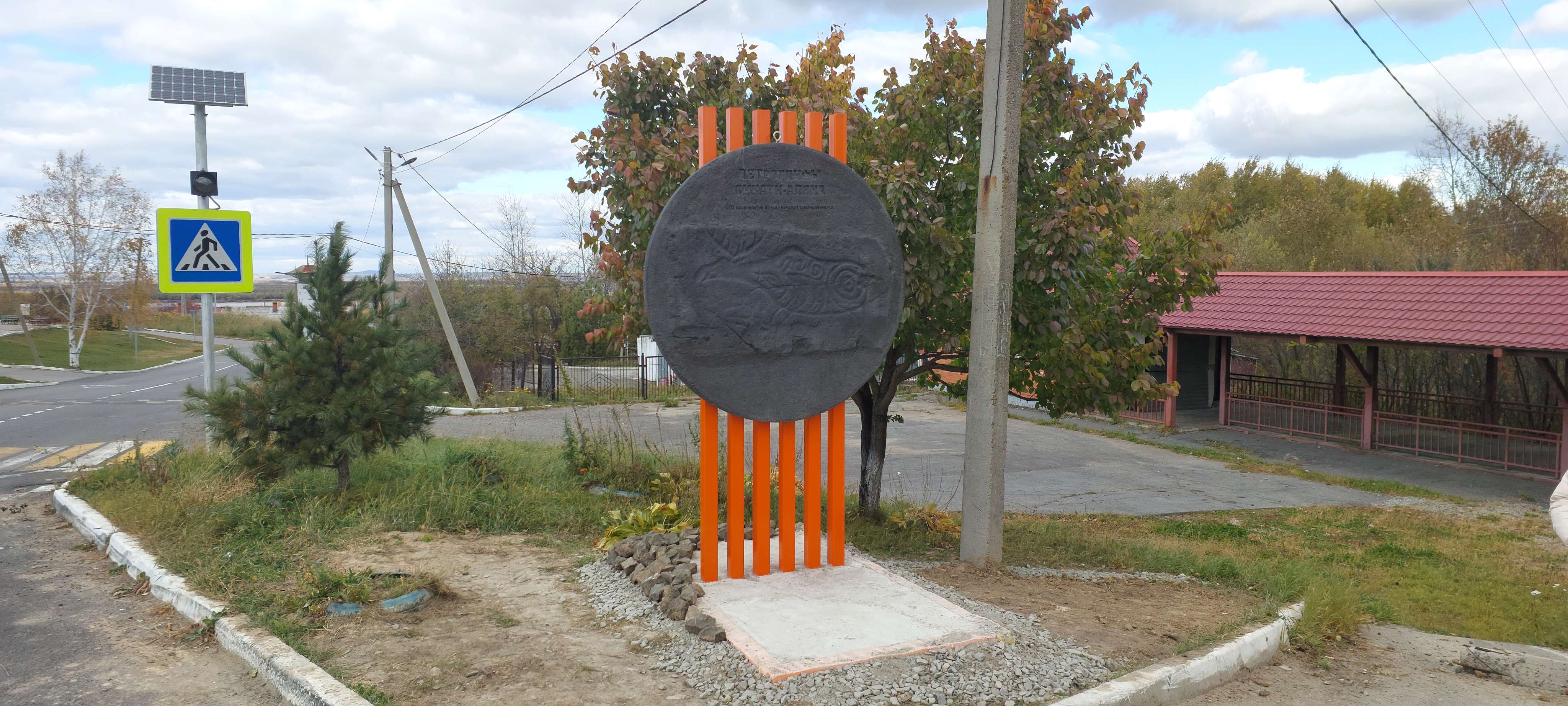
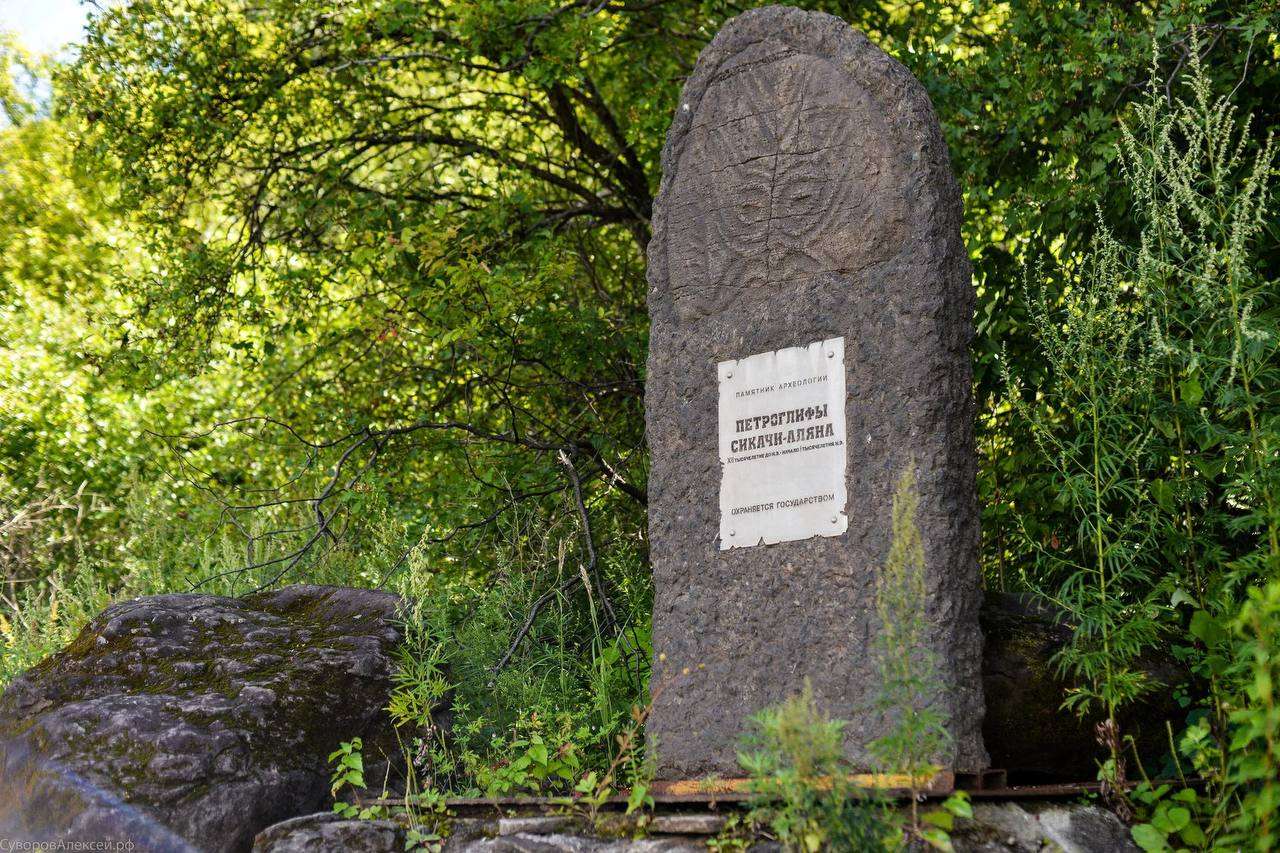
  2. “Petroglyphs. Sikachi-Alyan” Memorial Sign — point on route “Sikachi-Alyan”

    “Petroglyphs. Sikachi-Alyan” Memorial Sign

    📜 Learn the city's history

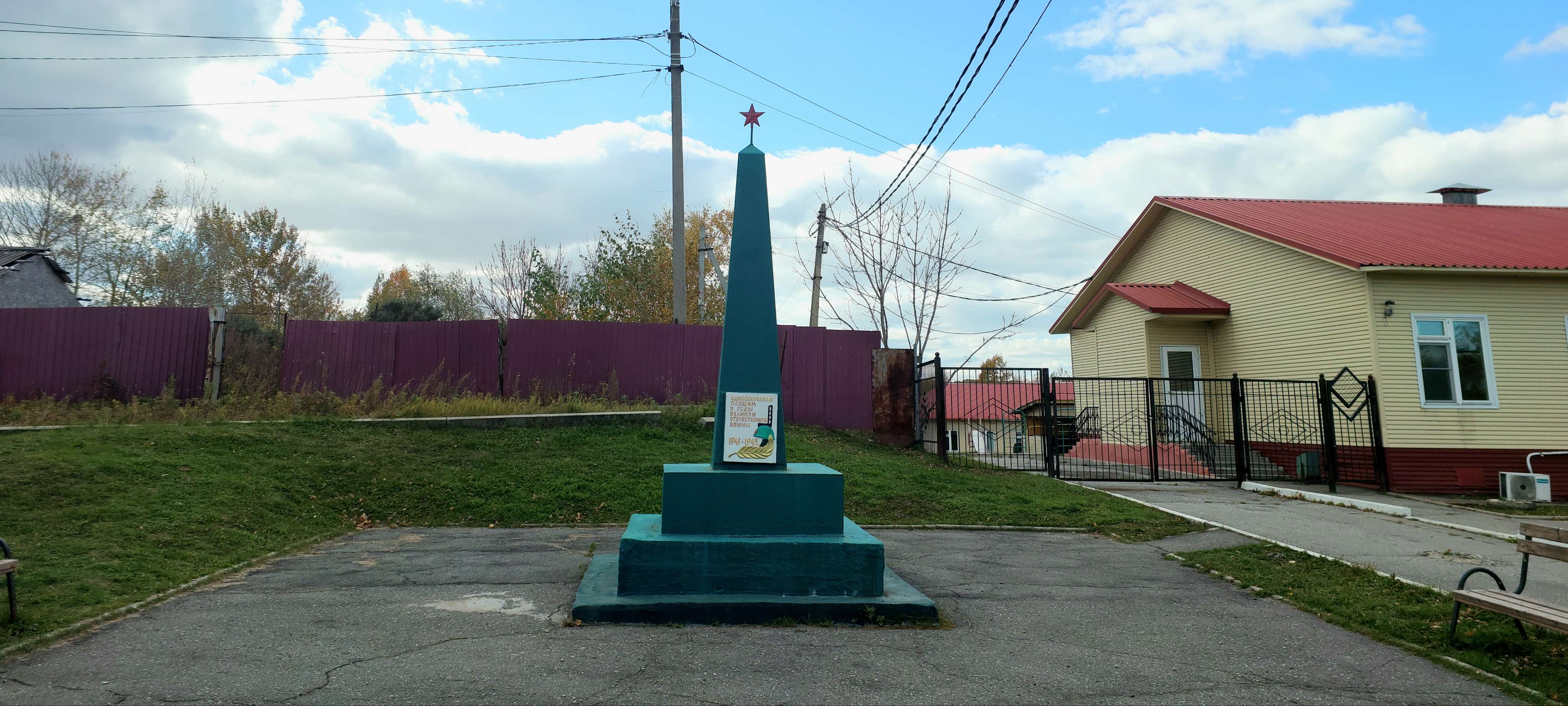
  3. Monument to Villagers Who Fell in the Great Patriotic War — point on route “Sikachi-Alyan”

    Monument to Villagers Who Fell in the Great Patriotic War

    🗿 Monument

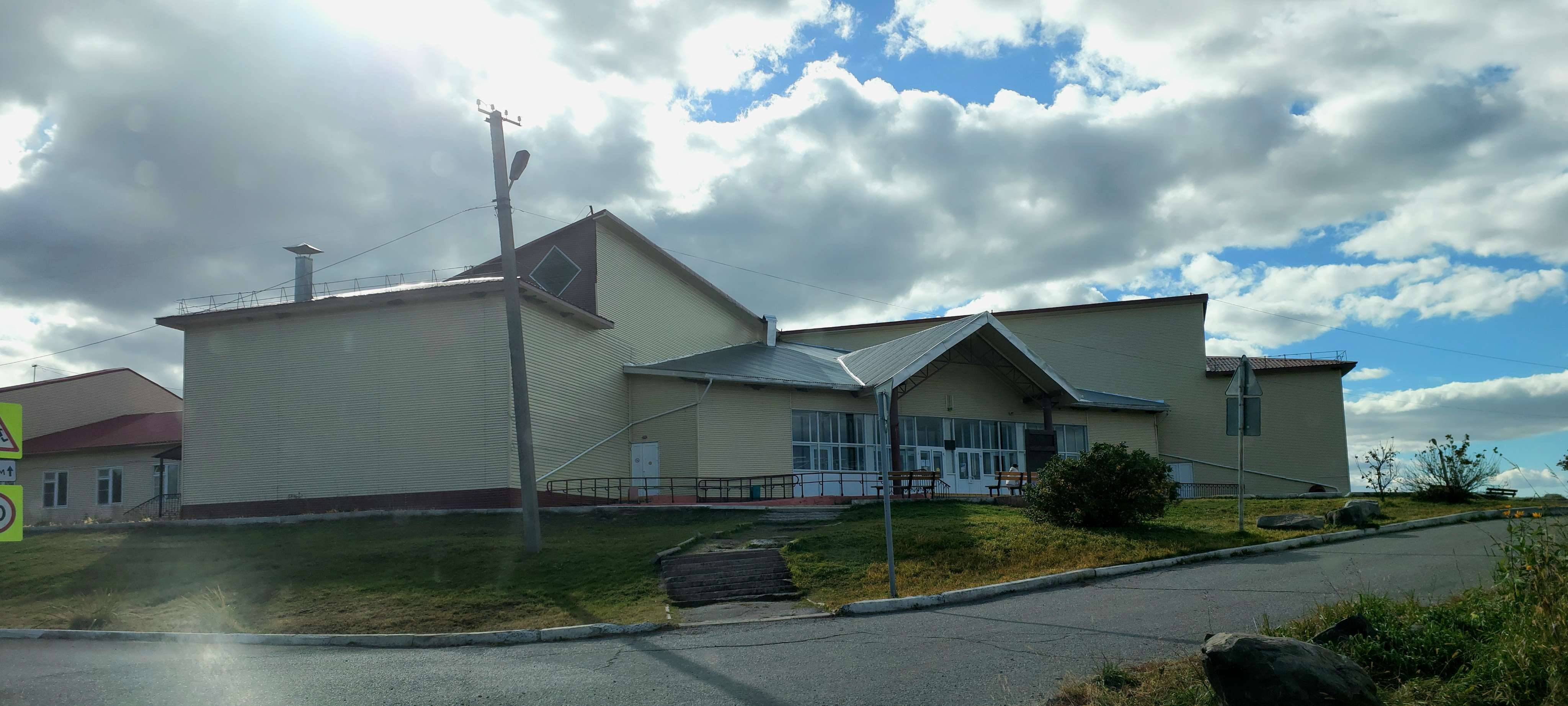
  4. Ethnographic Museum at the Sikachi-Alyan Culture and Leisure Center — point on route “Sikachi-Alyan”

    Ethnographic Museum at the Sikachi-Alyan Culture and Leisure Center

    🏛️ Museum

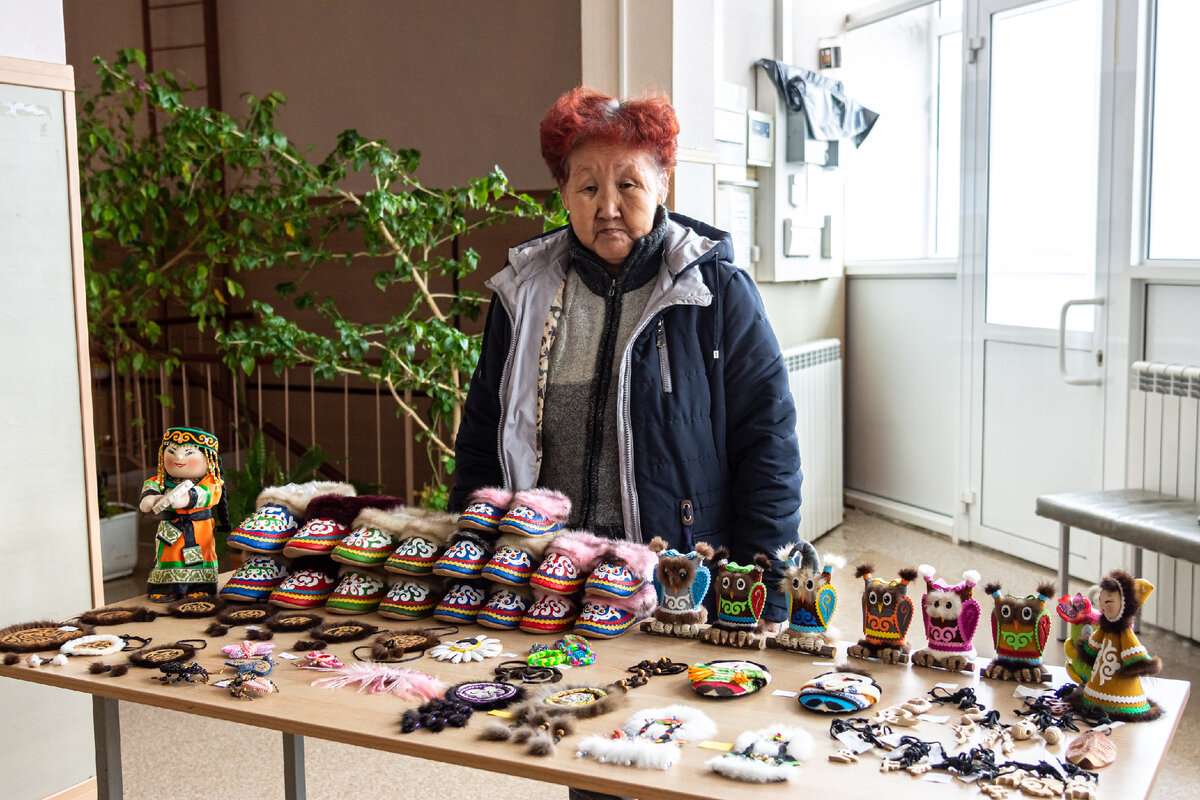
  5. Souvenir Shop — point on route “Sikachi-Alyan”

    Souvenir Shop

    🛍️ Find a unique souvenir

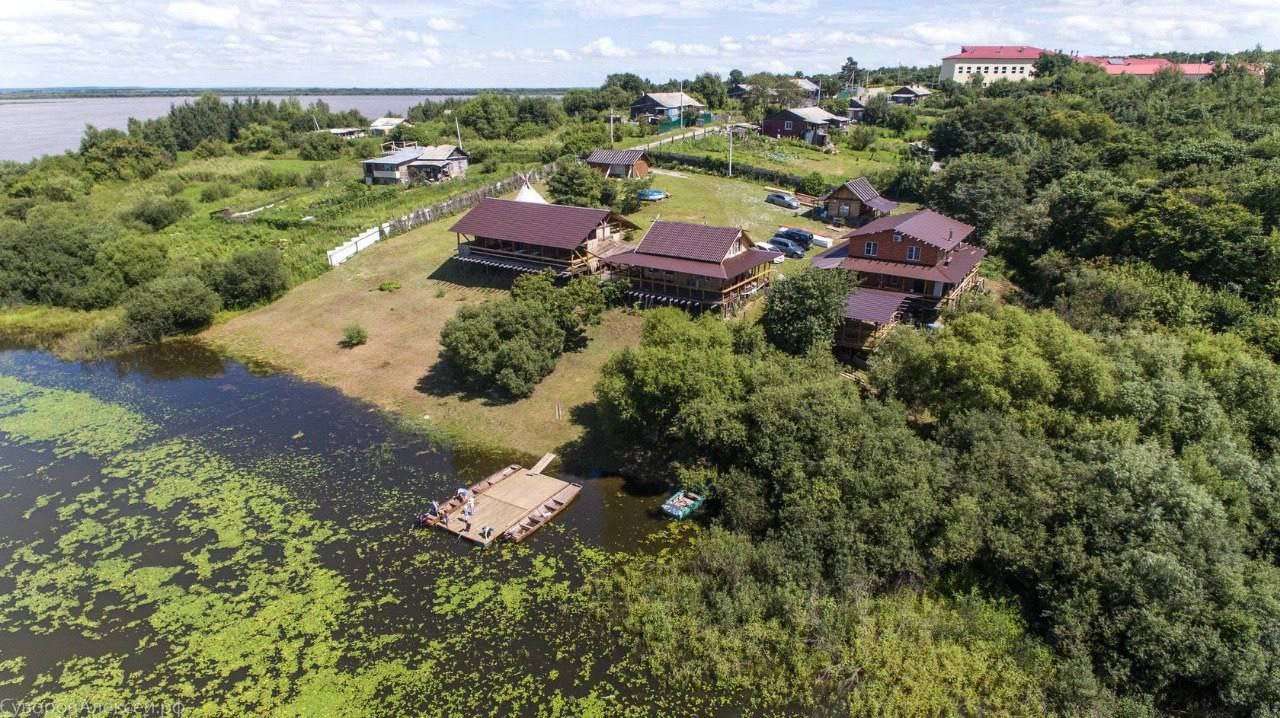
  6. Stoibishche Sorodichey (Kinsfolk's Camp) Nanai Homestead — point on route “Sikachi-Alyan”

    Stoibishche Sorodichey (Kinsfolk's Camp) Nanai Homestead

    🏛️ Museum

  7. Sikachi-Alyan Petroglyphs — point on route “Sikachi-Alyan”

    Sikachi-Alyan Petroglyphs

    🌲🦋 Enjoy nature · 📜 Historic site

Sikachi-Alyan Petroglyphs in Khabarovsk District

Point on route “Sikachi-Alyan”

Sikachi-Alyan Petroglyphs — point on route “Sikachi-Alyan”

Point 7

Sikachi-Alyan Petroglyphs

🌲🦋 Enjoy nature • 📜 Historic site

Historical Background

The Sikachi-Alyan petroglyphs are an ancient picture gallery on the right bank of the Amur River. They were first described scientifically by Richard Maack in 1859. The oldest images date to the Neolithic period (12th–9th millennia BC). Since 2003 the complex has been on UNESCO's Tentative List for World Heritage.

Facets of the Sacred Stone: Petroglyphs as Keepers of Shamanic Wisdom

The petroglyphs are more than ancient rock drawings: they are a sacred place of the utmost importance for the Nanai people, inseparable from their rich shamanic tradition. A treasury of ancient lore holds many legends and myths that reveal the deep meaning of these unique images. The Sikachi-Alyan petroglyphs are a sacred place for the Nanai, tied to the shamanic tradition and revered as a place of power for communicating with the spirits of nature. The people's legends say the images were created by spirits or by the first shamans through divine revelation. Locals believe in the magical power of the petroglyphs to protect against evil spirits. Shamanic practice sees the drawings as portals to the spirit world. Images of shamanic masks and ritual scenes reflecting sacred rites are especially significant. The ritual use of the petroglyphs continues to this day: traditional rites, prayers, and offerings related to the harvest, hunting, and healing are performed here. The cultural value of the petroglyphs lies in preserving the spiritual bond between generations and passing on ancient knowledge. Each image carries a symbolic meaning reflecting the worldview of the Indigenous peoples of the Amur region and keeps the shamanic tradition alive.