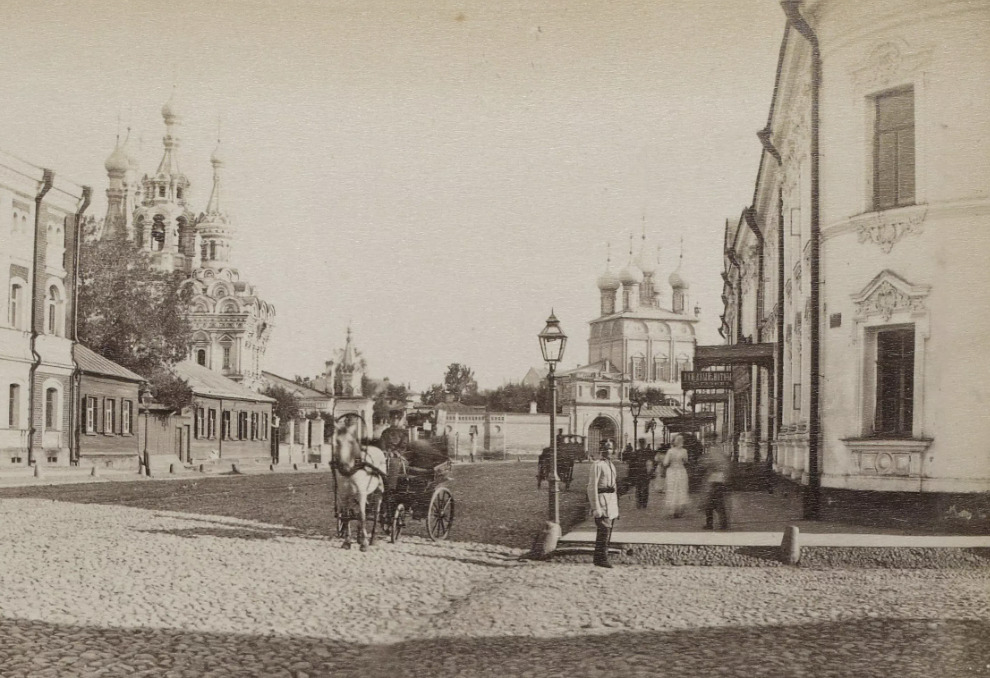
←Chekhov's Moscow

Chekhov's Moscow

Photo of route “Chekhov's Moscow”
8 points6 km2 hours

The “Chekhov's Moscow” route invites you to walk past landmark addresses where the great writer lived, worked and spent his last days in the city. You'll see Moscow through the eyes of Anton Pavlovich Chekhov, step into the atmosphere of his stories and learn how the rhythm of the capital inspired his work.

Things to do

  • 🗺️🎒 Themed route
  • 🔍🖼️ Spot interesting details
  • 📚🎬 Recall films and books

Route points (8)

  1. House on Trubnaya Street — point on route “Chekhov's Moscow”

    House on Trubnaya Street

    📜 Historic site

  2. School of Contemporary Play Theater — point on route “Chekhov's Moscow”

    School of Contemporary Play Theater

    🎭 Theater · 📜 Historic site

  3. Novo-Yekaterininskaya Hospital — point on route “Chekhov's Moscow”

    Novo-Yekaterininskaya Hospital

    📜 Historic site

  4. A. A. Sheshkov Apartment Building — point on route “Chekhov's Moscow”

    A. A. Sheshkov Apartment Building

    📜 Historic site · 🏟️ Architectural landmark

  5. I. I. Karzinkin Apartment Building — point on route “Chekhov's Moscow”

    I. I. Karzinkin Apartment Building

    📜 Historic site

  6. I. M. Korovin Apartment Building — point on route “Chekhov's Moscow”

    I. M. Korovin Apartment Building

    📜 Historic site

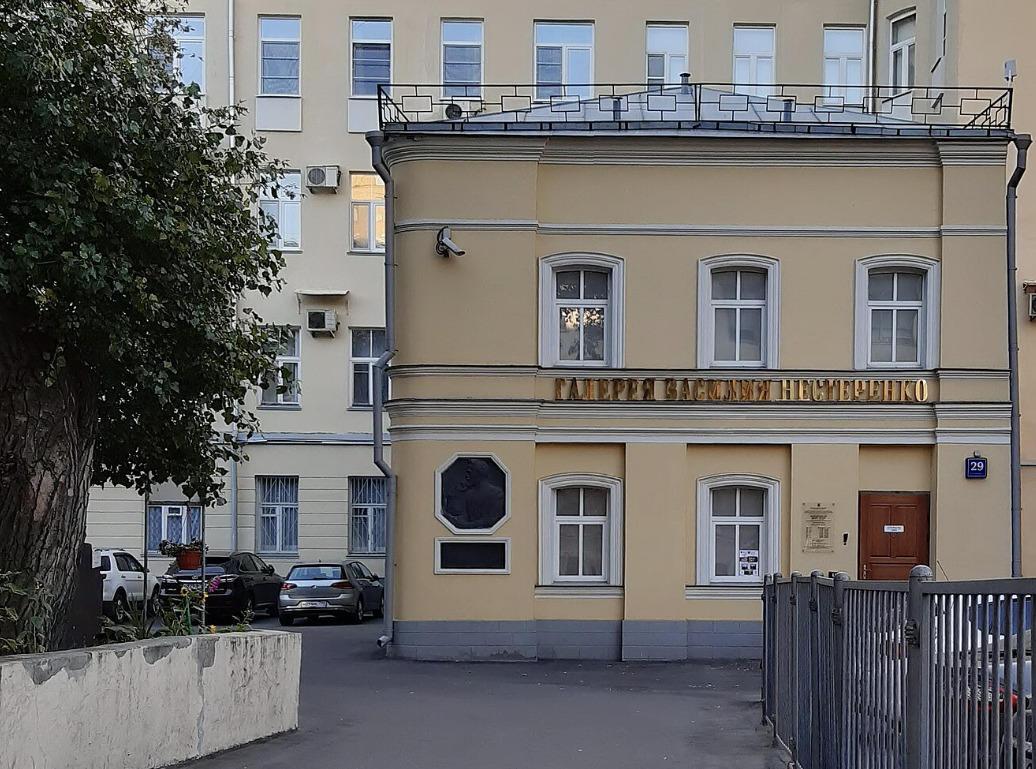
  7. Chekhov's Little House Exhibition Hall — point on route “Chekhov's Moscow”

    Chekhov's Little House Exhibition Hall

    🏛️ Museum · 📜 Historic site

  8. R. P. Sablin Apartment Building — point on route “Chekhov's Moscow”

    R. P. Sablin Apartment Building

    📜 Historic site

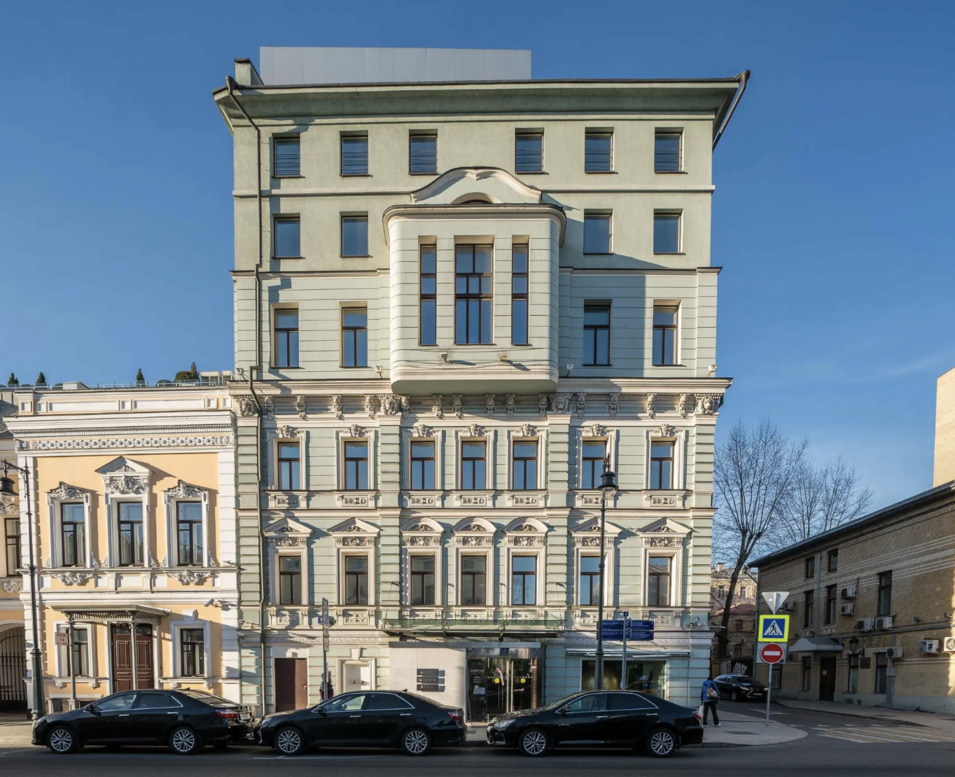
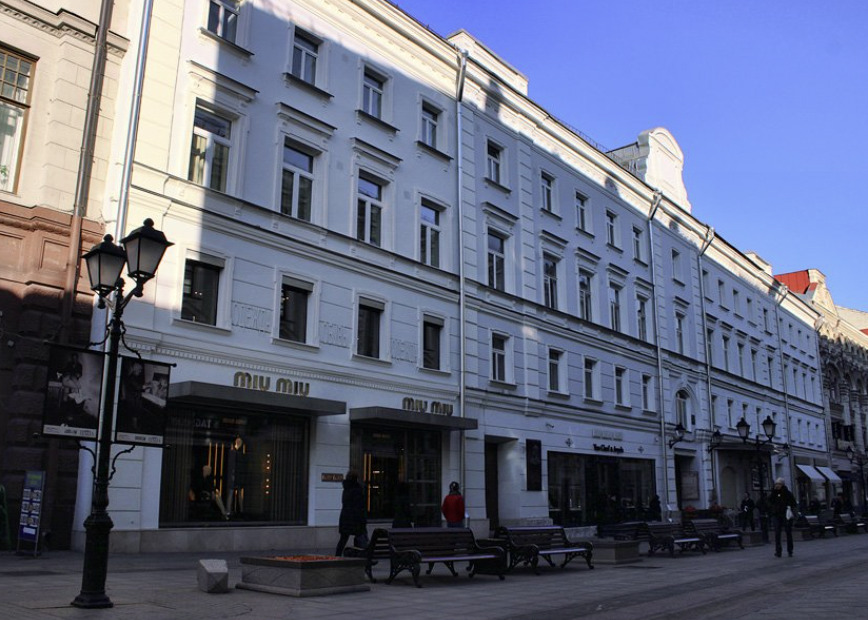
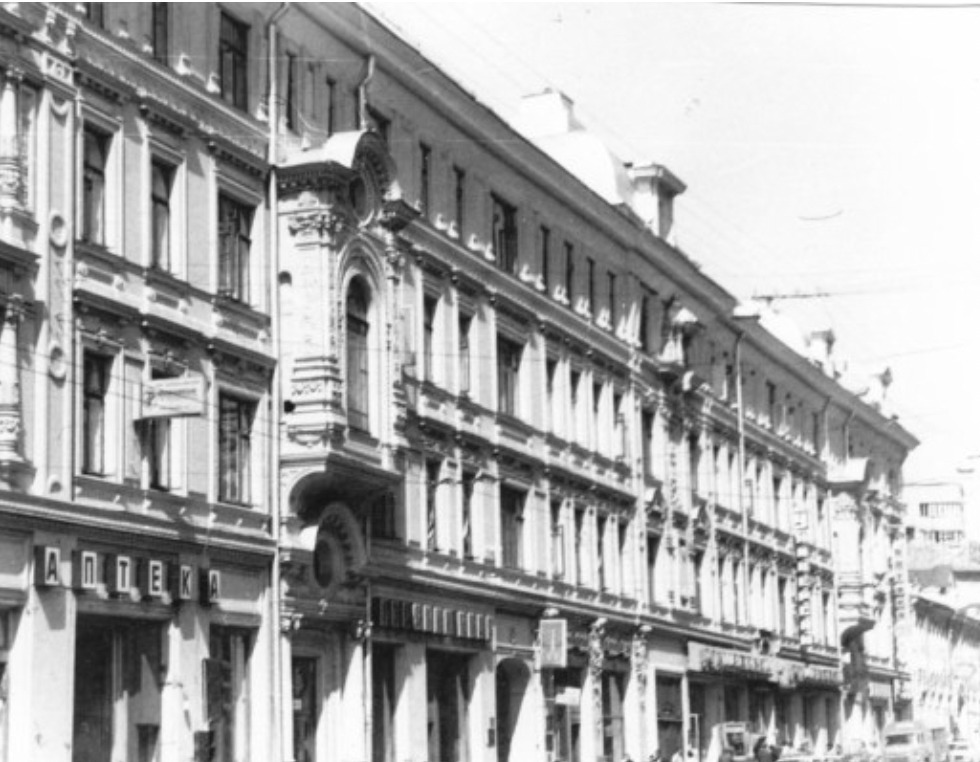
I. I. Karzinkin Apartment Building in Moscow

Point on route “Chekhov's Moscow”

I. I. Karzinkin Apartment Building — point on route “Chekhov's Moscow”

Point 5

I. I. Karzinkin Apartment Building

📜 Historic site

Chekhov and Gilyarovsky

In 1886 Vladimir Gilyarovsky, already a recognized master of reportage, settled in Stoleshnikov Lane. It was here, in a third-floor apartment at No. 9, that he wrote his famous book “Moscow and Muscovites.” Anton Chekhov was a frequent guest of “Uncle Gilyai”: the writer loved to rest on a sofa here that he fondly nicknamed “the little railcar.” The house is also tied to a funny story of the two friends' mischief. Once they decided to play a prank on a policeman, handing him a pickled watermelon disguised as a dangerous bomb. While the police station was in uproar over the delivered “bomb,” Chekhov and Gilyarovsky calmly drank tea in Stoleshnikov Lane, enjoying their successful stunt.