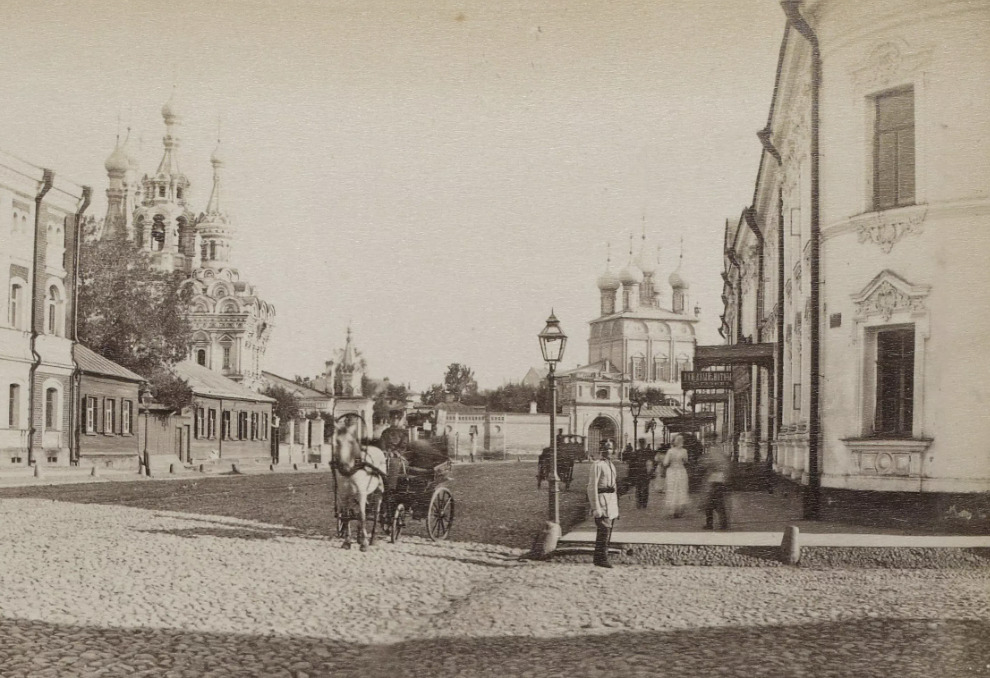
←Chekhov's Moscow

Chekhov's Moscow

Photo of route “Chekhov's Moscow”
8 points6 km2 hours

The “Chekhov's Moscow” route invites you to walk past landmark addresses where the great writer lived, worked and spent his last days in the city. You'll see Moscow through the eyes of Anton Pavlovich Chekhov, step into the atmosphere of his stories and learn how the rhythm of the capital inspired his work.

Things to do

  • 🗺️🎒 Themed route
  • 🔍🖼️ Spot interesting details
  • 📚🎬 Recall films and books

Route points (8)

  1. House on Trubnaya Street — point on route “Chekhov's Moscow”

    House on Trubnaya Street

    📜 Historic site

  2. School of Contemporary Play Theater — point on route “Chekhov's Moscow”

    School of Contemporary Play Theater

    🎭 Theater · 📜 Historic site

  3. Novo-Yekaterininskaya Hospital — point on route “Chekhov's Moscow”

    Novo-Yekaterininskaya Hospital

    📜 Historic site

  4. A. A. Sheshkov Apartment Building — point on route “Chekhov's Moscow”

    A. A. Sheshkov Apartment Building

    📜 Historic site · 🏟️ Architectural landmark

  5. I. I. Karzinkin Apartment Building — point on route “Chekhov's Moscow”

    I. I. Karzinkin Apartment Building

    📜 Historic site

  6. I. M. Korovin Apartment Building — point on route “Chekhov's Moscow”

    I. M. Korovin Apartment Building

    📜 Historic site

  7. Chekhov's Little House Exhibition Hall — point on route “Chekhov's Moscow”

    Chekhov's Little House Exhibition Hall

    🏛️ Museum · 📜 Historic site

  8. R. P. Sablin Apartment Building — point on route “Chekhov's Moscow”

    R. P. Sablin Apartment Building

    📜 Historic site

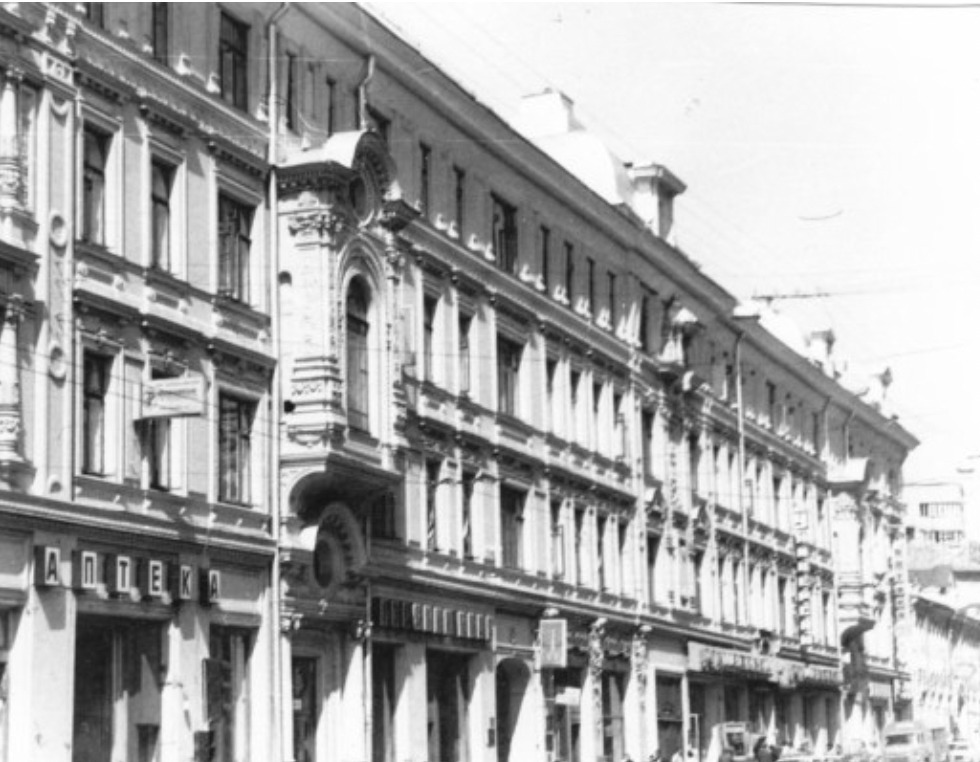
R. P. Sablin Apartment Building in Moscow

Point on route “Chekhov's Moscow”

R. P. Sablin Apartment Building — point on route “Chekhov's Moscow”

Point 8

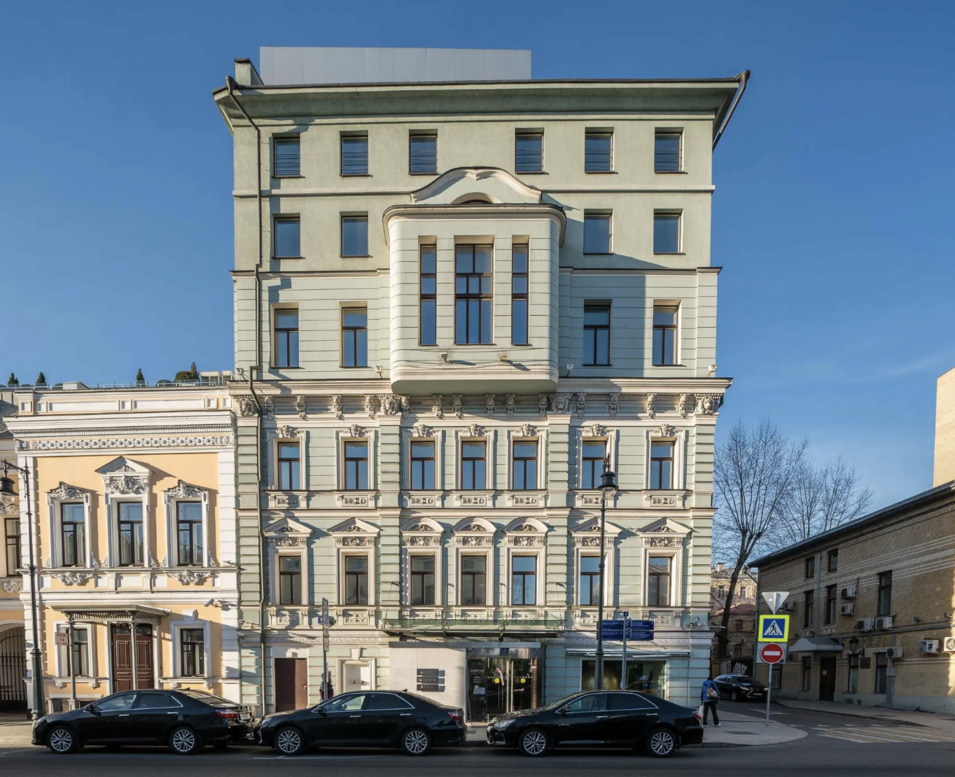
R. P. Sablin Apartment Building

📜 Historic site

Historical Background

This was Chekhov's last home in Moscow. In May 1904 he spent several weeks here, and on June 3 he left for Germany, where he died a month later. His friend Nikolai Teleshov recalled this difficult time: on the sofa, among the pillows, wrapped in a coat or dressing gown with a blanket over his legs, sat a thin, narrow-shouldered, almost small man with a bloodless face, so emaciated and exhausted that he was hard to recognize. Chekhov lived on the fourth floor of this building, which had an elevator, from May 3 to June 3, 1904. Badly chilled and weak, he hardly left the apartment, although his doctors insisted on treatment at resorts abroad. In the end he agreed. Teleshov later recounted his words: “I'm going away to die… Give my regards to my comrades from the ‘Wednesdays.’ You've gathered a fine group. Tell them I remember them and love some of them very much… Wish them happiness and success. We won't meet again…” On June 3, 1904, A. P. Chekhov and O. L. Knipper left for Germany. On July 2 (15), 1904, the writer died in Badenweiler.