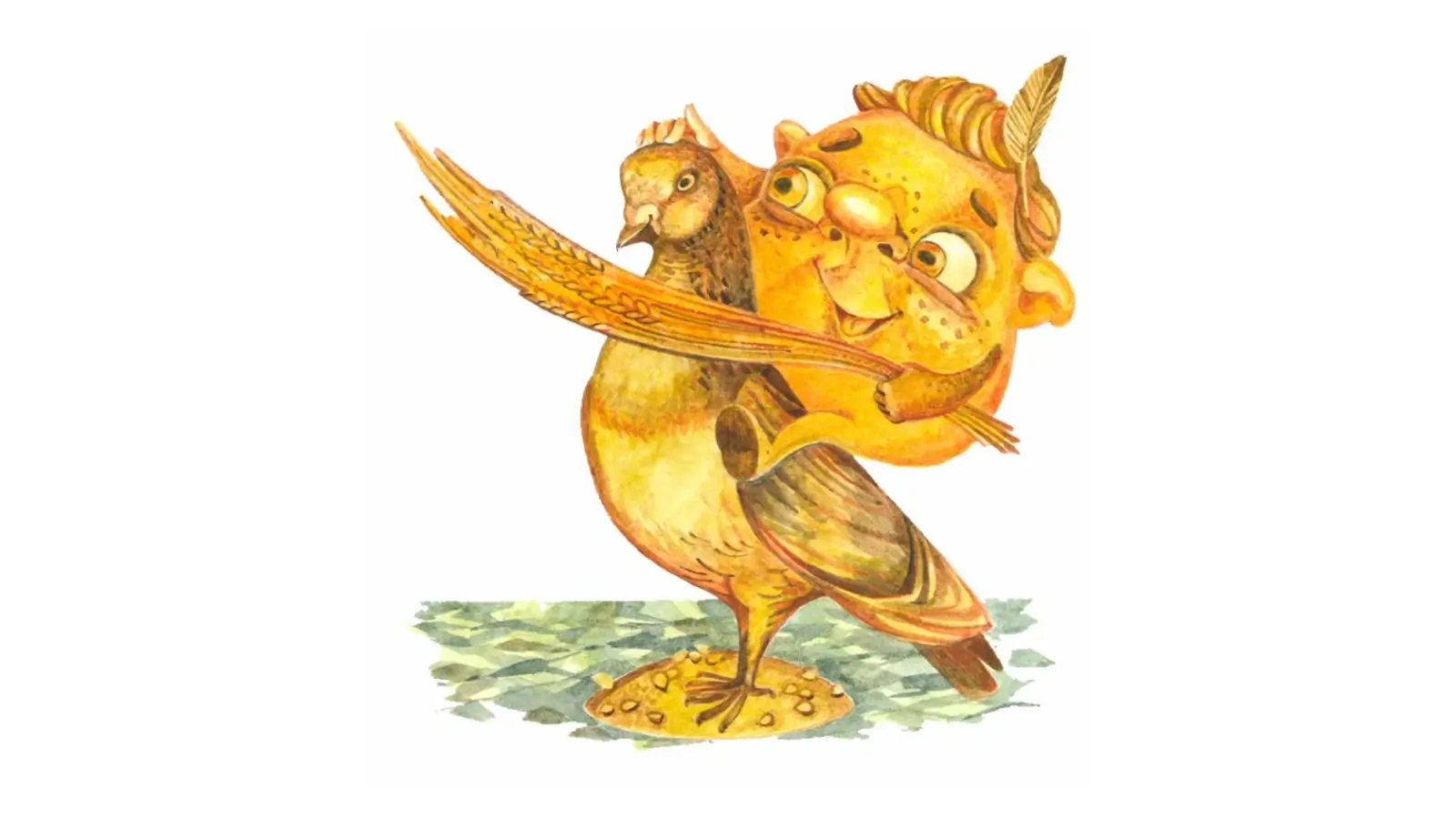
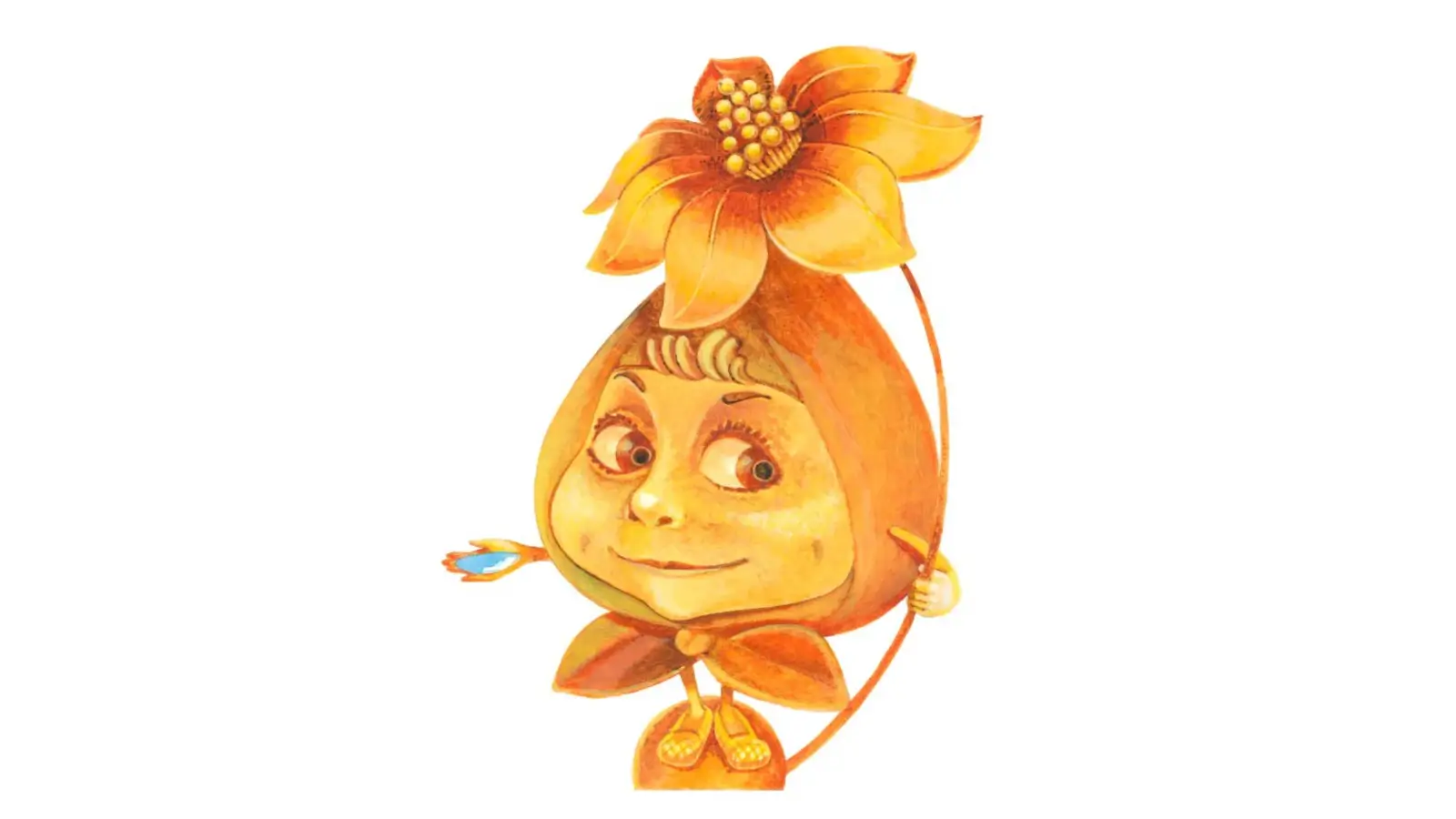
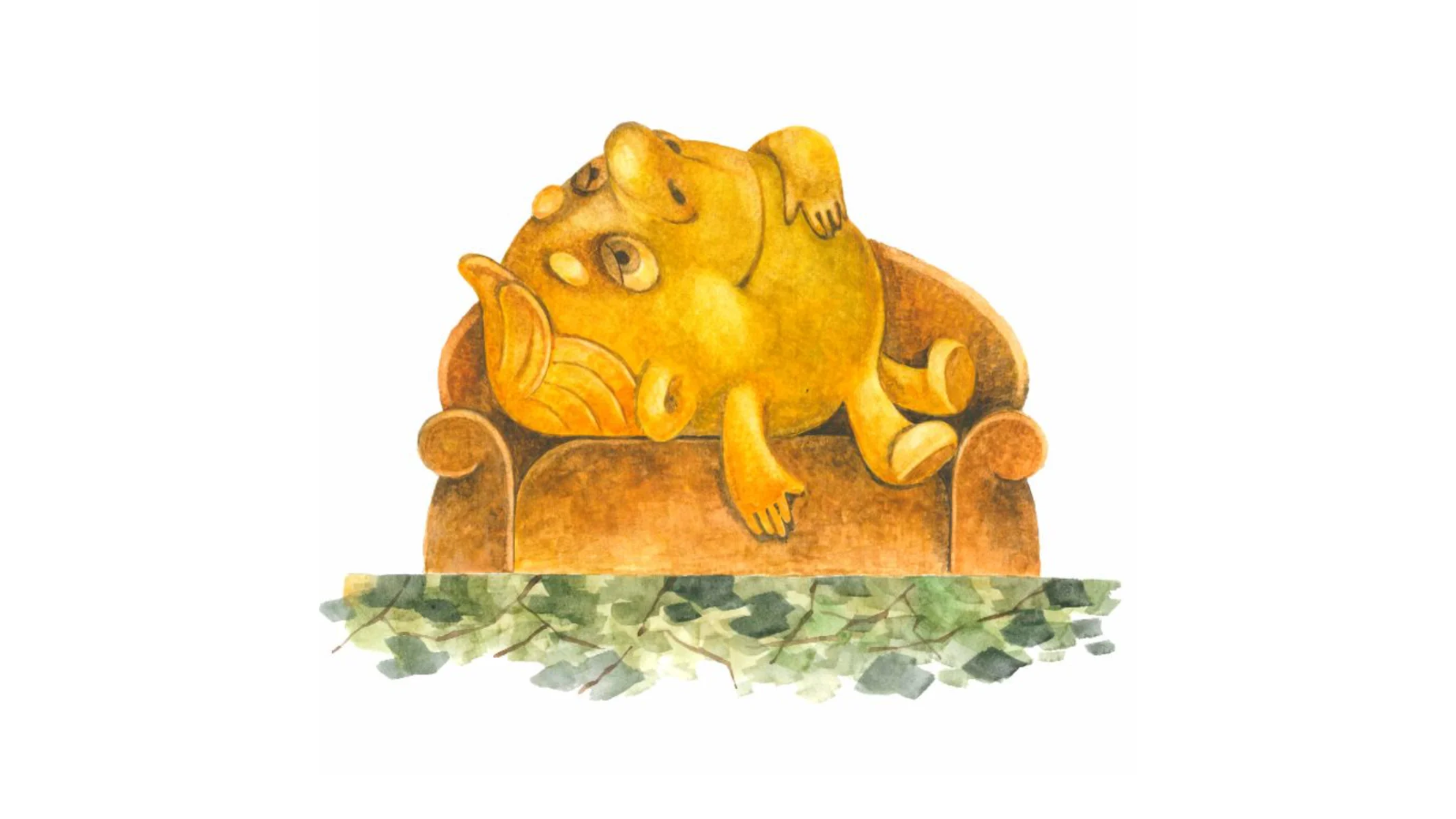
The First Historiographer of the Russian State
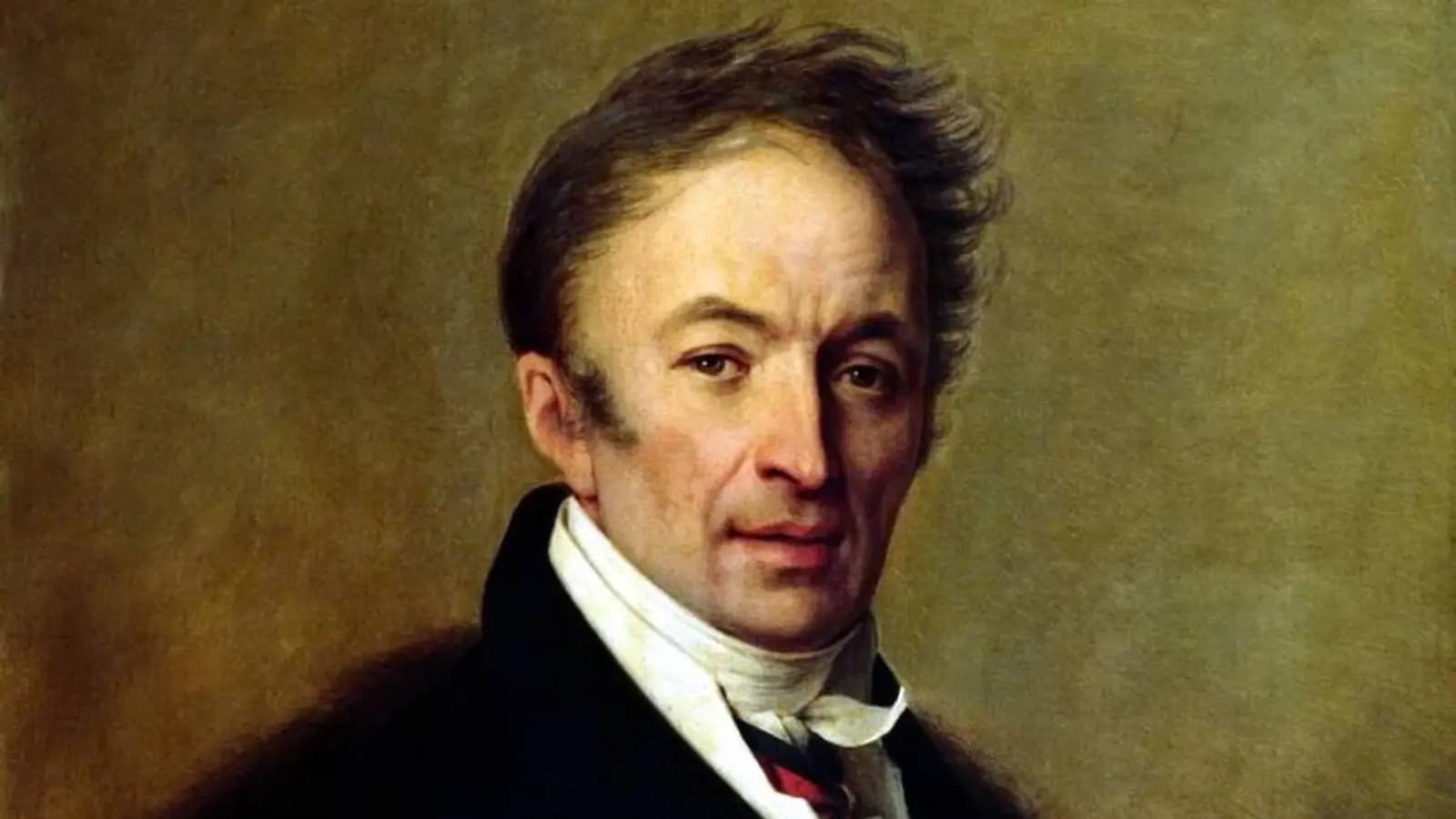
Nikolai Mikhailovich Karamzin, writer, publisher, poet, and reformer of the Russian language, was born in 1766 in Simbirsk Governorate. For decades Simbirsk was known throughout Russia as Karamzin's birthplace. Karamzin became famous for his “History of the Russian State,” a pioneering history of Russia that became a national bestseller. In 1803 Emperor Alexander I appointed Karamzin official historiographer by personal decree. Karamzin had become widely known as a writer after the publication of “Letters of a Russian Traveler” and the story “Poor Liza,” a vivid example of Sentimentalism in Russian literature.
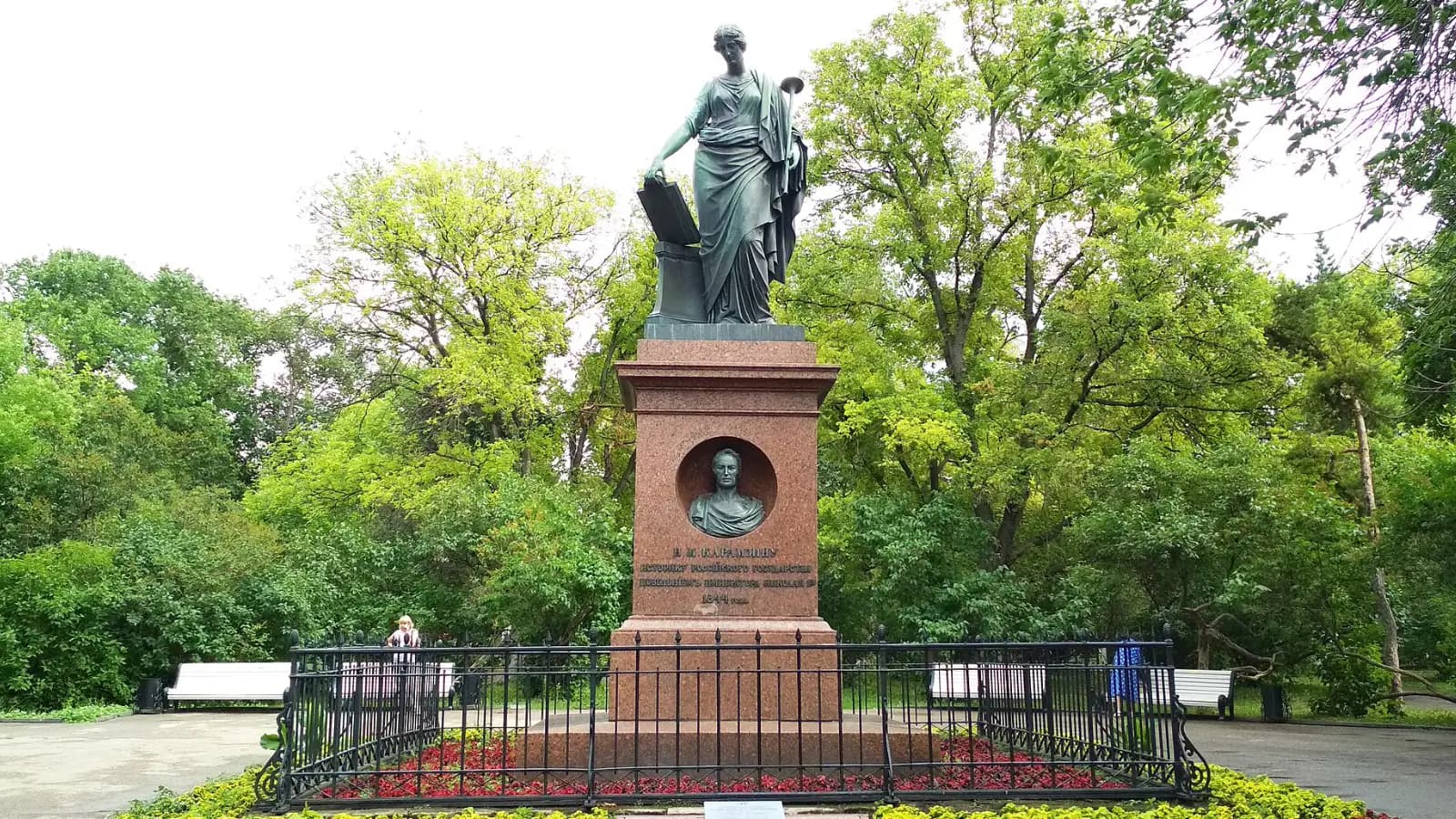
A Monument to the Historian
We are in Karamzin Square, where a monument to Nikolai Mikhailovich stands. It is a superb example of Classicist sculpture, designed by the well-known Russian sculptor Samuil Ivanovich Galberg. On a red granite pedestal rises a majestic bronze statue of Clio, the Muse of history. In a round niche in the pedestal is a bust of the historian. In 1836 Emperor Nicholas I personally chose the site for the monument, and a nationwide subscription was announced to raise funds for it. The first contributions to its construction came from the Yazykov brothers, Major General Pyotr Ivashev, and Alexander Pushkin. The monument is a cultural heritage site, and the square is a natural monument, with plantings from the 19th and 20th centuries.
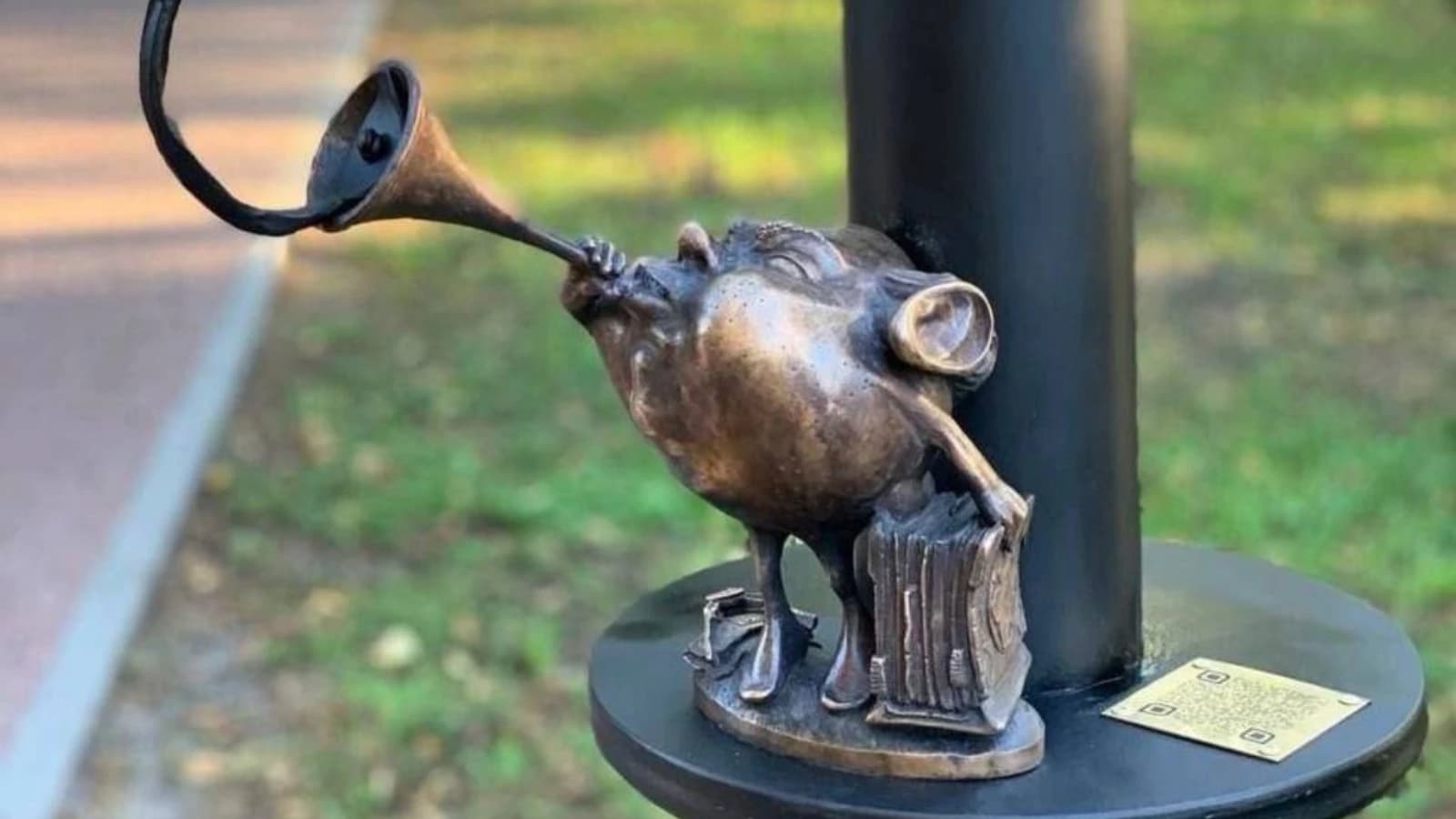
Kolobok with a Folio
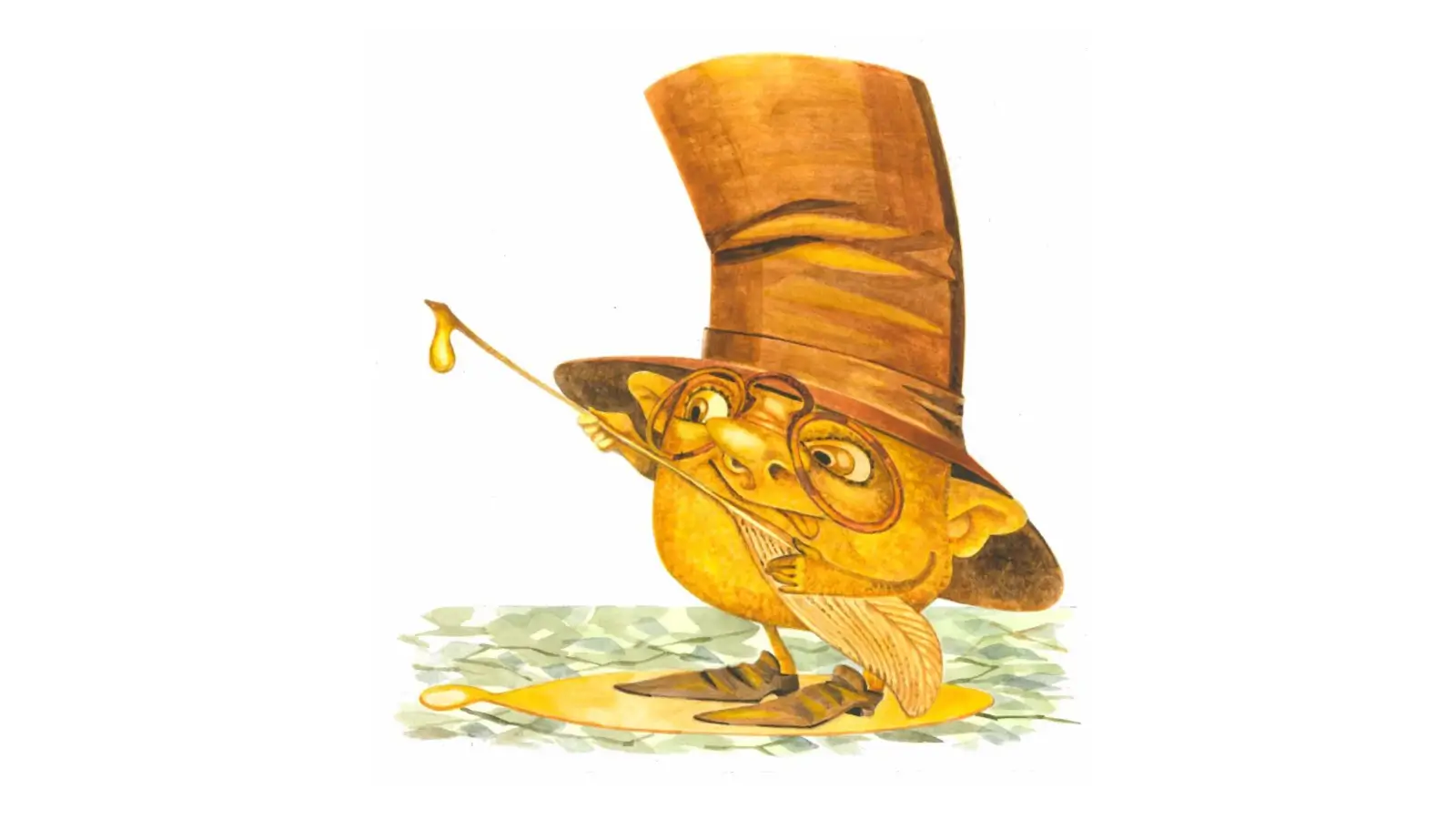
Here too we see a Kolobok holding a folio, a symbol of our fellow countryman's greatest work. The book bears an image of a lilac blossom, and this is symbolic: Karamzin loved lilacs. The five-petaled flower on the book brings luck in their studies to schoolchildren and university students. Be sure to rub the book, and it will help you pass all your exams with flying colors. On the cover you can also see an interesting ornament. Look closely: it repeats the pattern of the square's openwork cast-iron fence. On the pedestal you can see a pair of compasses, a symbol of Freemasonry: Karamzin was a Freemason in his youth. This little Kolobok also has letters. They symbolize Karamzin's innovations in the Russian language. He was the first to print the letter Yo (an E with two dots) on the pages of the almanac “Aonides,” and he introduced more than 50 words into use. The best known of them today are dostoprimechatelnost (“sight” or “landmark”), vlyublyonnost (“being in love”), blagotvoritelnost (“charity”), and promyshlennost (“industry”). We use these words in our speech today, but in the 18th century they were novelties.
Next Stop
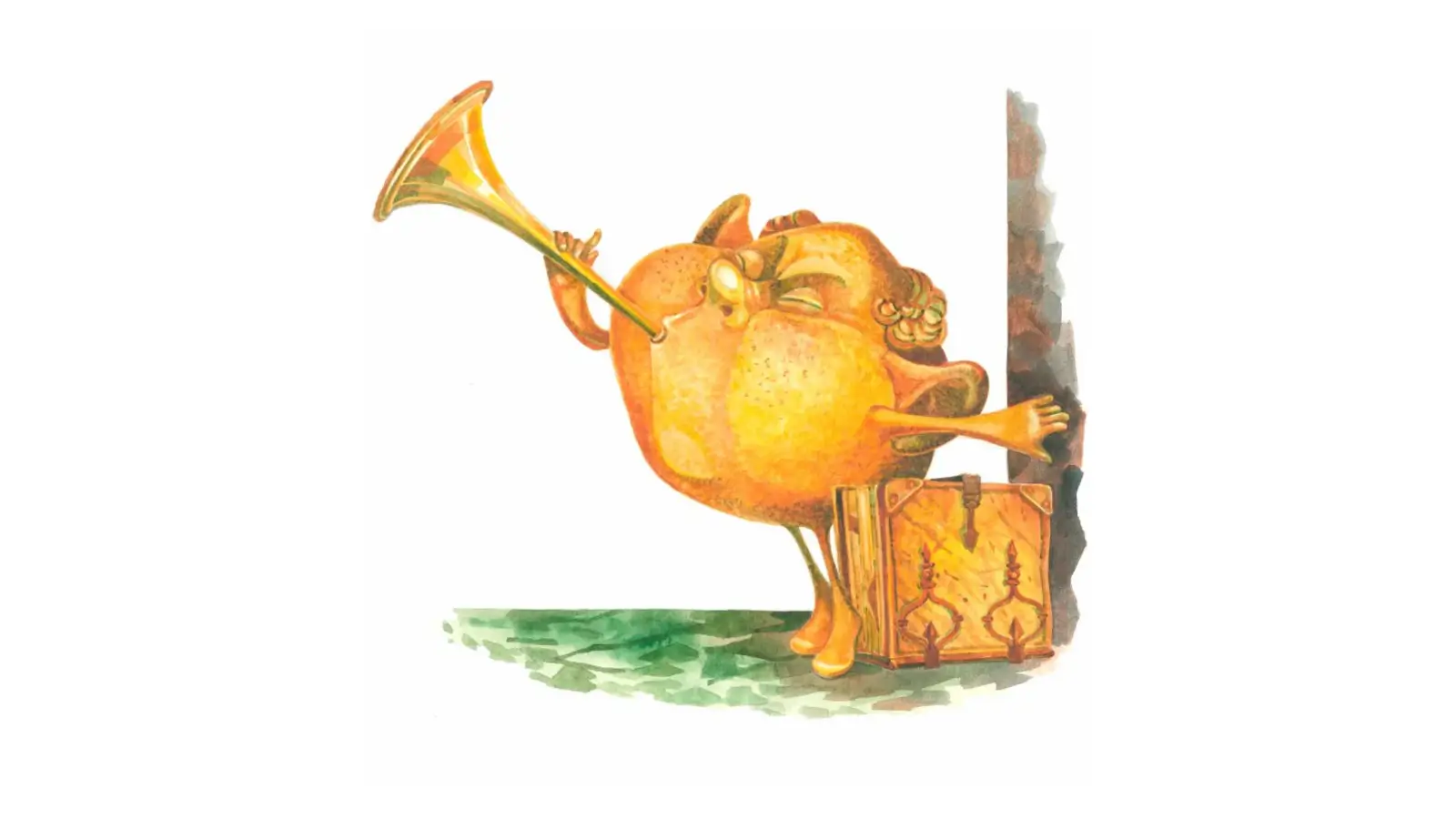
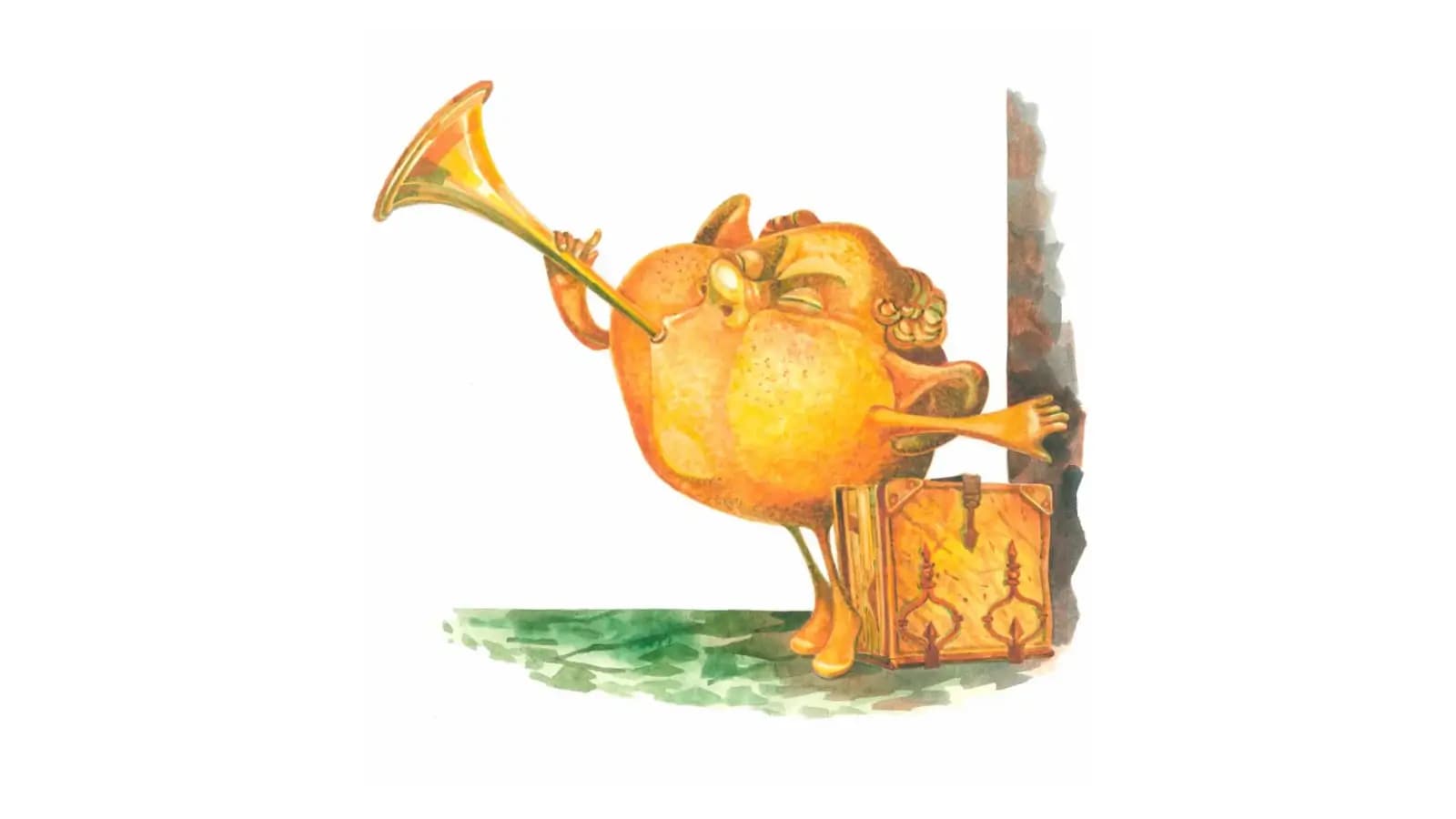
The pointer to the next figure is the trumpet in Kolobok's hands. It echoes the trumpet held by the Muse Clio on the Karamzin monument, called a “horn.” This is how cultural sites are linked. Kolobok's trumpet points the way to the Yazykov House literary museum, where a new hero of the quest awaits you: a fairy-tale figure and the story of the poet Nikolai Yazykov's work.
[Additional Materials](https://ulyanovsk.travel/kol05.php)

 8 points
 1 km
 1 hour