 11 points
 5 km
 2.5 hours



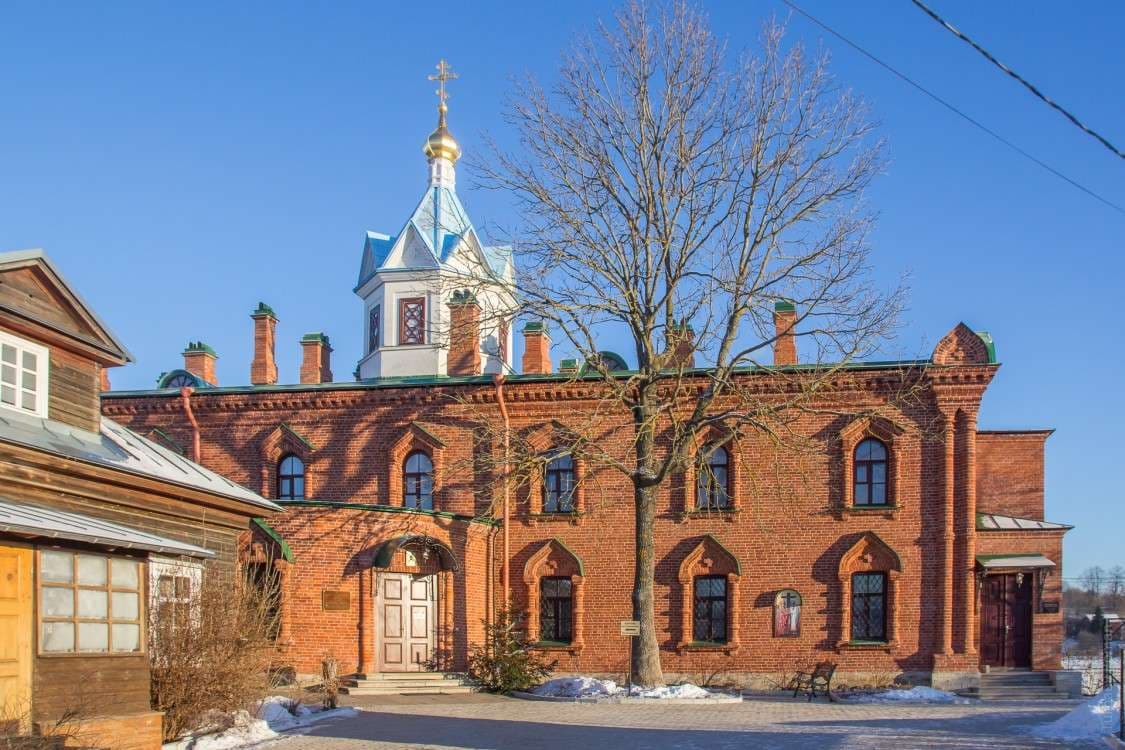
Historical Background
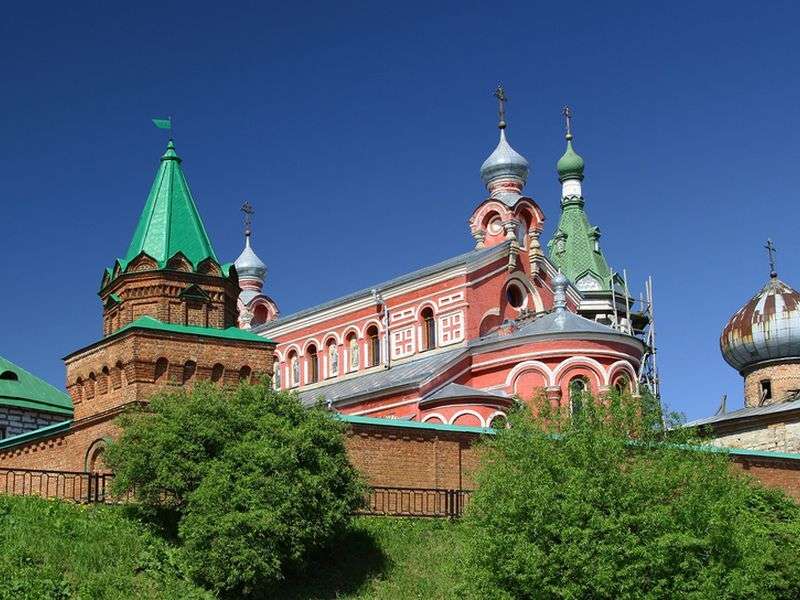
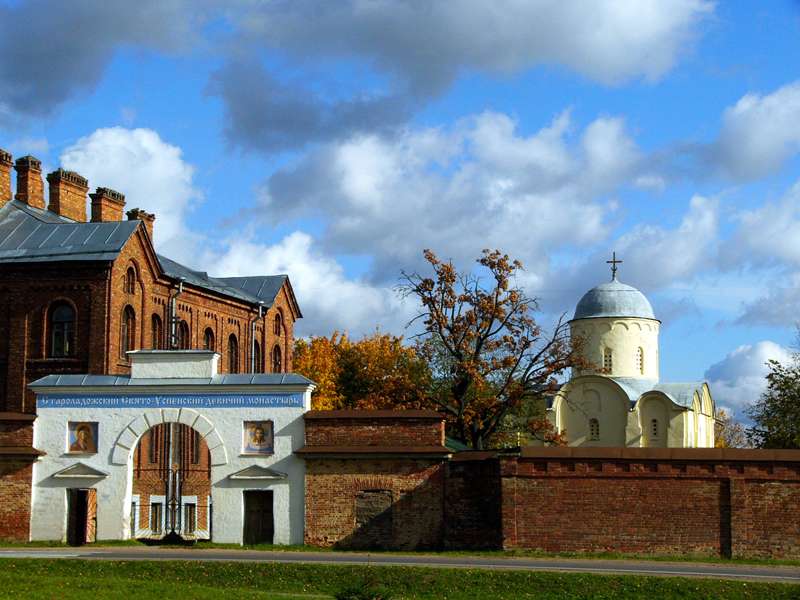
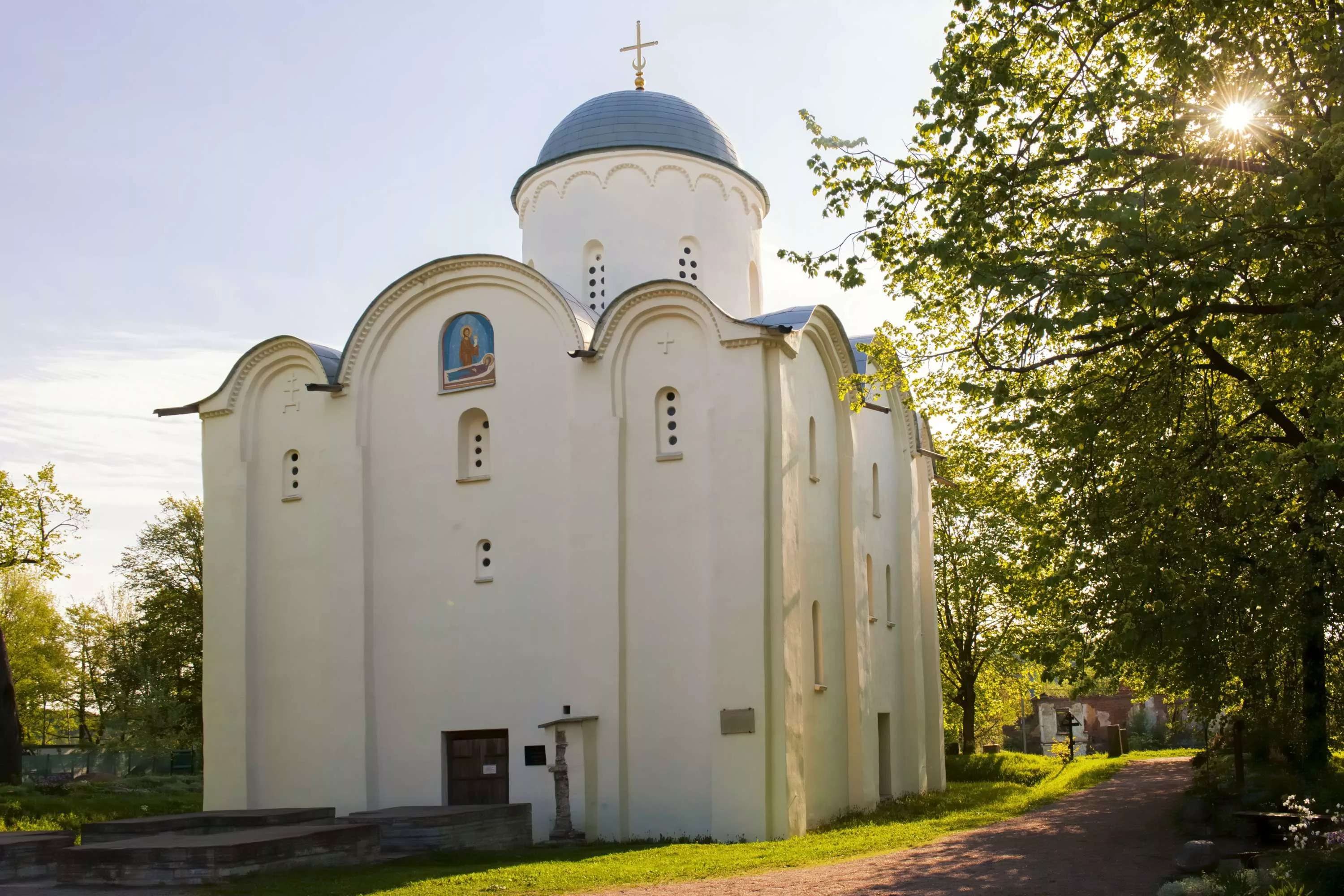
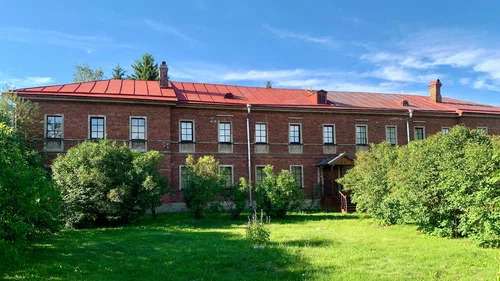
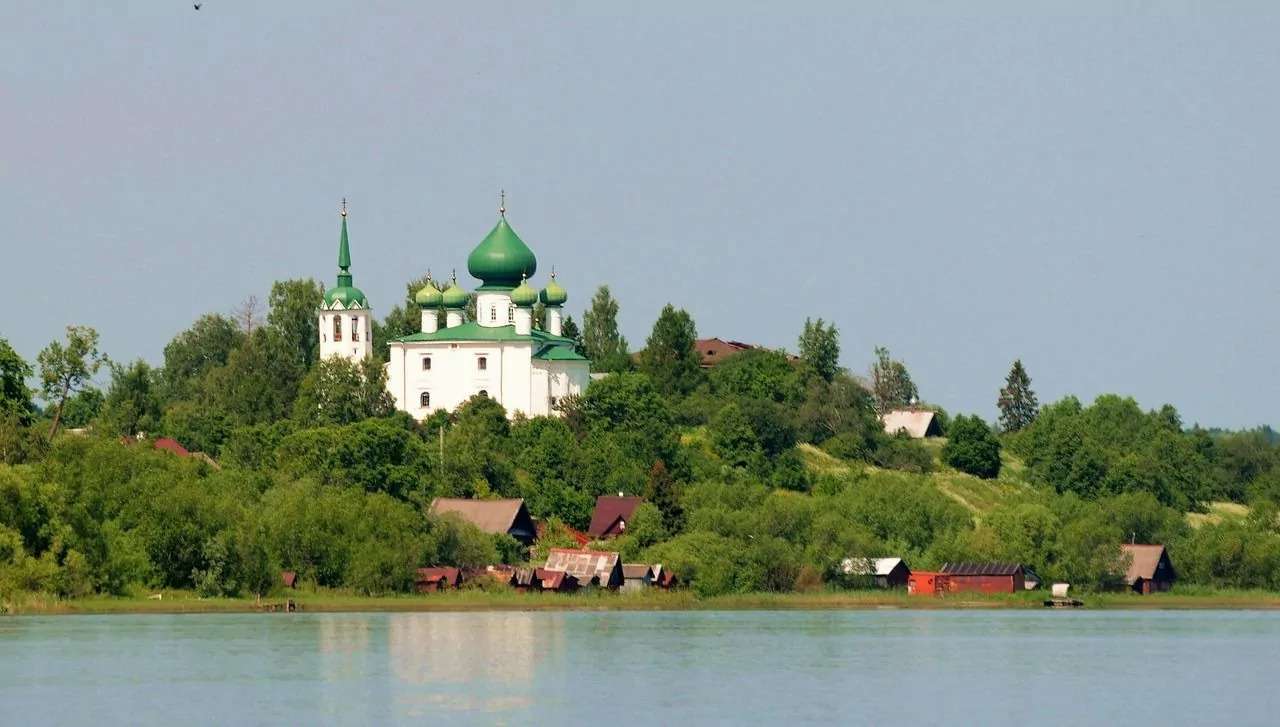
The exact date of the convent's founding is unknown, but it is thought to have been between 1040 and 1116. There is a legend that its founder may have been Mstislav the Great. In the 12th century the stone Church of the Dormition of the Most Holy Mother of God was built on the convent grounds. During the Time of Troubles, in 1611–1617, the convent was plundered by the Swedes. After the Treaty of Stolbovo was concluded, the elder nun Akilina gathered the nuns and restored monastic life at the convent. That same year the Church of the Dormition was reconsecrated. In 1718 Peter the Great exiled his wife Eudoxia Lopukhina to the Holy Dormition Convent, where she lived as a nun until 1725. The convent's best-known ascetics are the elder nun Akilina, the schema-abbess Eupraxia, and the poet Elizaveta Shakhova. St. John of Kronstadt also visited the convent many times, choosing abbesses for new convents from among its sisters. The Holy Dormition Convent keeps relics: particles of the relics of St. Anna of Kashin the Wonderworker, St. Seraphim of Sarov the Wonderworker, St. Arseny of Konevets, the Diveyevo abbesses Sts. Alexandra, Maria, and Martha, the Blessed Pelagia, Paraskeva, and Maria of Diveyevo, St. Antipas of Valaam, the Great Martyr Barbara, particles of the relics of hieromartyrs, St. Maria of Gatchina, and also the icon of the Apparition of the Great Martyr Barbara.