←Merchant Rybinsk

Merchant Rybinsk

Photo of route “Merchant Rybinsk”
12 points4 km3 hours

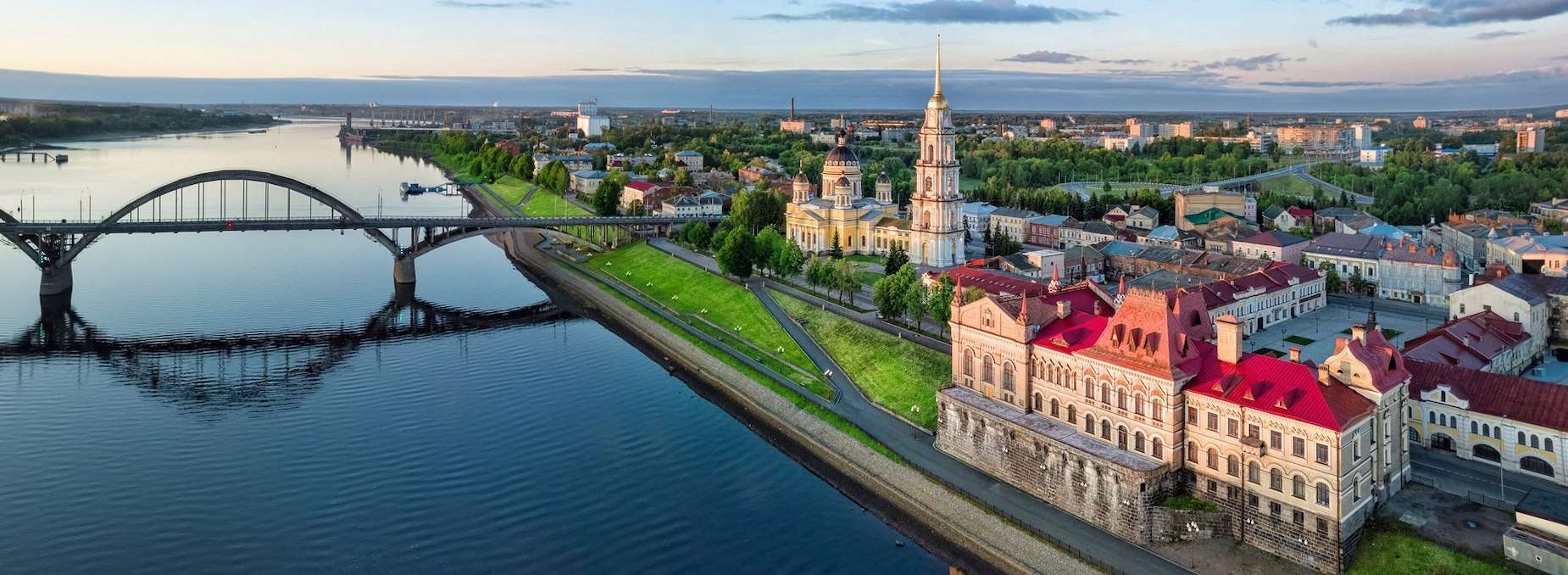
Since the 18th century Rybinsk has been an important stop on the route from the Volga region to the Baltic. Over its history it earned the title of “Russia's barge hauler capital,” the country's highest government bodies consulted the brokers of its exchange, and the town is also the birthplace of founders of Hollywood. Take a walk and discover the fascinating stories of this corner of “deep Russia”!

Things to do

  • 📜 Learn the city's history
  • 🏛️🕰️ Compare the eras

Route points (12)

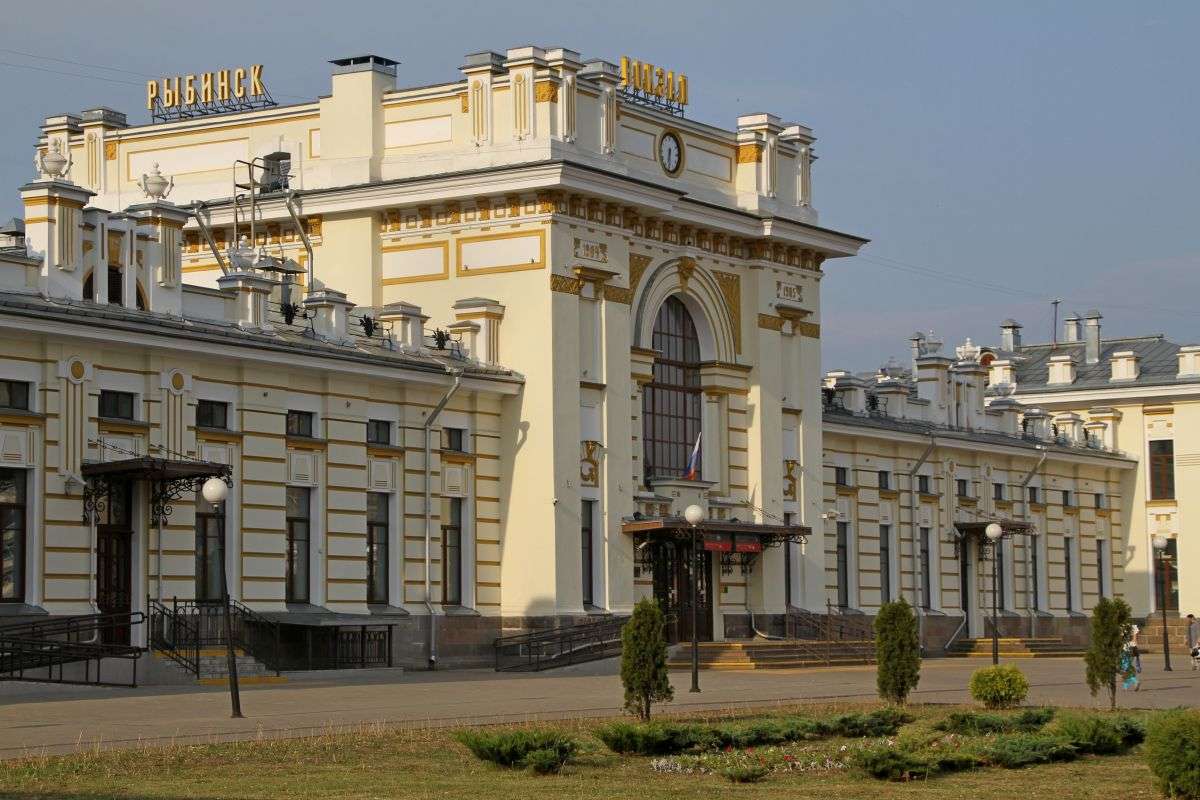
  1. Rybinsk Railway Station — point on route “Merchant Rybinsk”

    Rybinsk Railway Station

    🚂 Railway station

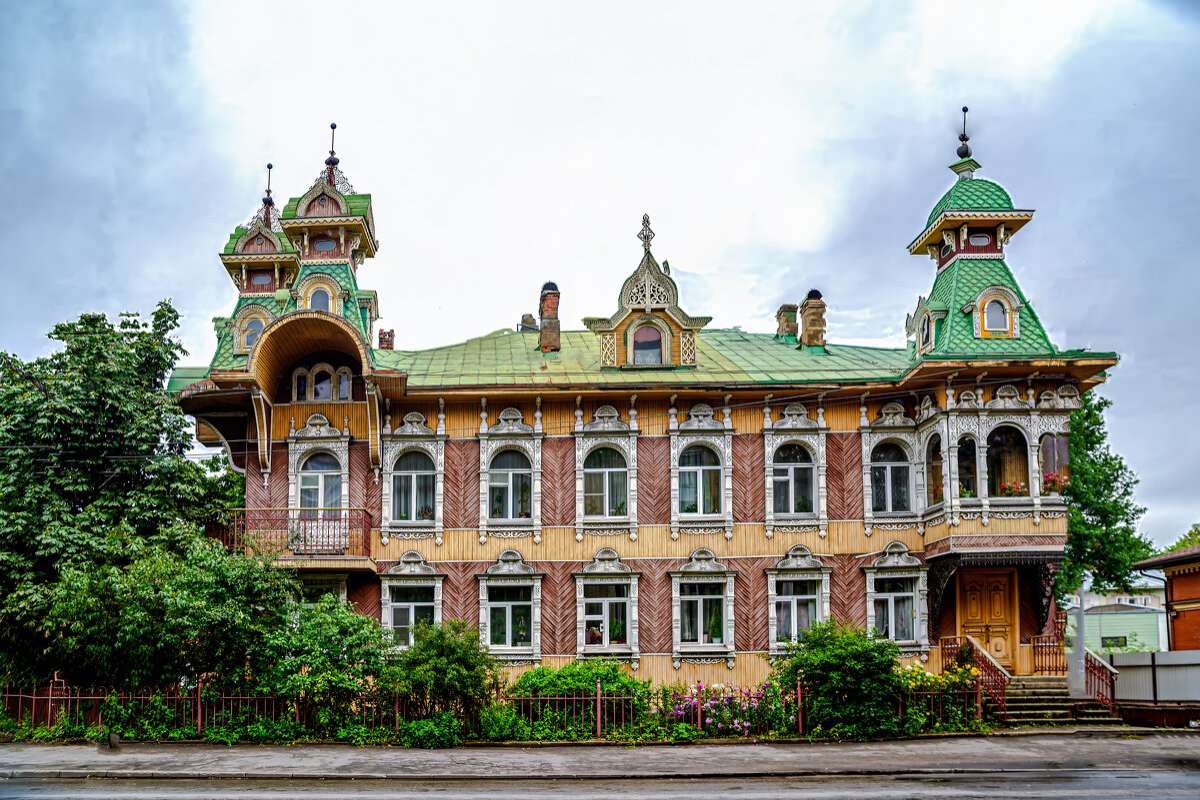
  2. Artists' House — point on route “Merchant Rybinsk”

    Artists' House

    🏟️ Architectural landmark

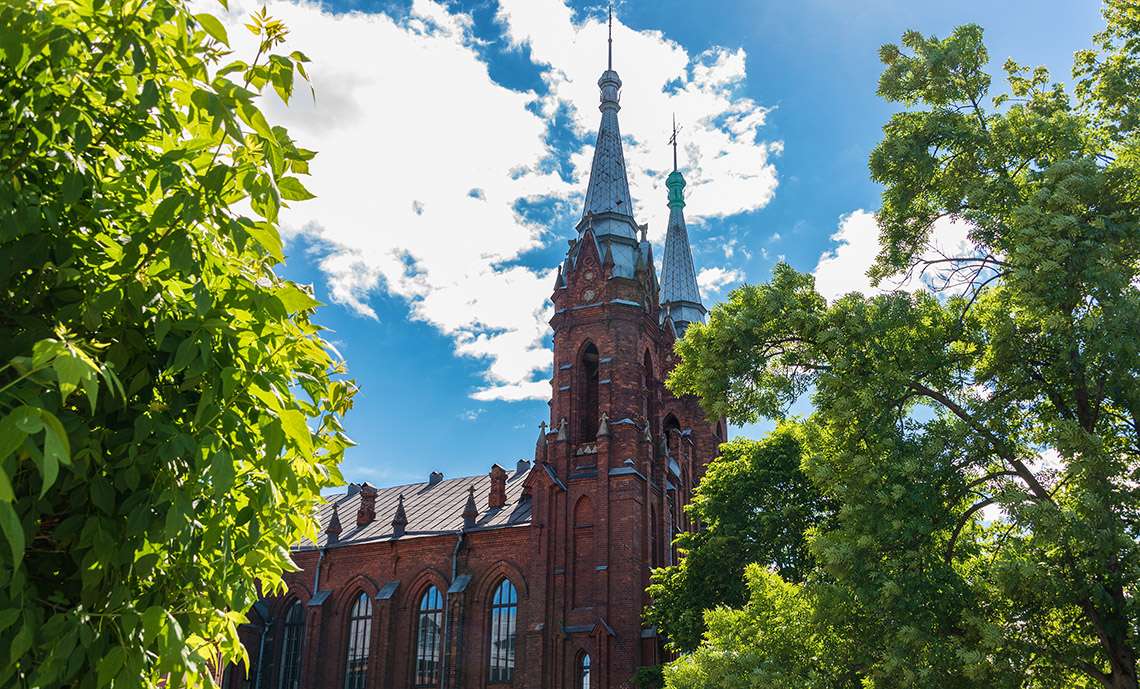
  3. Polish Catholic Church of the Holy Jesus — point on route “Merchant Rybinsk”

    Polish Catholic Church of the Holy Jesus

    🕍 Place of worship

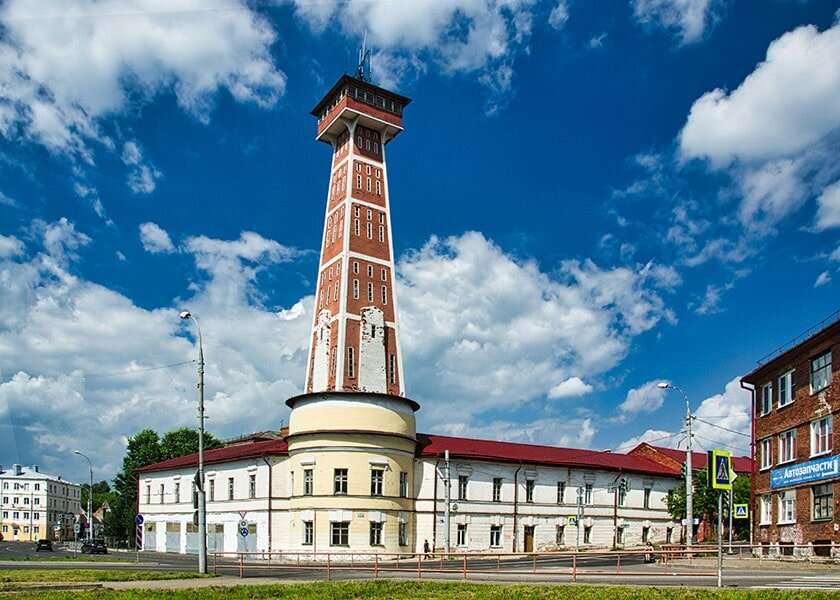
  4. Fire Watchtower — point on route “Merchant Rybinsk”

    Fire Watchtower

    ⚙️ Industrial site

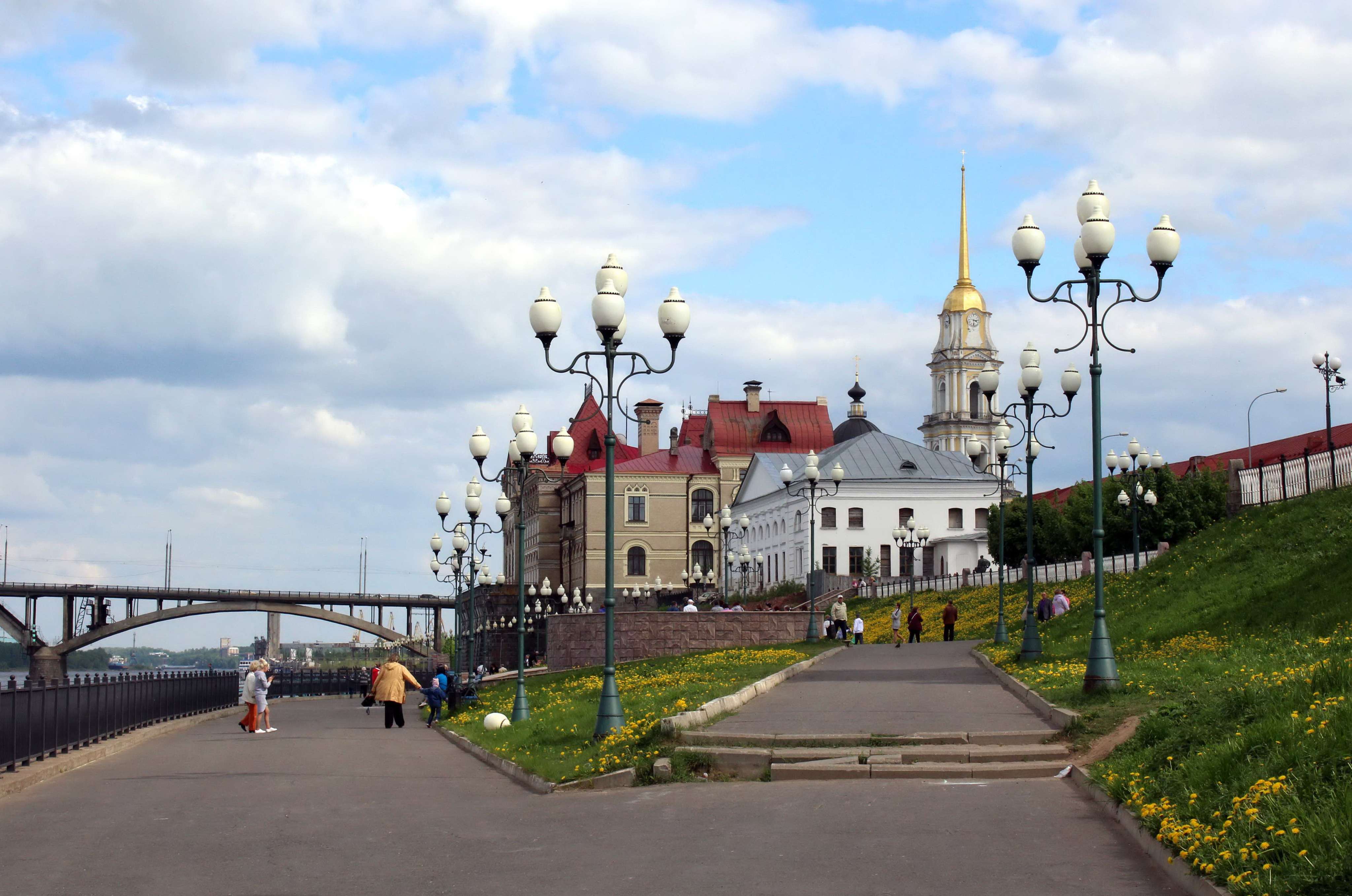
  5. Rybinsk Embankment — point on route “Merchant Rybinsk”

    Rybinsk Embankment

    🚶‍♂️ Waterfront

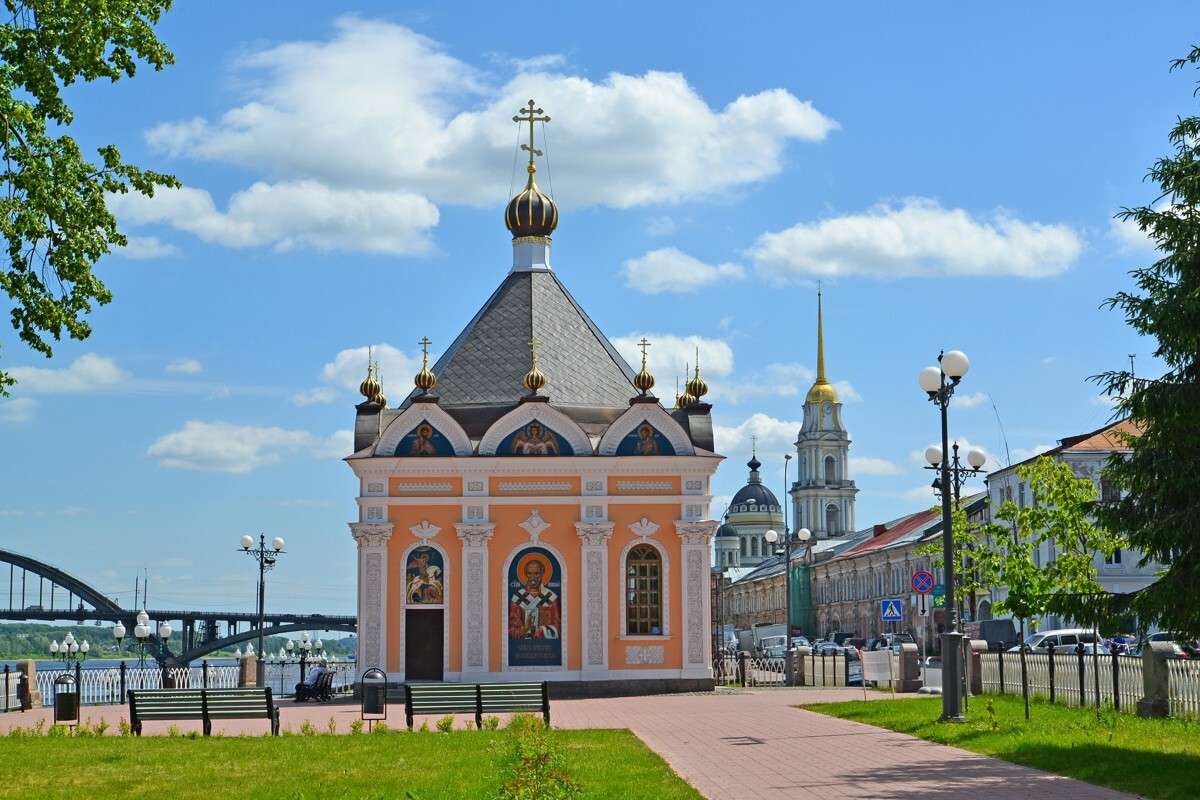
  6. Chapel of St. Nicholas the Wonderworker — point on route “Merchant Rybinsk”

    Chapel of St. Nicholas the Wonderworker

    🕍 Place of worship

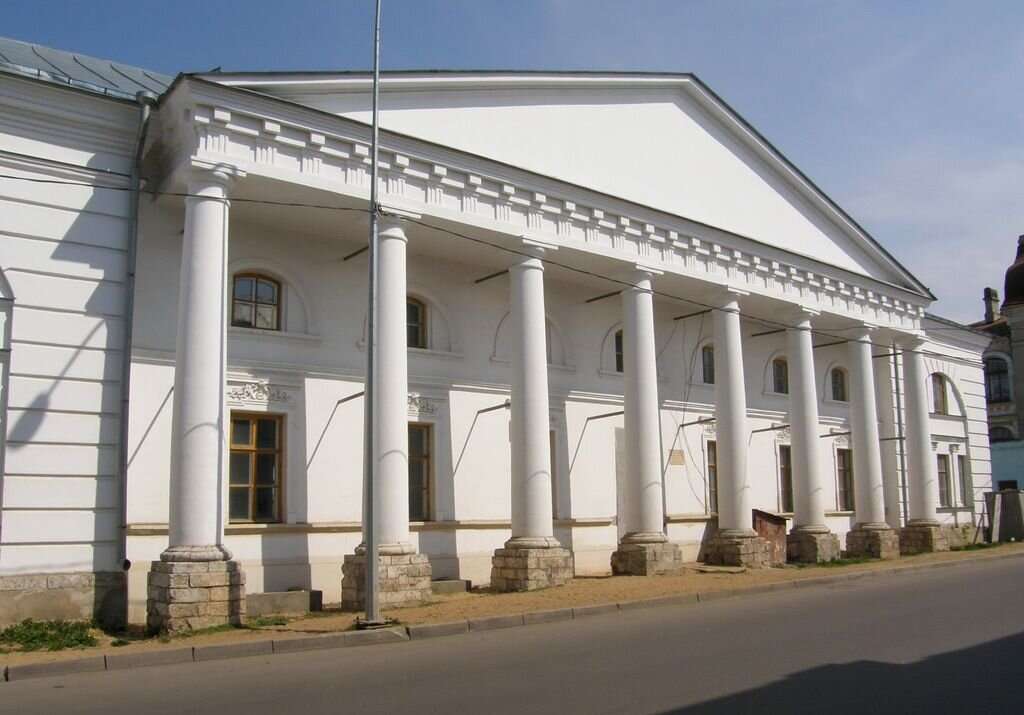
  7. Old Grain Exchange — point on route “Merchant Rybinsk”

    Old Grain Exchange

    🕵️ Urban legend

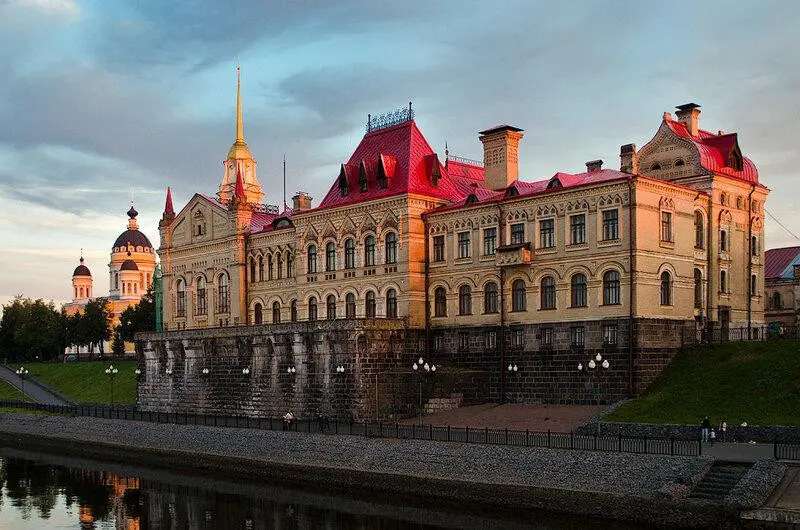
  8. New Grain Exchange (Museum-Reserve) — point on route “Merchant Rybinsk”

    New Grain Exchange (Museum-Reserve)

    🕵️ Urban legend

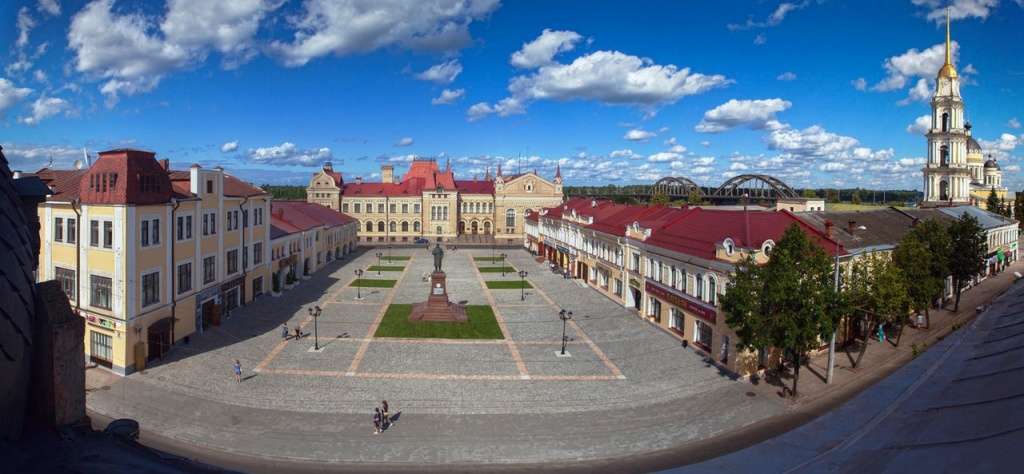
  9. Red Square — point on route “Merchant Rybinsk”

    Red Square

    ⛲ Square

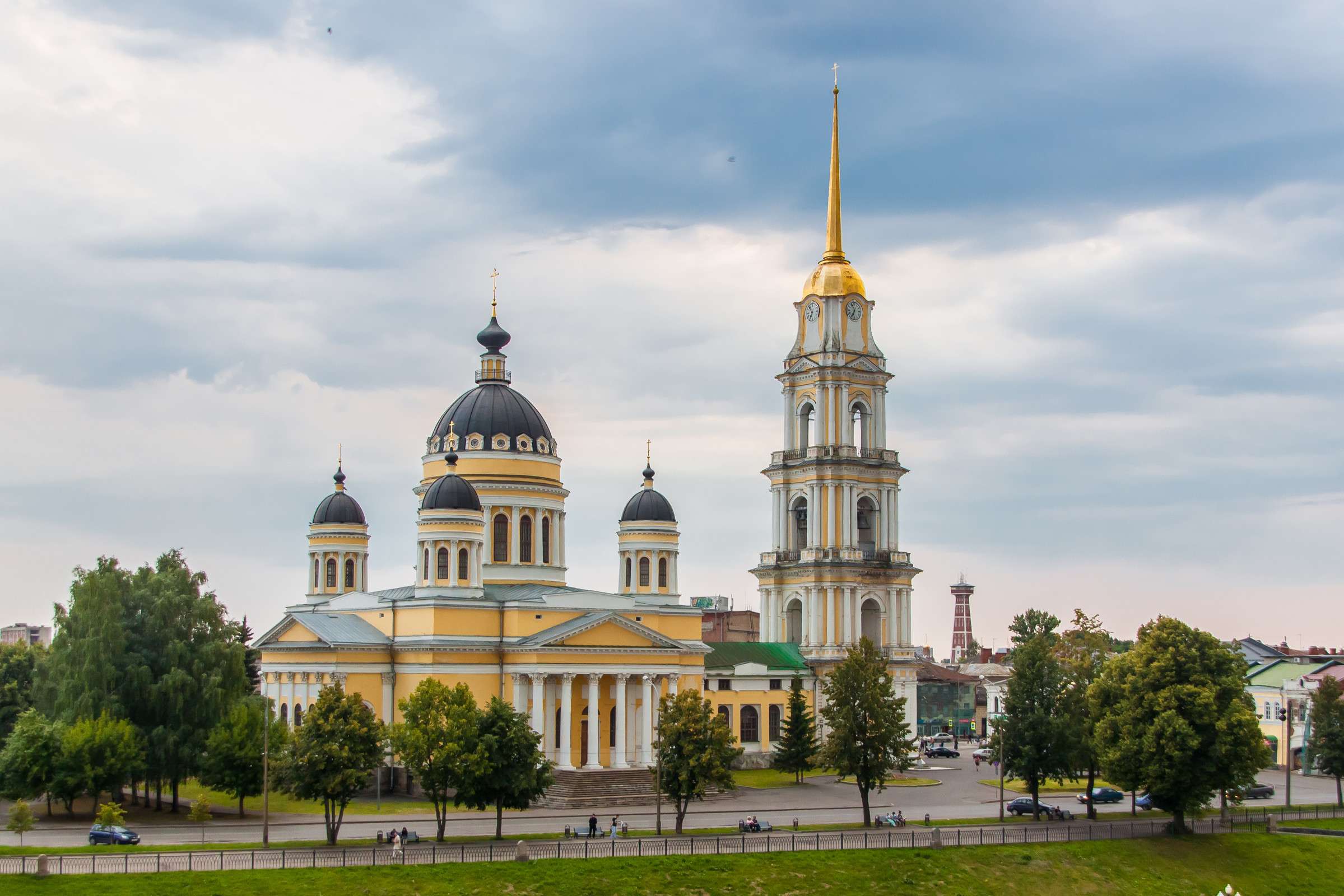
  10. Cathedral of the Transfiguration of the Savior — point on route “Merchant Rybinsk”

    Cathedral of the Transfiguration of the Savior

    🕍 Place of worship

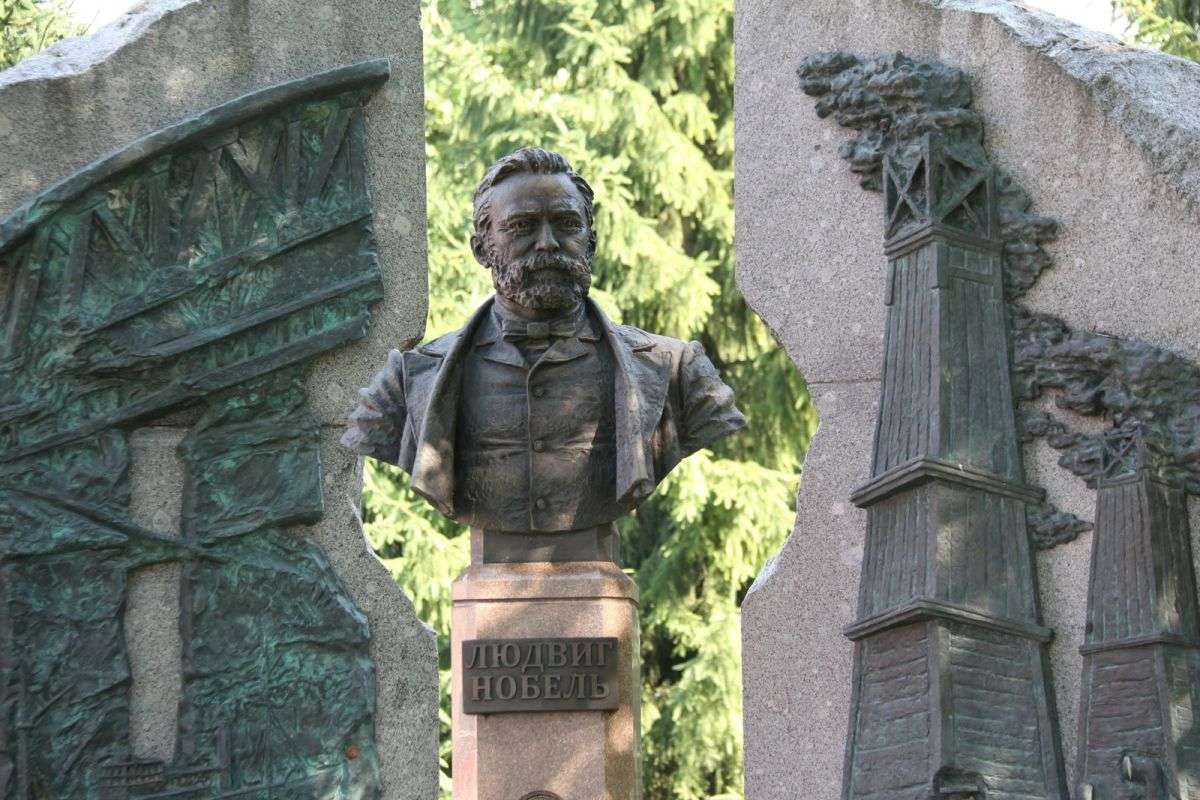
  11. The Nobels and the Nobel Movement — point on route “Merchant Rybinsk”

    The Nobels and the Nobel Movement

    🏛️ Museum · 🌿 Public garden or park

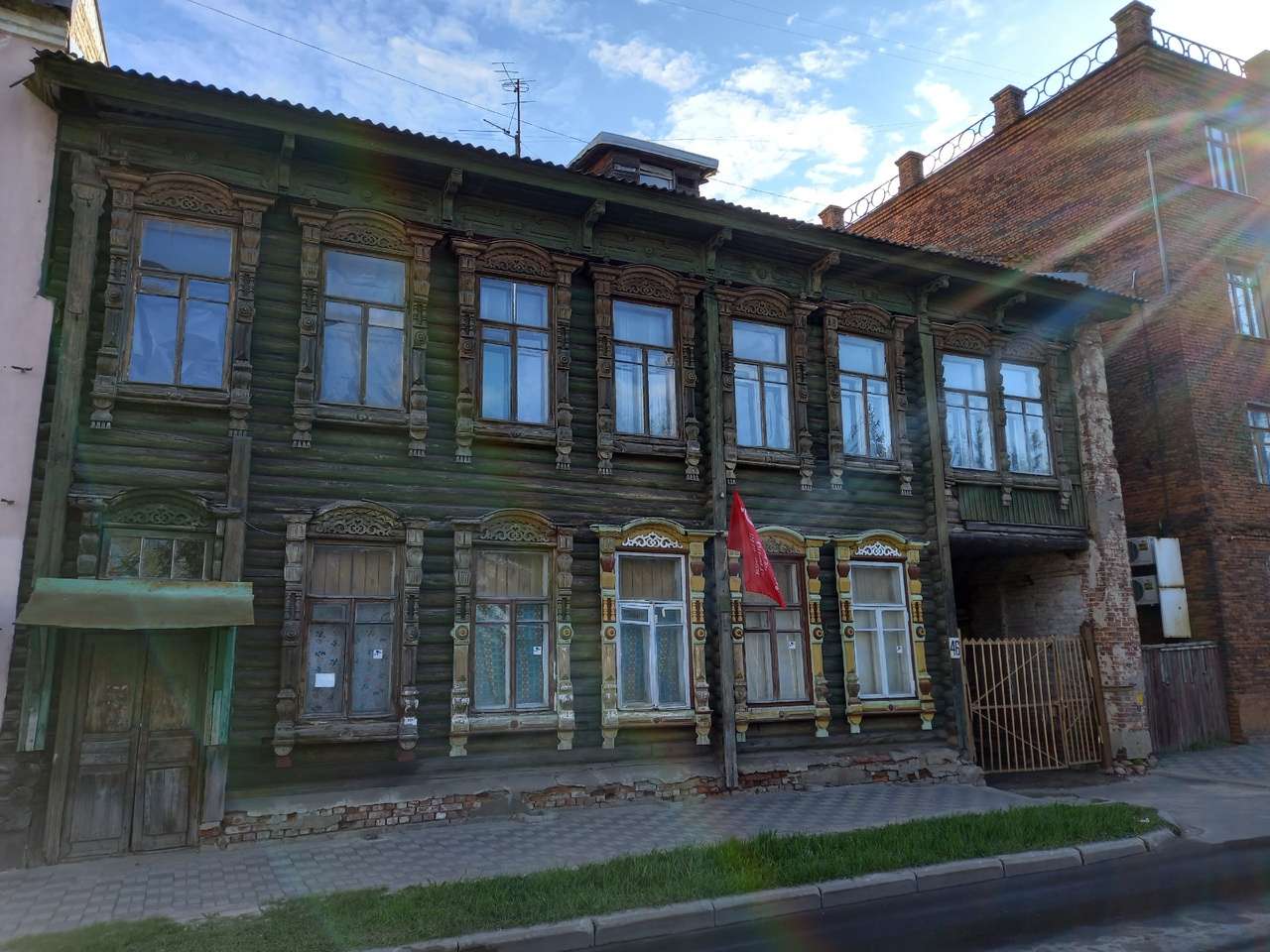
  12. Sigson Family House — point on route “Merchant Rybinsk”

    Sigson Family House

    🏟️ Architectural landmark

Cathedral of the Transfiguration of the Savior in Rybinsk

Point on route “Merchant Rybinsk”

Cathedral of the Transfiguration of the Savior — point on route “Merchant Rybinsk”

Point 10

Cathedral of the Transfiguration of the Savior

🕍 Place of worship

Historical Background

Rybinsk's first stone church, dedicated to the Transfiguration of the Lord, was built in 1660, but by the early 19th century it had fallen into disrepair, and in 1838 it was decided to build a new one in its place. The cathedral was designed in the Classical style. It was built by peasants from the Yaroslavl and Tver governorates, and the Rybinsk merchants covered much of the cost. The dominant feature of the ensemble became the five-tiered bell tower with the town clock, built back in 1804 to a design by Ivan Vorotilov, a self-taught architect from Kostroma.

The Architecture and Catherine II's Armchair

The cathedral was famous for its rich decoration: the floor was granite, the walls were finished in faux marble, about half a ton of gilded silver went into decorating the interior and exterior, and its most sacred object was the icon of the Mother of God “Increase of Wisdom.” At the center of the church stood a civic relic: an armchair that the townspeople had presented to Catherine II during her visit to Rybinsk. The armchair was made in what you might call a “pricey and flashy” style and looked more like a throne. Catherine II ordered the gift to be kept in the cathedral as a memento of her visit. One theory is that she did so out of tact. She probably didn't like the piece, since in St. Petersburg fashion had already moved on to more practical and simple German furniture. But you couldn't say so publicly: people would be upset!

The Cathedral After the October Revolution

In 1929 the cathedral was closed, and in the 1930s there was even talk of demolishing it, but fortunately the war cut that discussion short. There were attempts to turn the building into a vegetable store, a river station, a theater, and even a circus, but in the end it became a dormitory. In 1960–1970 a bridge was built across the Volga, and the project provided for preserving and restoring the cathedral's historic appearance. The building was reconstructed and the bell tower's spire was covered with gold leaf. In 1999 the cathedral was returned to the Russian Orthodox Church.