←The Godunovs, the Romanovs and Susanin

The Godunovs, the Romanovs and Susanin

Photo of route “The Godunovs, the Romanovs and Susanin”
10 points6 km3.5 hours

Kostroma is a place with a rich history. The town is linked to the Godunovs, the Romanov royal dynasty and Ivan Susanin. Be sure to see the historic center and the ancient churches and monasteries. Kostroma is a town of Russia's Golden Ring with its own local flavor.

Things to do

  • 📜 Learn the city's history
  • 🏰🕵️‍♂️ Discover a legend
  • 🏛️🕰️ Compare the eras

Route points (10)

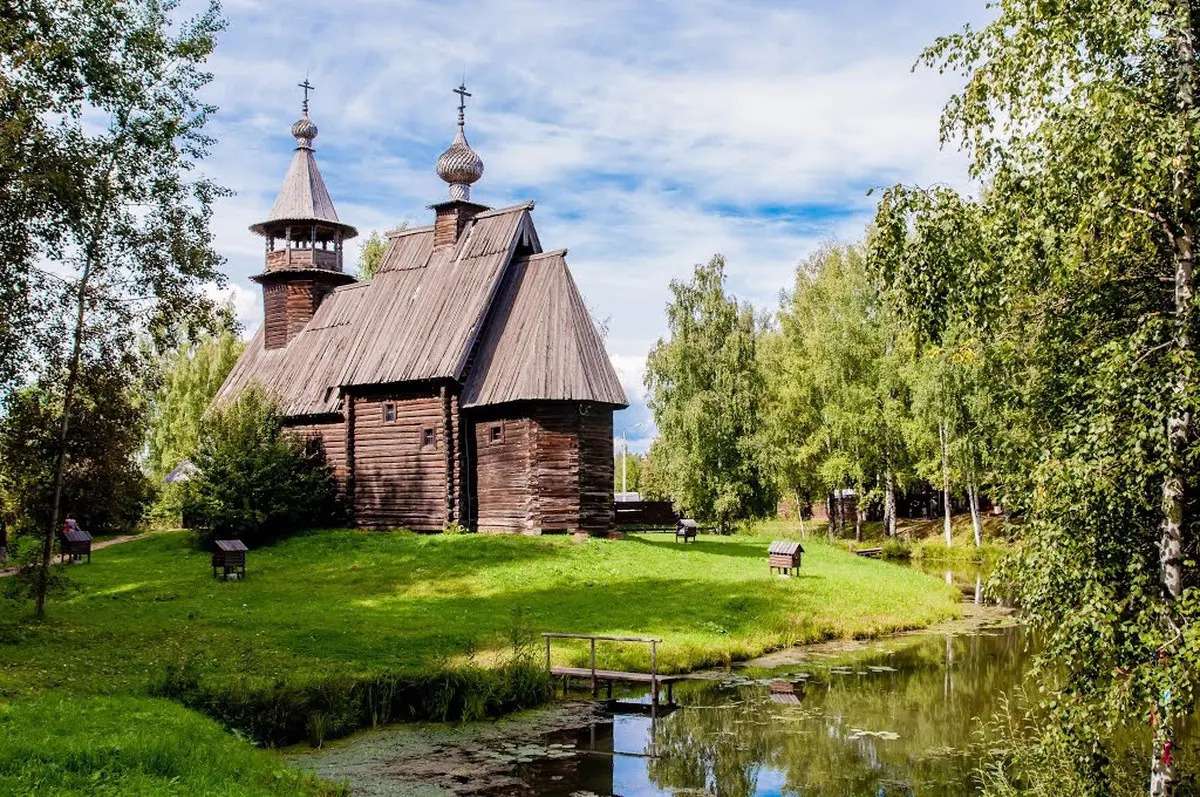
  1. Kostromskaya Sloboda — point on route “The Godunovs, the Romanovs and Susanin”

    Kostromskaya Sloboda

    🏛️ Museum · 🎨 Art installations · 🏟️ Architectural landmark

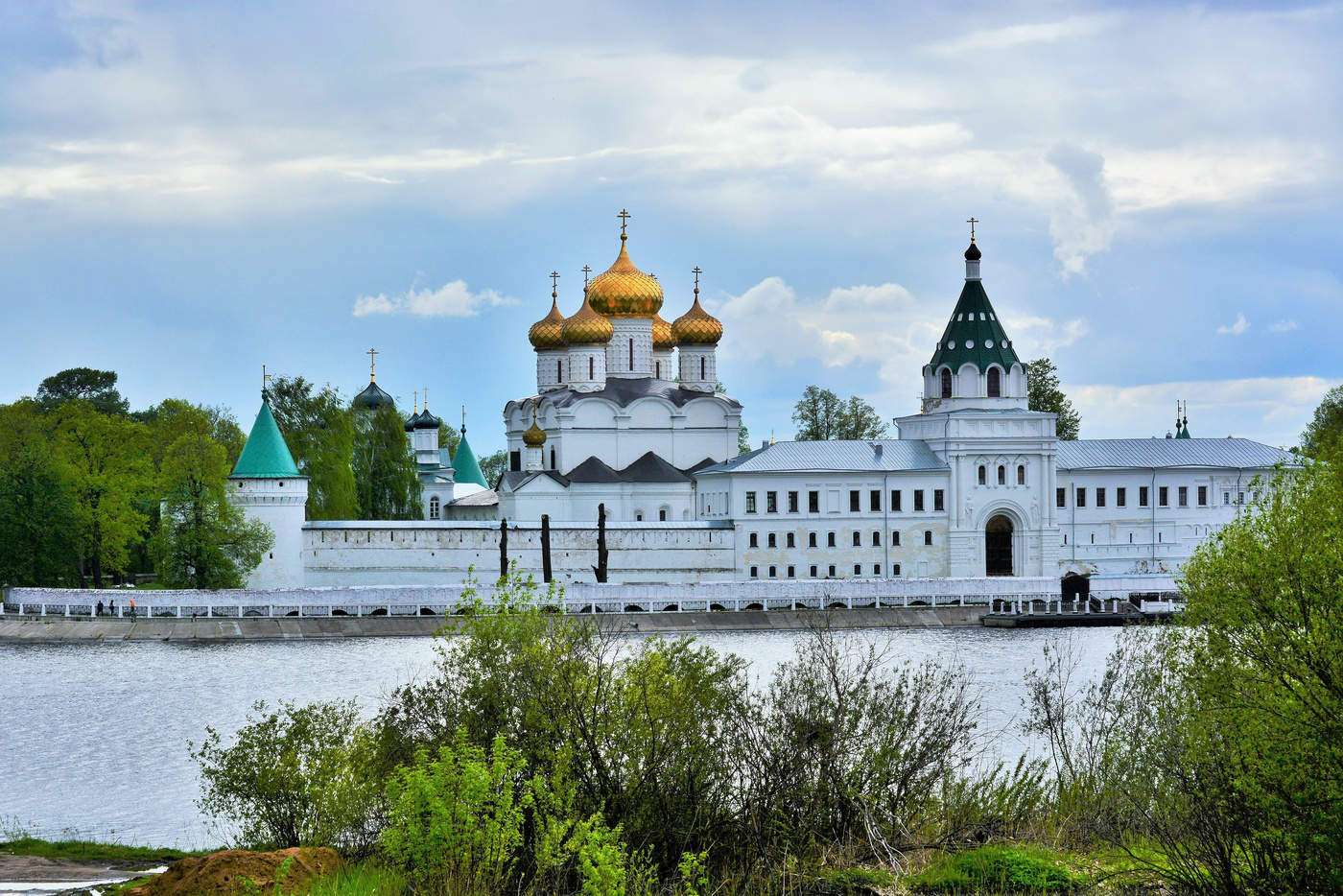
  2. Ipatiev Monastery — point on route “The Godunovs, the Romanovs and Susanin”

    Ipatiev Monastery

    🕍 Place of worship · 📜 Historic site · 🕵️ Urban legend · 🏟️ Architectural landmark

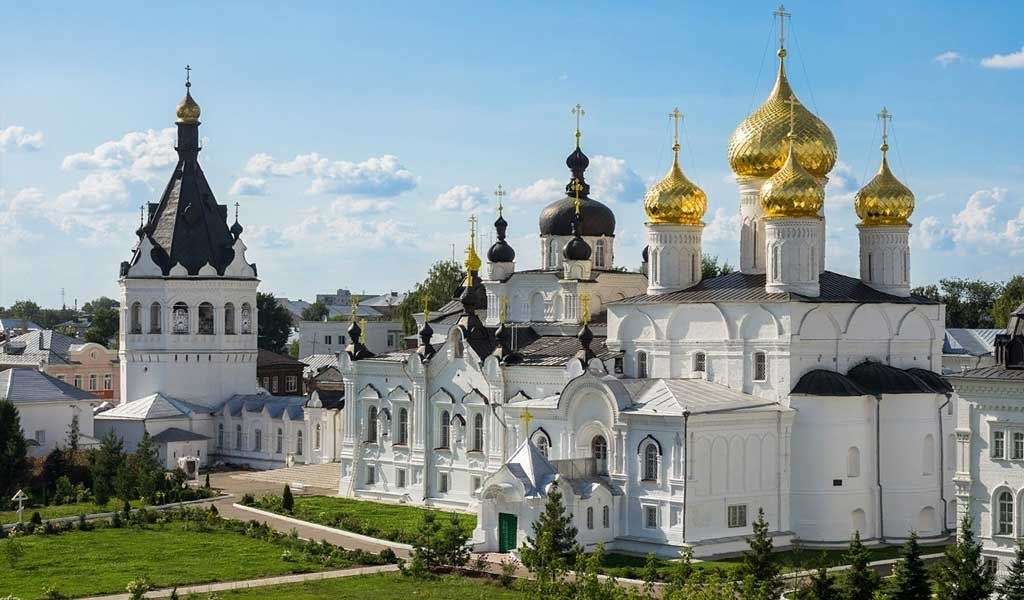
  3. Epiphany-Anastasia Convent — point on route “The Godunovs, the Romanovs and Susanin”

    Epiphany-Anastasia Convent

    🕍 Place of worship · 📜 Historic site

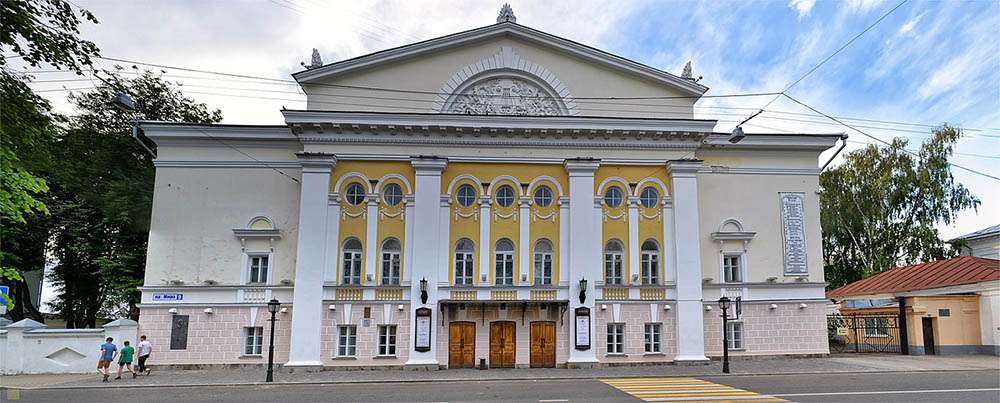
  4. Drama Theater — point on route “The Godunovs, the Romanovs and Susanin”

    Drama Theater

    🎭 Theater · 📜 Historic site

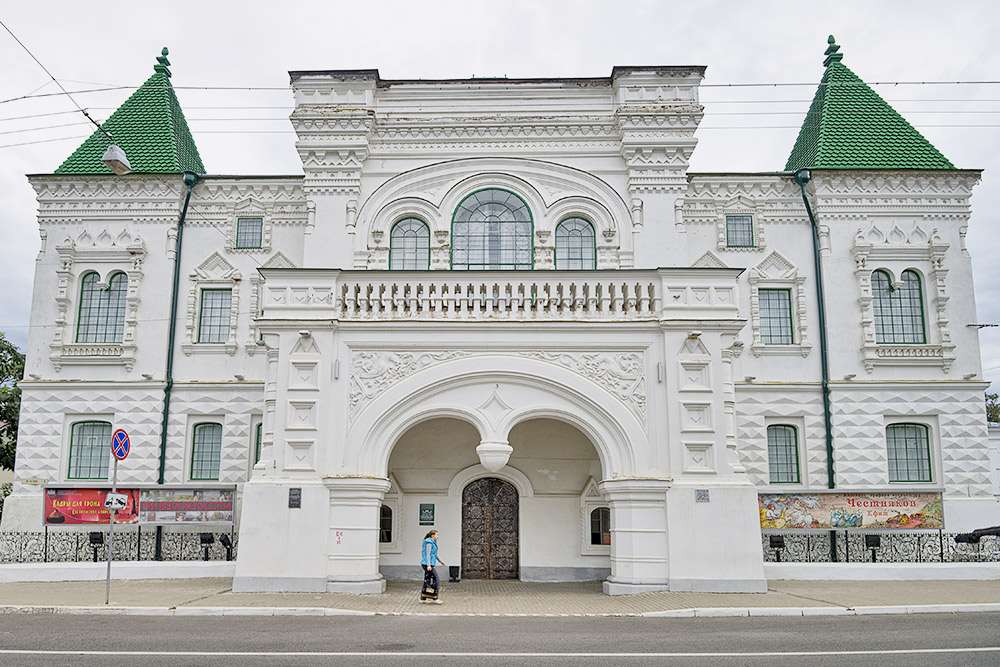
  5. Romanov Museum — point on route “The Godunovs, the Romanovs and Susanin”

    Romanov Museum

    📜 Historic site · 🏟️ Architectural landmark

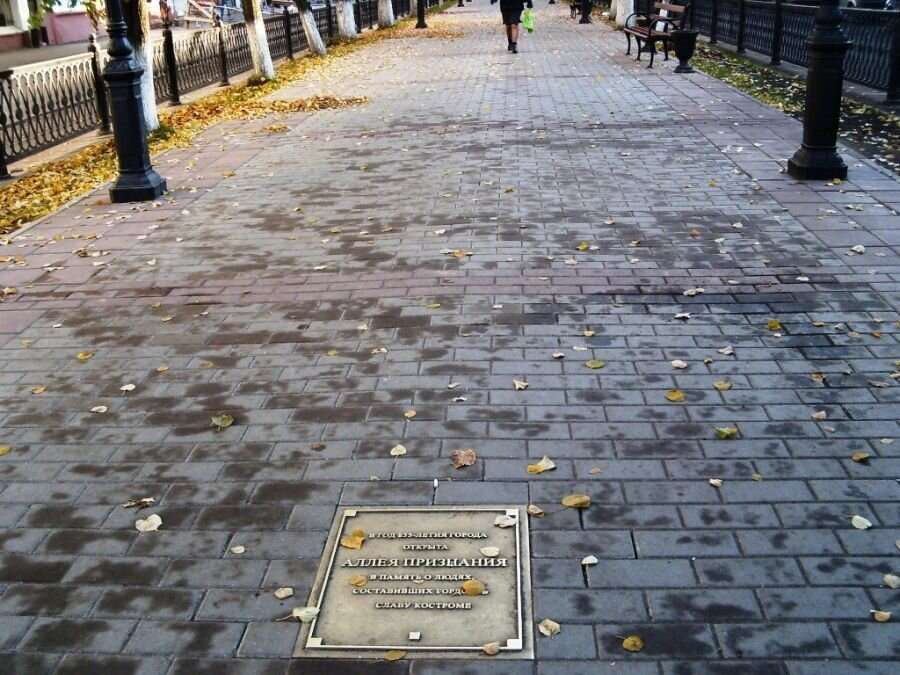
  6. Alley of Recognition — point on route “The Godunovs, the Romanovs and Susanin”

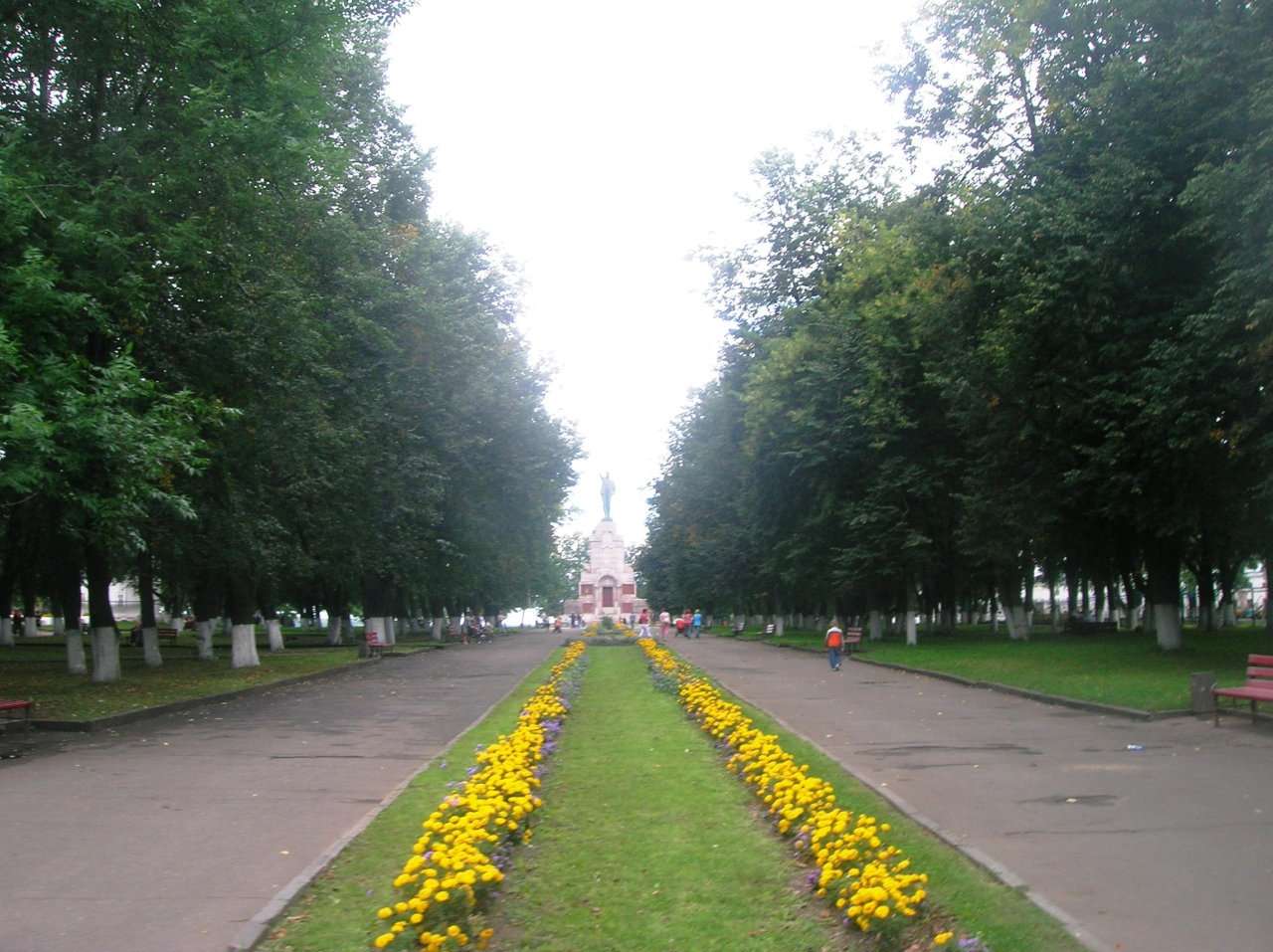
    Alley of Recognition

    🌿 Public garden or park · 🕵️ Urban legend

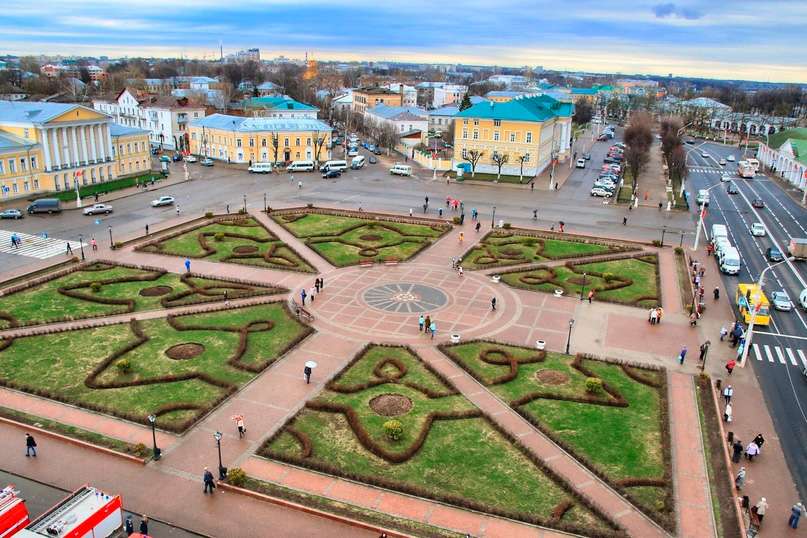
  7. Susanin Square — point on route “The Godunovs, the Romanovs and Susanin”

    Susanin Square

    ⛲ Square · 📜 Historic site · 🕵️ Urban legend

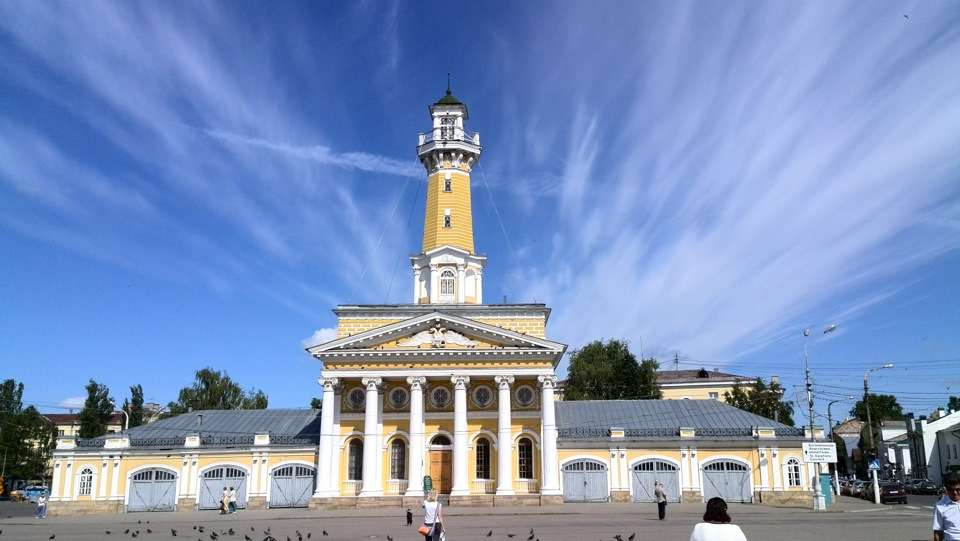
  8. Fire Watchtower — point on route “The Godunovs, the Romanovs and Susanin”

    Fire Watchtower

    🏟️ Architectural landmark · 📜 Historic site · ⚙️ Industrial site

  9. Trading Rows — point on route “The Godunovs, the Romanovs and Susanin”

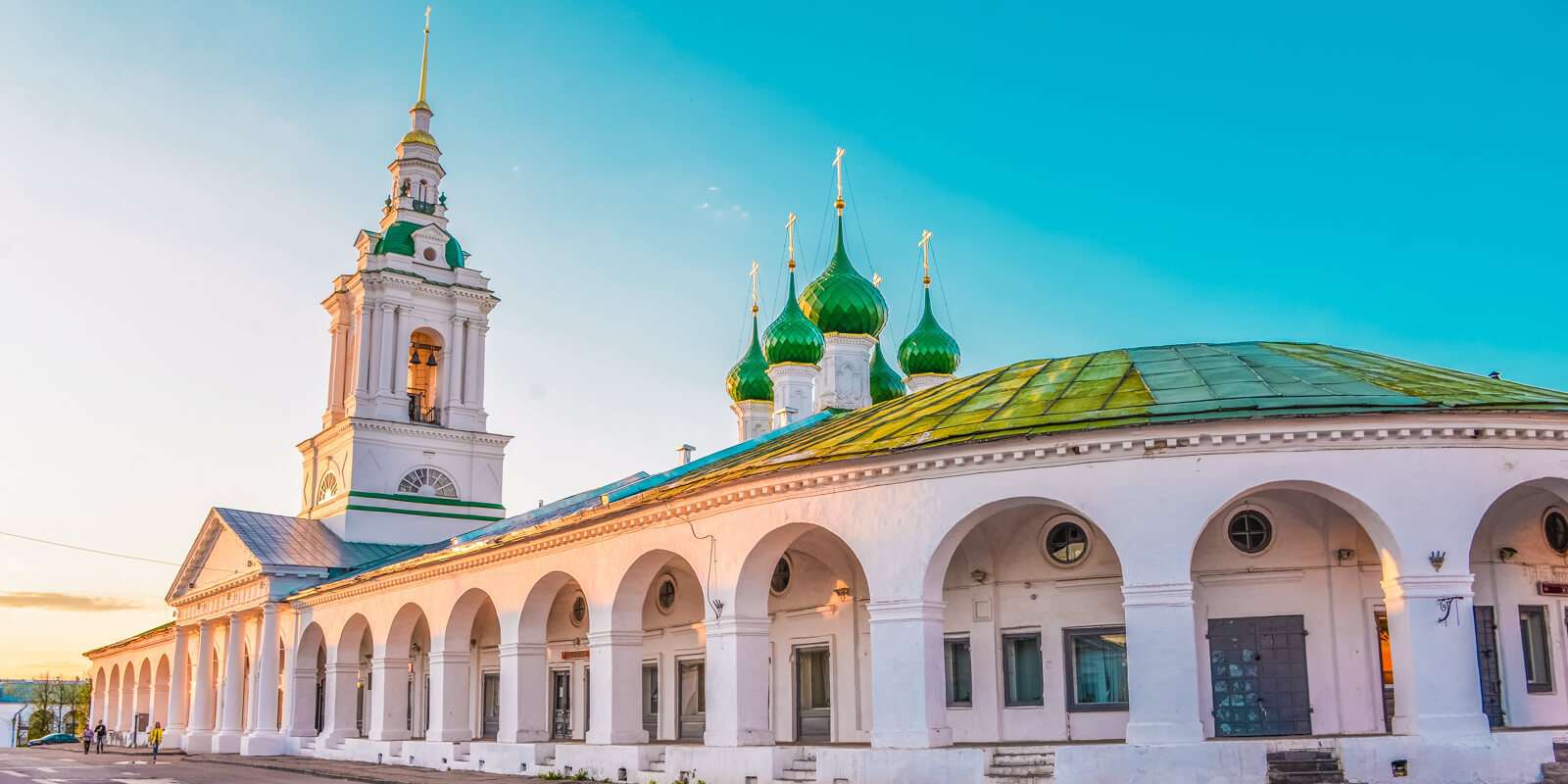
    Trading Rows

    📜 Historic site · 🏺 Market / bazaar

  10. Central Park — point on route “The Godunovs, the Romanovs and Susanin”

    Central Park

    🌿 Public garden or park

Ipatiev Monastery in Kostroma

Point on route “The Godunovs, the Romanovs and Susanin”

Ipatiev Monastery — point on route “The Godunovs, the Romanovs and Susanin”

Point 2

Ipatiev Monastery

🕍 Place of worship • 📜 Historic site • 🕵️ Urban legend • 🏟️ Architectural landmark

Historical Background

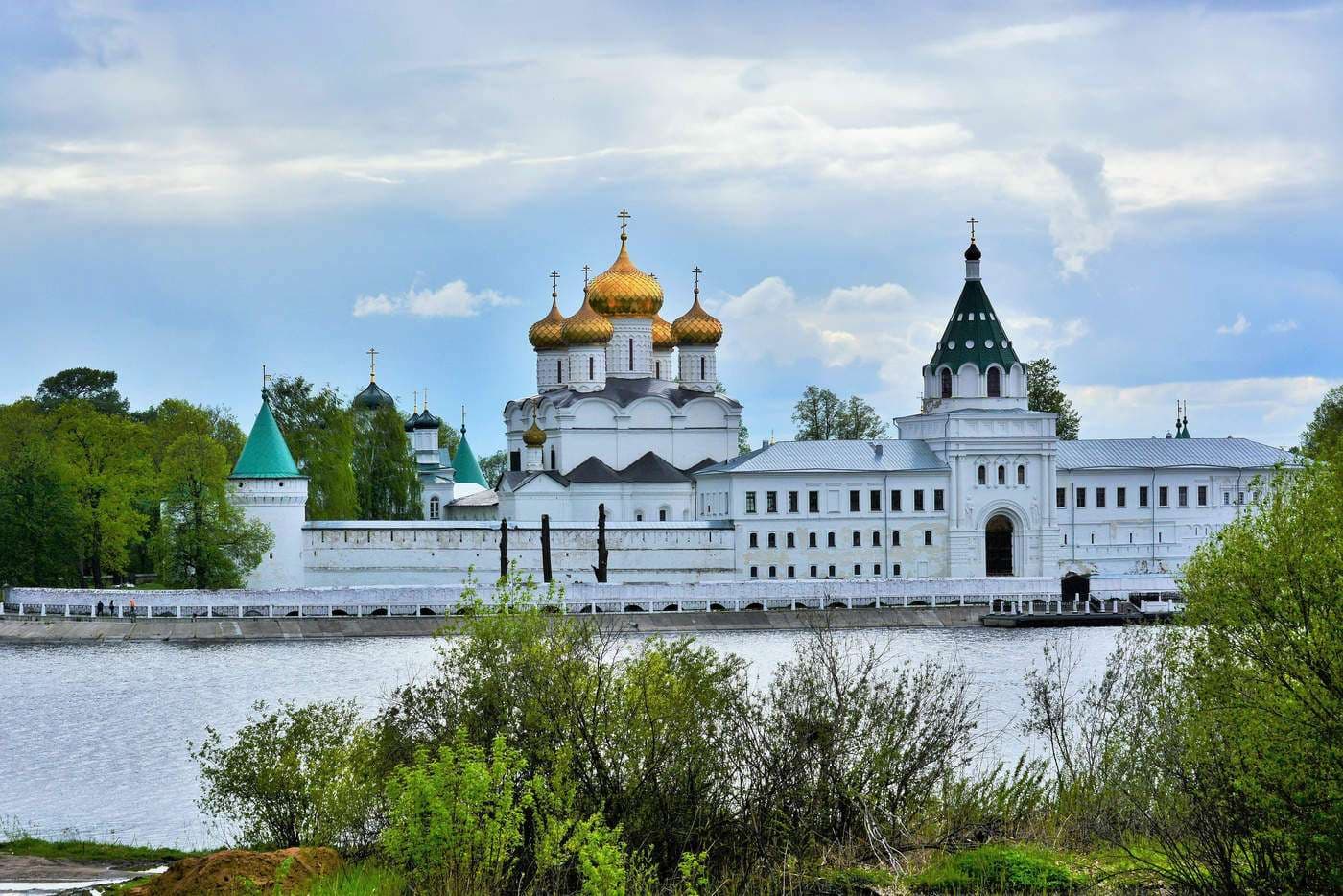
The Holy Trinity Ipatiev Monastery is a men's monastery in the western part of Kostroma. Its exact founding date is unknown; specialists usually point to the late 12th or early 13th century. It is first mentioned in the chronicles in 1432. The monastery played a notable role in the events of the Time of Troubles. The Hypatian Chronicle, found here, is named after it. It was the ancestral nest of the Romanov dynasty.

The Founding Legend

No one knows for certain who founded the monastery or when, but a popular legend says it was founded around 1330 by the Tatar murza Chet, ancestor of the Godunov and Saburov families. According to the legend, the martyr Hypatius, accompanied by the Mother of God and the Apostle Philip, appeared to the khan in a vision and healed him of an illness. The khan then embraced Orthodoxy, took the baptismal name Zachariah, and built a monastery named after Hypatius, a saint not widely known in Rus. Modern researchers doubt this version and see it as a beautiful legend meant to give the Godunov family princely status. There are other versions too: that the monastery was founded by people from Novgorod, where St. Hypatius was venerated as patron of the posadniks (mayors), or that it was founded by Vasily Yaroslavich, the brother of Alexander Nevsky.

The Godunovs and the Time of Troubles

Whoever founded the monastery, at a certain point it definitely came under the patronage of the Godunov family. Funded by Dmitry Godunov, uncle of the future Tsar Boris Godunov, stone walls with six towers were built around the monastery and the Trinity Cathedral was founded. Some of the events of the Time of Troubles in Rus unfolded here. In 1608 the monastery was seized by supporters of False Dmitry II, who was fighting Vasily Shuisky for power. It was then liberated by a people's militia raised in nearby Galich to defend the Russian lands. It was here, from 1612, that the young Michael Romanov lived in the monastery cells with his mother. In 1613 the Zemsky Sobor (Assembly of the Land) elected Michael Romanov tsar, and on March 13 the procession of the Great Embassy arrived here with the news. It was in the monastery's Trinity Cathedral that Michael Romanov accepted the call to the throne. Thus a tradition was born: each new ruler began his reign with royal gifts to the Ipatiev Monastery. The rulers gave gold, silver, precious icons, books and works of art.