←Zvenigorod: At the Call of the Bell

Zvenigorod: At the Call of the Bell

Photo of route “Zvenigorod: At the Call of the Bell”
8 points0 km0 hours

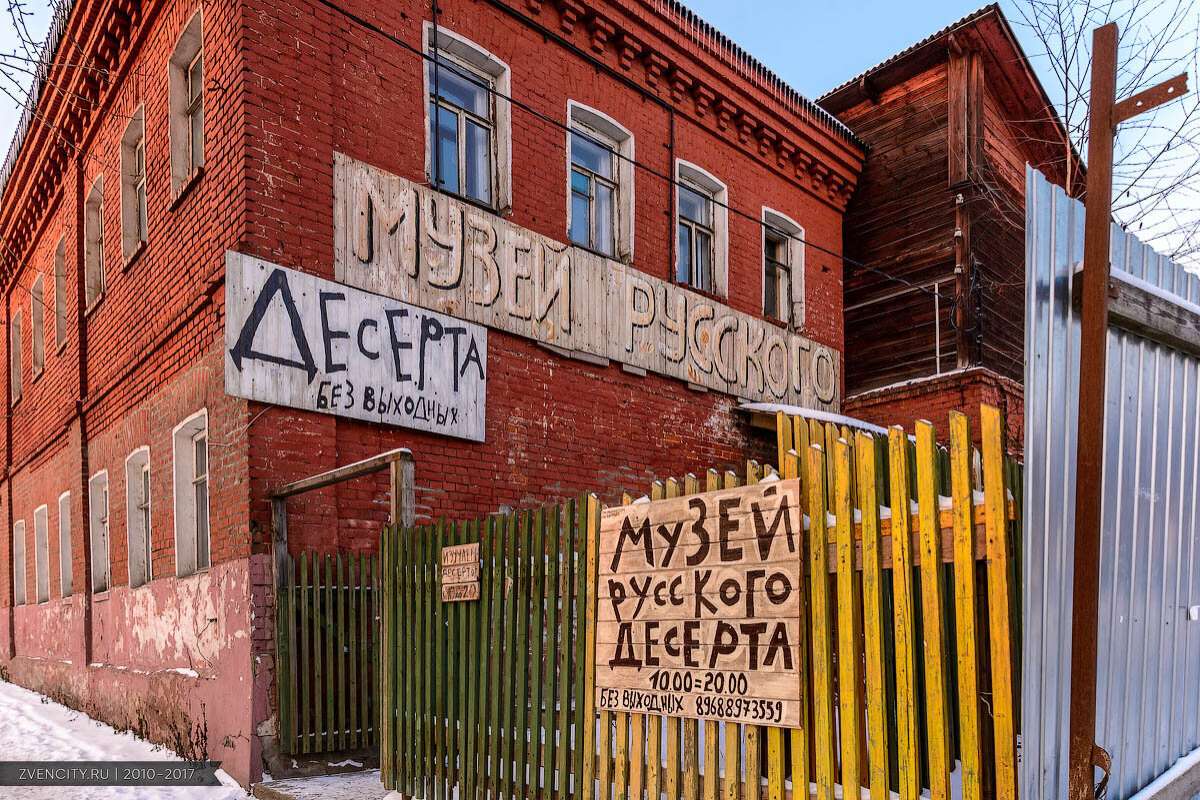
Zvenigorod is an ancient town near Moscow set among picturesque hills. In a single day you can see the Savvino-Storozhevsky Monastery and the Dormition Cathedral with its 15th-century frescoes, stroll through the town park and visit the Museum of Russian Desserts.

Things to do

  • 📜 Learn the city's history
  • 🏰🕵️‍♂️ Discover a legend
  • 🗺️🎒 Themed route

Route points (8)

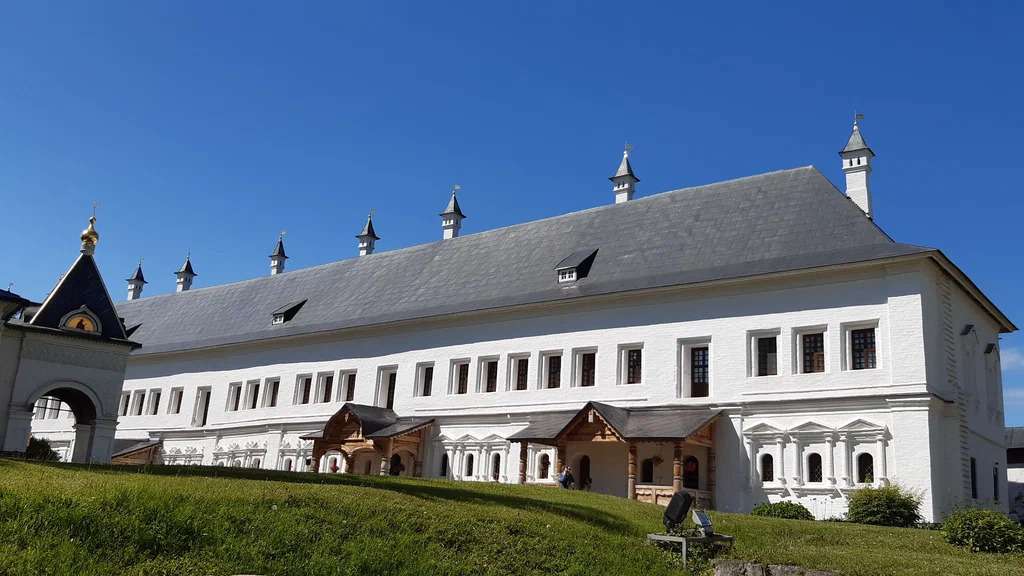
  1. Palace of Tsar Alexei Mikhailovich — point on route “Zvenigorod: At the Call of the Bell”

    Palace of Tsar Alexei Mikhailovich

    📜 Historic site · 🏰 Palace

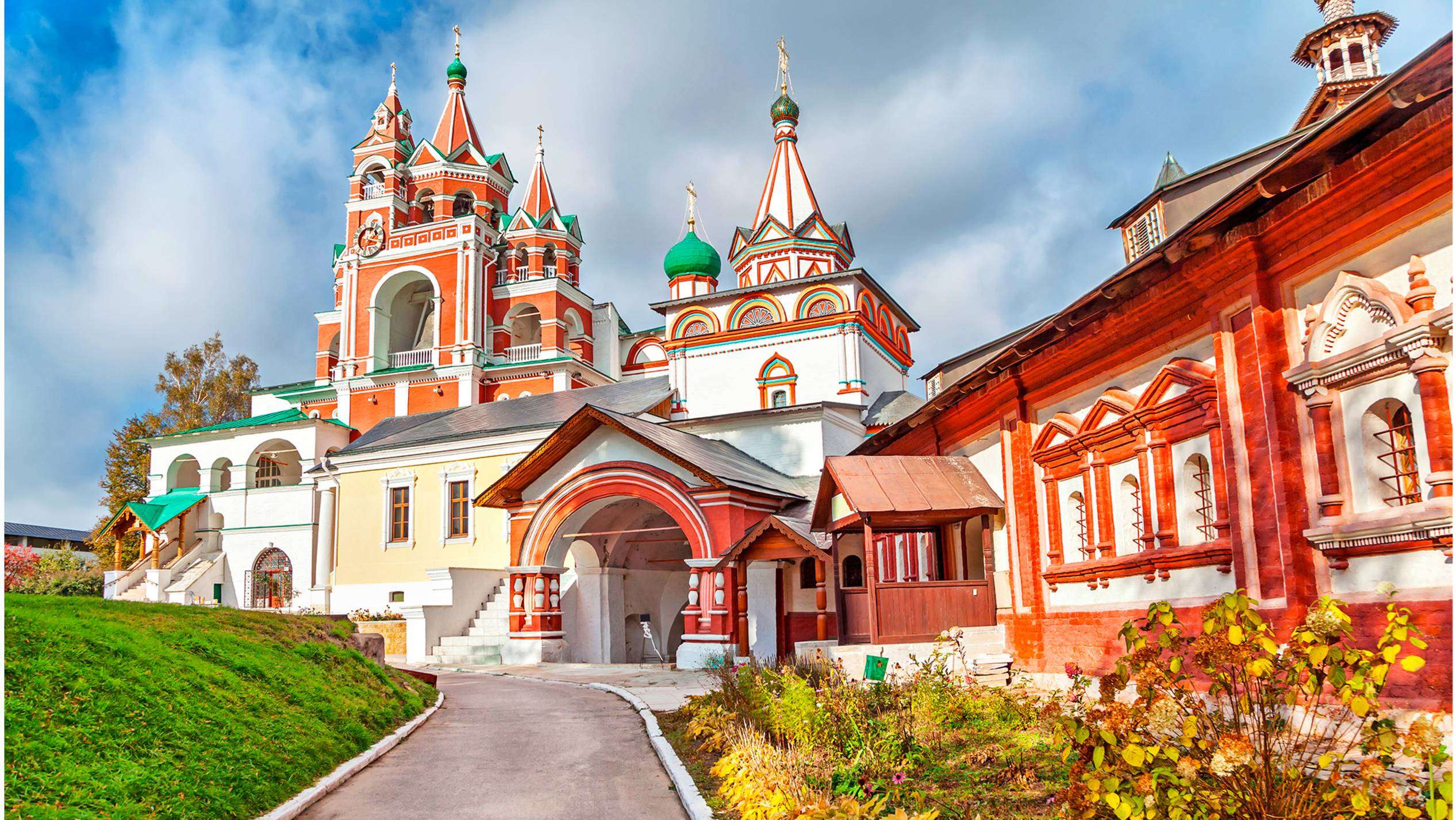
  2. Savvino-Storozhevsky Monastery — point on route “Zvenigorod: At the Call of the Bell”

    Savvino-Storozhevsky Monastery

    🕍 Place of worship · 🕵️ Urban legend · 📜 Historic site

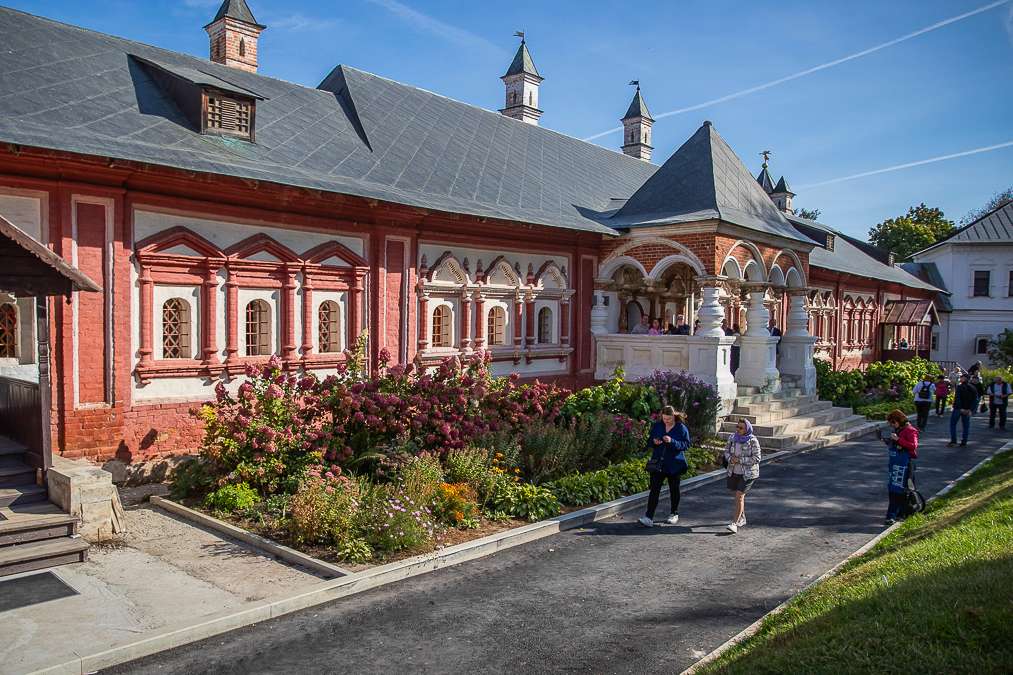
  3. Tsaritsa's Chambers — point on route “Zvenigorod: At the Call of the Bell”

    Tsaritsa's Chambers

    🕵️ Urban legend · 🏰 Palace · 📜 Historic site

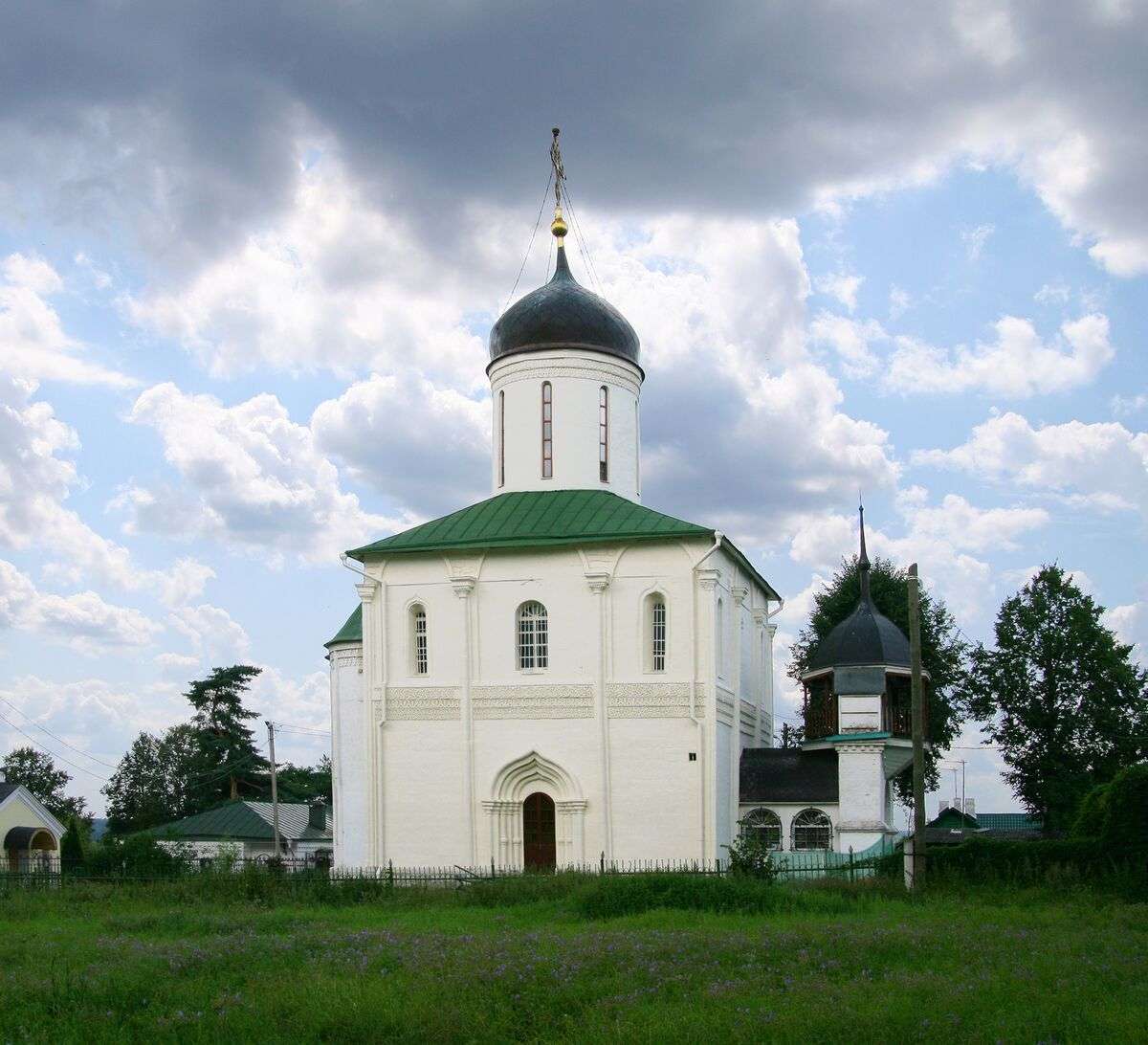
  4. Dormition Cathedral — point on route “Zvenigorod: At the Call of the Bell”

    Dormition Cathedral

    🕍 Place of worship · 📜 Historic site

  5. Ramparts of the Zvenigorod Kremlin — point on route “Zvenigorod: At the Call of the Bell”

    Ramparts of the Zvenigorod Kremlin

    🏯 Fortress remains · 🕵️ Urban legend

  6. Museum of Russian Desserts — point on route “Zvenigorod: At the Call of the Bell”

    Museum of Russian Desserts

    🏛️ Museum

  7. The Great Annunciation Bell — point on route “Zvenigorod: At the Call of the Bell”

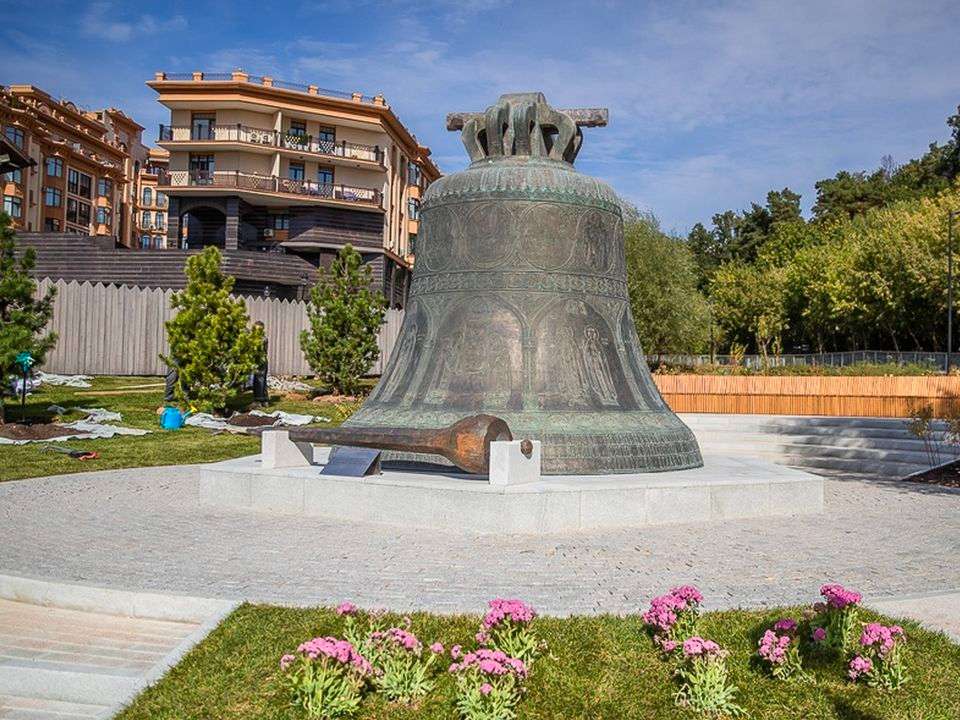
    The Great Annunciation Bell

    🗿 Sculptures

  8. Zvenigorod Town Park — point on route “Zvenigorod: At the Call of the Bell”

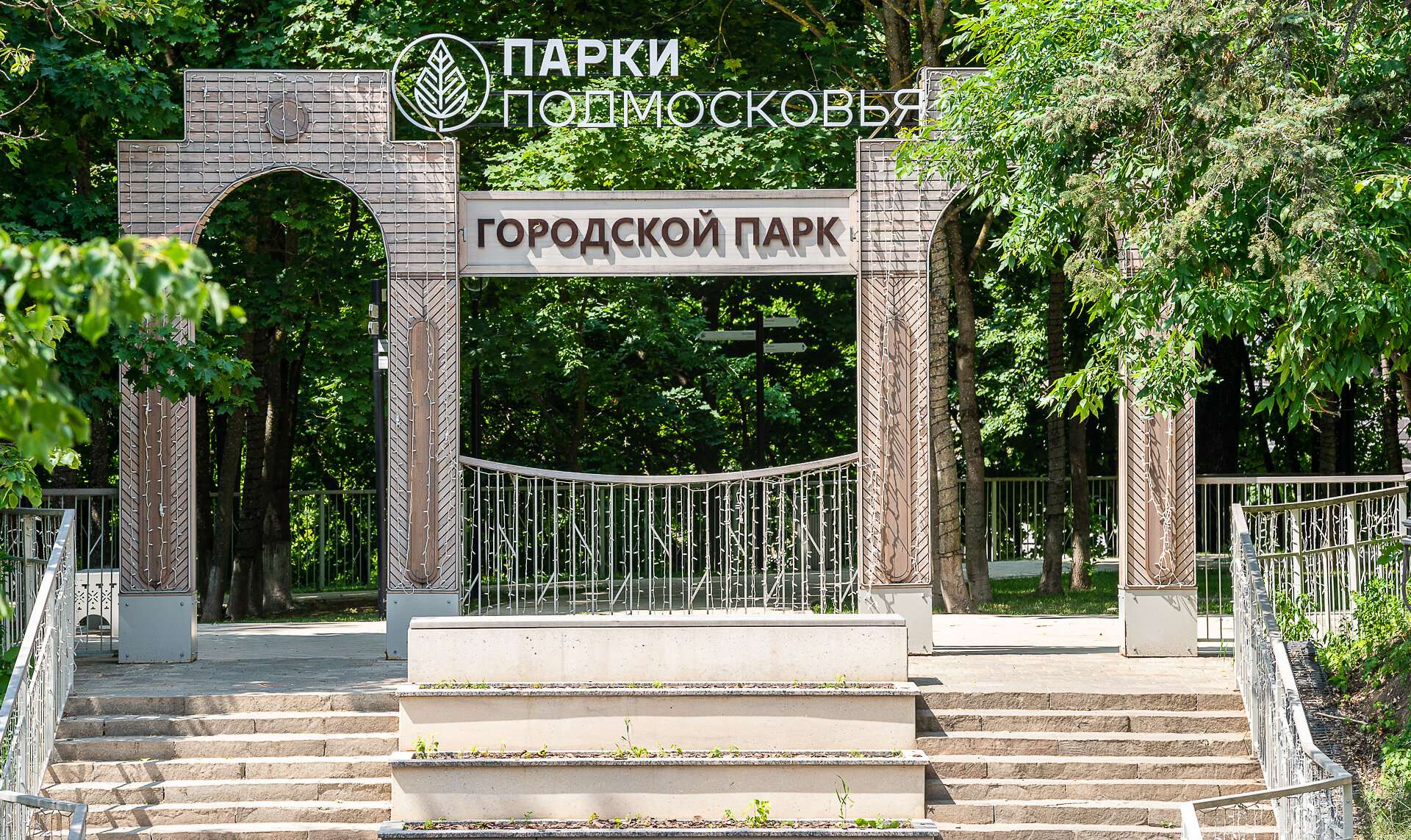
    Zvenigorod Town Park

    🌿 Public garden or park

Ramparts of the Zvenigorod Kremlin in Zvenigorod

Point on route “Zvenigorod: At the Call of the Bell”

Ramparts of the Zvenigorod Kremlin — point on route “Zvenigorod: At the Call of the Bell”

Point 5

Ramparts of the Zvenigorod Kremlin

🏯 Fortress remains • 🕵️ Urban legend

History of the Site

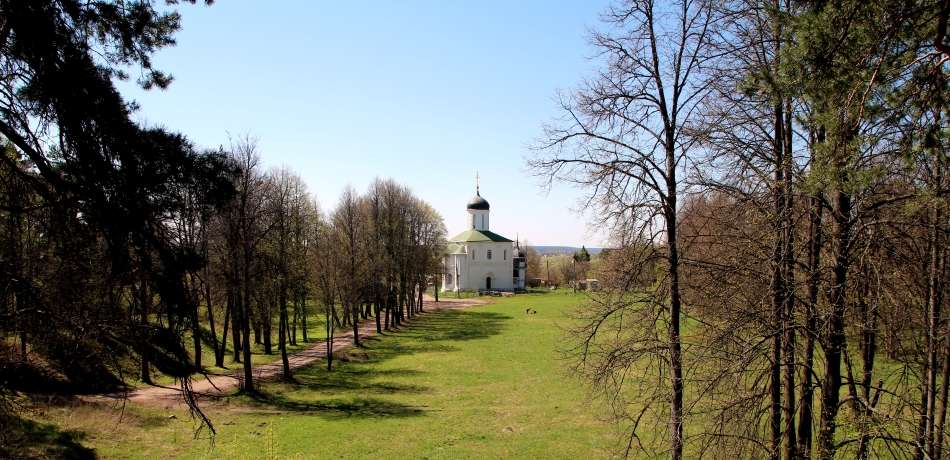
Zvenigorod's Gorodok (“little town”) is an ancient fortress on a high hill by the left bank of the Moskva River, probably founded in the 12th or 13th century. The first written mention dates to 1339, when Zvenigorod became the center of an appanage principality. Under Prince Yury Dmitrievich at the end of the 14th century, the Gorodok was given powerful fortifications: earthen ramparts up to eight meters (26 ft) high with steep slopes coated in clay, which made them slippery for attackers. Wooden walls and towers with loopholes stood on top of the ramparts, so the defenders could easily climb up while enemies struggled to scale them.

How the Fortress Was Built

The ramparts had a wooden core of log frames filled with clay. On the outside the rampart sloped at about 70 degrees. The top of the rampart was paved with small cobblestones so the defenders could move about freely even in bad weather. Four towers stood at the corners, strengthening the walls. Ravines and the Moskva and Zhernovka Rivers formed natural barriers on three sides. This combination of natural and man-made defenses made the Gorodok a reliable outpost on the western borders of the Principality of Moscow.

Later History

In 1395 Prince Yury Dmitrievich built a wooden “golden” palace-terem in the center of the Gorodok and, next to it, the white stone Dormition Cathedral. The fortress's defenses were tested more than once: the Tatars took it twice (in 1382 and 1408). By the end of the 15th century the Gorodok had lost much of its strategic importance. In the 16th and 17th centuries its role as a defensive fortress passed to the nearby Savvino-Storozhevsky Monastery. Today the earthen ramparts and the Dormition Cathedral survive, and new churches have been built nearby, carrying on the Orthodox tradition of this holy place.