←Zvenigorod: At the Call of the Bell

Zvenigorod: At the Call of the Bell

Photo of route “Zvenigorod: At the Call of the Bell”
8 points0 km0 hours

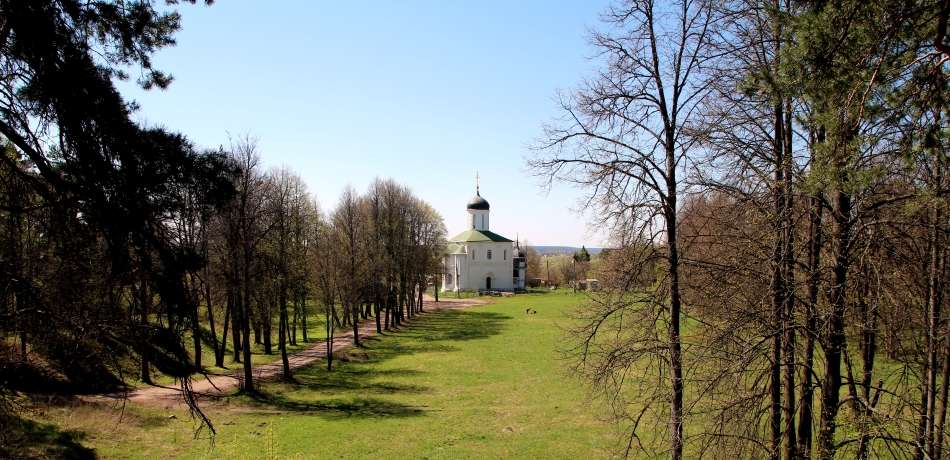
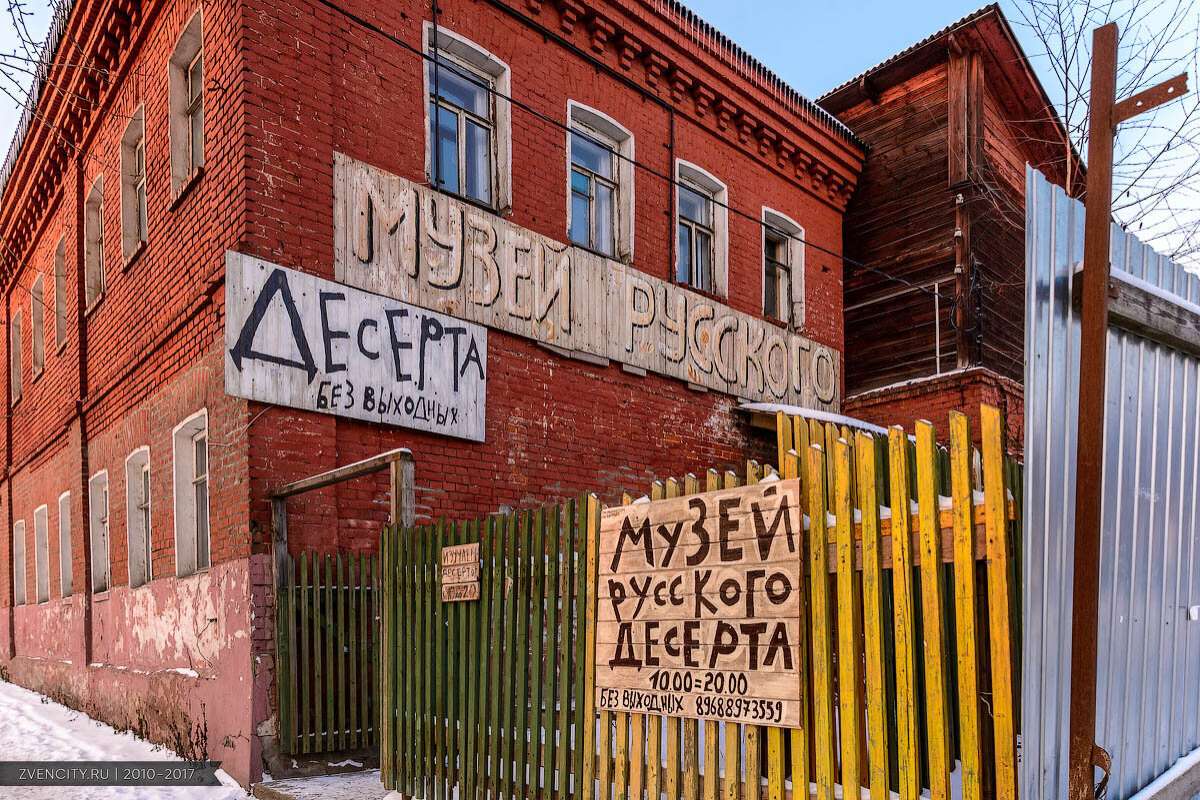
Zvenigorod is an ancient town near Moscow set among picturesque hills. In a single day you can see the Savvino-Storozhevsky Monastery and the Dormition Cathedral with its 15th-century frescoes, stroll through the town park and visit the Museum of Russian Desserts.

Things to do

  • 📜 Learn the city's history
  • 🏰🕵️‍♂️ Discover a legend
  • 🗺️🎒 Themed route

Route points (8)

  1. Palace of Tsar Alexei Mikhailovich — point on route “Zvenigorod: At the Call of the Bell”

    Palace of Tsar Alexei Mikhailovich

    📜 Historic site · 🏰 Palace

  2. Savvino-Storozhevsky Monastery — point on route “Zvenigorod: At the Call of the Bell”

    Savvino-Storozhevsky Monastery

    🕍 Place of worship · 🕵️ Urban legend · 📜 Historic site

  3. Tsaritsa's Chambers — point on route “Zvenigorod: At the Call of the Bell”

    Tsaritsa's Chambers

    🕵️ Urban legend · 🏰 Palace · 📜 Historic site

  4. Dormition Cathedral — point on route “Zvenigorod: At the Call of the Bell”

    Dormition Cathedral

    🕍 Place of worship · 📜 Historic site

  5. Ramparts of the Zvenigorod Kremlin — point on route “Zvenigorod: At the Call of the Bell”

    Ramparts of the Zvenigorod Kremlin

    🏯 Fortress remains · 🕵️ Urban legend

  6. Museum of Russian Desserts — point on route “Zvenigorod: At the Call of the Bell”

    Museum of Russian Desserts

    🏛️ Museum

  7. The Great Annunciation Bell — point on route “Zvenigorod: At the Call of the Bell”

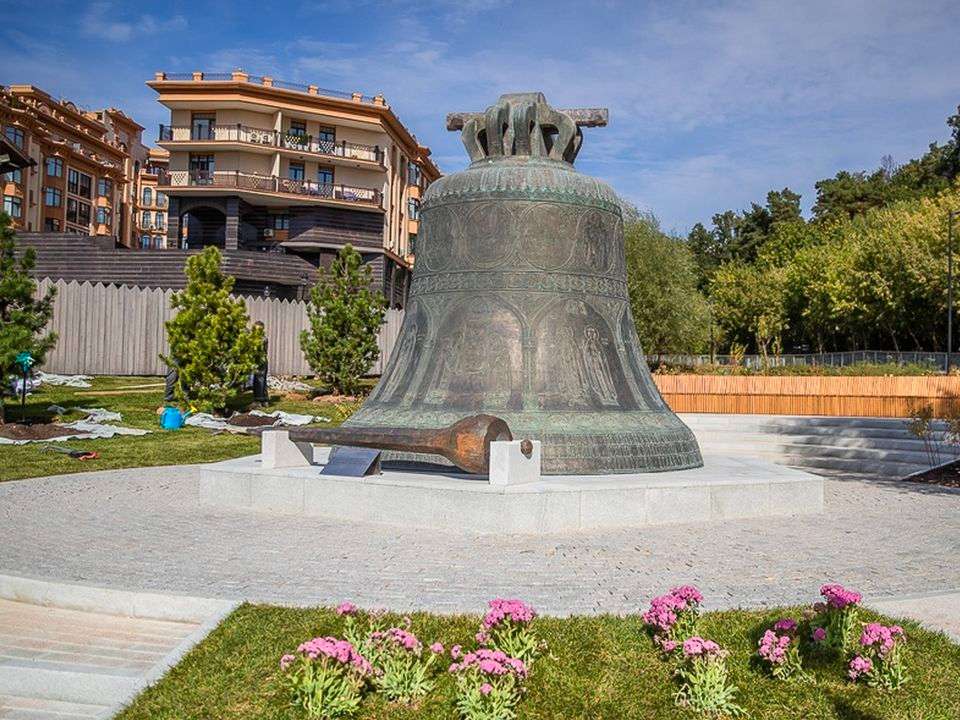
    The Great Annunciation Bell

    🗿 Sculptures

  8. Zvenigorod Town Park — point on route “Zvenigorod: At the Call of the Bell”

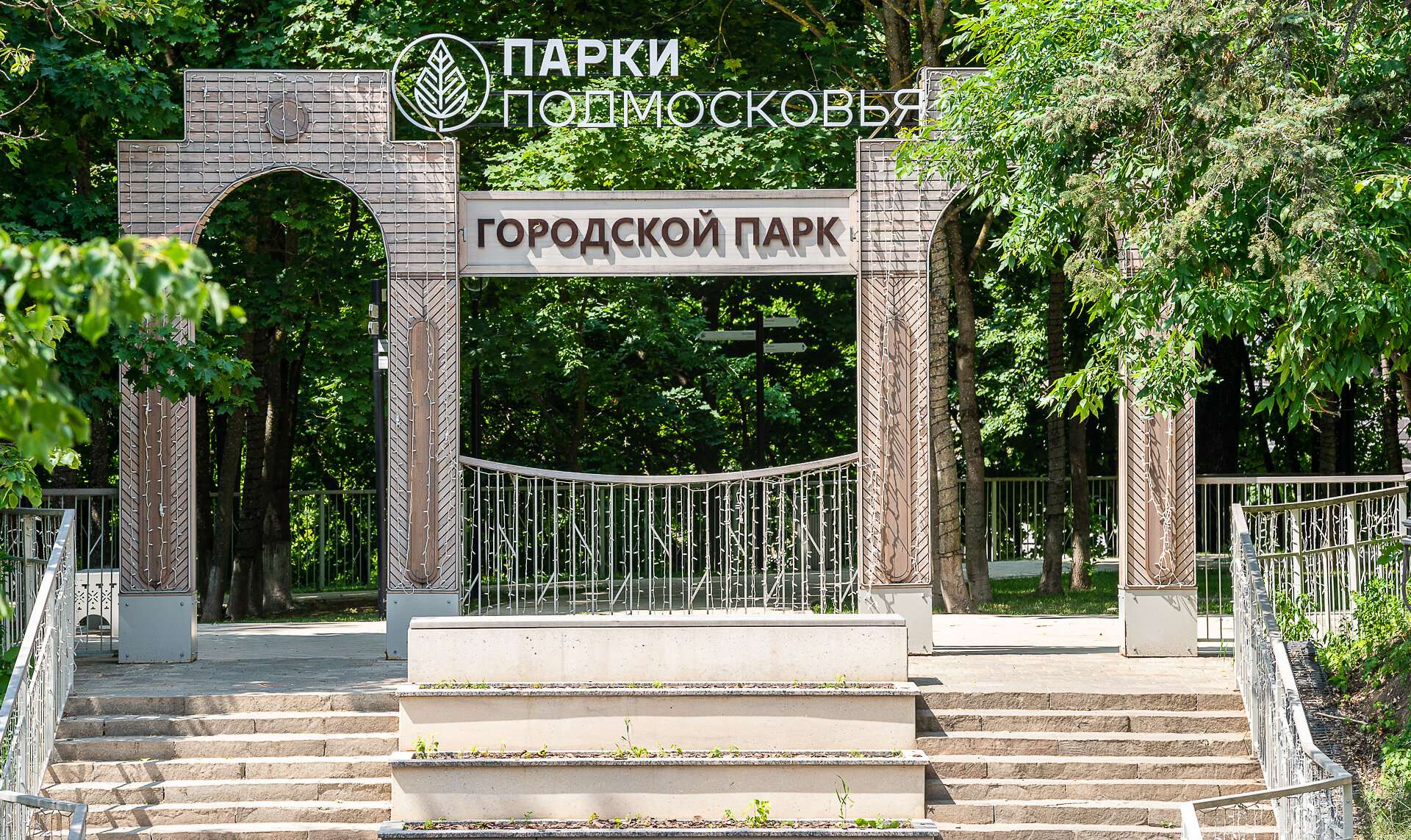
    Zvenigorod Town Park

    🌿 Public garden or park

Savvino-Storozhevsky Monastery in Zvenigorod

Point on route “Zvenigorod: At the Call of the Bell”

Savvino-Storozhevsky Monastery — point on route “Zvenigorod: At the Call of the Bell”

Point 2

Savvino-Storozhevsky Monastery

🕍 Place of worship • 🕵️ Urban legend • 📜 Historic site

Historical Origins

The Savvino-Storozhevsky Monastery is one of the oldest monasteries in the Moscow Region. It was founded in 1398 by St. Savva, a disciple of St. Sergius of Radonezh, at the request of Prince Yury Dmitrievich of Zvenigorod. At first the monastery had a wooden church, while Savva himself lived in a cave he had dug on Storozha Hill, a spot with natural shelter and a view of the Moskva River, an important route at the time. Within its first decades the monastery became a spiritual and defensive center and received the surrounding lands and forests with wild-bee hives as gifts.

Role in the Region's History

Over time the monastery became a possession of the princely family and an outpost on Moscow's western frontier. Until the end of the 17th century its high stone walls with loopholes and a watchtower protected it from raids. Moscow's grand princes and tsars visited it many times; Alexei Mikhailovich built country chambers here for himself and his wife, and the finest craftsmen decorated its churches. During the Time of Troubles the monastery remained a place of prayer and a refuge. In the 19th century it kept sacred relics, including famous icons that were carried out for public prayer services.

Architectural Features

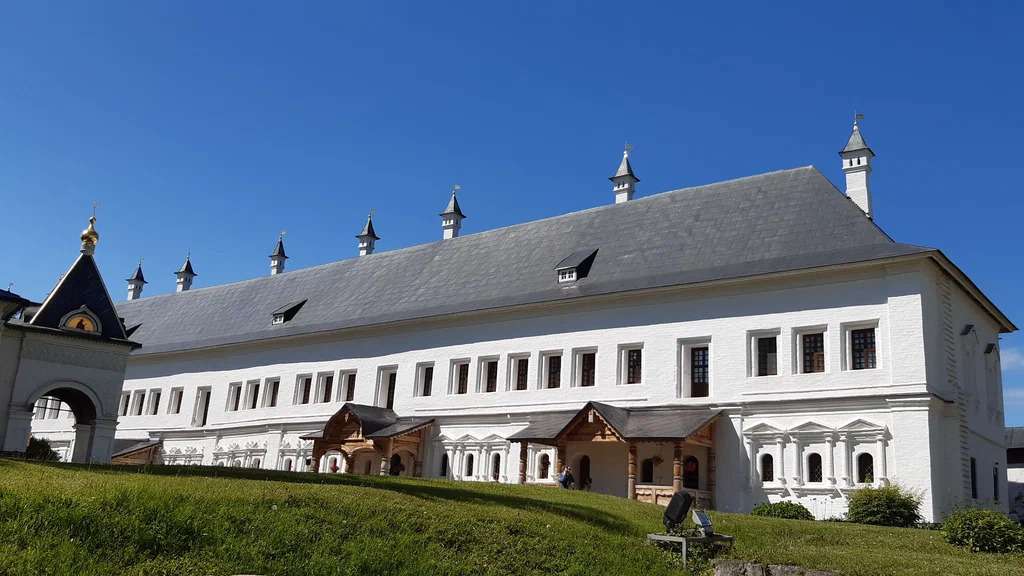
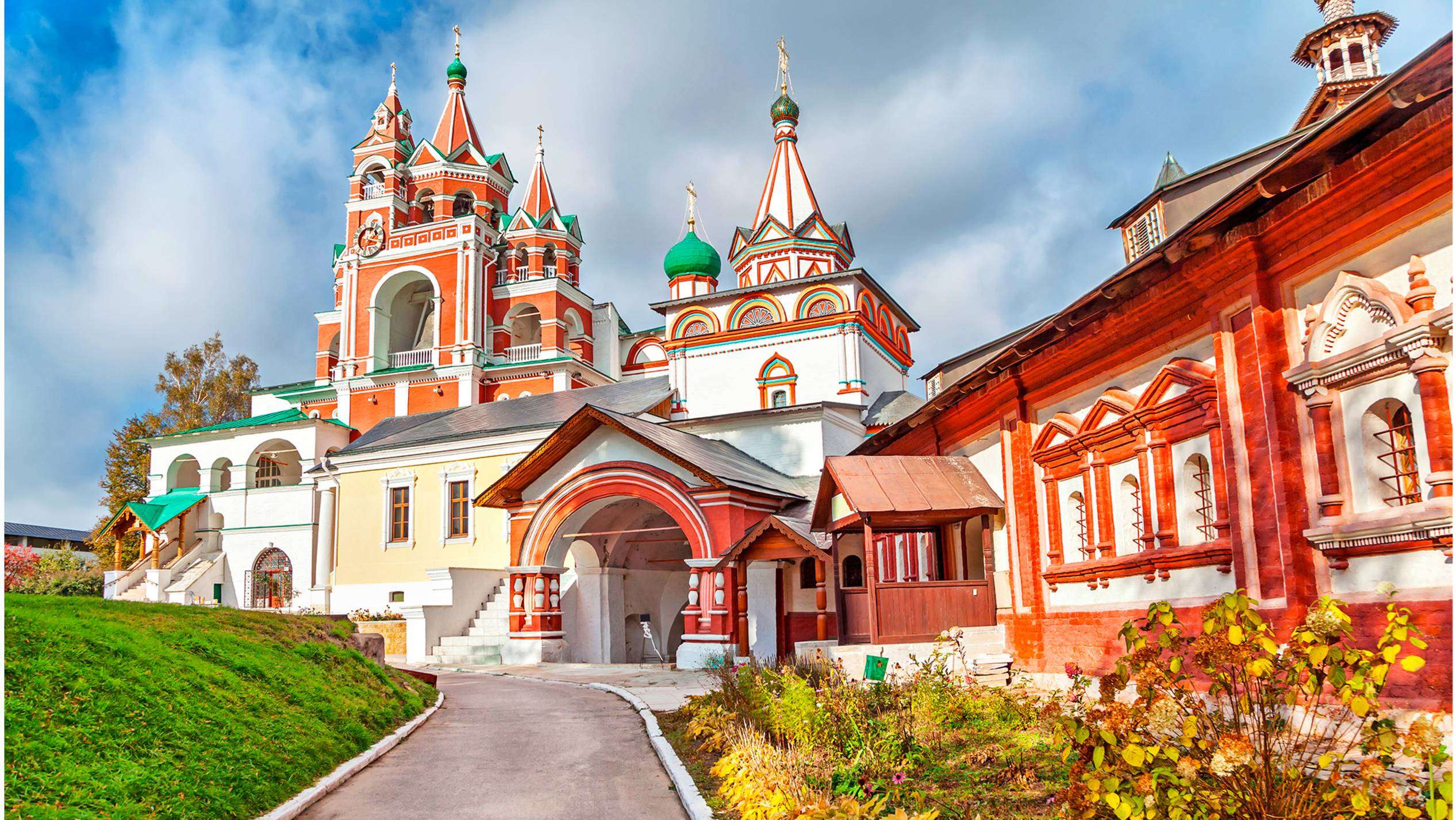
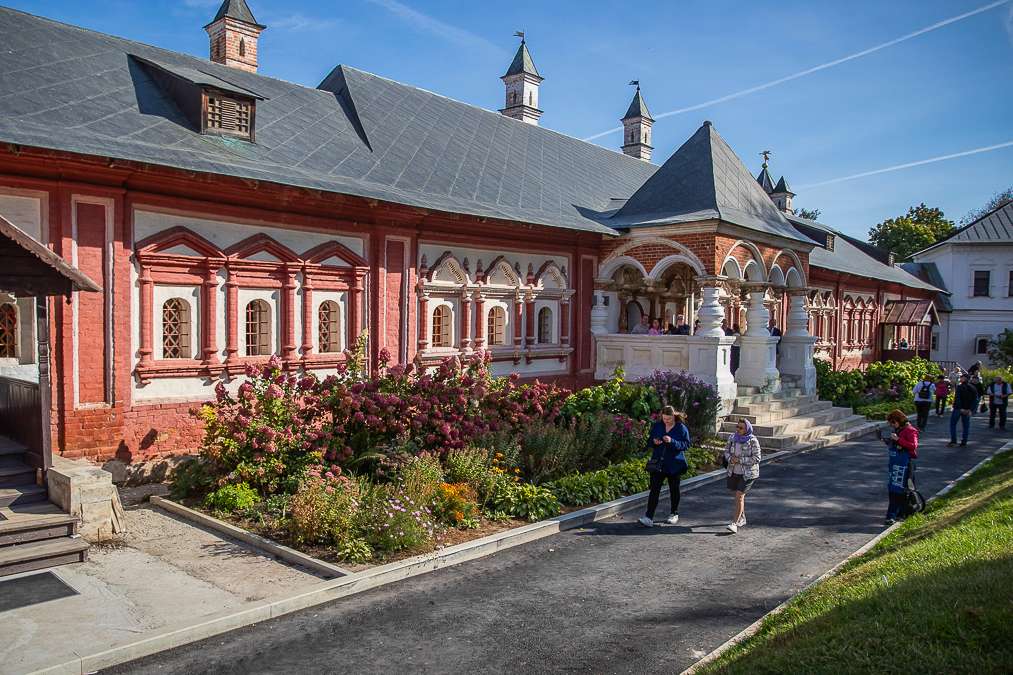
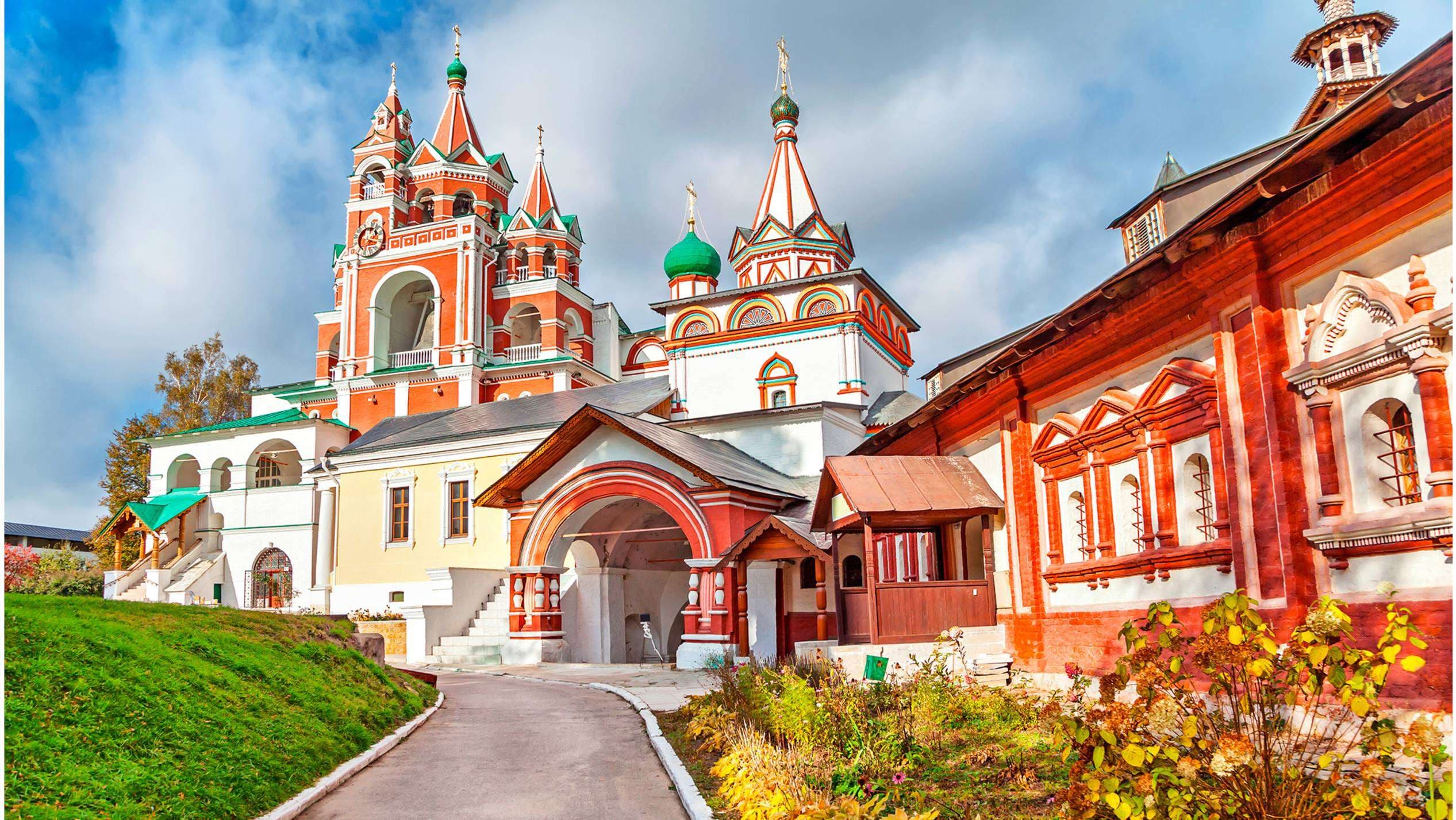
Monuments from different eras survive on the grounds. The heart of the monastery is the Cathedral of the Nativity of the Mother of God with its ancient frescoes, along with the bell tower with its tent-roofed towers and the Trinity Gate Church. Here you'll also find the Tsar's Palace, the Tsaritsa's Chambers, service buildings and the Provisions Tower with a bakery shop. The monastery walls and Storozha Hill offer views of the surrounding countryside, and inside you can buy monastery pastries and kvass made from old recipes.

The Monastery in Modern Times

In the Soviet period the monastery was closed, some buildings were damaged, and parts of it were taken over by the military and a sanatorium. Only at the end of the 20th century did monastic life begin to revive and the buildings start to be restored. In 1998 the relics of St. Savva were returned to the monastery. Today the Savvino-Storozhevsky Monastery is a popular destination for pilgrims and tourists, a spiritual center with a rich history.