 9 points
 2 km
 3 hours


Historical Background
Until 1917 the estate belonged to Grand Duke Konstantin Romanov. The church was built in memory of the Grand Duke's son Oleg. The young man lived a short but bright life, and after his death sad events unfolded.
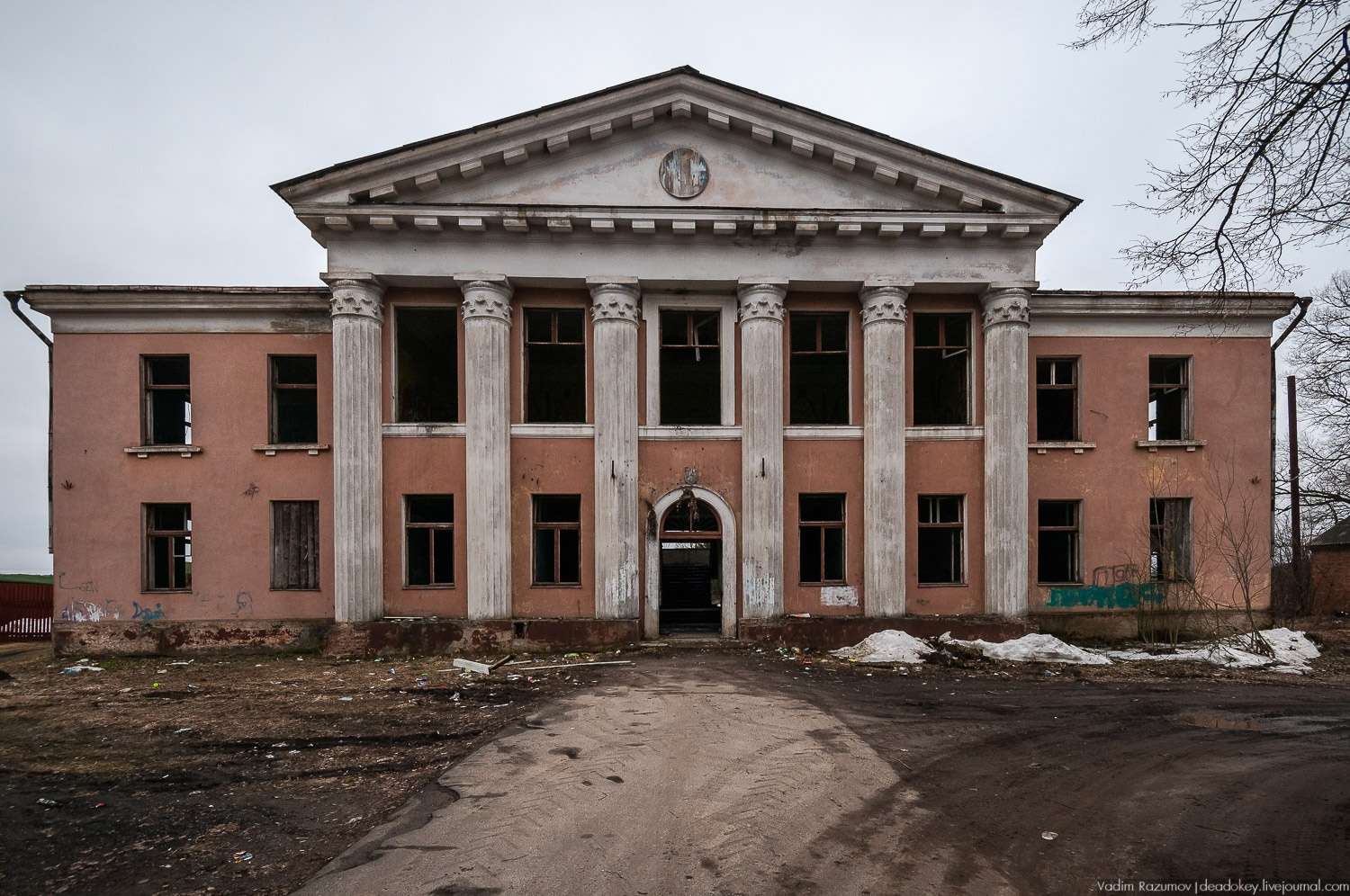
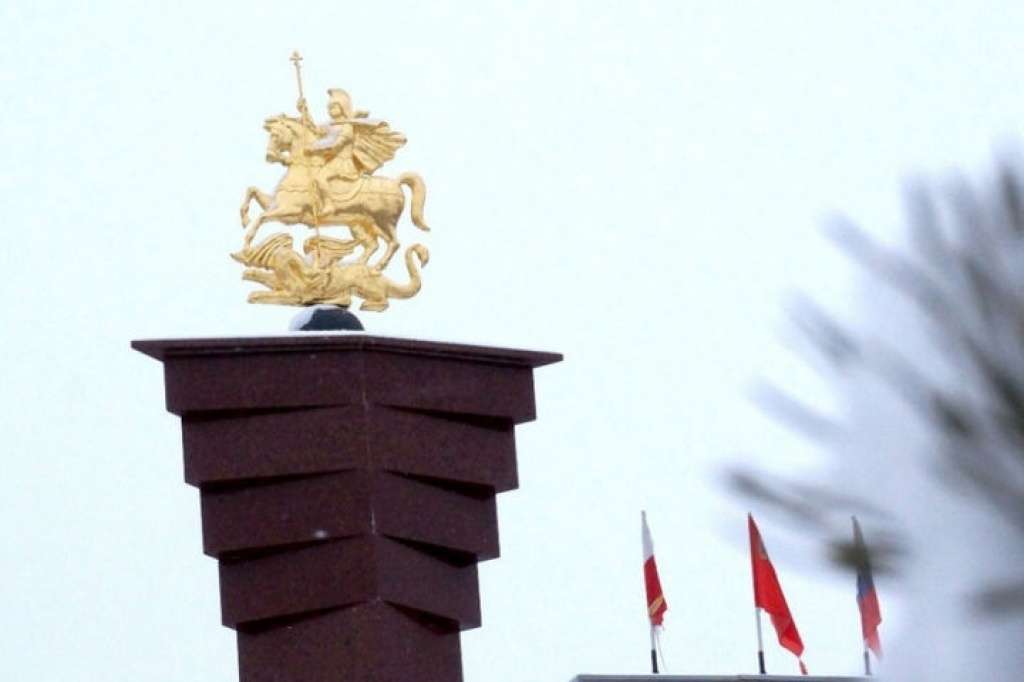
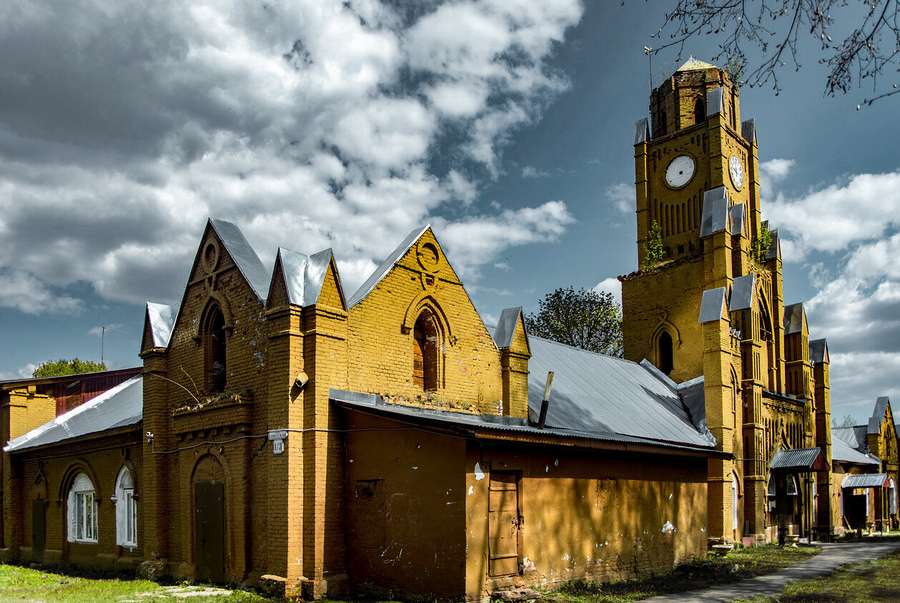
A village with a rich history. Learn about the fate of the Romanov estate wrecked by the Bolsheviks, the partisan raids carried out by schoolchildren and the battles of World War II. See the half-ruined estate side by side with the houses of local residents. Try to find the Decembrists' hidden constitution — or simply relax on the bank of the Ruza.
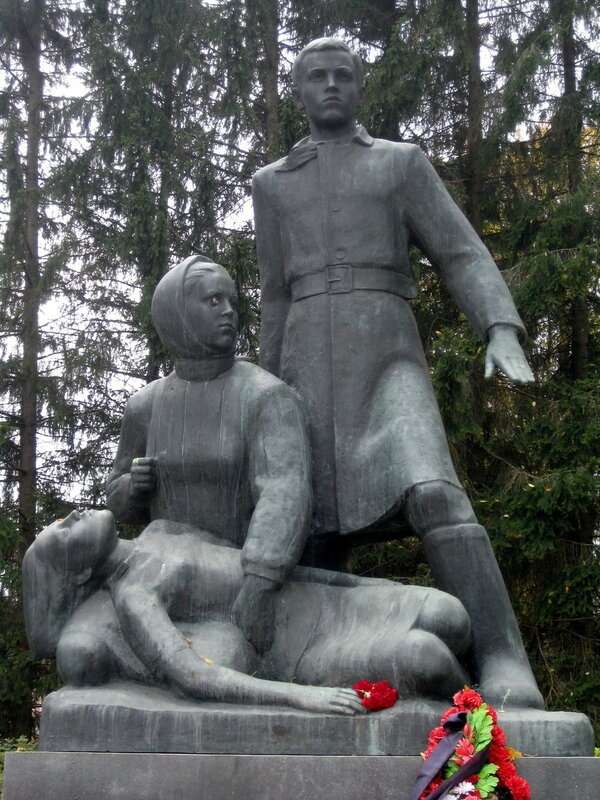
Monument to the Young Partisans
🗿 Monument
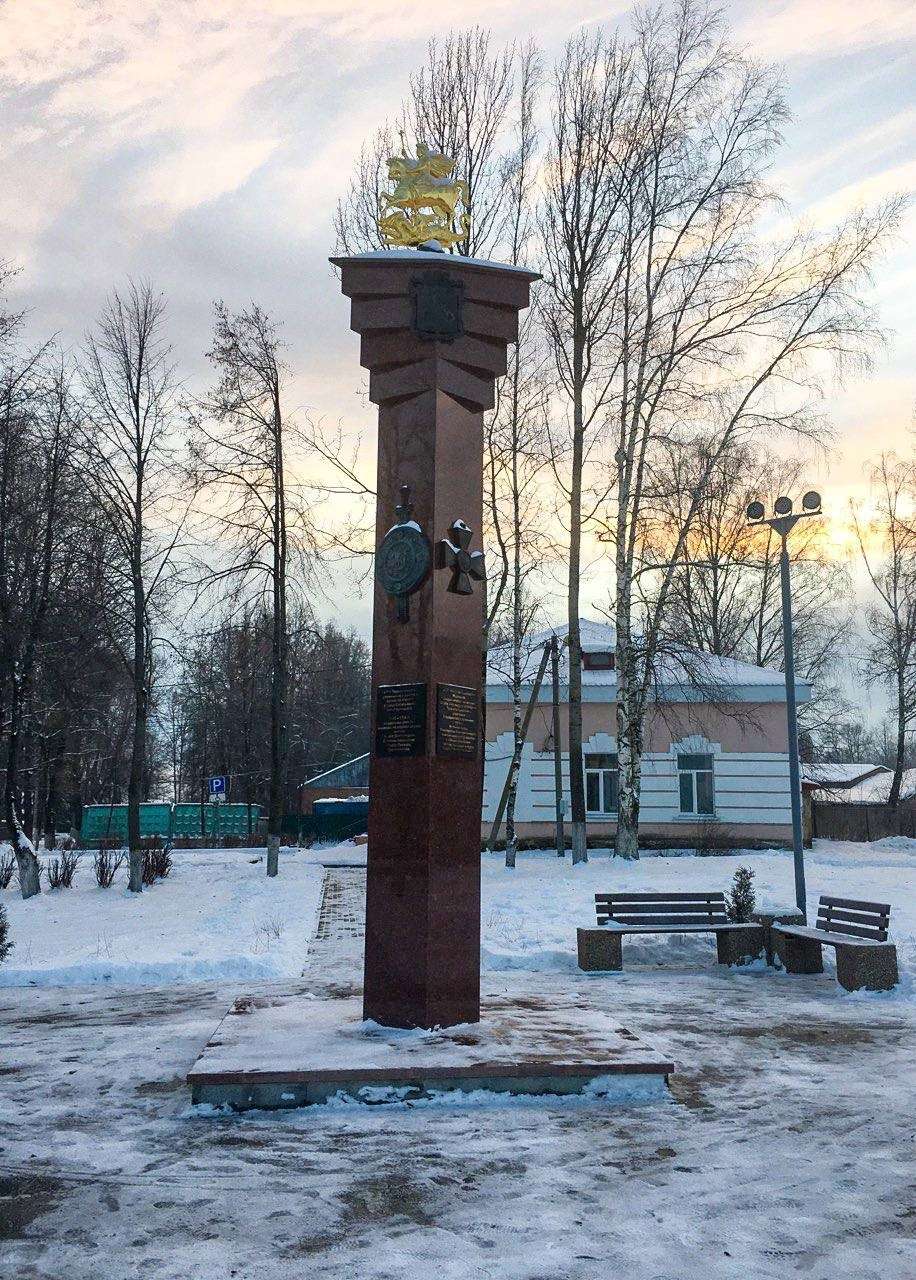
Settlement of Military Valor
🗿 Sculptures
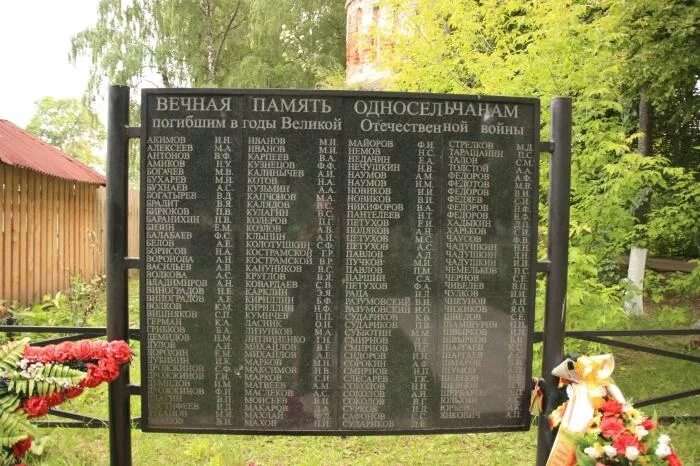
Mass Grave
🗿 Monument · 📜 Historic site
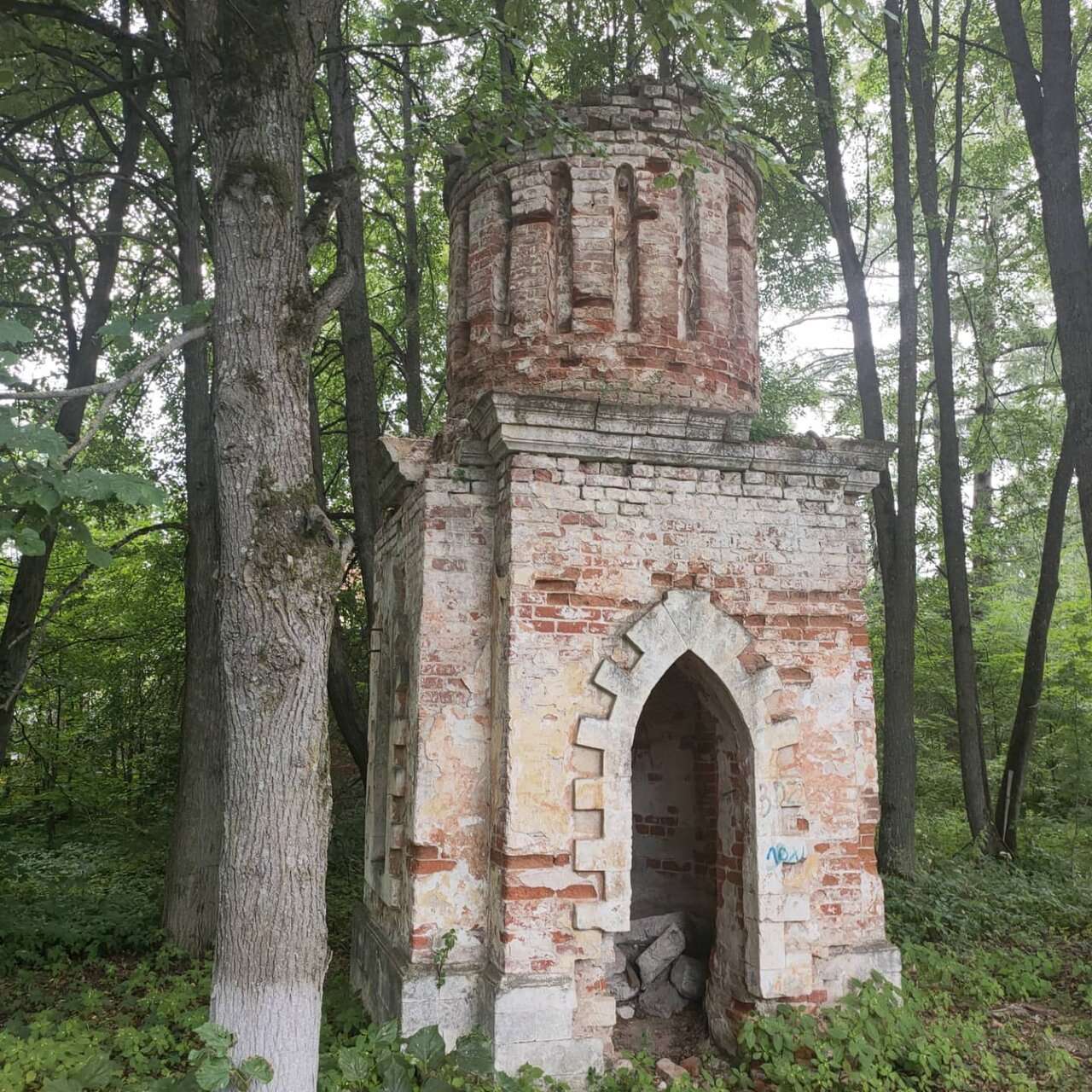
Estate Entrance Tower
🏟️ Architectural landmark · 📜 Historic site
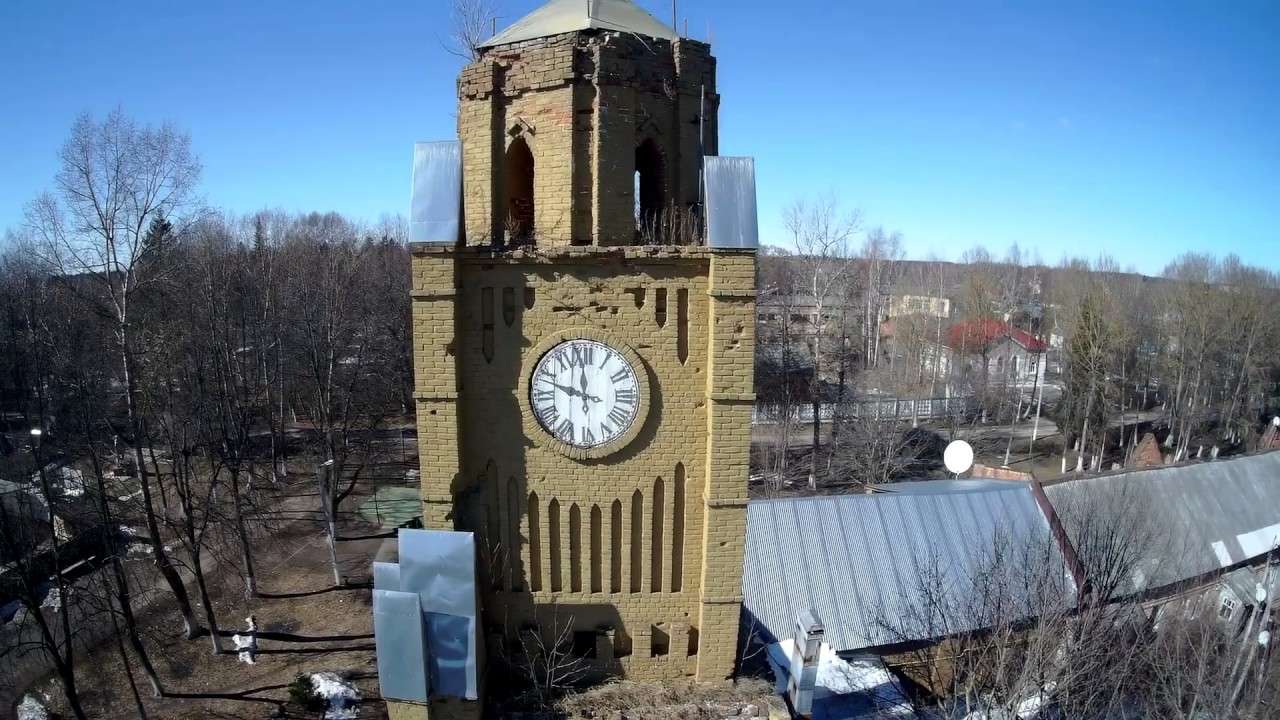
Fire Watchtower
🏟️ Architectural landmark · ⚙️ Industrial site · 🕵️ Urban legend
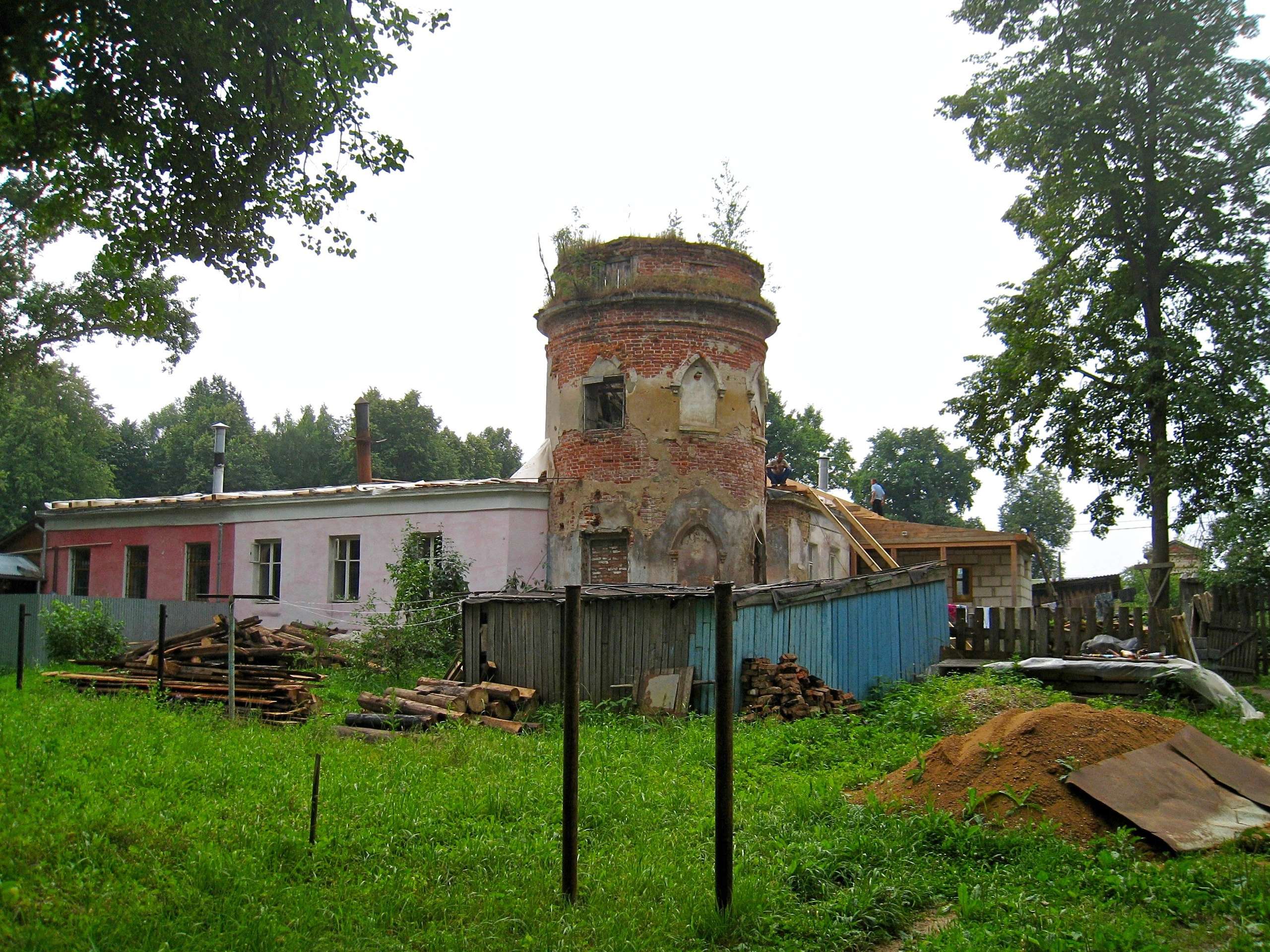
Entrance Tower Attached to a House
🏟️ Architectural landmark · 📜 Historic site

Entrance Gate Tower
🏟️ Architectural landmark · 📜 Historic site
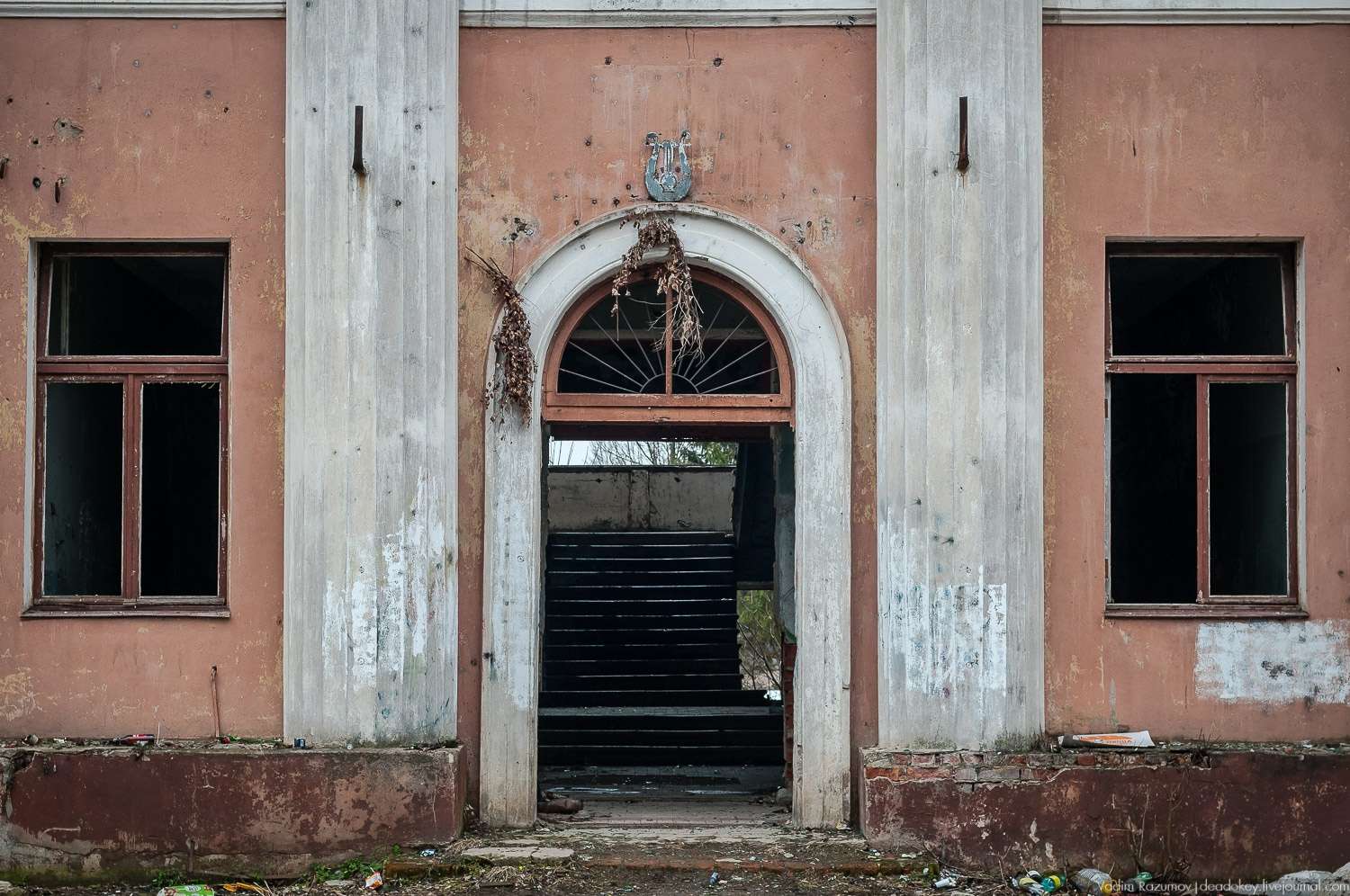
Main Estate Building
📜 Historic site · 🏟️ Architectural landmark · 🕵️ Urban legend
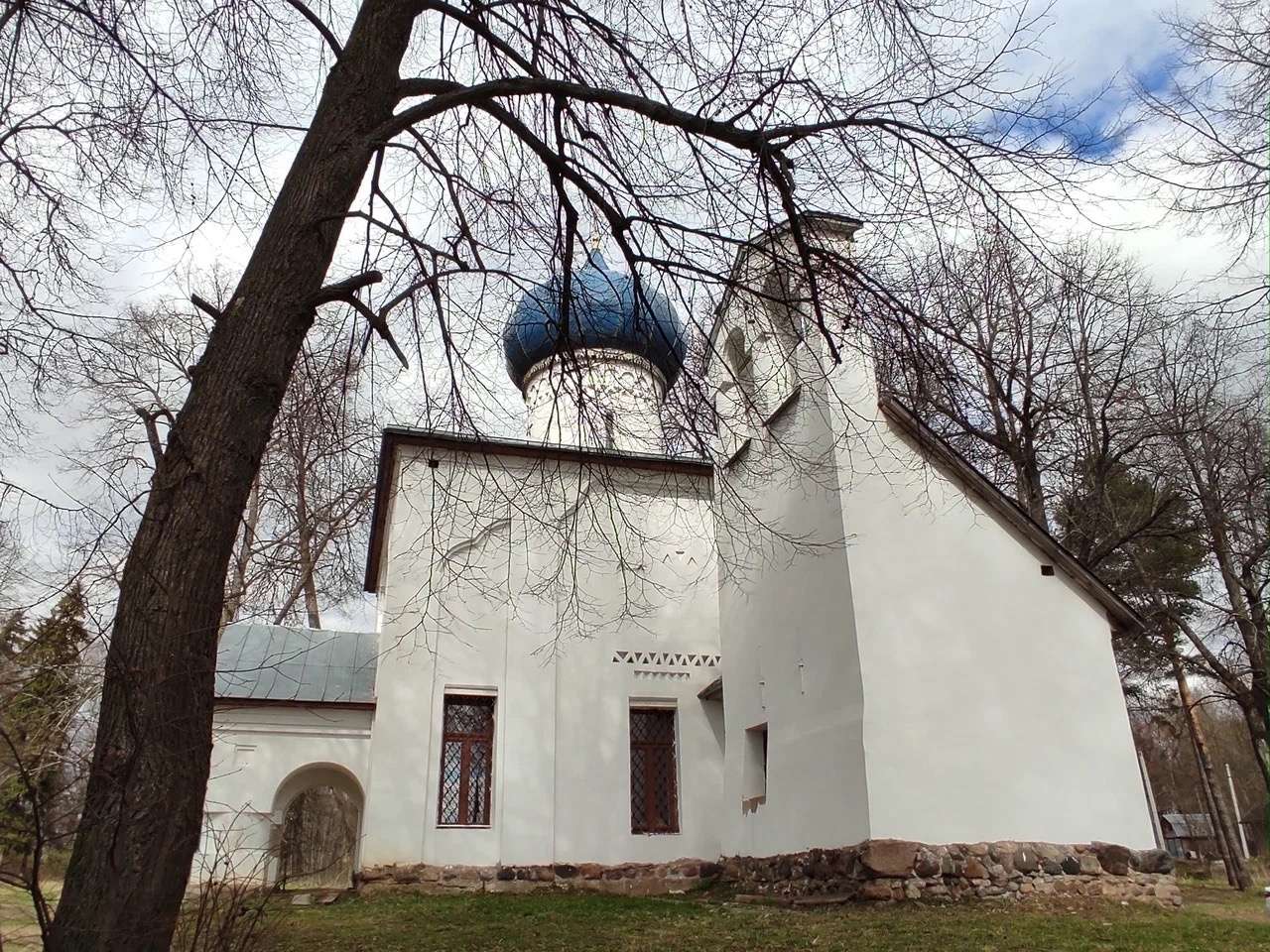
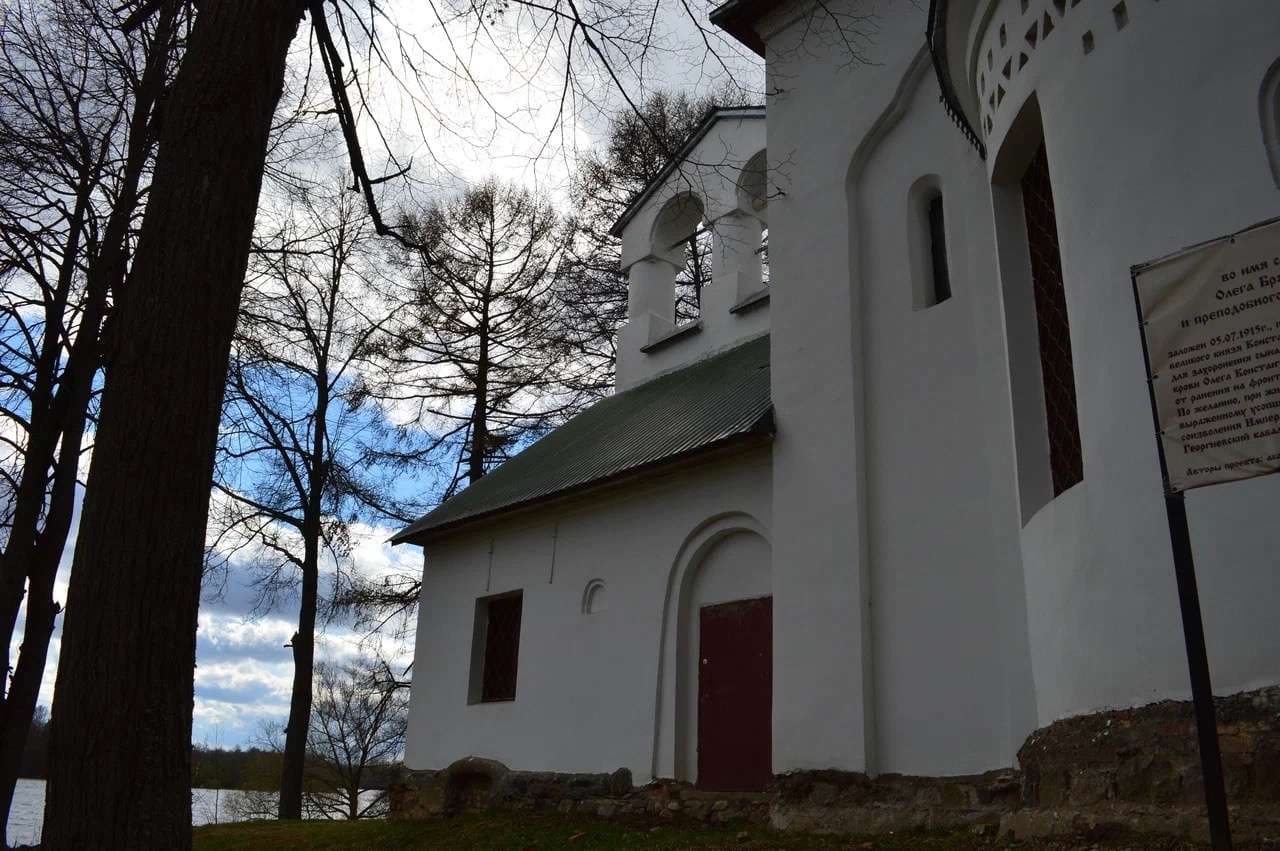
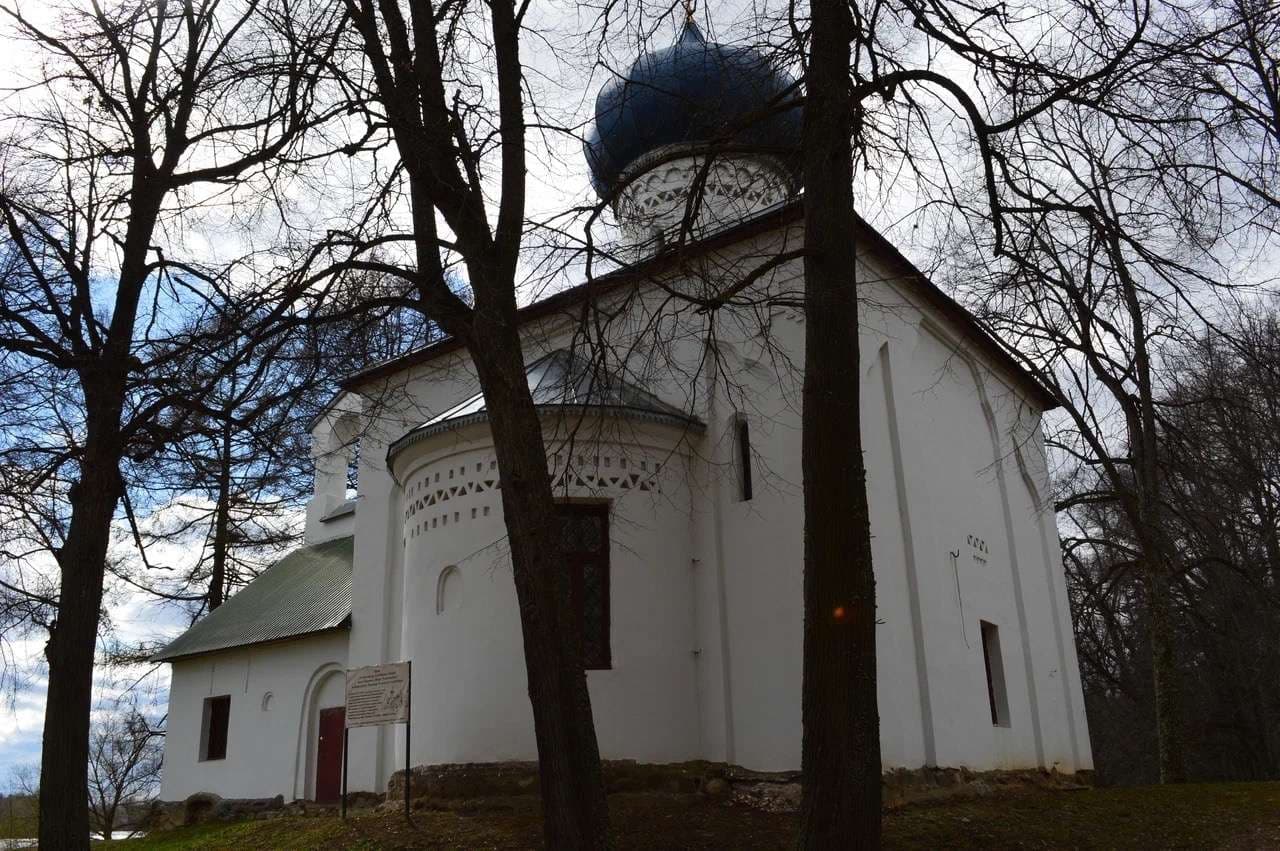
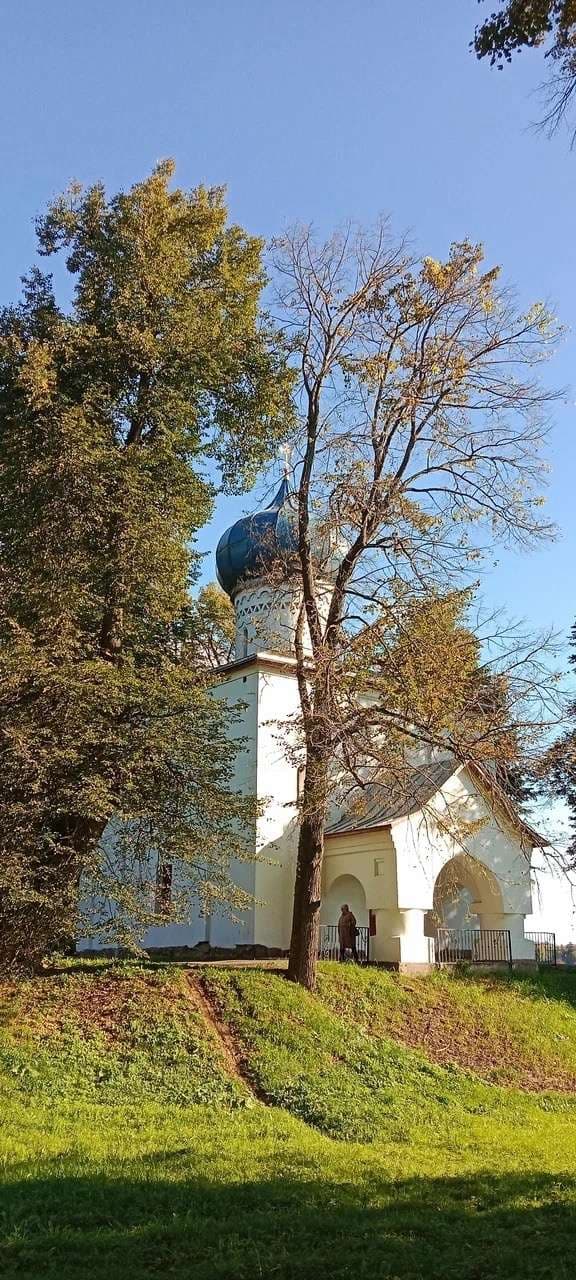
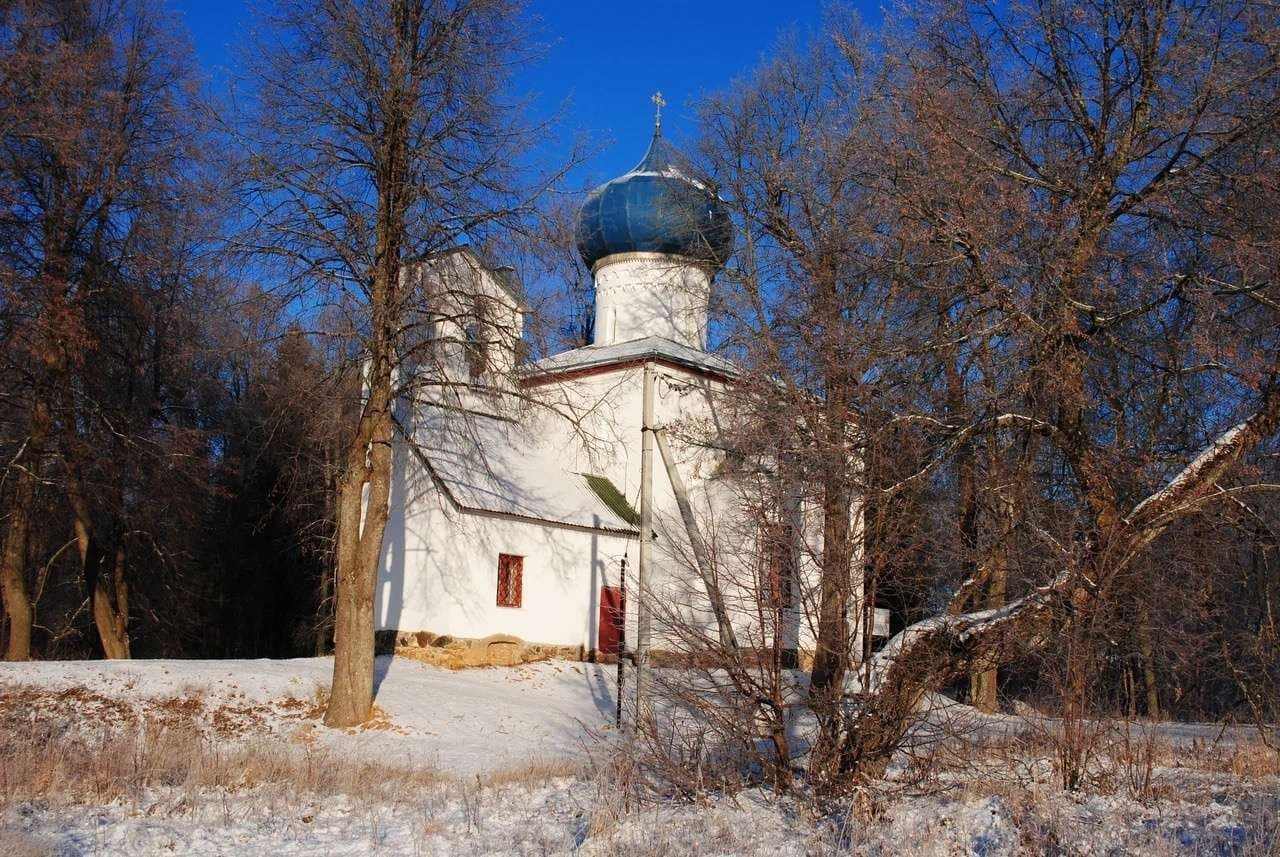
Church of Sts. Oleg of Bryansk, Seraphim of Sarov and Igor of Chernigov
🕍 Place of worship · 📜 Historic site · 🕵️ Urban legend
Point 9
🕍 Place of worship • 📜 Historic site • 🕵️ Urban legend
Until 1917 the estate belonged to Grand Duke Konstantin Romanov. The church was built in memory of the Grand Duke's son Oleg. The young man lived a short but bright life, and after his death sad events unfolded.
Oleg was a romantic young man. He graduated from the Alexander Lyceum, loved writing poetry and was a true fan of Alexander Pushkin. In 1913 he joined the Life Guards Hussar Regiment: it mattered to him to show that even in hard times the royal family stood in defense of the state. In 1914 he was wounded in a skirmish with the Germans and died soon after.
While still alive, Oleg chose the place for his grave: a steep hill overlooking the Ruza River on his father's Ostashevo estate. And that is where he was buried. The people of Ostashevo loved the young prince dearly: the funeral procession stretched all the way from Volokolamsk railway station to the estate.
Work on the memorial church and burial vault began in June 1915. The state councilor Sergei Smirnov, an expert on Russian antiquities, was invited to build it. The church was funded by donations from private individuals and members of other European royal dynasties.
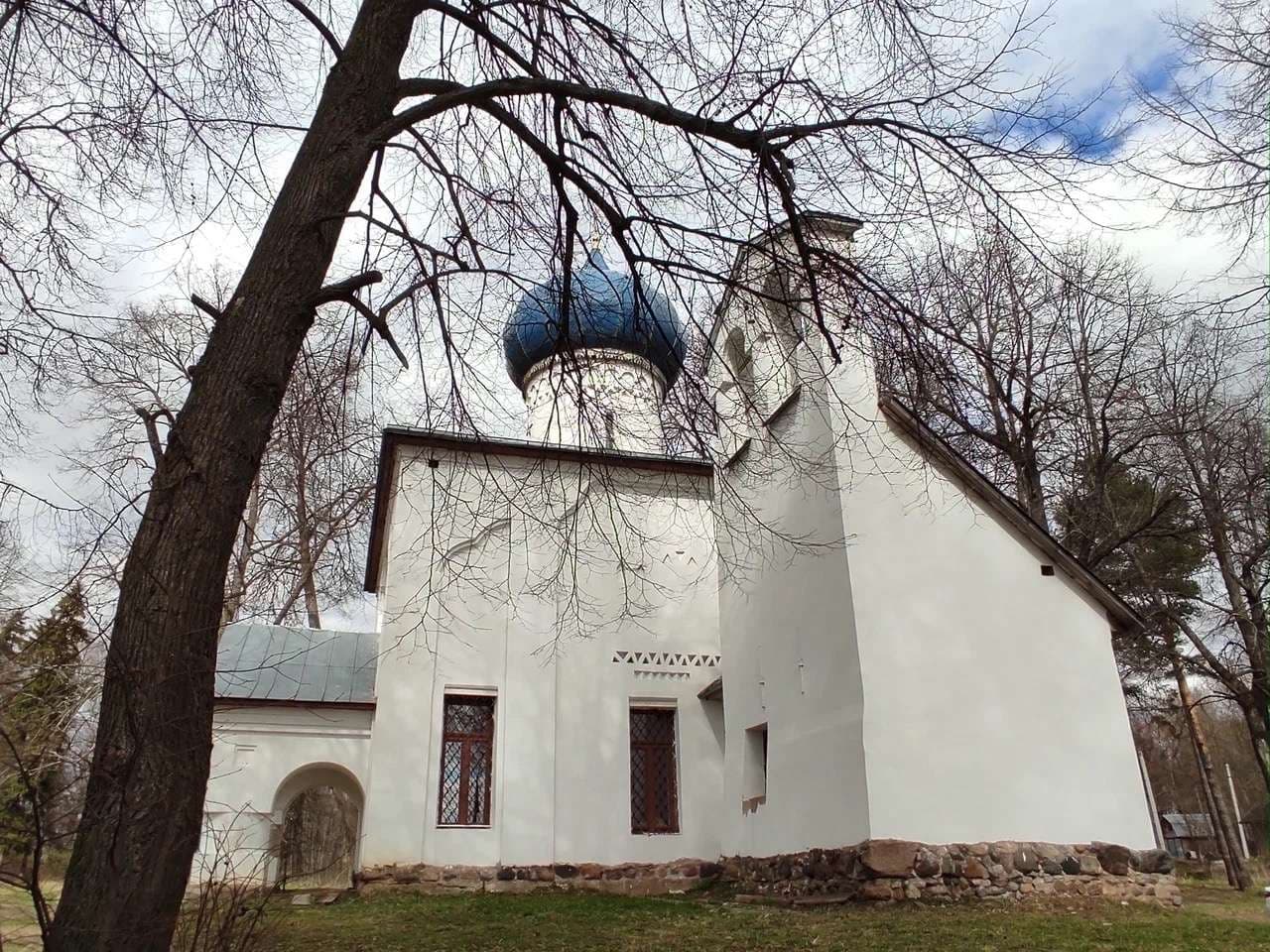
The church was built in the style of pre-Mongol architecture. Smirnov most likely borrowed ideas from the Church of the Prophet Elijah in Vybuty near Pskov.
In March 1917 the funding stopped, and the prince's body was never moved into the vault. His grave was desecrated several times by people looking for the golden saber he was supposedly buried with. In 1920 the remains were reburied on the opposite bank of the Ruza. Ten years later the church was looted and adapted for private use. To this day no one knows where the young Prince Oleg's remains are.
Point on route “Ostashevo Estate”
Point 9
🕍 Place of worship • 📜 Historic site • 🕵️ Urban legend
Until 1917 the estate belonged to Grand Duke Konstantin Romanov. The church was built in memory of the Grand Duke's son Oleg. The young man lived a short but bright life, and after his death sad events unfolded.
Oleg was a romantic young man. He graduated from the Alexander Lyceum, loved writing poetry and was a true fan of Alexander Pushkin. In 1913 he joined the Life Guards Hussar Regiment: it mattered to him to show that even in hard times the royal family stood in defense of the state. In 1914 he was wounded in a skirmish with the Germans and died soon after.
While still alive, Oleg chose the place for his grave: a steep hill overlooking the Ruza River on his father's Ostashevo estate. And that is where he was buried. The people of Ostashevo loved the young prince dearly: the funeral procession stretched all the way from Volokolamsk railway station to the estate.
Work on the memorial church and burial vault began in June 1915. The state councilor Sergei Smirnov, an expert on Russian antiquities, was invited to build it. The church was funded by donations from private individuals and members of other European royal dynasties.
The church was built in the style of pre-Mongol architecture. Smirnov most likely borrowed ideas from the Church of the Prophet Elijah in Vybuty near Pskov.
In March 1917 the funding stopped, and the prince's body was never moved into the vault. His grave was desecrated several times by people looking for the golden saber he was supposedly buried with. In 1920 the remains were reburied on the opposite bank of the Ruza. Ten years later the church was looted and adapted for private use. To this day no one knows where the young Prince Oleg's remains are.