←Discovering Volkhov

Discovering Volkhov

Photo of route “Discovering Volkhov”
7 points13 km1.5 hours

Volkhov is a small town on both banks of the river of the same name, where it flows into Lake Ladoga, 122 km east of St. Petersburg. We tell you about the main sights of a town that grew up around the river, the railway and the Volkhov hydroelectric station. This route was designed specially for the BelkaCar car-sharing service.

Things to do

  • 📜 Learn the city's history
  • 🏛️🕰️ Compare the eras

Route points (7)

  1. Railway Station (Volkhovstroy-1) — point on route “Discovering Volkhov”

    Railway Station (Volkhovstroy-1)

    🚂 Railway station

  2. Locomotive Monument Eu 708-64 — point on route “Discovering Volkhov”

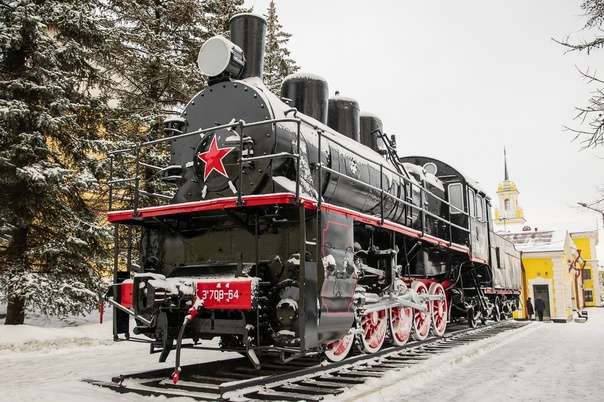
    Locomotive Monument Eu 708-64

    🗿 Monument

  3. Church of the Archangel Michael — point on route “Discovering Volkhov”

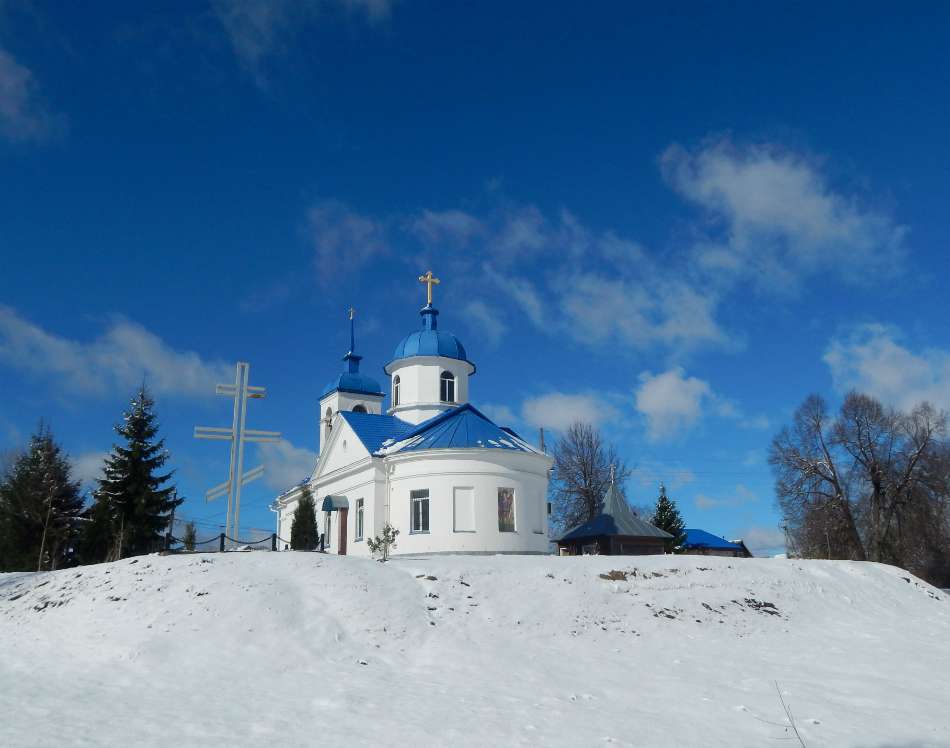
    Church of the Archangel Michael

    🕍 Place of worship

  4. Volkhov Hydroelectric Station — point on route “Discovering Volkhov”

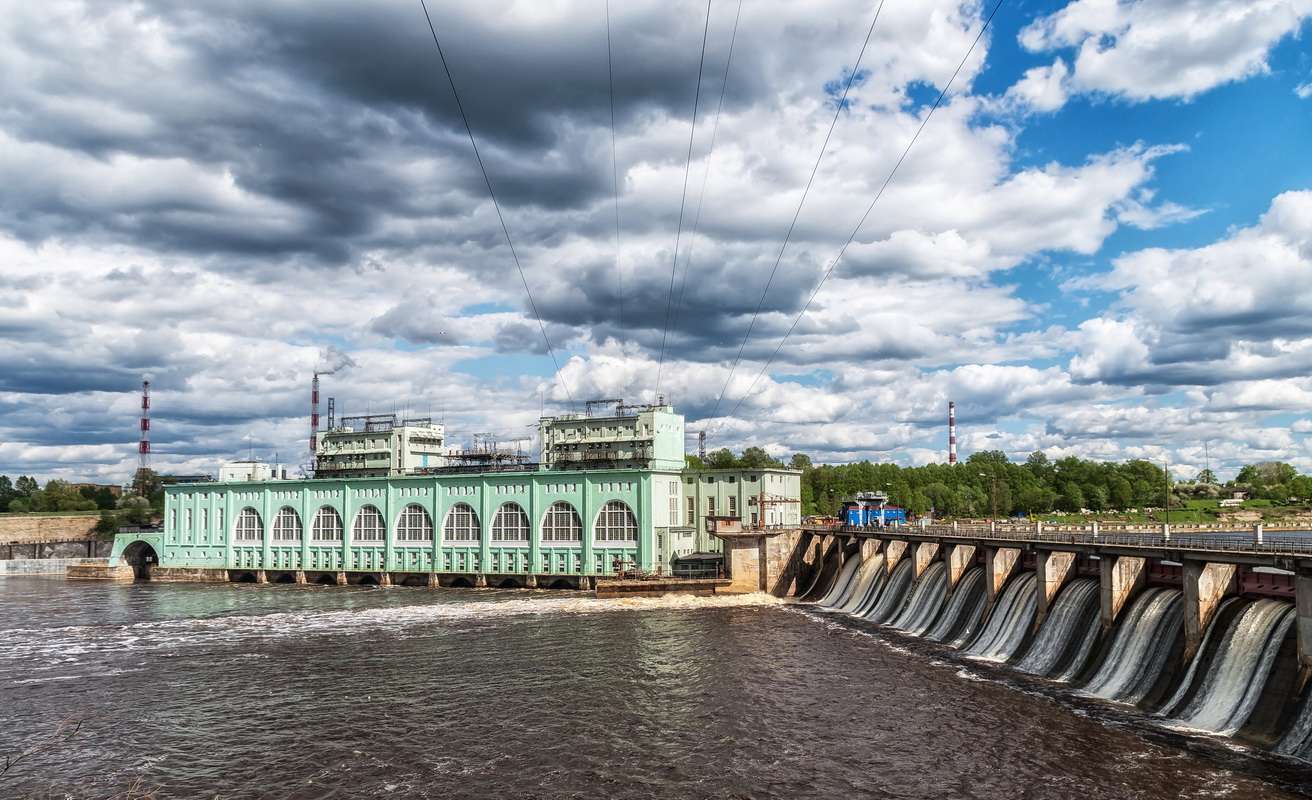
    Volkhov Hydroelectric Station

    ⚙️ Industrial site

  5. Cathedral of St. Andrew — point on route “Discovering Volkhov”

    Cathedral of St. Andrew

    🕍 Place of worship

  6. Fifteenth Element Interactive Center — point on route “Discovering Volkhov”

    Fifteenth Element Interactive Center

    🏛️ Museum

  7. Church of the Prophet Elijah — point on route “Discovering Volkhov”

    Church of the Prophet Elijah

    🕍 Place of worship

Railway Station (Volkhovstroy-1) in Volkhov

Point on route “Discovering Volkhov”

Railway Station (Volkhovstroy-1) — point on route “Discovering Volkhov”

Point 1

Railway Station (Volkhovstroy-1)

🚂 Railway station

Historical Background

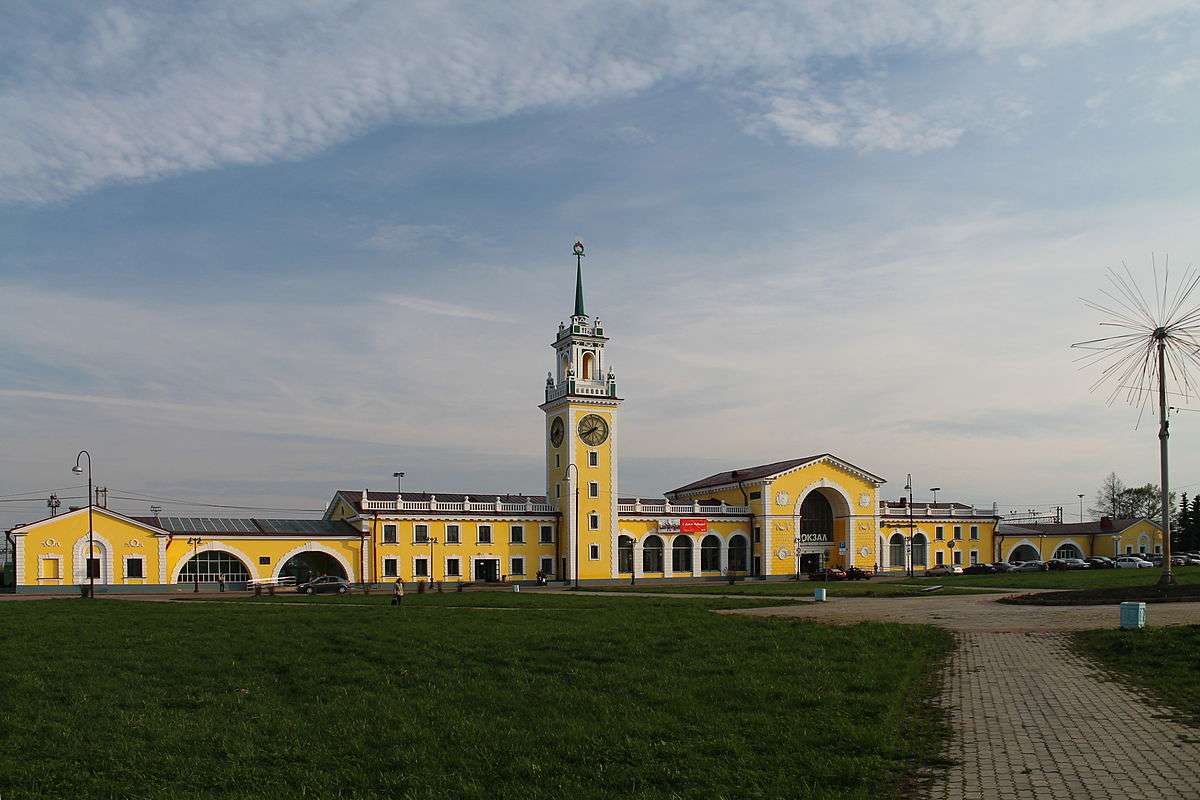
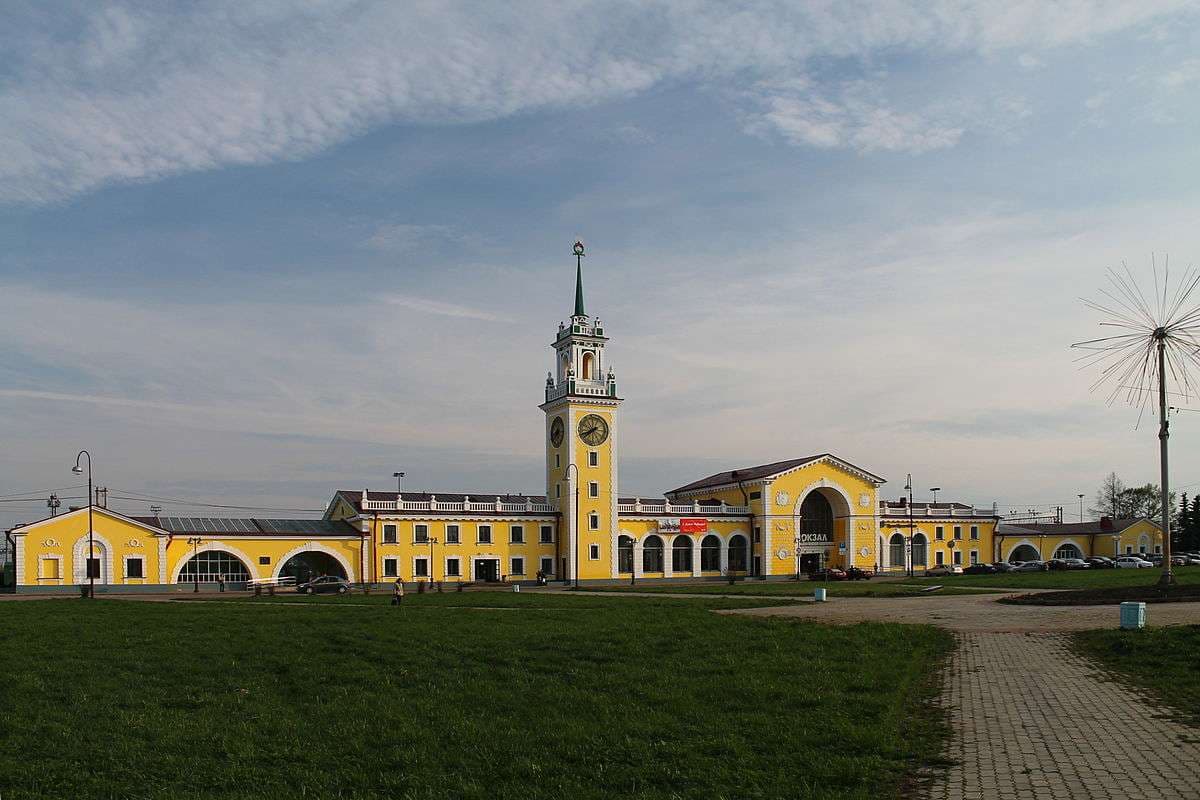
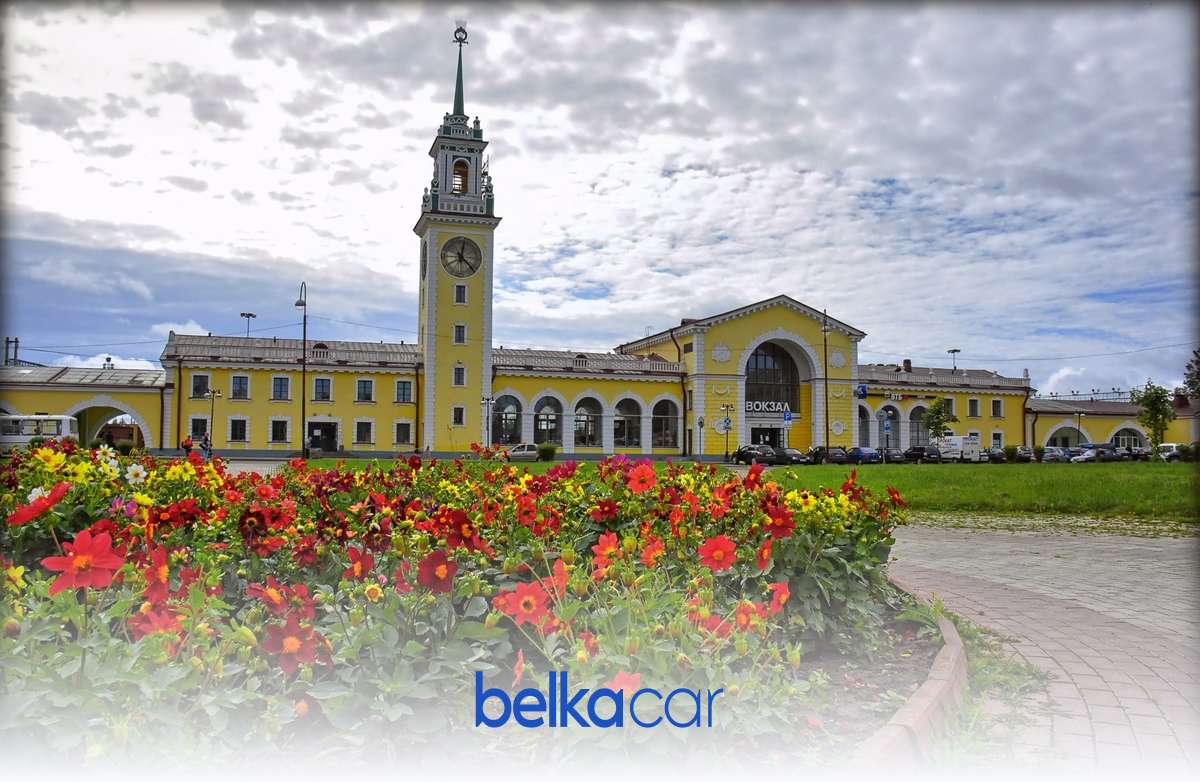
The town has two stations, Volkhovstroy-1 and Volkhovstroy-2. Tourists will be interested in the first, which got a magnificent building. The station on the St. Petersburg–Vologda line opened in 1904 and would later play an important historical role for the whole of northwestern Russia. At first it was called Zvanka; in 1934 it was renamed Volkhovstroy. From the 1910s a line to Petrozavodsk and Murmansk was built from here. The striking station building is in the Stalinist Empire style. It was renovated in 1996–1998.

Its Role in History

In May 1901 Emperor Nicholas II approved the plan for a railway from St. Petersburg to Vologda via Tikhvin. The purpose was purely practical: to link Russia's northwestern industrial region with the Trans-Siberian Railway, giving the then capital a direct connection to the Urals, Siberia and the Far East. By the summer of 1904 most of the work on the St. Petersburg–Vologda line was finished. On the left bank of the Volkhov a station was founded, named after the village of Zvanka. The infrastructure work wasn't limited to laying track. The Volkhov railway bridge was built across the river, and at the same time a locomotive depot, a station building and other railway facilities went up in Zvanka. Regular service between St. Petersburg and Vologda only began in January 1906. The first station building was a single-story wooden one. World War I gave a strong boost to the region's railway network. Another station (now Volkhovstroy-2) was built on the right bank of the Volkhov, and Zvanka became an important railway junction. Russia's Entente allies shipped supplies to Russia by sea from the north, and cargo from the White Sea coast traveled to central Russia through Zvanka. Next came the construction of the Volkhov hydroelectric station, and in 1934 the station was renamed Volkhovstroy-1. At that time the first stone station building was put up; it was destroyed by enemy bombing in May 1942. The railway station in Volkhov found itself at the center of major historical events: first World War I, then the building of the hydroelectric station, and then the Siege of Leningrad during World War II.

Architecture

The new station building, which became the town's symbol, appeared at Volkhovstroy-1 in 1951. It is dedicated to the labor and military feats of Volkhov's people, and to this day it is one of the town's main architectural sights. If you think it looks like the stations in Sochi or Simferopol, that's no coincidence. The Volkhov station was designed by the architects Alexei Dushkin and Bronislav Khilkevich. Alexei Dushkin is known as a builder of the Moscow metro and as the designer of railway stations in Dnipropetrovsk, Simferopol and Sochi. The station is designed as a gallery, full of portals of every shape and size and decorated with pylons and arches. It stands out with its chiming tower clock. The Volkhov station is listed as a cultural and historical monument.