←Discovering Volkhov

Discovering Volkhov

Photo of route “Discovering Volkhov”
7 points13 km1.5 hours

Volkhov is a small town on both banks of the river of the same name, where it flows into Lake Ladoga, 122 km east of St. Petersburg. We tell you about the main sights of a town that grew up around the river, the railway and the Volkhov hydroelectric station. This route was designed specially for the BelkaCar car-sharing service.

Things to do

  • 📜 Learn the city's history
  • 🏛️🕰️ Compare the eras

Route points (7)

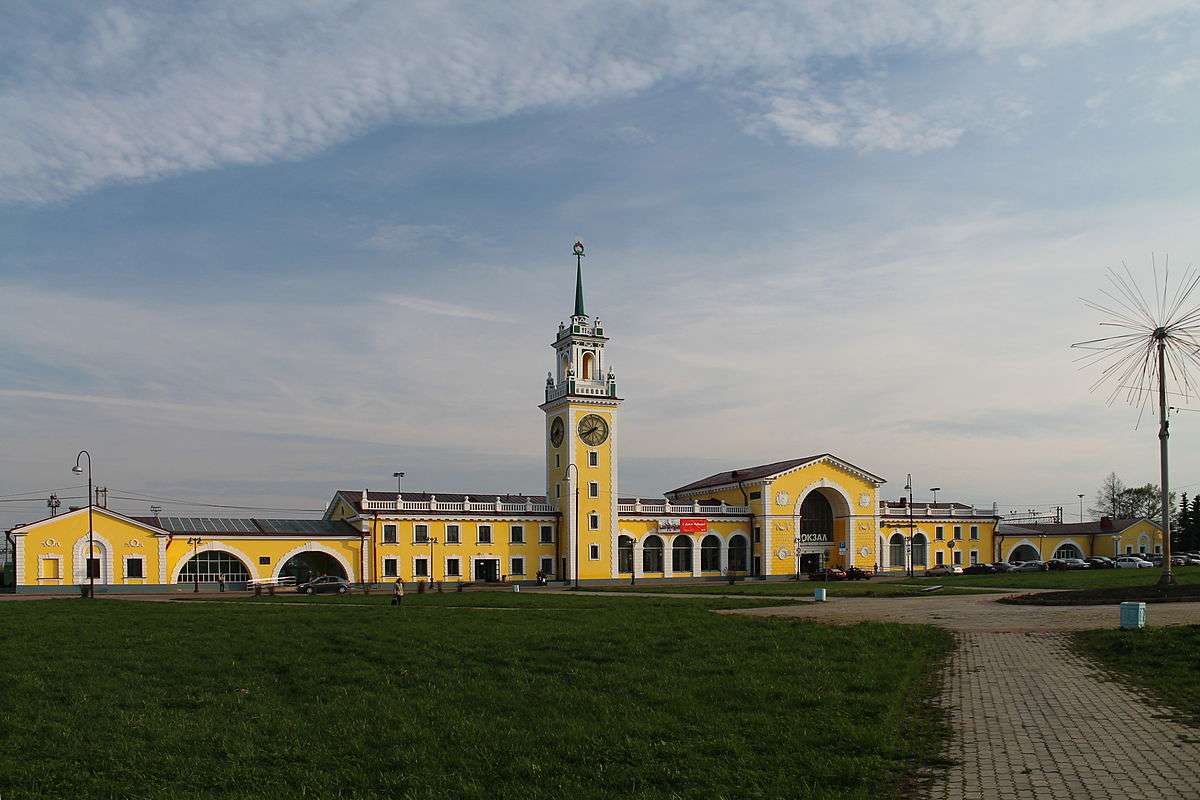
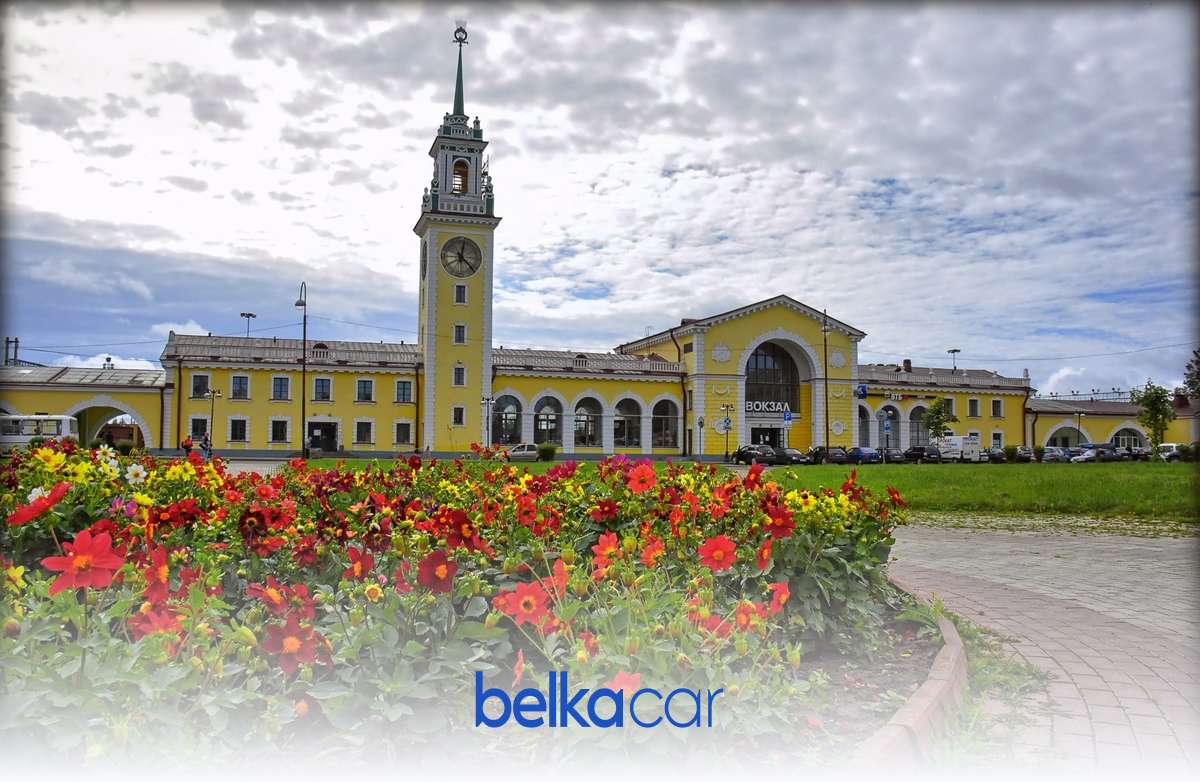
  1. Railway Station (Volkhovstroy-1) — point on route “Discovering Volkhov”

    Railway Station (Volkhovstroy-1)

    🚂 Railway station

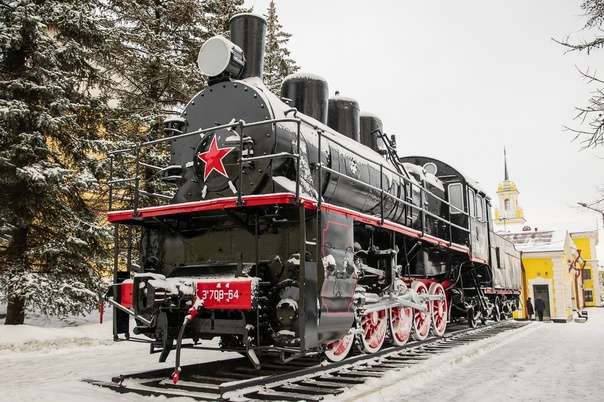
  2. Locomotive Monument Eu 708-64 — point on route “Discovering Volkhov”

    Locomotive Monument Eu 708-64

    🗿 Monument

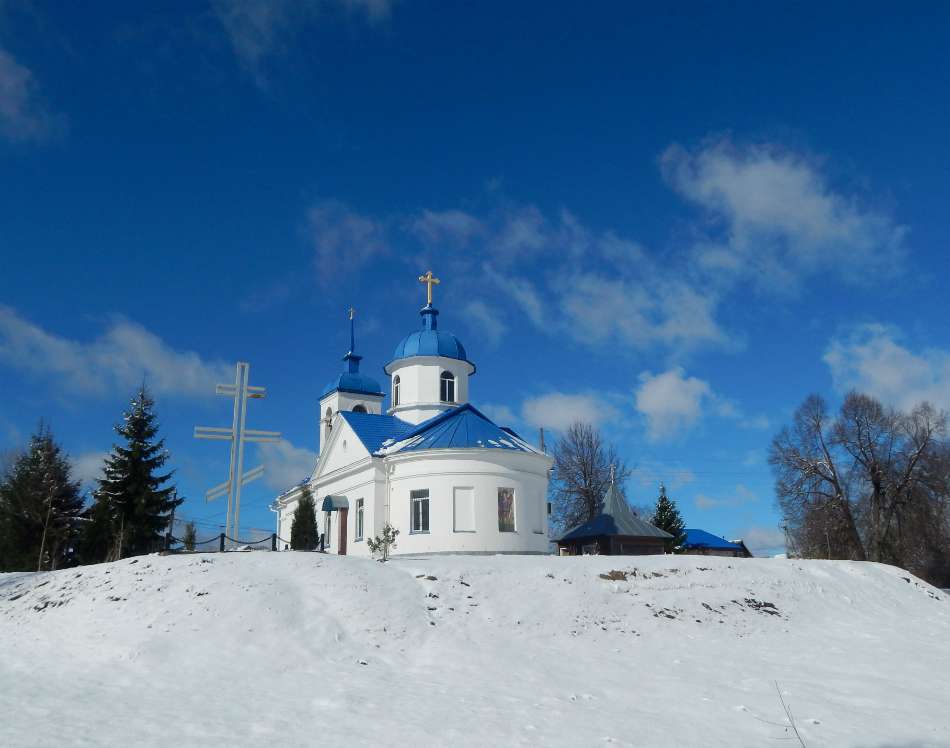
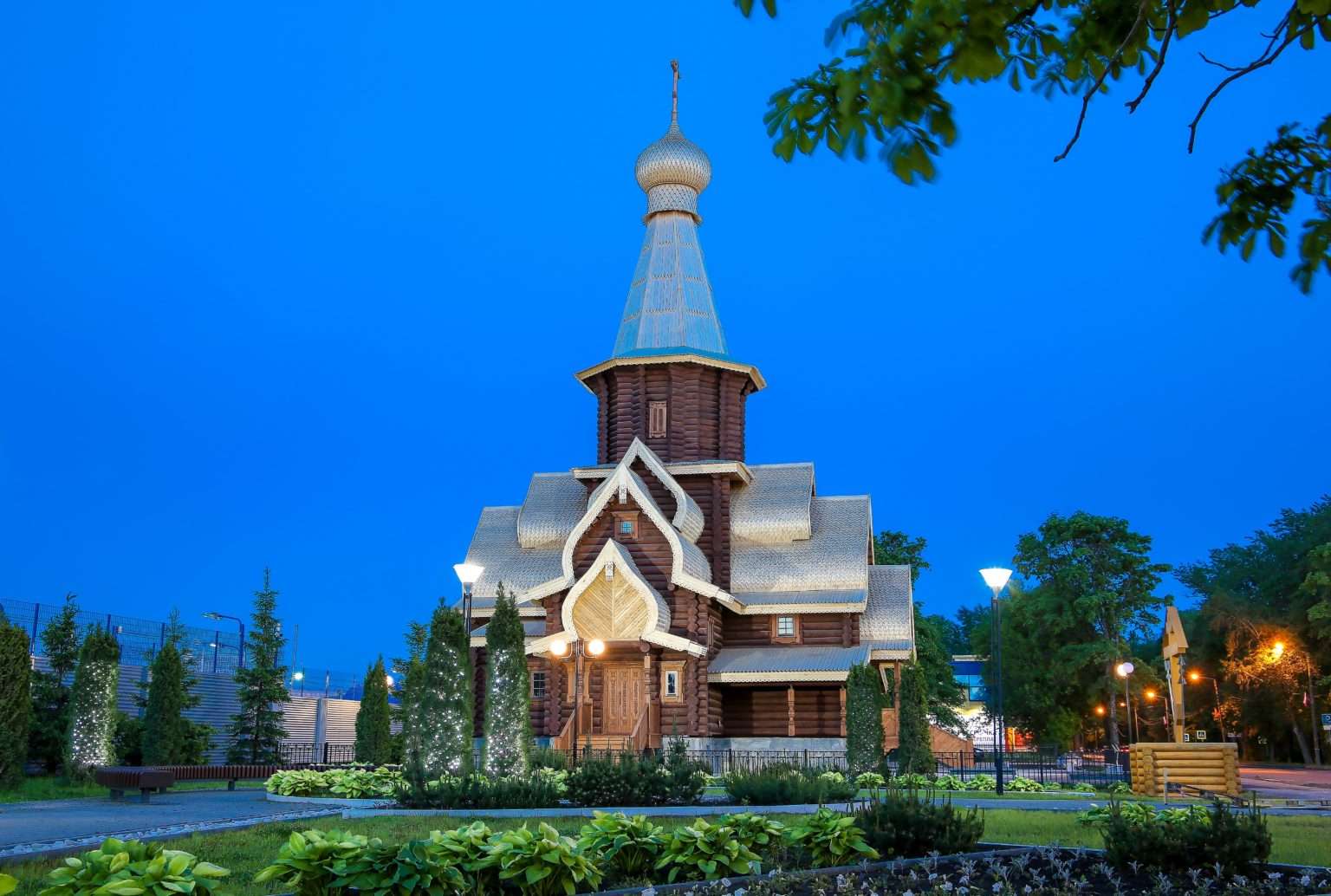
  3. Church of the Archangel Michael — point on route “Discovering Volkhov”

    Church of the Archangel Michael

    🕍 Place of worship

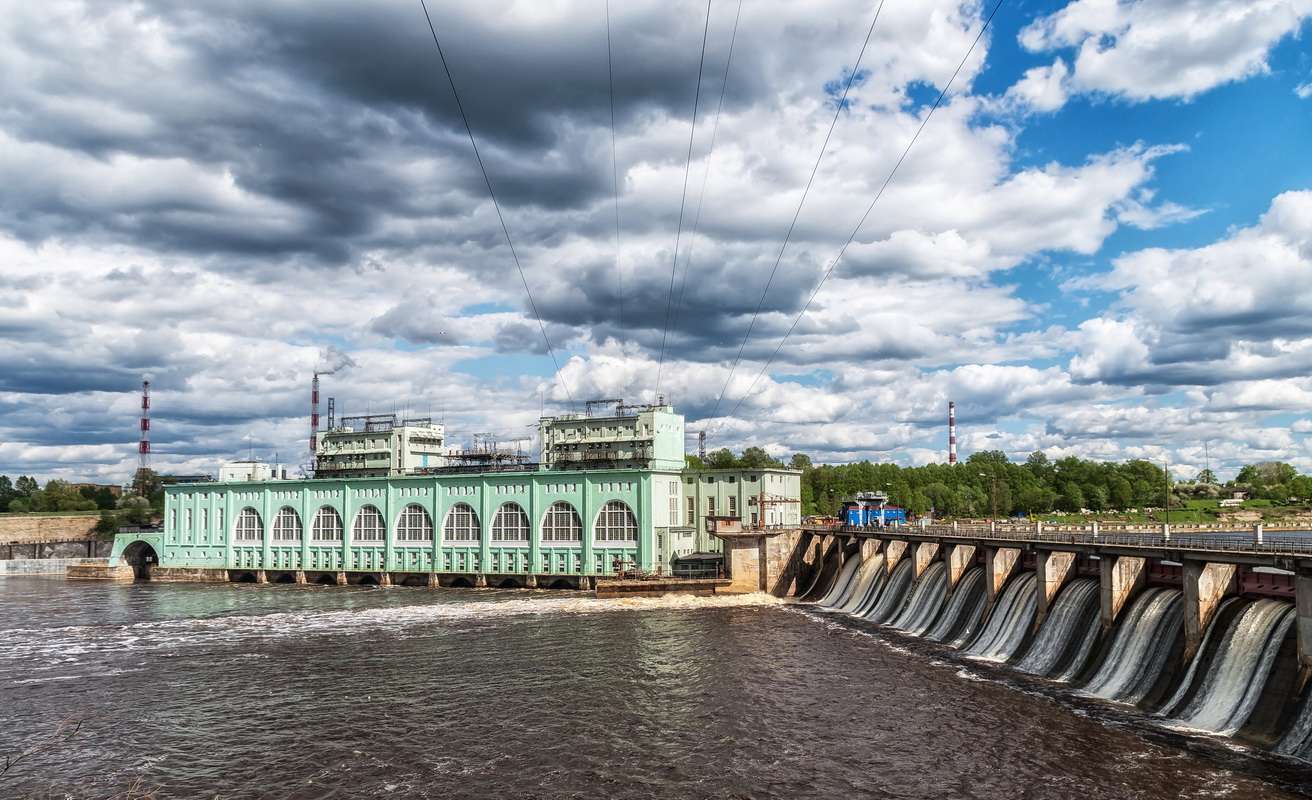
  4. Volkhov Hydroelectric Station — point on route “Discovering Volkhov”

    Volkhov Hydroelectric Station

    ⚙️ Industrial site

  5. Cathedral of St. Andrew — point on route “Discovering Volkhov”

    Cathedral of St. Andrew

    🕍 Place of worship

  6. Fifteenth Element Interactive Center — point on route “Discovering Volkhov”

    Fifteenth Element Interactive Center

    🏛️ Museum

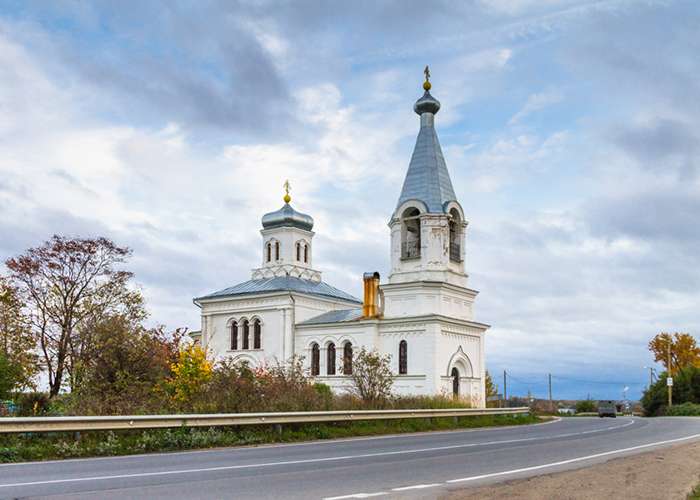
  7. Church of the Prophet Elijah — point on route “Discovering Volkhov”

    Church of the Prophet Elijah

    🕍 Place of worship

Volkhov Hydroelectric Station in Volkhov

Point on route “Discovering Volkhov”

Volkhov Hydroelectric Station — point on route “Discovering Volkhov”

Point 4

Volkhov Hydroelectric Station

⚙️ Industrial site

Historical Background

The local hydroelectric station has a rich history. It was part of one of the Bolsheviks' most important projects in the early years of the USSR, the GOELRO plan, which aimed to electrify huge areas of the country and build many infrastructure facilities. The Volkhov station was the first project of the plan, put into operation in December 1926. When it was built, it was the largest hydroelectric station in Europe. It is considered an outstanding work of Constructivism and has the status of a monument of science and technology and a cultural site of federal significance.

Why the Station Matters

The dam is just over 210 meters long, and the power station building blends nicely into the landscape. Once the station was built, the water level in the Volkhov rose and the rapids were flooded, making the river navigable. The station was originally built with the future Volkhov aluminum plant in mind. But during World War II it played a special role, supplying electricity to besieged Leningrad. The station kept working under bombing, and from autumn 1942 it was the only source of electricity for the besieged city. It was renovated again in 2009 and continues to operate as part of the Ladoga cascade of hydroelectric stations.