←A Walk Around Kolomna

A Walk Around Kolomna

Photo of route “A Walk Around Kolomna”
9 points3 km0 hours

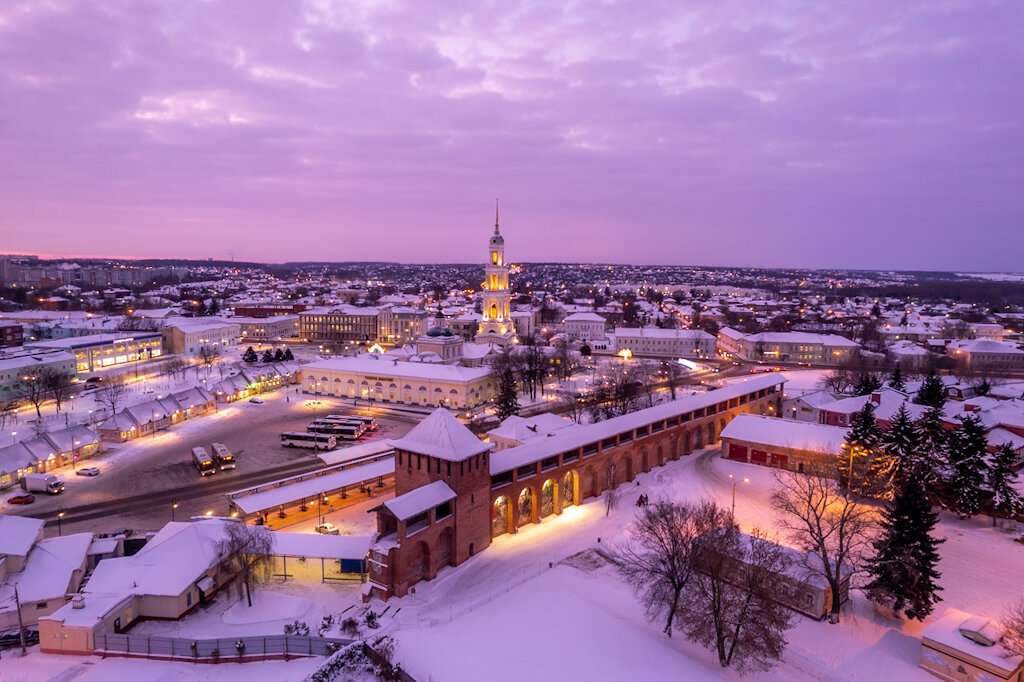
Kolomna is one of the oldest towns in the Moscow region, with a well-preserved kremlin. Here you can soak up the atmosphere of historic Russia, with cobblestones, churches and wooden houses. The town draws visitors with museums on unusual themes and its unhurried pace of life. Kolomna stands at the confluence of three rivers, an hour's drive from Moscow.

Things to do

  • 📜 Learn the city's history
  • 🍲🎶 Local culture
  • 💡🎨 Look for inspiration

Route points (9)

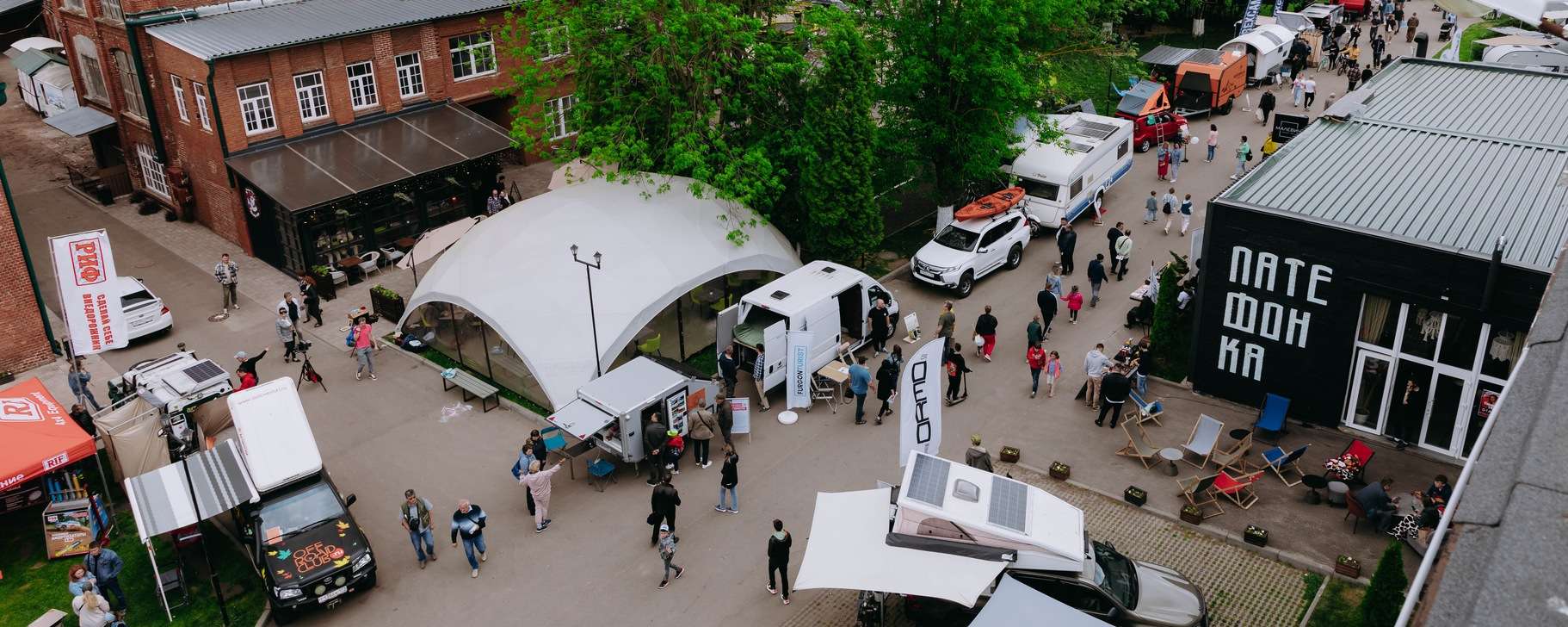
  1. Patefonka — point on route “A Walk Around Kolomna”

    Patefonka

    🕵️ Urban legend · 🎨 Art installations

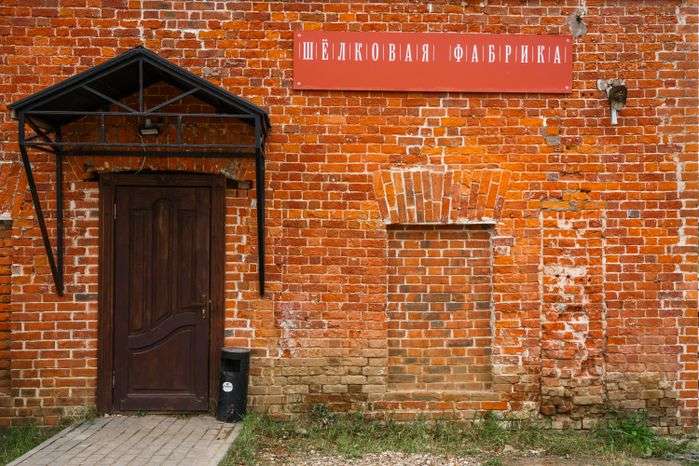
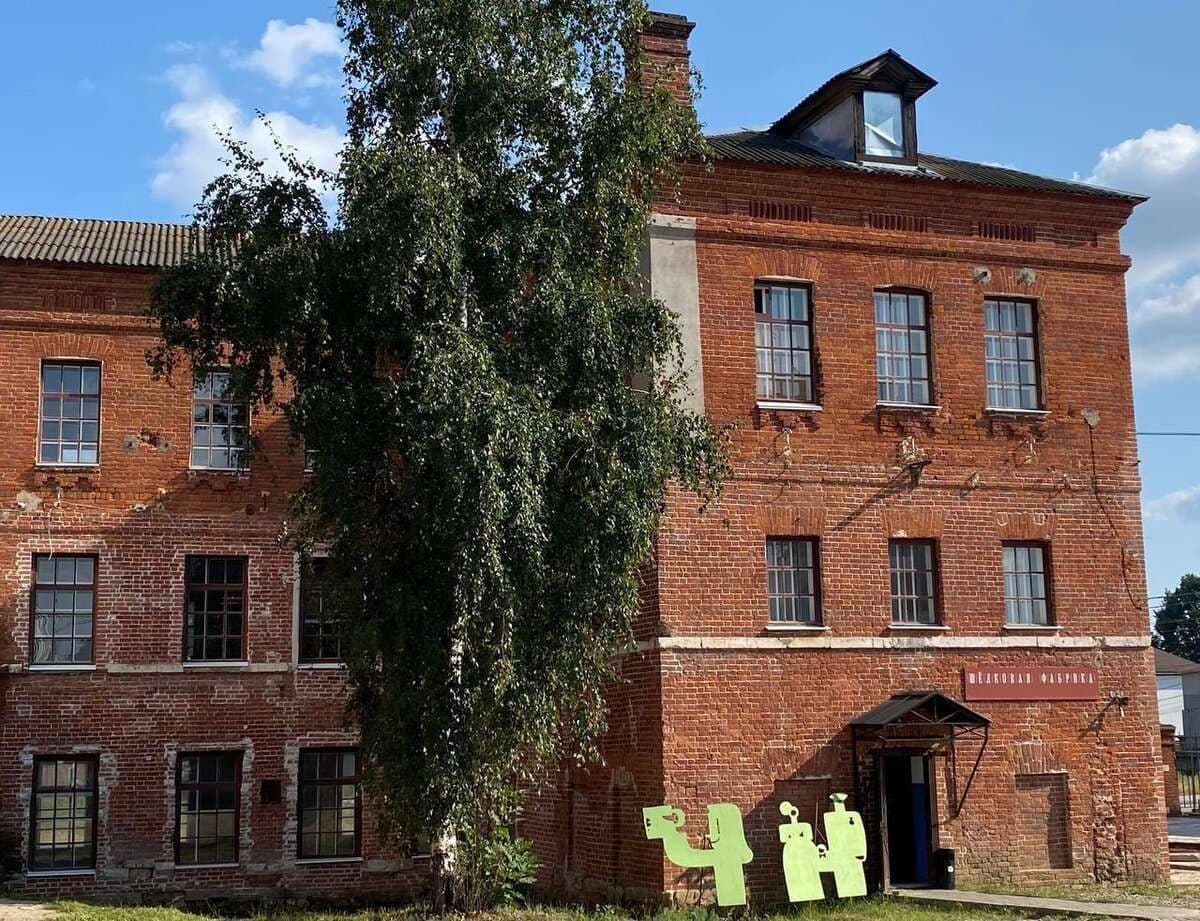
  2. Silk Factory — point on route “A Walk Around Kolomna”

    Silk Factory

    🎨 Art installations · 📜 Historic site · 🕵️ Urban legend

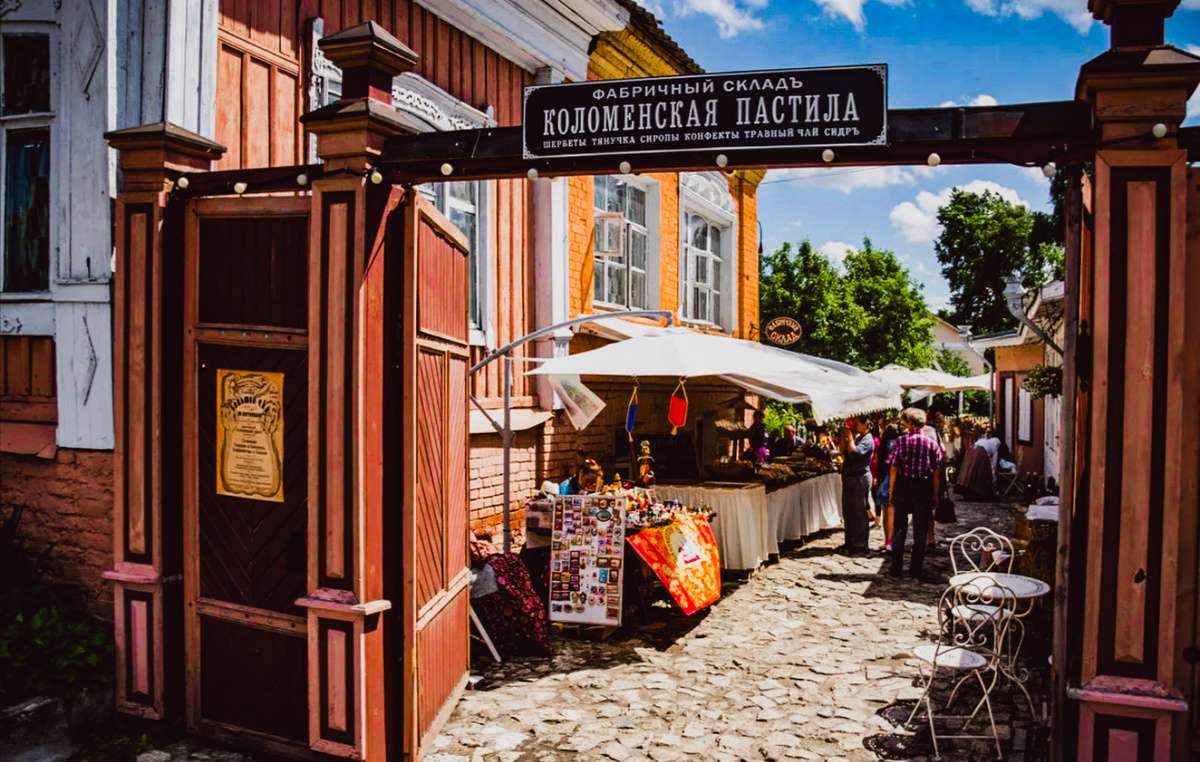
  3. Pastila Museum Factory — point on route “A Walk Around Kolomna”

    Pastila Museum Factory

    🕵️ Urban legend · 📜 Historic site · 🏛️ Museum

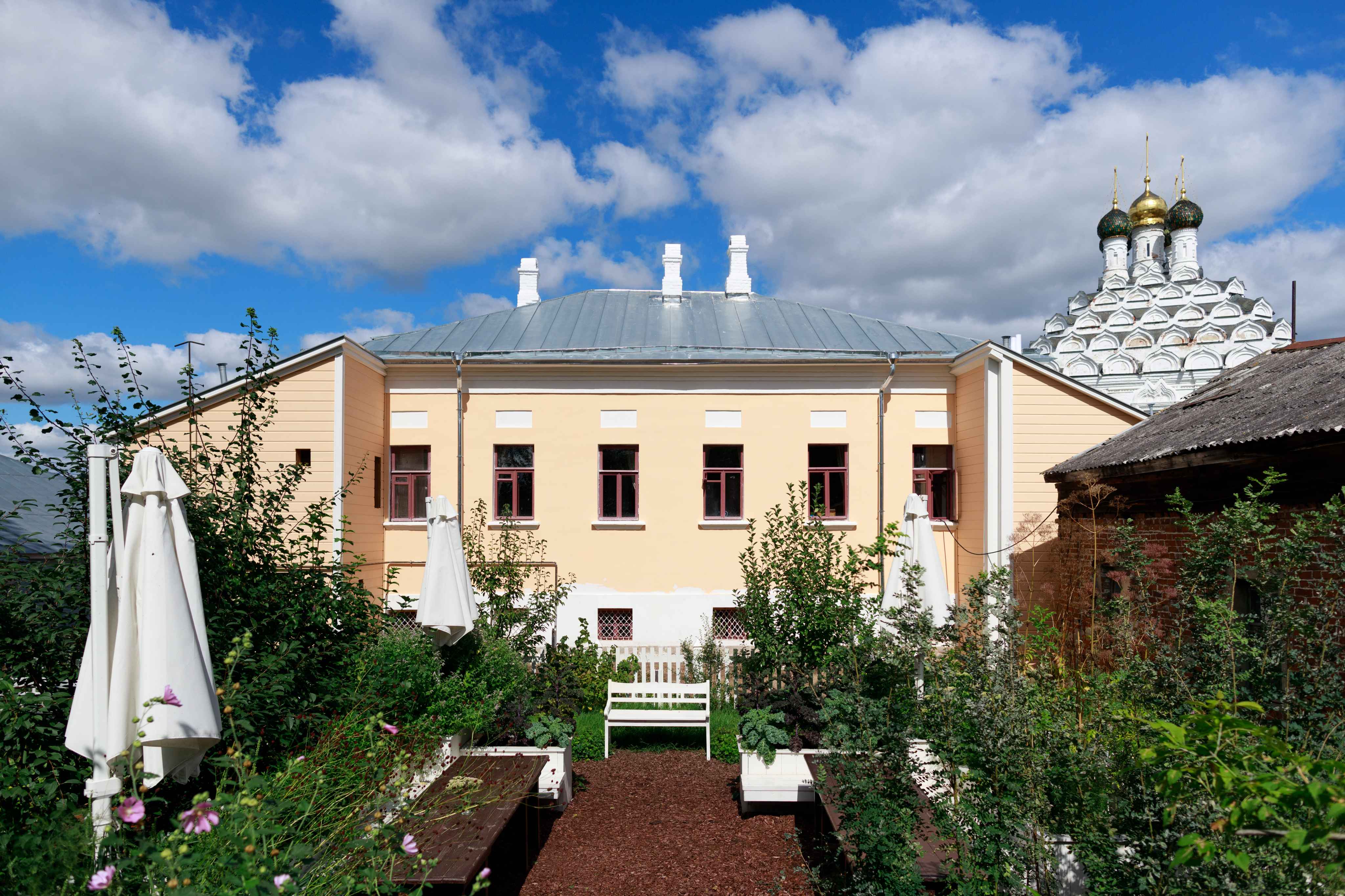
  4. Suranov House — point on route “A Walk Around Kolomna”

    Suranov House

    📜 Historic site

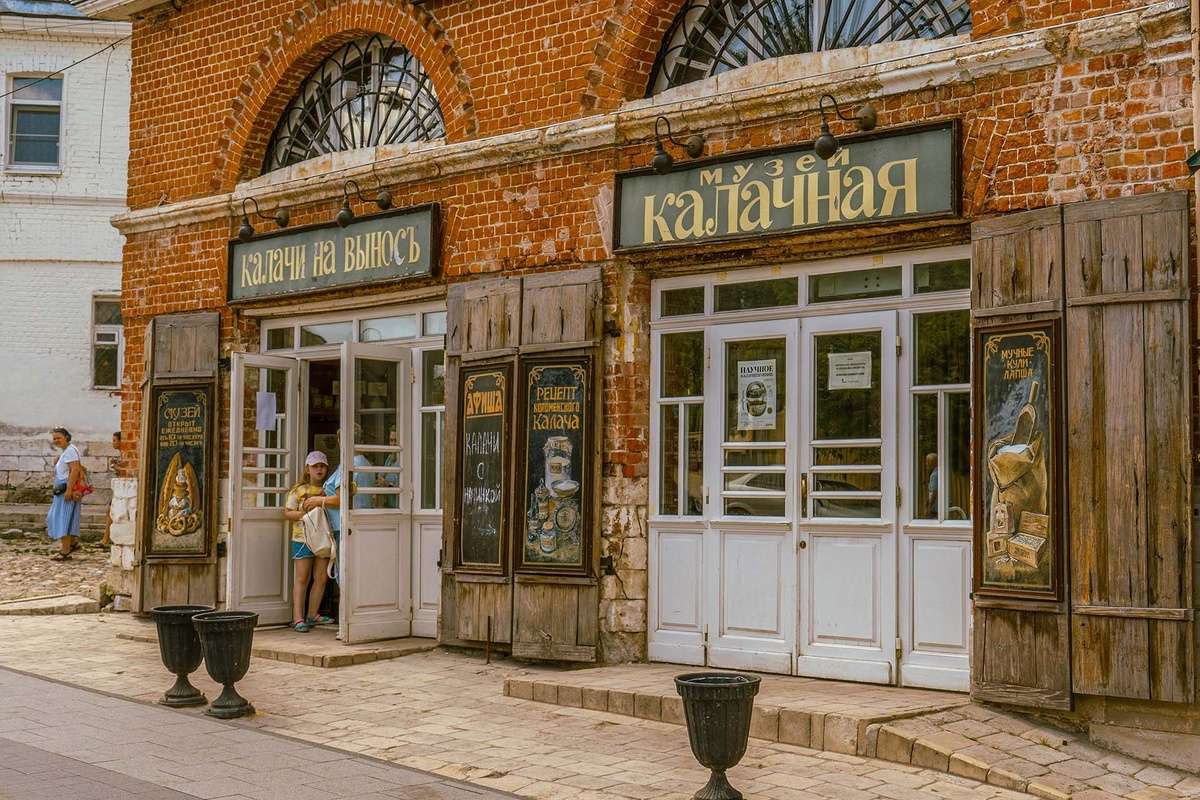
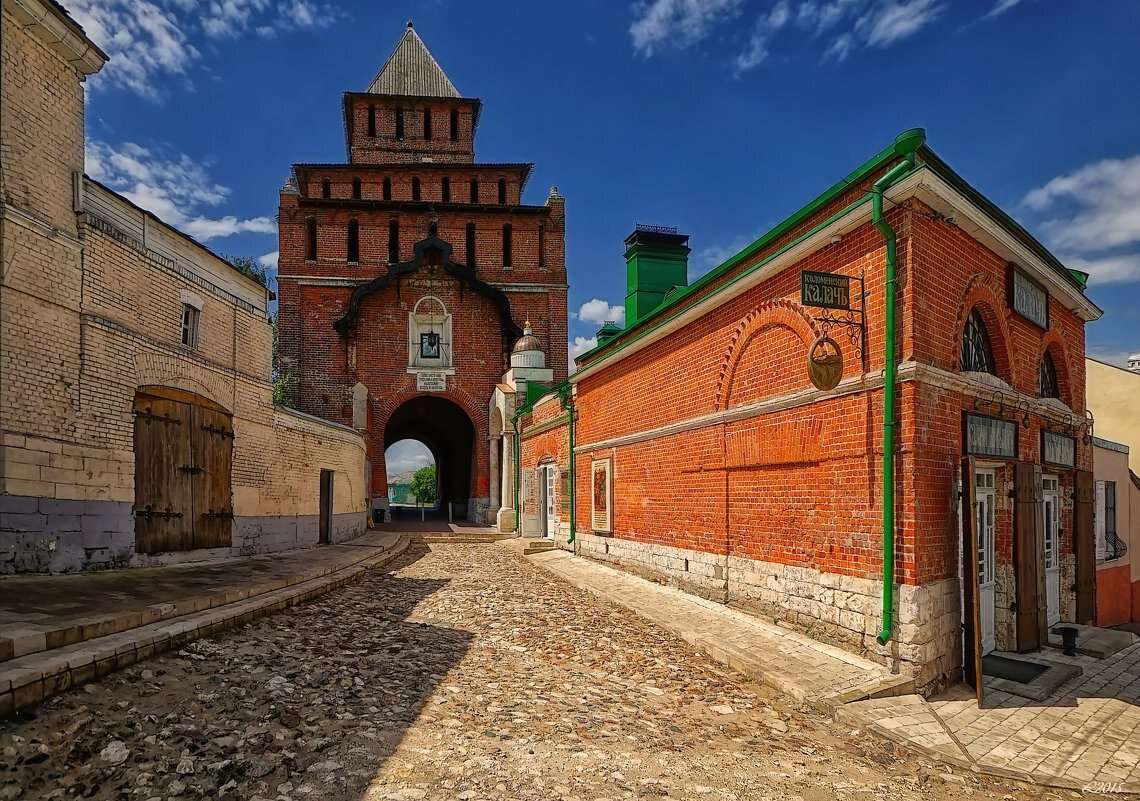
  5. Kalachnaya — point on route “A Walk Around Kolomna”

    Kalachnaya

    🕵️ Urban legend · 🏛️ Museum

  6. Pyatnitsky Gate — point on route “A Walk Around Kolomna”

    Pyatnitsky Gate

    📜 Historic site · 🏯 Fortress remains

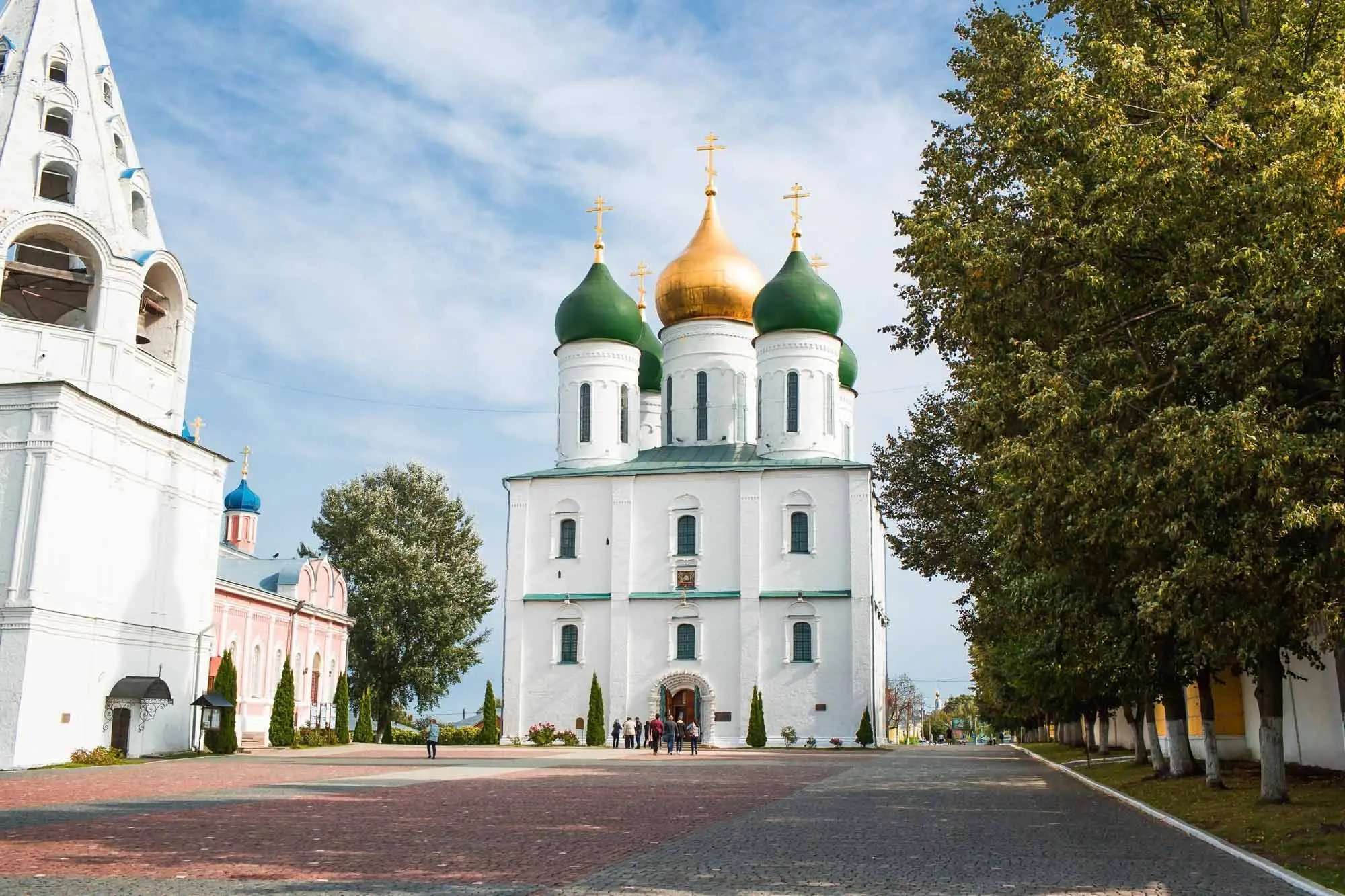
  7. Dormition Cathedral — point on route “A Walk Around Kolomna”

    Dormition Cathedral

    🕍 Place of worship · 📜 Historic site

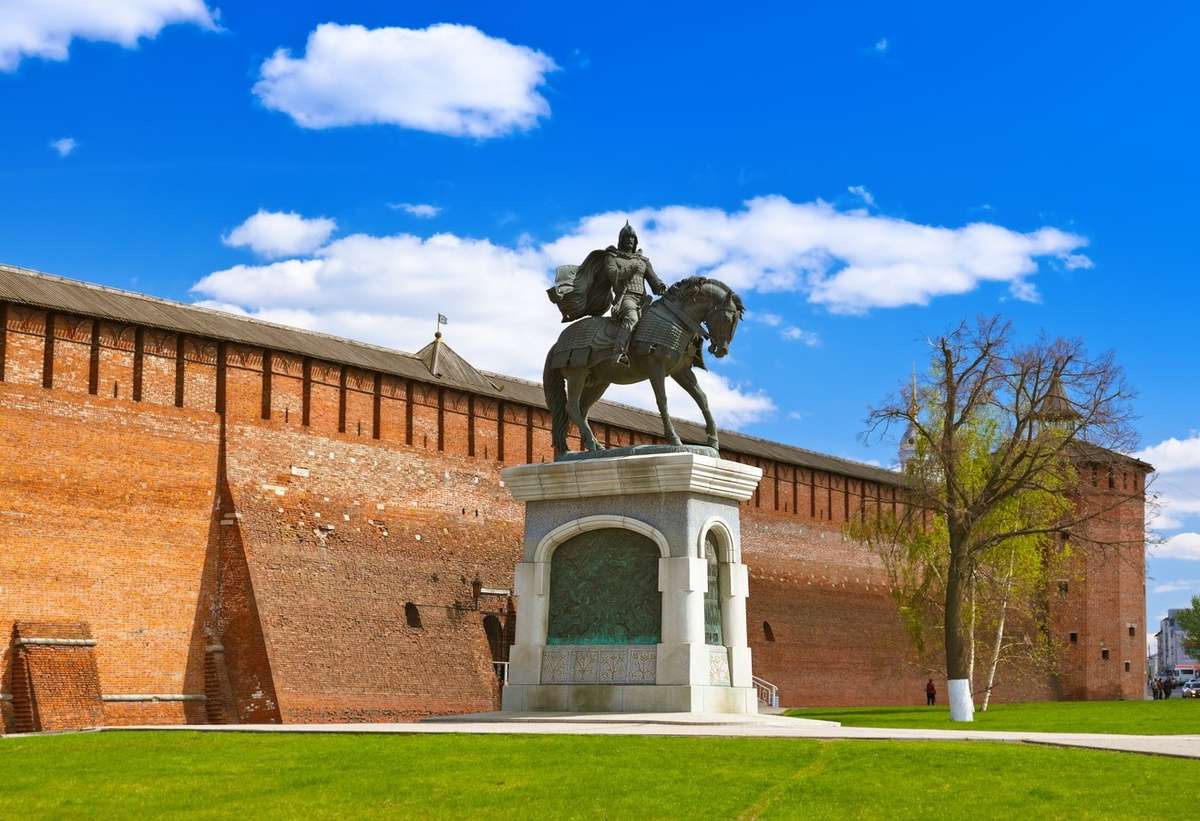
  8. Kolomna Kremlin — point on route “A Walk Around Kolomna”

    Kolomna Kremlin

    📜 Historic site · 🏯 Fortress remains · 🗿 Monument

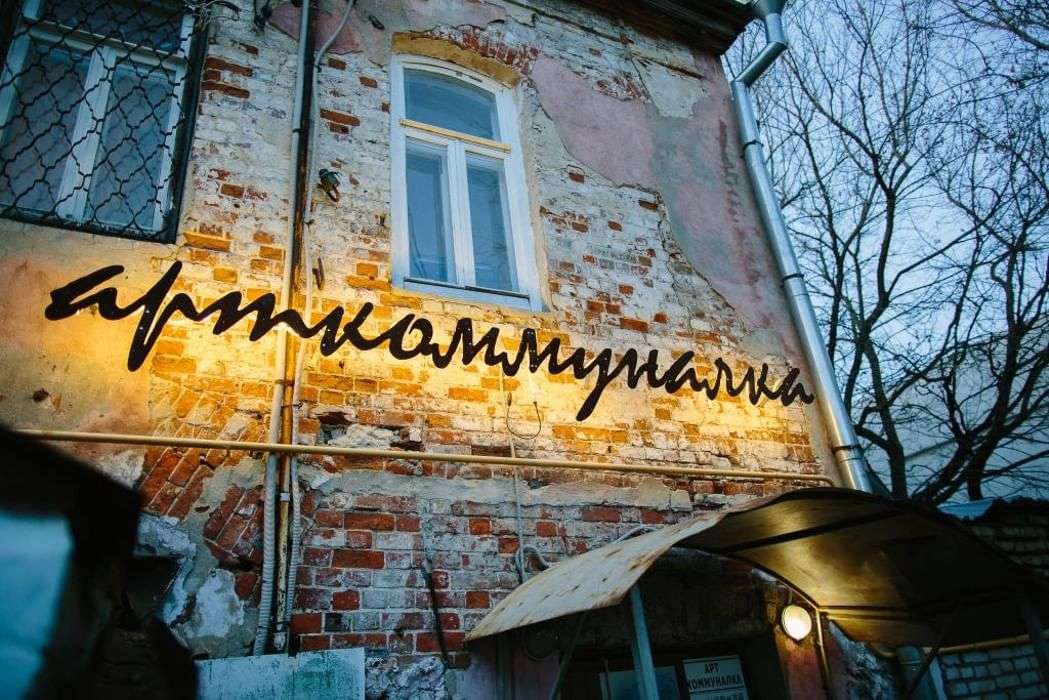
  9. Artkommunalka — point on route “A Walk Around Kolomna”

    Artkommunalka

    🎨 Art installations · 🏛️ Museum

Silk Factory in Kolomna

Point on route “A Walk Around Kolomna”

Silk Factory — point on route “A Walk Around Kolomna”

Point 2

Silk Factory

🎨 Art installations • 📜 Historic site • 🕵️ Urban legend

Historical Background

In the 18th and 19th centuries Kolomna was one of Russia's main centers of silk weaving. Factories belonging to the Levin, Babaev, Popov and other merchant dynasties operated here. Hand-woven fabrics decorated with gold and silver thread were sold all over Russia and exported to Europe and to markets in the Middle East and Central Asia. Kolomna shawls and brocade were shown at All-Russian and international exhibitions, including the Paris Exposition of 1867. Today such pieces are kept in the country's largest museums, the Hermitage and the State Historical Museum.

How Production Developed

The town's silk factories went through several stages. The first, in the late 18th century, used traditional looms. In the 1820s Jacquard looms came into use, widening the range of fabrics and making them more refined. In the second half of the 19th century the factories switched to steam engines, and the Babaevs' products were in especially high demand. By the end of the century the silk-weaving mills had gradually closed, replaced by small silk-throwing workshops.

A Modern Space

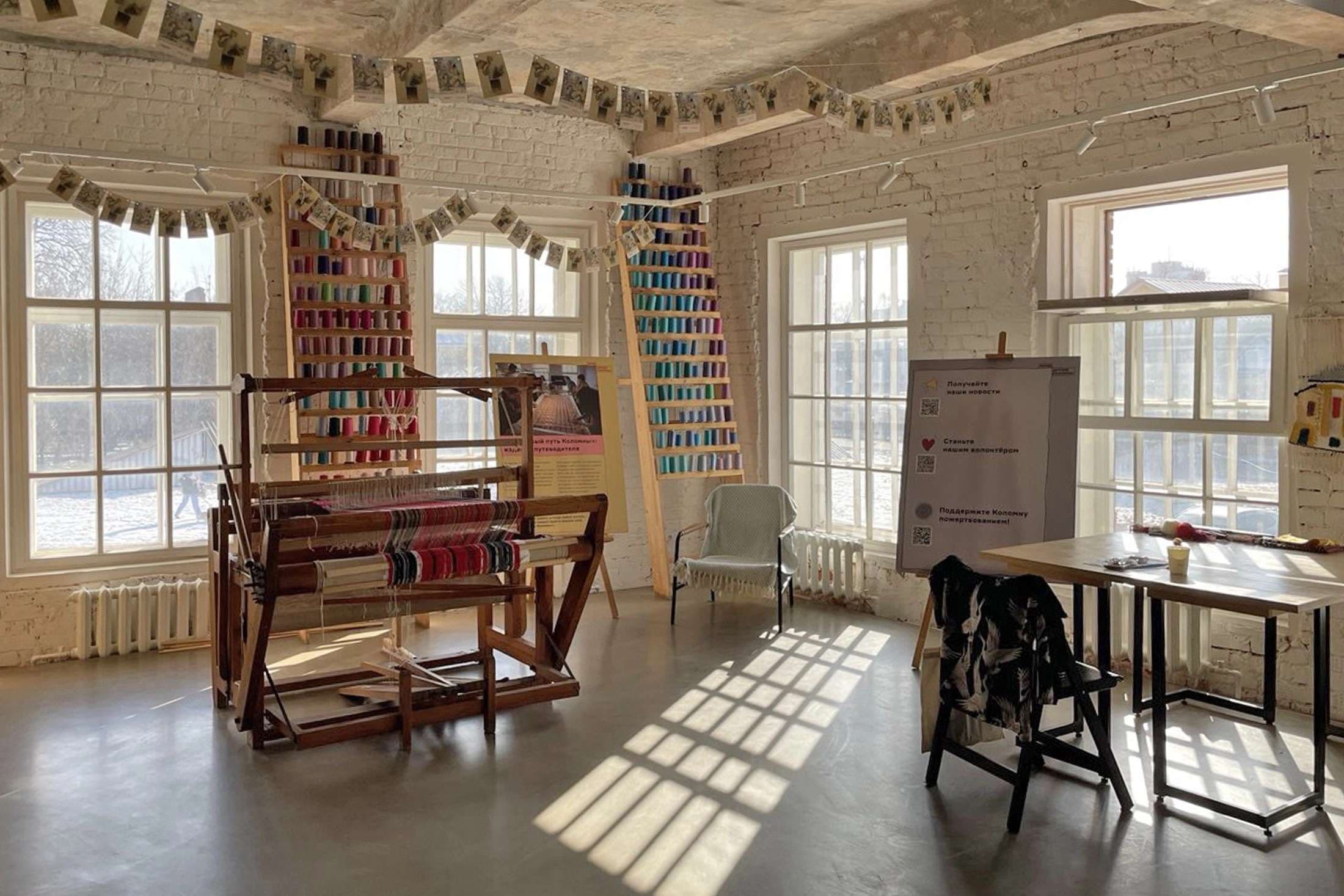
The Silk Factory museum-laboratory opened in 2019 in a historic building of the Babaev factory on Umanskaya Street. It combines exhibition space with a creative venue where you can learn about the history of Kolomna silk weaving and see current projects by artists and craftspeople. The museum hosts lectures, exhibitions, workshops for children and adults, and research programs.

Traditions and Collection

The museum's founders set out to bring a lost craft back into the town's cultural life. Research into historical materials and the search for surviving samples helped them assemble a fabric collection. One of its signature pieces is an authentic Kolomna-made konovat bridal veil, bought at auction in New York. In this way the Silk Factory project has become not only a museum but also a cultural center that unites history and artistic practice.