←From an Ancient Settlement to the City of Vologda

From an Ancient Settlement to the City of Vologda

Photo of route “From an Ancient Settlement to the City of Vologda”
15 points2 km4 hours

This route takes you deep into the city's history, from the first settlements to the heyday of merchant Vologda. Along the way, layer after layer of the city's past is revealed: traces of fortifications, the sites of former squares, and corners with carefully preserved wooden houses and carved front gardens that tell of the everyday life and tastes of Vologda's people through the ages.

Things to do

  • 📜 Learn the city's history
  • 🌆🌿 Soak up the atmosphere
  • 🍲🎶 Local culture

Route points (15)

  1. Lazy Square — Where the City Was Founded — point on route “From an Ancient Settlement to the City of Vologda”

    Lazy Square — Where the City Was Founded

    🗿 Monument · ⛲ Square

  2. Monument to St. Gerasim of Vologda — point on route “From an Ancient Settlement to the City of Vologda”

    Monument to St. Gerasim of Vologda

    🗿 Monument

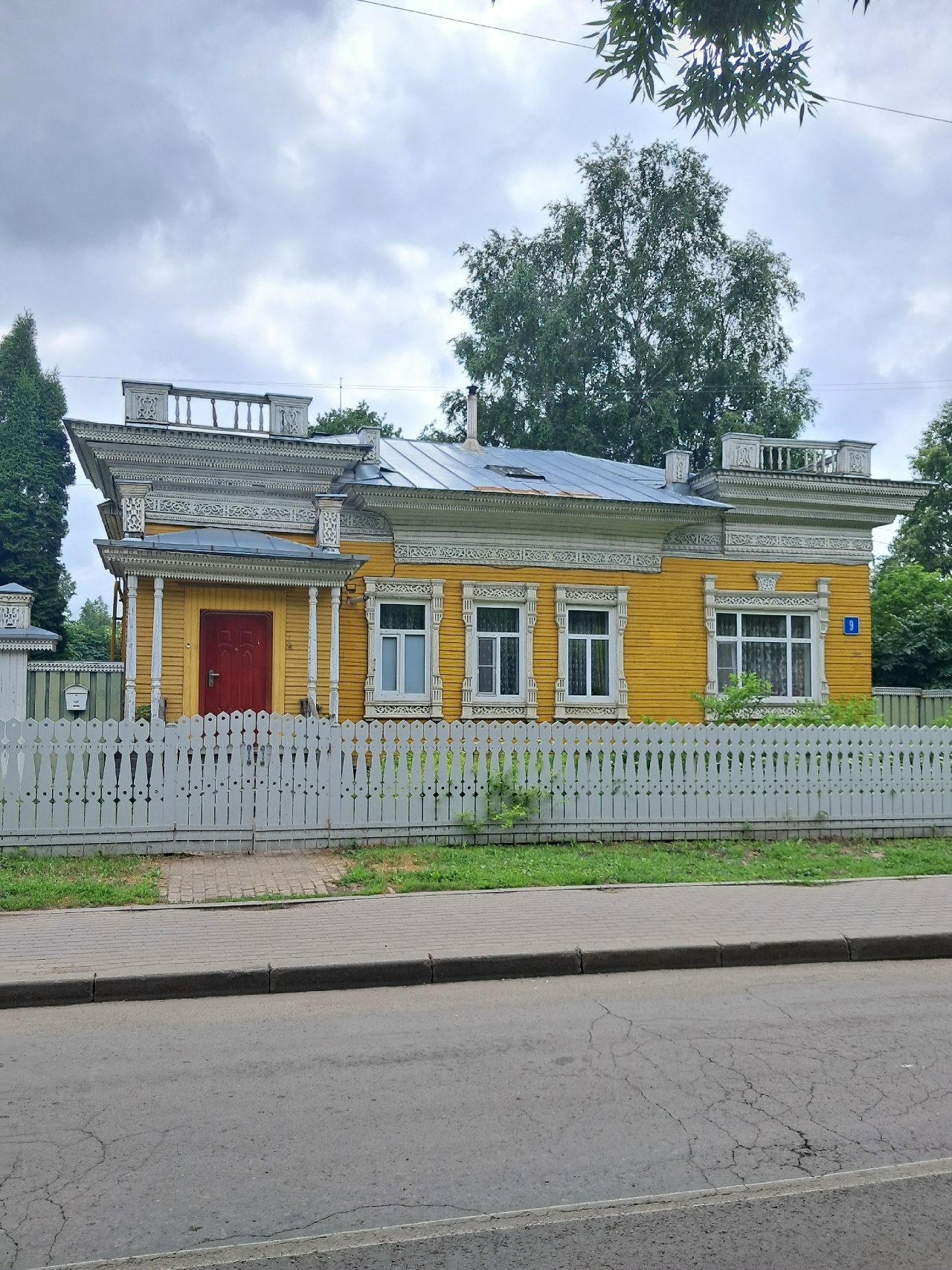
  3. Karaulov House — point on route “From an Ancient Settlement to the City of Vologda”

    Karaulov House

    🏟️ Architectural landmark · 📜 Historic site

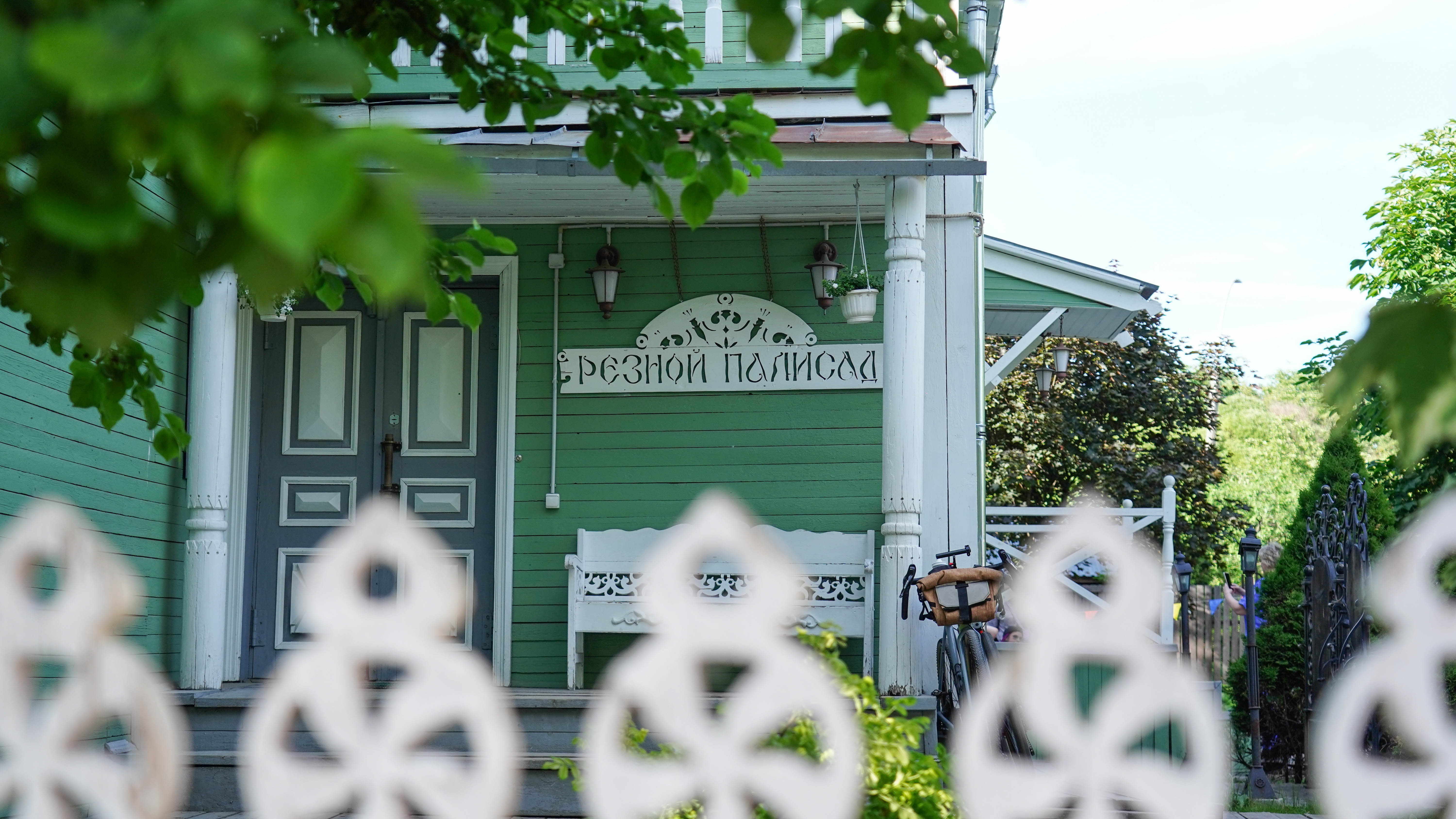
  4. Carved Palisade — point on route “From an Ancient Settlement to the City of Vologda”

    Carved Palisade

    🏟️ Architectural landmark · 🏛️ Museum

  5. St. Elijah Monastery — point on route “From an Ancient Settlement to the City of Vologda”

    St. Elijah Monastery

    🕍 Place of worship · 🏟️ Architectural landmark · 📜 Historic site

  6. Zasetsky House — point on route “From an Ancient Settlement to the City of Vologda”

    Zasetsky House

    🏟️ Architectural landmark

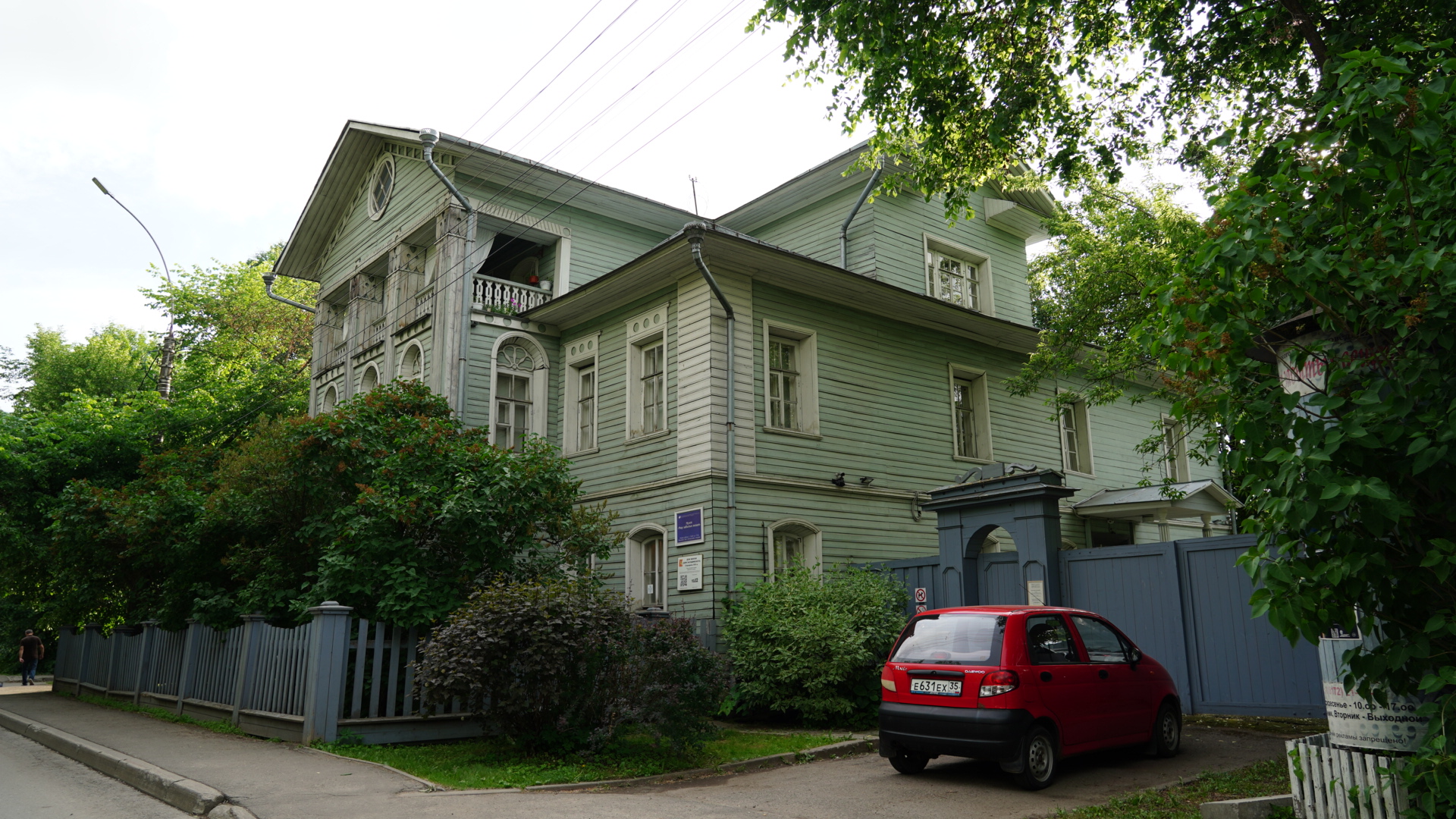
  7. Panteleev House — point on route “From an Ancient Settlement to the City of Vologda”

    Panteleev House

    🏟️ Architectural landmark · 🏛️ Museum

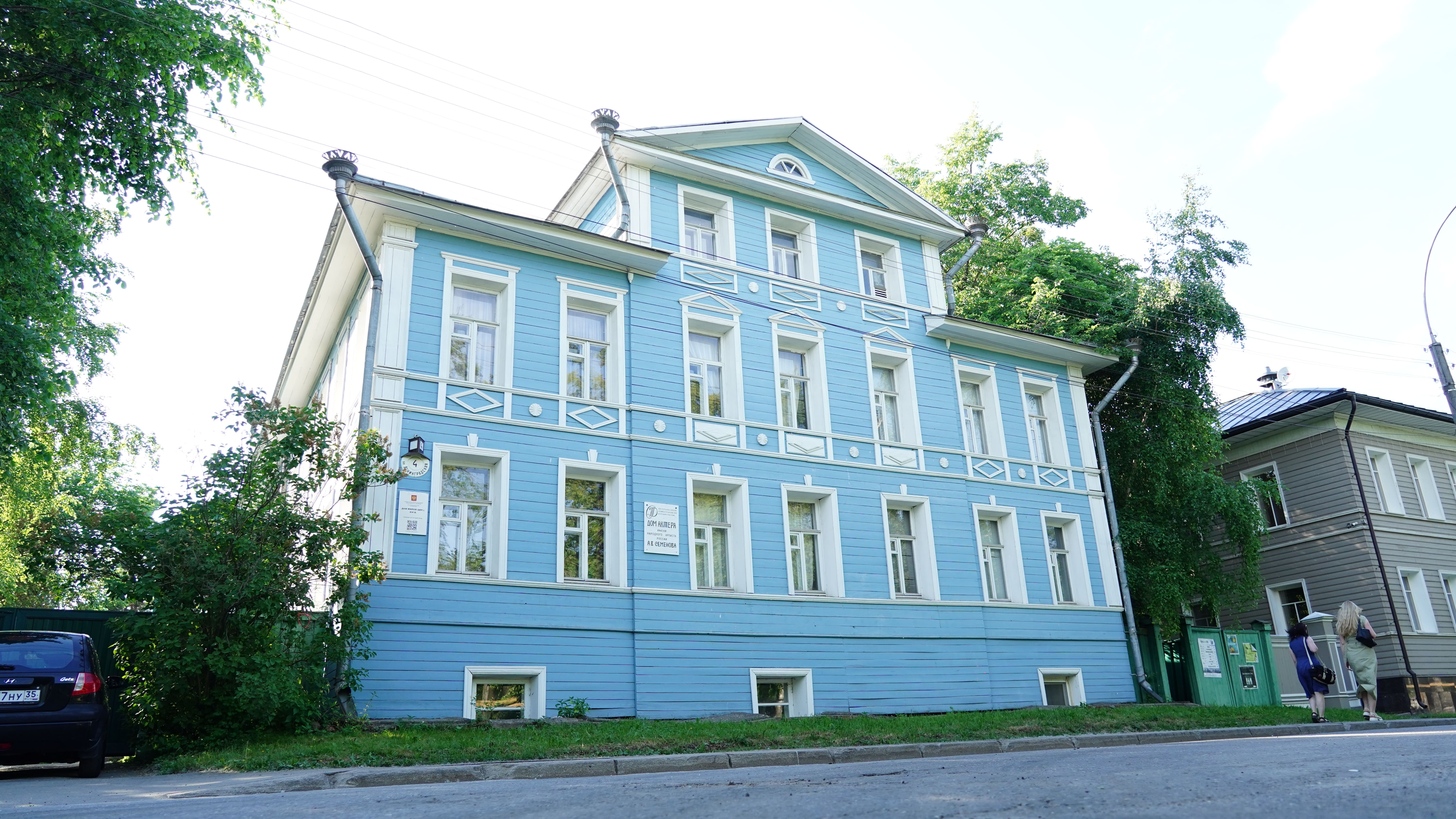
  8. Actors' House — point on route “From an Ancient Settlement to the City of Vologda”

    Actors' House

    🏟️ Architectural landmark · 🎭 Theater

  9. Kremlin Garden — point on route “From an Ancient Settlement to the City of Vologda”

    Kremlin Garden

    🌳 Botanical garden · 🌿 Public garden or park

  10. Kremlin Square — point on route “From an Ancient Settlement to the City of Vologda”

    Kremlin Square

    ⛲ Square · 📜 Historic site

  11. Bishop's Court (Little Kremlin) — point on route “From an Ancient Settlement to the City of Vologda”

    Bishop's Court (Little Kremlin)

    🏟️ Architectural landmark · 📜 Historic site

  12. St. Sophia Cathedral — point on route “From an Ancient Settlement to the City of Vologda”

    St. Sophia Cathedral

    🕍 Place of worship · 🕵️ Urban legend

  13. Resurrection Cathedral — point on route “From an Ancient Settlement to the City of Vologda”

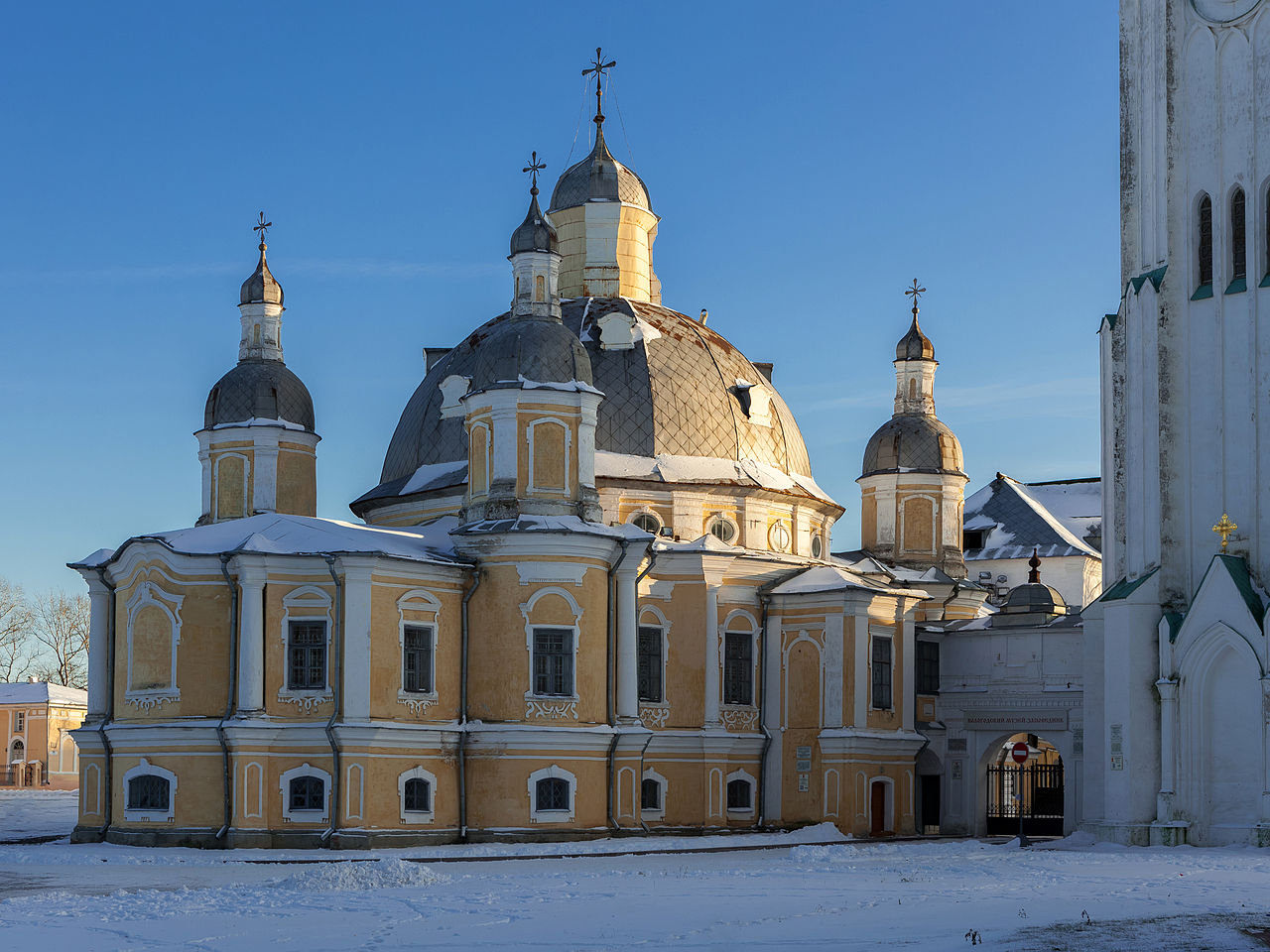
    Resurrection Cathedral

    🕍 Place of worship

  14. St. Sophia Cathedral Bell Tower — point on route “From an Ancient Settlement to the City of Vologda”

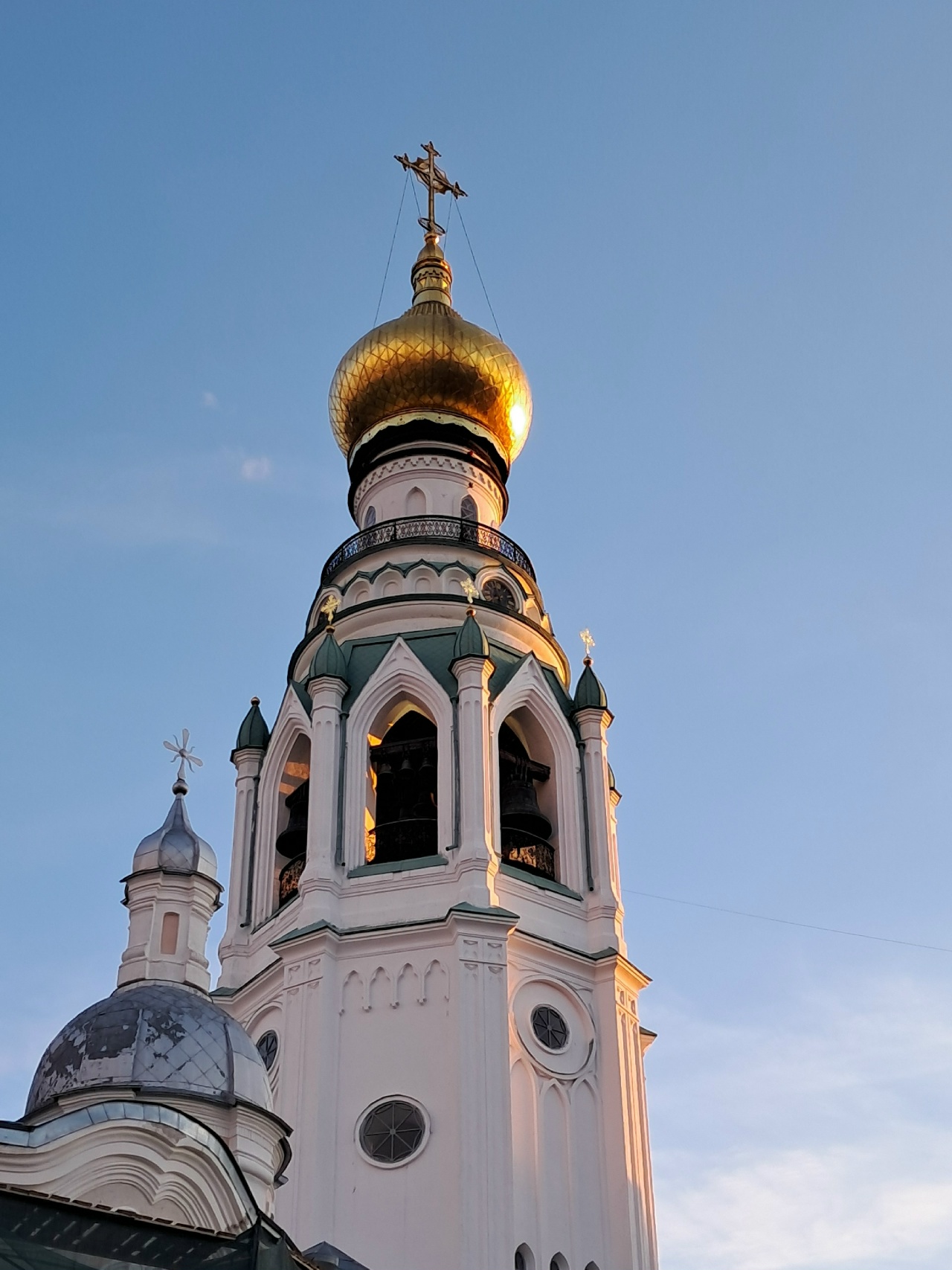
    St. Sophia Cathedral Bell Tower

    🕵️ Urban legend · 🔭 Viewpoint

  15. Monument to the Poet K. N. Batyushkov — point on route “From an Ancient Settlement to the City of Vologda”

    Monument to the Poet K. N. Batyushkov

    🗿 Monument

St. Sophia Cathedral in Vologda

Point on route “From an Ancient Settlement to the City of Vologda”

St. Sophia Cathedral — point on route “From an Ancient Settlement to the City of Vologda”

Point 12

St. Sophia Cathedral

🕍 Place of worship • 🕵️ Urban legend

Historical Background

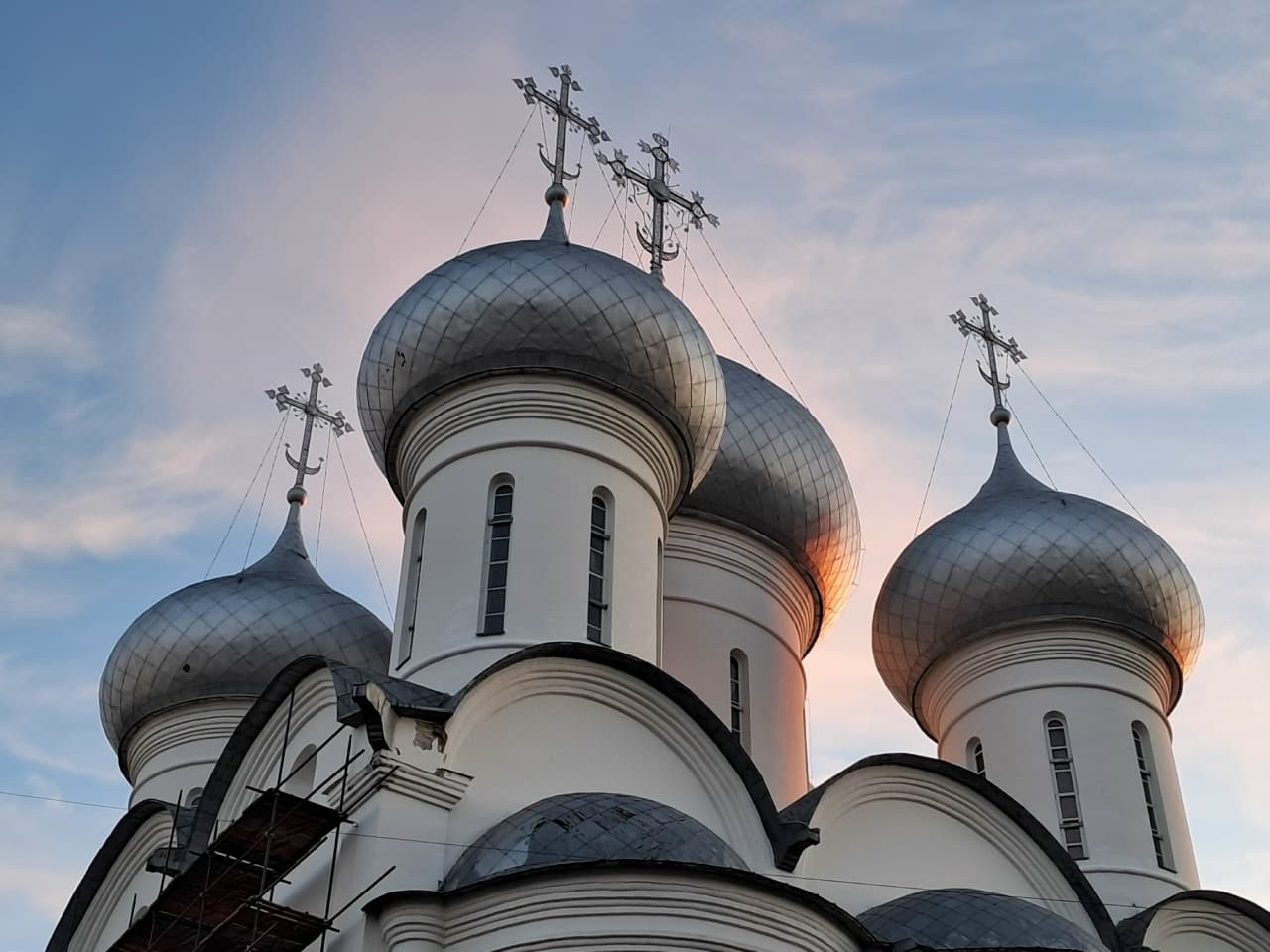
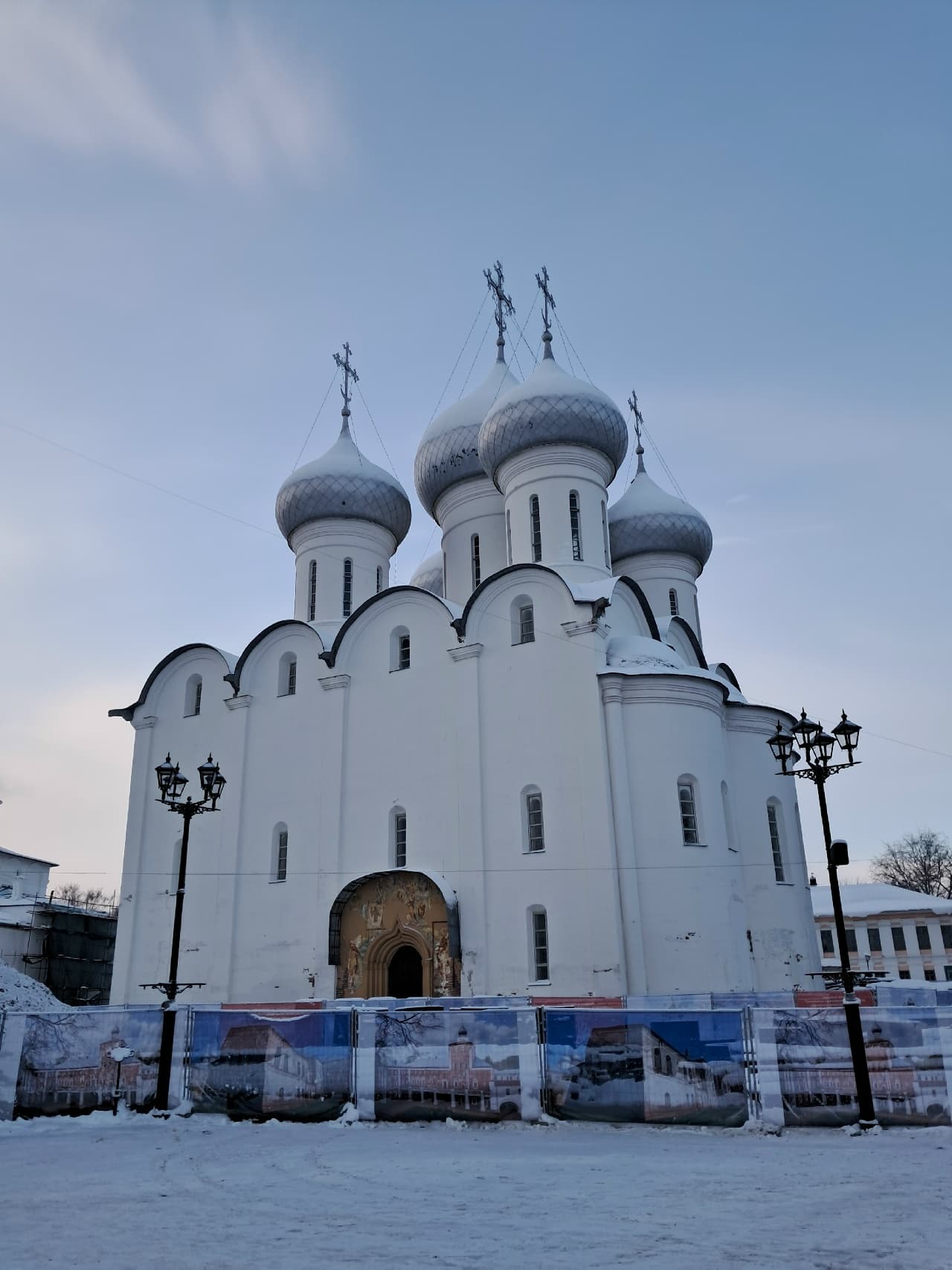
St. Sophia Cathedral in Vologda is the city's oldest surviving stone building, erected in 1568–1570 on the orders of Ivan the Terrible. It stands within the Vologda Kremlin and, together with the Resurrection Cathedral, is a cathedral of the Vologda Metropolis. Inside are 17th-century frescoes and an iconostasis from the first half of the 18th century. In 1923 the cathedral was closed and handed over to the local history museum. It housed an exhibition on the history of religion and atheism, which included a Foucault pendulum installed in 1929. Since 1935 the cathedral has been a monument of federal significance.

City Legend

There is a legend about Ivan the Terrible's visit to the cathedral. Once the tsar came in person to check on the construction. At that very moment a piece fell from the vault — either a fragment of brick or some plaster — and landed right on the sovereign's head. The chronicle-style wording vividly describes how a red brick struck him on his “wild head”. The furious Ivan Vasilyevich left Vologda and never came back. After that the cathedral even stayed unpainted: it was only painted 100 years later, by masters from Yaroslavl. Another unusual feature of the cathedral is its orientation. The altar faces not east, as usual in Orthodox churches, but almost north, toward the Vologda River. This may have to do with the direction of sunrise on the day the church was founded or on its feast day. There is also a theory that Ivan the Terrible wanted the cathedral to face the river to the north.

The Murals

The frescoes are among the cathedral's treasures, covering about 5,000 m². The west wall holds Russia's largest Last Judgment fresco (about 400 m²). At the top, Christ Pantocrator sits enthroned. Below are scenes of the sins and virtues of the human soul being weighed. On the left, leading the righteous, is the Apostle Peter with the key to the gates of paradise. The sinners are portrayed as people of other faiths, eastern elders and women in fine dresses. At the bottom right is a serpent with figures of vices, sins and hellfire.