←From an Ancient Settlement to the City of Vologda

From an Ancient Settlement to the City of Vologda

Photo of route “From an Ancient Settlement to the City of Vologda”
15 points2 km4 hours

This route takes you deep into the city's history, from the first settlements to the heyday of merchant Vologda. Along the way, layer after layer of the city's past is revealed: traces of fortifications, the sites of former squares, and corners with carefully preserved wooden houses and carved front gardens that tell of the everyday life and tastes of Vologda's people through the ages.

Things to do

  • 📜 Learn the city's history
  • 🌆🌿 Soak up the atmosphere
  • 🍲🎶 Local culture

Route points (15)

  1. Lazy Square — Where the City Was Founded — point on route “From an Ancient Settlement to the City of Vologda”

    Lazy Square — Where the City Was Founded

    🗿 Monument · ⛲ Square

  2. Monument to St. Gerasim of Vologda — point on route “From an Ancient Settlement to the City of Vologda”

    Monument to St. Gerasim of Vologda

    🗿 Monument

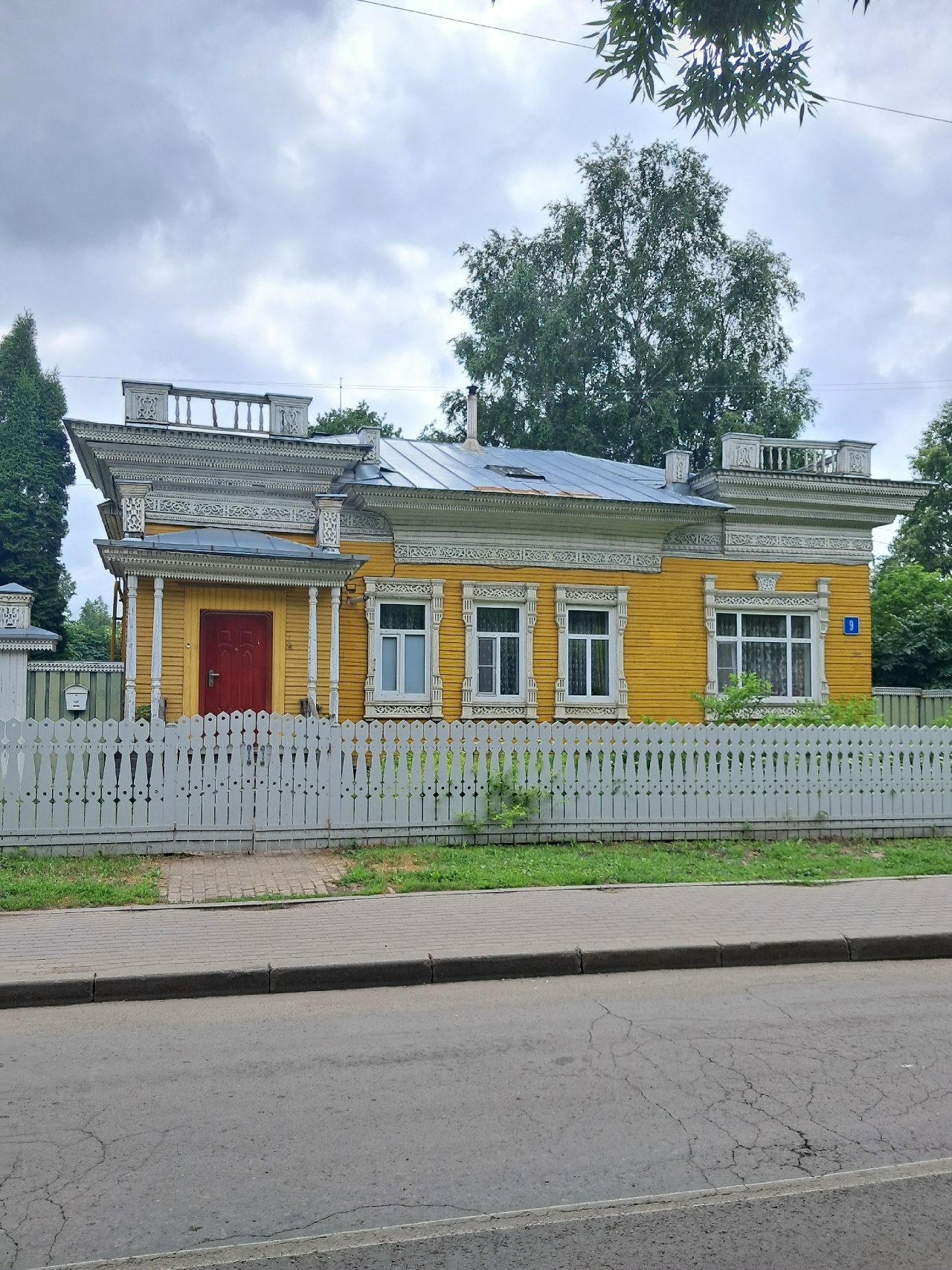
  3. Karaulov House — point on route “From an Ancient Settlement to the City of Vologda”

    Karaulov House

    🏟️ Architectural landmark · 📜 Historic site

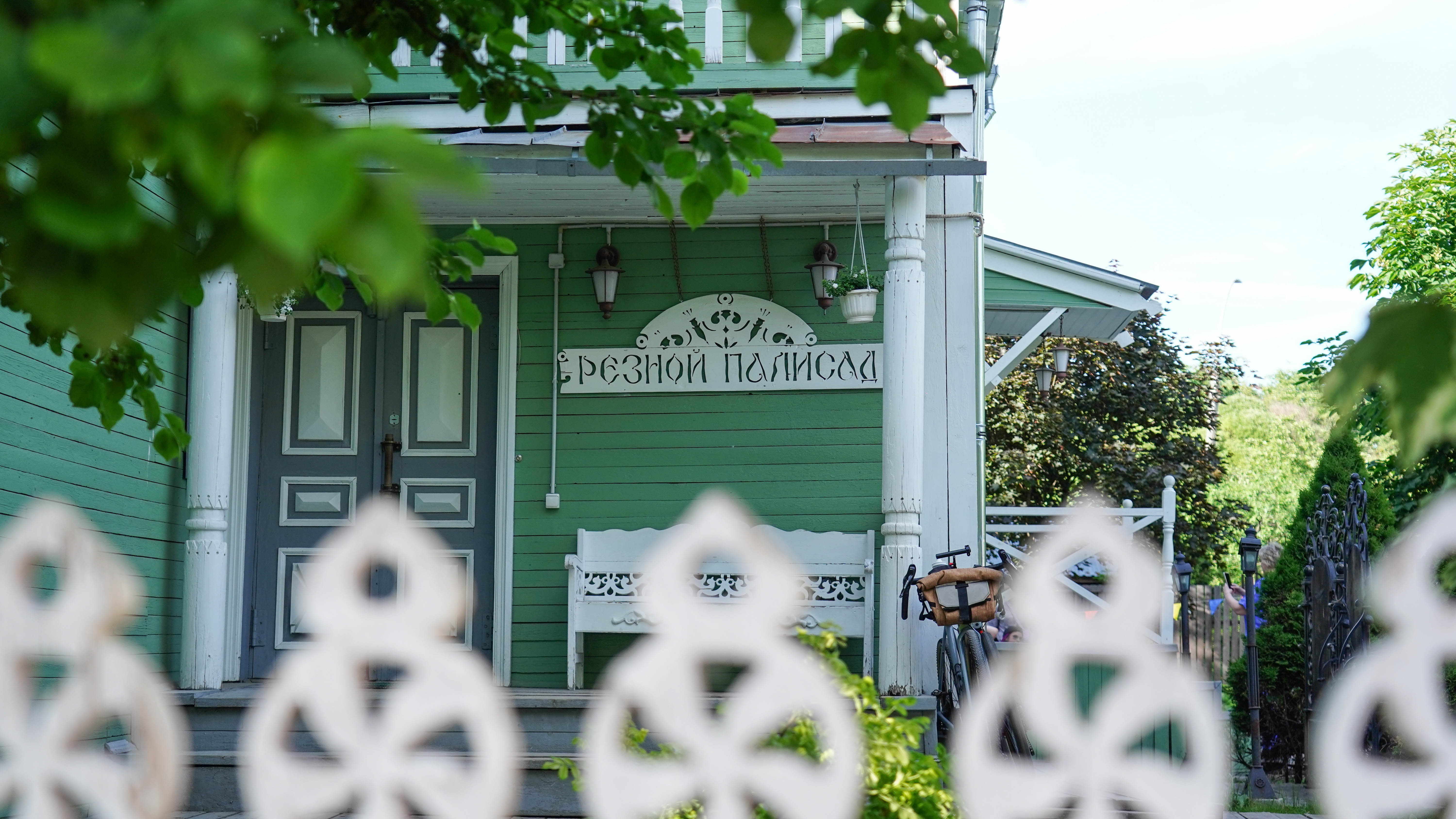
  4. Carved Palisade — point on route “From an Ancient Settlement to the City of Vologda”

    Carved Palisade

    🏟️ Architectural landmark · 🏛️ Museum

  5. St. Elijah Monastery — point on route “From an Ancient Settlement to the City of Vologda”

    St. Elijah Monastery

    🕍 Place of worship · 🏟️ Architectural landmark · 📜 Historic site

  6. Zasetsky House — point on route “From an Ancient Settlement to the City of Vologda”

    Zasetsky House

    🏟️ Architectural landmark

  7. Panteleev House — point on route “From an Ancient Settlement to the City of Vologda”

    Panteleev House

    🏟️ Architectural landmark · 🏛️ Museum

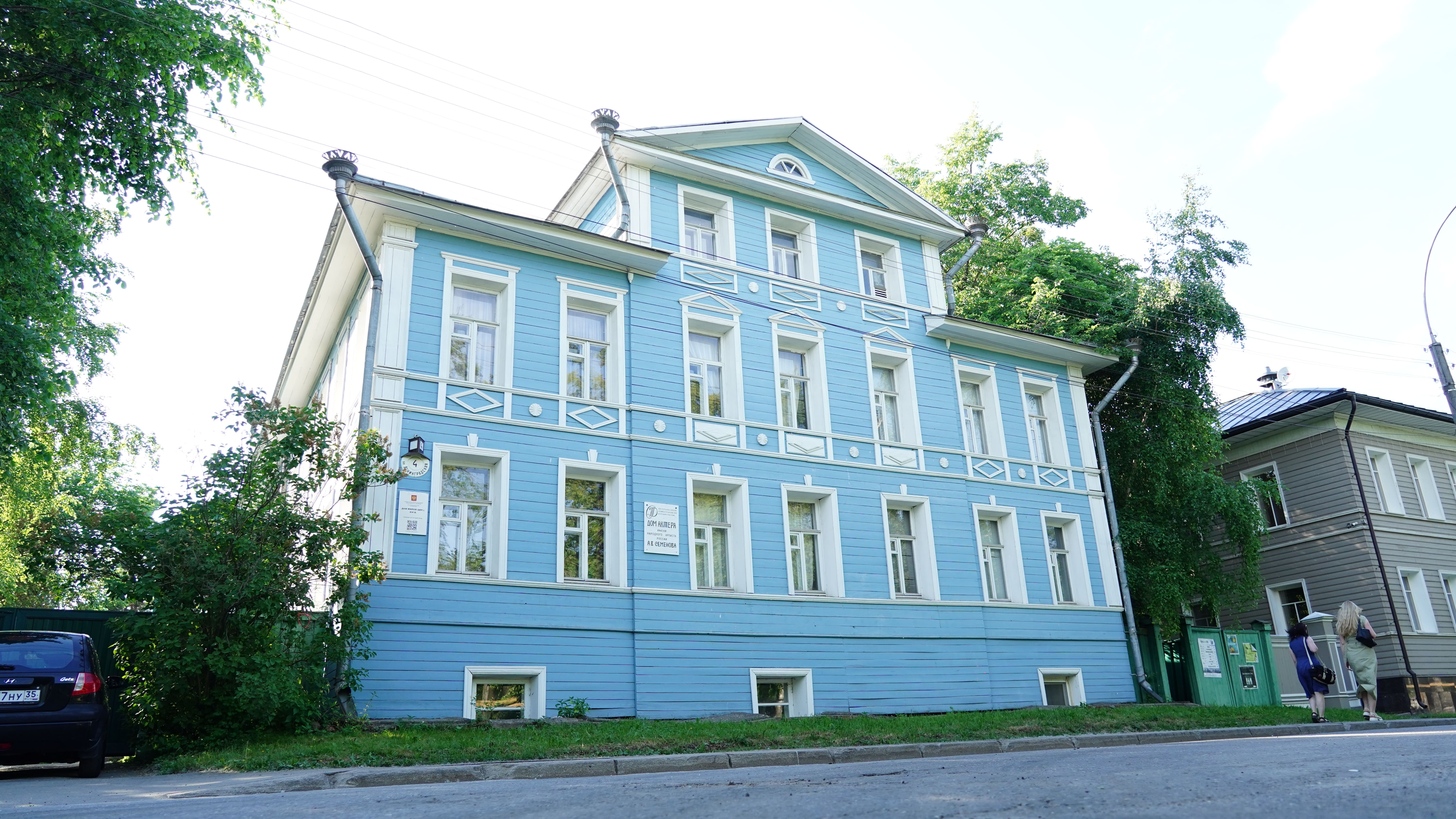
  8. Actors' House — point on route “From an Ancient Settlement to the City of Vologda”

    Actors' House

    🏟️ Architectural landmark · 🎭 Theater

  9. Kremlin Garden — point on route “From an Ancient Settlement to the City of Vologda”

    Kremlin Garden

    🌳 Botanical garden · 🌿 Public garden or park

  10. Kremlin Square — point on route “From an Ancient Settlement to the City of Vologda”

    Kremlin Square

    ⛲ Square · 📜 Historic site

  11. Bishop's Court (Little Kremlin) — point on route “From an Ancient Settlement to the City of Vologda”

    Bishop's Court (Little Kremlin)

    🏟️ Architectural landmark · 📜 Historic site

  12. St. Sophia Cathedral — point on route “From an Ancient Settlement to the City of Vologda”

    St. Sophia Cathedral

    🕍 Place of worship · 🕵️ Urban legend

  13. Resurrection Cathedral — point on route “From an Ancient Settlement to the City of Vologda”

    Resurrection Cathedral

    🕍 Place of worship

  14. St. Sophia Cathedral Bell Tower — point on route “From an Ancient Settlement to the City of Vologda”

    St. Sophia Cathedral Bell Tower

    🕵️ Urban legend · 🔭 Viewpoint

  15. Monument to the Poet K. N. Batyushkov — point on route “From an Ancient Settlement to the City of Vologda”

    Monument to the Poet K. N. Batyushkov

    🗿 Monument

Bishop's Court (Little Kremlin) in Vologda

Point on route “From an Ancient Settlement to the City of Vologda”

Bishop's Court (Little Kremlin) — point on route “From an Ancient Settlement to the City of Vologda”

Point 11

Bishop's Court (Little Kremlin)

🏟️ Architectural landmark • 📜 Historic site

Historical Background

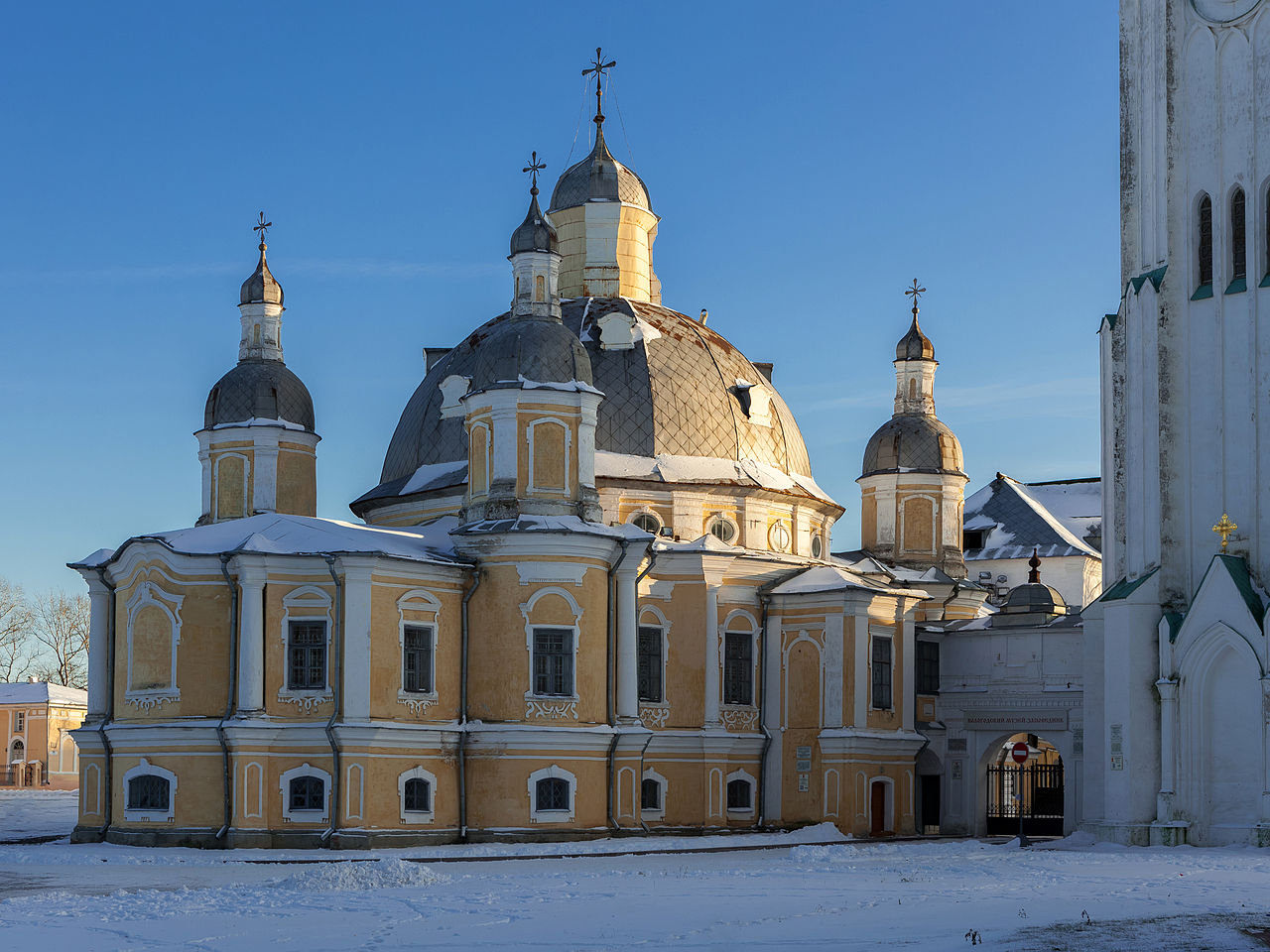
The Bishop's Court in Vologda, also known as the Little Kremlin, is a historic architectural complex that from the 1560s to the 1920s served as the residence of the archbishops and bishops of Vologda and as the administrative and cultural center of the Vologda Diocese. It stands in the city center, on the site of the former Vologda Kremlin, and consists of a stone wall and 17th–19th-century buildings. Today the complex is occupied by the Vologda Museum-Reserve. The bishop's residence originally stood near Lazy Square, next to the Church of the Resurrection, then the city's cathedral. It was moved when fortifications were built on the orders of Ivan the Terrible in the 1560s. The new site was chosen downstream, closer to the Dormition (St. Sophia) Cathedral then under construction. In 1589 Patriarch Job raised the Diocese of Vologda and Great Perm to the rank of an archdiocese, and the bishop's house in Vologda became its center.

Architectural Features

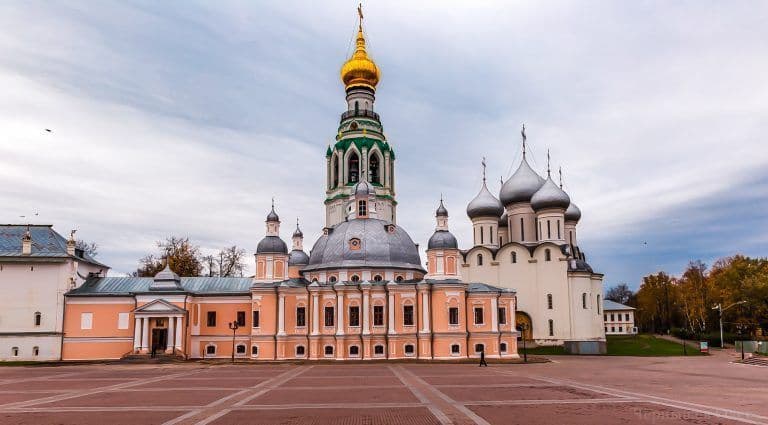
Until the mid-17th century all the buildings of the court were wooden and were rebuilt many times. On September 22–25, 1612, the bishop's chambers, like most of the city, were burned when Vologda was captured by a band of Poles and Tushino rebels. After rebuilding in the 1620s, census books describe a fenced area with double gates crowned by three tent roofs covered with wooden shingles. The court held the wooden Church of St. Stephen of Perm, the archbishop's cell raised on a ground floor, and other buildings. There was also a small pond with crucian carp. The stone walls were built in 1671–1675 under Bishop Simon, right after the stone Bishop's Building was completed. At first the walls had a wooden roof. The name “Little Kremlin” was first used in 1855 by A. N. Muravyov, author of “The Russian Thebaid in the North”. The complex is an irregular quadrangle enclosed by stone walls, with three towers and the Resurrection Cathedral at its corners. To the north of the court stands St. Sophia Cathedral, whose main entrance is reached through the Holy Gates. Emperor Peter I visited the Bishop's Court several times to meet the bishops of Vologda.

Today

Since 1923 the Bishop's Court has housed the Vologda Historical, Architectural and Art Museum-Reserve. The complex is a cultural heritage site of federal significance. The court covers about 2.3 hectares, and its walls are 550 m long. The Bishop's Court is one of the best-preserved bishops' residences in Russia.