←From an Ancient Settlement to the City of Vologda

From an Ancient Settlement to the City of Vologda

Photo of route “From an Ancient Settlement to the City of Vologda”
15 points2 km4 hours

This route takes you deep into the city's history, from the first settlements to the heyday of merchant Vologda. Along the way, layer after layer of the city's past is revealed: traces of fortifications, the sites of former squares, and corners with carefully preserved wooden houses and carved front gardens that tell of the everyday life and tastes of Vologda's people through the ages.

Things to do

  • 📜 Learn the city's history
  • 🌆🌿 Soak up the atmosphere
  • 🍲🎶 Local culture

Route points (15)

  1. Lazy Square — Where the City Was Founded — point on route “From an Ancient Settlement to the City of Vologda”

    Lazy Square — Where the City Was Founded

    🗿 Monument · ⛲ Square

  2. Monument to St. Gerasim of Vologda — point on route “From an Ancient Settlement to the City of Vologda”

    Monument to St. Gerasim of Vologda

    🗿 Monument

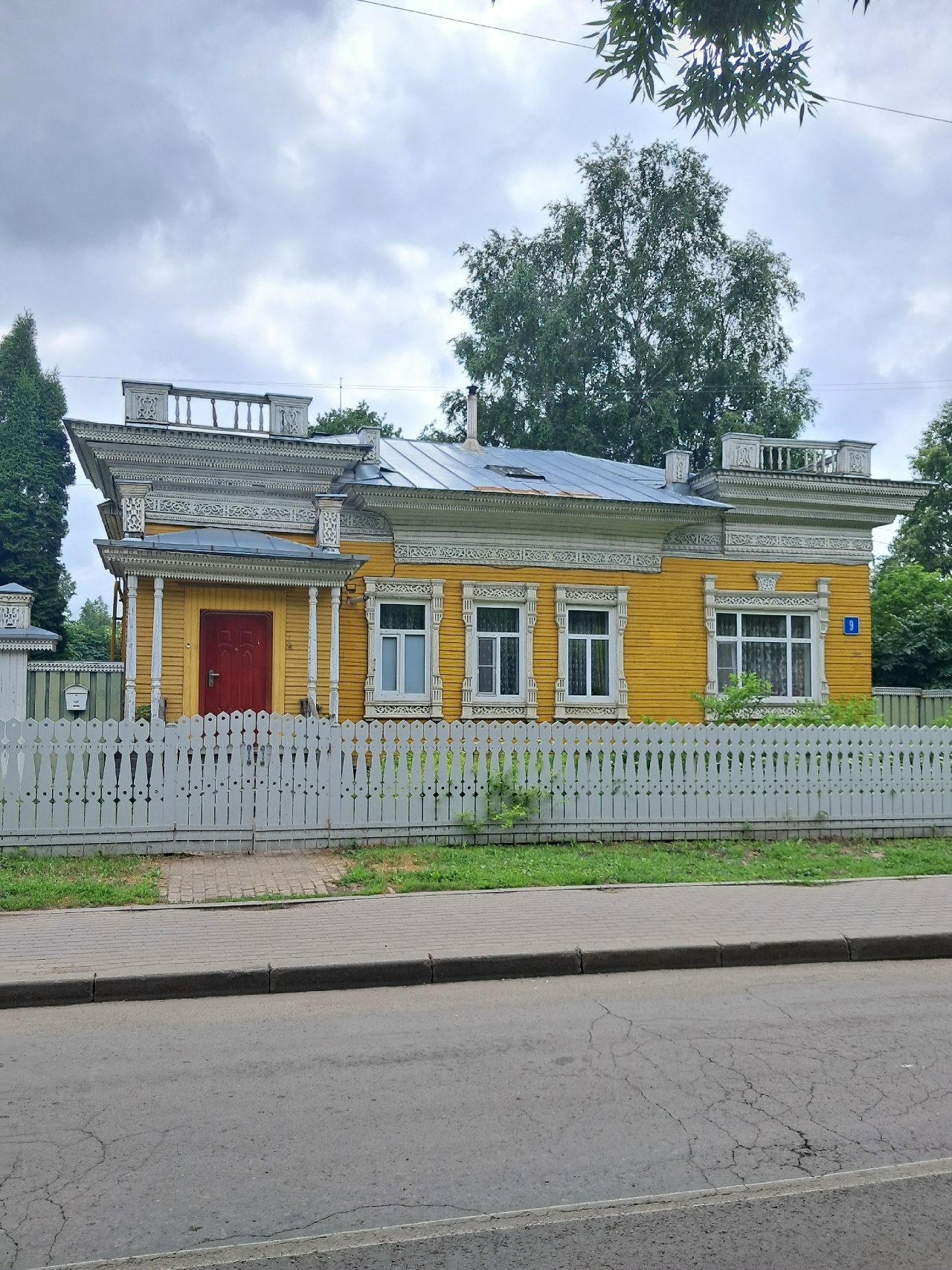
  3. Karaulov House — point on route “From an Ancient Settlement to the City of Vologda”

    Karaulov House

    🏟️ Architectural landmark · 📜 Historic site

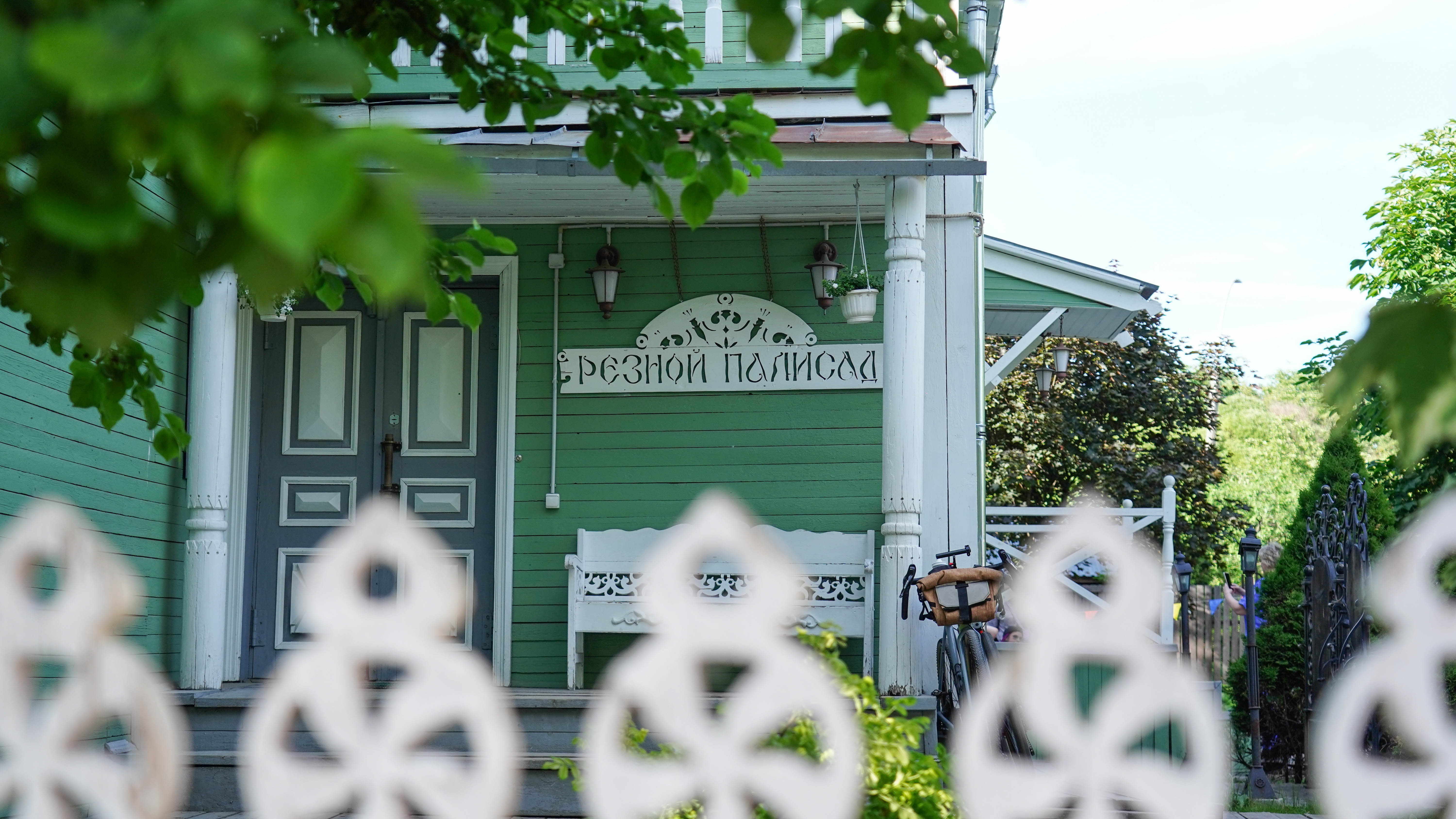
  4. Carved Palisade — point on route “From an Ancient Settlement to the City of Vologda”

    Carved Palisade

    🏟️ Architectural landmark · 🏛️ Museum

  5. St. Elijah Monastery — point on route “From an Ancient Settlement to the City of Vologda”

    St. Elijah Monastery

    🕍 Place of worship · 🏟️ Architectural landmark · 📜 Historic site

  6. Zasetsky House — point on route “From an Ancient Settlement to the City of Vologda”

    Zasetsky House

    🏟️ Architectural landmark

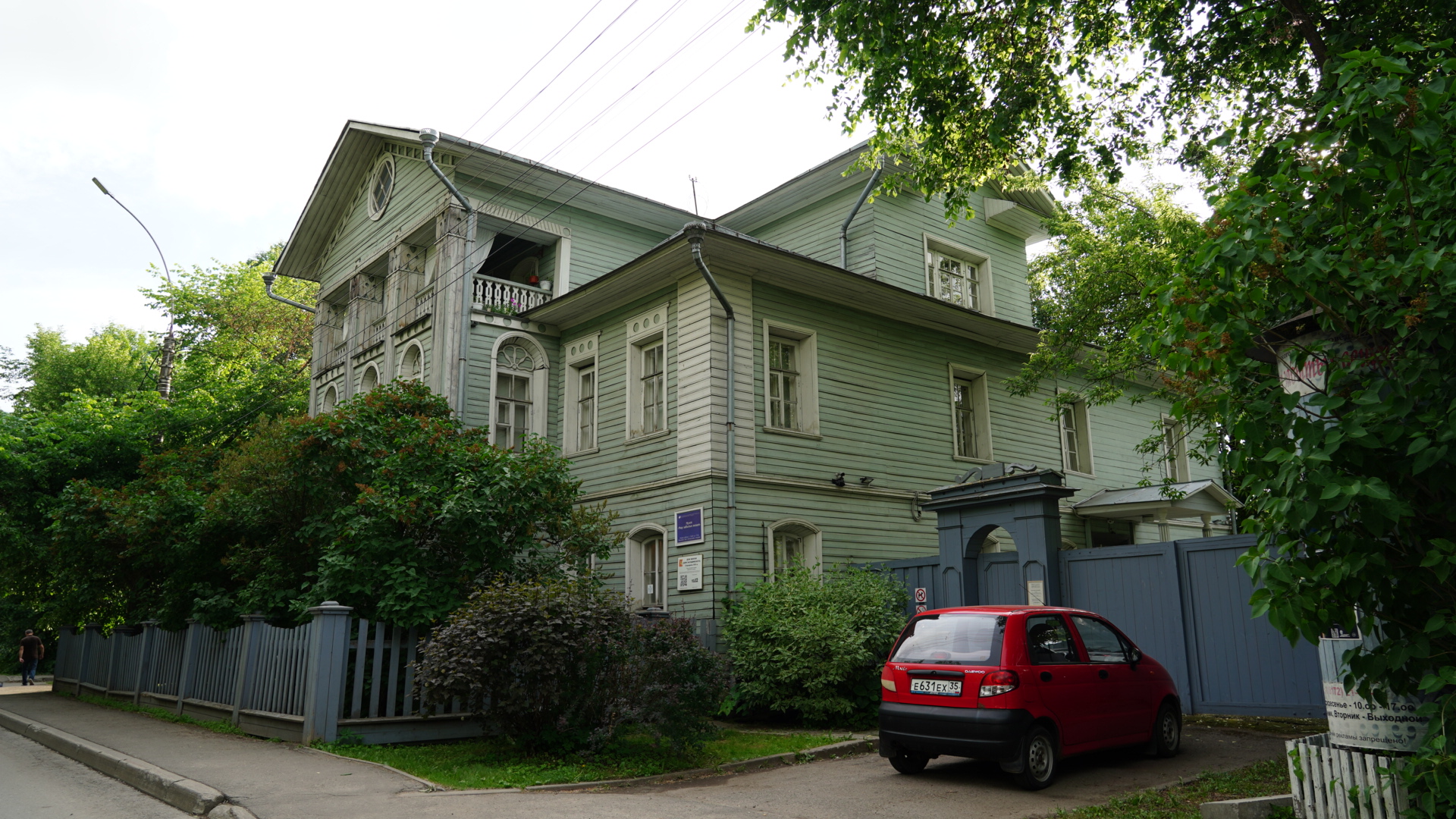
  7. Panteleev House — point on route “From an Ancient Settlement to the City of Vologda”

    Panteleev House

    🏟️ Architectural landmark · 🏛️ Museum

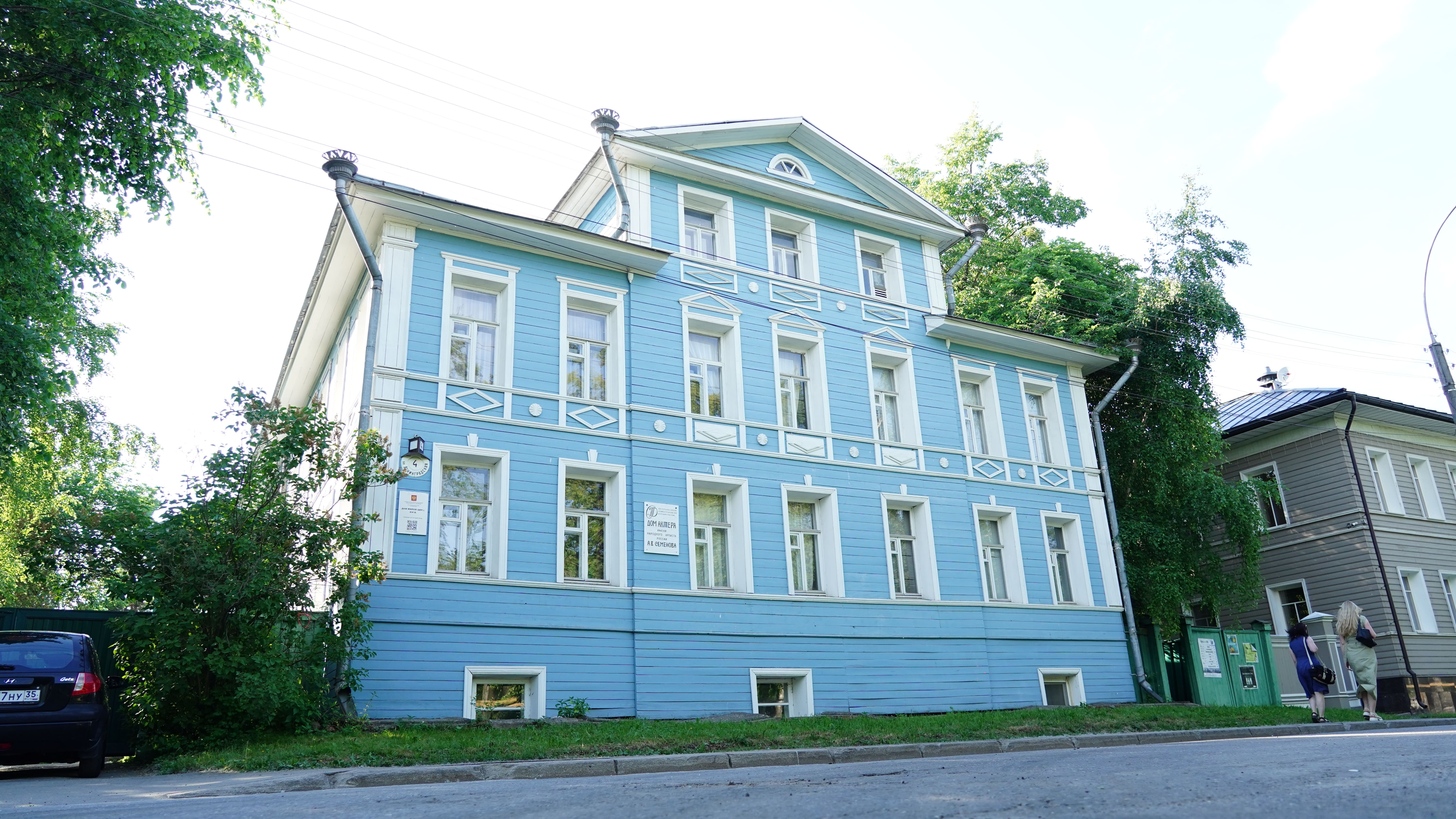
  8. Actors' House — point on route “From an Ancient Settlement to the City of Vologda”

    Actors' House

    🏟️ Architectural landmark · 🎭 Theater

  9. Kremlin Garden — point on route “From an Ancient Settlement to the City of Vologda”

    Kremlin Garden

    🌳 Botanical garden · 🌿 Public garden or park

  10. Kremlin Square — point on route “From an Ancient Settlement to the City of Vologda”

    Kremlin Square

    ⛲ Square · 📜 Historic site

  11. Bishop's Court (Little Kremlin) — point on route “From an Ancient Settlement to the City of Vologda”

    Bishop's Court (Little Kremlin)

    🏟️ Architectural landmark · 📜 Historic site

  12. St. Sophia Cathedral — point on route “From an Ancient Settlement to the City of Vologda”

    St. Sophia Cathedral

    🕍 Place of worship · 🕵️ Urban legend

  13. Resurrection Cathedral — point on route “From an Ancient Settlement to the City of Vologda”

    Resurrection Cathedral

    🕍 Place of worship

  14. St. Sophia Cathedral Bell Tower — point on route “From an Ancient Settlement to the City of Vologda”

    St. Sophia Cathedral Bell Tower

    🕵️ Urban legend · 🔭 Viewpoint

  15. Monument to the Poet K. N. Batyushkov — point on route “From an Ancient Settlement to the City of Vologda”

    Monument to the Poet K. N. Batyushkov

    🗿 Monument

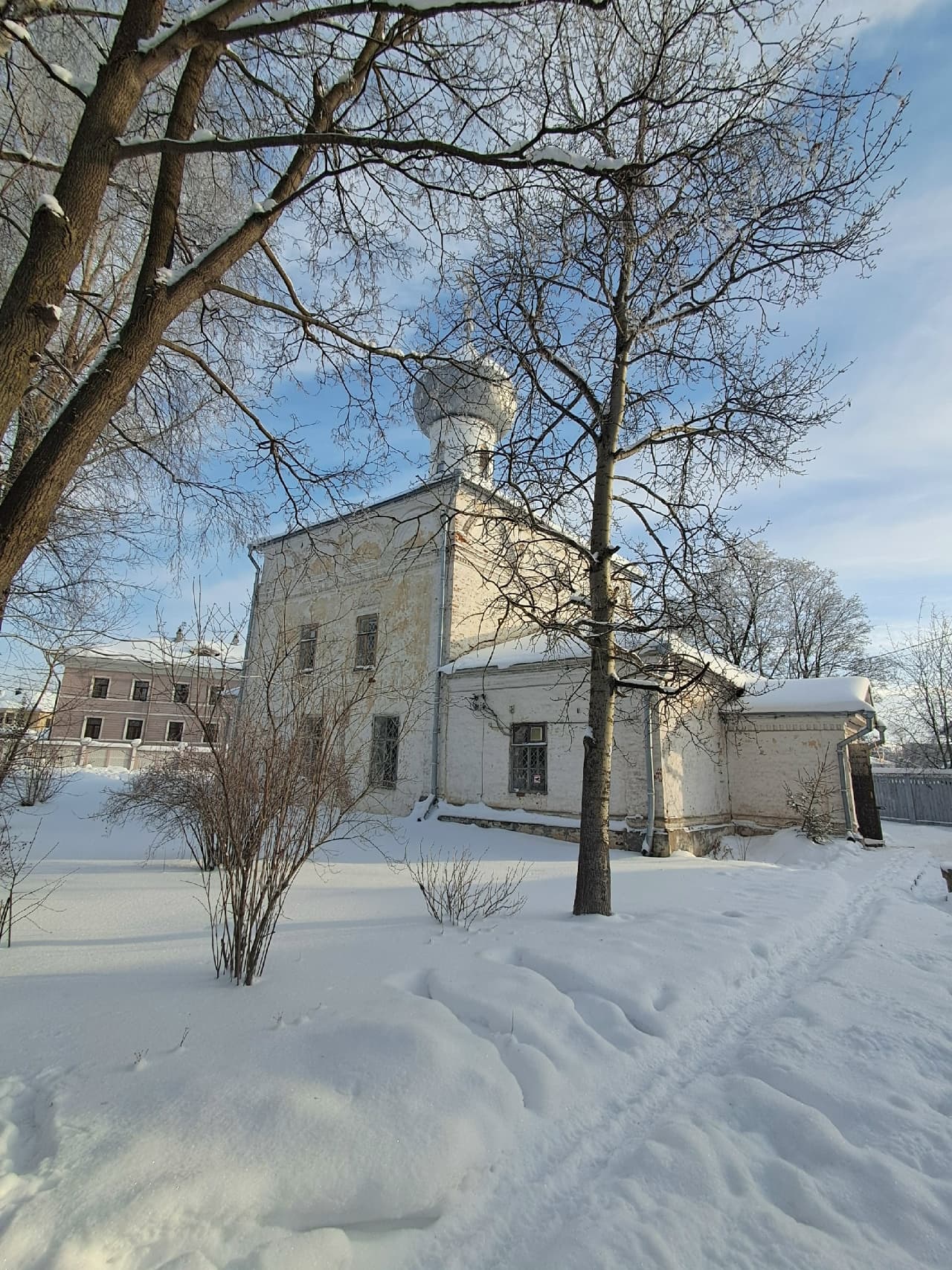
St. Elijah Monastery in Vologda

Point on route “From an Ancient Settlement to the City of Vologda”

St. Elijah Monastery — point on route “From an Ancient Settlement to the City of Vologda”

Point 5

St. Elijah Monastery

🕍 Place of worship • 🏟️ Architectural landmark • 📜 Historic site

Historical Background

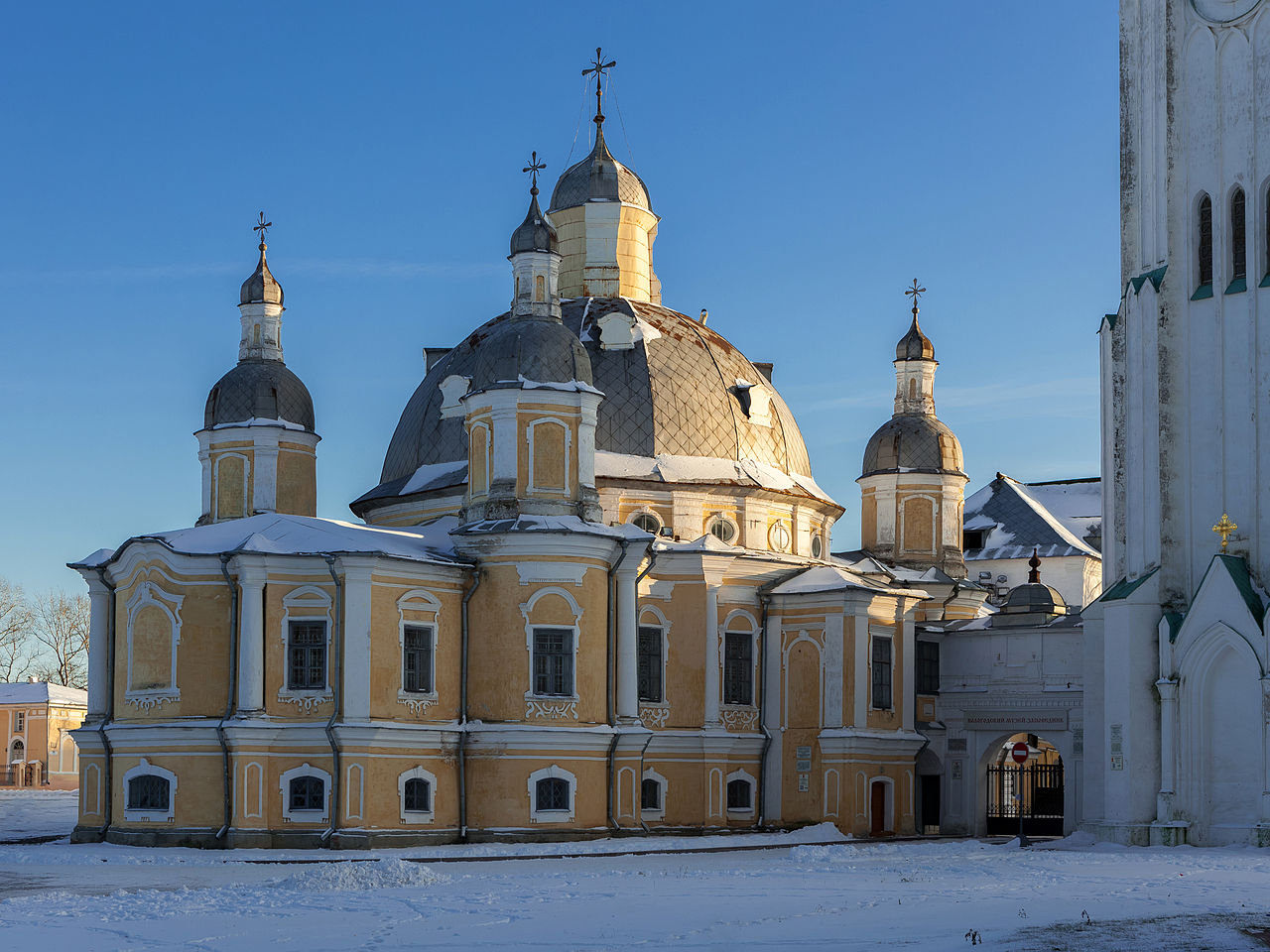
St. Elijah Monastery in Vologda is one of the city's oldest monastic complexes and has left a significant mark on its history and architecture. It stood in an area known as Kamenye (“the Stones”) or Gory (“the Hills”) and had several names: the Vologda St. Elijah Monastery in the Hills, on the Stones, and also Kobylkin St. Demetrius Monastery. Its founding date is not known for sure, but the earliest records of it date from the reign of Ivan the Terrible (mid-16th century). According to one theory, the monastery may already have existed in the 15th century, as suggested by the cult of St. Varlaam of Khutyn that was widespread at the time.

Hard Times

In 1610 the monastery was in decline, with dilapidated churches and cells. At this time the Vologda merchant Kondraty Akishev played an important role in its fate. He paid for a cold (unheated) wooden Church of St. Elijah and later a warm Church of St. Varlaam of Khutyn, cells and a monastery wall; he had a well dug and bought land for a vegetable garden. Akishev also donated his own storehouses and shops to the monastery. In 1613, during the Polish-Lithuanian invasion, the monastery was ravaged. The old warm Church of St. Varlaam of Khutyn was burned, but the new cold Church of St. Elijah survived. The monks were killed and all the property was looted. In 1698 the monks replaced the dilapidated wooden Church of St. Elijah with a stone one. From 1699 the monastery stopped receiving state support, which led to its gradual decline. In 1738, when only the abbot was left, with no brethren, the monastery was abolished and its churches became parish churches.

A Unique Church

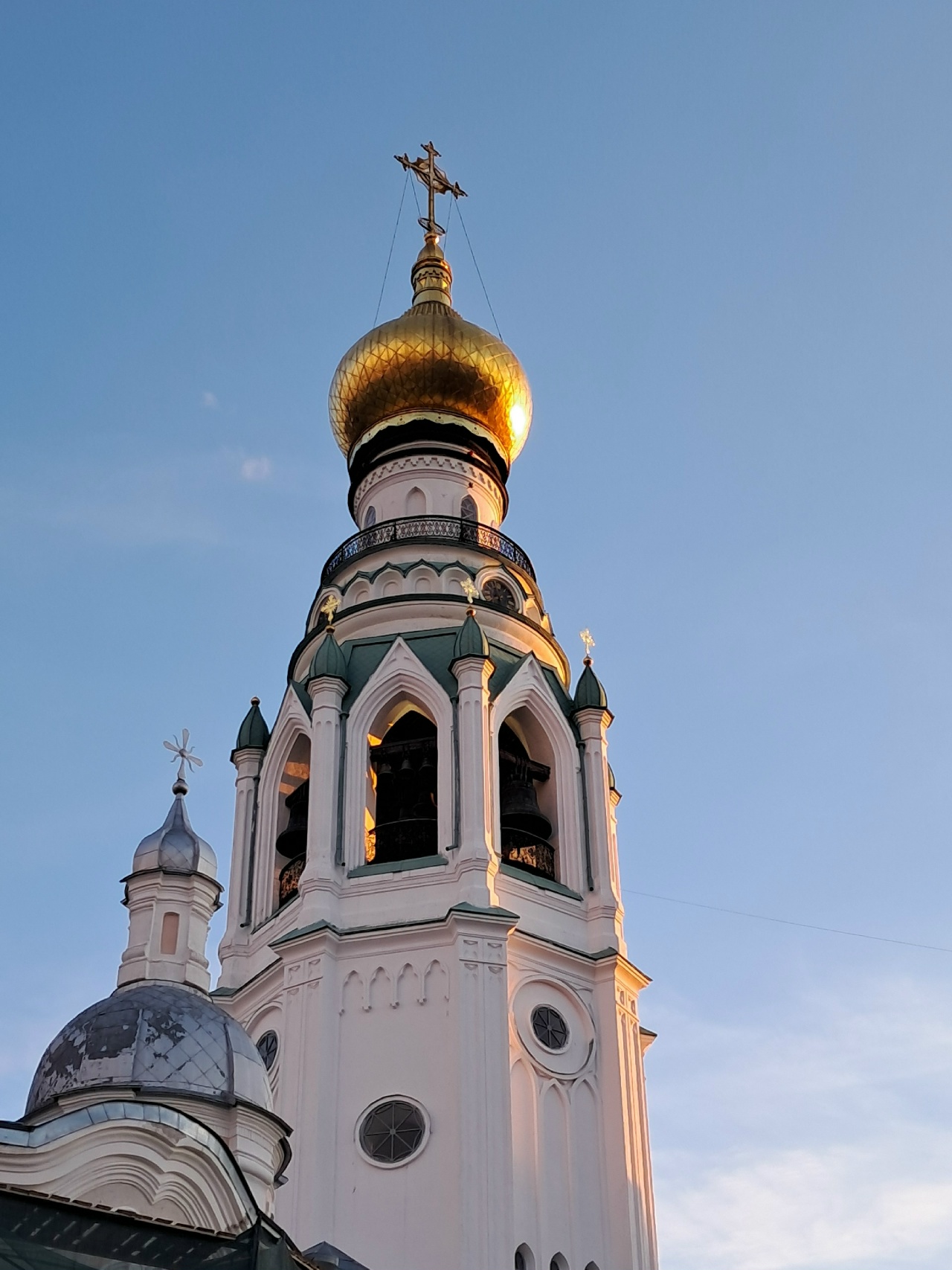
Just as remarkable is the Church of St. Varlaam of Khutyn, dedicated to the Novgorod saint. It was built in 1780 thanks to a generous donation from the Vologda merchant Afanasy Uzdennikov. Having visited St. Petersburg and fallen under the spell of the northern capital, the merchant decided to combine different stylistic elements in the church's architecture. The result was a truly unique building, rare not only for the city but for all of Russia. Instead of the usual domes it has urns topped with crosses, and the bell tower's spire looks like the frozen flame of a burning candle.