←Shlisselburg: Venice of the North and Russia's Bastille

Shlisselburg: Venice of the North and Russia's Bastille

Photo of route “Shlisselburg: Venice of the North and Russia's Bastille”
13 points12 km4 hours

Shlisselburg is an old town 50 kilometers (31 miles) from St. Petersburg. Its name means “key town,” and it has stood here for more than 700 years. That's reason enough to visit and see with your own eyes the “Russian Bastille” of Peter the Great's era, centuries-old canals, and a stunning sunset over the Neva. The route was designed especially for the BelkaCar car-sharing service.

Things to do

  • 📜 Learn the city's history
  • 🏛️🕰️ Compare the eras

Route points (13)

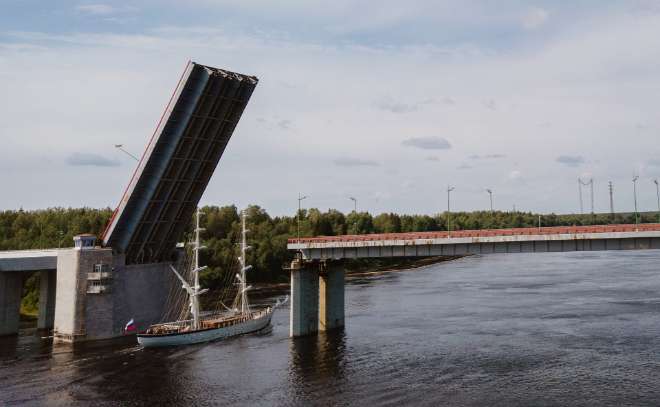
  1. Ladoga Bridge — point on route “Shlisselburg: Venice of the North and Russia's Bastille”

    Ladoga Bridge

    🌉 Bridge

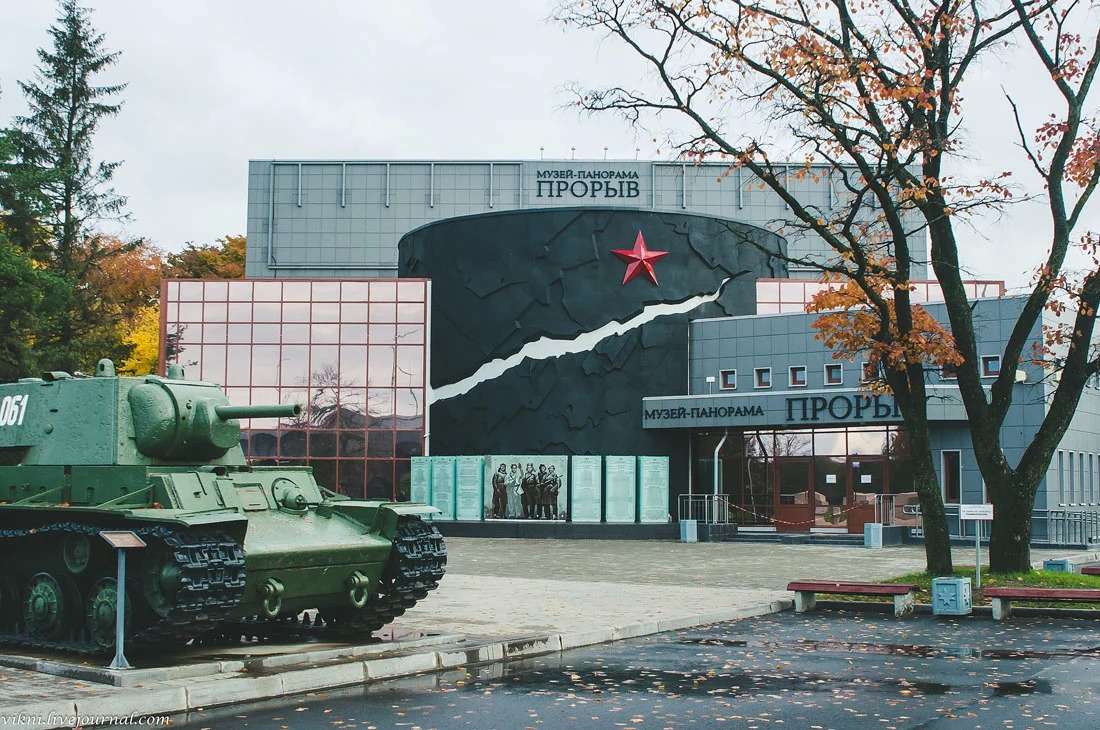
  2. Breakthrough Panorama Museum — point on route “Shlisselburg: Venice of the North and Russia's Bastille”

    Breakthrough Panorama Museum

    🏛️ Museum

  3. Museum of Shlisselburg History — point on route “Shlisselburg: Venice of the North and Russia's Bastille”

    Museum of Shlisselburg History

    🏛️ Museum

  4. Cathedral Square — point on route “Shlisselburg: Venice of the North and Russia's Bastille”

    Cathedral Square

    ⛲ Square · 🕍 Place of worship

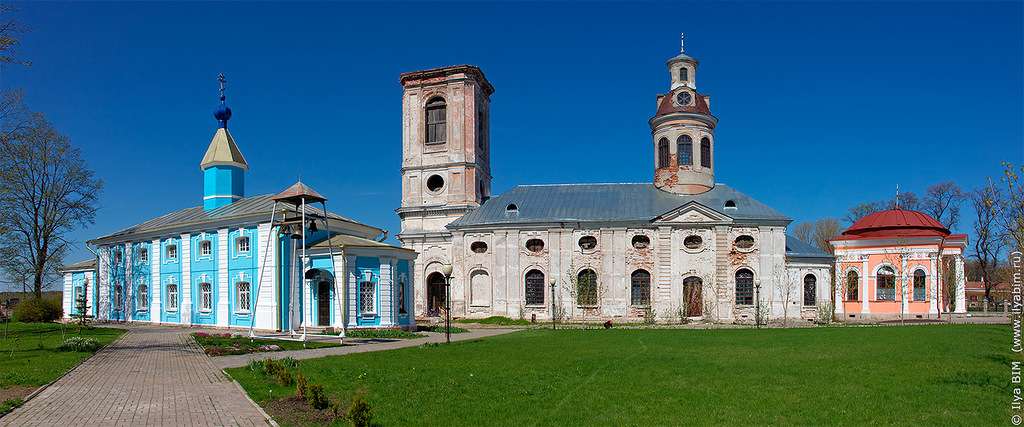
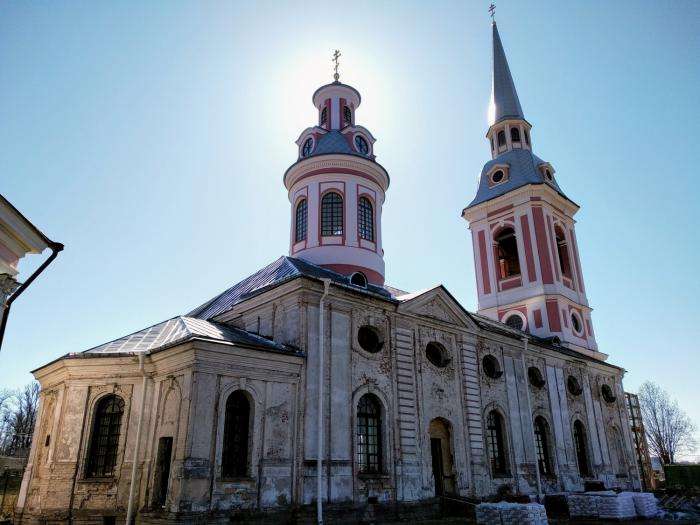
  5. Annunciation Cathedral — point on route “Shlisselburg: Venice of the North and Russia's Bastille”

    Annunciation Cathedral

    🕍 Place of worship

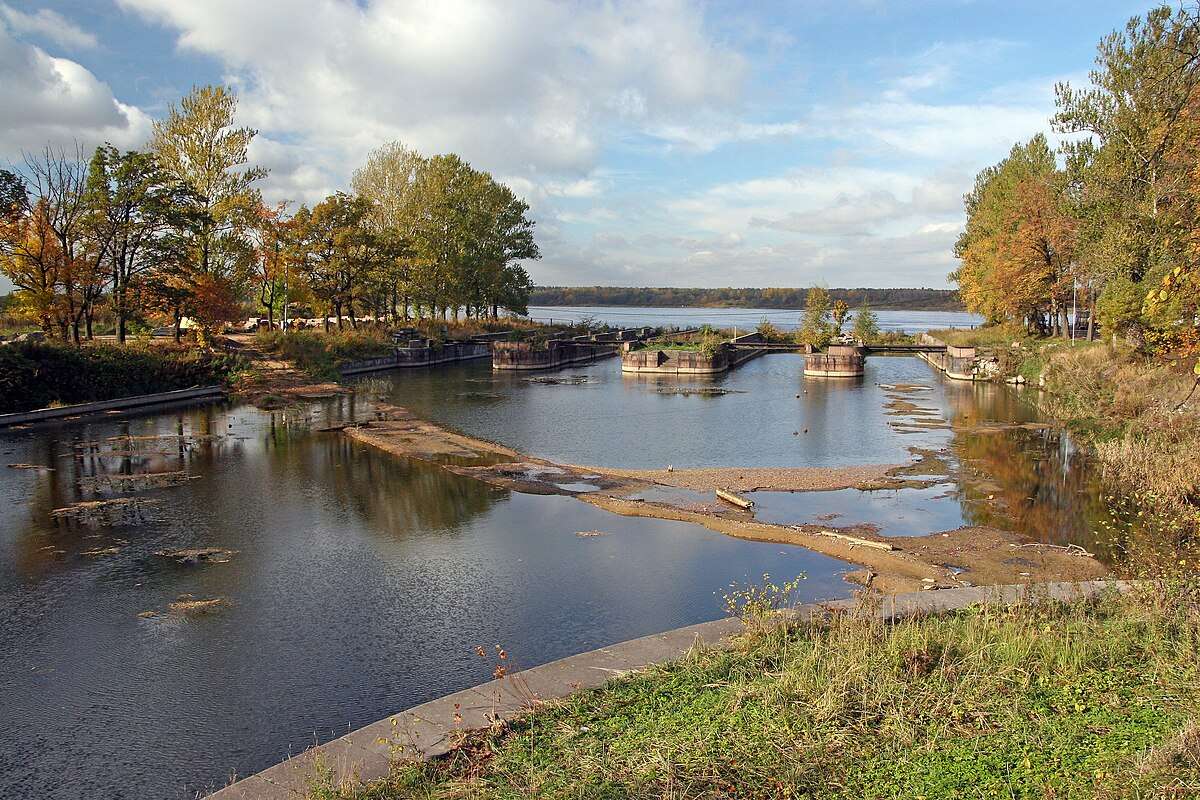
  6. Old Ladoga and New Ladoga Canals — point on route “Shlisselburg: Venice of the North and Russia's Bastille”

    Old Ladoga and New Ladoga Canals

    ⚙️ Industrial site

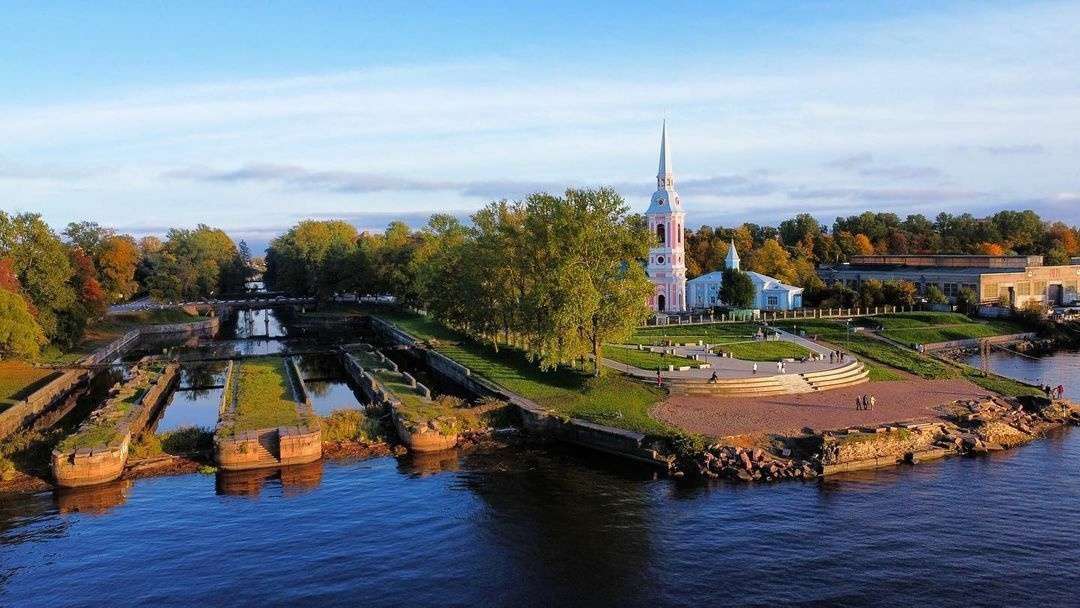
  7. Four-Chamber Granite Lock — point on route “Shlisselburg: Venice of the North and Russia's Bastille”

    Four-Chamber Granite Lock

    ⚙️ Industrial site

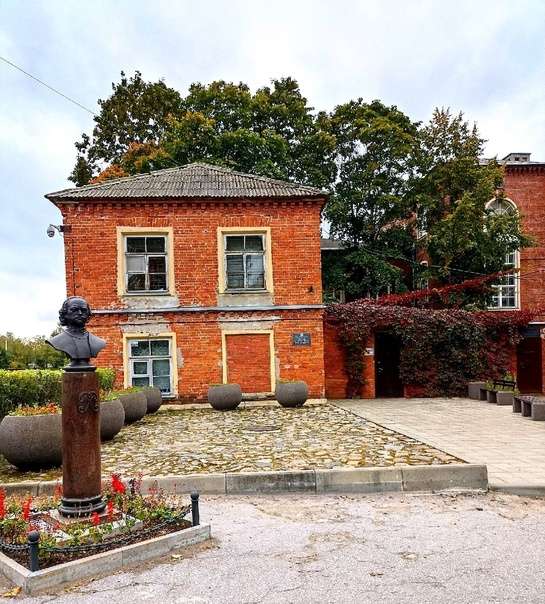
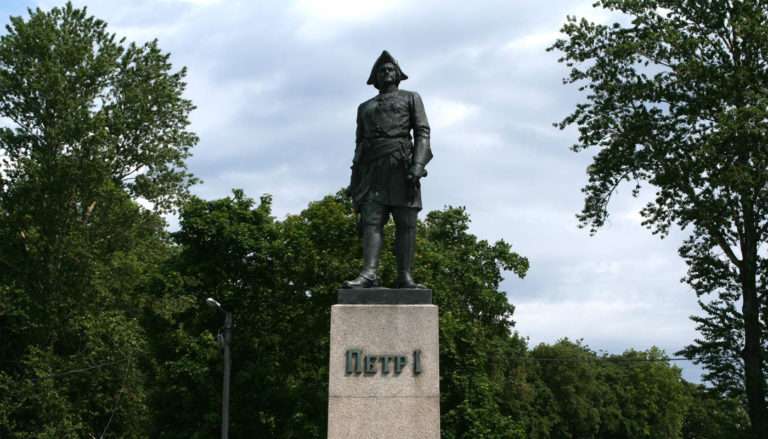
  8. Monument to Peter I — point on route “Shlisselburg: Venice of the North and Russia's Bastille”

    Monument to Peter I

    🗿 Monument

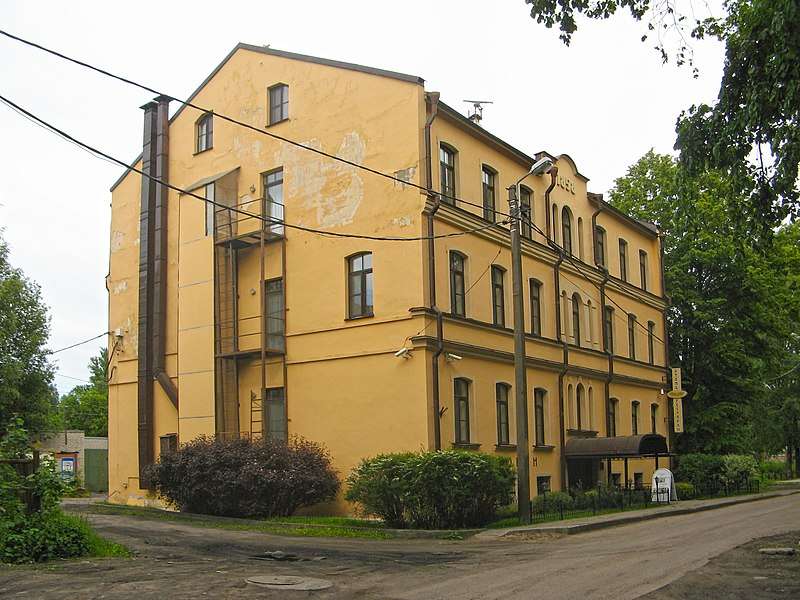
  9. House of the Merchant Alexei Grigorievich Potashov — point on route “Shlisselburg: Venice of the North and Russia's Bastille”

    House of the Merchant Alexei Grigorievich Potashov

    🏟️ Architectural landmark

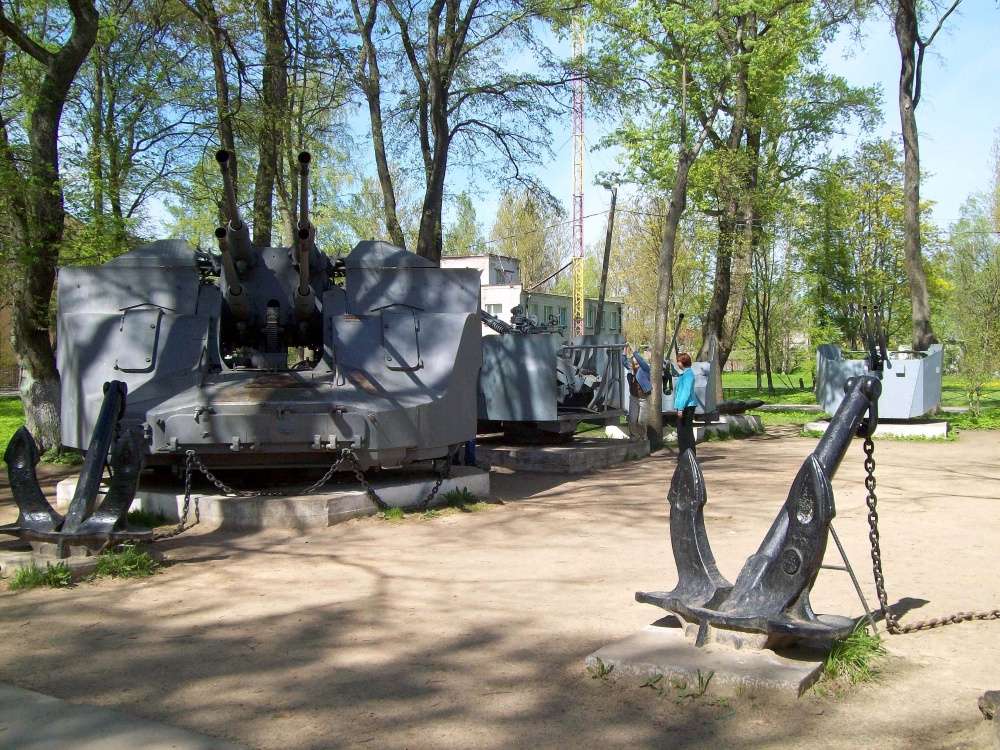
  10. “Echo of Great Battles” Open-Air Museum — point on route “Shlisselburg: Venice of the North and Russia's Bastille”

    “Echo of Great Battles” Open-Air Museum

    🏛️ Museum · 🌿 Public garden or park

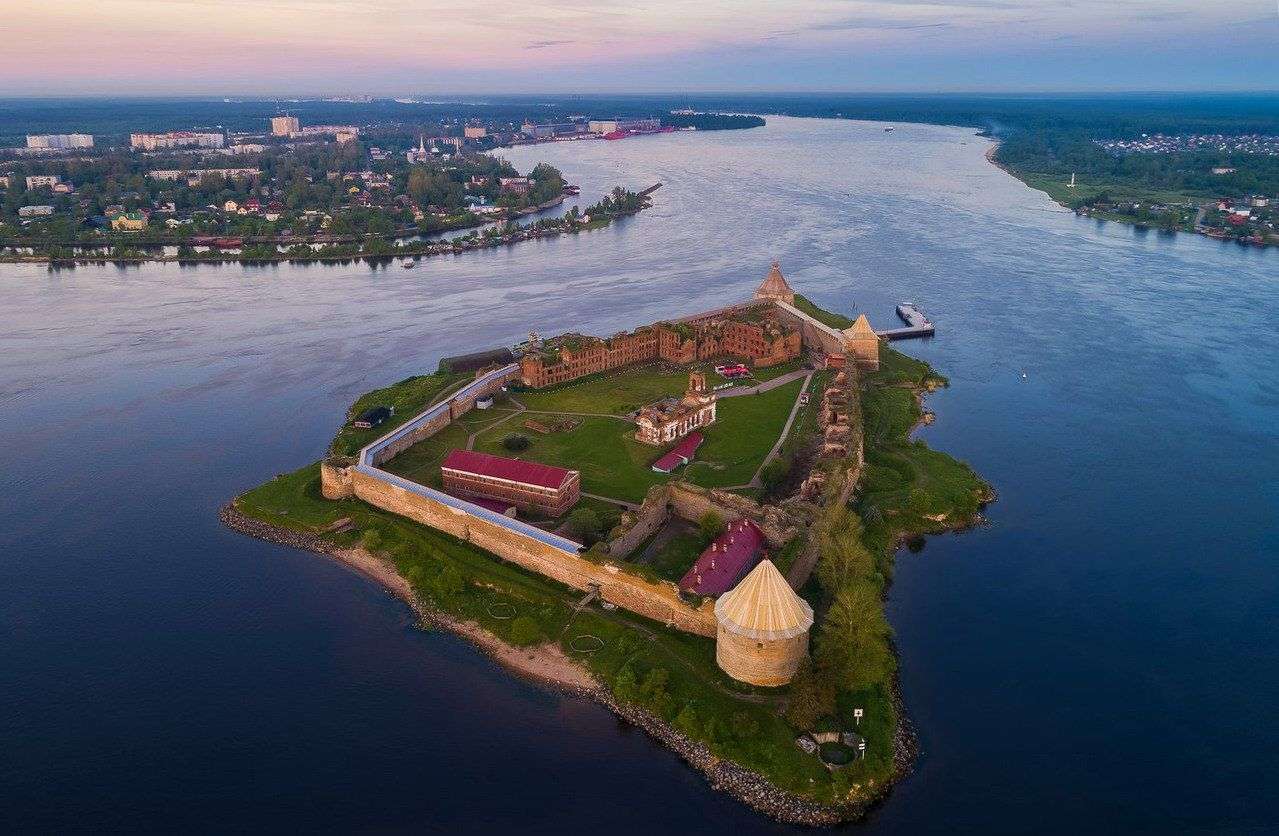
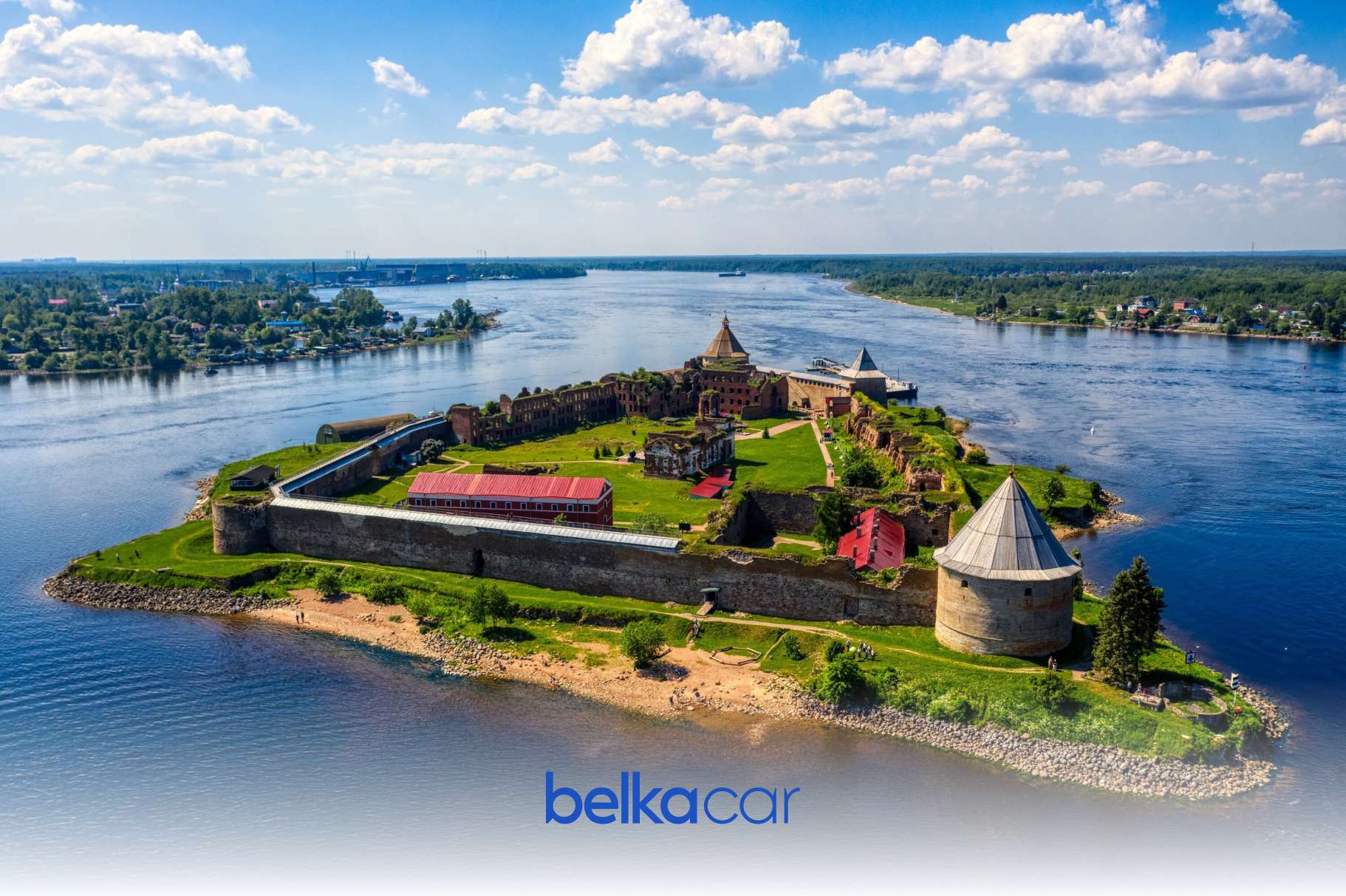
  11. Oreshek Fortress — point on route “Shlisselburg: Venice of the North and Russia's Bastille”

    Oreshek Fortress

    🏯 Fortress remains · 📜 Historic site

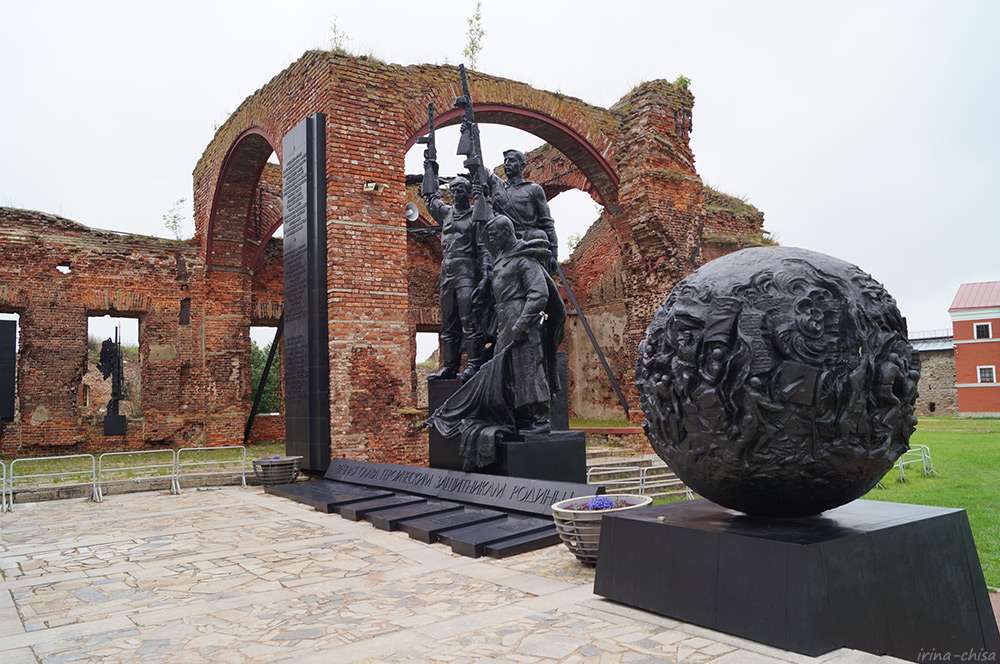
  12. Memorial Complex — point on route “Shlisselburg: Venice of the North and Russia's Bastille”

    Memorial Complex

    📜 Historic site · 🗿 Sculptures

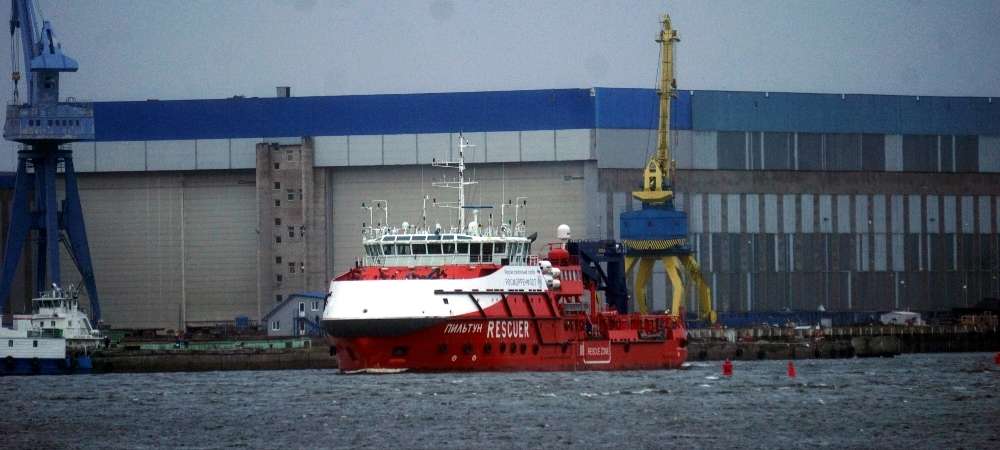
  13. Nevsky Shipbuilding and Ship Repair Plant — point on route “Shlisselburg: Venice of the North and Russia's Bastille”

    Nevsky Shipbuilding and Ship Repair Plant

    ⚙️ Industrial site

Old Ladoga and New Ladoga Canals in Shlisselburg

Point on route “Shlisselburg: Venice of the North and Russia's Bastille”

Old Ladoga and New Ladoga Canals — point on route “Shlisselburg: Venice of the North and Russia's Bastille”

Point 6

Old Ladoga and New Ladoga Canals

⚙️ Industrial site

Historical Background

These two canals are Shlisselburg's second calling card. They run along the southern shore of Lake Ladoga, connecting the Neva and Volkhov rivers. The Old Ladoga Canal was built in 1730 on the orders of Peter I. It followed part of the trade route across Lake Ladoga: storms on Ladoga often sank ships, and the canal offered a safe route.

Architecture

Construction took 12 years and involved 25,000 people. The canal is 117 kilometers (73 miles) long, and in the 18th century it was the largest canal in Europe. After more than 100 years of faithful service, the canal silted up, so in 1861 construction began on a second canal, the New Ladoga Canal, parallel to the first.

Today

The New Ladoga Canal is used by small vessels, although it lost its strategic importance after a railway was built here. The Old Ladoga Canal is unusable because it has dried up.