←Shlisselburg: Venice of the North and Russia's Bastille

Shlisselburg: Venice of the North and Russia's Bastille

Photo of route “Shlisselburg: Venice of the North and Russia's Bastille”
13 points12 km4 hours

Shlisselburg is an old town 50 kilometers (31 miles) from St. Petersburg. Its name means “key town,” and it has stood here for more than 700 years. That's reason enough to visit and see with your own eyes the “Russian Bastille” of Peter the Great's era, centuries-old canals, and a stunning sunset over the Neva. The route was designed especially for the BelkaCar car-sharing service.

Things to do

  • 📜 Learn the city's history
  • 🏛️🕰️ Compare the eras

Route points (13)

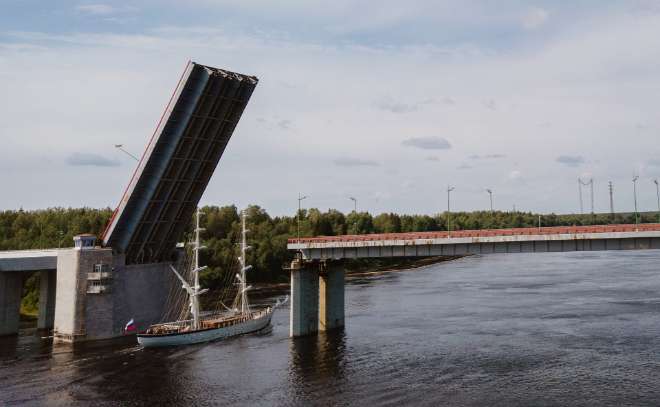
  1. Ladoga Bridge — point on route “Shlisselburg: Venice of the North and Russia's Bastille”

    Ladoga Bridge

    🌉 Bridge

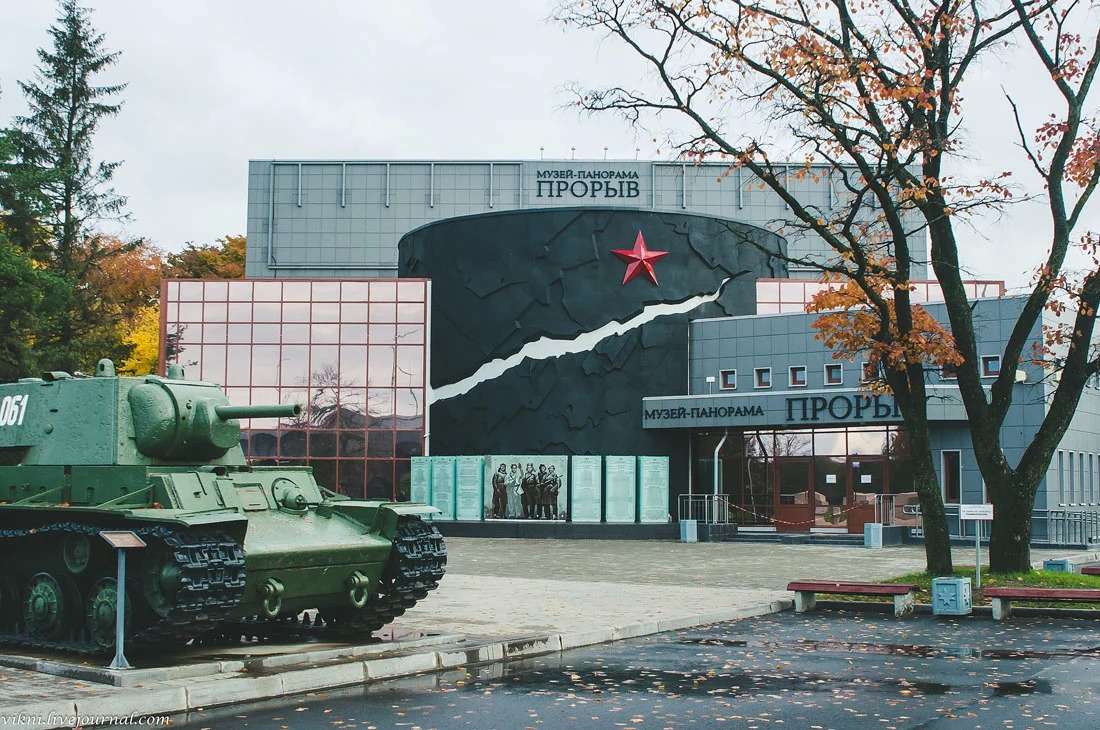
  2. Breakthrough Panorama Museum — point on route “Shlisselburg: Venice of the North and Russia's Bastille”

    Breakthrough Panorama Museum

    🏛️ Museum

  3. Museum of Shlisselburg History — point on route “Shlisselburg: Venice of the North and Russia's Bastille”

    Museum of Shlisselburg History

    🏛️ Museum

  4. Cathedral Square — point on route “Shlisselburg: Venice of the North and Russia's Bastille”

    Cathedral Square

    ⛲ Square · 🕍 Place of worship

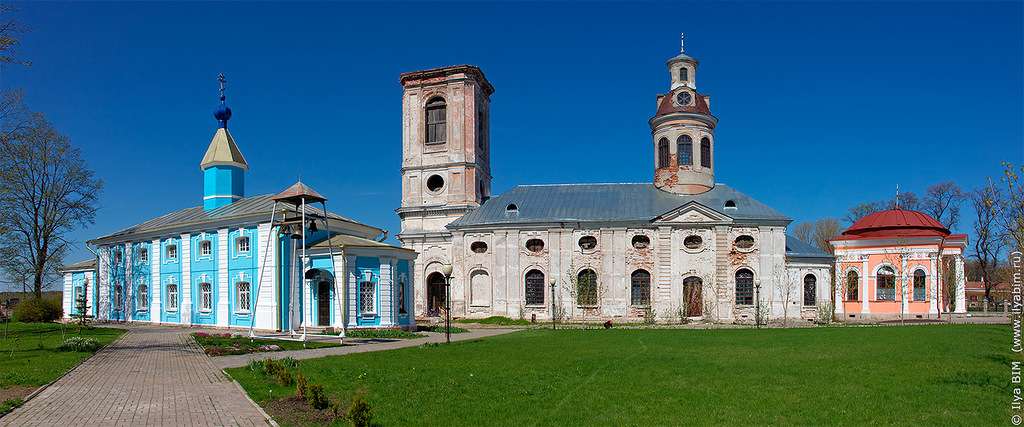
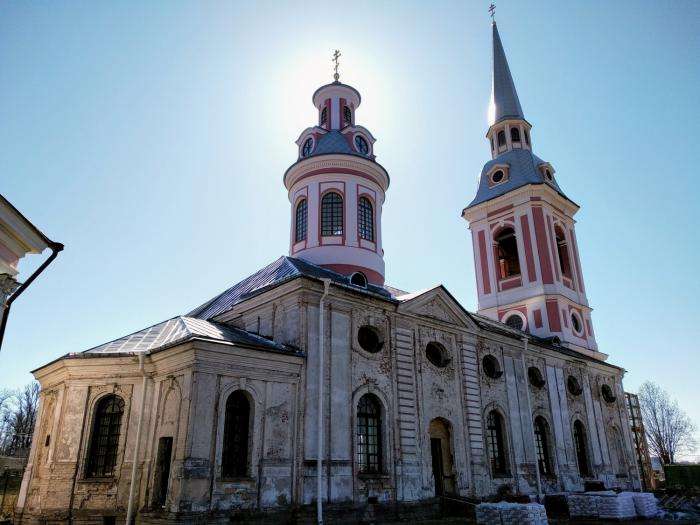
  5. Annunciation Cathedral — point on route “Shlisselburg: Venice of the North and Russia's Bastille”

    Annunciation Cathedral

    🕍 Place of worship

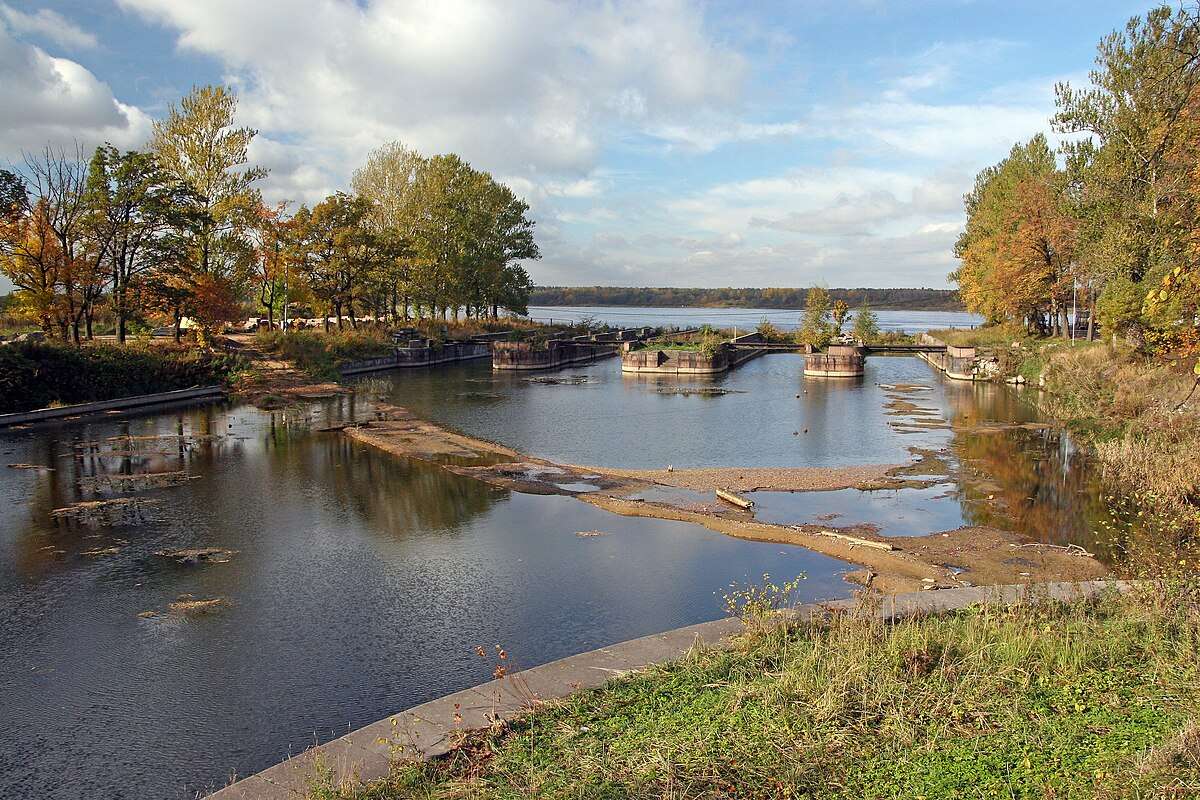
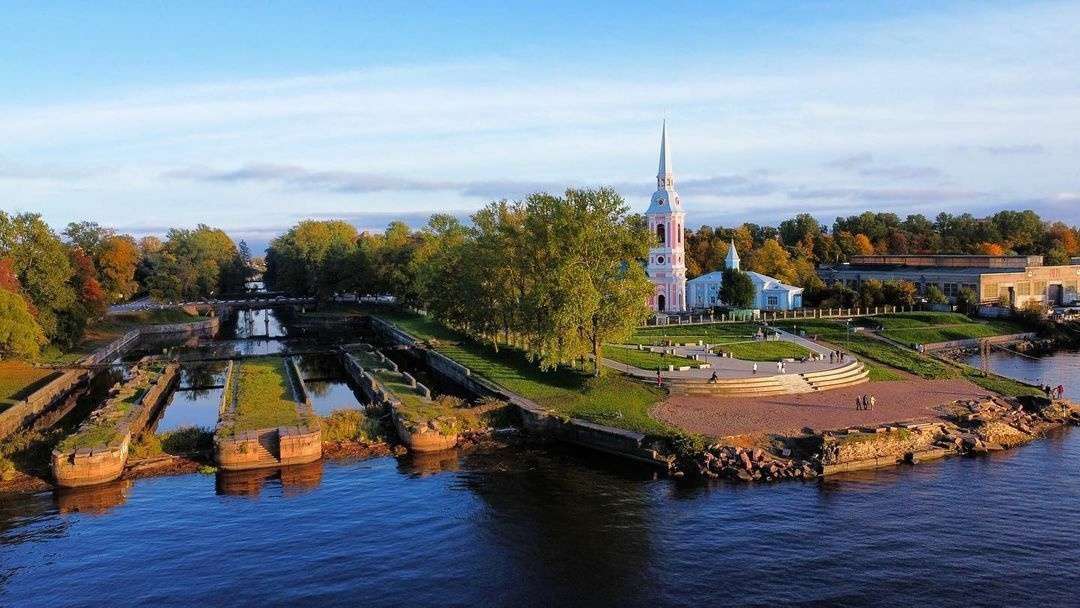
  6. Old Ladoga and New Ladoga Canals — point on route “Shlisselburg: Venice of the North and Russia's Bastille”

    Old Ladoga and New Ladoga Canals

    ⚙️ Industrial site

  7. Four-Chamber Granite Lock — point on route “Shlisselburg: Venice of the North and Russia's Bastille”

    Four-Chamber Granite Lock

    ⚙️ Industrial site

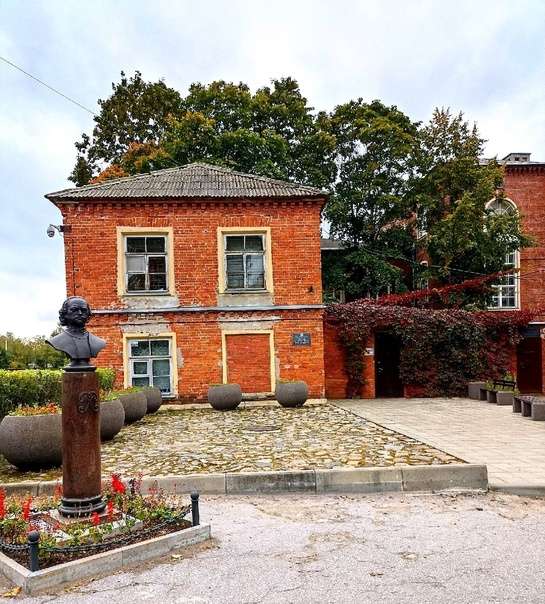
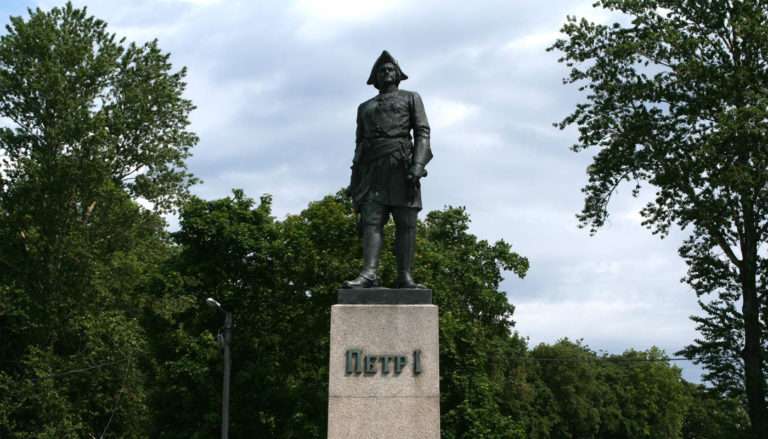
  8. Monument to Peter I — point on route “Shlisselburg: Venice of the North and Russia's Bastille”

    Monument to Peter I

    🗿 Monument

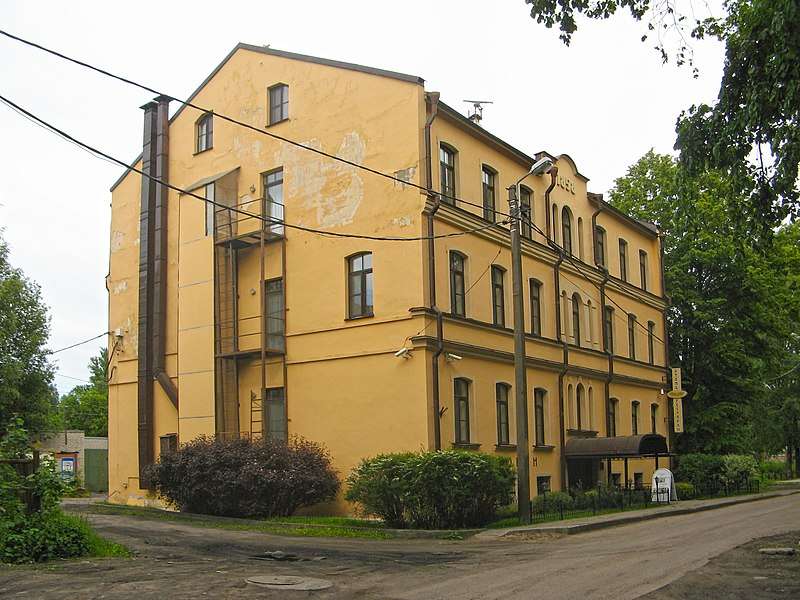
  9. House of the Merchant Alexei Grigorievich Potashov — point on route “Shlisselburg: Venice of the North and Russia's Bastille”

    House of the Merchant Alexei Grigorievich Potashov

    🏟️ Architectural landmark

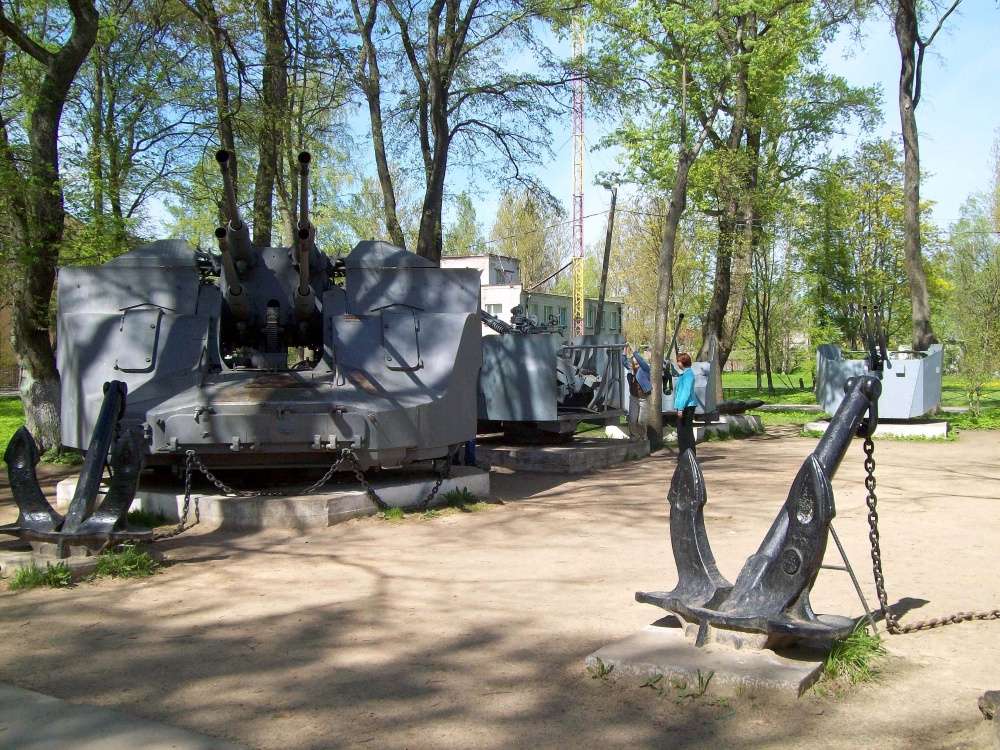
  10. “Echo of Great Battles” Open-Air Museum — point on route “Shlisselburg: Venice of the North and Russia's Bastille”

    “Echo of Great Battles” Open-Air Museum

    🏛️ Museum · 🌿 Public garden or park

  11. Oreshek Fortress — point on route “Shlisselburg: Venice of the North and Russia's Bastille”

    Oreshek Fortress

    🏯 Fortress remains · 📜 Historic site

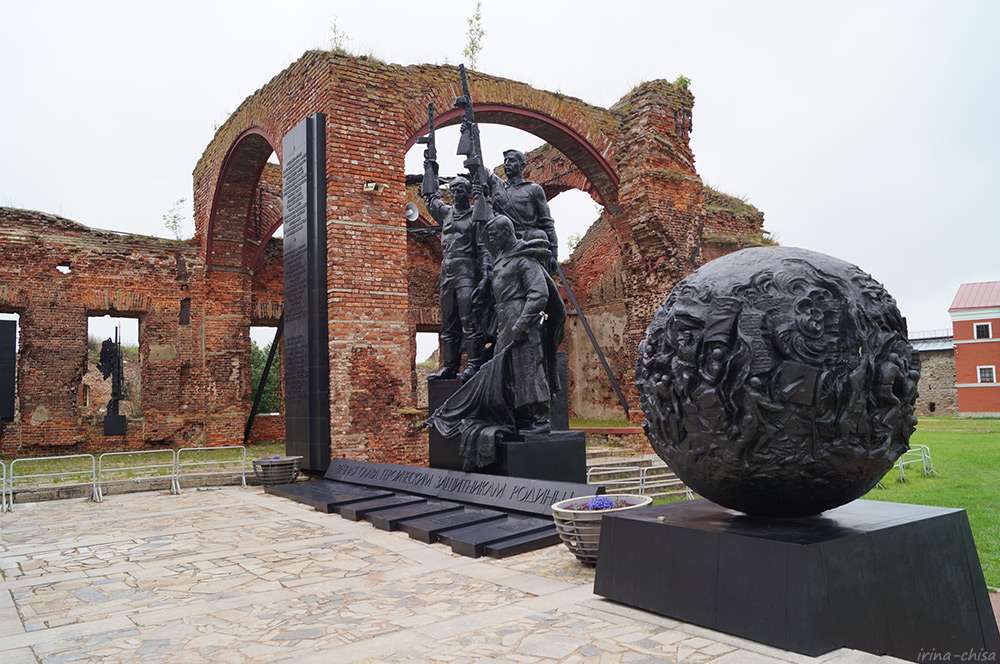
  12. Memorial Complex — point on route “Shlisselburg: Venice of the North and Russia's Bastille”

    Memorial Complex

    📜 Historic site · 🗿 Sculptures

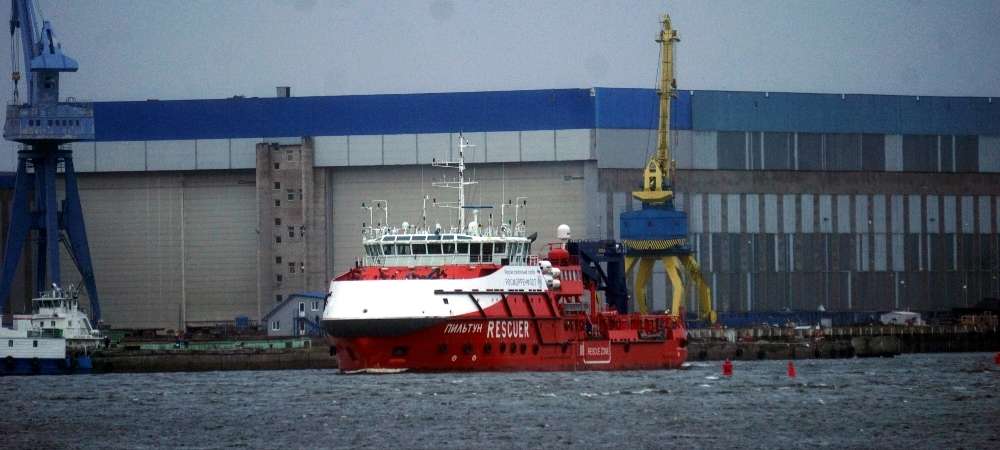
  13. Nevsky Shipbuilding and Ship Repair Plant — point on route “Shlisselburg: Venice of the North and Russia's Bastille”

    Nevsky Shipbuilding and Ship Repair Plant

    ⚙️ Industrial site

Oreshek Fortress in Shlisselburg

Point on route “Shlisselburg: Venice of the North and Russia's Bastille”

Oreshek Fortress — point on route “Shlisselburg: Venice of the North and Russia's Bastille”

Point 11

Oreshek Fortress

🏯 Fortress remains • 📜 Historic site

Architecture

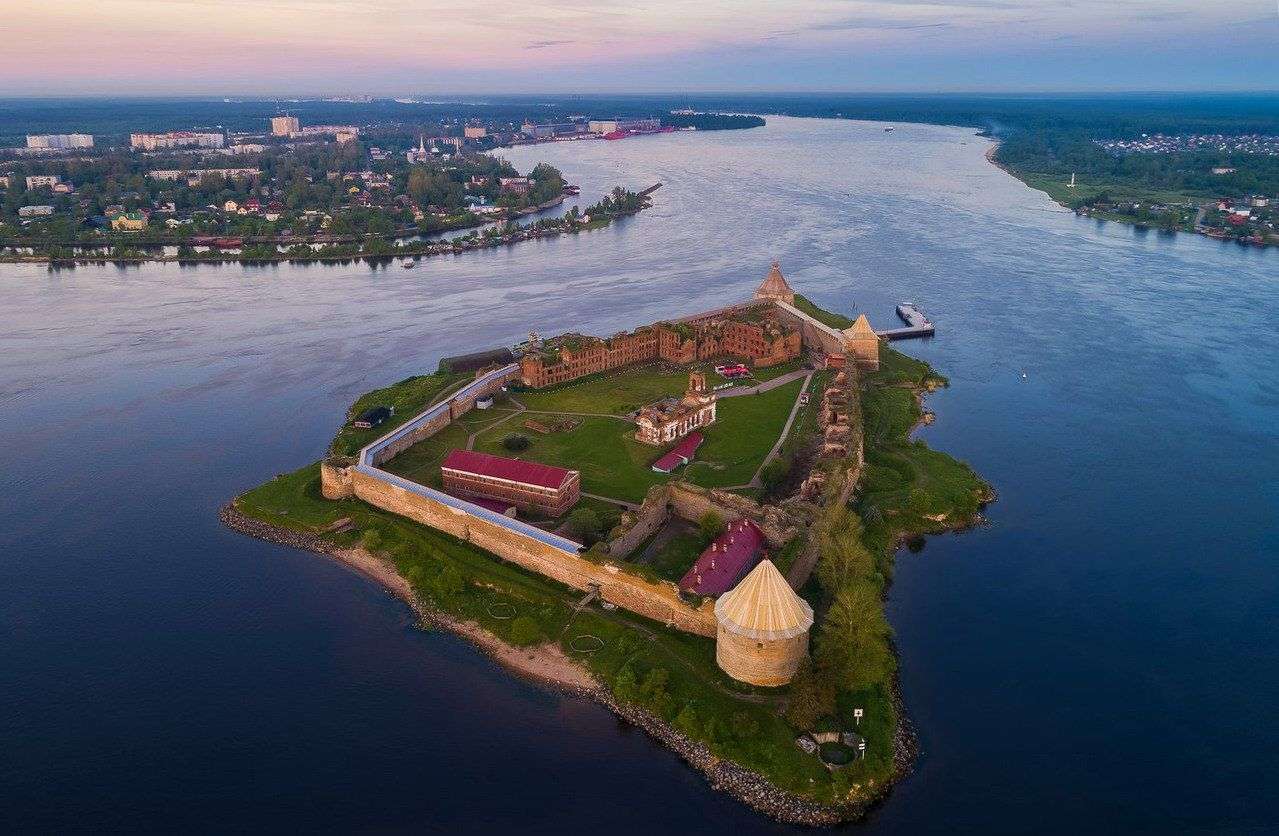
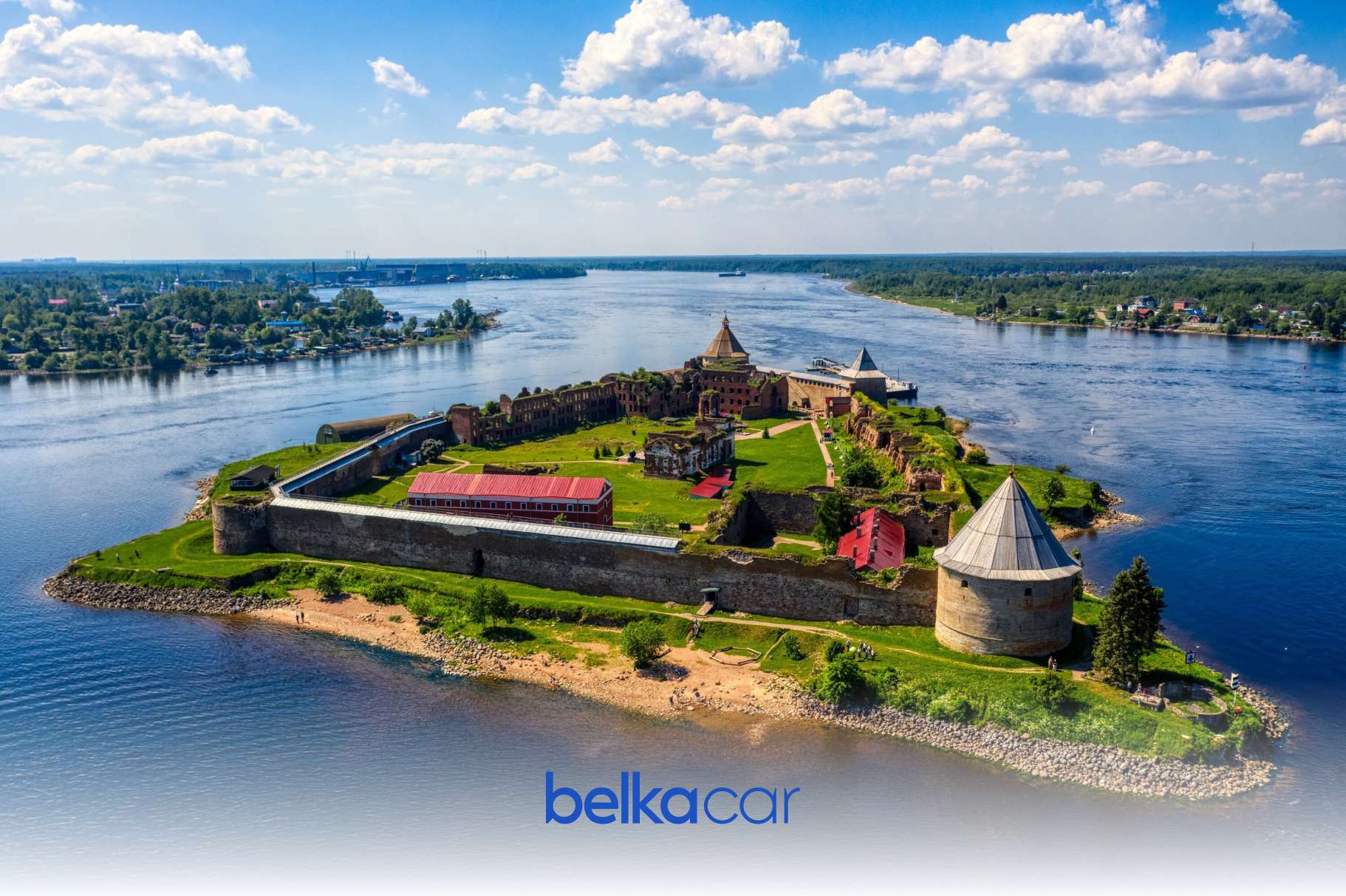
The fortress was founded in 1323 on the border with Sweden, and its name comes from Orekhovy (“Nut”) Island, on which it stands. The fortress is shaped like an irregular triangle, with five towers along its perimeter: one square and four round. A fragment of the first stone structure has survived inside.

Historical Background

In 1612 Oreshek was besieged and taken by the Swedes. The siege lasted nine months, and the fortress remained under Swedish rule for 90 years. In 1702, during the Great Northern War, the fortress was retaken in battle under the personal command of Peter I, who renamed Nöteborg as Shlisselburg. The fortress lost its military importance in the 18th century, when the forts of Kronstadt were built, and became a political prison; in the 20th century it became a central penal-servitude prison.

Famous Prisoners of the “Russian Bastille”

The first prisoner was Peter I's sister, Maria Alekseevna. Later the fortress held the emperor's wife Evdokia Lopukhina, the revolutionary Mikhail Bakunin, Decembrists, and members of Narodnaya Volya (People's Will).

Today

Today Oreshek Fortress is an architectural and historical monument of federal significance that occupies almost the entire island. Inside you can see the Old and New Prisons and learn how political prisoners were kept in the 18th–19th centuries. You can also stroll along the Ladoga Promenade, an open section of the wall between the towers.