←The Russian Versailles

The Russian Versailles

Photo of route “The Russian Versailles”
Photo of route “The Russian Versailles” — 2
Photo of route “The Russian Versailles” — 3
11 points4 km4 hours

Yaropolets is a small village of about a thousand people near Volokolamsk. Over the 888 years of its existence it has passed from princes to tsars, and from them to emperors and counts.

Things to do

  • 📜 Learn the city's history
  • 🏛️🕰️ Compare the eras
  • 🏞️ Enjoy the view

Route points (11)

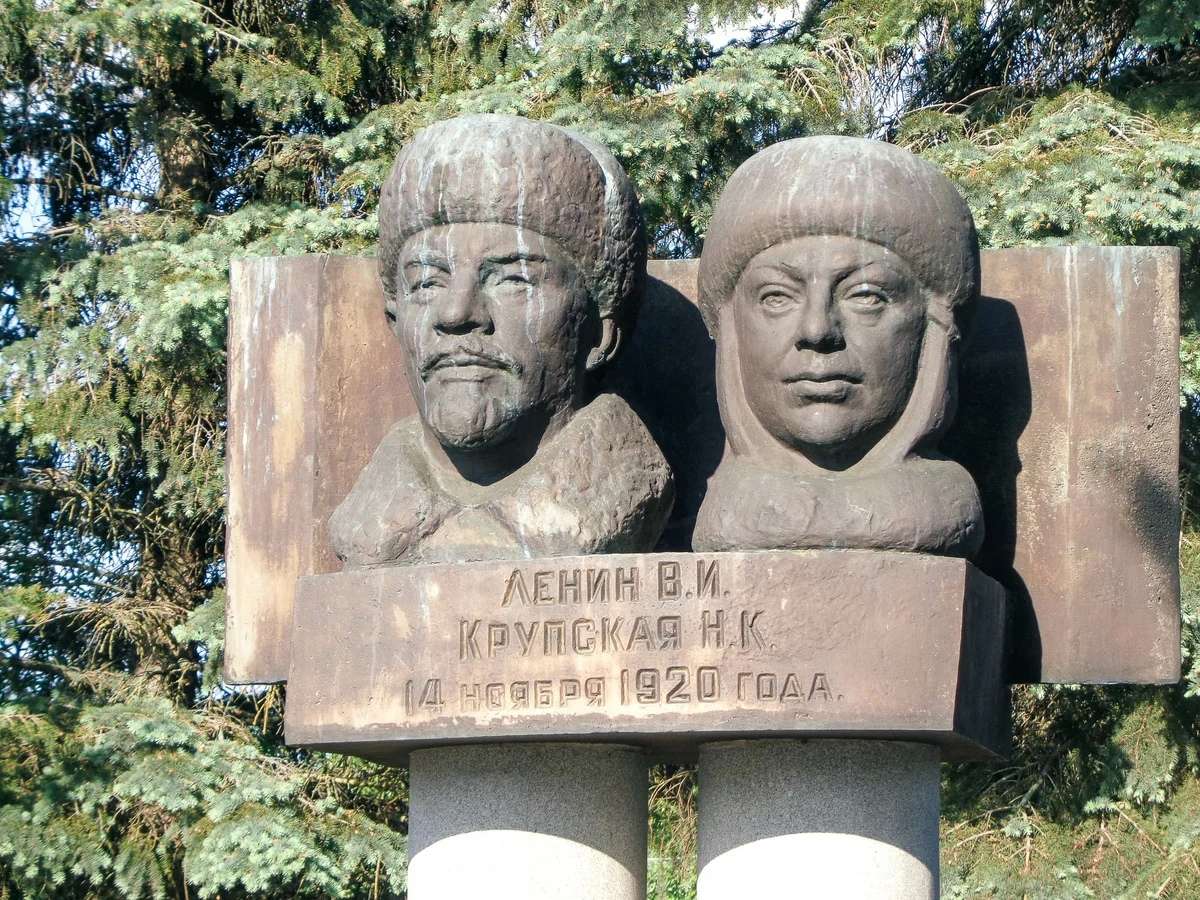
  1. Monument to V. I. Lenin and N. K. Krupskaya — point on route “The Russian Versailles”

    Monument to V. I. Lenin and N. K. Krupskaya

    🗿 Monument

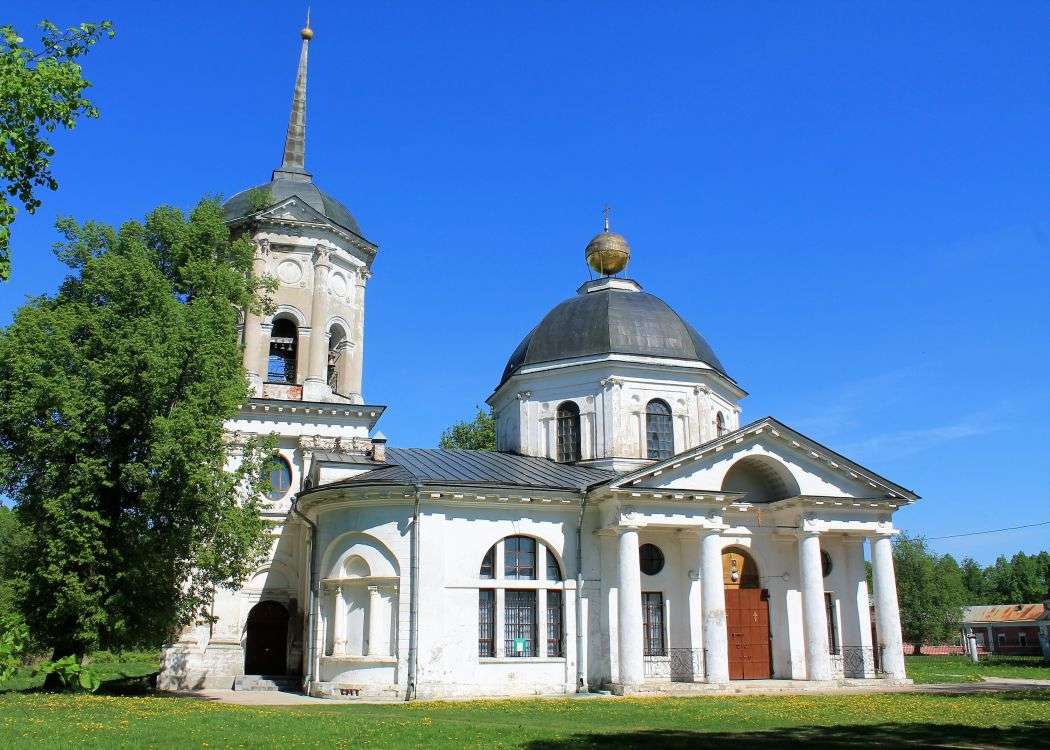
  2. Church of St. John the Baptist — point on route “The Russian Versailles”

    Church of St. John the Baptist

    🕍 Place of worship

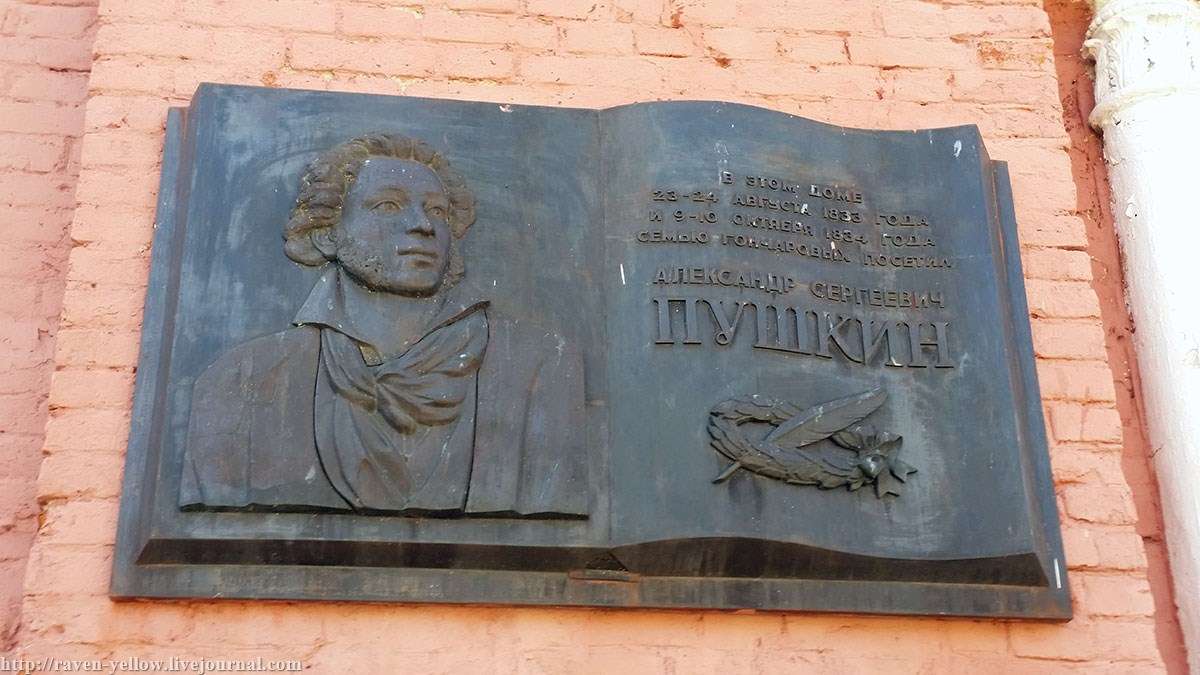
  3. Monument to A. S. Pushkin — point on route “The Russian Versailles”

    Monument to A. S. Pushkin

    🗿 Monument

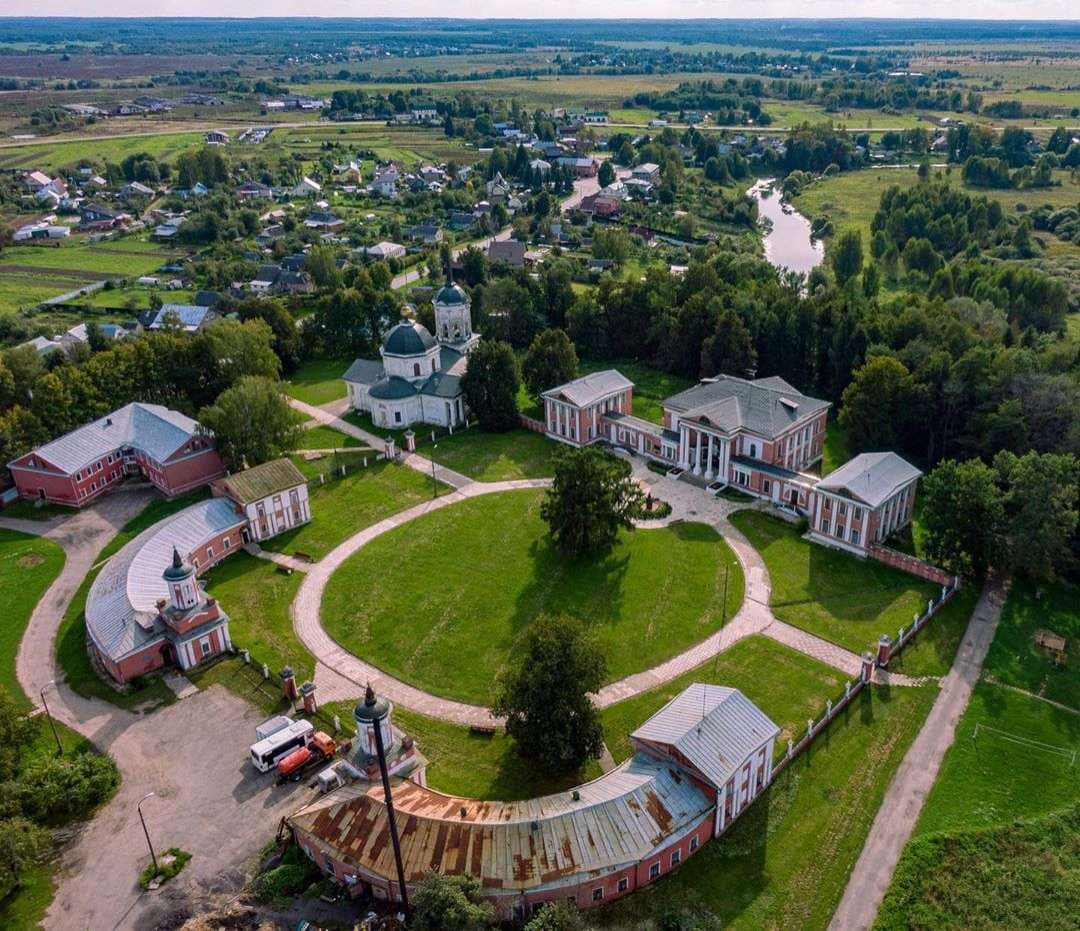
  4. Goncharov Estate — point on route “The Russian Versailles”

    Goncharov Estate

    🏟️ Architectural landmark · 🌿 Public garden or park · 📜 Historic site

  5. Abandoned Church of Our Lady of Kazan — point on route “The Russian Versailles”

    Abandoned Church of Our Lady of Kazan

    🏟️ Architectural landmark · 📜 Historic site · 🕍 Place of worship

  6. Chernyshev Estate — point on route “The Russian Versailles”

    Chernyshev Estate

    🏟️ Architectural landmark · 📜 Historic site

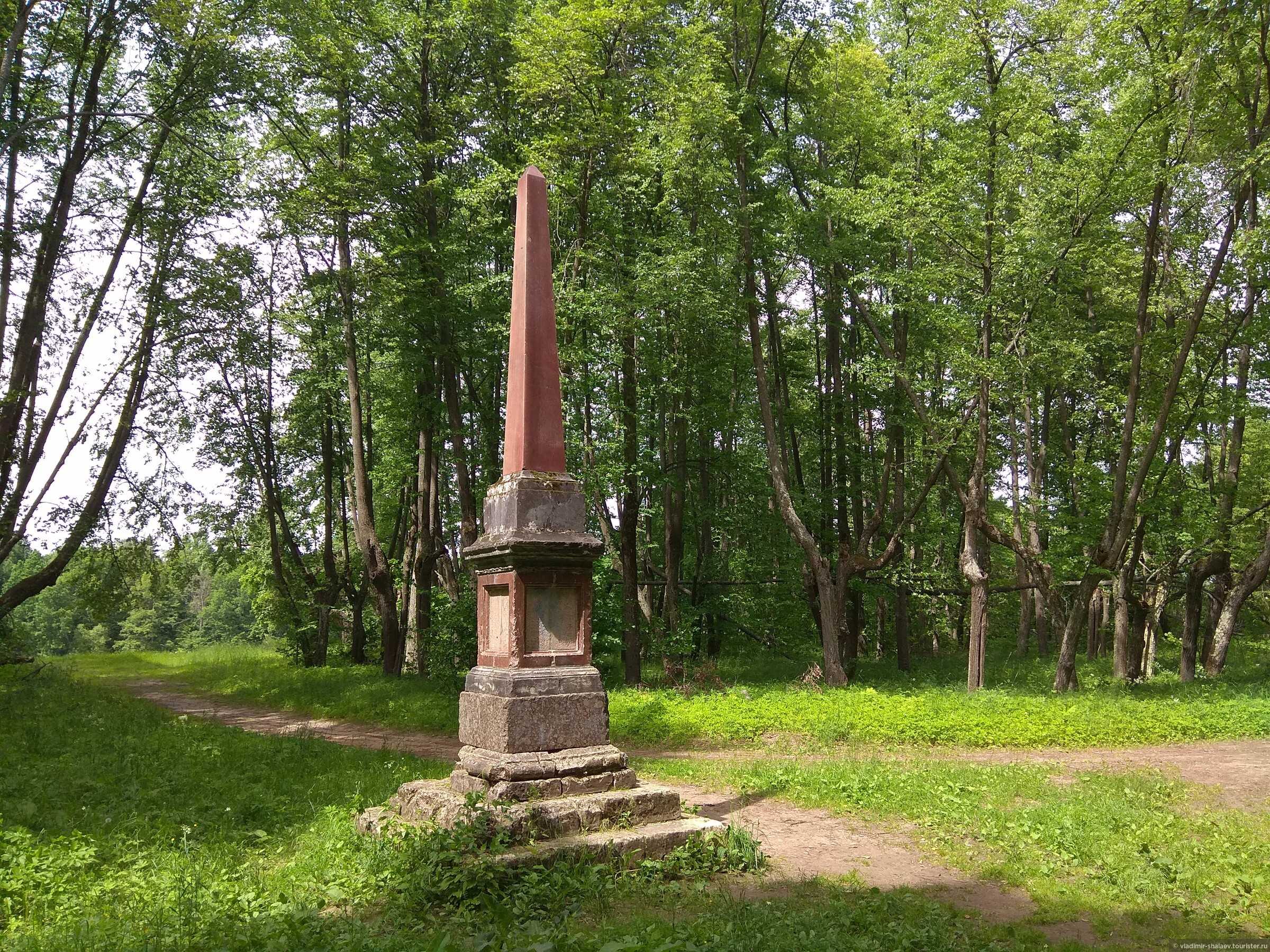
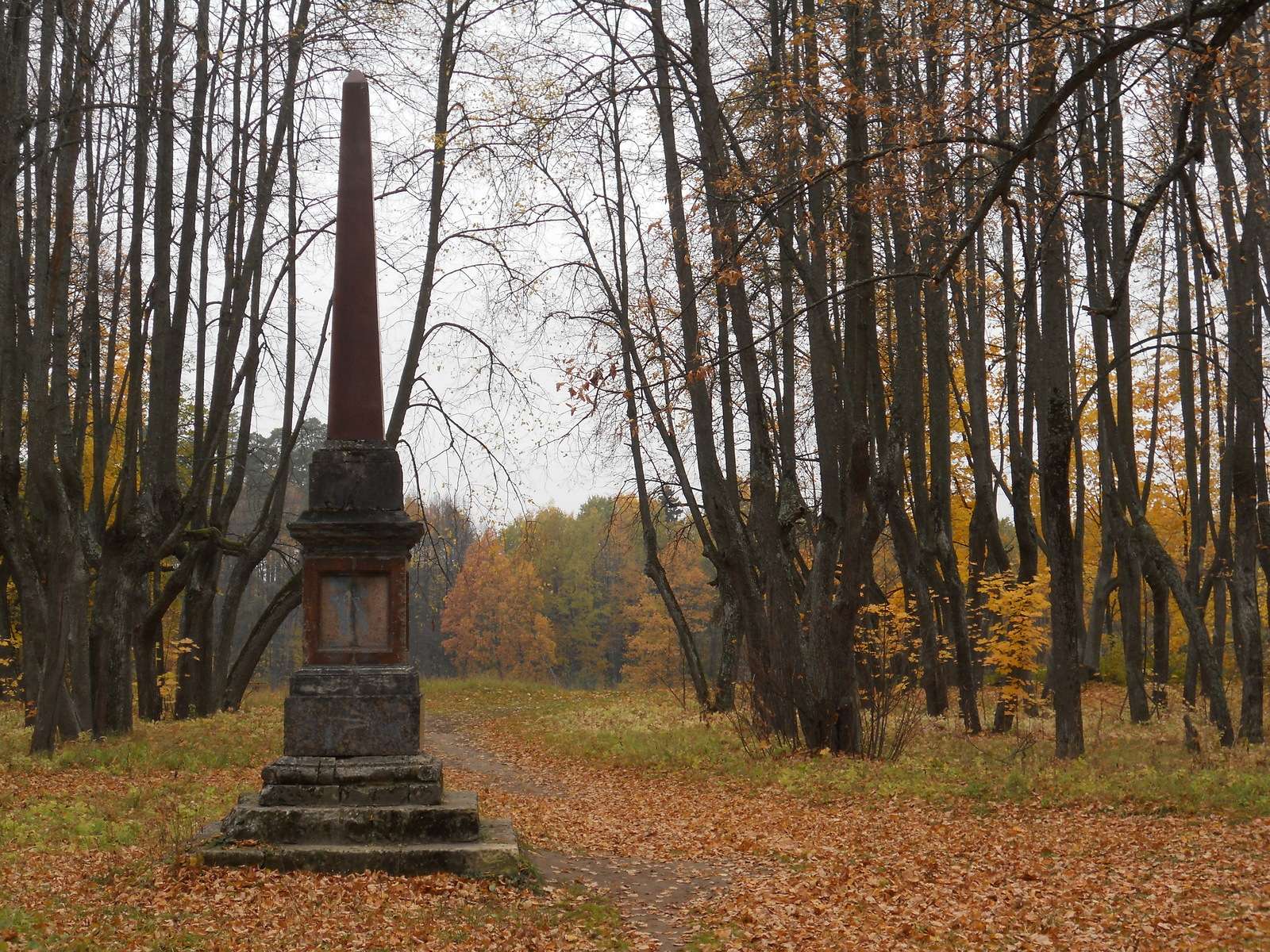
  7. Obelisk in Honor of Catherine II — point on route “The Russian Versailles”

    Obelisk in Honor of Catherine II

    🗿 Monument

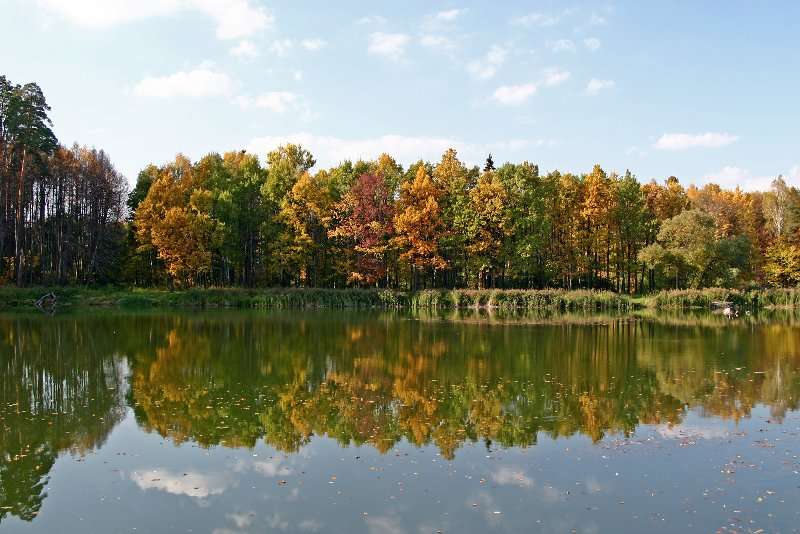
  8. Red Pond — point on route “The Russian Versailles”

    Red Pond

    🌿 Public garden or park

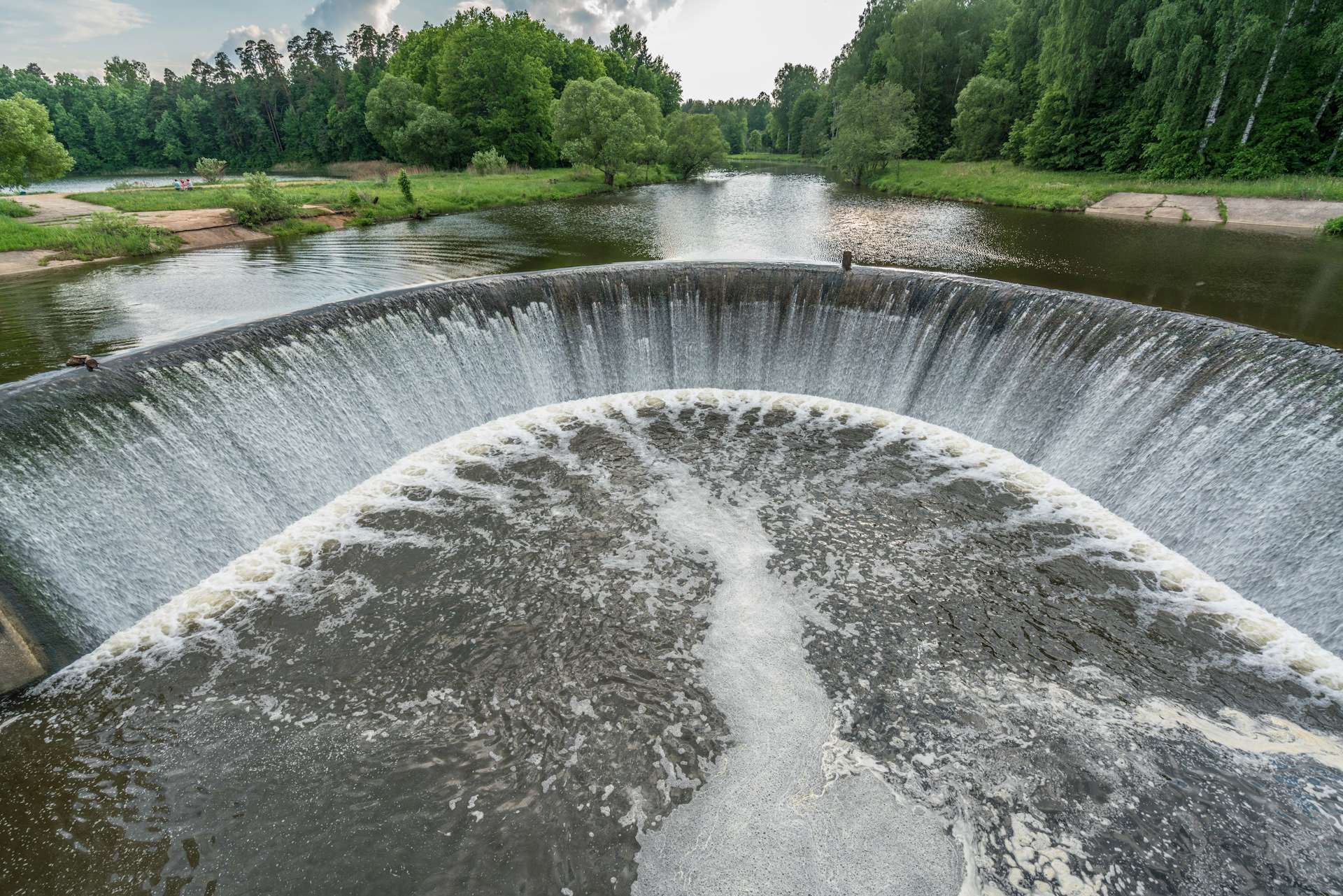
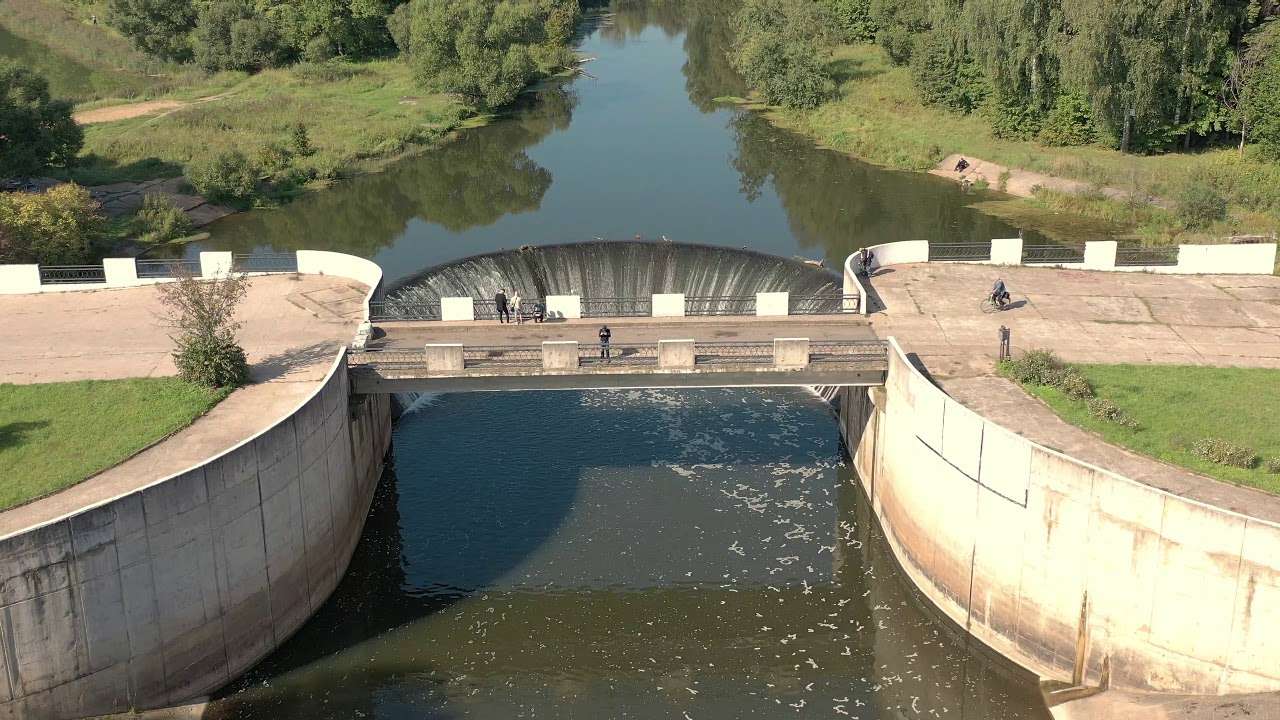
  9. Yaropolets Dam — point on route “The Russian Versailles”

    Yaropolets Dam

    ⚙️ Industrial site

  10. The Station's First Turbine — point on route “The Russian Versailles”

    The Station's First Turbine

    🗿 Sculptures

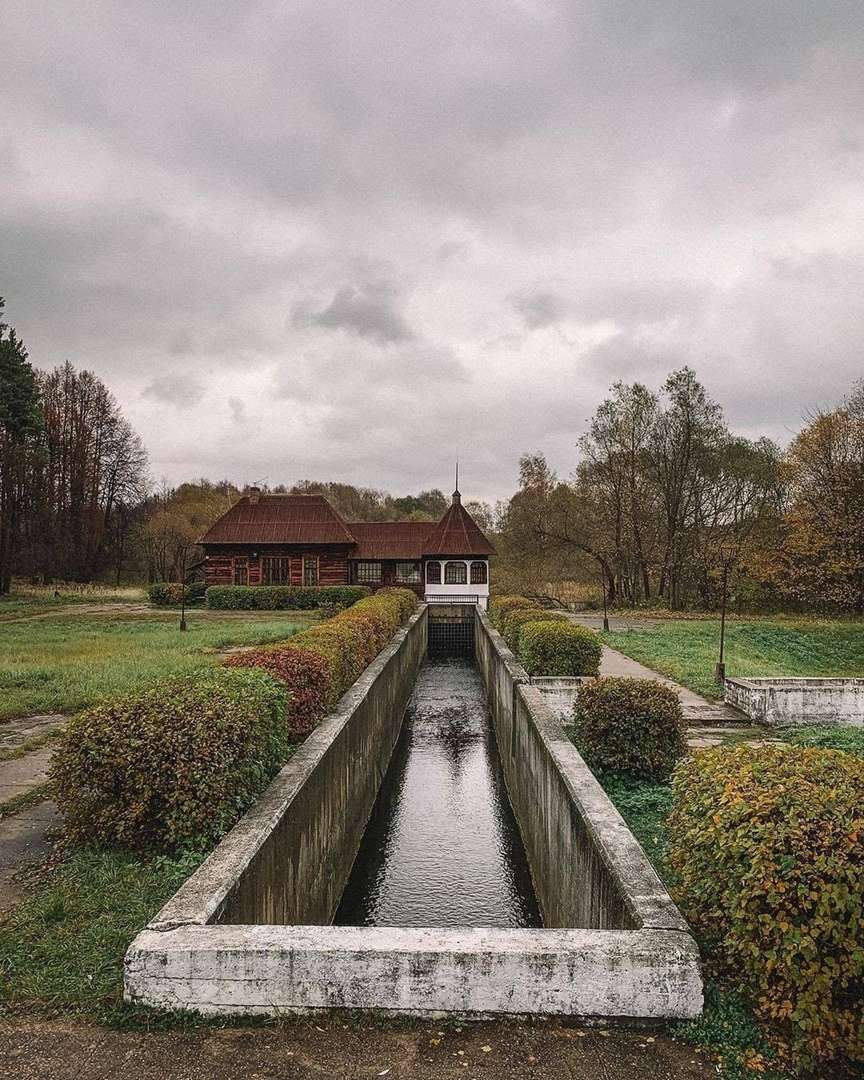
  11. Lenin Yaropolets Hydroelectric Station — point on route “The Russian Versailles”

    Lenin Yaropolets Hydroelectric Station

    ⚙️ Industrial site · 🌿 Public garden or park · 📜 Historic site · 🏟️ Architectural landmark

Goncharov Estate in Volokolamsk

Point on route “The Russian Versailles”

Goncharov Estate — point on route “The Russian Versailles”

Point 4

Goncharov Estate

🏟️ Architectural landmark • 🌿 Public garden or park • 📜 Historic site

Historical Background

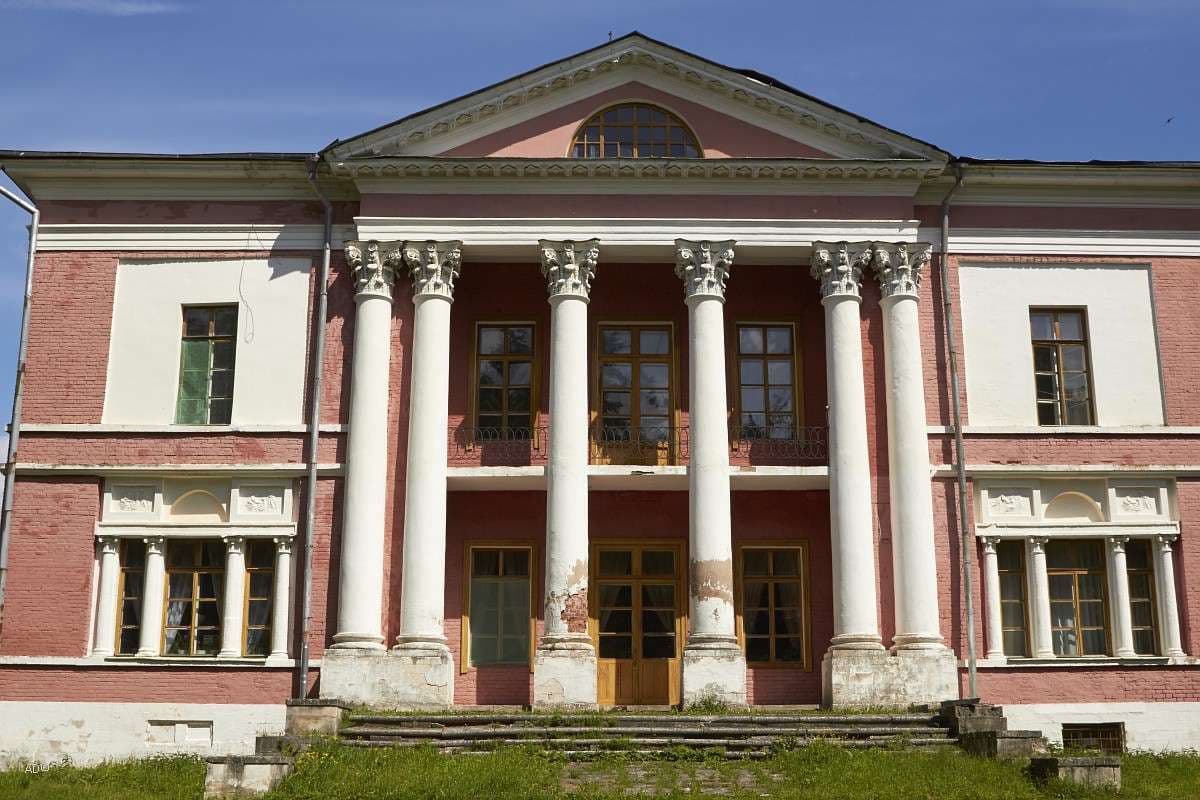
We owe the estate's present appearance to Lieutenant General A. A. Zagryazhsky, the great-grandfather of N. N. Goncharova. In 1821 Zagryazhsky's granddaughter, Natalia Ivanovna Goncharova, inherited the Yaropolets estate. Her daughter would later marry the poet Alexander Pushkin.

Architectural Features

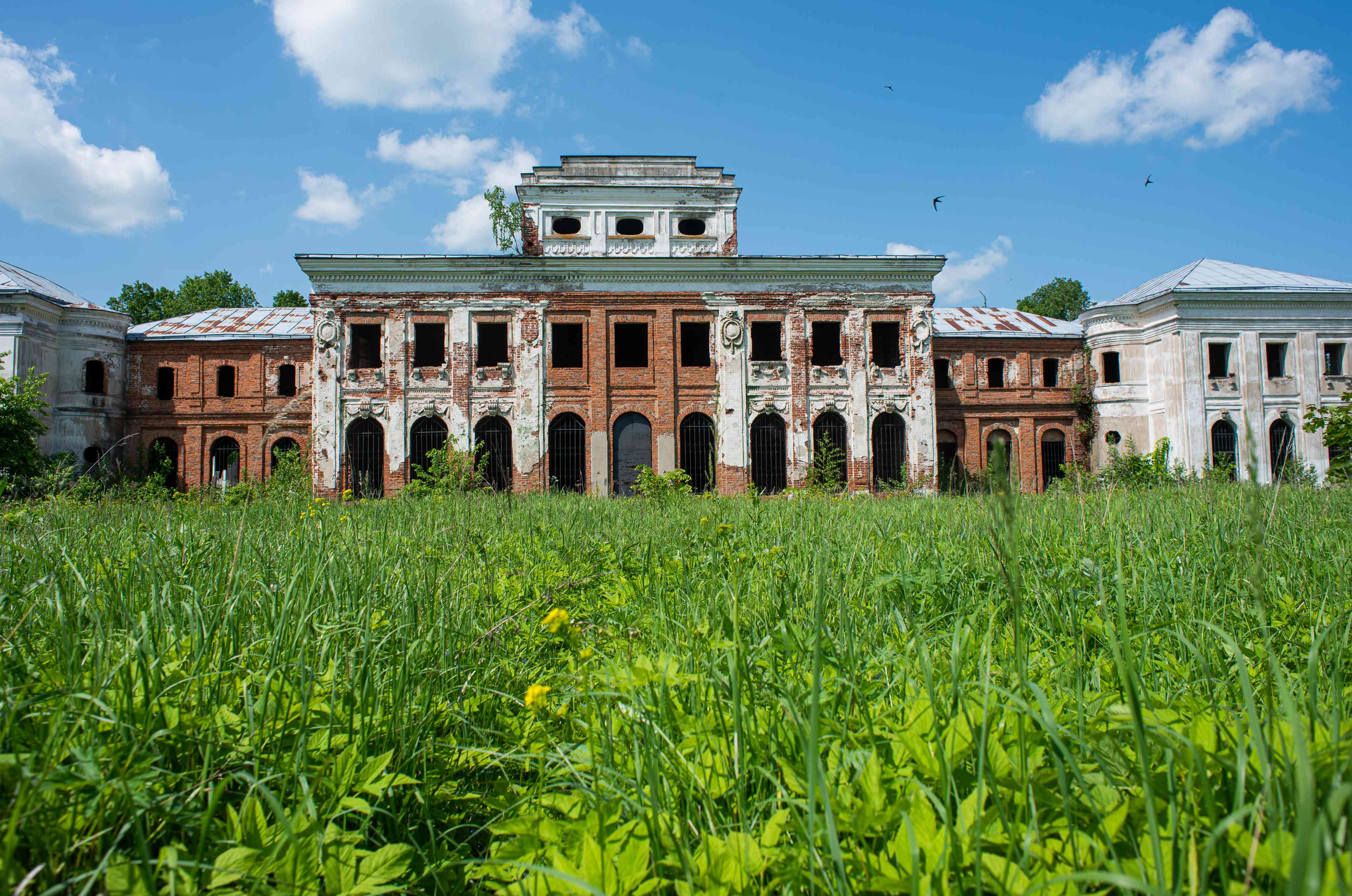
Unusual side gates lead into the main courtyard. They are shaped like fortress towers, resembling rooks in chess. The main courtyard is connected to the wings by passageways. The main house is built of red brick and decorated with stucco, with white columns rising at its entrance. Service buildings form a semicircle around the courtyard.

Isn't There a Bit Too Much Pushkin?

If you try to learn anything about the estate, N. I. Goncharova or A. A. Zagryazhsky, you'll keep running into the great poet. Even though Pushkin only came here a couple of times, much of what's here is devoted to him. We don't mean to belittle Alexander Sergeyevich's achievements, but we'd like to introduce you more closely to the last owners of the estate.

More About the Zagryazhskys

N. I. Goncharova's mother, Ulrike Posse, left her husband and child in Europe to run away with her lover, the Russian colonel Ivan Zagryazhsky. In 1785 Ivan was posted to the Caucasus and sent the pregnant Ulrike to Yaropolets. In the village she met Zagryazhsky's lawful wife, Alexandra. The pregnant young woman was so shocked that she fainted. Neither woman had expected this turn of events. But Alexandra took care of her husband's young mistress. Zagryazhsky himself never came back to Yaropolets, even after retiring. Yet it was to his illegitimate daughter, Natalia, that the colonel left the estate.

The Lucky Estate

As you continue along the route, you'll see how lucky the Goncharov estate was compared with the Chernyshev residence. After the October Revolution the premises were used for public needs. Locals took part of the estate apart for building materials, and the buildings also suffered during World War II. But in the end it was restored. Since 1965 it has been a holiday center of the Moscow Aviation Institute, so you can't go inside — but no one will chase you off the grounds.