 11 points
 4 km
 4 hours


Warning
Susanin strongly urges you not to walk around inside the unsafe estate buildings. It may be dangerous to your life and health.
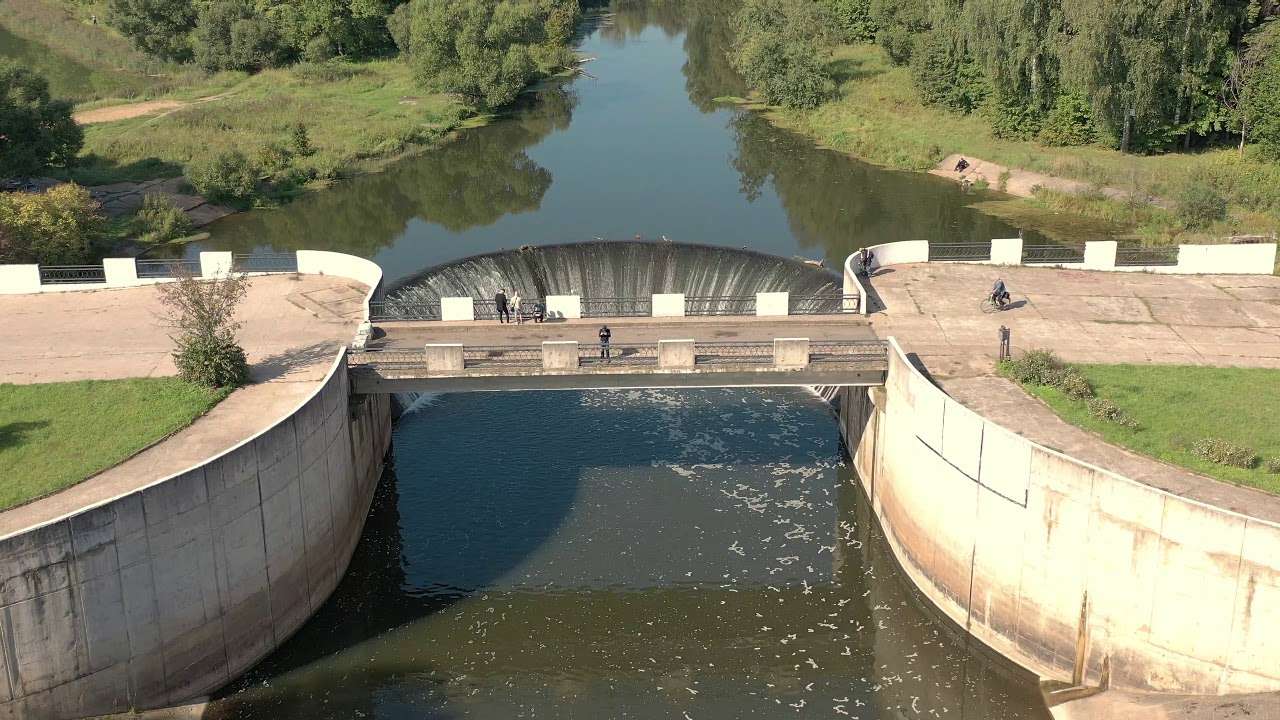
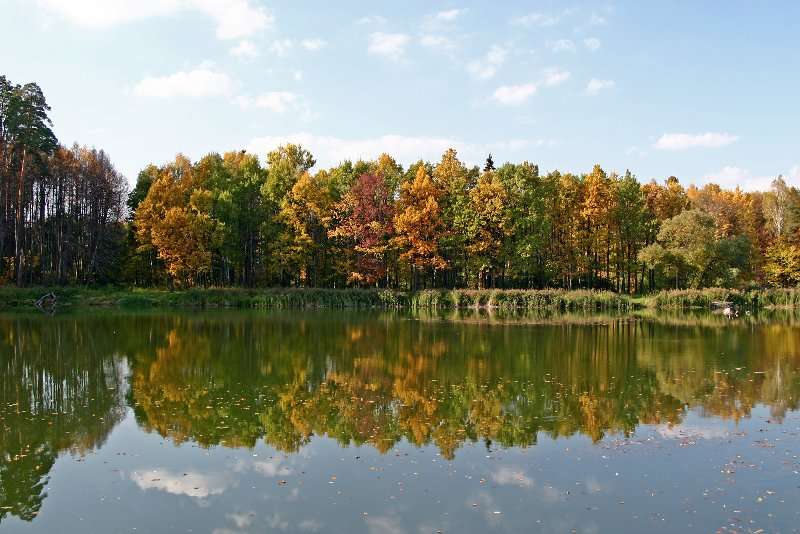
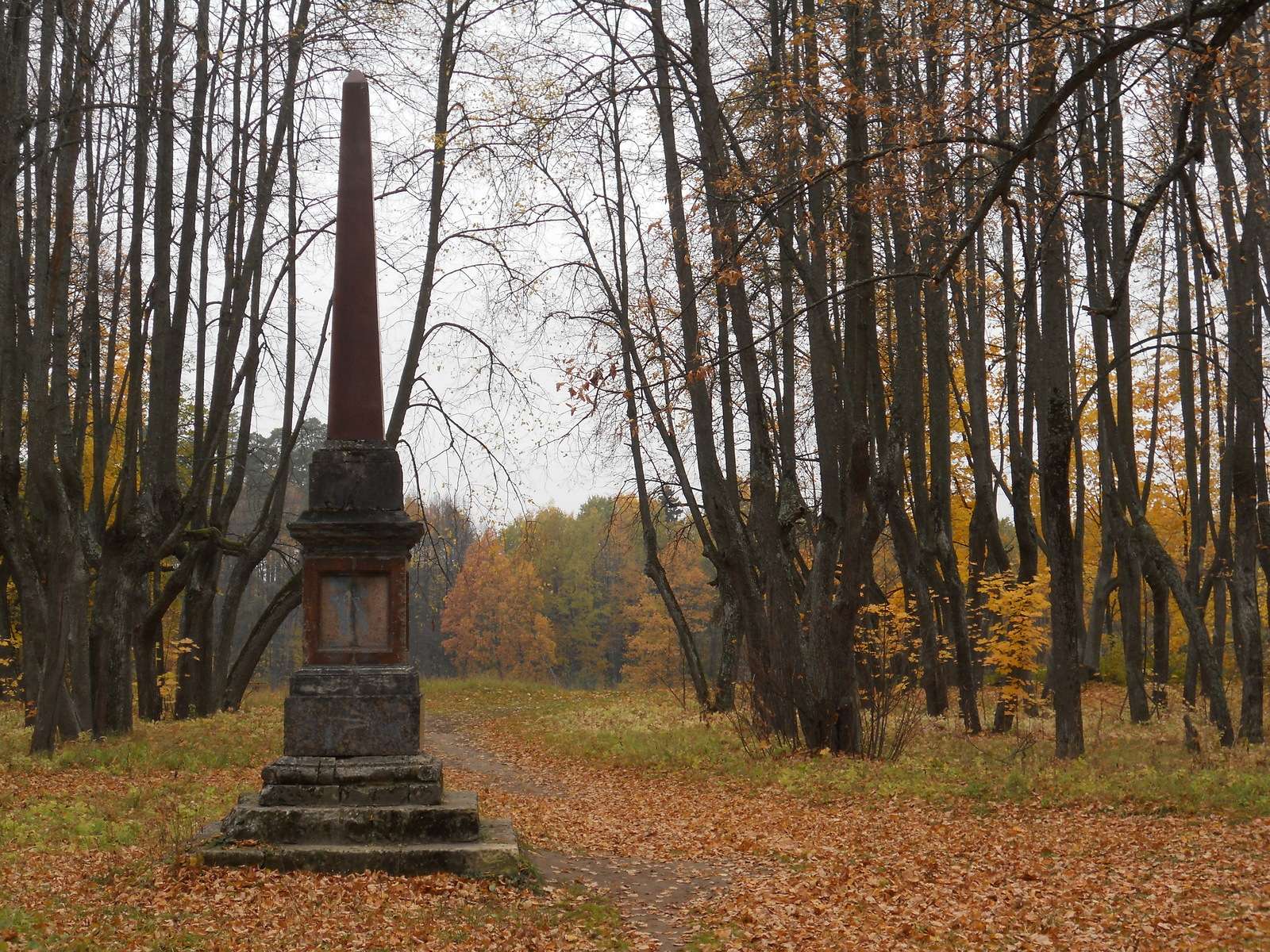
Yaropolets is a small village of about a thousand people near Volokolamsk. Over the 888 years of its existence it has passed from princes to tsars, and from them to emperors and counts.
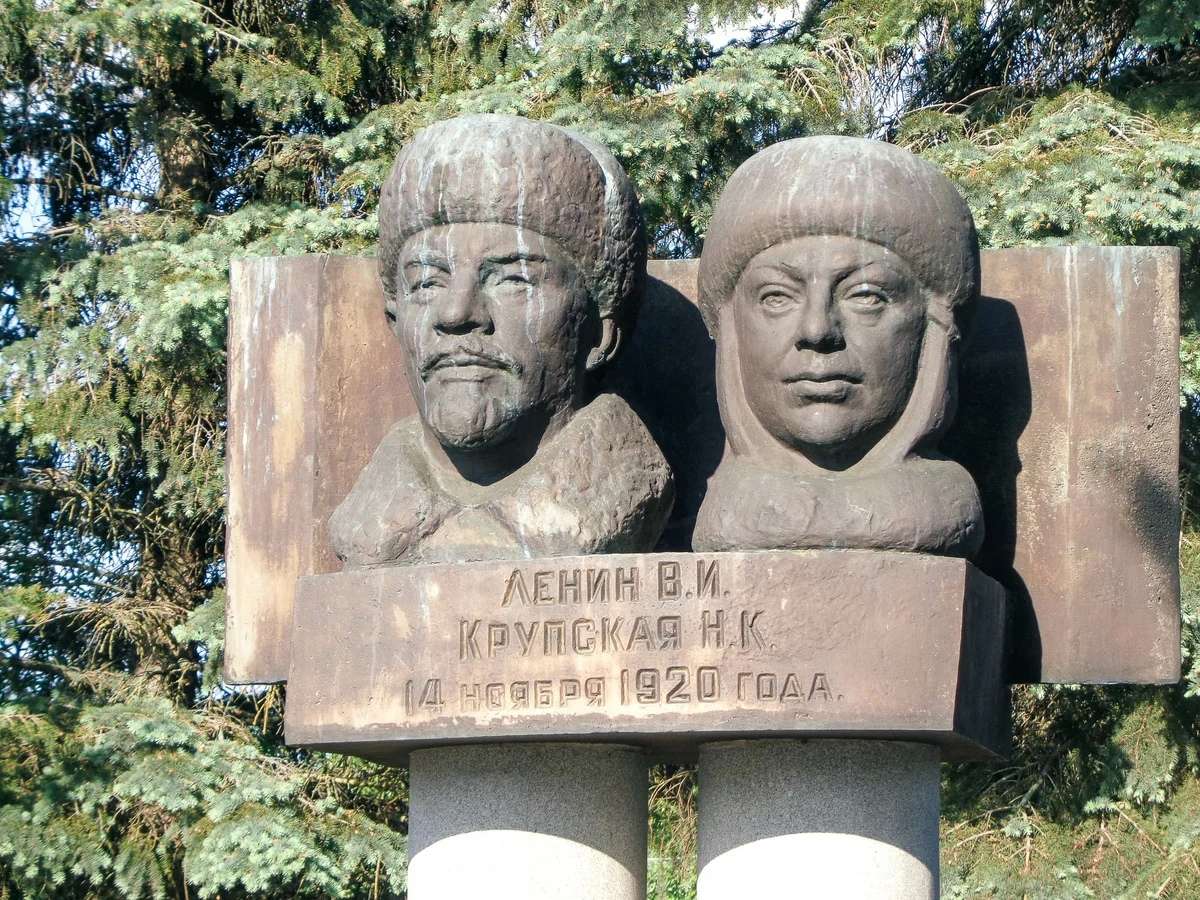
Monument to V. I. Lenin and N. K. Krupskaya
🗿 Monument
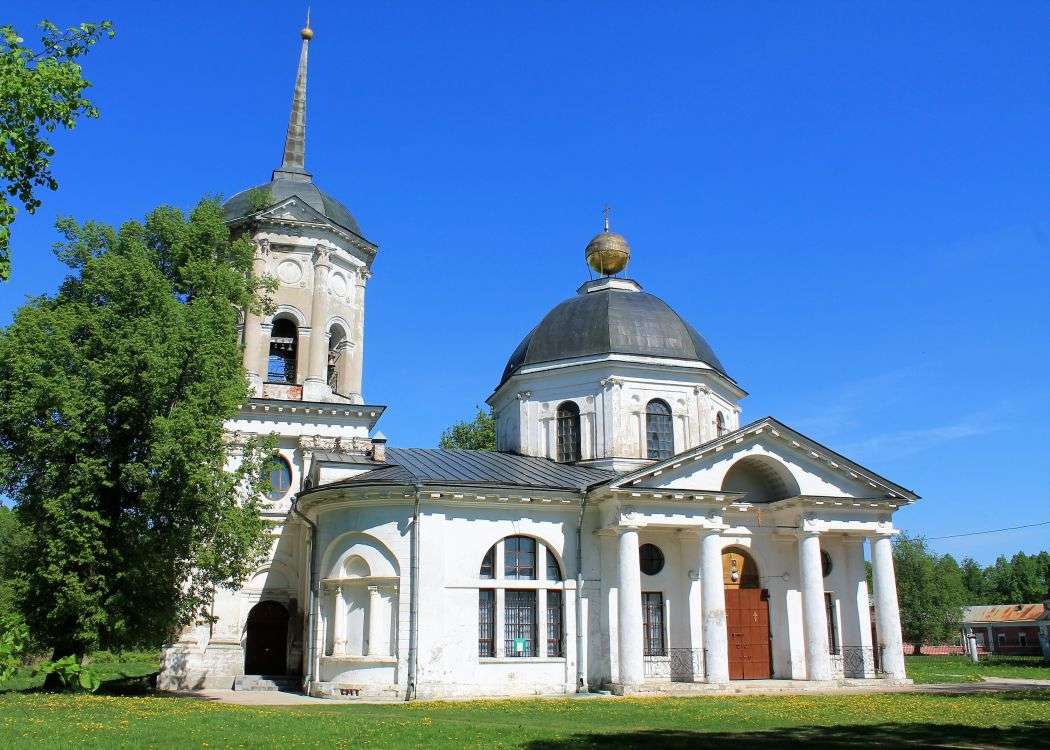
Church of St. John the Baptist
🕍 Place of worship
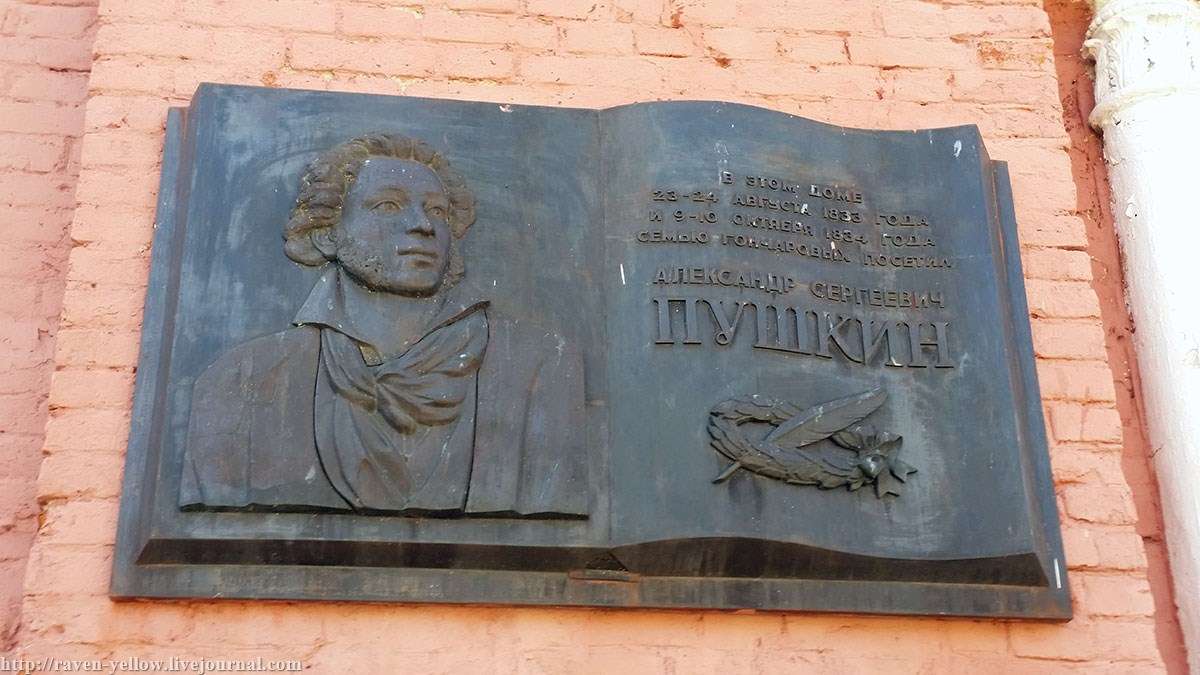
Monument to A. S. Pushkin
🗿 Monument

Goncharov Estate
🏟️ Architectural landmark · 🌿 Public garden or park · 📜 Historic site

Abandoned Church of Our Lady of Kazan
🏟️ Architectural landmark · 📜 Historic site · 🕍 Place of worship
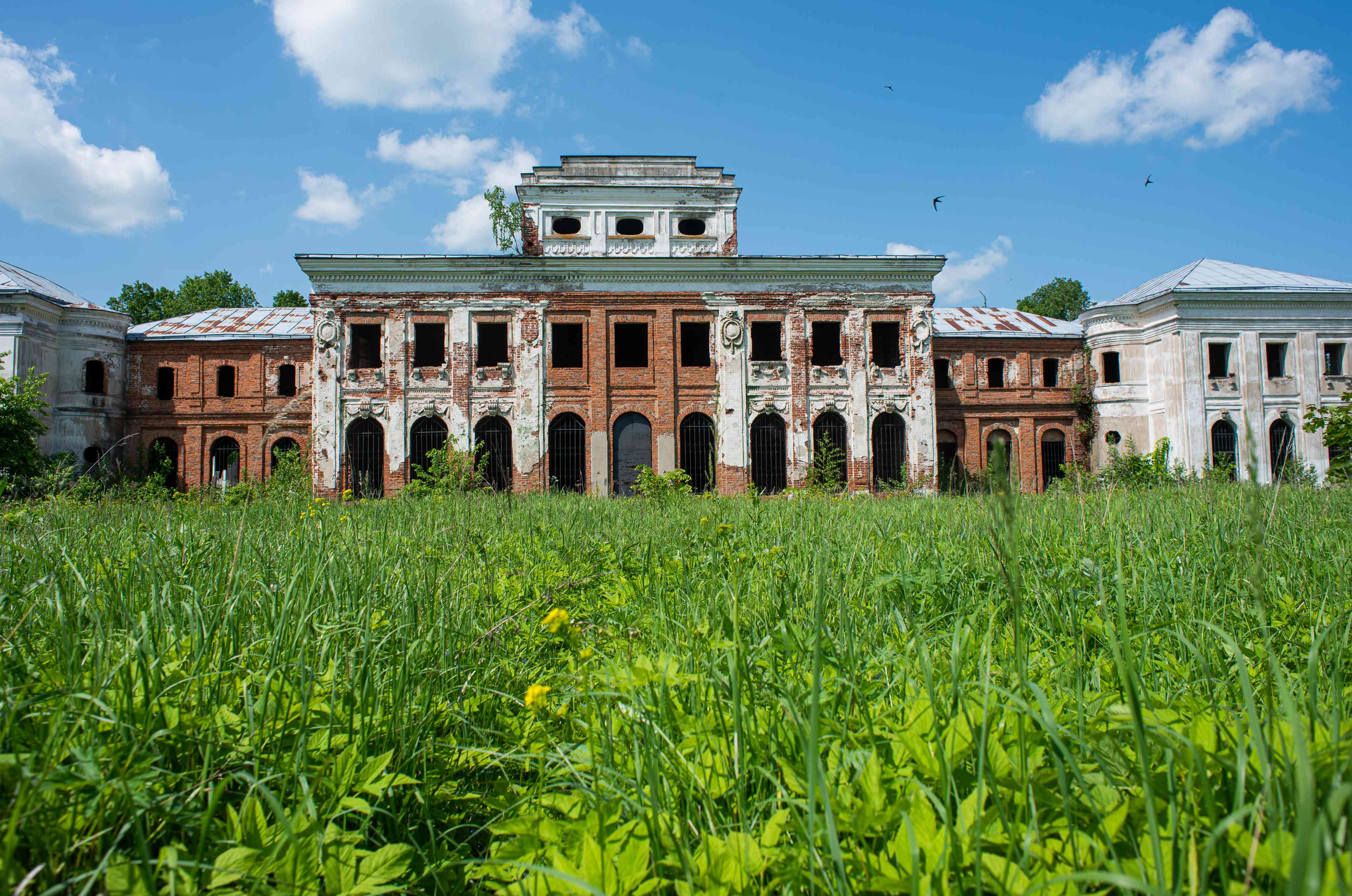
Chernyshev Estate
🏟️ Architectural landmark · 📜 Historic site
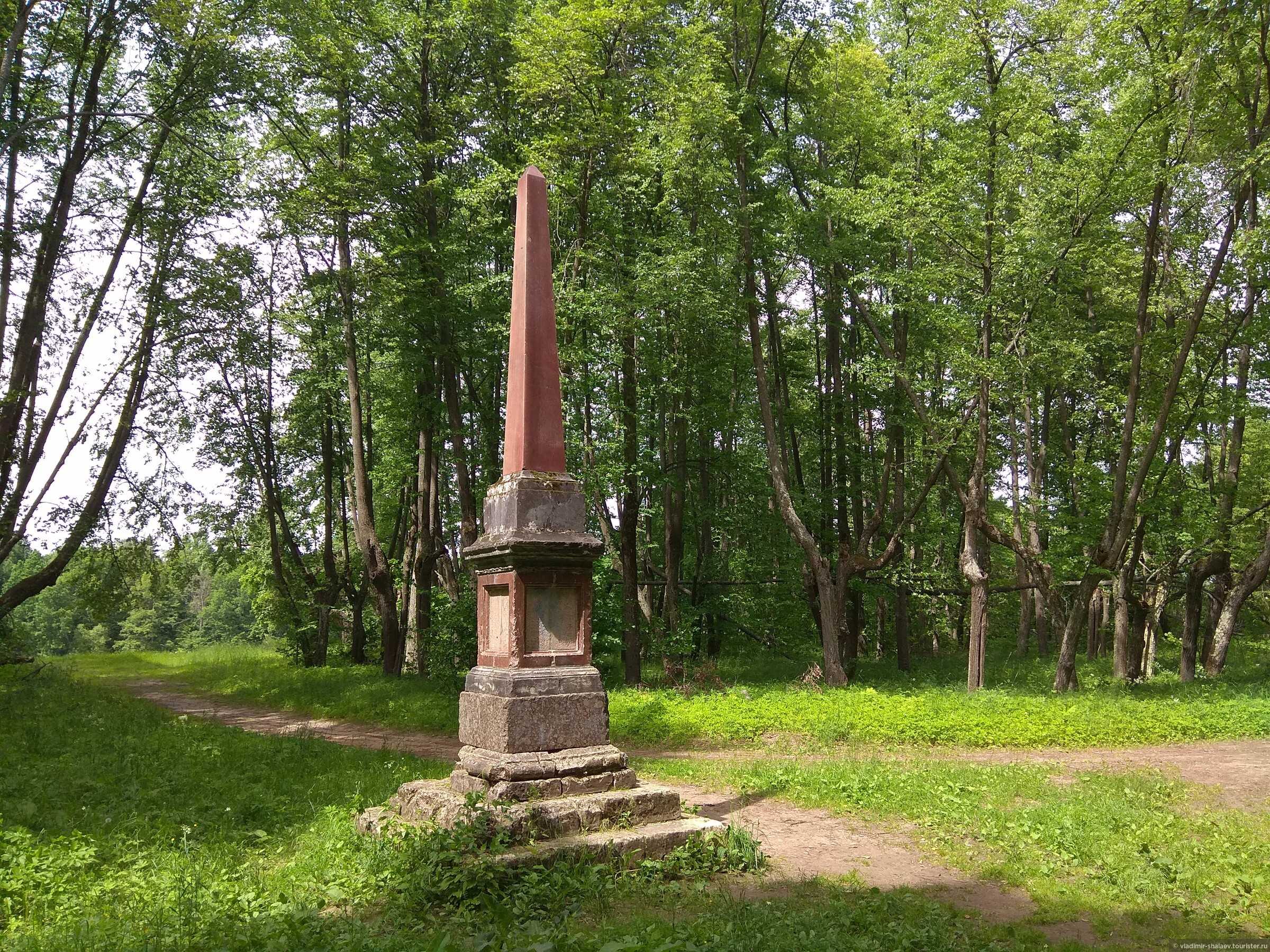
Obelisk in Honor of Catherine II
🗿 Monument
Red Pond
🌿 Public garden or park
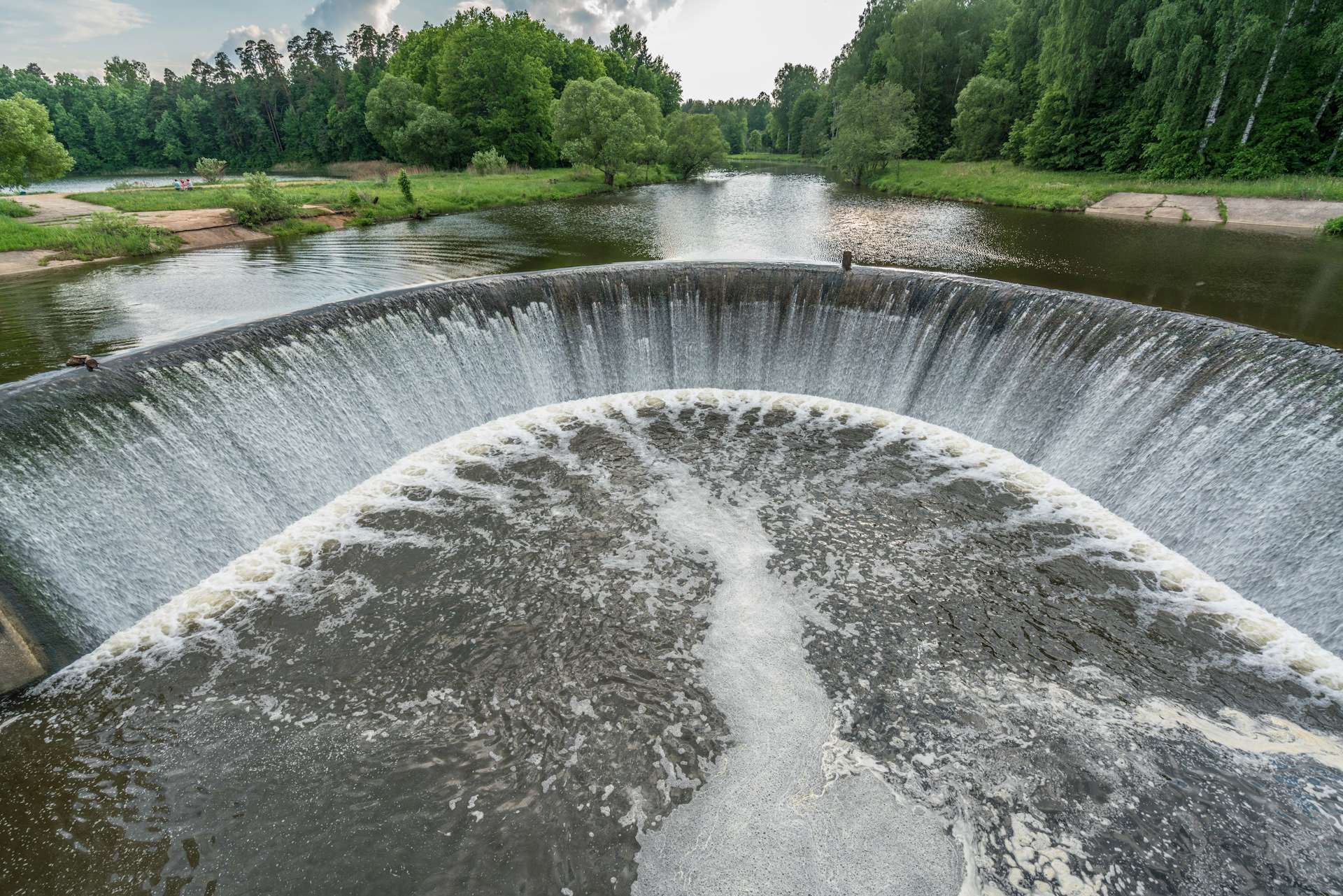
Yaropolets Dam
⚙️ Industrial site

The Station's First Turbine
🗿 Sculptures
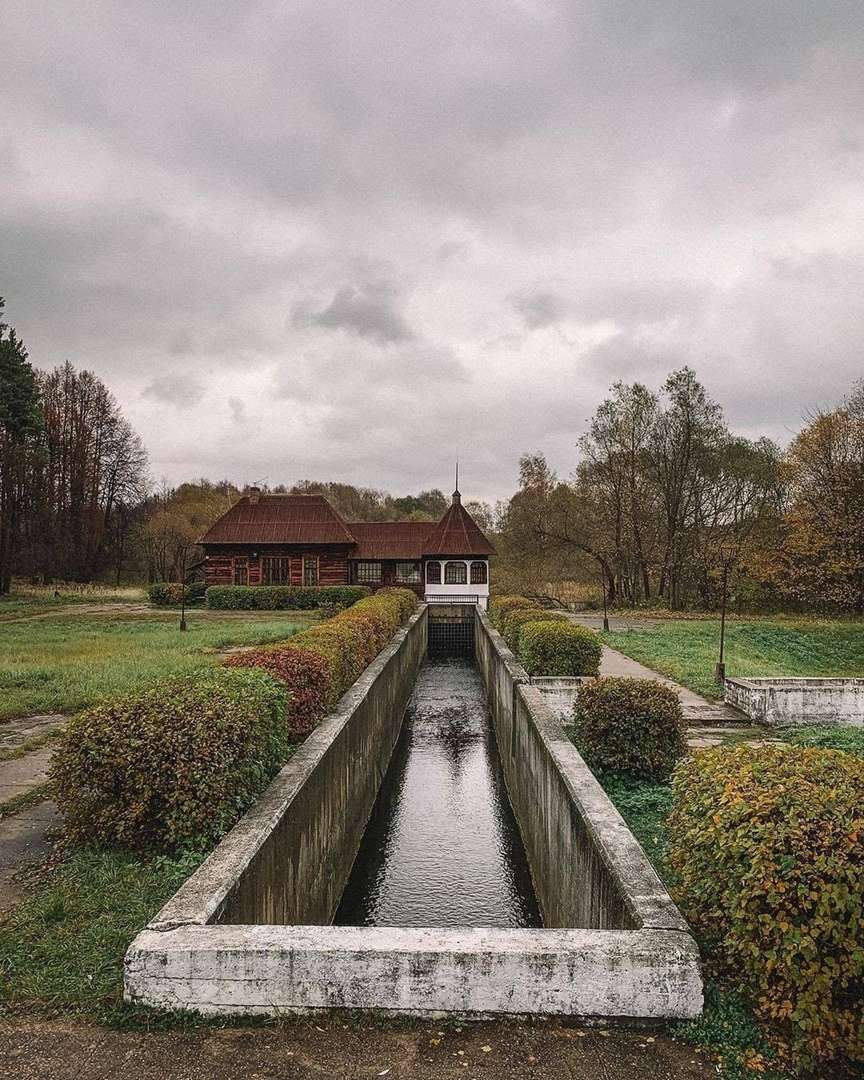
Lenin Yaropolets Hydroelectric Station
⚙️ Industrial site · 🌿 Public garden or park · 📜 Historic site · 🏟️ Architectural landmark


Point 6
🏟️ Architectural landmark • 📜 Historic site
Susanin strongly urges you not to walk around inside the unsafe estate buildings. It may be dangerous to your life and health.
Contemporaries called the estate “the Russian Versailles”. It was the most lavishly appointed residence near Moscow in the 18th century, with linden greenhouses, gardens and even a theater. Some believe Chernyshev did all this to impress the lady of his heart, Catherine II. But let's take things in order.
Zakhar Chernyshev was an outstanding field marshal who distinguished himself in the Seven Years' War (1756–1763). He became the first governor-general of the Belarusian Governorate and later governor-general of Moscow. Muscovites loved Zakhar Grigoryevich. The count supported building in the city: today's Moscow City Hall is his former palace.
Zakhar Grigoryevich grew close to the future empress during her first years in Russia. It's not known for sure whether it was a close friendship or a real romance, but the reigning Empress Elizabeth Petrovna hurried to remove Chernyshev from court. In the years that followed, he and Catherine were often said to be lovers.
Many years later, in 1775, Catherine II, by then Empress of Russia, visited Volokolamsk and called on her “former favorite”. Her visit lasted only a couple of days but remains a landmark event in the history of Yaropolets. Catherine praised the estate's splendid appearance.
The palace has two floors and is built in the early French Classical style. In its best days the estate — with its semicircular wings, square courtyard buildings and tower-shaped central gates — had greenhouses with pools and a large park.
After 1917 the owners emigrated and the estate was nationalized. In the 1920s the building housed a children's sanatorium and a village clinic. It suffered most during World War II, from neglect and shelling. After that the architectural and park complex was abandoned. Today the estate is being restored, extremely slowly.
Point on route “The Russian Versailles”
Point 6
🏟️ Architectural landmark • 📜 Historic site
Susanin strongly urges you not to walk around inside the unsafe estate buildings. It may be dangerous to your life and health.
Contemporaries called the estate “the Russian Versailles”. It was the most lavishly appointed residence near Moscow in the 18th century, with linden greenhouses, gardens and even a theater. Some believe Chernyshev did all this to impress the lady of his heart, Catherine II. But let's take things in order.
Zakhar Chernyshev was an outstanding field marshal who distinguished himself in the Seven Years' War (1756–1763). He became the first governor-general of the Belarusian Governorate and later governor-general of Moscow. Muscovites loved Zakhar Grigoryevich. The count supported building in the city: today's Moscow City Hall is his former palace.
Zakhar Grigoryevich grew close to the future empress during her first years in Russia. It's not known for sure whether it was a close friendship or a real romance, but the reigning Empress Elizabeth Petrovna hurried to remove Chernyshev from court. In the years that followed, he and Catherine were often said to be lovers.
Many years later, in 1775, Catherine II, by then Empress of Russia, visited Volokolamsk and called on her “former favorite”. Her visit lasted only a couple of days but remains a landmark event in the history of Yaropolets. Catherine praised the estate's splendid appearance.
The palace has two floors and is built in the early French Classical style. In its best days the estate — with its semicircular wings, square courtyard buildings and tower-shaped central gates — had greenhouses with pools and a large park.
After 1917 the owners emigrated and the estate was nationalized. In the 1920s the building housed a children's sanatorium and a village clinic. It suffered most during World War II, from neglect and shelling. After that the architectural and park complex was abandoned. Today the estate is being restored, extremely slowly.