 11 points
 4 km
 4 hours


Warning
Susanin strongly urges you not to walk around inside the unsafe Church of Our Lady of Kazan. It may be dangerous to your life and health.
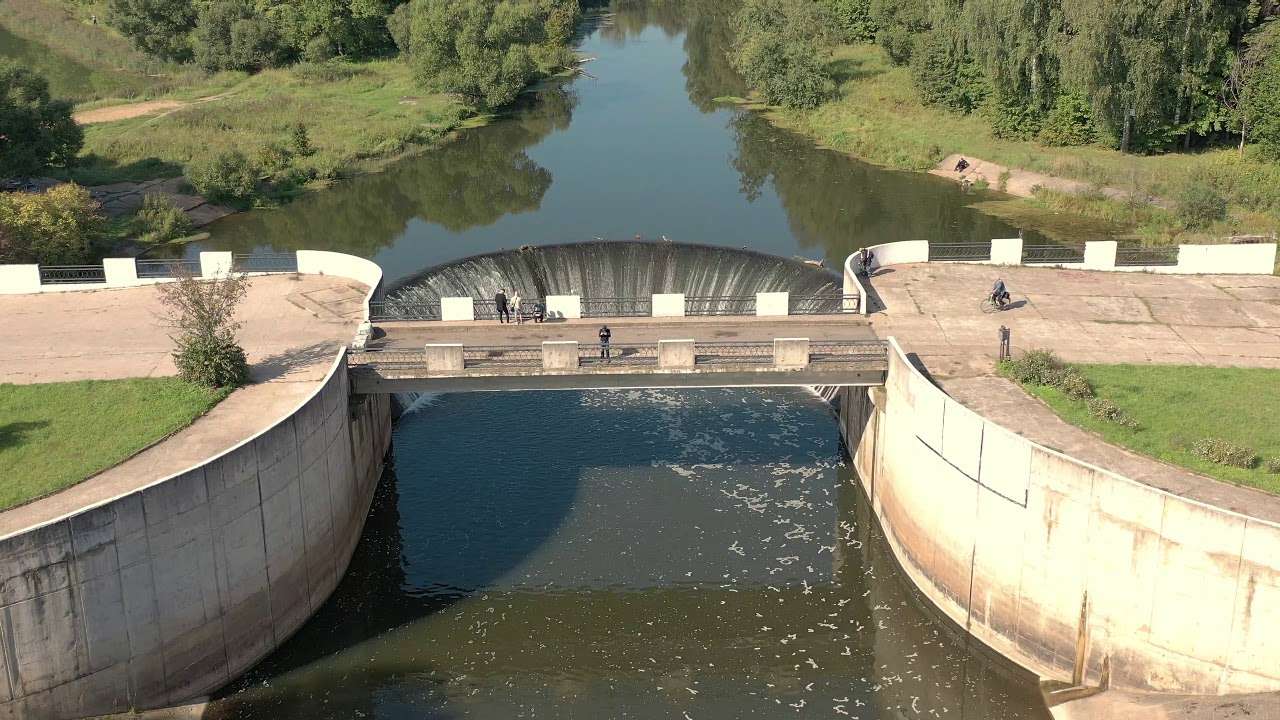
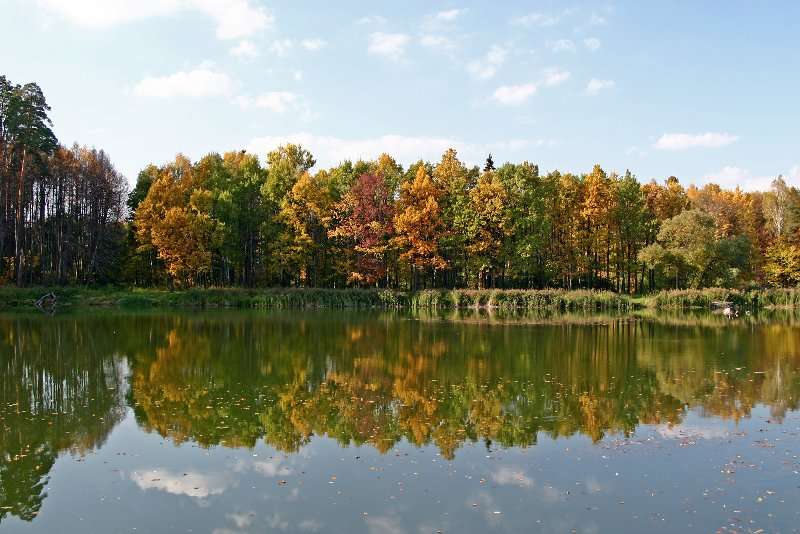
Yaropolets is a small village of about a thousand people near Volokolamsk. Over the 888 years of its existence it has passed from princes to tsars, and from them to emperors and counts.
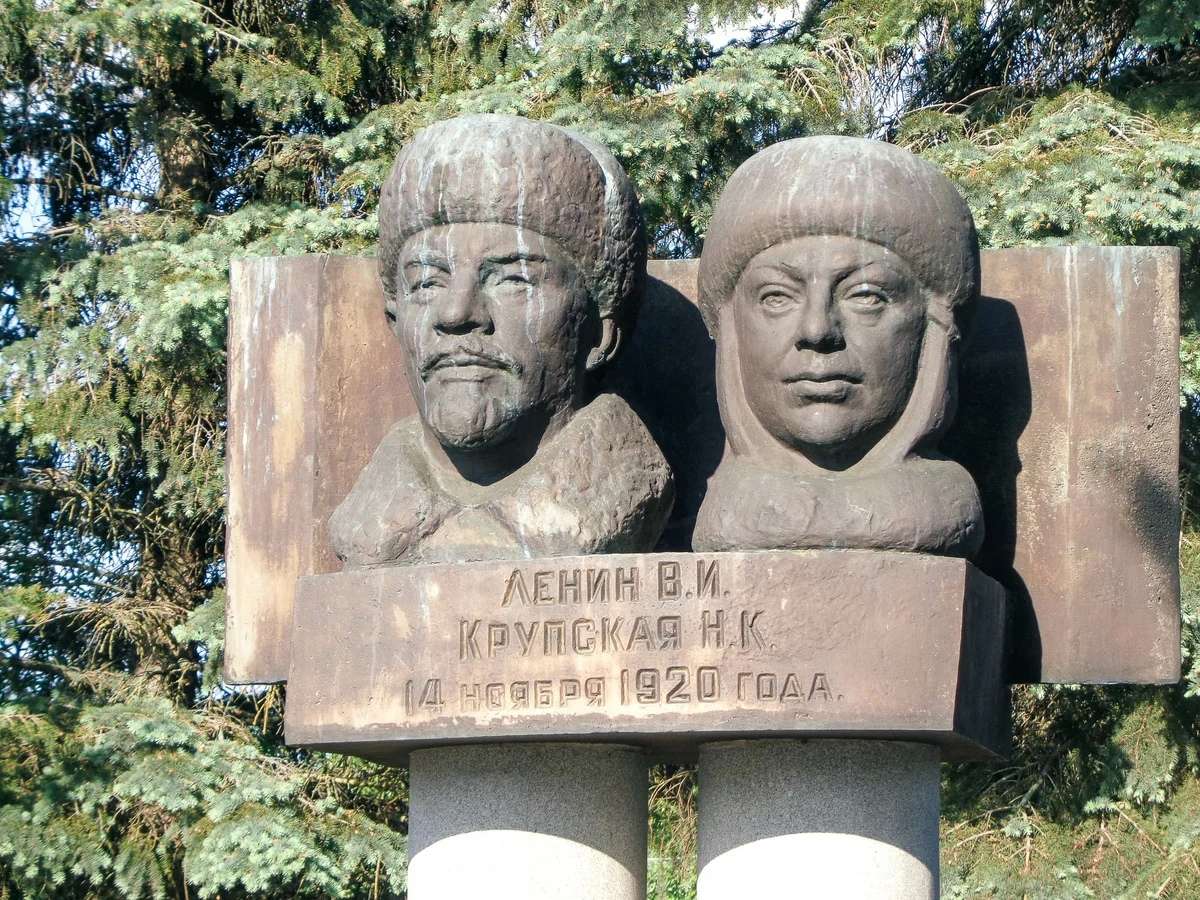
Monument to V. I. Lenin and N. K. Krupskaya
🗿 Monument
Church of St. John the Baptist
🕍 Place of worship
Monument to A. S. Pushkin
🗿 Monument

Goncharov Estate
🏟️ Architectural landmark · 🌿 Public garden or park · 📜 Historic site

Abandoned Church of Our Lady of Kazan
🏟️ Architectural landmark · 📜 Historic site · 🕍 Place of worship
Chernyshev Estate
🏟️ Architectural landmark · 📜 Historic site
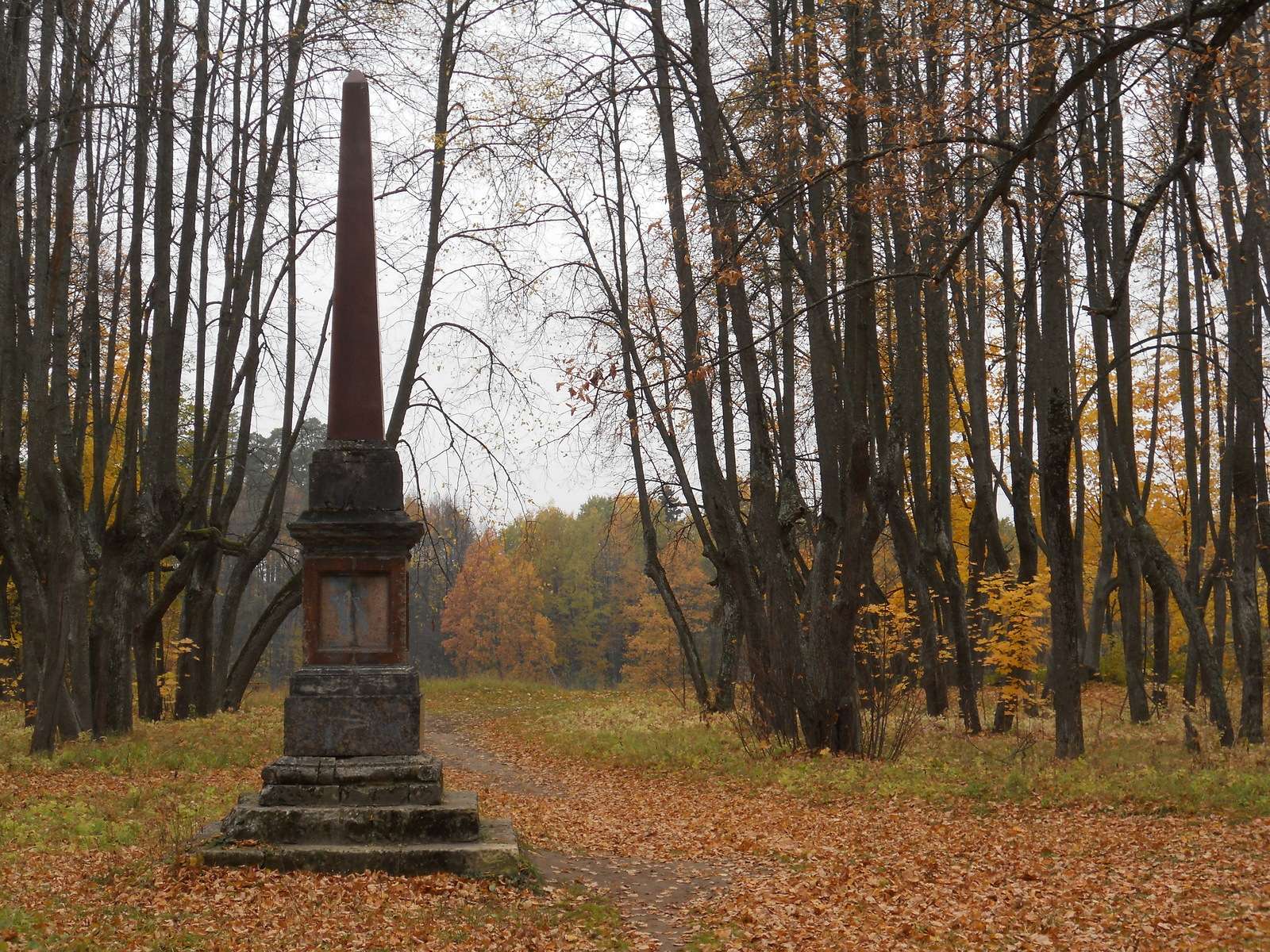
Obelisk in Honor of Catherine II
🗿 Monument
Red Pond
🌿 Public garden or park
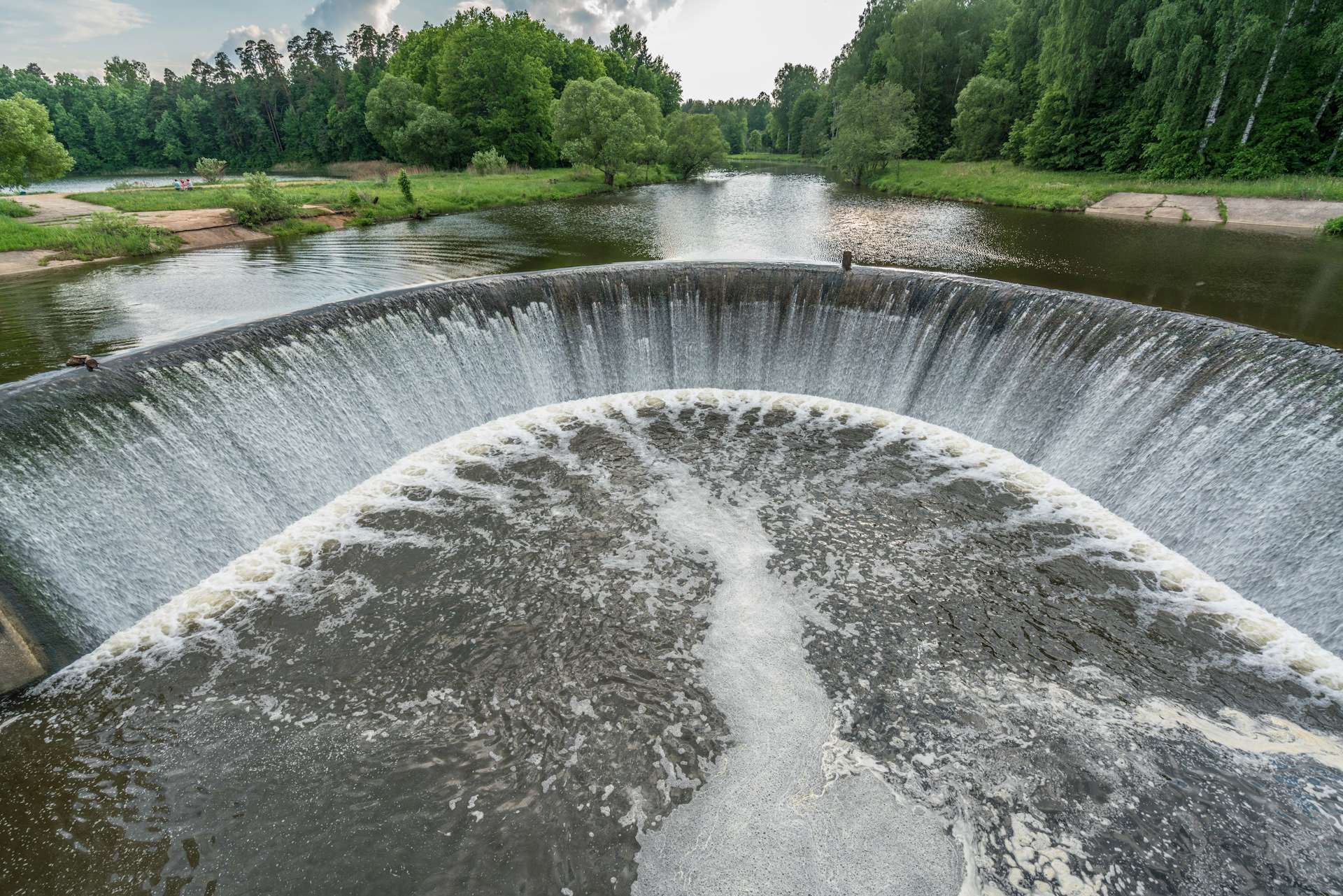
Yaropolets Dam
⚙️ Industrial site

The Station's First Turbine
🗿 Sculptures
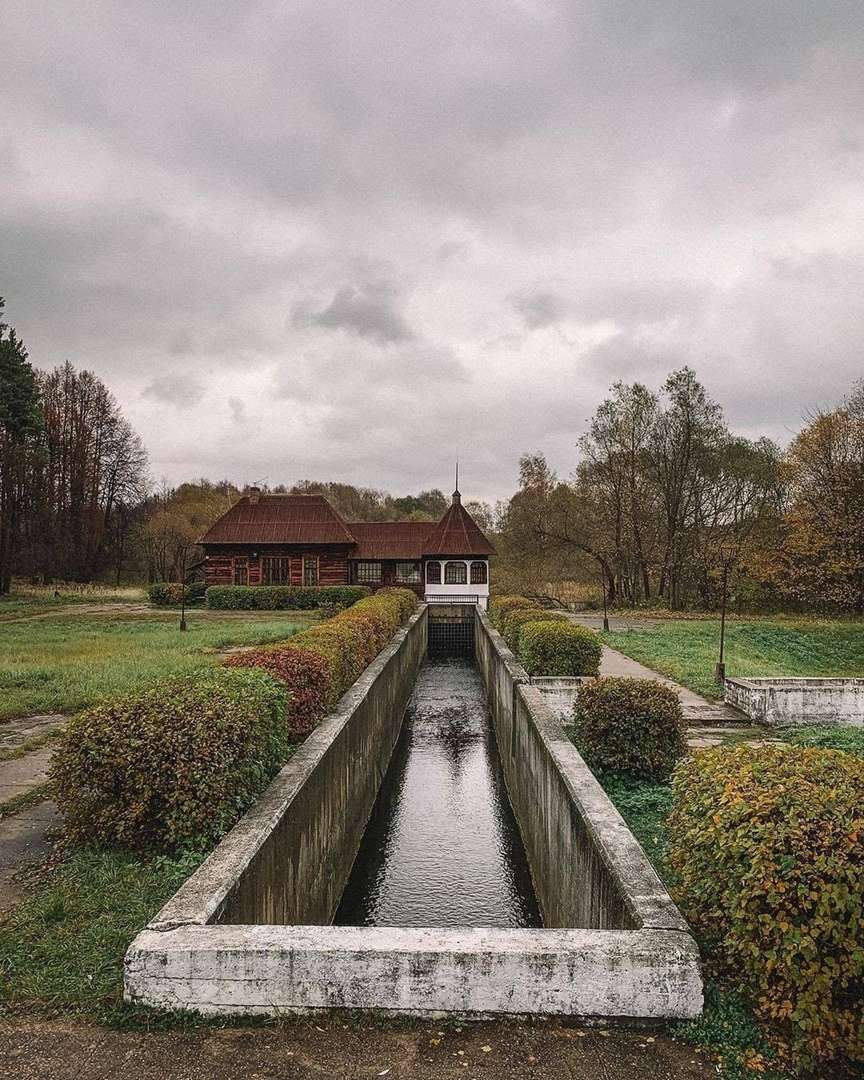
Lenin Yaropolets Hydroelectric Station
⚙️ Industrial site · 🌿 Public garden or park · 📜 Historic site · 🏟️ Architectural landmark


Point 5
🏟️ Architectural landmark • 📜 Historic site • 🕍 Place of worship
Susanin strongly urges you not to walk around inside the unsafe Church of Our Lady of Kazan. It may be dangerous to your life and health.
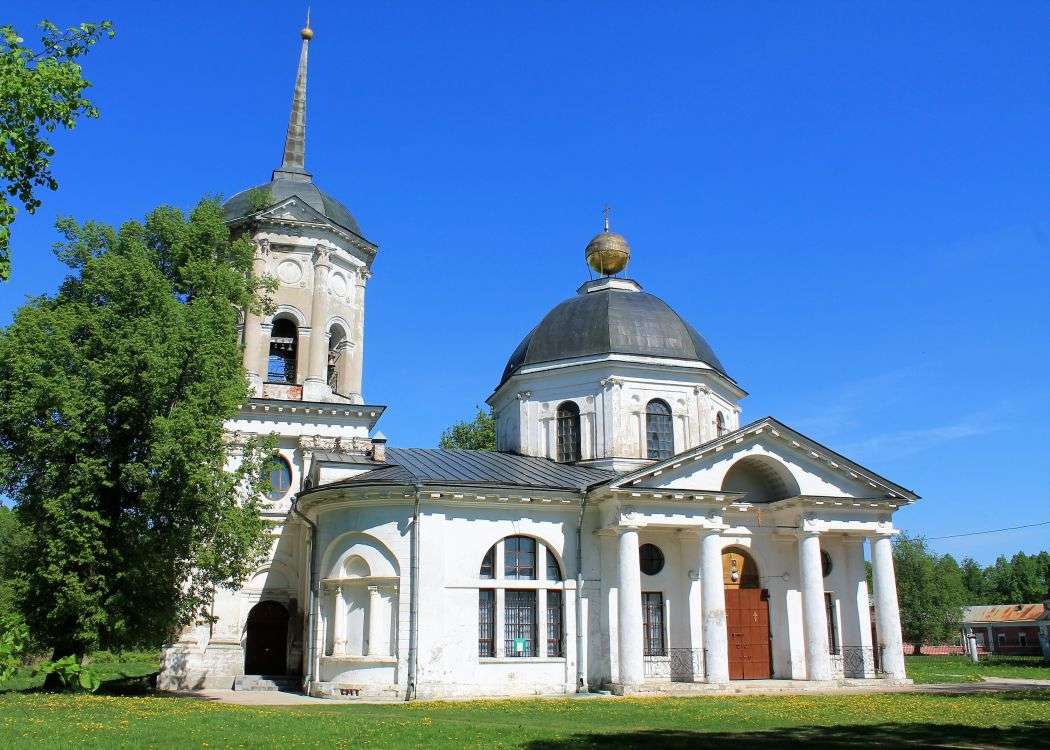
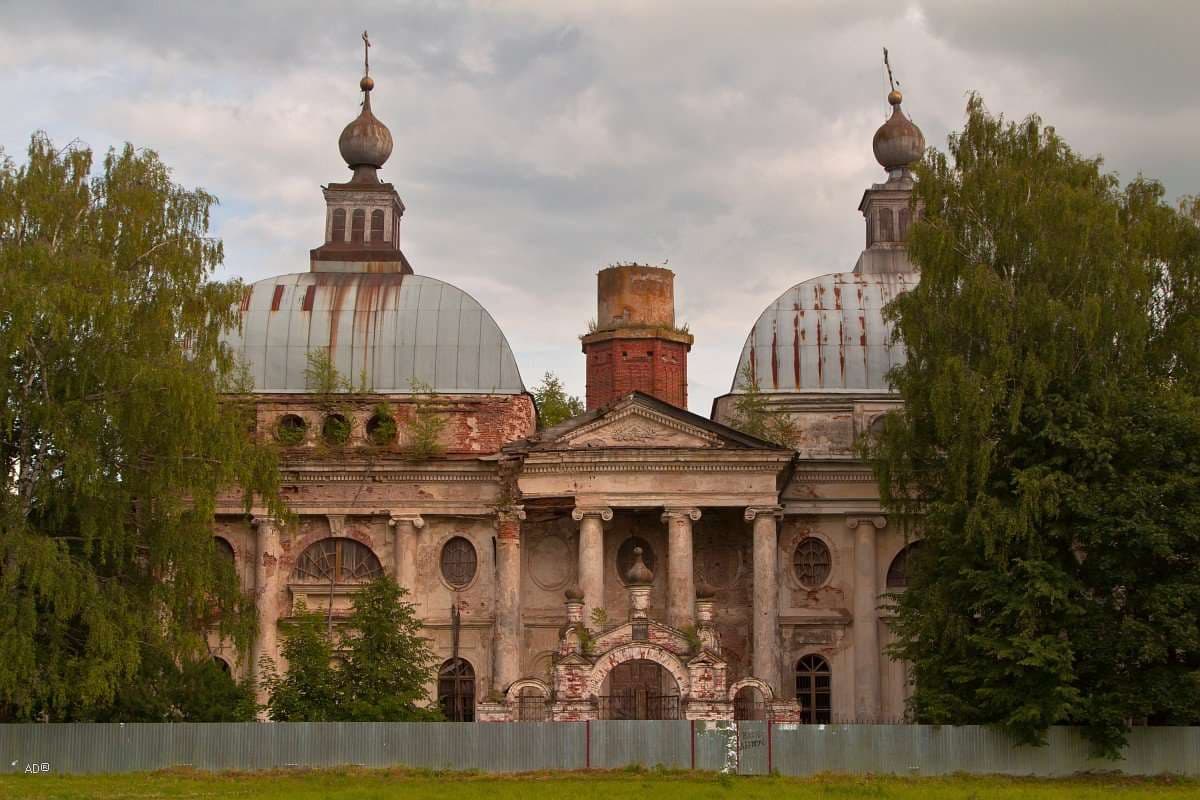
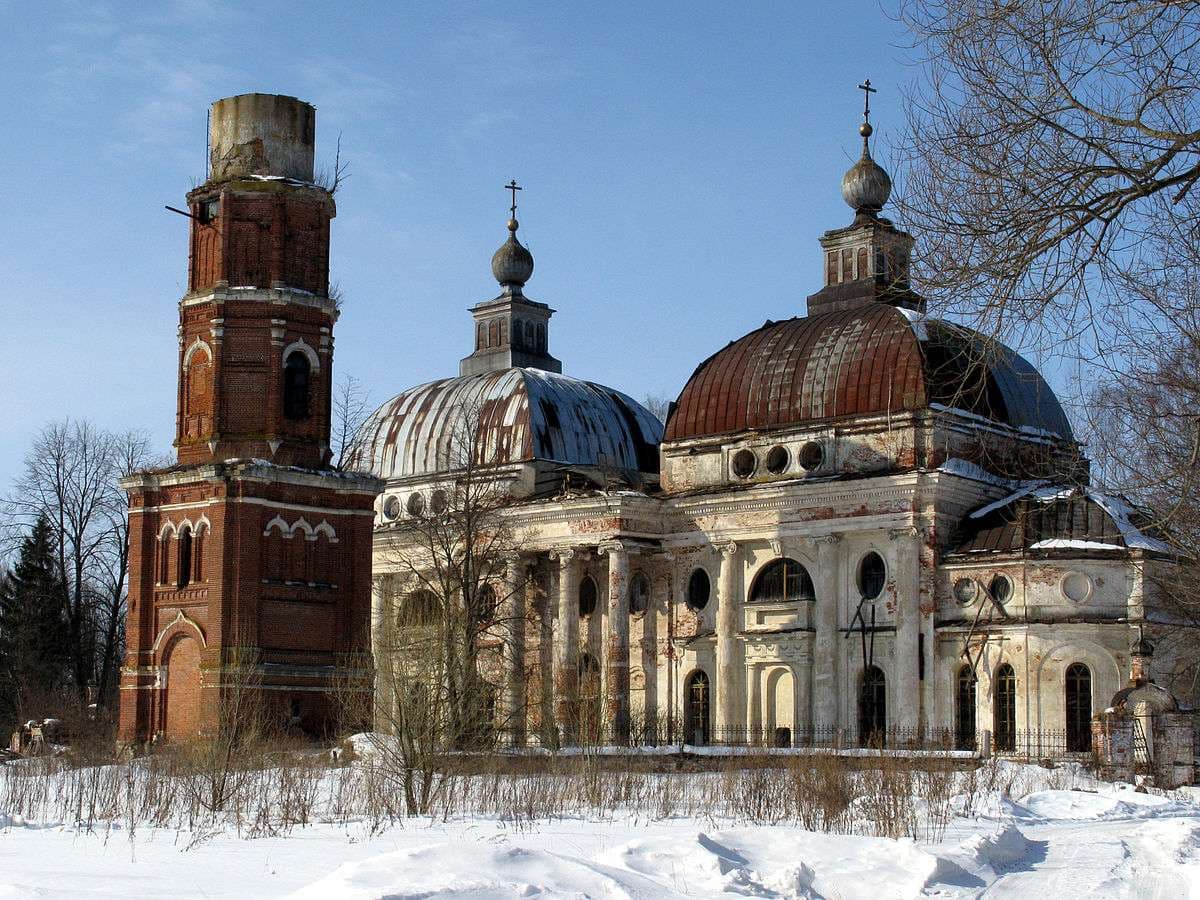
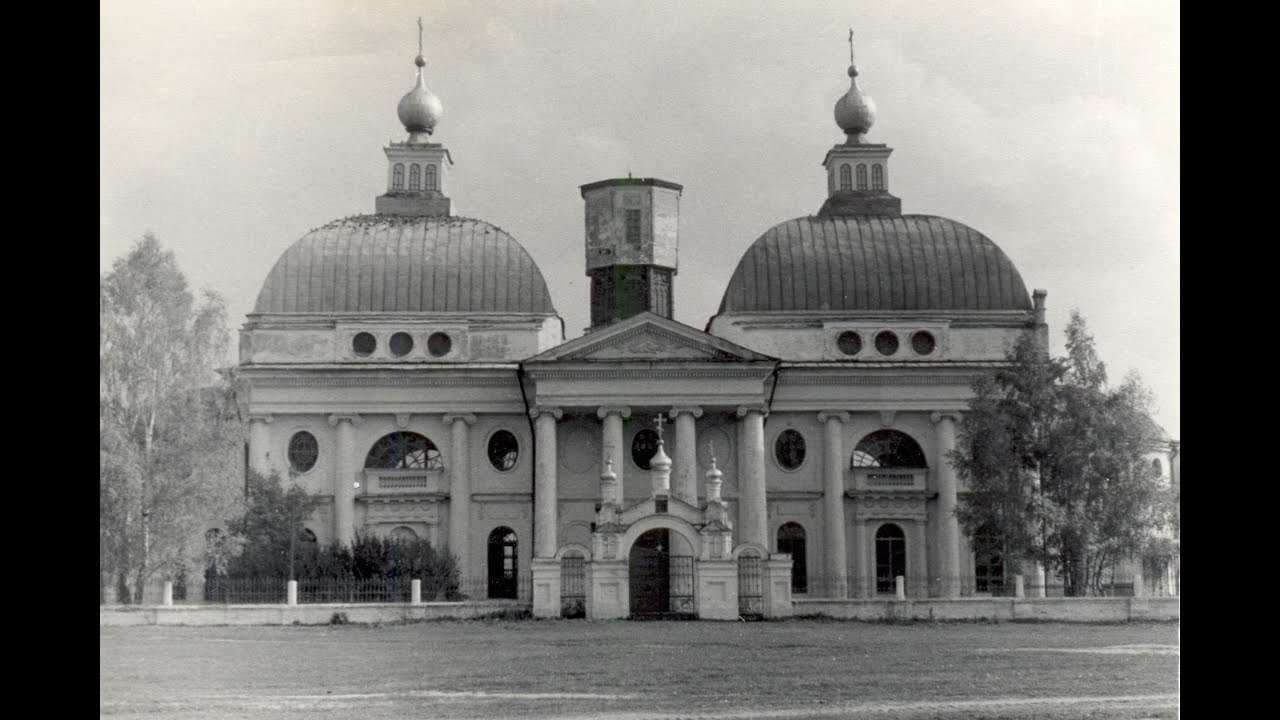
Historically the church belongs to the Chernyshev estate. At the end of the 18th century Zakhar Grigoryevich Chernyshev himself decided to build a stone church here, combined with the family burial vault.
The count's idea resulted in a composition unique for an Orthodox church. It was built in the Classical style with Baroque elements. Its two symmetrical parts — one the church, the other the burial vault — are linked by a passage of “Greek” columns. The red-brick bell tower was added only in the 19th century (1839–1869). It doesn't quite match the style of the Church of Our Lady of Kazan. In Soviet times the bell tower served as a water tower.
If you look very carefully, you can make out the All-Seeing Eye on the pediment of the four-column portico (or browse the location's photos). This is classic Masonic symbolism — though researchers deny it is present on the church walls. And indeed, the All-Seeing Eye can be found on various Orthodox churches of that period.
Maybe this stylistic choice is just a coincidence. The thing is, Zakhar Grigoryevich really was a Freemason: the count was initiated during one of his campaigns abroad. We can only guess why Chernyshev placed the All-Seeing Eye on his family church. Count Chernyshev didn't live to see the construction finished. His remains were later moved to the burial vault. His marble tombstone was made in the shape of a pyramid.
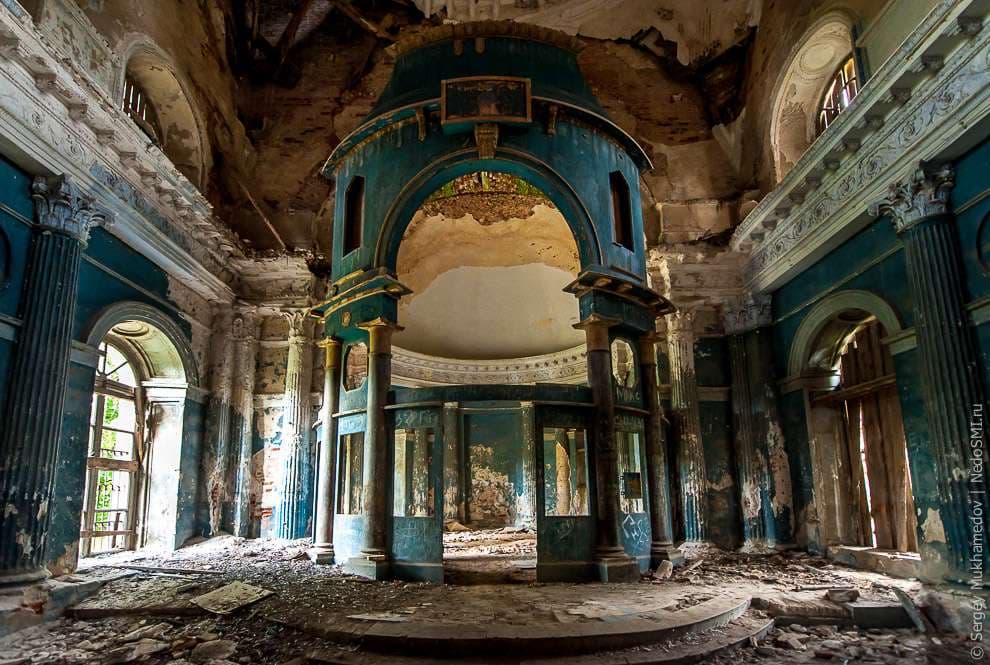
Like the estates, the church is owned by the Moscow Aviation Institute (MAI). At one point there was an attempt to restore it, but the work was never finished. The restoration did reveal, however, that the ceiling in the winter part of the church is lower than in the summer part, and there is a hidden room above the winter part's ceiling. The most common explanation is that it helped keep the winter part warm.
Point on route “The Russian Versailles”
Point 5
🏟️ Architectural landmark • 📜 Historic site • 🕍 Place of worship
Susanin strongly urges you not to walk around inside the unsafe Church of Our Lady of Kazan. It may be dangerous to your life and health.
Historically the church belongs to the Chernyshev estate. At the end of the 18th century Zakhar Grigoryevich Chernyshev himself decided to build a stone church here, combined with the family burial vault.
The count's idea resulted in a composition unique for an Orthodox church. It was built in the Classical style with Baroque elements. Its two symmetrical parts — one the church, the other the burial vault — are linked by a passage of “Greek” columns. The red-brick bell tower was added only in the 19th century (1839–1869). It doesn't quite match the style of the Church of Our Lady of Kazan. In Soviet times the bell tower served as a water tower.
If you look very carefully, you can make out the All-Seeing Eye on the pediment of the four-column portico (or browse the location's photos). This is classic Masonic symbolism — though researchers deny it is present on the church walls. And indeed, the All-Seeing Eye can be found on various Orthodox churches of that period.
Maybe this stylistic choice is just a coincidence. The thing is, Zakhar Grigoryevich really was a Freemason: the count was initiated during one of his campaigns abroad. We can only guess why Chernyshev placed the All-Seeing Eye on his family church. Count Chernyshev didn't live to see the construction finished. His remains were later moved to the burial vault. His marble tombstone was made in the shape of a pyramid.
Like the estates, the church is owned by the Moscow Aviation Institute (MAI). At one point there was an attempt to restore it, but the work was never finished. The restoration did reveal, however, that the ceiling in the winter part of the church is lower than in the summer part, and there is a hidden room above the winter part's ceiling. The most common explanation is that it helped keep the winter part warm.