 12 points
 29 km
 4 hours



Historical Background
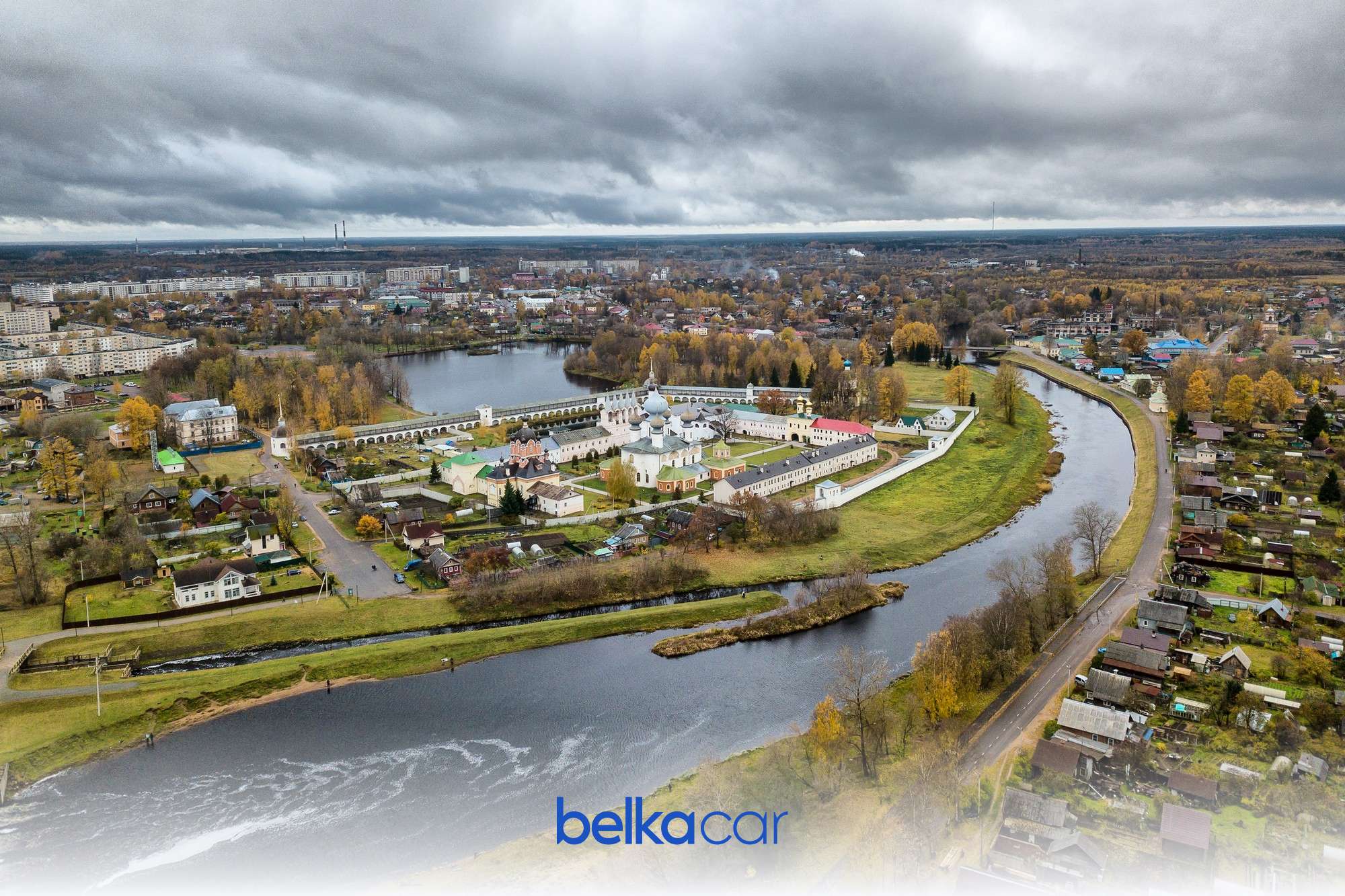
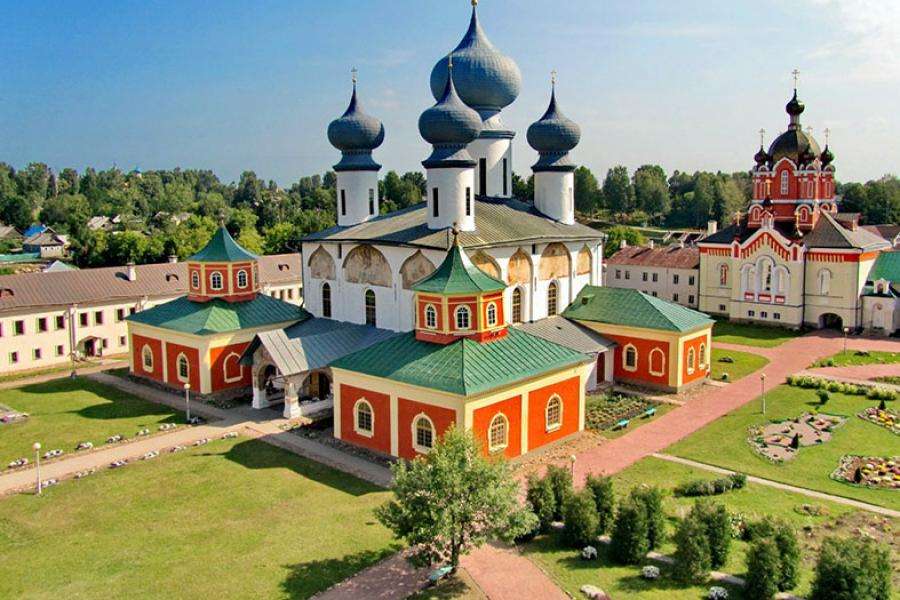
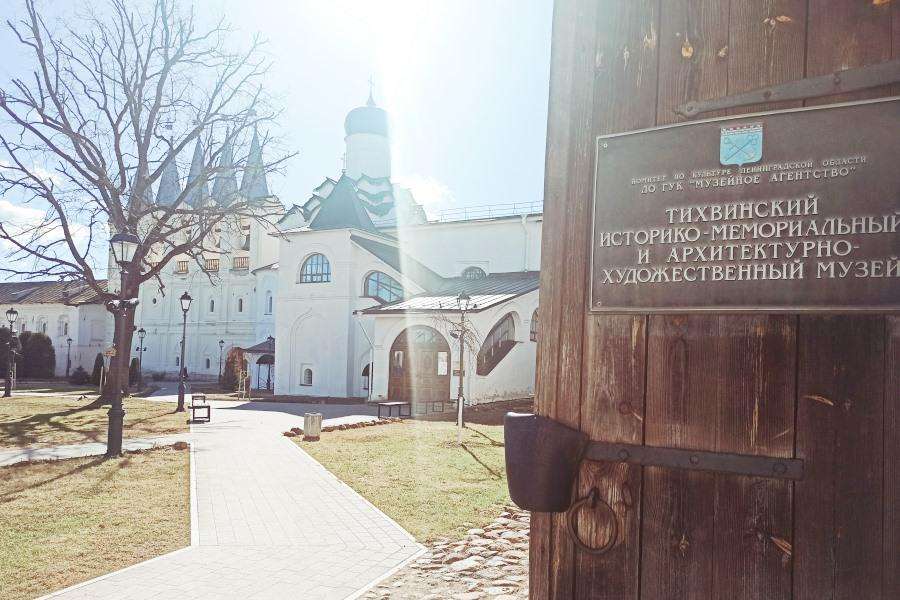
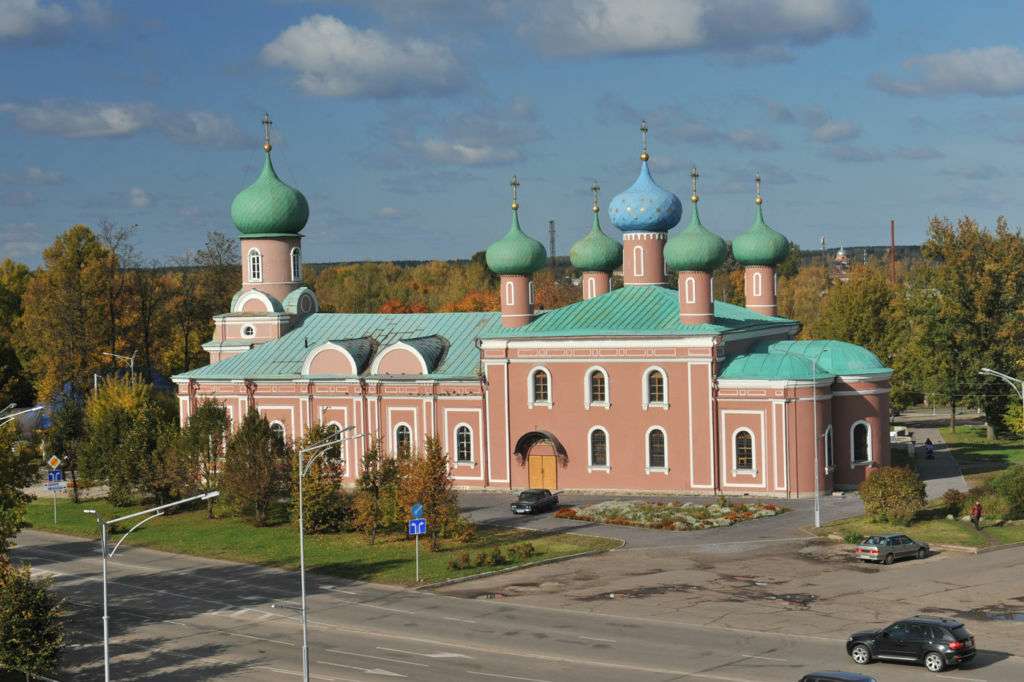
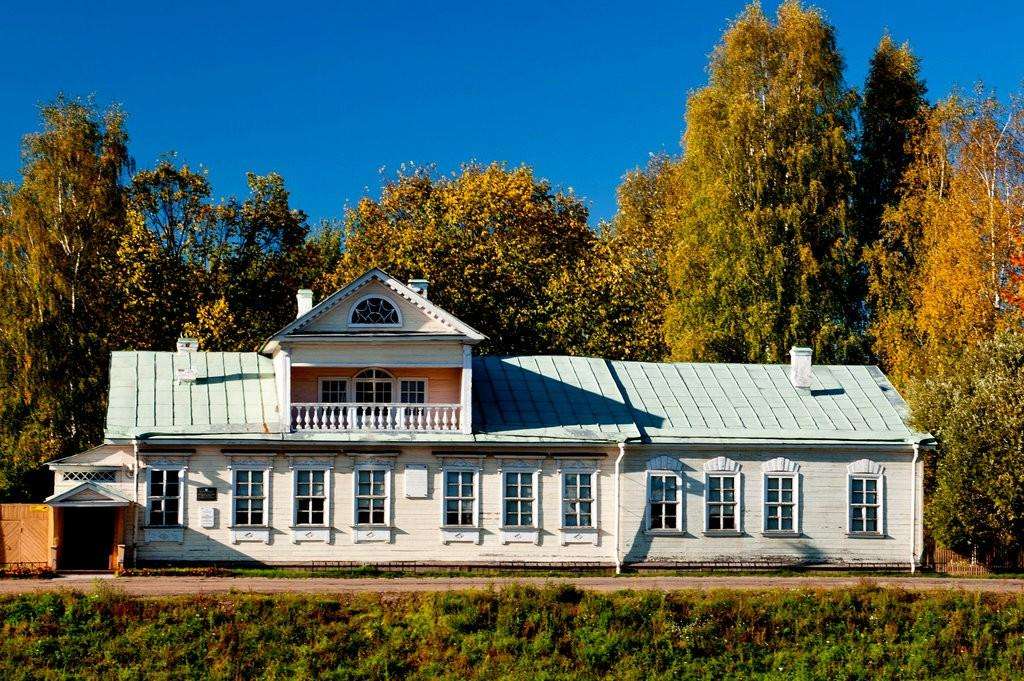
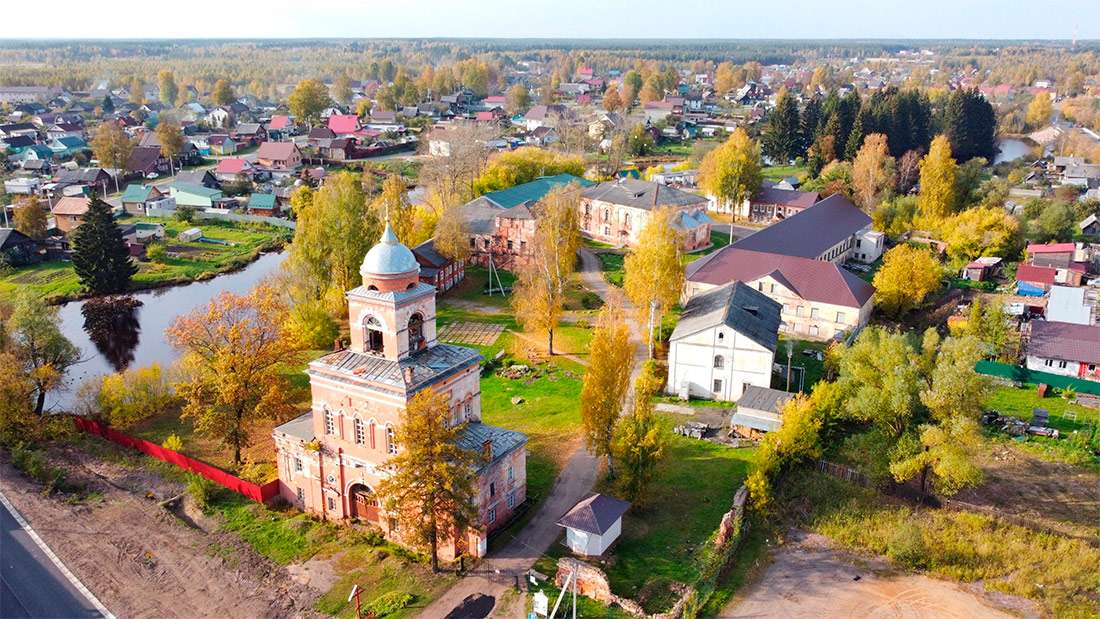
The museum is located in the city, on the grounds of the Tikhvin Dormition Monastery of the Mother of God. It was founded in 1913 on the initiative of the Tikhvin local historian I. P. Mordvinov. It all began with the Tikhvin branch of the Novgorod Society of Lovers of Antiquity, which carried out extensive public educational work. The museum's first exhibition was devoted to the 300th anniversary of the victory over the Swedish invaders in the uprising of 1613. By the 1920s the museum's holdings already included collections of old icons and manuscript books, exhibits from the period of the war against the invaders, and a range of geological, archaeological, and ethnographic materials gathered on expeditions around the region. In 1941 the museum's work was halted and its collections hidden. But on November 8 the Nazi forces managed to capture Tikhvin, and several valuable exhibits were lost; their fate is still unknown. Part of the collection was also destroyed when a shell hit the building during the fighting for the city. The museum reopened only in 1959, thanks to the teachers of School No. 1. For 10 years the students, led by their teachers, collected parts of the collections from local residents and re-created the exhibitions. The museum has been located at the Mother of God Monastery since 1968, and most of the buildings on the grounds were placed under its management. In 1995 the monastery complex was revived, and the brethren and the museum began to share their life there. Later the process of transferring the buildings to the church began; today the Tikhvin Museum occupies 3 buildings on the monastery grounds.