 7 points
 51 km
 4 hours


Historical Background
In early 2000 a chapel was built here dedicated to St. Andrew the First-Called, patron saint of fishermen and sailors. It stands on the bank of the Vuoksi River and has become a spiritual symbol for locals and visitors alike.
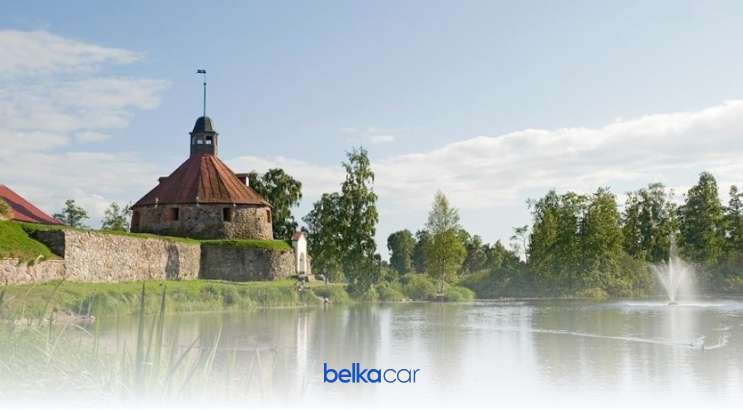
Priozersk is a town on the Karelian Isthmus. At different times in its history the settlement and its fortress belonged to the Novgorod Republic, Sweden, Russia, and Finland. The town's name changed too: it was Korela, Kexholm, and Käkisalmi before becoming Priozersk after World War II. A great reason to learn the history of these parts. The route was designed especially for BelkaCar car sharing.
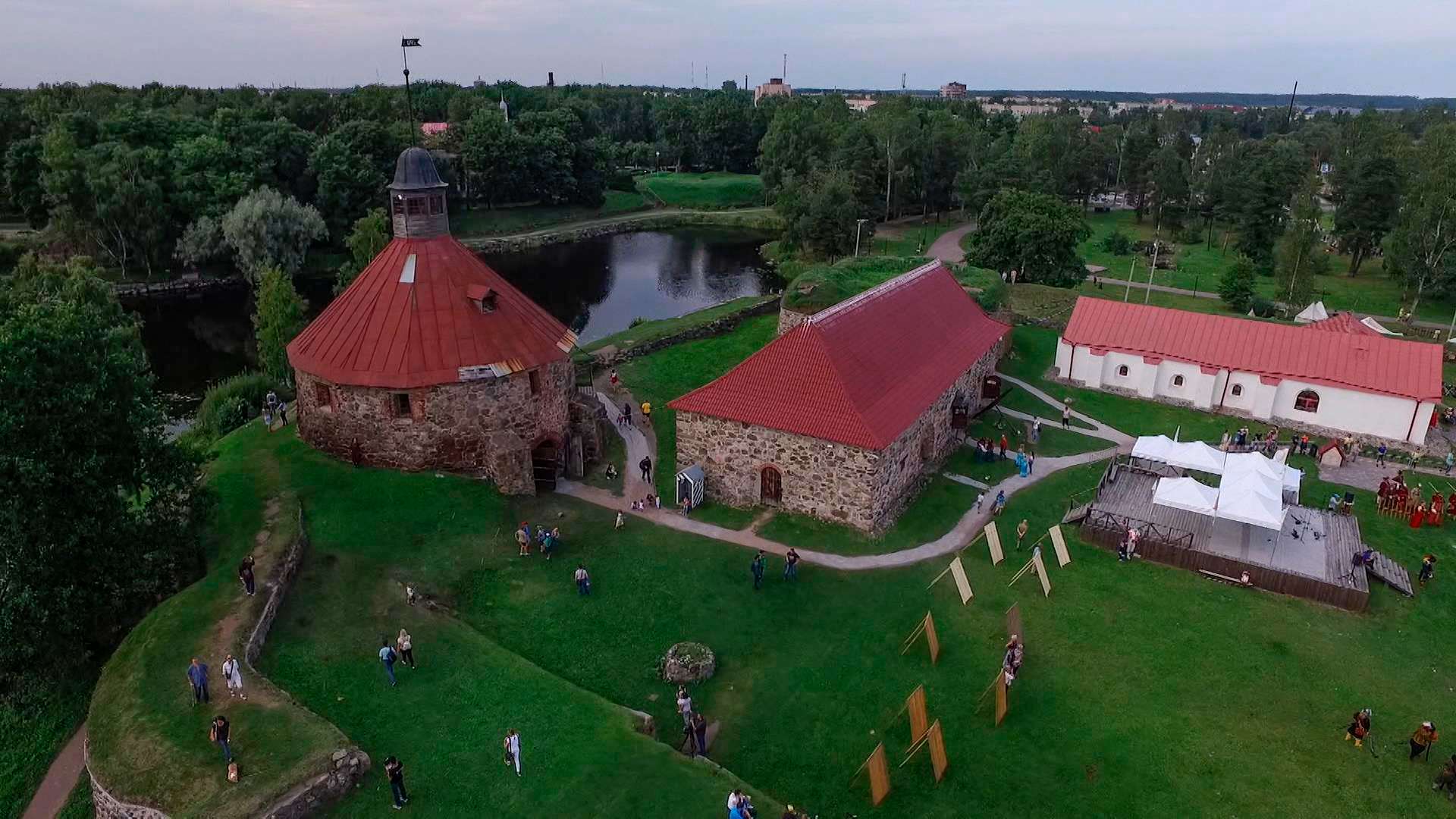
Korela Fortress
🏯 Fortress remains · 📜 Historic site
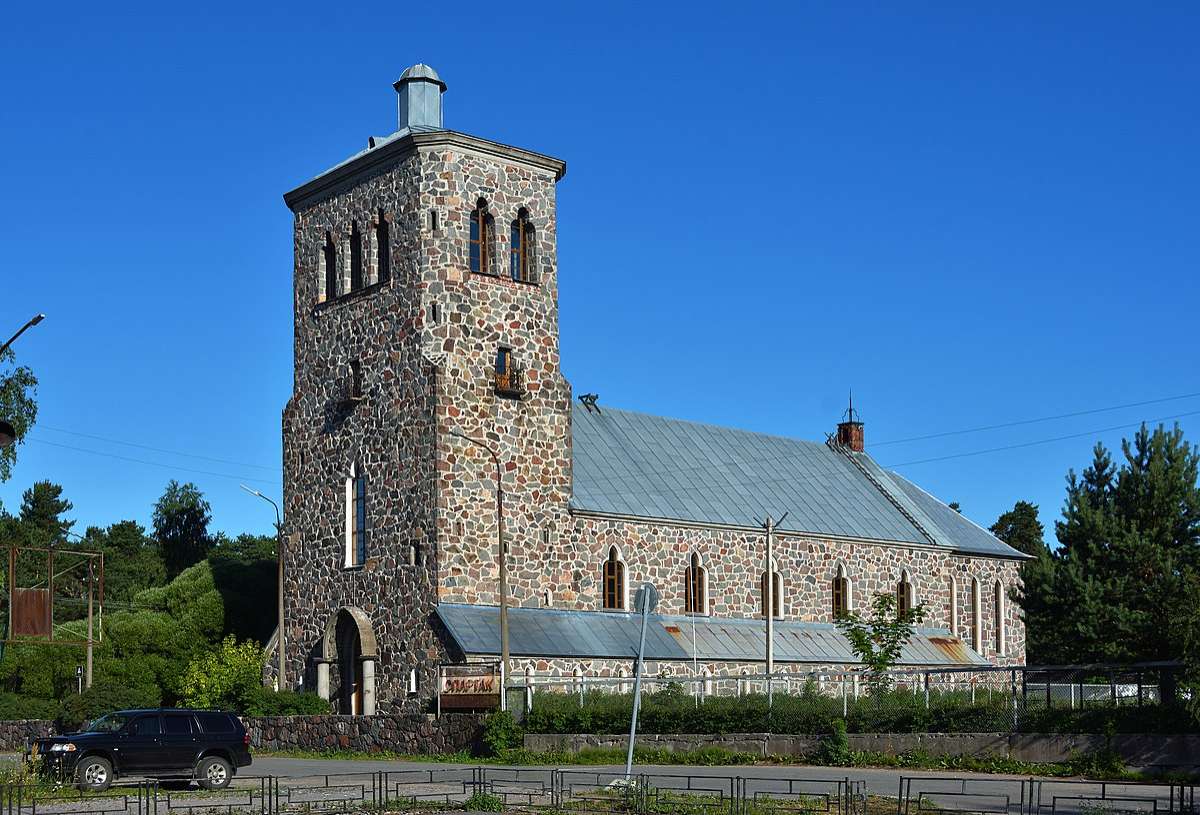
Lutheran Church in Priozersk
🕍 Place of worship
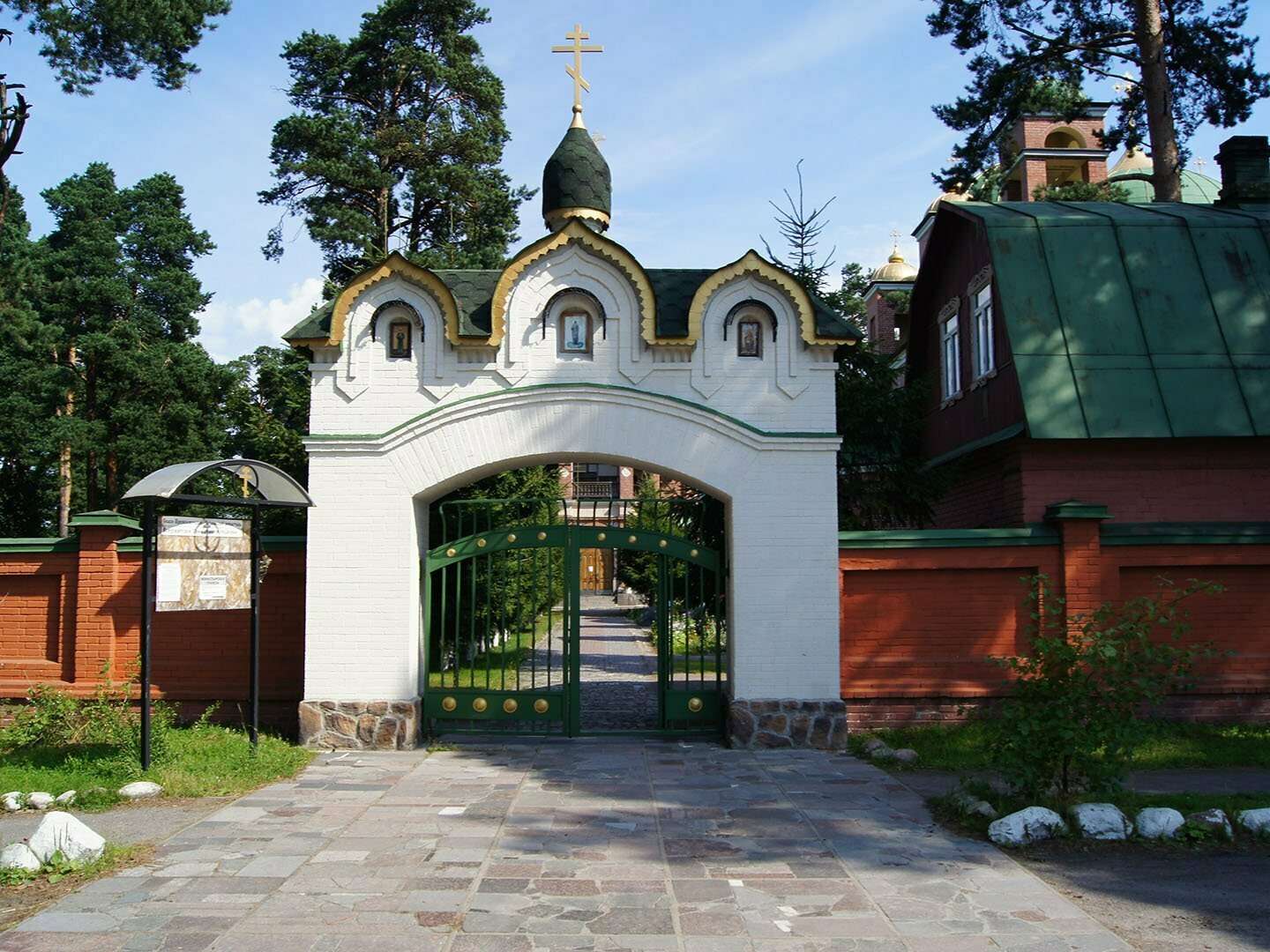
Valaam Monastery Metochion
🕍 Place of worship
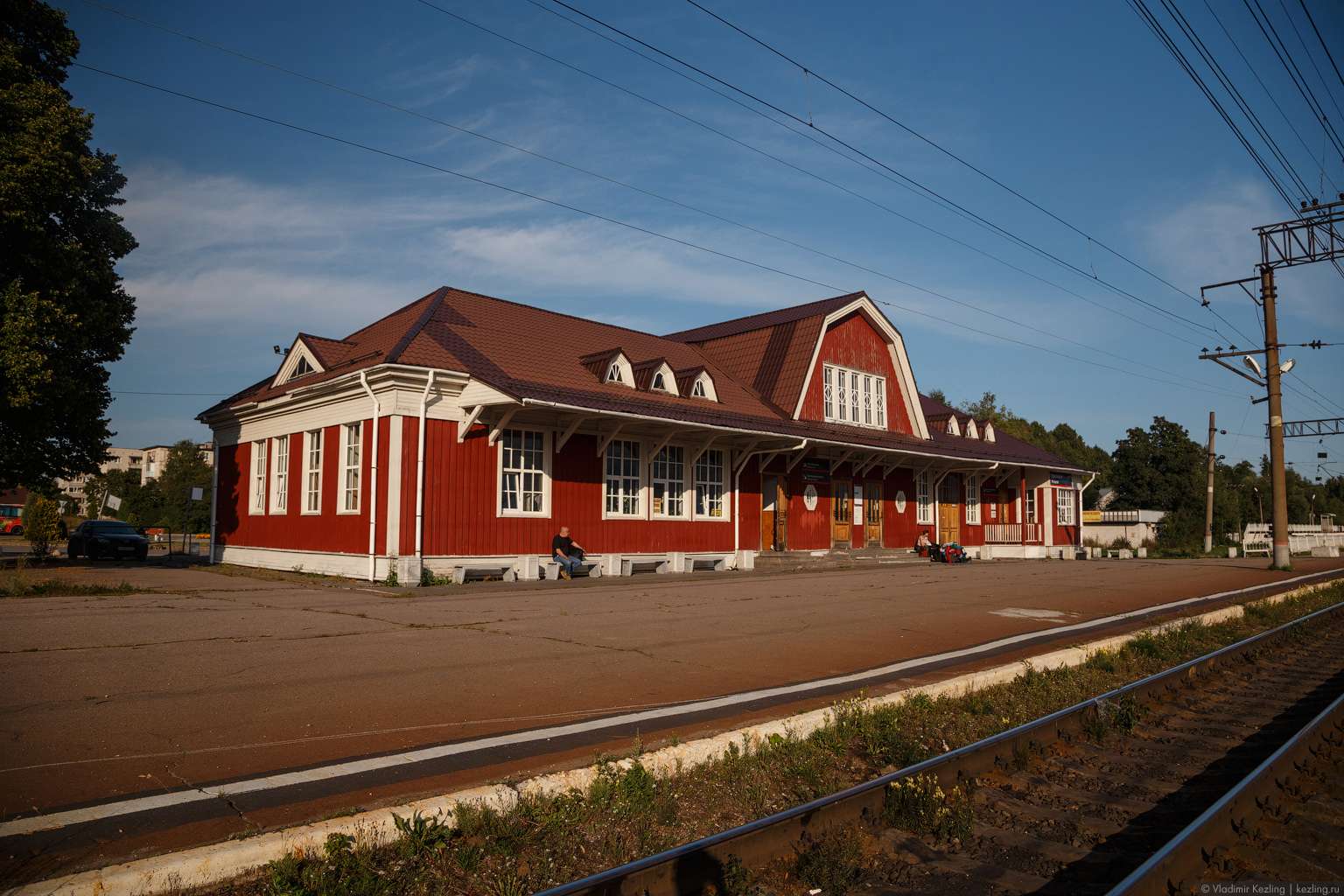
Priozersk Railway Station
🚂 Railway station
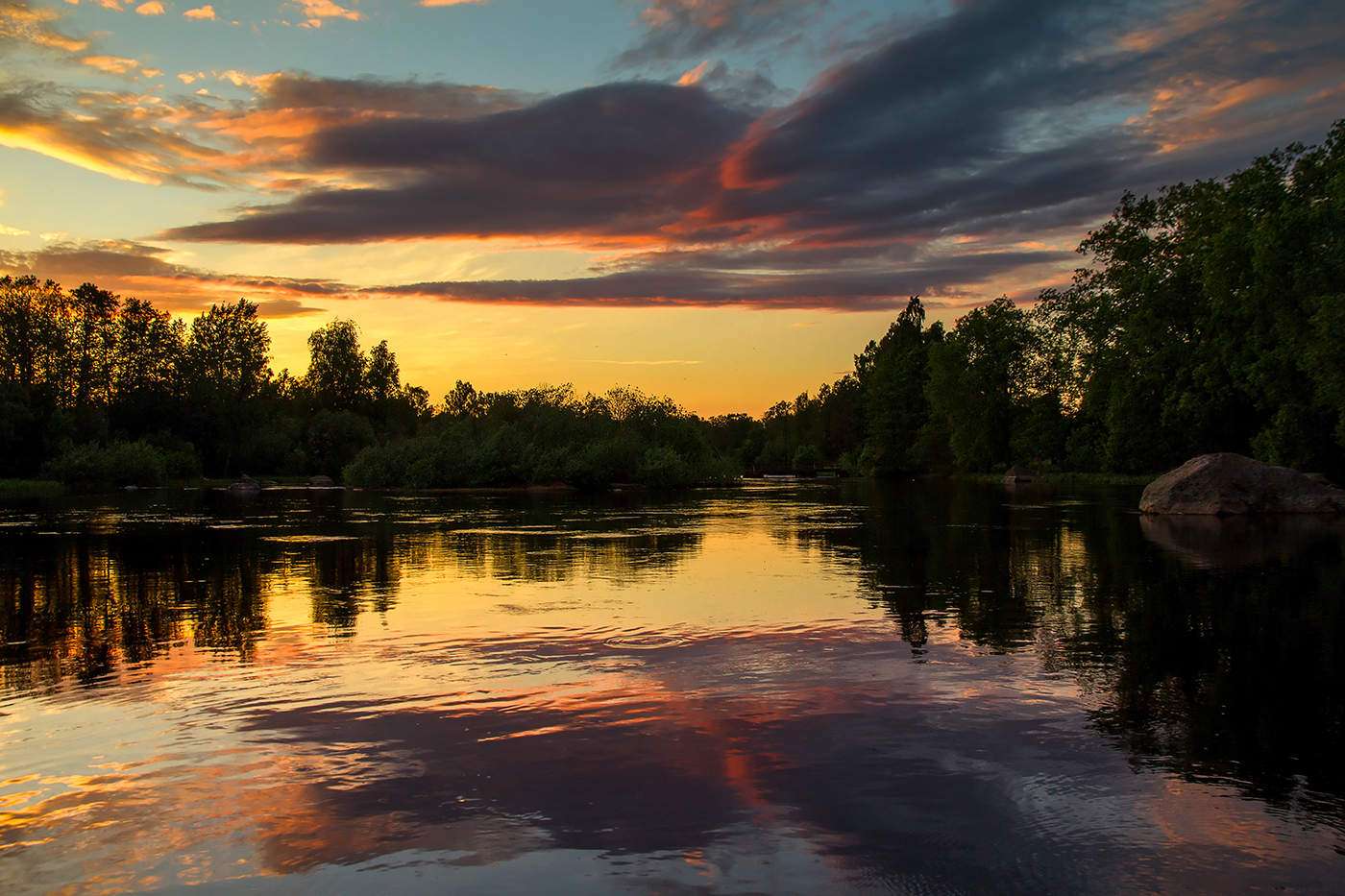
The Vuoksi River and Love Island
🔭 Viewpoint
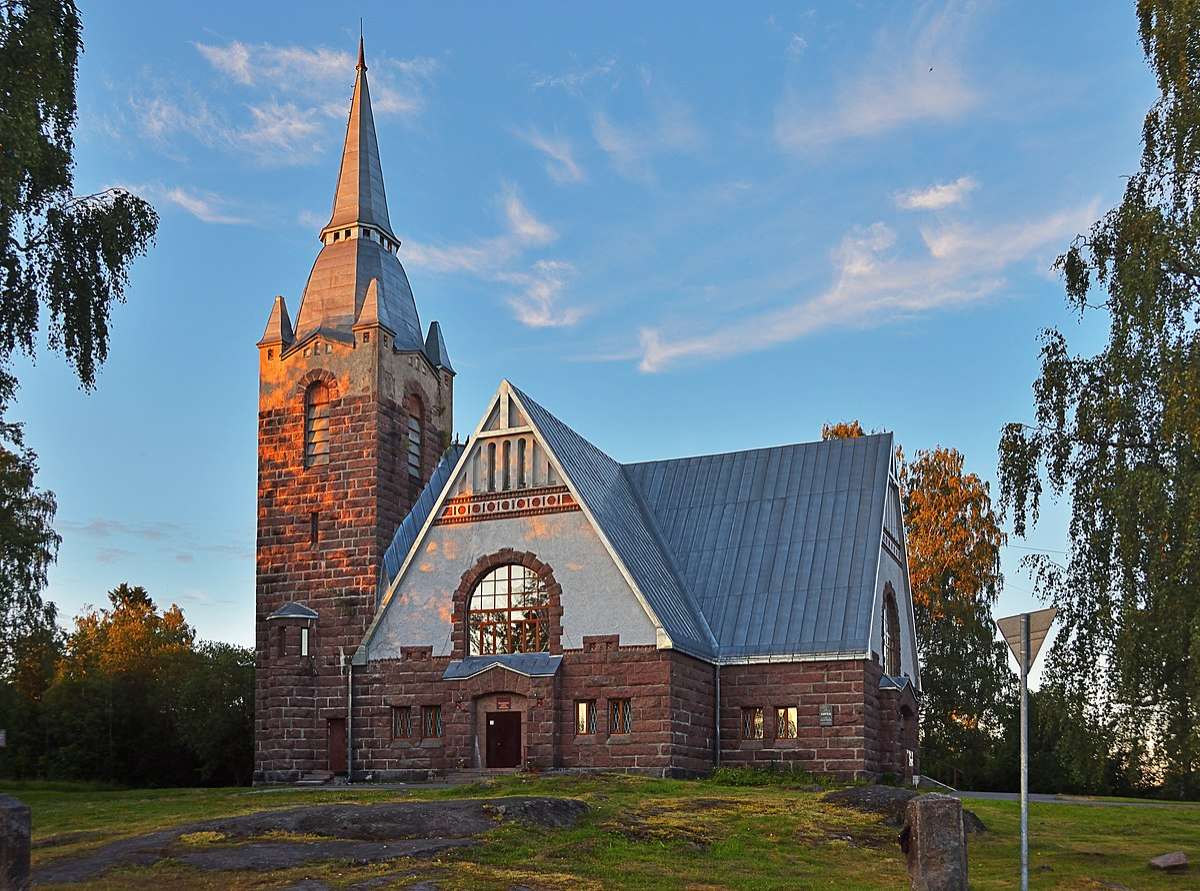
Lutheran Church in Melnikovo
🕍 Place of worship
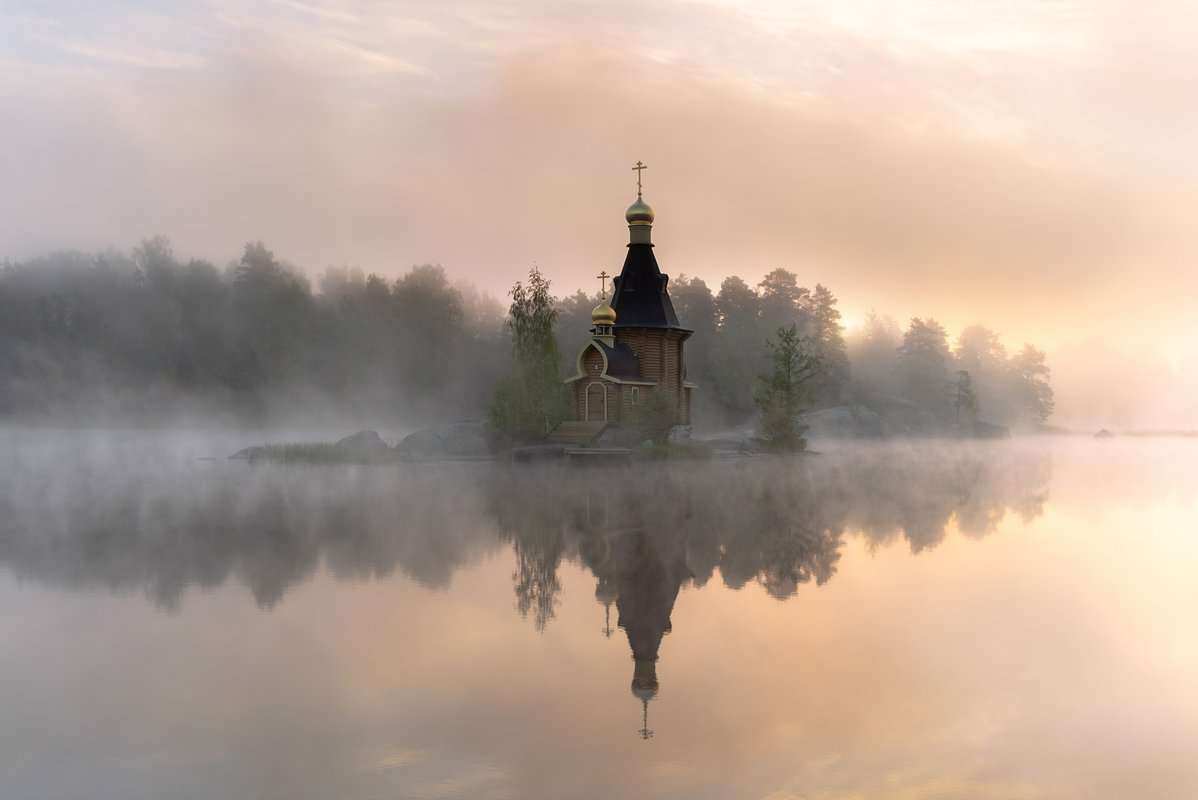
Church of St. Andrew the First-Called
🕍 Place of worship

Point 7
🕍 Place of worship
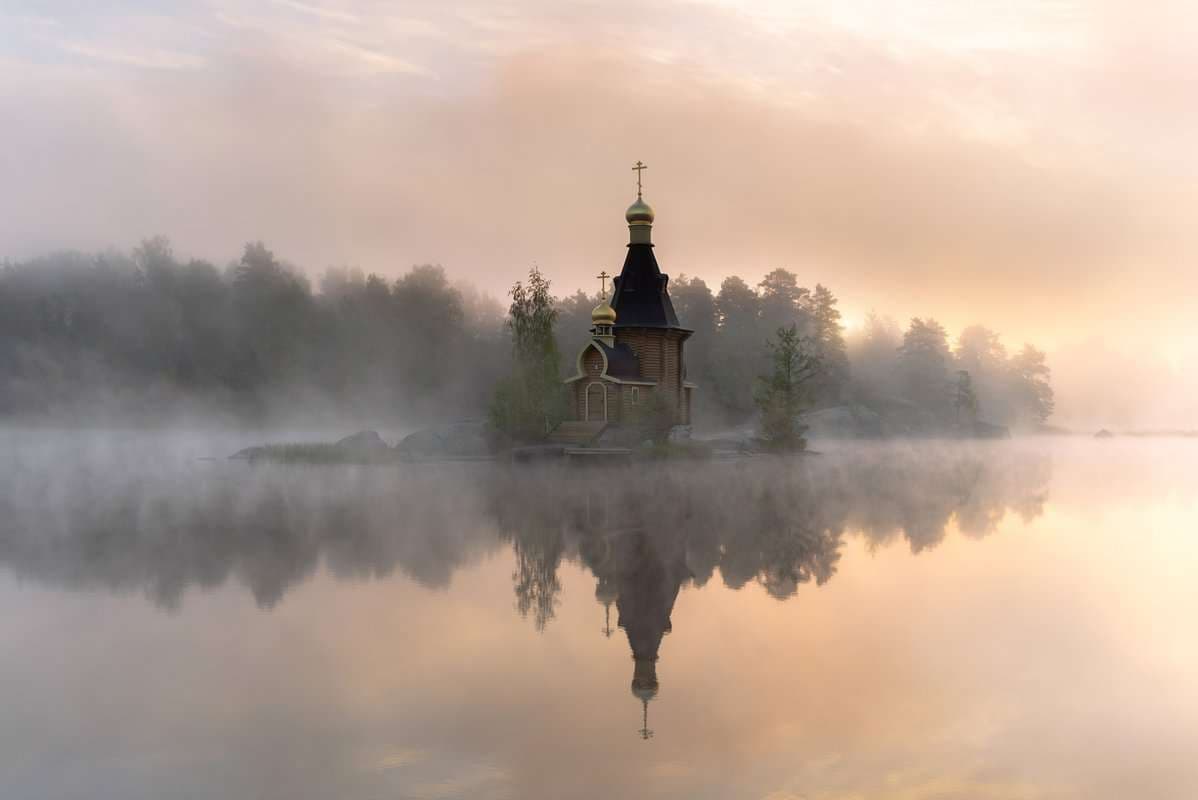
In early 2000 a chapel was built here dedicated to St. Andrew the First-Called, patron saint of fishermen and sailors. It stands on the bank of the Vuoksi River and has become a spiritual symbol for locals and visitors alike.
The building is made of wood in the traditional Russian style. Its tent roof and golden dome blend harmoniously with the surrounding nature, creating a sense of unity between architecture and landscape.
Every year the chapel hosts the rite of blessing the waters of the Vuoksi River. The event draws locals and pilgrims.
Point on route “A Town on the Karelian Isthmus”
Point 7
🕍 Place of worship
In early 2000 a chapel was built here dedicated to St. Andrew the First-Called, patron saint of fishermen and sailors. It stands on the bank of the Vuoksi River and has become a spiritual symbol for locals and visitors alike.
The building is made of wood in the traditional Russian style. Its tent roof and golden dome blend harmoniously with the surrounding nature, creating a sense of unity between architecture and landscape.
Every year the chapel hosts the rite of blessing the waters of the Vuoksi River. The event draws locals and pilgrims.