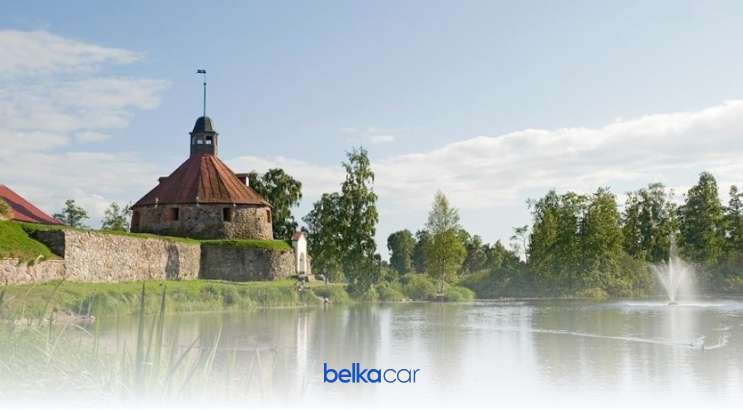
←A Town on the Karelian Isthmus

A Town on the Karelian Isthmus

Photo of route “A Town on the Karelian Isthmus”
7 points51 km4 hours

Priozersk is a town on the Karelian Isthmus. At different times in its history the settlement and its fortress belonged to the Novgorod Republic, Sweden, Russia, and Finland. The town's name changed too: it was Korela, Kexholm, and Käkisalmi before becoming Priozersk after World War II. A great reason to learn the history of these parts. The route was designed especially for BelkaCar car sharing.

Things to do

  • 🏞️ Enjoy the view
  • 🏛️🕰️ Compare the eras

Route points (7)

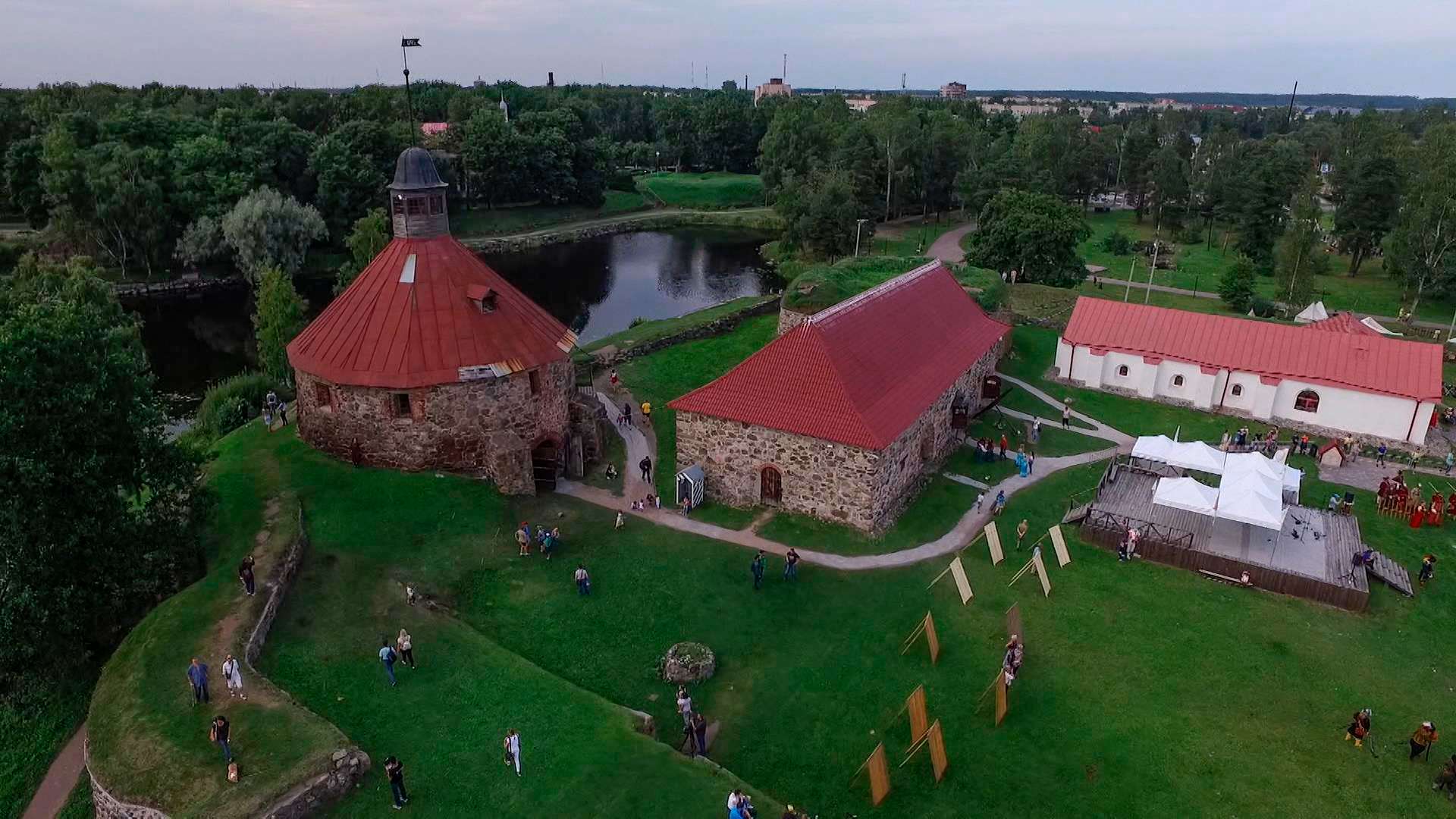
  1. Korela Fortress — point on route “A Town on the Karelian Isthmus”

    Korela Fortress

    🏯 Fortress remains · 📜 Historic site

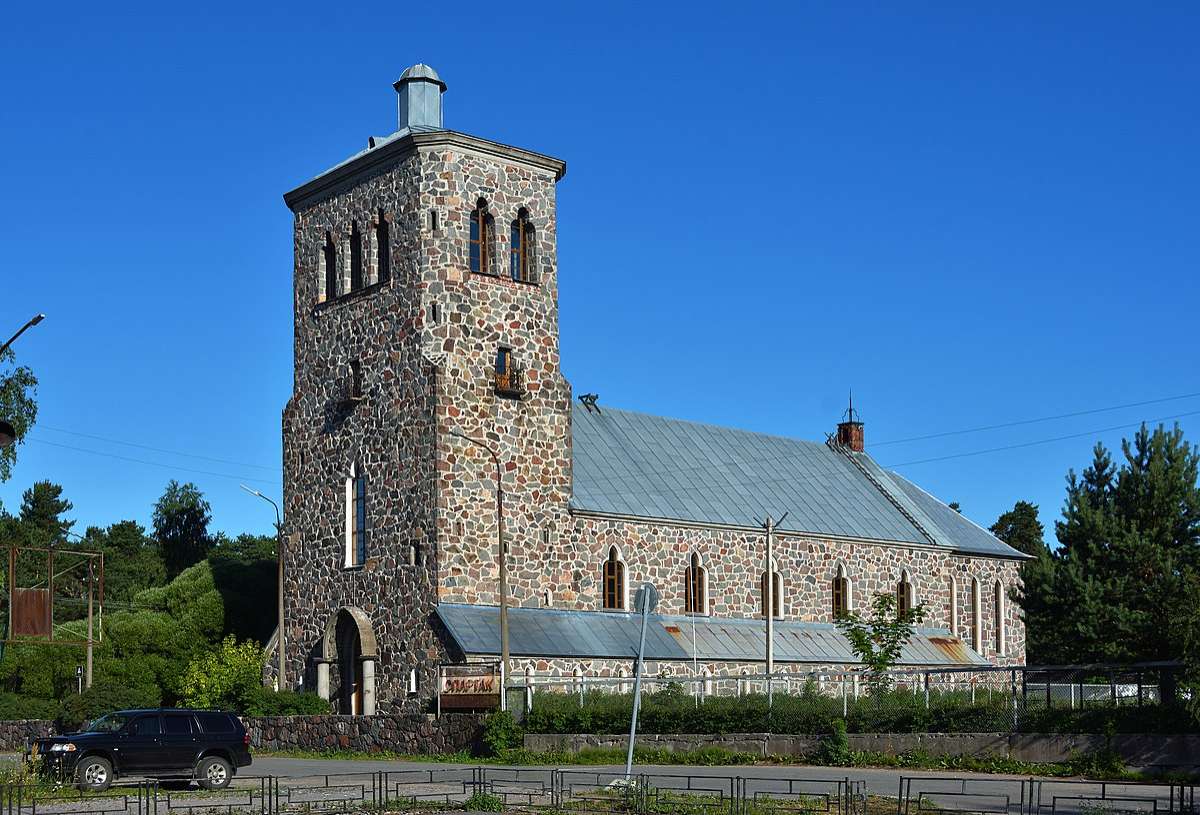
  2. Lutheran Church in Priozersk — point on route “A Town on the Karelian Isthmus”

    Lutheran Church in Priozersk

    🕍 Place of worship

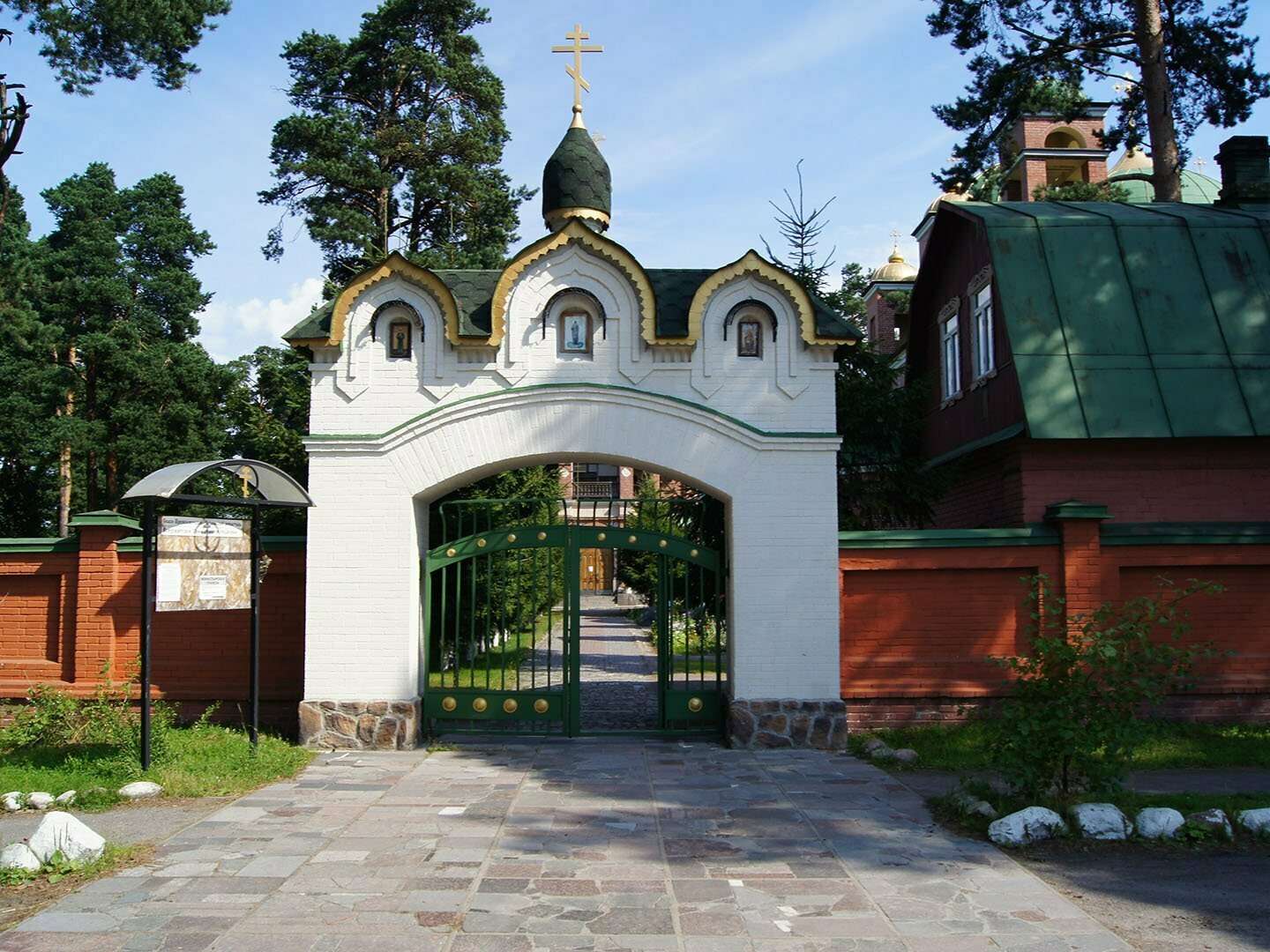
  3. Valaam Monastery Metochion — point on route “A Town on the Karelian Isthmus”

    Valaam Monastery Metochion

    🕍 Place of worship

  4. Priozersk Railway Station — point on route “A Town on the Karelian Isthmus”

    Priozersk Railway Station

    🚂 Railway station

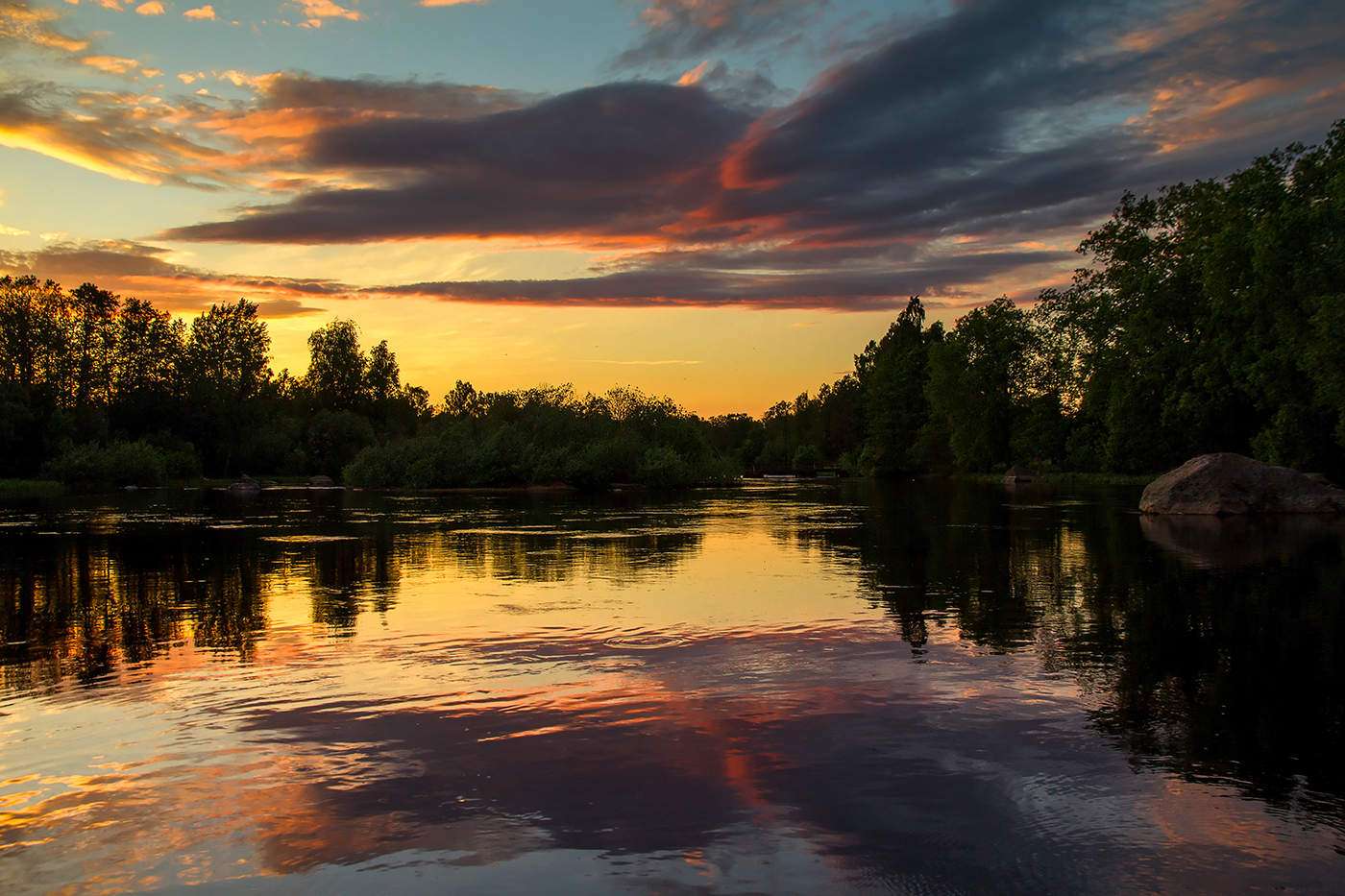
  5. The Vuoksi River and Love Island — point on route “A Town on the Karelian Isthmus”

    The Vuoksi River and Love Island

    🔭 Viewpoint

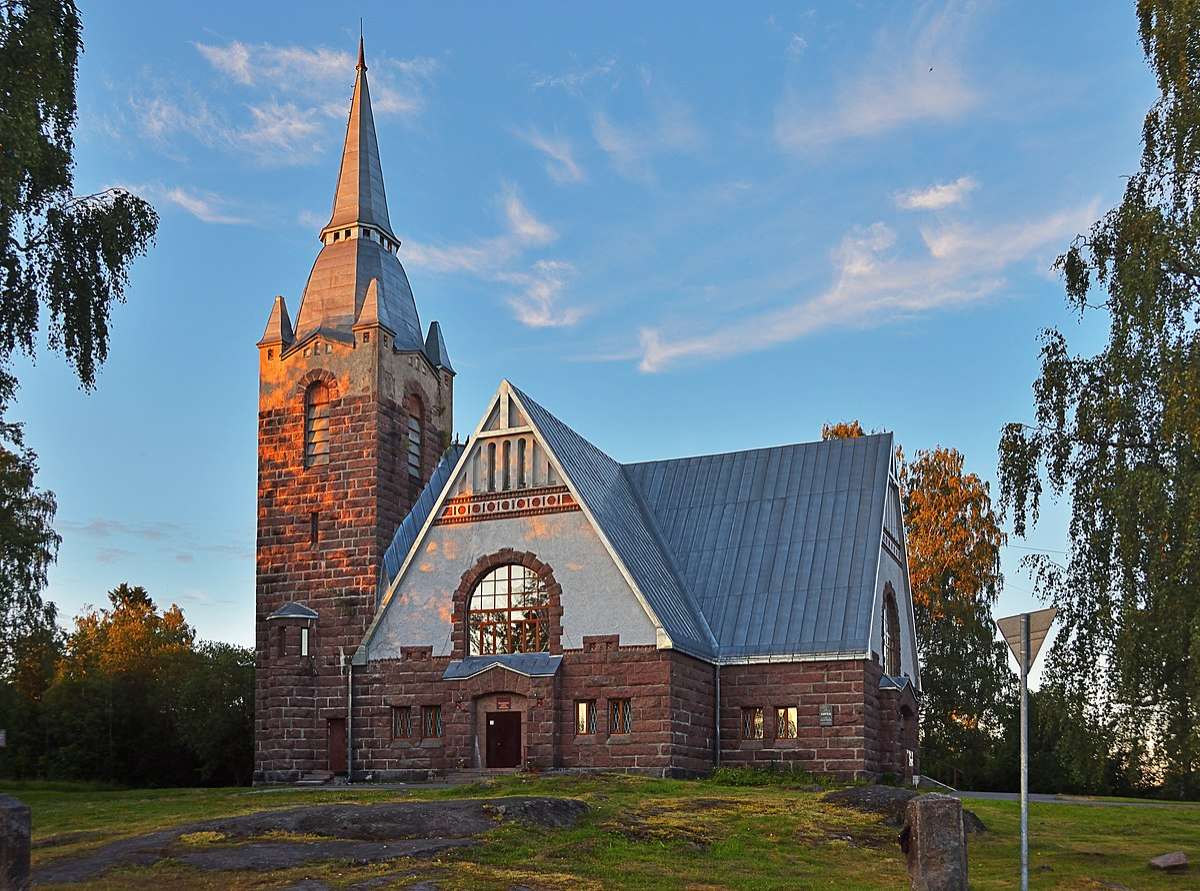
  6. Lutheran Church in Melnikovo — point on route “A Town on the Karelian Isthmus”

    Lutheran Church in Melnikovo

    🕍 Place of worship

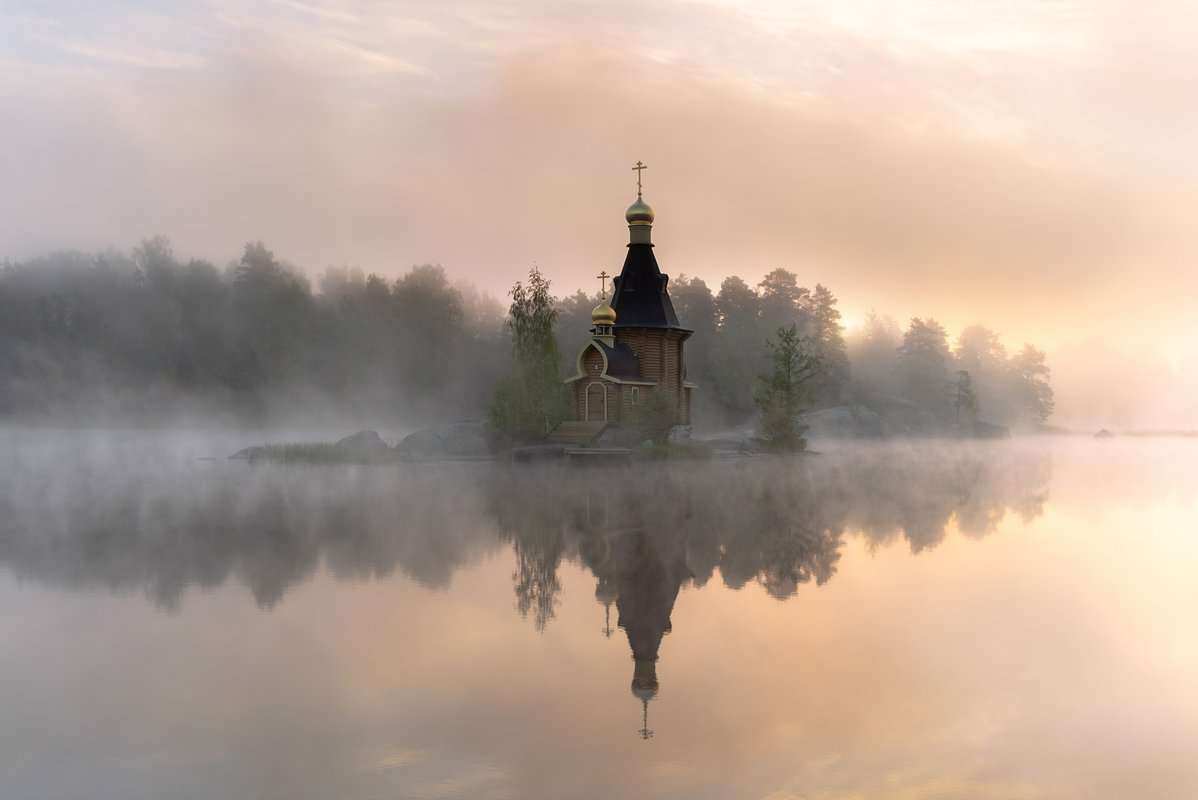
  7. Church of St. Andrew the First-Called — point on route “A Town on the Karelian Isthmus”

    Church of St. Andrew the First-Called

    🕍 Place of worship

Priozersk Railway Station in Priozersk

Point on route “A Town on the Karelian Isthmus”

Priozersk Railway Station — point on route “A Town on the Karelian Isthmus”

Point 4

Priozersk Railway Station

🚂 Railway station

Historical Background

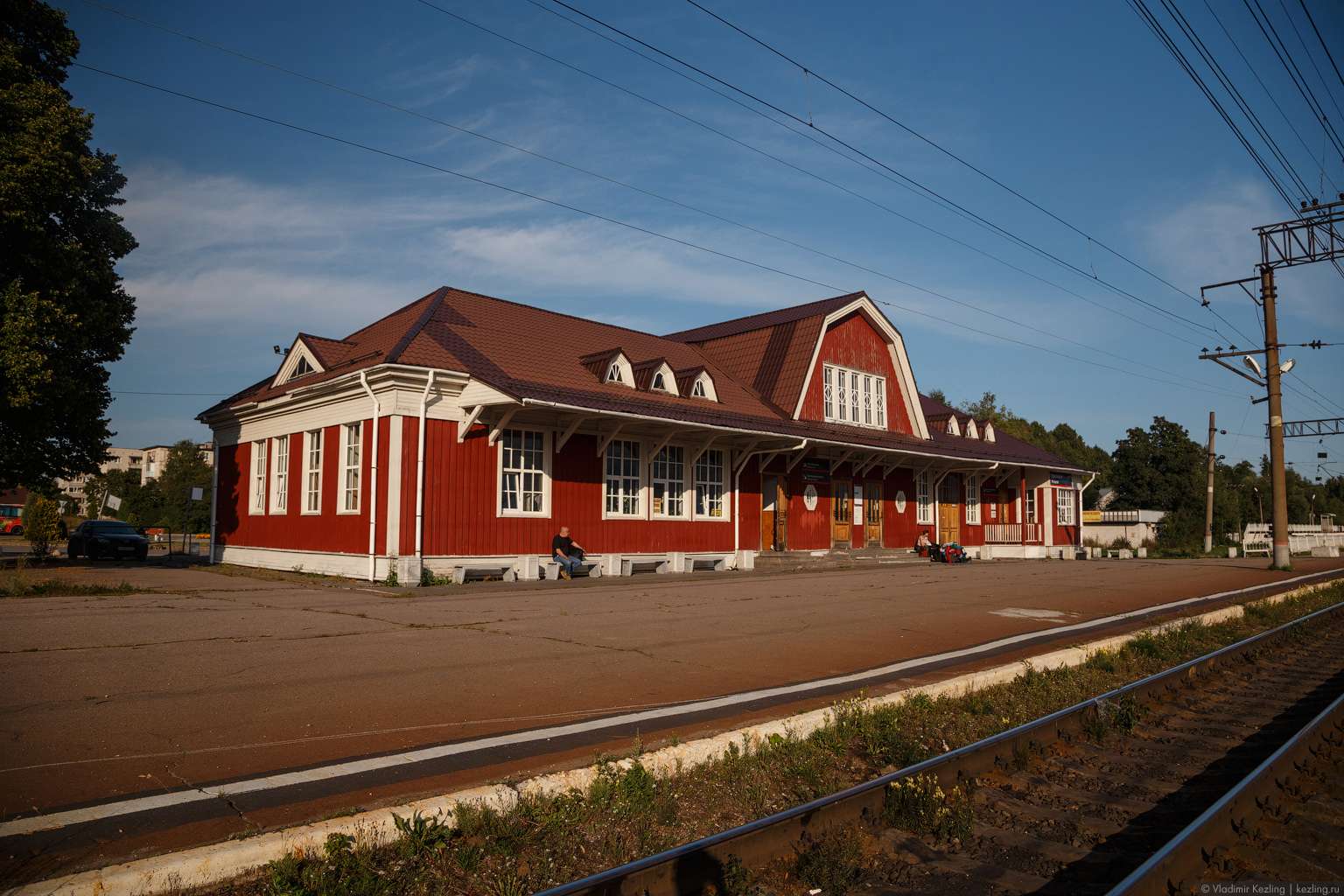
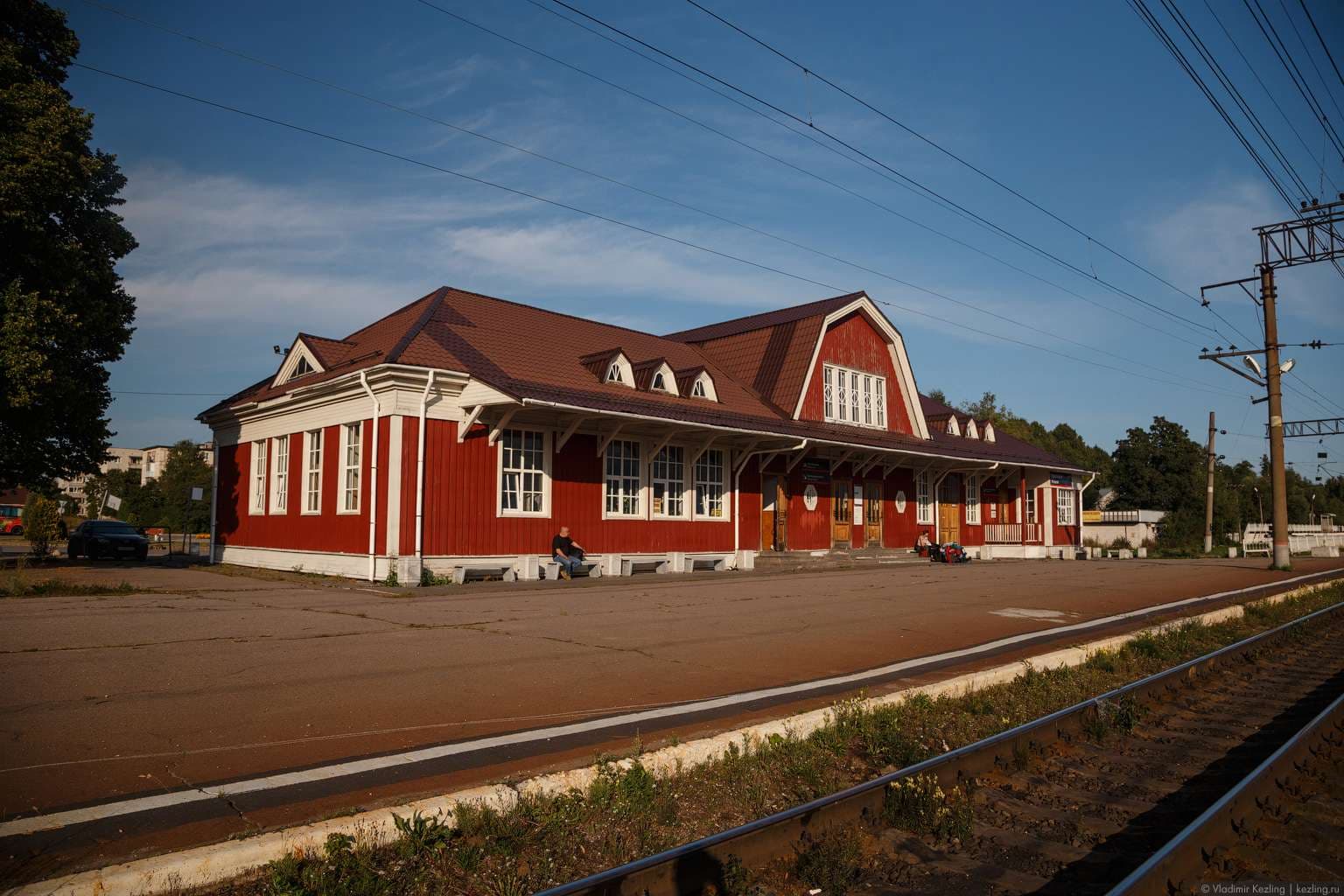
The railway station building in Priozersk is an example of early 20th-century Finnish architecture. It was built in 1916 under the direction of the chief engineer of the Finnish railways. The station became part of an important transport hub linking Finland and the Karelian Isthmus.

Architecture

The station is an example of wooden architecture uncommon for this region. Its walls are painted red, like the houses of station keepers of that time. In 2008 a fresh coat of paint made the building brighter and more prominent in the townscape. Elegant decorative details highlight the station's Scandinavian style.

Event

On City Day, tours and photo shoots are often held at the station. Locals and visitors alike are fond of the place.