←A Town on the Karelian Isthmus

A Town on the Karelian Isthmus

Photo of route “A Town on the Karelian Isthmus”
7 points51 km4 hours

Priozersk is a town on the Karelian Isthmus. At different times in its history the settlement and its fortress belonged to the Novgorod Republic, Sweden, Russia, and Finland. The town's name changed too: it was Korela, Kexholm, and Käkisalmi before becoming Priozersk after World War II. A great reason to learn the history of these parts. The route was designed especially for BelkaCar car sharing.

Things to do

  • 🏞️ Enjoy the view
  • 🏛️🕰️ Compare the eras

Route points (7)

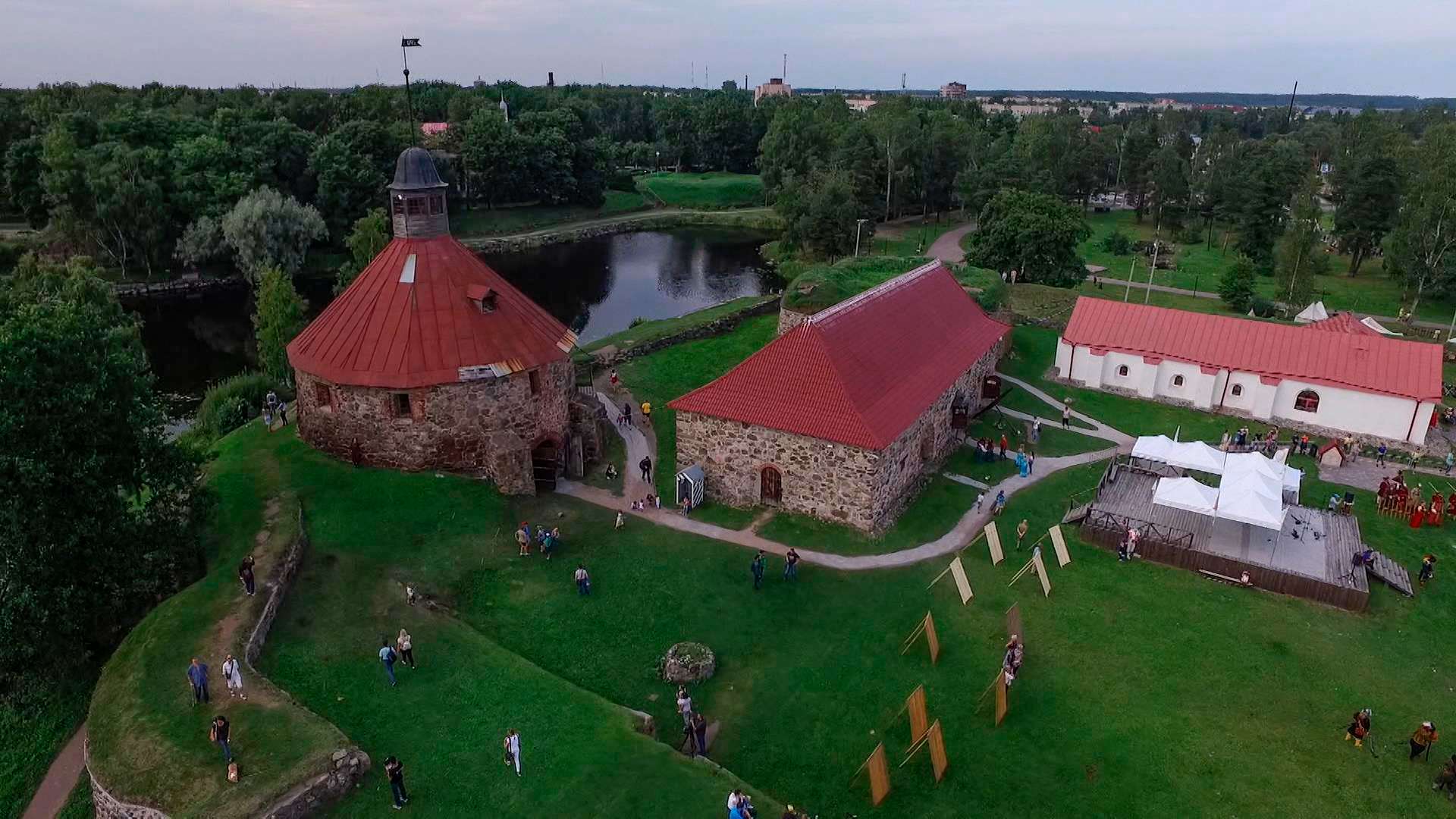
  1. Korela Fortress — point on route “A Town on the Karelian Isthmus”

    Korela Fortress

    🏯 Fortress remains · 📜 Historic site

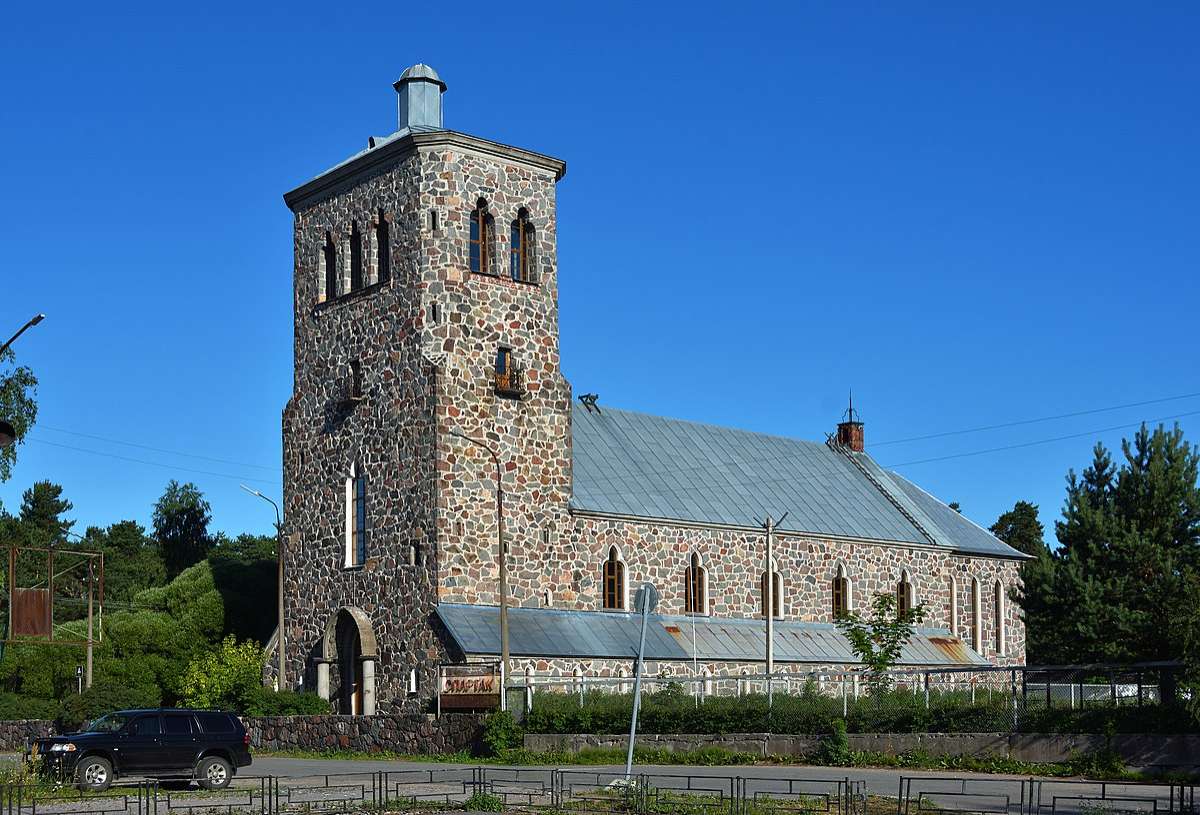
  2. Lutheran Church in Priozersk — point on route “A Town on the Karelian Isthmus”

    Lutheran Church in Priozersk

    🕍 Place of worship

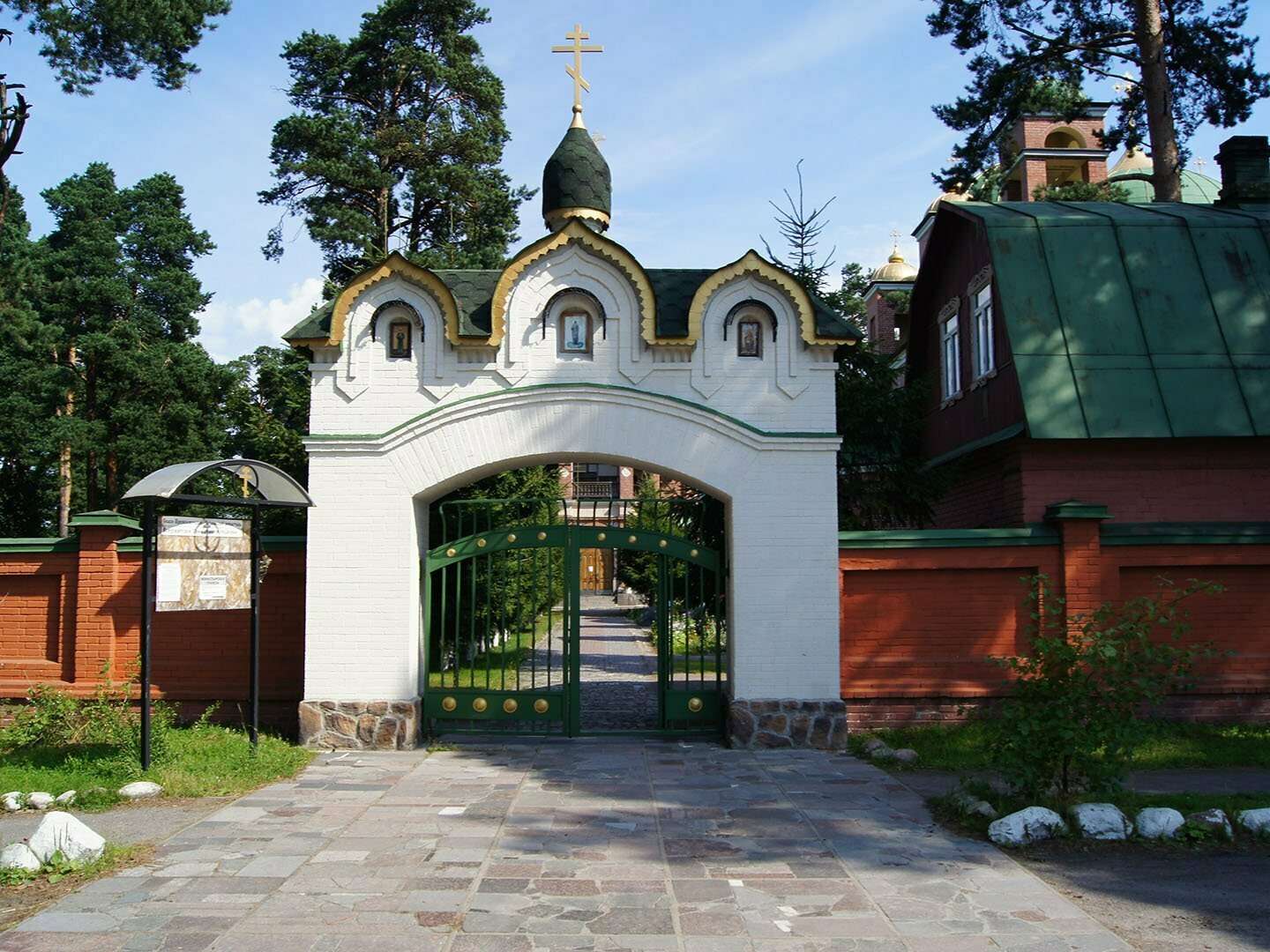
  3. Valaam Monastery Metochion — point on route “A Town on the Karelian Isthmus”

    Valaam Monastery Metochion

    🕍 Place of worship

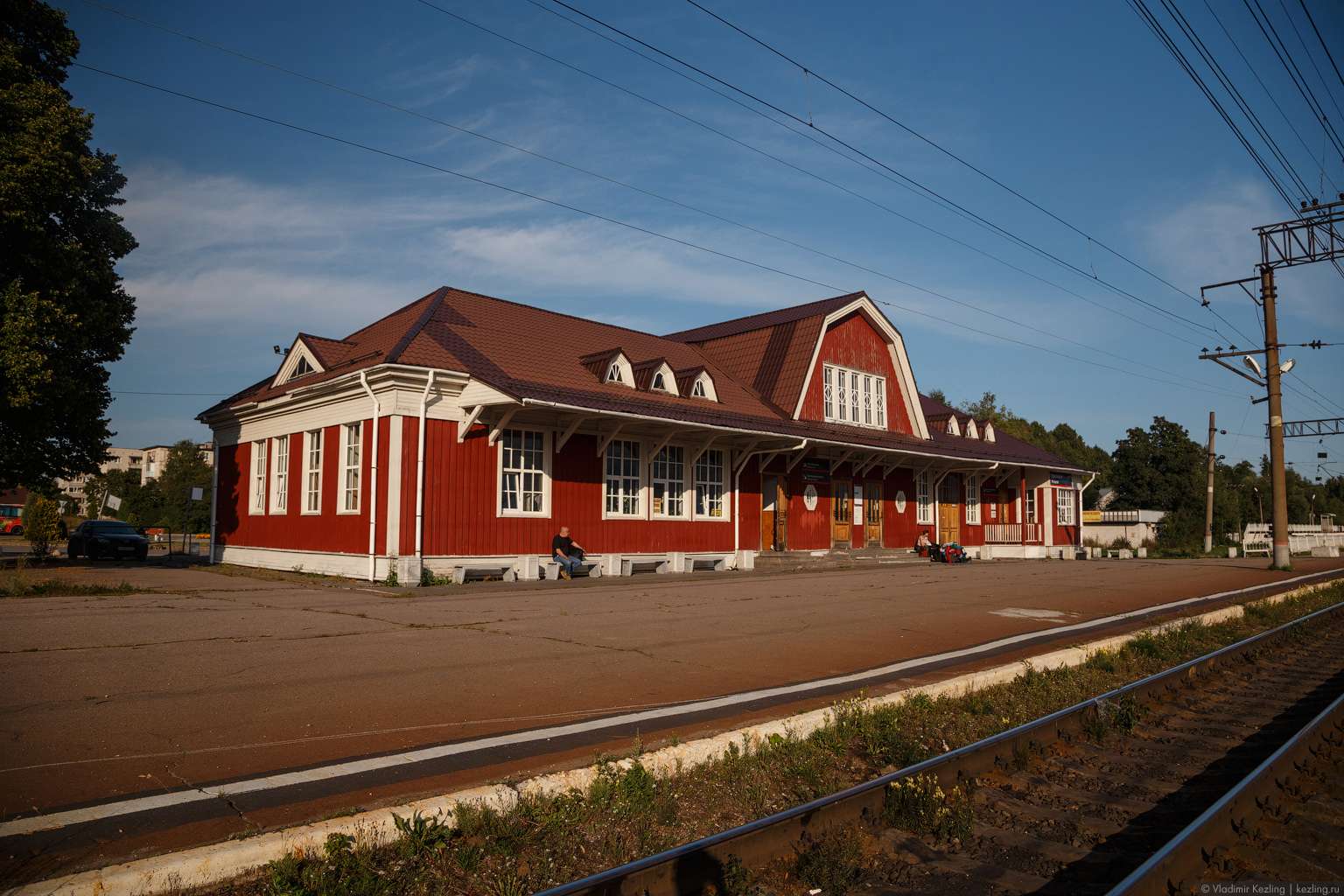
  4. Priozersk Railway Station — point on route “A Town on the Karelian Isthmus”

    Priozersk Railway Station

    🚂 Railway station

  5. The Vuoksi River and Love Island — point on route “A Town on the Karelian Isthmus”

    The Vuoksi River and Love Island

    🔭 Viewpoint

  6. Lutheran Church in Melnikovo — point on route “A Town on the Karelian Isthmus”

    Lutheran Church in Melnikovo

    🕍 Place of worship

  7. Church of St. Andrew the First-Called — point on route “A Town on the Karelian Isthmus”

    Church of St. Andrew the First-Called

    🕍 Place of worship

Lutheran Church in Priozersk in Priozersk

Point on route “A Town on the Karelian Isthmus”

Lutheran Church in Priozersk — point on route “A Town on the Karelian Isthmus”

Point 2

Lutheran Church in Priozersk

🕍 Place of worship

Historical Background

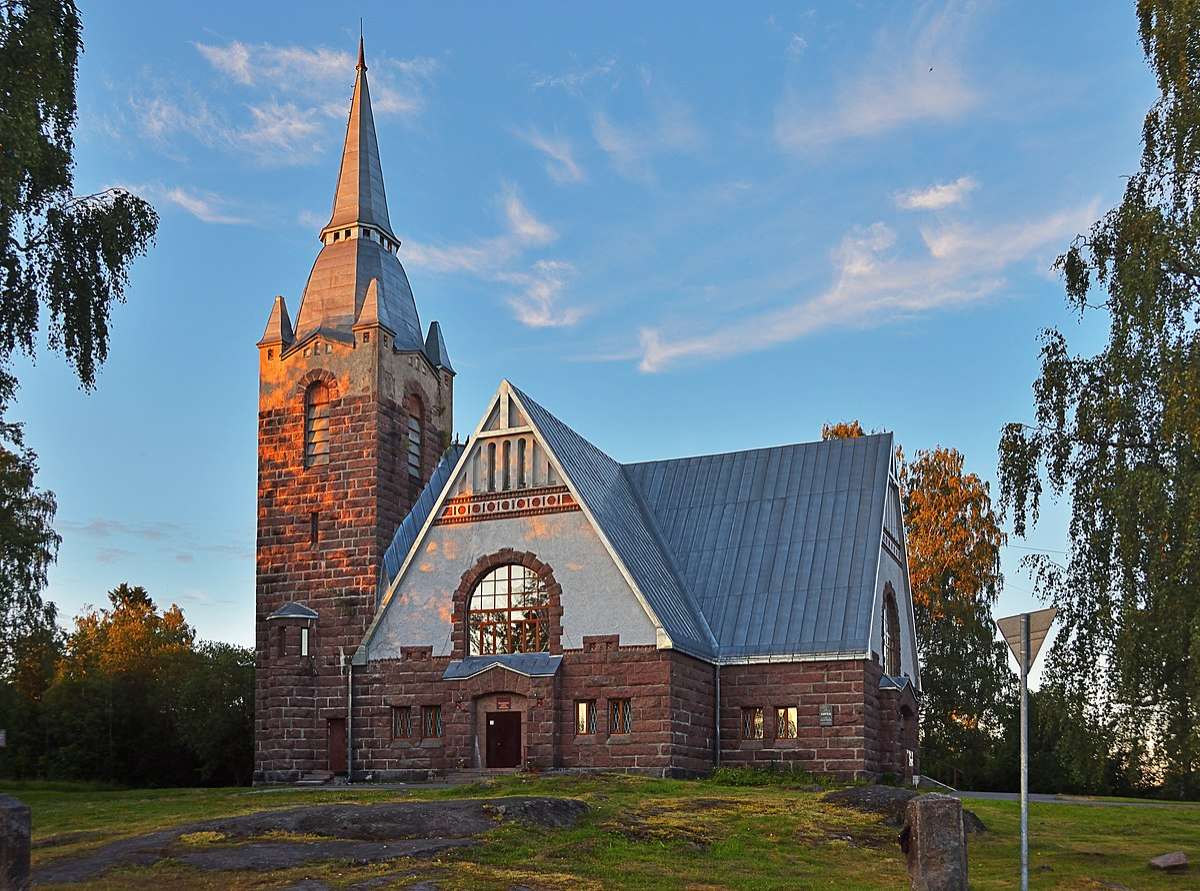
In the 1930s, when Priozersk was part of Finland, the Church of St. Andrew was built for the Finnish Lutheran congregation. After the war the building was used as a warehouse and for utility purposes. In time, however, it was restored and became an architectural monument, a symbol of the region's cultural heritage.

Architecture

The building is in the Functionalist style characteristic of Finnish architecture of the time. Its strict lines, tall windows, and plain facade emphasize its conciseness and practicality. Despite its minimalism, the church looks majestic.

Event

In 1939, during the Winter War, the building served as a shelter for local residents. The church became a symbol of resilience and hope during a difficult time for the region.