←A Town on the Karelian Isthmus

A Town on the Karelian Isthmus

Photo of route “A Town on the Karelian Isthmus”
7 points51 km4 hours

Priozersk is a town on the Karelian Isthmus. At different times in its history the settlement and its fortress belonged to the Novgorod Republic, Sweden, Russia, and Finland. The town's name changed too: it was Korela, Kexholm, and Käkisalmi before becoming Priozersk after World War II. A great reason to learn the history of these parts. The route was designed especially for BelkaCar car sharing.

Things to do

  • 🏞️ Enjoy the view
  • 🏛️🕰️ Compare the eras

Route points (7)

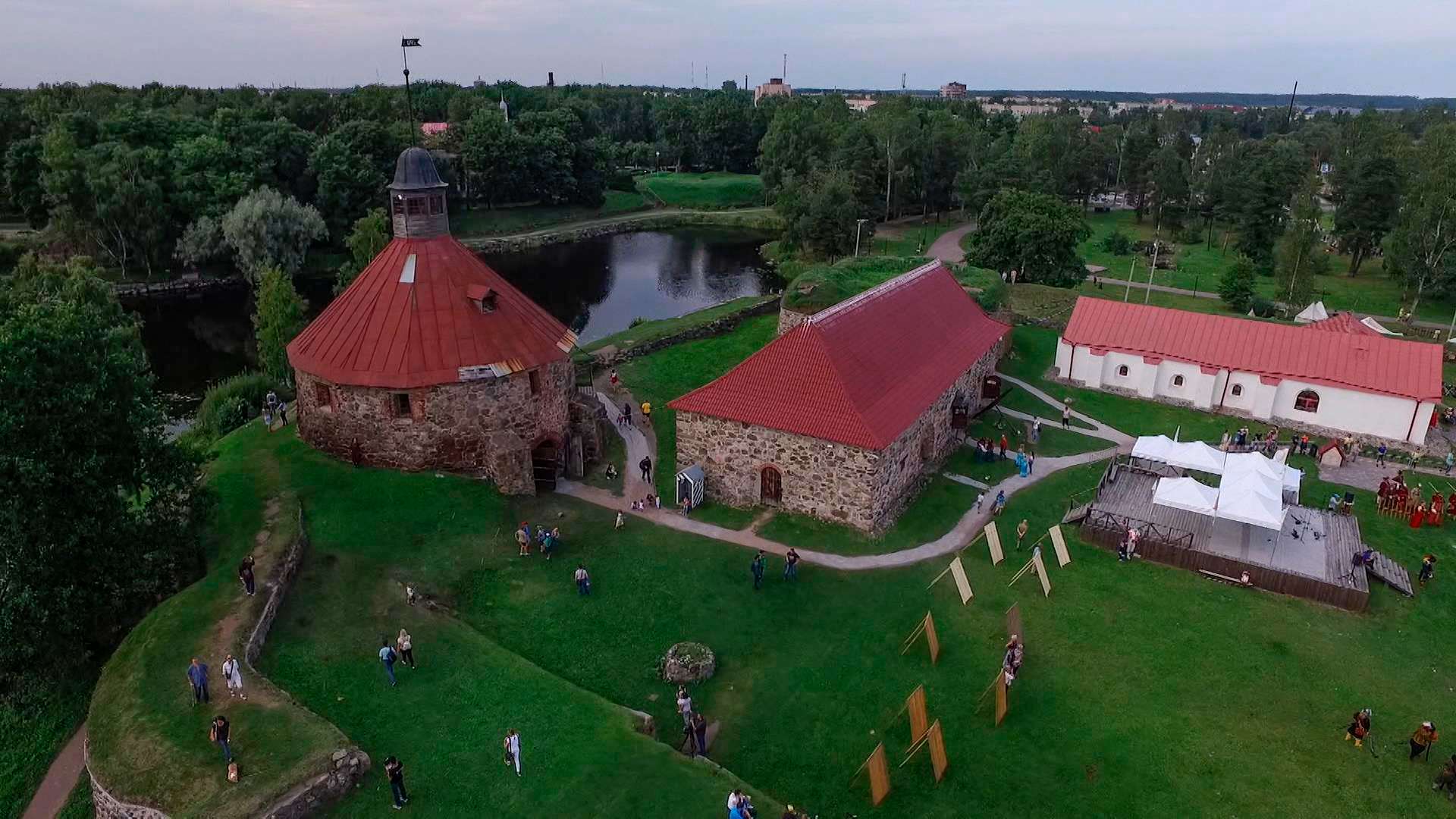
  1. Korela Fortress — point on route “A Town on the Karelian Isthmus”

    Korela Fortress

    🏯 Fortress remains · 📜 Historic site

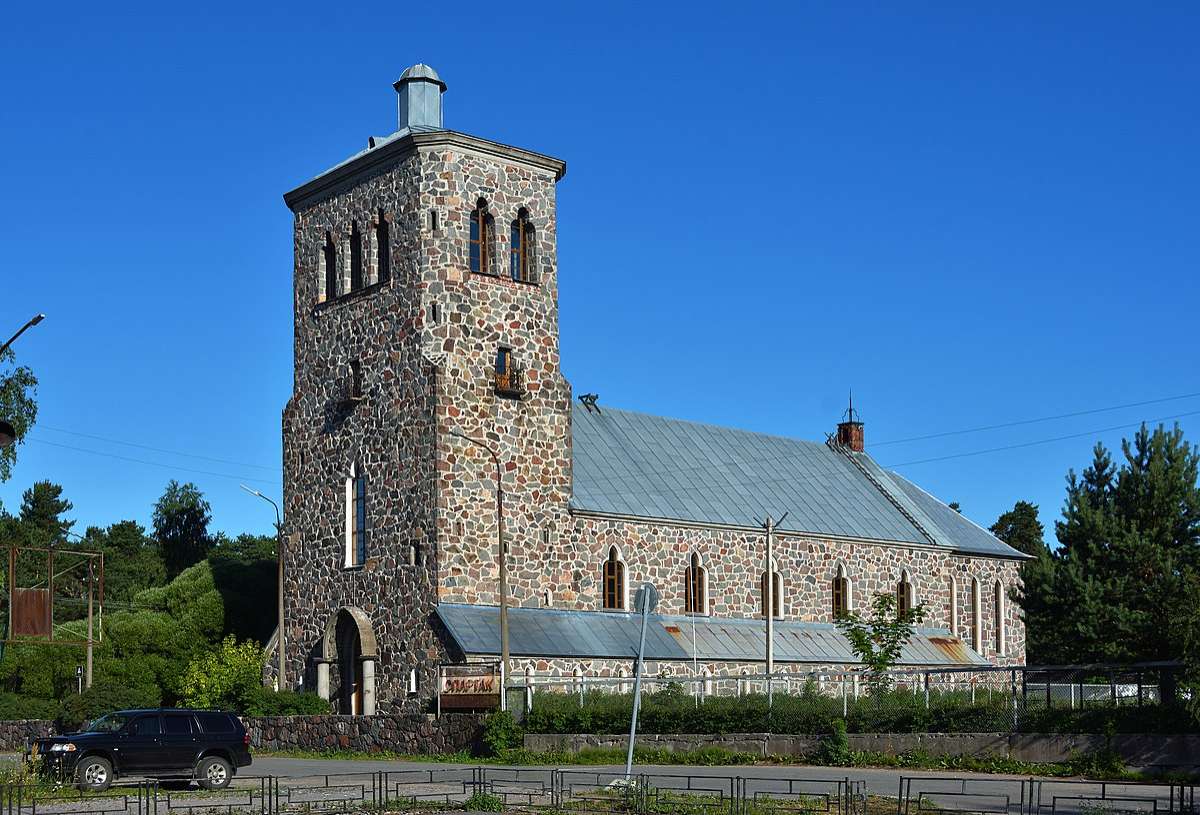
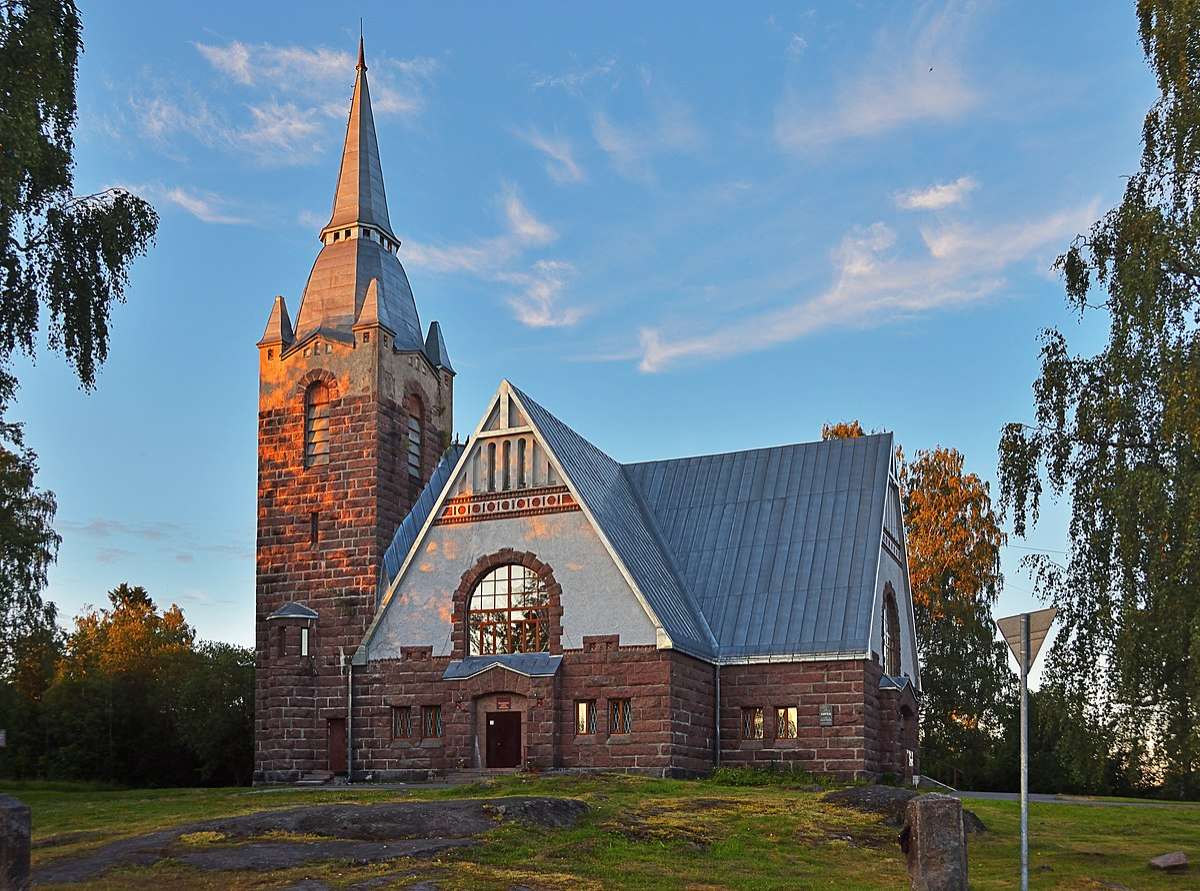
  2. Lutheran Church in Priozersk — point on route “A Town on the Karelian Isthmus”

    Lutheran Church in Priozersk

    🕍 Place of worship

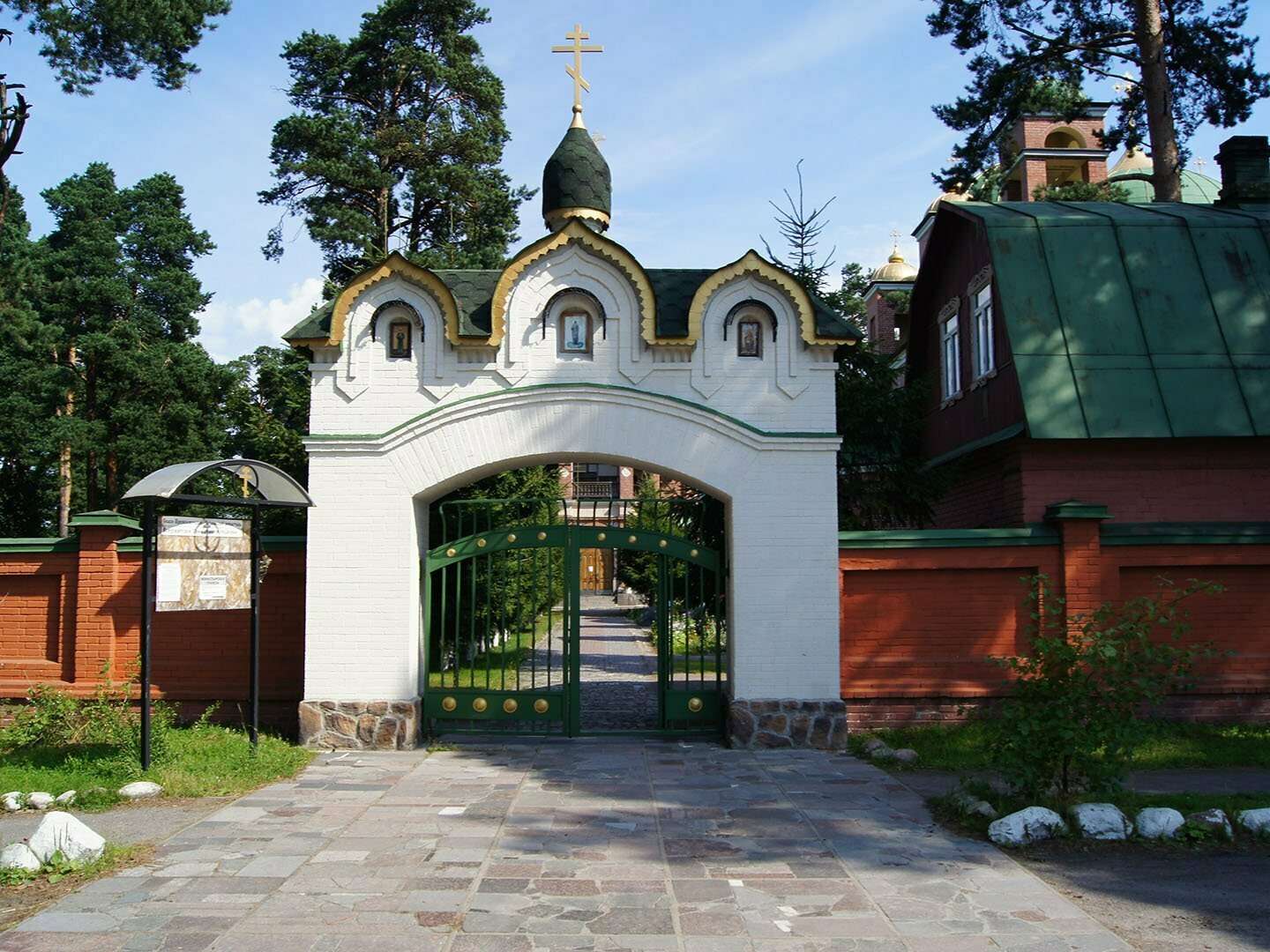
  3. Valaam Monastery Metochion — point on route “A Town on the Karelian Isthmus”

    Valaam Monastery Metochion

    🕍 Place of worship

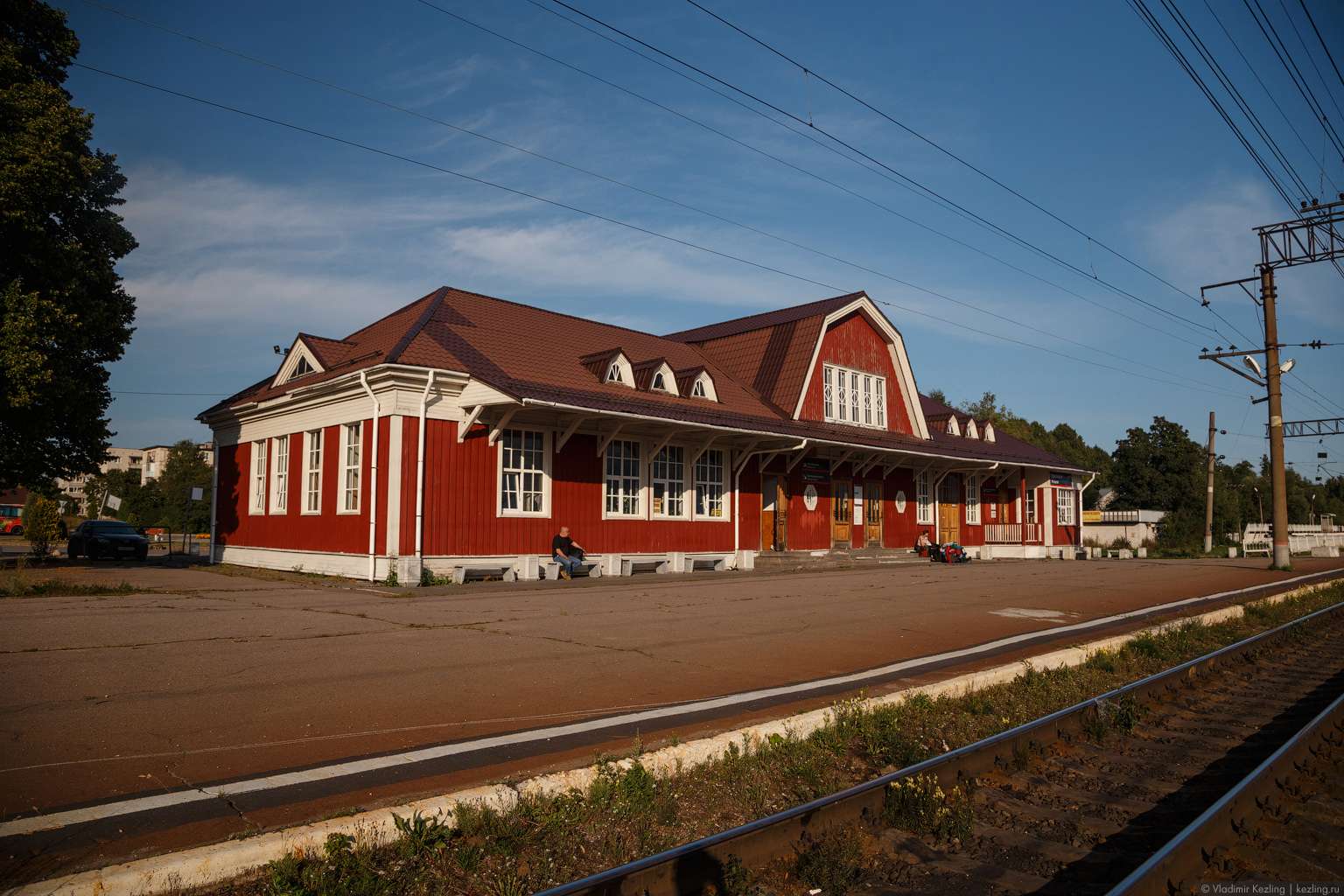
  4. Priozersk Railway Station — point on route “A Town on the Karelian Isthmus”

    Priozersk Railway Station

    🚂 Railway station

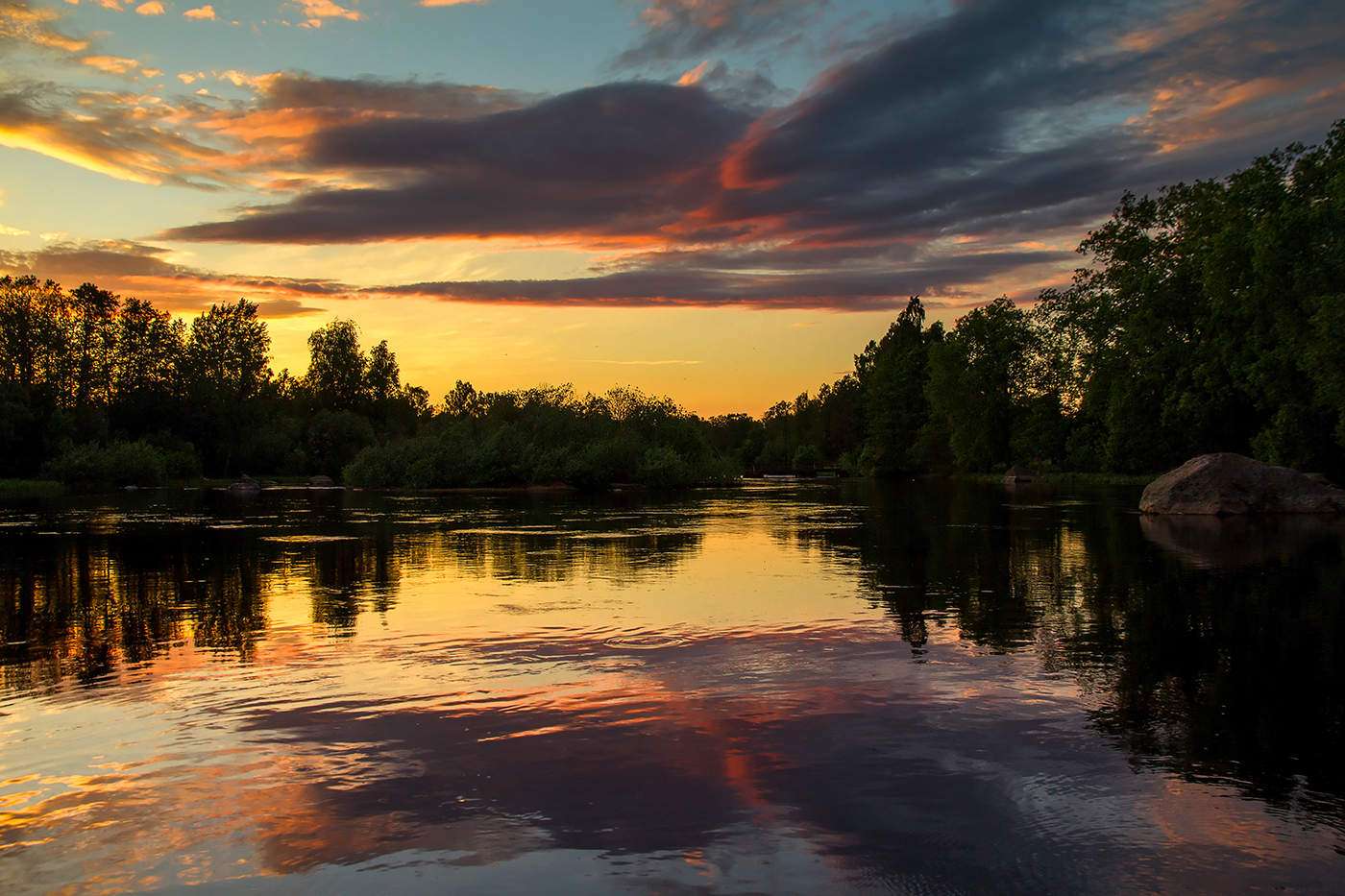
  5. The Vuoksi River and Love Island — point on route “A Town on the Karelian Isthmus”

    The Vuoksi River and Love Island

    🔭 Viewpoint

  6. Lutheran Church in Melnikovo — point on route “A Town on the Karelian Isthmus”

    Lutheran Church in Melnikovo

    🕍 Place of worship

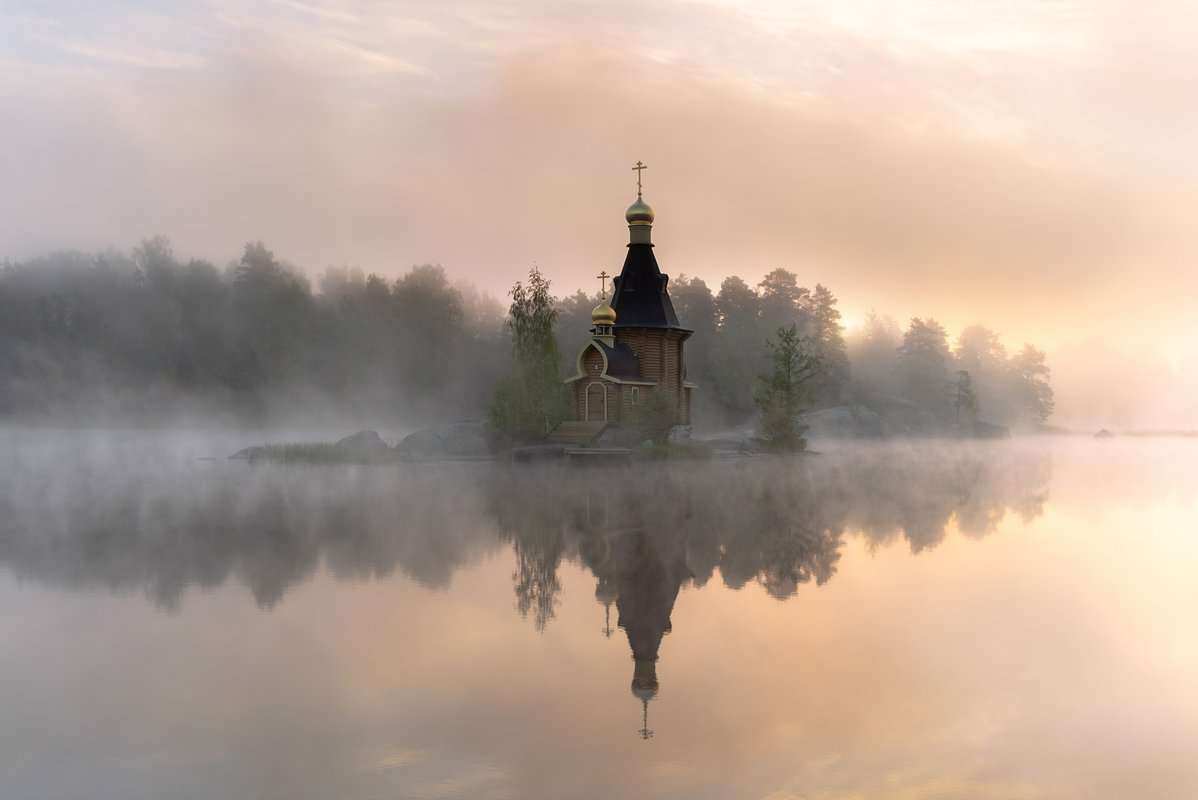
  7. Church of St. Andrew the First-Called — point on route “A Town on the Karelian Isthmus”

    Church of St. Andrew the First-Called

    🕍 Place of worship

The Vuoksi River and Love Island in Priozersk

Point on route “A Town on the Karelian Isthmus”

The Vuoksi River and Love Island — point on route “A Town on the Karelian Isthmus”

Point 5

The Vuoksi River and Love Island

🔭 Viewpoint

Historical Background

The Vuoksi is one of the largest waterways of the Karelian Isthmus. The river played an important role in the region's history, serving as a trade route and a road for moving troops during the Russo-Swedish wars and World War II. In the Middle Ages it was also used to transport furs and goods to the markets of northern Europe.

Nature

The river is surrounded by picturesque forests and rocky banks, making it a popular spot for recreation and fishing. The Vuoksi is home to a rare species of freshwater salmon that draws anglers from all over Russia. The water here is clean and clear, and in some stretches you can see powerful rapids and streams.

Event

In the mid-20th century a hydroelectric plant was built on the Vuoksi, creating a cascade of reservoirs that altered the river's course but preserved its natural beauty. During construction, traces of ancient settlements more than a thousand years old were discovered, adding archaeological value to the Vuoksi.