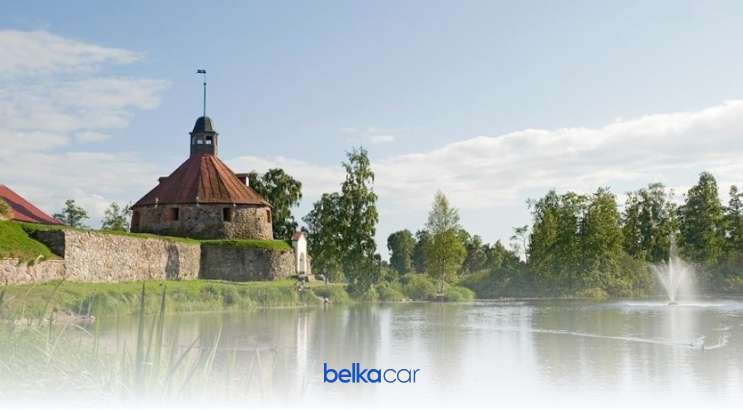
←A Town on the Karelian Isthmus

A Town on the Karelian Isthmus

Photo of route “A Town on the Karelian Isthmus”
7 points51 km4 hours

Priozersk is a town on the Karelian Isthmus. At different times in its history the settlement and its fortress belonged to the Novgorod Republic, Sweden, Russia, and Finland. The town's name changed too: it was Korela, Kexholm, and Käkisalmi before becoming Priozersk after World War II. A great reason to learn the history of these parts. The route was designed especially for BelkaCar car sharing.

Things to do

  • 🏞️ Enjoy the view
  • 🏛️🕰️ Compare the eras

Route points (7)

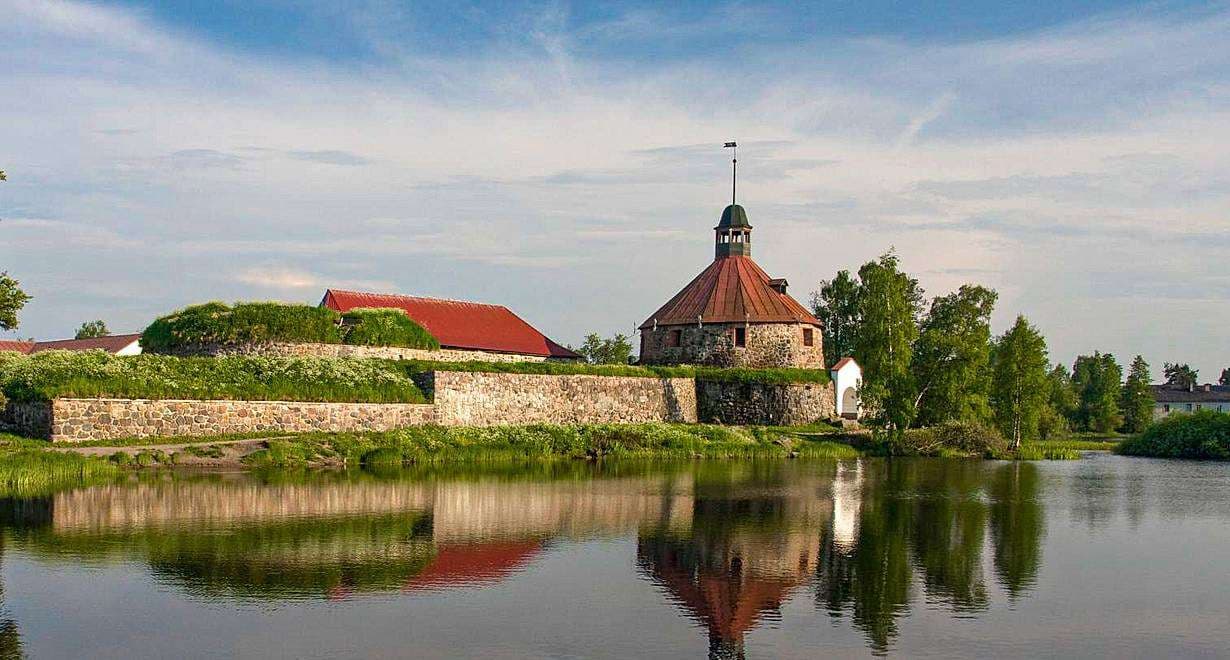
  1. Korela Fortress — point on route “A Town on the Karelian Isthmus”

    Korela Fortress

    🏯 Fortress remains · 📜 Historic site

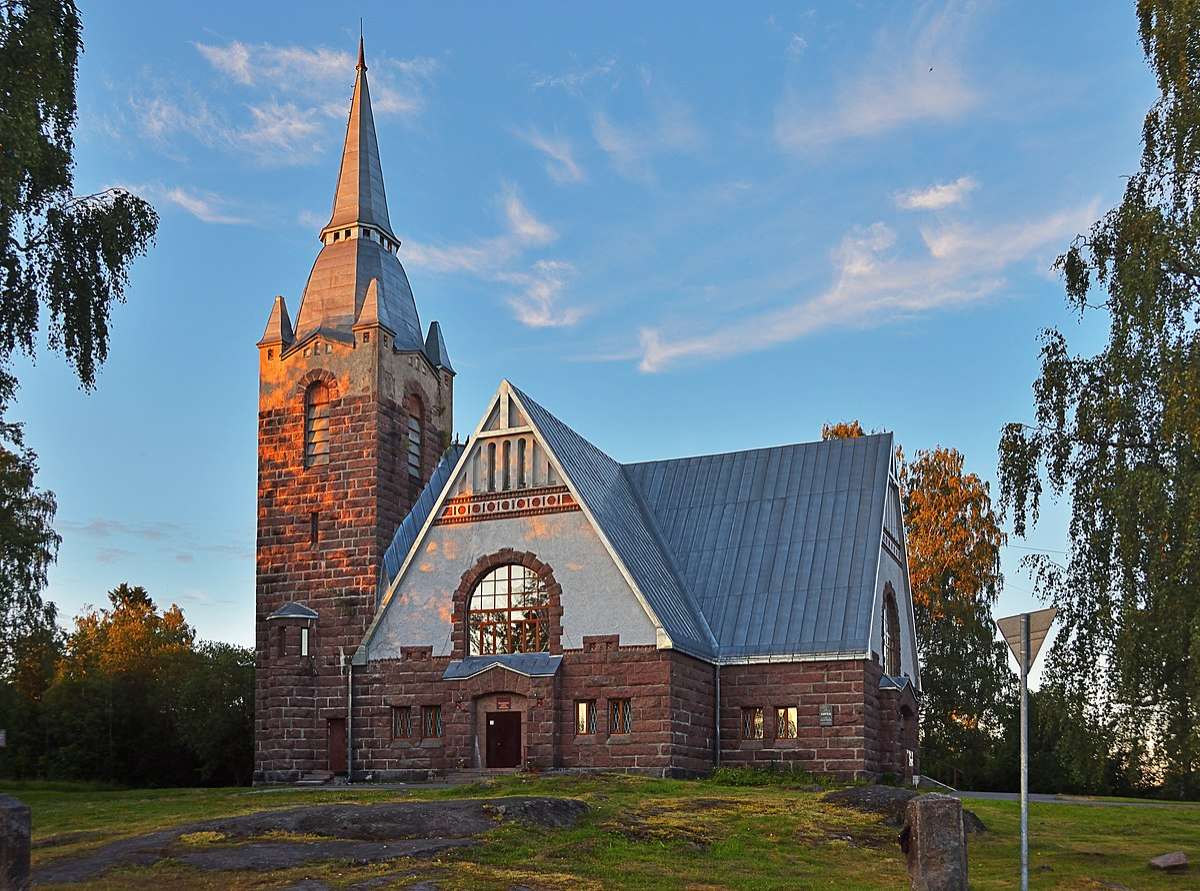
  2. Lutheran Church in Priozersk — point on route “A Town on the Karelian Isthmus”

    Lutheran Church in Priozersk

    🕍 Place of worship

  3. Valaam Monastery Metochion — point on route “A Town on the Karelian Isthmus”

    Valaam Monastery Metochion

    🕍 Place of worship

  4. Priozersk Railway Station — point on route “A Town on the Karelian Isthmus”

    Priozersk Railway Station

    🚂 Railway station

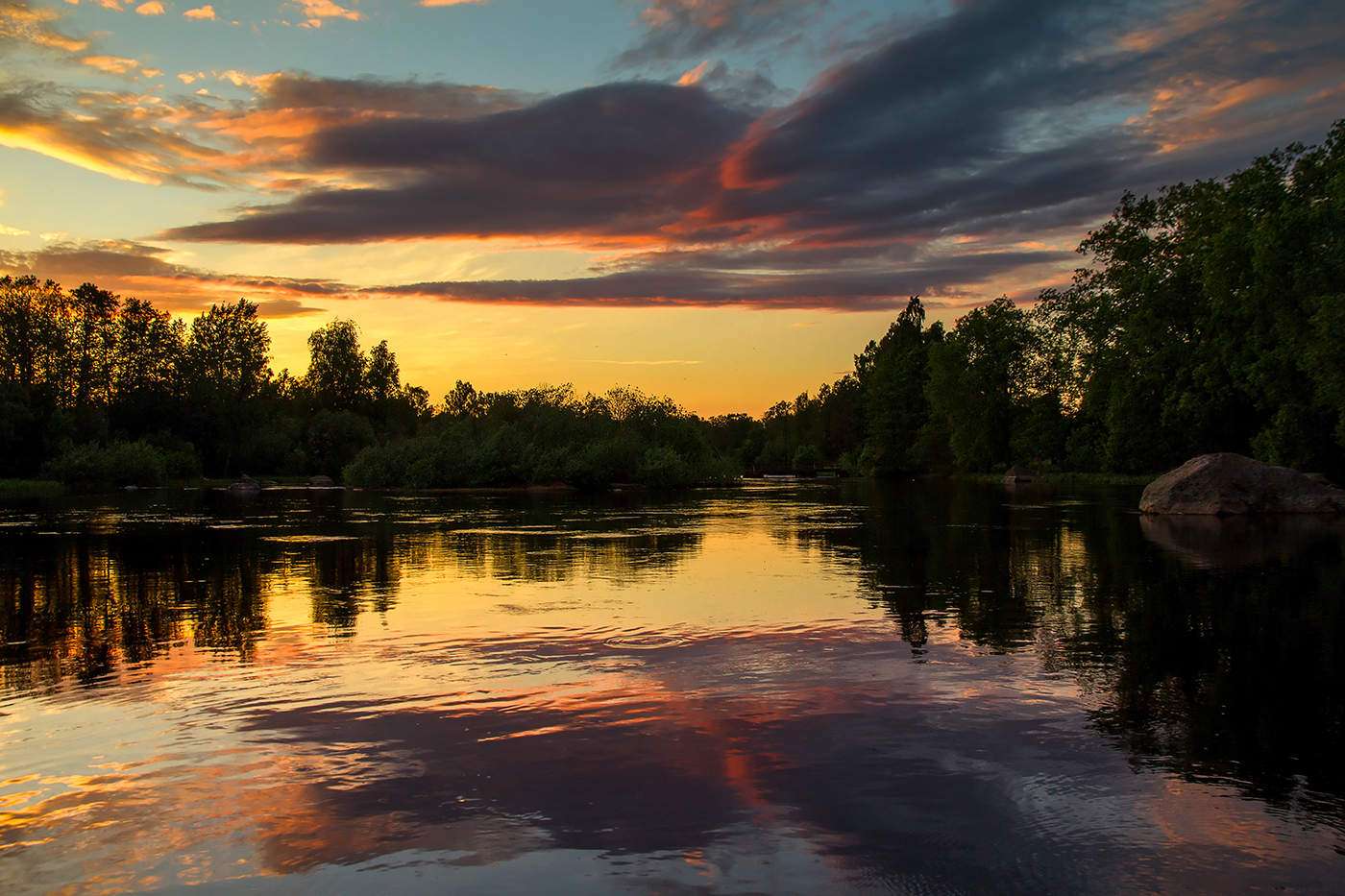
  5. The Vuoksi River and Love Island — point on route “A Town on the Karelian Isthmus”

    The Vuoksi River and Love Island

    🔭 Viewpoint

  6. Lutheran Church in Melnikovo — point on route “A Town on the Karelian Isthmus”

    Lutheran Church in Melnikovo

    🕍 Place of worship

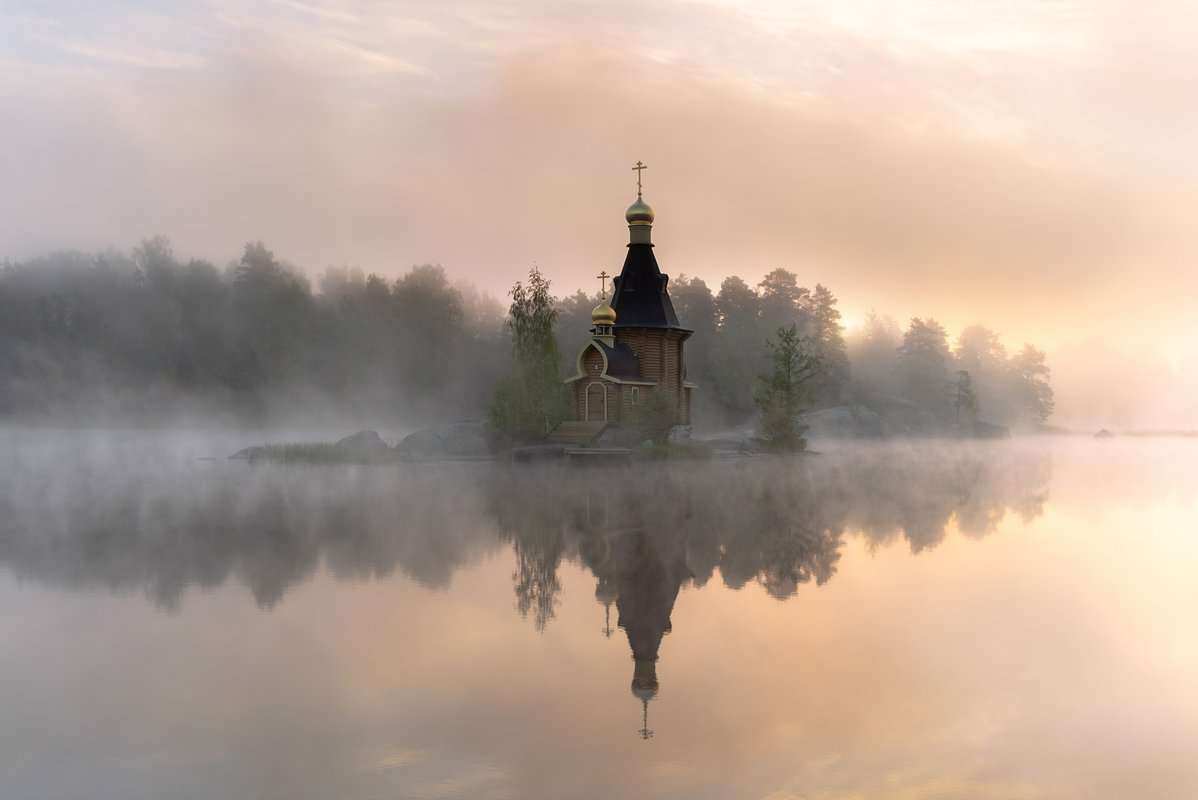
  7. Church of St. Andrew the First-Called — point on route “A Town on the Karelian Isthmus”

    Church of St. Andrew the First-Called

    🕍 Place of worship

Korela Fortress in Priozersk

Point on route “A Town on the Karelian Isthmus”

Korela Fortress — point on route “A Town on the Karelian Isthmus”

Point 1

Korela Fortress

🏯 Fortress remains • 📜 Historic site

Historical Background

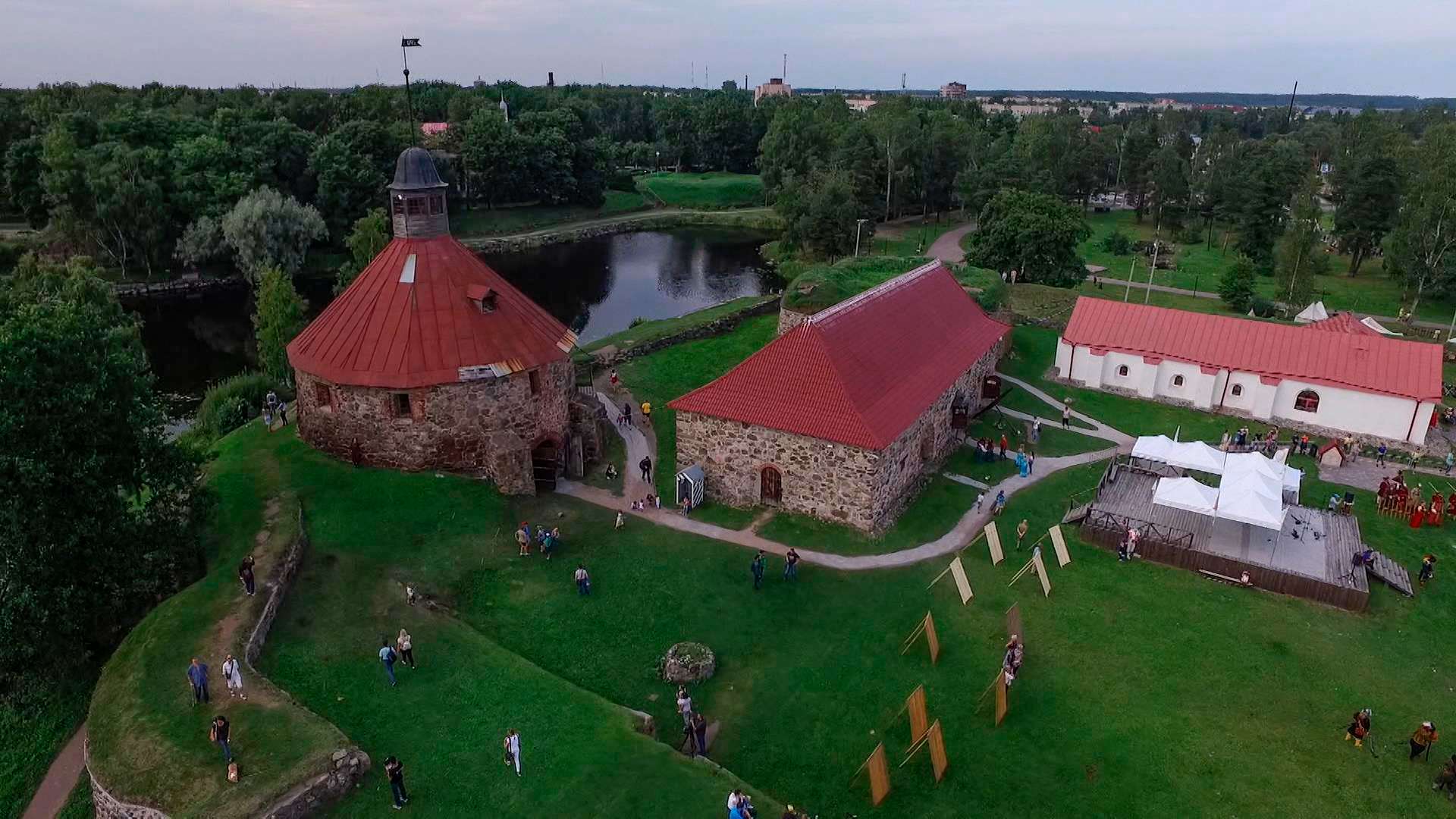
Korela Fortress was founded in the 13th century to defend the Karelian Isthmus. At various times it belonged to the Novgorod Republic, Sweden, Russia, and Finland. For centuries the fortress was an important military stronghold in the conflicts between these countries.

Architecture

Korela Fortress is a medieval structure that fits harmoniously into the surrounding landscape. Its stone walls are about 4 meters (13 feet) thick, and its round towers and deep moat, preserved since the 13th century, give the fortress a special grandeur. Inside the fortress you can see old buildings and a cozy courtyard steeped in the atmosphere of the past.

Event

In 1580 Korela Fortress was attacked by the army of the Swedish king John III. The garrison put up a brave defense despite harsh conditions and heavy damage, but after Swedish artillery set the wooden fortifications on fire, it surrendered in November 1580. Korela returned to Russia only in 1597, under the Treaty of Teusina.