←A Town on the Karelian Isthmus

A Town on the Karelian Isthmus

Photo of route “A Town on the Karelian Isthmus”
7 points51 km4 hours

Priozersk is a town on the Karelian Isthmus. At different times in its history the settlement and its fortress belonged to the Novgorod Republic, Sweden, Russia, and Finland. The town's name changed too: it was Korela, Kexholm, and Käkisalmi before becoming Priozersk after World War II. A great reason to learn the history of these parts. The route was designed especially for BelkaCar car sharing.

Things to do

  • 🏞️ Enjoy the view
  • 🏛️🕰️ Compare the eras

Route points (7)

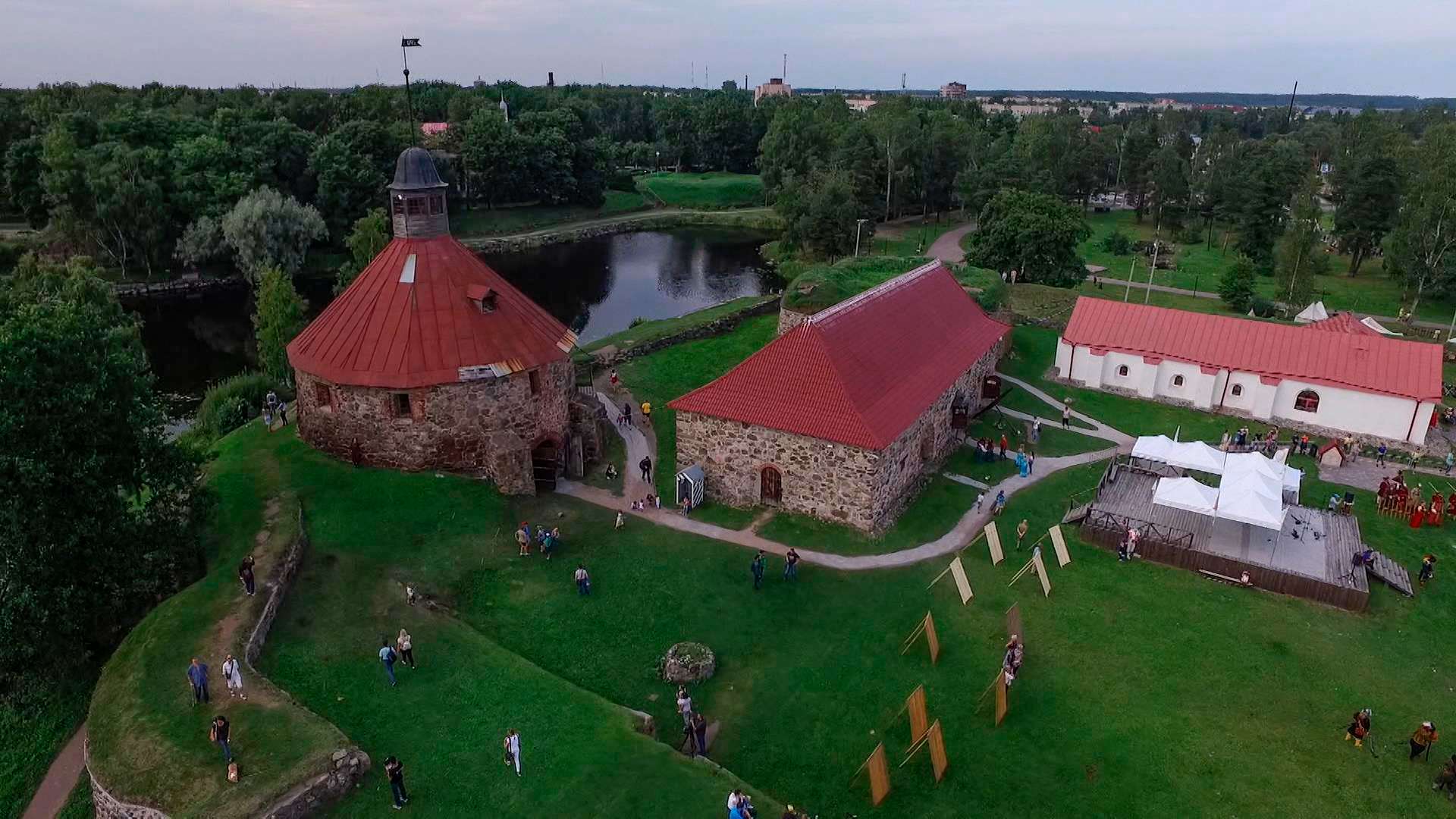
  1. Korela Fortress — point on route “A Town on the Karelian Isthmus”

    Korela Fortress

    🏯 Fortress remains · 📜 Historic site

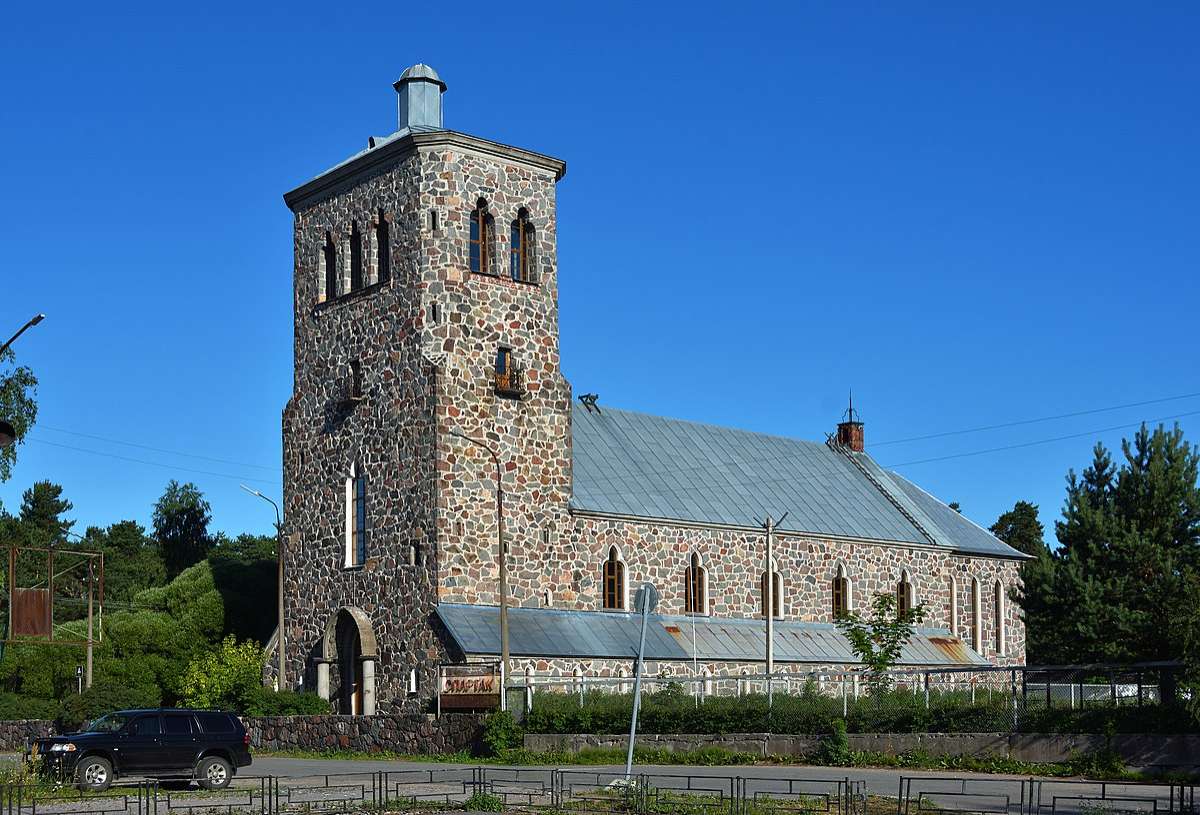
  2. Lutheran Church in Priozersk — point on route “A Town on the Karelian Isthmus”

    Lutheran Church in Priozersk

    🕍 Place of worship

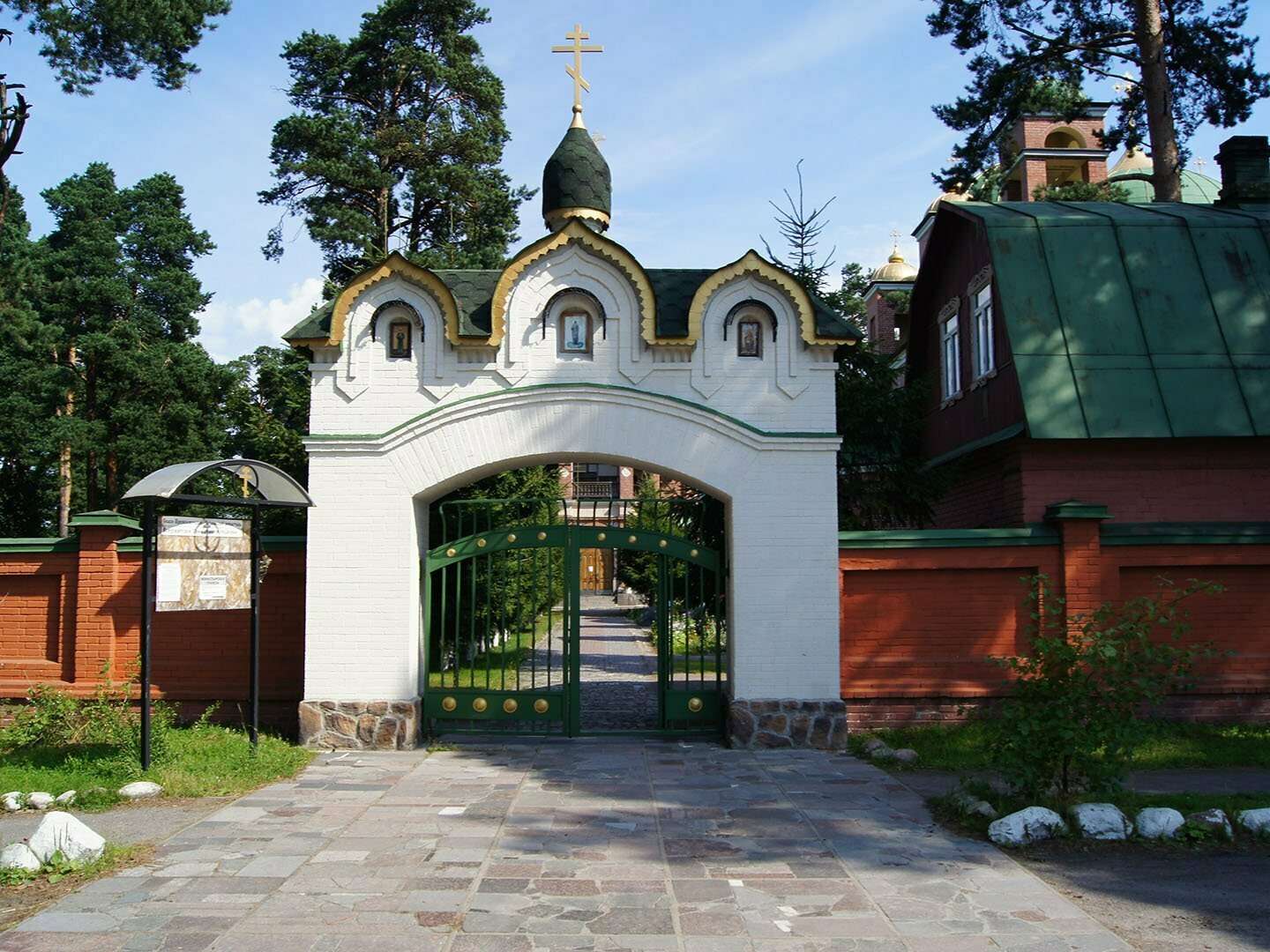
  3. Valaam Monastery Metochion — point on route “A Town on the Karelian Isthmus”

    Valaam Monastery Metochion

    🕍 Place of worship

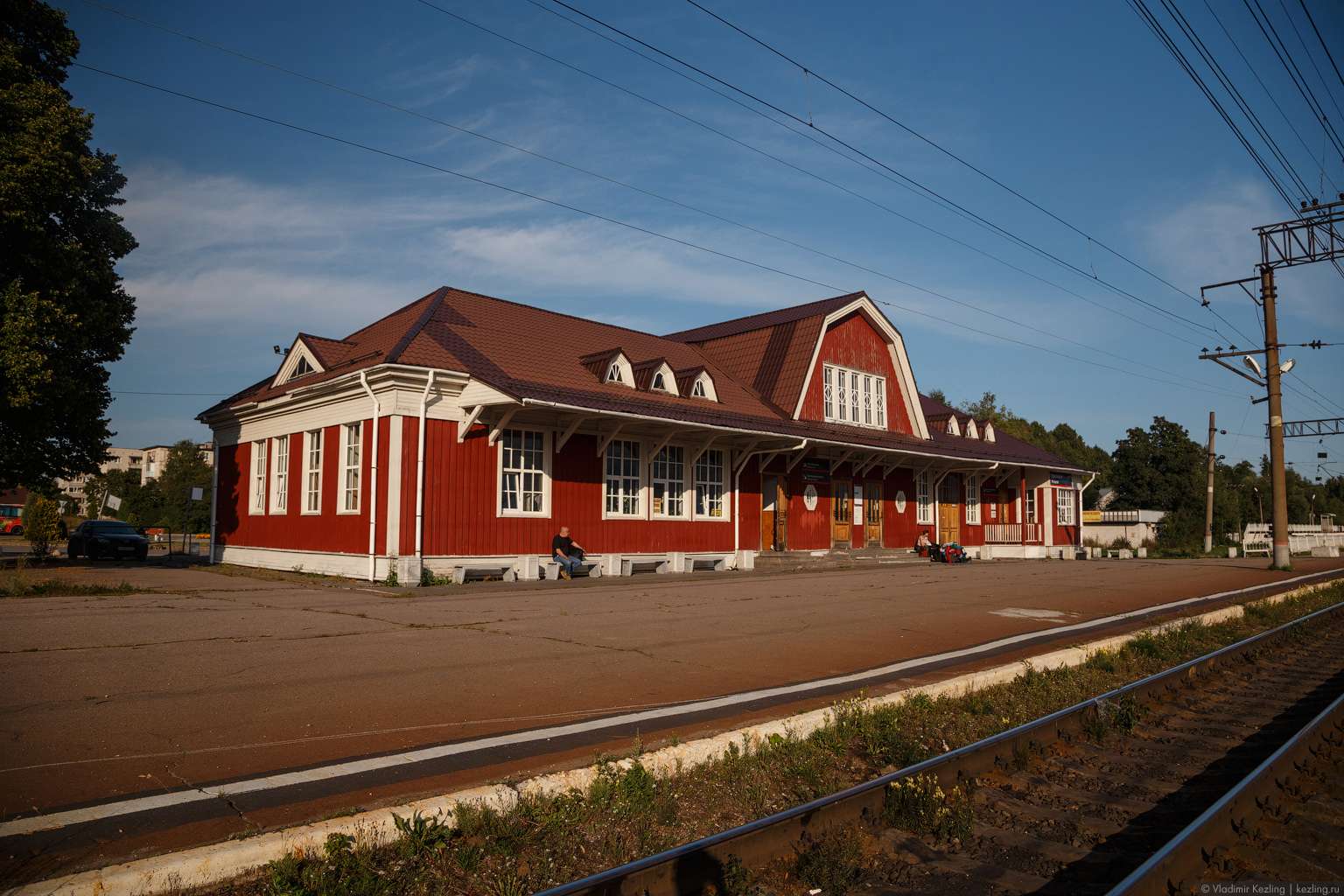
  4. Priozersk Railway Station — point on route “A Town on the Karelian Isthmus”

    Priozersk Railway Station

    🚂 Railway station

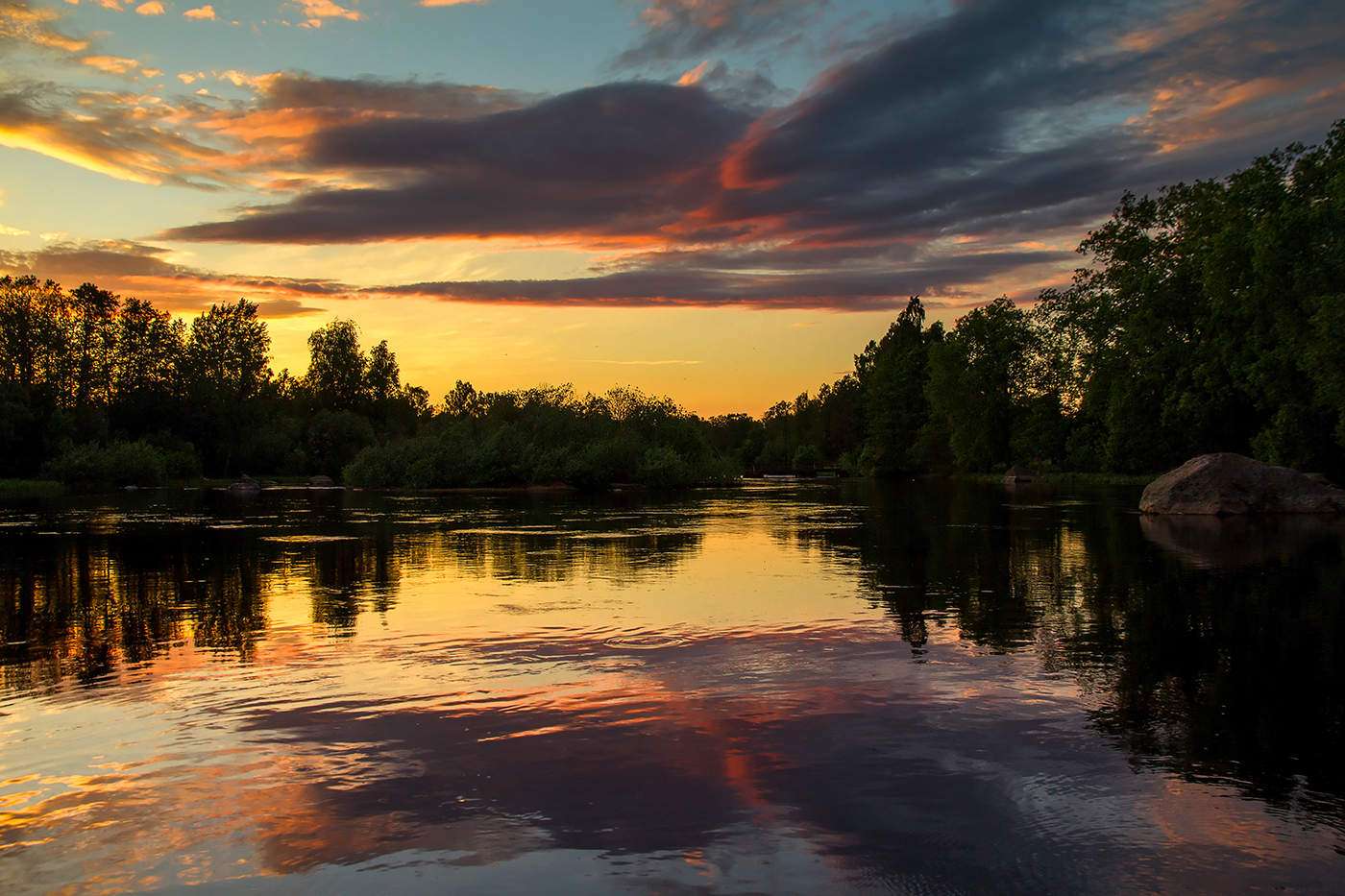
  5. The Vuoksi River and Love Island — point on route “A Town on the Karelian Isthmus”

    The Vuoksi River and Love Island

    🔭 Viewpoint

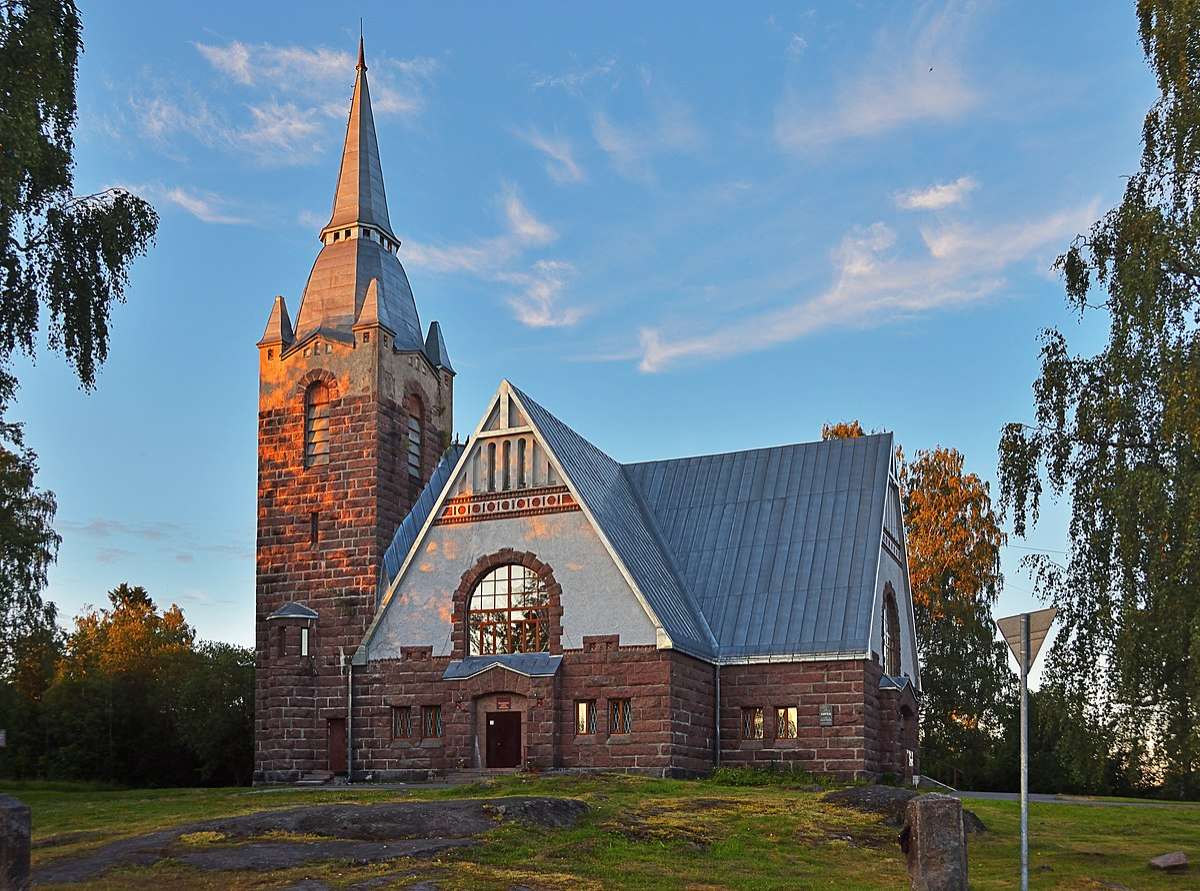
  6. Lutheran Church in Melnikovo — point on route “A Town on the Karelian Isthmus”

    Lutheran Church in Melnikovo

    🕍 Place of worship

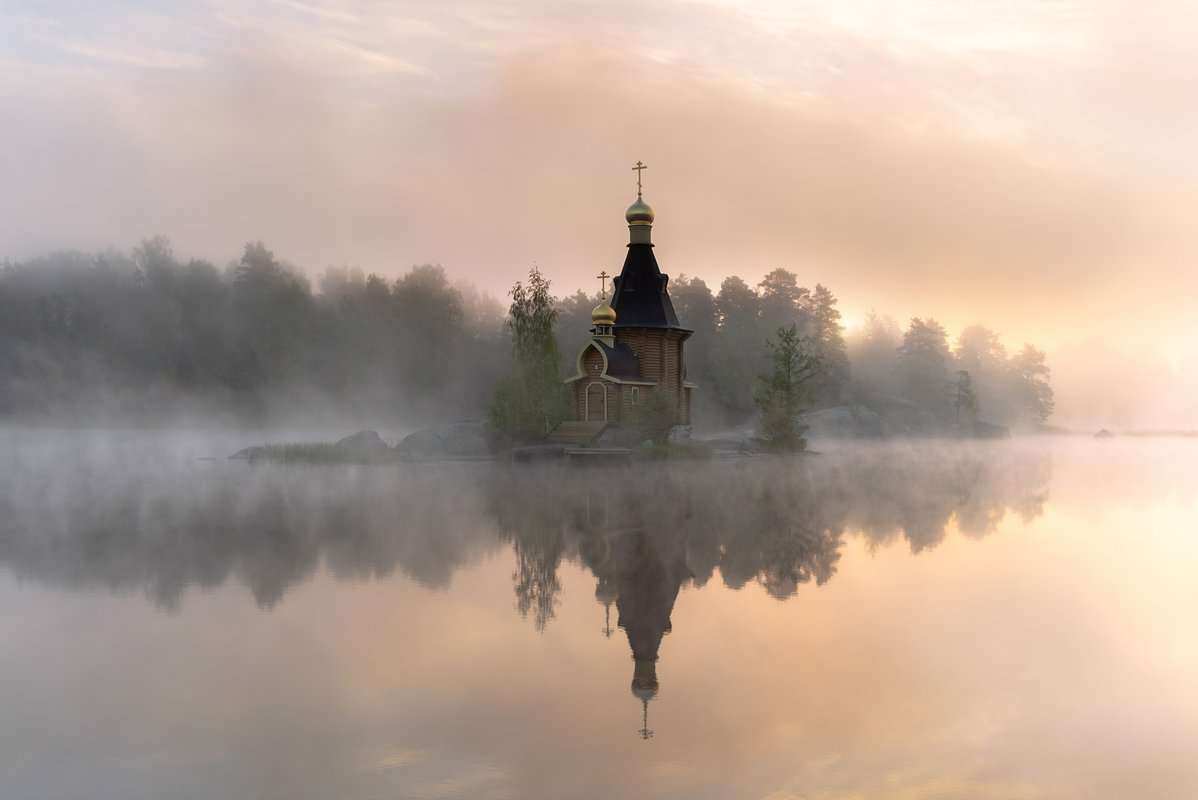
  7. Church of St. Andrew the First-Called — point on route “A Town on the Karelian Isthmus”

    Church of St. Andrew the First-Called

    🕍 Place of worship

Valaam Monastery Metochion in Priozersk

Point on route “A Town on the Karelian Isthmus”

Valaam Monastery Metochion — point on route “A Town on the Karelian Isthmus”

Point 3

Valaam Monastery Metochion

🕍 Place of worship

Historical Background

In 1989 the Orthodox community received the Church of All Saints, built in the late 19th century. Designed by the Finnish architect Ahrenberg, it became the center of a spiritual revival in the Priozersk district. The complex includes two churches: the Church of All Saints in the Neo-Russian style and the modern Church of the Nativity of Christ, built in 2009. Both have red-brick facades and arched windows. Nearby are three chapels and green park areas. The metochion attracts pilgrims as well as lovers of music and the arts. It hosts festivals and fairs where you can buy work made by the monastery's craftsmen. The place combines history, religion, and nature.