←Route “Phantom Monuments of the Siege”

Route “Phantom Monuments of the Siege”

Photo of route “Route “Phantom Monuments of the Siege””
12 points7 km3.5 hours

The Siege left an indelible mark on Leningrad, firmly inscribed in the history of this unbending city, yet few people know that the spirit of those hard times lingers on literally every corner. On this route you will be able to spot the fleeting details of the Northern Capital that still hold the memory of the Siege. Many traces of those years have already dissolved in time, but some can still tell us about those fateful 872 days.

Things to do

  • 📜 Learn the city's history
  • 🗺️🎒 Themed route
  • 🏛️🕰️ Compare the eras

Route points (12)

  1. Field of Mars — point on route “Route “Phantom Monuments of the Siege””

    Field of Mars

    ⛲ Square

  2. Siege Substation — point on route “Route “Phantom Monuments of the Siege””

    Siege Substation

    ⚙️ Industrial site

  3. Monument to the Leningrad Ice Hole on the Fontanka — point on route “Route “Phantom Monuments of the Siege””

    Monument to the Leningrad Ice Hole on the Fontanka

    🗿 Monument

  4. Anichkov Bridge — point on route “Route “Phantom Monuments of the Siege””

    Anichkov Bridge

    🌉 Bridge

  5. Monument to the Leningrad Loudspeaker — point on route “Route “Phantom Monuments of the Siege””

    Monument to the Leningrad Loudspeaker

    📜 Historic site

  6. Musical Comedy Theater — point on route “Route “Phantom Monuments of the Siege””

    Musical Comedy Theater

    🎭 Theater

  7. “Planet of Memory” Monument — point on route “Route “Phantom Monuments of the Siege””

    “Planet of Memory” Monument

    🗿 Monument · 🎨 Art installations

  8. Shelling Warning Signs — point on route “Route “Phantom Monuments of the Siege””

    Shelling Warning Signs

    🖌️ Street art

  9. The Wounds of St. Isaac's Cathedral — point on route “Route “Phantom Monuments of the Siege””

    The Wounds of St. Isaac's Cathedral

    🕍 Place of worship · 🏟️ Architectural landmark

  10. Monument to the Mothers Who Perished — point on route “Route “Phantom Monuments of the Siege””

    Monument to the Mothers Who Perished

    🗿 Monument · 🗿 Sculptures

  11. Siege of Leningrad Sundial — point on route “Route “Phantom Monuments of the Siege””

    Siege of Leningrad Sundial

    🎨 Art installations

  12. Tanya Savicheva's Apartment — point on route “Route “Phantom Monuments of the Siege””

    Tanya Savicheva's Apartment

    🕵️ Urban legend · 📜 Historic site

Field of Mars in Saint Petersburg

Point on route “Route “Phantom Monuments of the Siege””

Field of Mars — point on route “Route “Phantom Monuments of the Siege””

Point 1

Field of Mars

⛲ Square

Historical Background

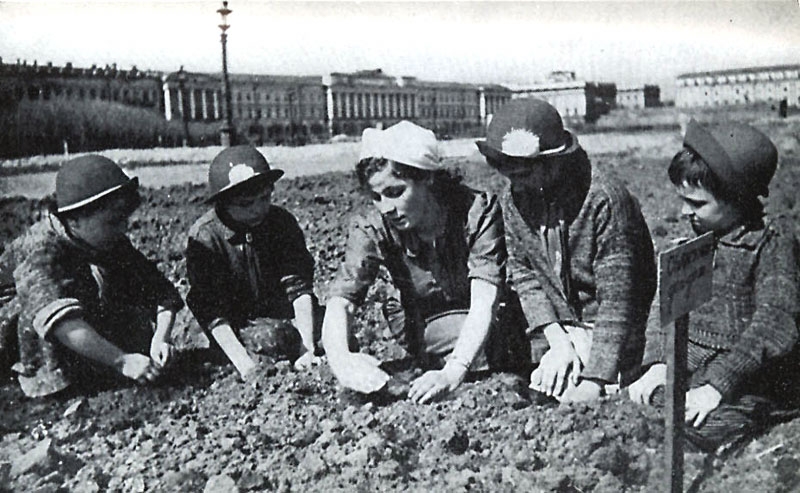
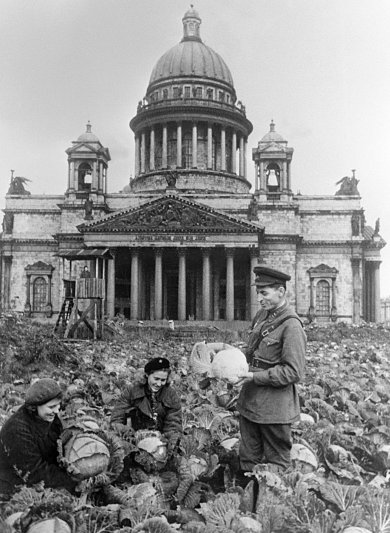
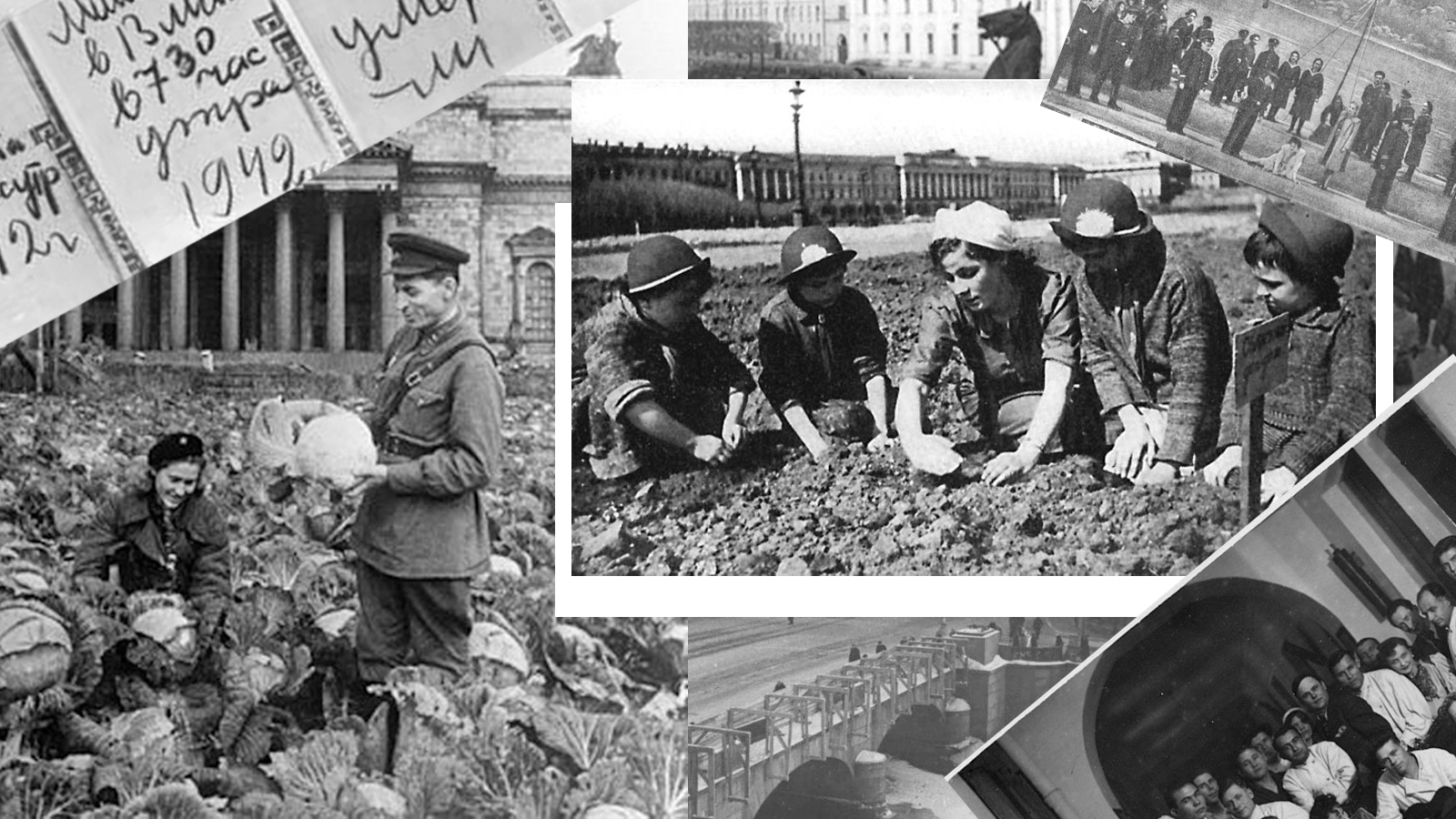
The city's second-largest square traces its history back to the time of Peter the Great. It covers about 9 hectares (22 acres). Over its three centuries this place has changed many names, from the “Empty Meadow” to Tsaritsyn Meadow, but it acquired its present name in the reign of Alexander I. After the October Revolution, in 1918, the Field of Mars was renamed Square of the Victims of the Revolution, as a monumental memorial complex designed by the architect Rudnev was being built here. During the Siege of Leningrad an antiaircraft battery was stationed here, and from the summer of 1942 the entire square was given over to city vegetable gardens to feed the townspeople, in line with a Leningrad City Council order of March 19 of that year. At first the gardens sprang up spontaneously, but later the work became more organized. For people unfamiliar with growing vegetables, stands with brochures and leaflets were put up. Nearly all the work was done by hand, and particular problems were rats and the poor suitability of urban soil for growing vegetables. After the Siege was lifted, in 1944, the square got its present name back, and on November 6, 1957, the first Eternal Flame in the USSR was lit on the Field of Mars. The torch used to light it was made in Leningrad, at the Kirov Plant.