 12 points
 7 km
 3.5 hours




Historical Background
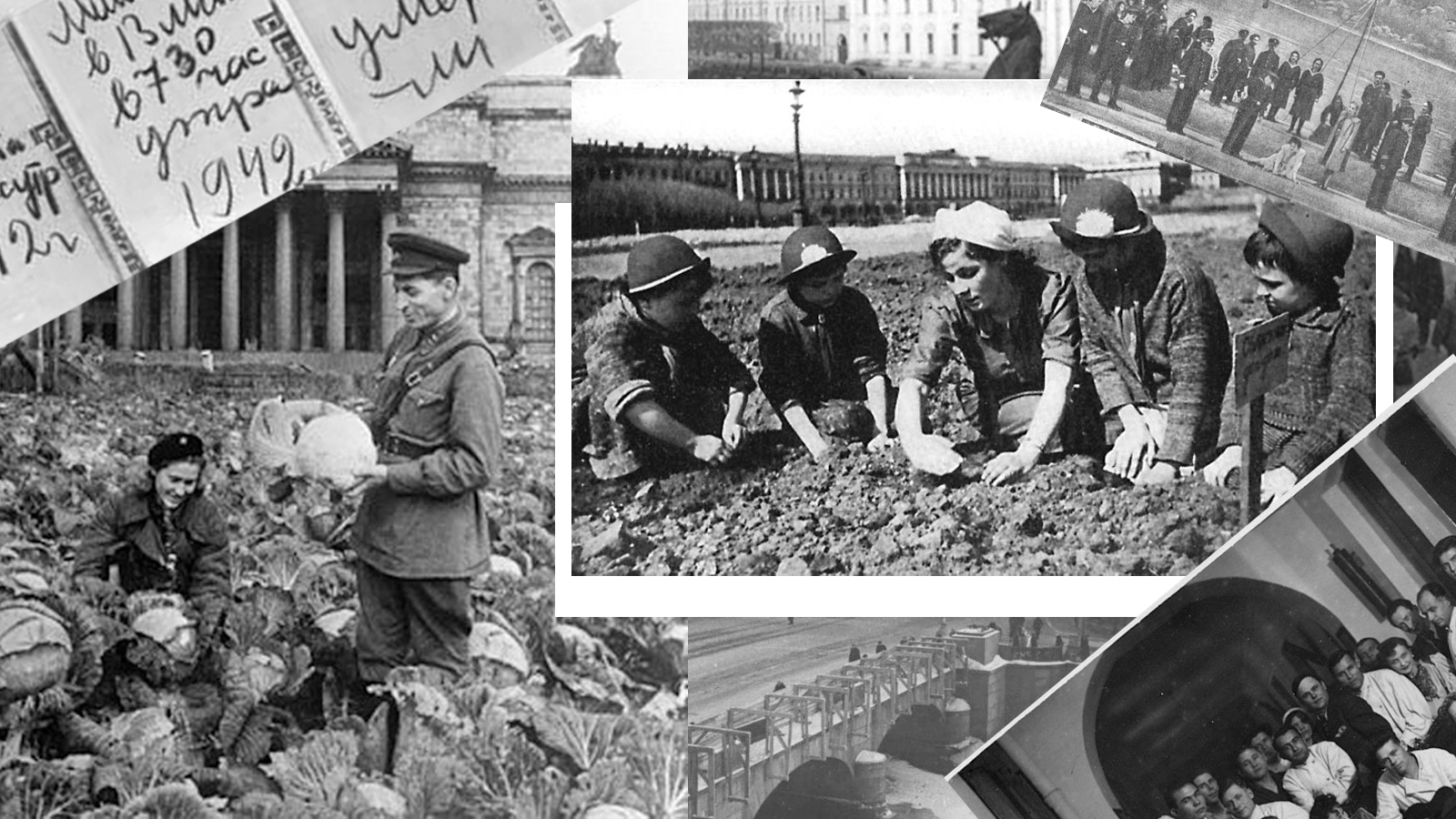
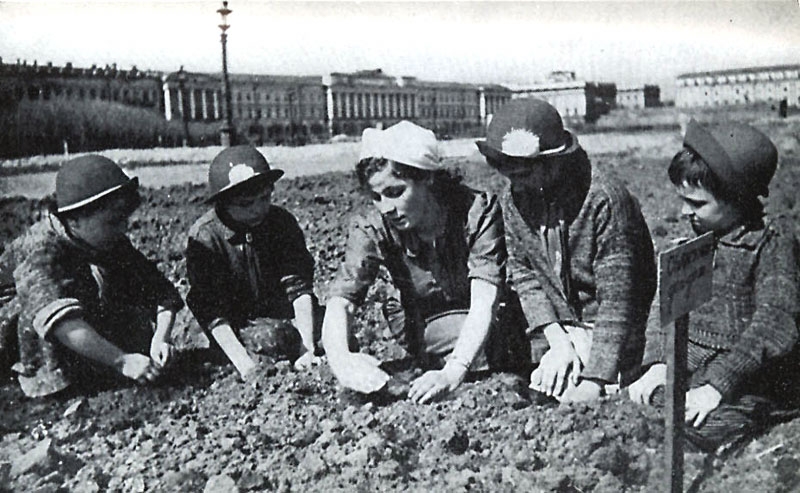
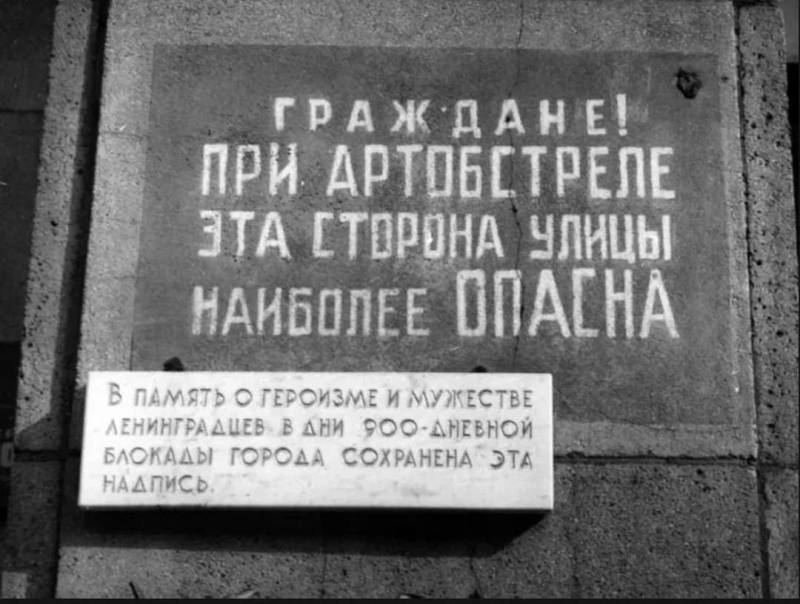
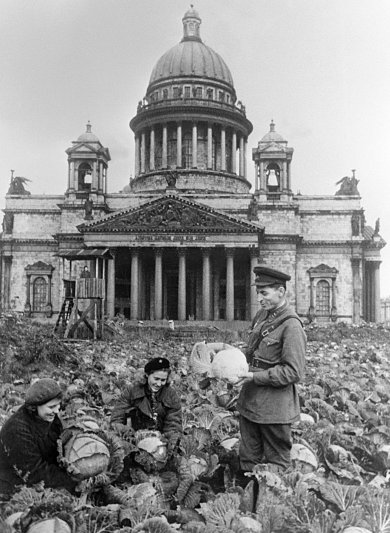
When the war began, the city authorities took active measures to protect St. Isaac's Cathedral from possible damage by aircraft and artillery: the dome was painted over with a special compound to hide the gilding, and the windows were blocked with sandbags. Despite this, the cathedral was still damaged. The first hit came in 1941, when a shell damaged the cathedral's north wall, columns, and windows. In 1942 a shell pierced the roof and exploded on the vault of a small dome. The third major damage occurred in 1943, when the blast wave from a bomb knocked out the stained glass by the altar. Because the utilities were not working, the cathedral's interior suffered from the weather and climate: high humidity and cold damaged the mosaics, paintings, and stucco work. There was also a city vegetable garden on St. Isaac's Square, where vegetables were grown to feed the city. Repairs began only after the Siege was lifted, and the restoration of St. Isaac's Cathedral took more than 20 years. A memorial plaque at the base of the building recalls the cathedral's Siege days.