←Old Pskov

Old Pskov

Photo of route “Old Pskov”
9 points0 km0 hours

Pskov is one of the oldest cities in Russia. And of course that means the Krom, churches with unique frescoes, merchant chambers, and walks along the rivers. This route introduces you to the city's main landmarks, its history, and its inimitable old-world atmosphere.

Things to do

  • 🚶 Stroll along the waterfront
  • 📜 Learn the city's history

Route points (9)

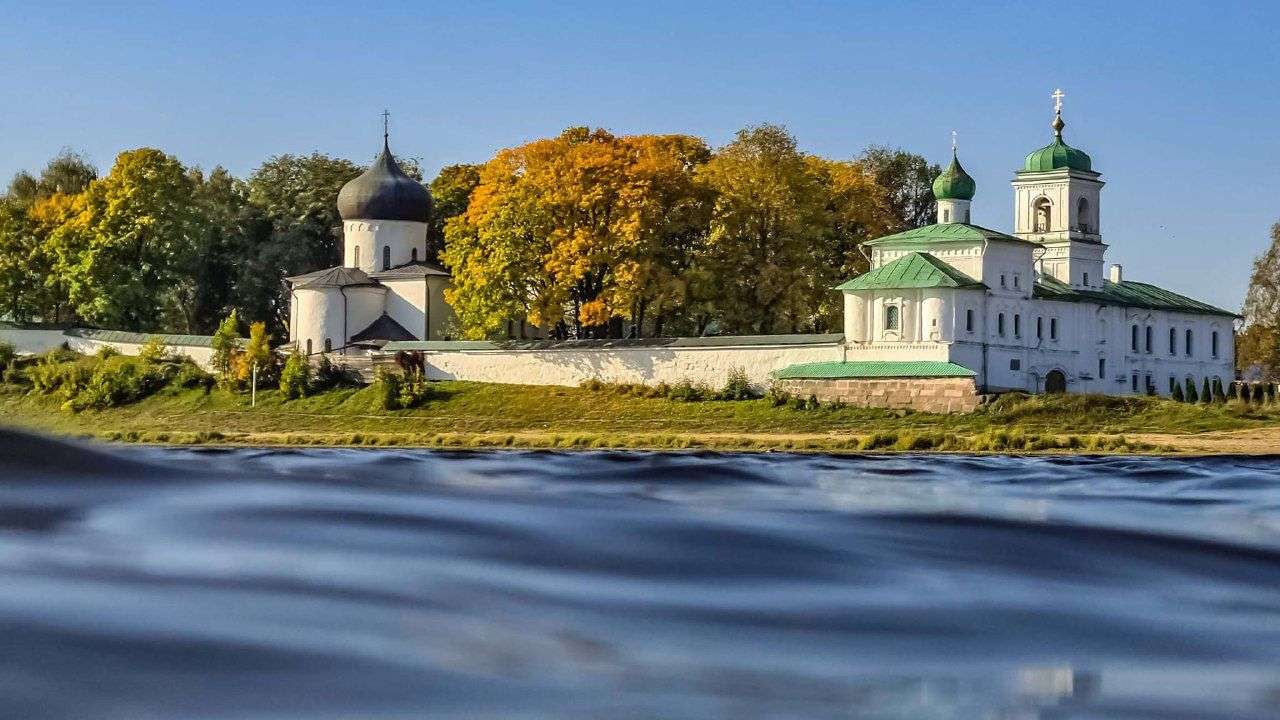
  1. Mirozh Monastery — point on route “Old Pskov”

    Mirozh Monastery

    🕍 Place of worship · 📜 Historic site

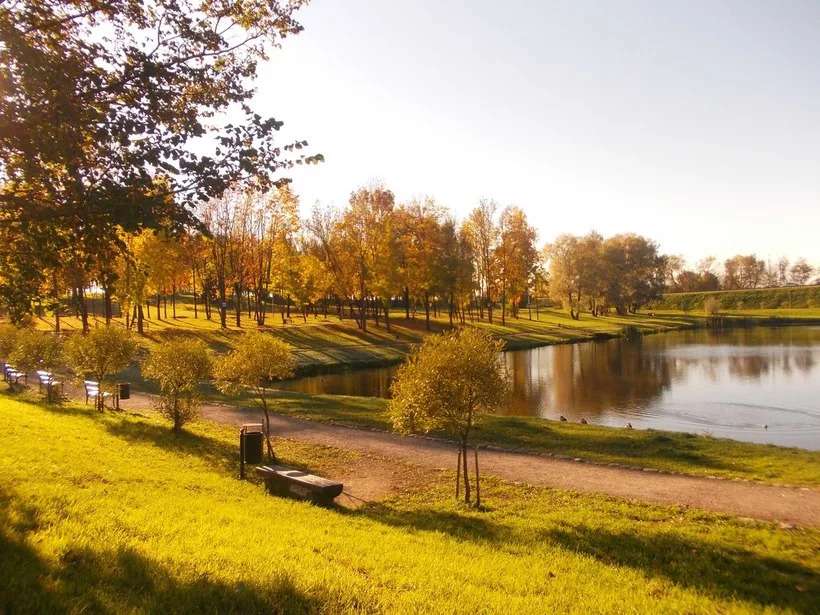
  2. Mirozh Arboretum — point on route “Old Pskov”

    Mirozh Arboretum

    🌿 Public garden or park

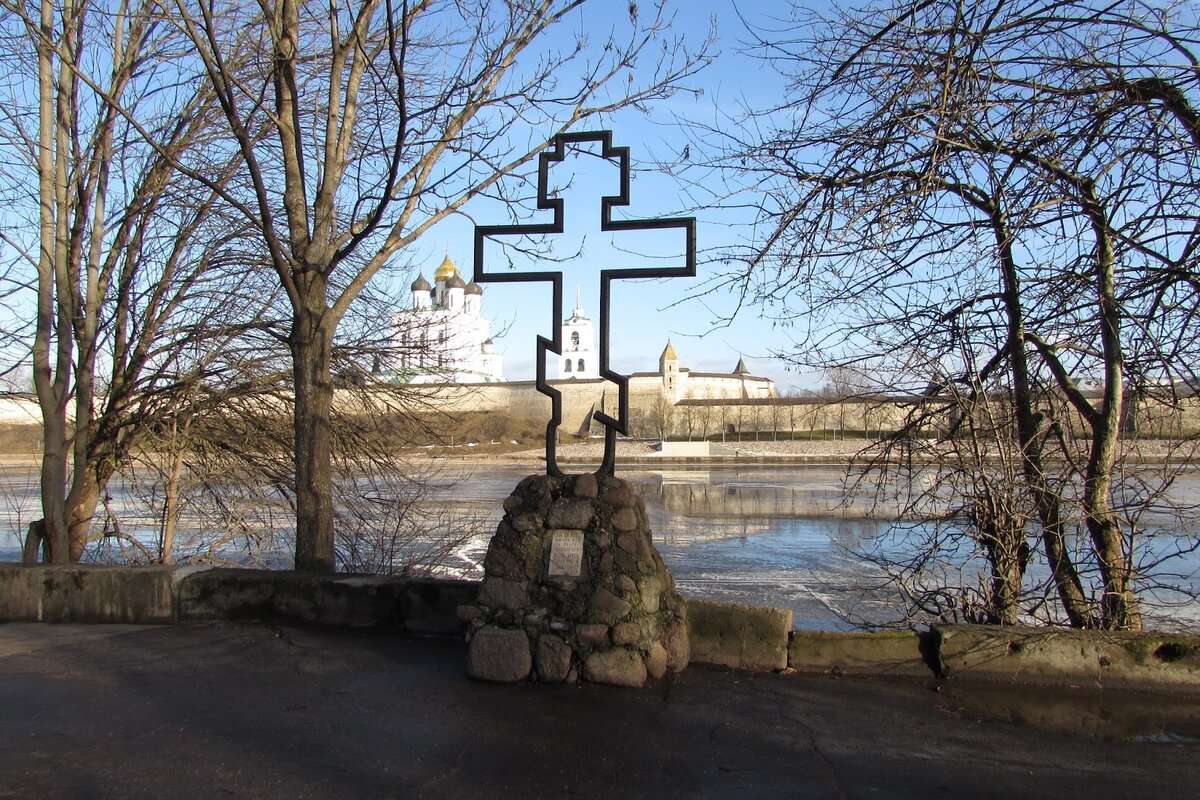
  3. St. Olga's Cross — point on route “Old Pskov”

    St. Olga's Cross

    🕵️ Urban legend

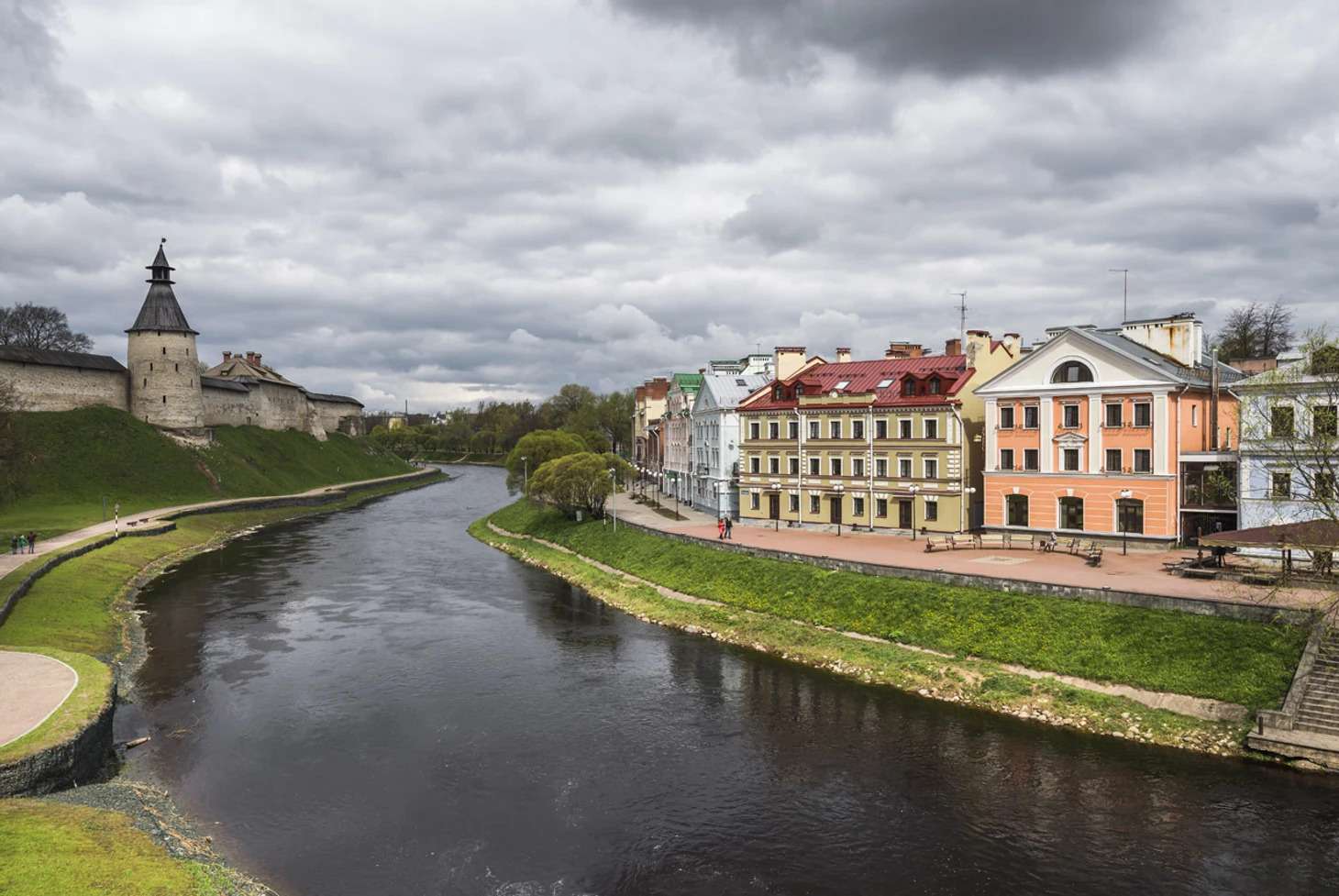
  4. Velikaya River Embankment — point on route “Old Pskov”

    Velikaya River Embankment

    🚶‍♂️ Waterfront

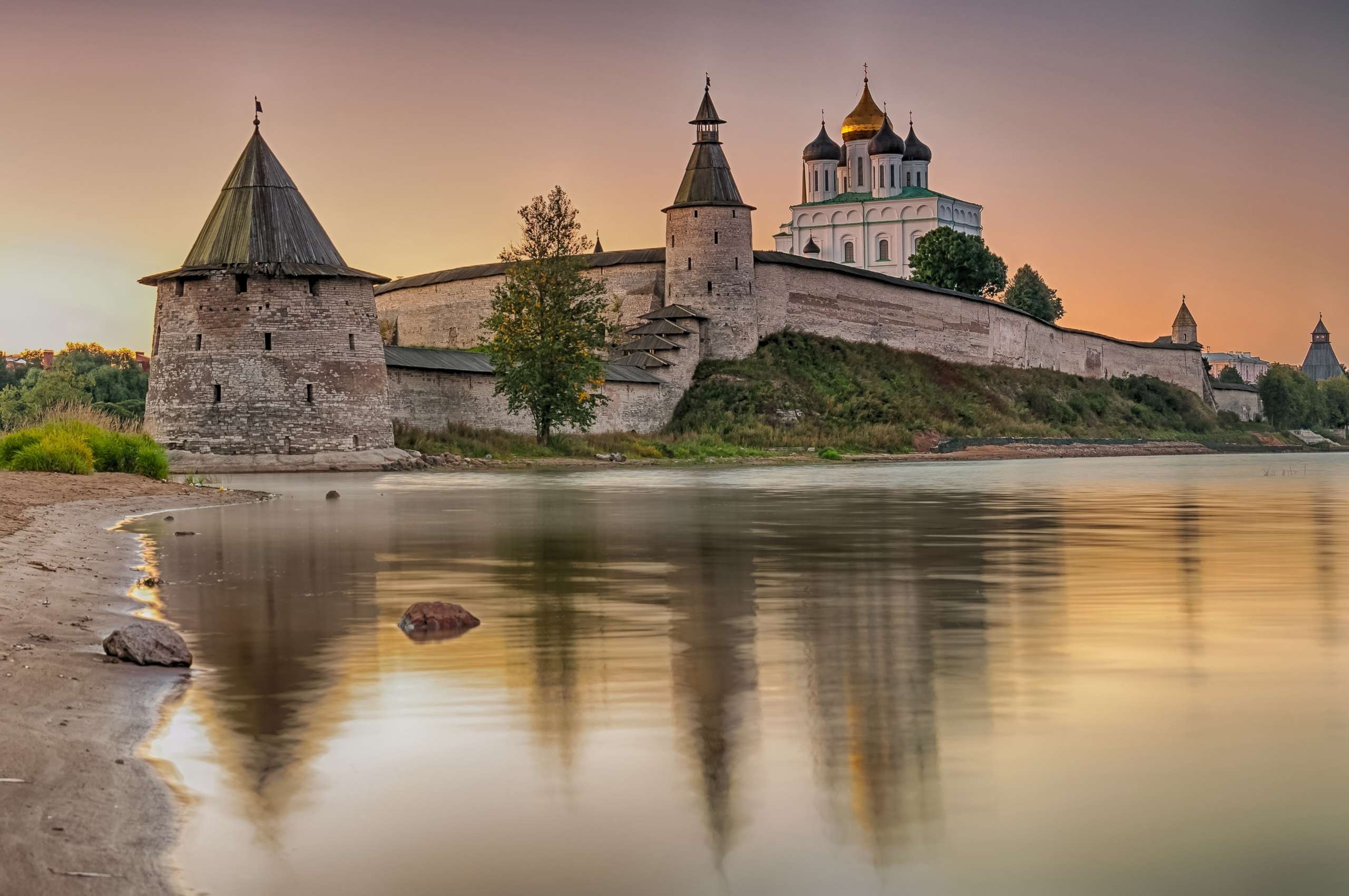
  5. Pskov Krom (Kremlin) — point on route “Old Pskov”

    Pskov Krom (Kremlin)

    📜 Historic site · 🕵️ Urban legend · 🏯 Fortress remains

  6. Holy Trinity Cathedral — point on route “Old Pskov”

    Holy Trinity Cathedral

    🕍 Place of worship · 🕵️ Urban legend · 📜 Historic site

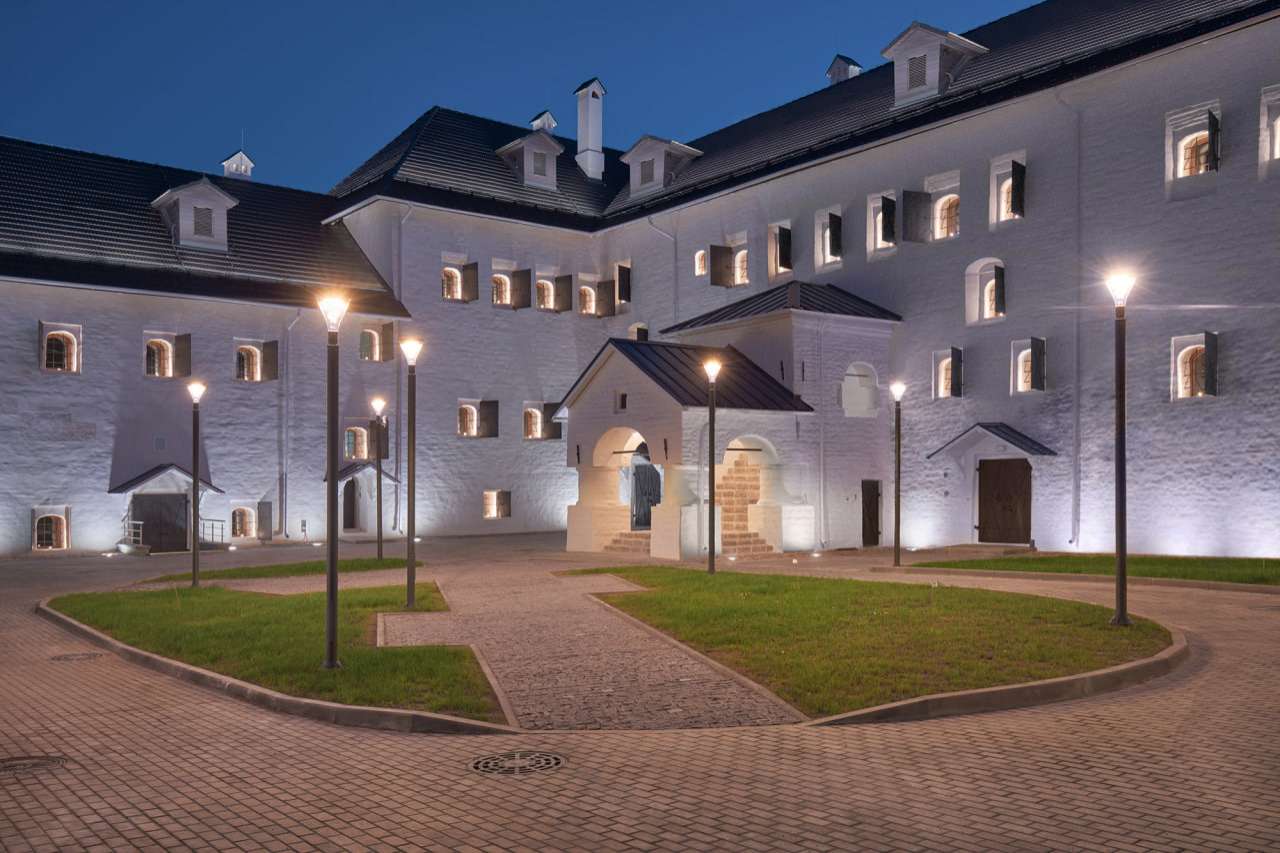
  7. Prikaznye Chambers — point on route “Old Pskov”

    Prikaznye Chambers

    📜 Historic site

  8. Varlaam Tower — point on route “Old Pskov”

    Varlaam Tower

    🏯 Fortress remains · 🏛️ Museum

  9. Pogankin Chambers — point on route “Old Pskov”

    Pogankin Chambers

    🏟️ Architectural landmark · 📜 Historic site

Pskov Krom (Kremlin) in Pskov

Point on route “Old Pskov”

Pskov Krom (Kremlin) — point on route “Old Pskov”

Point 5

Pskov Krom (Kremlin)

📜 Historic site • 🕵️ Urban legend • 🏯 Fortress remains

Historical Background

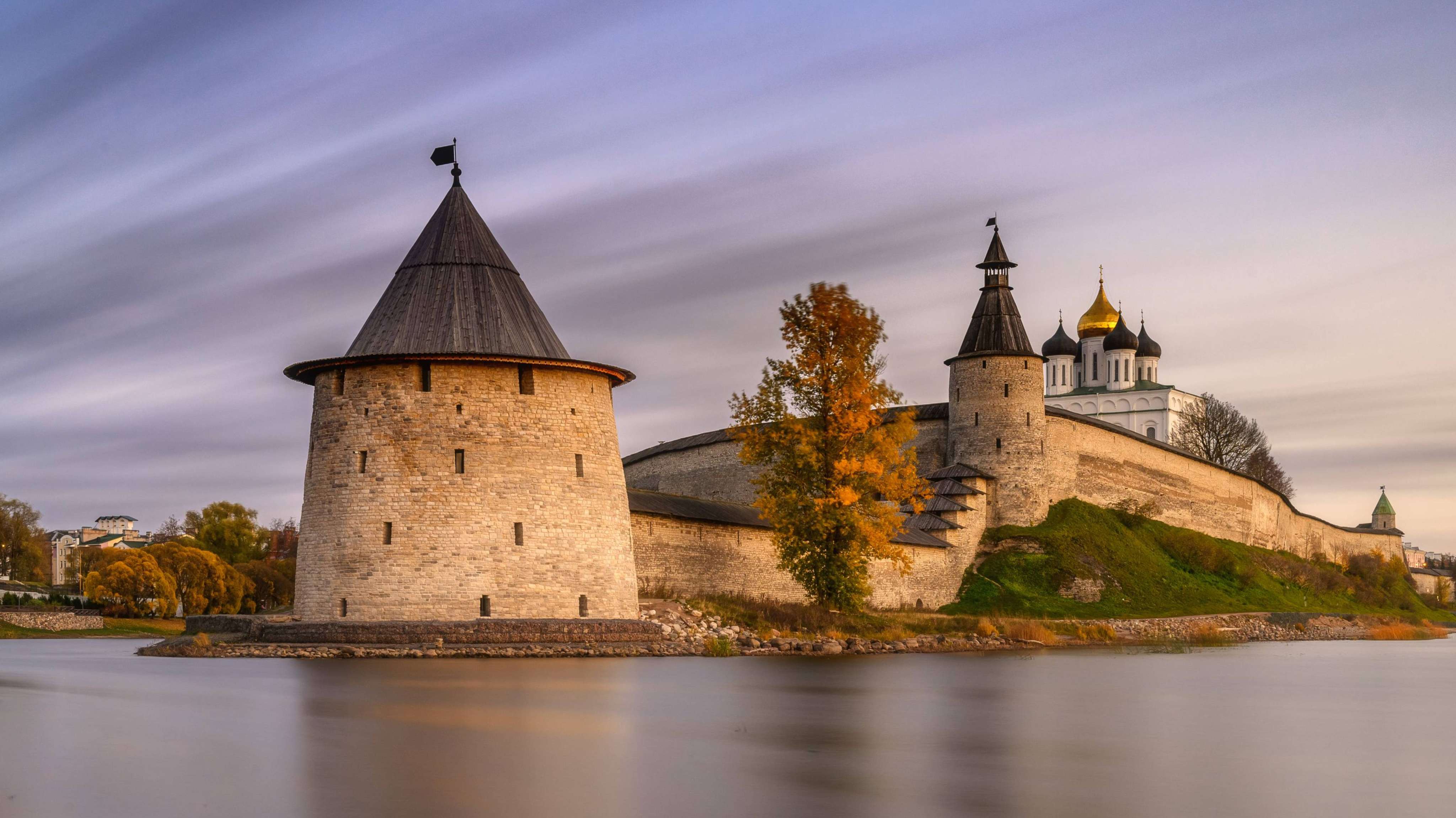
The Pskov Kremlin, or Krom, stands on a narrow cape at the confluence of the Pskova and Velikaya rivers. According to archaeological evidence, fortifications appeared here in the 8th century, and in the 10th century, legend has it, the first wooden church was built by order of Princess Olga. Later the town grew up around it, and its defensive walls and towers protected Pskov from attack and marked the bounds of the medieval republic.

Architectural Features

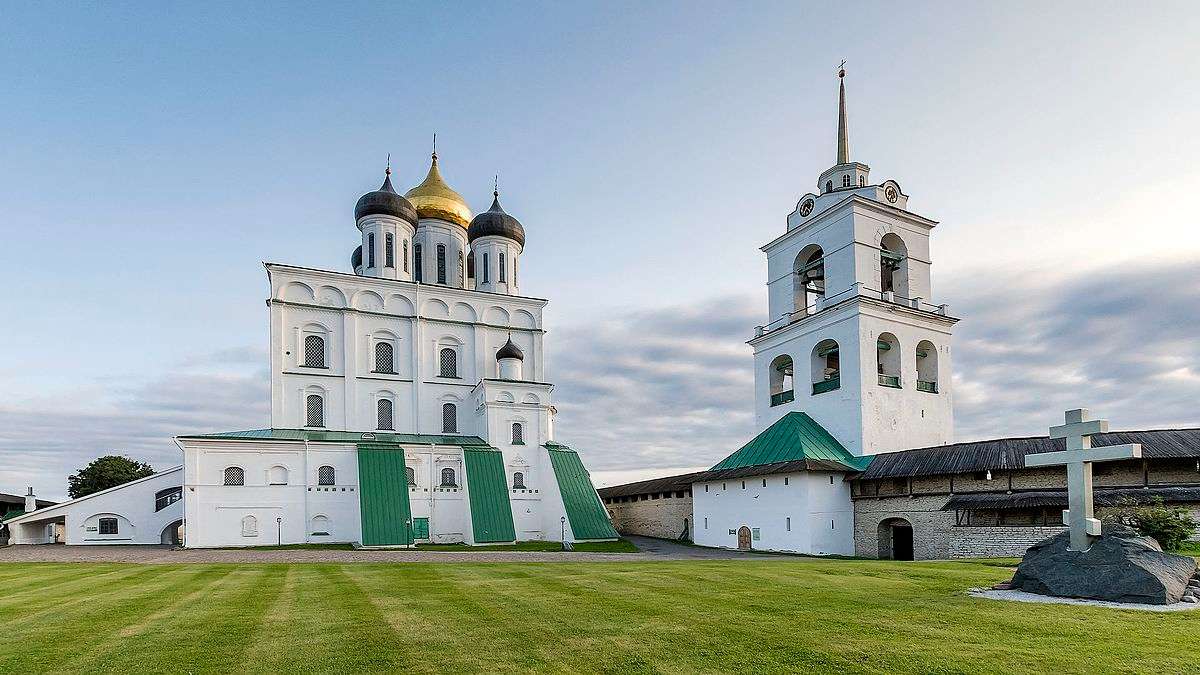
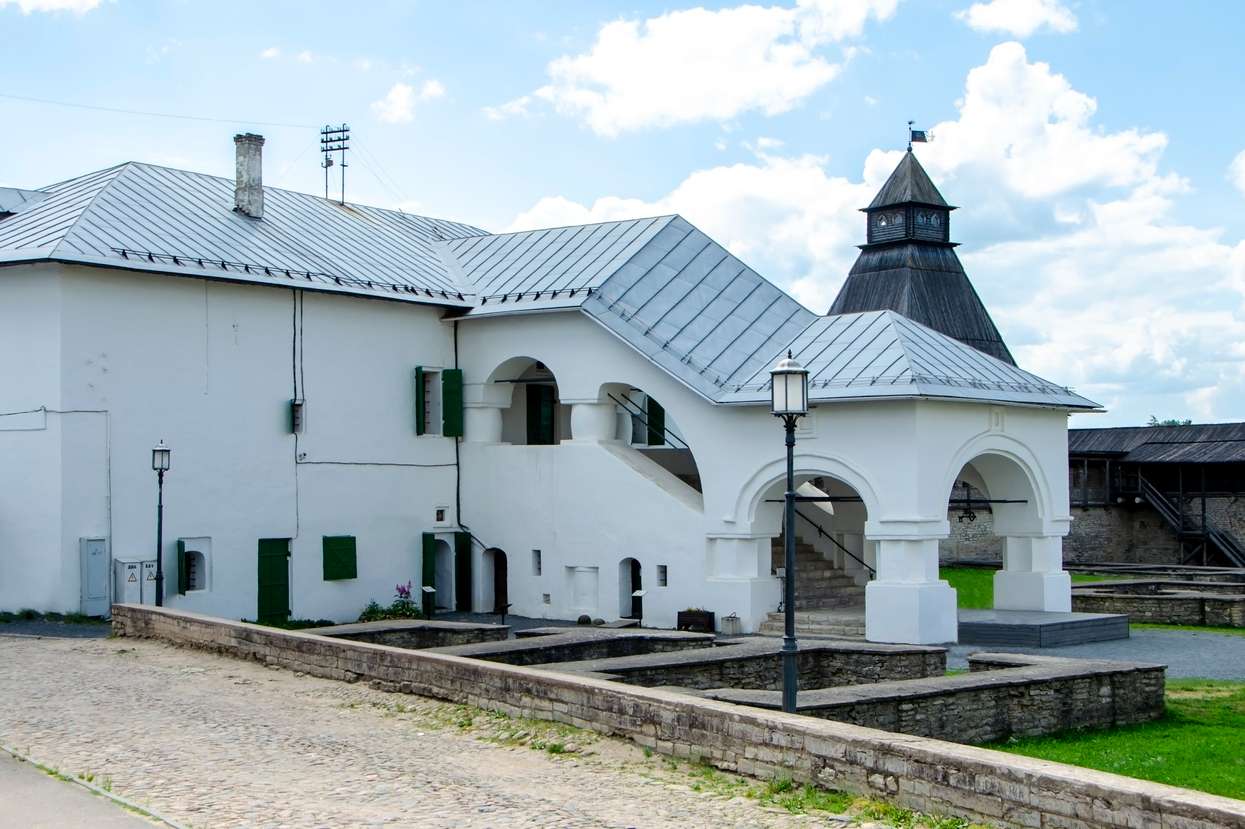
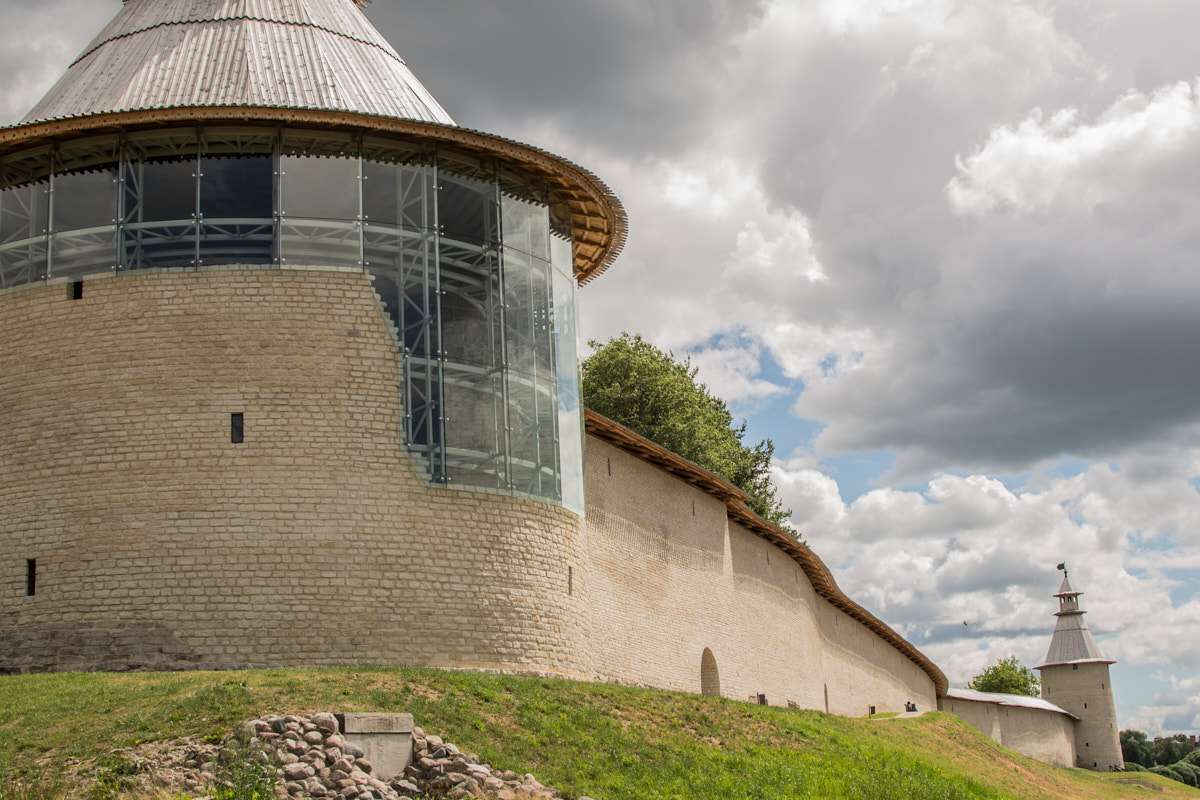
The Kremlin ensemble includes massive stone walls up to 6 meters (20 feet) thick and 6–8 meters (20–26 feet) high; seven towers of various shapes (the best known are the Vlasyevskaya, Rybnitskaya, Troitskaya, and Kutekroma); the 17th-century Prikaznye Chambers; and the remains of old government yards and powder magazines. The fortress covers 3 hectares (7.4 acres). The second fortified core, the Dovmont Town, adjoins the Krom. At the center stands the Holy Trinity Cathedral, the architectural focal point rising above the Veche Square. This is where the town veche (popular assembly) met and the main decisions of ancient Pskov were made.

Purpose and Atmosphere

The Pskov Kremlin was built purely for defense, and there are almost no decorative elements in its architecture. The one standout ornament is the icon of the Holy Trinity above the main entrance, which served as a protective talisman. The towers were rebuilt and strengthened many times as artillery developed, and some sections of the defensive rings were restored only in the 20th century. Steep stairs lead up to the wall walks and lookout towers, which offer a panorama of the city and the confluence of the rivers. In recent years the Krom has been a museum and historical center and a symbol of the region's unity. You enter through zakhab gates, designed to slow down an enemy's advance, and the walls themselves have survived more than 25 sieges over a thousand years.