Historical Background
The Zaraysk Kremlin was built in the first third of the 16th century by order of Grand Prince Vasily III to protect the southern lands of the Muscovite state from the Crimean and Kazan Tatars. The stone fortress went up in 1528–1531 on the site of the wooden Church of St. Nicholas, which was replaced with a new stone church. Soon after it was built, the kremlin withstood its first attacks, and in 1541 the troops of Khan Sahib Giray failed to take it. Throughout the 16th and 17th centuries the fortress successfully repelled nomad raids and remained one of the strongholds of the southern defensive line. During the Time of Troubles, Zaraysk was seized by supporters of False Dmitry and by Polish mercenaries, but later the military governors Dmitry Pozharsky and Vasily Korobyin held the fortress against new sieges. By the 18th century the kremlin had lost its military importance and gradually became a historic monument.
Architectural Features
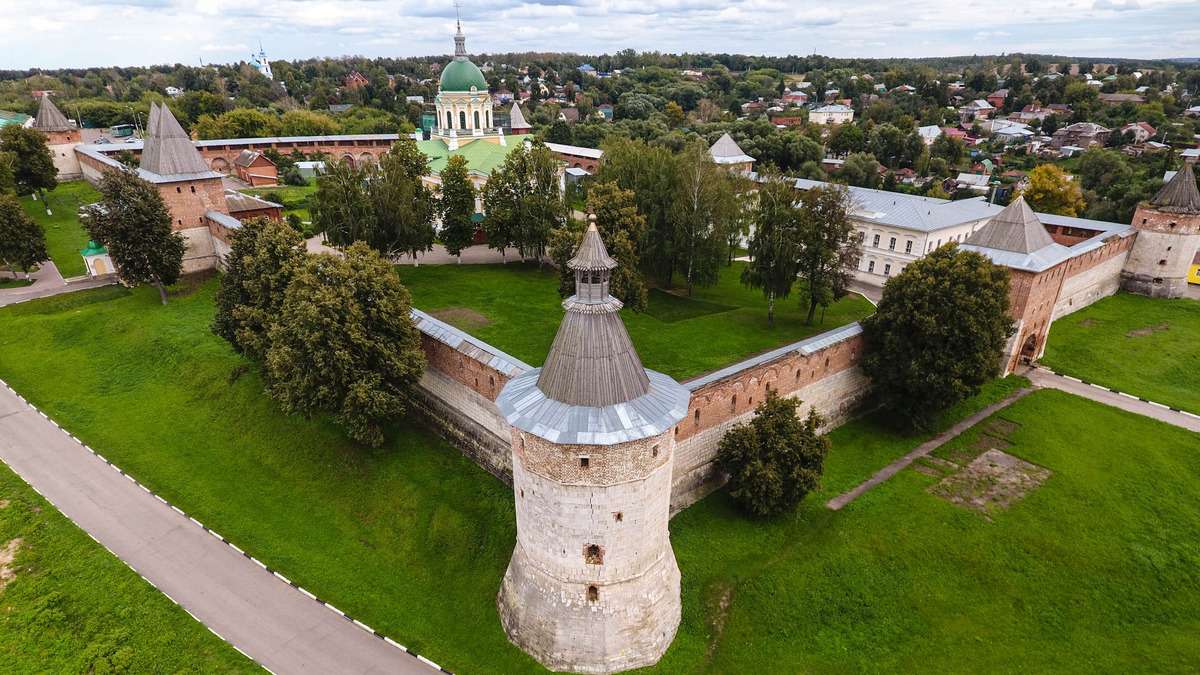
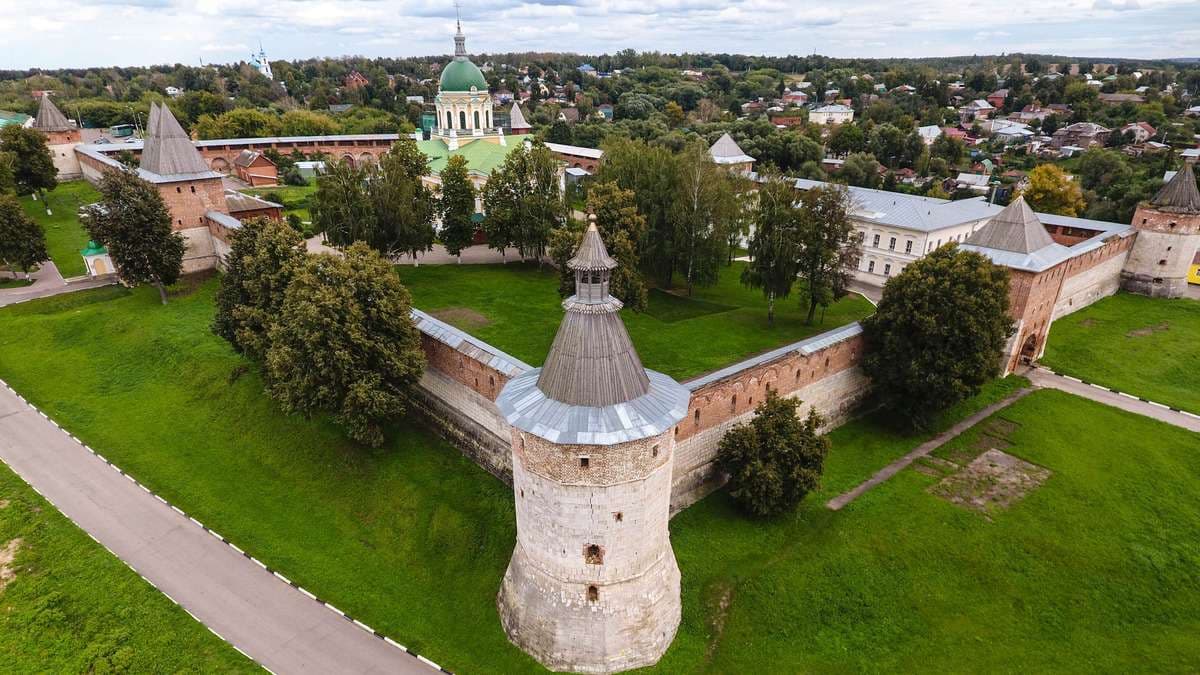
The kremlin stands on a plateau at the confluence of the Osyotr River and the Monastyrka Stream, whose slopes served as natural defenses. It is a rectangle measuring 125 by 185 meters (410 by 607 ft). The walls run about 620 meters (2,030 ft) around, are about 3 meters (10 ft) thick and up to 9 meters (30 ft) high. The kremlin was built in the spirit of Italian castle architecture, as you can see from the white stone facing of the towers and the unique three-pronged merlons on the southern and eastern walls. The fortress has seven towers, three of them gate towers: St. Nicholas, Savior and St. George. At the corners stand solid four-sided towers without gates, the tallest of which is the Guard Tower. Outside the stone walls there was once a wooden stockade with twelve towers, but it has not survived.
Churches and Shrines
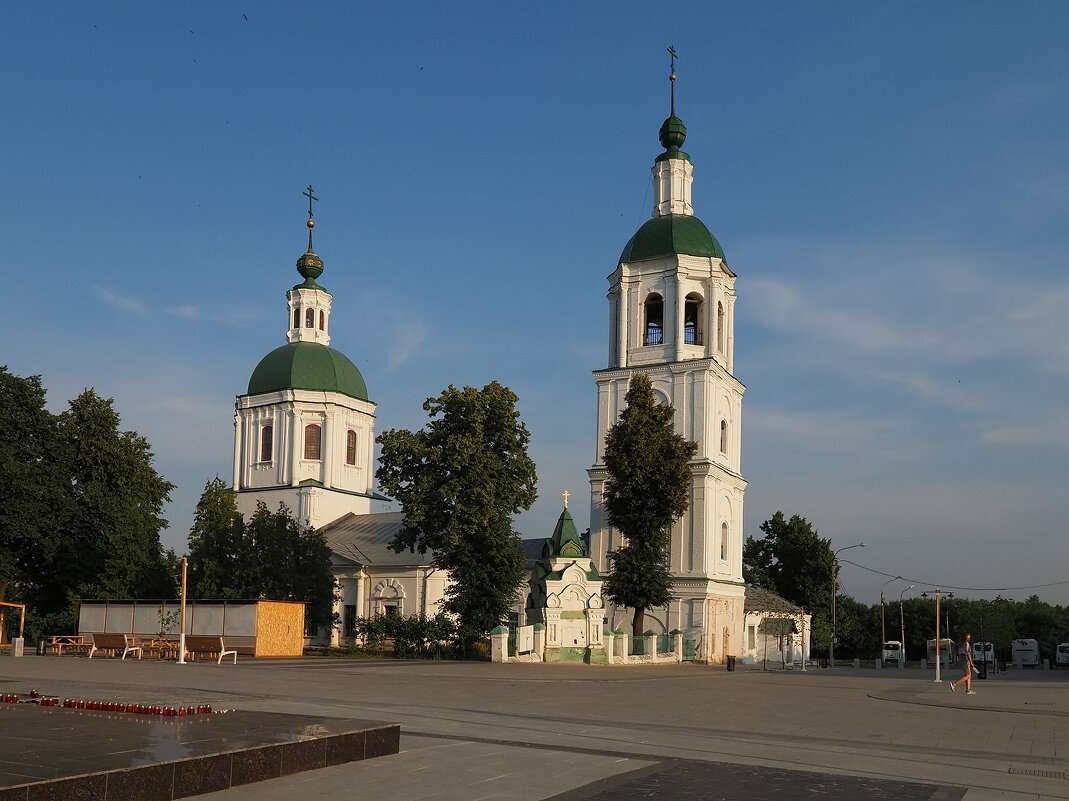
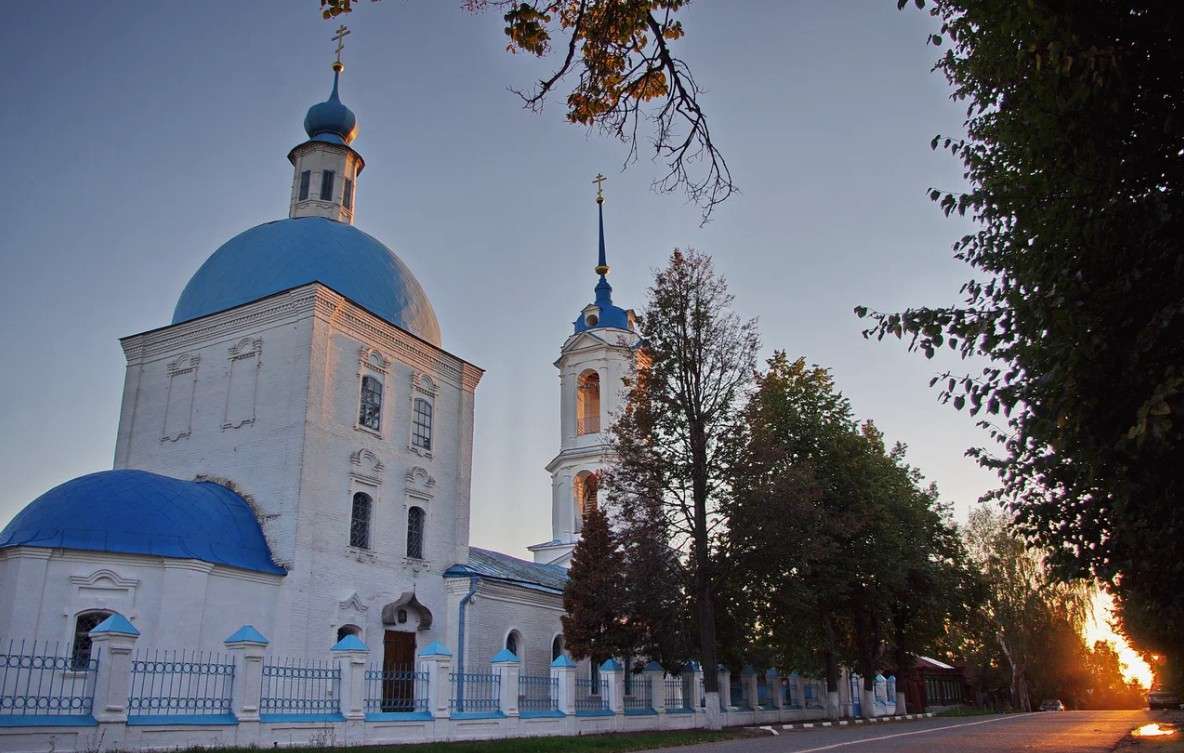
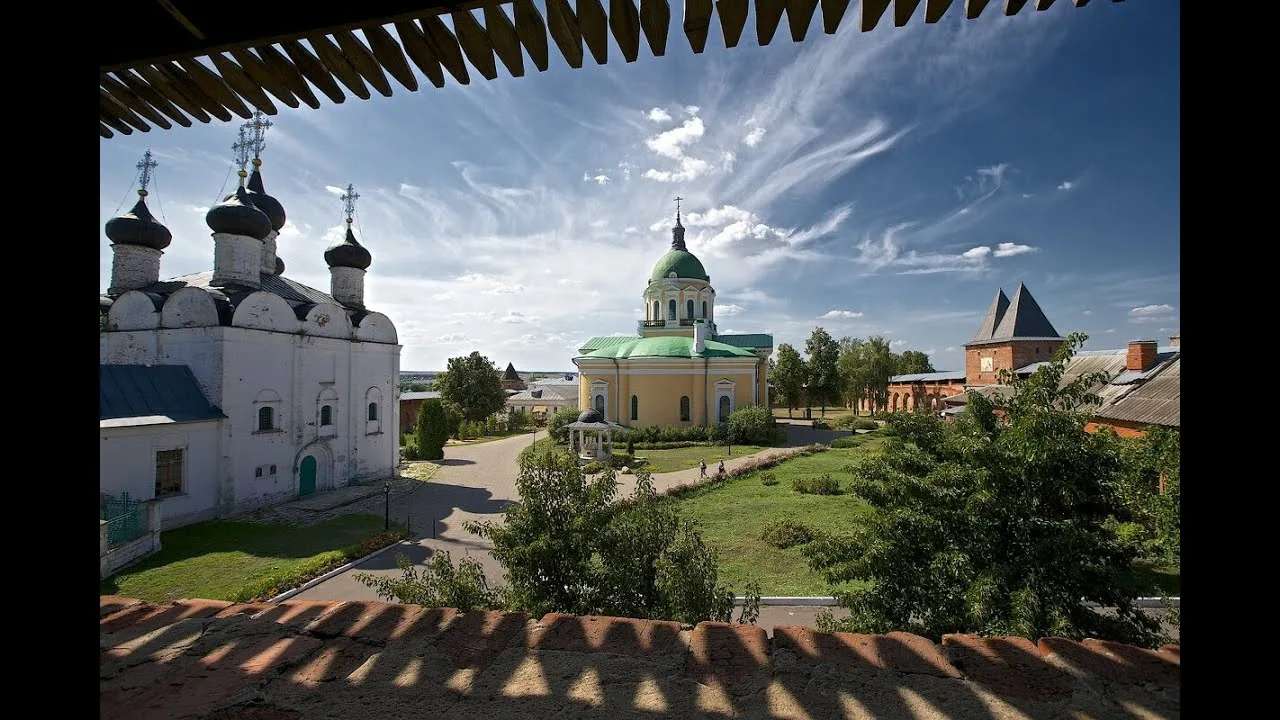
There are several churches inside the kremlin. The largest is the Cathedral of St. John the Baptist, built in the early 20th century. It houses the miracle-working icon of St. Nicholas of Zaraysk, venerated since the 16th century. Some buildings carry on older architectural traditions: the 17th-century St. Nicholas Cathedral and the stone tent-roofed tomb of Prince Fyodor of Ryazan, his wife Eupraxia and their son Ivan, who died during Batu Khan's invasion. In the southern part of the kremlin is the Church of St. Seraphim of Sarov, housed in the former theological school.
Museum Complex
Today the kremlin is a large museum-reserve whose exhibitions cover both medieval history and the distant Stone Age. Archaeological finds have shown that people lived on the site of Zaraysk 20,000 years ago, in the Upper Paleolithic. The star artifact, found in the occupation layer of the fortress, is a bison figurine carved from mammoth tusk. Besides archaeological material, the museum halls hold collections of porcelain, furniture, weapons and everyday objects from the noble country estates of Zaraysk District.
Memory and Significance
On the square by the western wall stands a monument to Dmitry Pozharsky, one of the leaders of the Second People's Militia of 1612. His appointment as military governor of Zaraysk was an important stage in his military career and in strengthening the town's defenses. Today the kremlin remains the main symbol of Zaraysk, serving at once as a historic monument, a museum center and a spiritual space. Thanks to its excellent state of preservation, it is one of the few stone kremlins in Russia that have survived almost unchanged.
 8 points
 0 km
 0 hours